赛诺菲

Search documents
创新药盘点系列报告(22):IBD治疗领域存在未满足的需求,关注新靶点、新机制
Guoxin Securities· 2025-06-17 11:19
Investment Rating - The investment rating for the industry is "Outperform the Market" (maintained) [1] Core Insights - There is an unmet demand in the IBD treatment field, with approximately 2.3 million patients in the US and five European countries suitable for biologic therapy, highlighting the significant patient population compared to other conditions like AD and PsO [2][5] - The global IBD drug market is valued at over $20 billion, with projections to reach approximately $28 billion by 2028, driven by the expiration of patents for first-line biologics and the rapid growth of new treatments [2][5] - Major multinational pharmaceutical companies are intensively exploring new targets and mechanisms for IBD treatment, focusing on dual pathways of inflammation and fibrosis, with several promising candidates entering late-stage clinical trials [2][5] Summary by Sections 01: Patient Population Comparison - The IBD patient population in the US and EU5 is approximately 4.1 million, with 2.3 million suitable for advanced therapies, comparable to populations for PsO and AD [5][6] 02: Unmet Needs in Current IBD Treatments - Existing IBD treatments have limitations, including slow onset of action and inadequate depth of remission, necessitating a shift in treatment goals towards deeper inflammation control [2][8] 03: MNCs' Focus on Next-Generation IBD Therapies - MNCs are actively pursuing new therapeutic targets, with TL1A and TYK2 being prominent areas of research, and several partnerships and acquisitions are underway to enhance their pipelines [2][8] 04: Investment Recommendations - The report suggests focusing on domestic opportunities in new IBD treatment targets and dual antibodies, indicating potential for international expansion [2][4]
创新药迎来重磅利好!
21世纪经济报道· 2025-06-16 14:12
Core Viewpoint - The National Medical Products Administration (NMPA) has proposed a draft to optimize the clinical trial review and approval process for innovative drugs, potentially reducing the approval timeline to 30 working days for core innovative drug varieties, which may reshape China's innovative drug development landscape [1][3][4]. Summary by Sections Clinical Trial Review and Approval Optimization - The draft aims to significantly enhance the efficiency of drug development, marking a key step towards establishing China as a global hub for innovative drug research [3][4]. - The 30-day review and approval channel will support national key research varieties and encourage early global synchronized research and international multi-center clinical trials [3][4]. Categories of Supported Drugs - The drugs eligible for the expedited review include: 1. Nationally supported key innovative drugs with significant clinical value. 2. Drugs included in the NMPA's Children's Drug Star Program and Rare Disease Care Program. 3. Globally synchronized research varieties, including Phase I, II clinical trials, and international multi-center clinical trials led by Chinese principal investigators [3][4][5]. Impact on Clinical Trial Efficiency - The reduction of the approval timeline from the conventional 60 working days to 30 days (and even 18 days in some regions) is expected to significantly enhance the initiation efficiency of clinical trials, thereby accelerating the pace of research and reducing costs and risks for companies [4][5]. - For instance, a typical oncology drug could see its Phase III multi-center clinical trial approval time reduced by 55 days, potentially allowing for market entry six months earlier [4][5]. Encouragement for Global Collaboration - The inclusion of global synchronized research in the priority channel is anticipated to increase China's attractiveness as a key site for international multi-center clinical trials, motivating multinational pharmaceutical companies to incorporate China into their early global plans [5][8]. Regulatory and Operational Requirements - The draft emphasizes the responsibility of applicants to engage with clinical trial institutions before submitting applications, ensuring that they have the capacity for risk assessment and management [8][9]. - A commitment to initiate clinical trials within 12 weeks post-approval is mandated, which aims to prevent resource idling and compel companies to enhance their clinical operational capabilities [10][12]. Focus on Rare Diseases and Children's Drugs - The draft specifically addresses the needs of "niche" diseases, highlighting the importance of children's drugs and rare disease medications, which have historically faced a lack of systematic policy support in China [10][11]. - The inclusion of these drugs in the fast-track channel is seen as a critical incentive to address the insufficient research motivation in these areas [10][11]. Challenges and Considerations - While the draft presents opportunities, it also raises the bar for companies, requiring them to establish robust risk management and drug safety systems to align with the accelerated timelines [12]. - The implementation of this draft will necessitate careful attention to regional disparities in institutional capabilities and the prevention of local protectionism in the regulatory process [12].


5 Large Drug Stocks That Are Poised to Ride on Sector Recovery
ZACKS· 2025-06-16 14:11
Industry Overview - The Zacks Large Cap Pharmaceuticals industry includes major global companies developing multi-million-dollar drugs across various therapeutic areas such as neuroscience, cardiovascular, metabolism, rare diseases, immunology, and oncology [4] - Continuous innovation and significant investment in R&D are defining characteristics of these companies, with regular mergers and acquisitions being common [4][5] Current Market Conditions - The industry has shown resilience amid broader macroeconomic uncertainties, with a year-to-date performance increase of 3.9%, outperforming the Zacks Medical Sector's decline of 1.5% and the S&P 500's rise of 1.7% [14] - The current forward 12-month price-to-earnings (P/E) ratio for the industry is 15.65X, lower than the S&P 500's 21.89X and the Zacks Medical Sector's 19.31X, indicating potential value [17] Key Players and Performance - **Bayer**: Key drugs like Nubeqa and Kerendia are driving growth, with plans for new drug launches in 2025. The stock has risen 61.9% year-to-date, with 2025 EPS estimates increasing from $1.19 to $1.25 [20][22] - **Pfizer**: Strengthened its oncology position with the acquisition of Seagen. Despite challenges from declining COVID-19 product sales and patent expirations, non-COVID operational revenues are improving. The stock has lost 4.2% year-to-date, but 2025 EPS estimates have risen from $2.98 to $3.06 [25][26][28] - **Novartis**: Following the separation of Sandoz, it has a strong portfolio with drugs like Kisqali and Leqvio. The stock has risen 25.6% year-to-date, with 2025 EPS estimates increasing from $8.46 to $8.74 [31][32] - **AbbVie**: Successfully transitioned from the loss of exclusivity of Humira with new drugs like Skyrizi and Rinvoq. The stock has risen 9.5% year-to-date, with stable 2025 EPS estimates at $12.28 [35][37] - **Sanofi**: Dupixent is a key growth driver, supported by a strong vaccine portfolio. The stock has risen 6.3% year-to-date, with 2025 EPS estimates increasing from $4.43 to $4.56 [40][42] M&A and Innovation Trends - The industry is characterized by aggressive M&A activity, with large pharmaceutical companies acquiring innovative small and mid-cap biotech firms to enhance their pipelines [6][7] - Recent notable M&A activity includes Sanofi's offer to acquire Blueprint Medicines for approximately $9.5 billion, indicating continued robust M&A activity expected throughout the year [8]


创新药临床试验迎突破:将开启30日审评通道
2 1 Shi Ji Jing Ji Bao Dao· 2025-06-16 13:29
Core Viewpoint - The National Medical Products Administration (NMPA) has proposed a draft to optimize the clinical trial review and approval process for innovative drugs, potentially reducing the approval timeline to 30 working days, which could significantly enhance the efficiency of drug development in China [1][2]. Group 1: Approval Process Changes - The new draft aims to compress the clinical trial review and approval period for key innovative drugs to 30 working days, with some regions like Beijing potentially reducing it to 18 days [2]. - The draft supports the development of drugs that are classified as traditional Chinese medicine, chemical drugs, and biological products, specifically focusing on three categories: nationally supported innovative drugs, drugs for children and rare diseases, and globally synchronized research products [1][4]. Group 2: Impact on Drug Development - The reduction in approval time is expected to significantly improve the efficiency of clinical trial initiation, allowing companies to accelerate their research and capture global market opportunities [2]. - The new policy is anticipated to lower research and development costs and risks, reduce waiting times for companies, and ultimately enhance the international competitiveness of China's pharmaceutical industry [2][3]. Group 3: Focus on Rare Diseases and Children's Drugs - The draft emphasizes the inclusion of drugs for rare diseases and children's medications, addressing unmet clinical needs in these areas [6]. - Currently, only about 10% of the over 800 rare disease drugs available globally have been approved in China, indicating a substantial market opportunity for new drug development in this sector [6]. Group 4: Responsibilities and Compliance - The draft introduces a requirement for applicants to demonstrate their capability in risk assessment and management, ensuring that clinical trials can commence within 12 weeks post-approval [3][4]. - Companies must establish robust drug safety monitoring and risk control systems to align with the expedited review process, ensuring quality and safety standards are maintained [7][8]. Group 5: Global Collaboration and Market Positioning - The inclusion of global synchronized research in the priority review channel is expected to enhance China's attractiveness as a key site for international multi-center clinical trials [2][5]. - Domestic innovative pharmaceutical companies, such as BeiGene and Innovent Biologics, are likely to benefit from this new policy, as it allows them to expedite the development of their first-class new drugs that align with national support directions [5].
腾讯云首次亮相科技盛会VivaTech,助力欧洲企业掘金AI时代
Sou Hu Cai Jing· 2025-06-16 08:26
腾讯集团高级执行副总裁、云与智慧产业事业群CEO汤道生在Vivatech主论坛分享 巴黎时间6月11日-13日,有着"欧洲科技春晚"之称的盛会 Viva Technology 2025 成功举办。腾讯集团高 级执行副总裁、云与智慧产业事业群CEO汤道生受邀出席,并在主论坛分享全球企业数字化转型趋势和 通信、医疗、出行等各领域的产业实践。 汤道生表示:"腾讯云正持续加大全球数字基础设施和生态建设,助力全球企业通过AI实现数智化升 级。如今,AI已不再是单纯地「求规模」,而是要真正理解复杂的业务场景,更懂企业更懂用户,带 来价值。" 在本届Vivatech上,Orange测试发布了旗下超级应用——" Max It " 升级版,该版本依托腾讯云小程序平 台和实时通讯解决方案,打造出集聊天、转账、互动于一体的创新体验,在海外电信运营商应用中开创 先河。从2025年6月起,用户在Max It上能一站式浏览、购买品牌新品、完成日常缴费以及预订电影票 和活动门票等。将为中东和非洲(MEA)地区约1.6亿用户提供更丰富、丝滑的体验。 多云架构与生态协同,助力欧洲企业突破 AI 规模化落地瓶颈 汤道生在会上指出:欧洲企业要想充 ...


巴克莱:中国行_加速生物制药创新及业务发展机遇
2025-06-16 03:16
Summary of Key Points from the Conference Call Industry Overview - The report focuses on the **biopharmaceutical sector in China**, highlighting its resurgence driven by innovation and increased deal activity with multinational corporations (MNCs) [1][2]. Core Insights - **Global Competitiveness**: China's pharma sector is confirmed to be globally competitive, with significant partnerships such as Summit Therapeutics' licensing agreement with Akeso for ivonescimab (up to $5 billion) and Pfizer's deal with 3SBio for SSGJ-707 (up to $6 billion) [2]. - **Investment in Obesity Treatments**: Companies are investing in the obesity treatment space, with notable deals including Merck's $1.9 billion agreement with Hansoh Pharma and Novo's $2 billion deal with United Bio-Technology [2]. - **Long-Term Winners**: AstraZeneca (AZN) and Sanofi (SAN) are identified as long-term winners in the region, with both companies actively investing and expanding their R&D presence in China [7][11]. R&D and Business Development Opportunities - **Rapid R&D Advancement**: China's biopharma industry is shifting from generics to genuine innovation, with improved R&D efficiency and lower costs [8][41]. - **Rich Pipeline of Assets**: MNCs are increasingly seeking business development (BD) deals in China, with a wealth of attractive pipeline assets available for international partnerships [9]. - **Key Asset Types**: Bispecific antibodies, GLP-1 therapies, and antibody-drug conjugates (ADCs) are highlighted as prominent areas for BD opportunities [10][65]. Market Dynamics - **Market Share Growth**: The share of innovative drugs in China's core hospital pharmaceutical market increased from 21% in 2015 to 29% in 2024, with local companies' share rising from 18.7% to 27.8% [24][25]. - **Declining Contribution**: There is a modest decline in China sales as a percentage of global sales among large-cap EU pharma companies, with AstraZeneca's share dropping from 20% in 2020 to an estimated 12% in 2024 [29][31]. Strategic Collaborations - **M&A Activity**: The report notes a boom in M&A activity as companies seek to acquire innovative pipeline assets amid global pricing pressures and patent expirations [40]. - **Emerging Global Innovation Hub**: China is becoming a global hub for innovative drug R&D, with a significant increase in out-licensing deals, reaching a total value of $50.8 billion in 2024 [40][48]. Specific Therapeutic Areas - **Bispecific Antibodies**: The report emphasizes the growing interest in bispecific antibodies, particularly those targeting PD-1/VEGF pathways, with significant licensing deals indicating global confidence in these assets [66][68]. - **GLP-1 Therapies**: The report outlines the evolution of GLP-1 therapies, with a focus on long-acting formulations and oral small molecules, highlighting numerous ongoing clinical trials and licensing deals [70][72]. - **Antibody-Drug Conjugates (ADCs)**: China is emerging as a leader in ADC innovation, with approximately 40% of the global ADC pipeline originating from China and a significant increase in international licensing transactions [77][78]. Conclusion - The biopharmaceutical sector in China is positioned for growth, with strong R&D capabilities, a rich pipeline of innovative assets, and increasing global interest from MNCs. Companies like AstraZeneca and Sanofi are well-positioned to capitalize on these opportunities, while the landscape for innovative therapies continues to evolve rapidly.
Press Release: EAACI: Dupixent demonstrated superiority over Xolair (omalizumab) in chronic rhinosinusitis with nasal polyps in patients with coexisting asthma in first-ever presented phase 4 head-to-head respiratory study
GlobeNewswire News Room· 2025-06-15 15:22
Core Insights - Dupixent (dupilumab) has demonstrated superiority over Xolair (omalizumab) in treating chronic rhinosinusitis with nasal polyps (CRSwNP) in patients with coexisting asthma, as evidenced by the EVEREST phase 4 study results presented at the EAACI Annual Congress [1][4][6] Study Overview - The EVEREST study involved 360 adults with severe, uncontrolled CRSwNP and coexisting asthma, randomized to receive either Dupixent 300 mg every two weeks or omalizumab based on weight and IgE levels [2][6] - Both treatments were administered alongside mometasone furoate nasal spray [2] Efficacy Results - Dupixent showed a 1.60-point superior reduction in nasal polyp size (p<0.00011) and an 8.0-point superior improvement in the ability to identify different smells (p<0.00011) compared to omalizumab [5] - Other significant improvements included a 0.58-point reduction in nasal congestion (p<0.00011), a 1.74-point reduction in symptom severity (p<0.00011), and a 12.7-point difference in health-related quality of life (p<0.00012) [5] - Asthma-related endpoints also favored Dupixent, with a 150 mL difference in lung function (pre-bronchodilator FEV1; p=0.0032) and a 0.48-point difference in asthma control (p<0.00012) [5] Safety Profile - The safety results were consistent with the known profiles of both medications, with adverse events reported in 64% of Dupixent patients and 67% of omalizumab patients [3][4] - Serious adverse events occurred in 2% of Dupixent patients and 4% of omalizumab patients, while discontinuation due to adverse events was reported in 3% and 1% respectively [3][4] Mechanism of Action - Dupixent targets interleukin-4 (IL-4) and interleukin-13 (IL-13), which are key drivers of type 2 inflammation, reinforcing its efficacy in treating both upper and lower respiratory diseases [4][8] Regulatory Status - Dupixent has received regulatory approvals in over 60 countries for various indications, including CRSwNP, asthma, and other allergic conditions, with more than one million patients currently treated globally [9][10]


Dupixent® (dupilumab) Demonstrated Superiority Over Xolair® (Omalizumab) in Chronic Rhinosinusitis with Nasal Polyps (CRSwNP) in Patients with Coexisting Asthma in First-ever Presented Phase 4 Head-to-Head Respiratory Trial
Globenewswire· 2025-06-15 15:21
Core Insights - Dupixent demonstrated superior efficacy compared to Xolair in treating chronic rhinosinusitis with nasal polyps (CRSwNP) and asthma, achieving significant improvements in various endpoints as early as 4 weeks [1][2][3] Group 1: Trial Overview - The EVEREST Phase 4 trial involved 360 adults with severe, uncontrolled CRSwNP and coexisting asthma, comparing Dupixent (300 mg every two weeks) to Xolair (dosing based on weight and IgE levels) [2][5] - Both treatments were administered alongside mometasone furoate nasal spray [2][5] Group 2: Efficacy Results - Dupixent achieved a 1.60-point superior reduction in nasal polyp size (p<0.0001) and an 8.0-point superior improvement in smell identification (p<0.0001) [4] - Other notable results included a 0.58-point reduction in nasal congestion (p<0.0001), a 1.74-point reduction in symptom severity (p<0.0001), and a 12.7-point improvement in health-related quality of life (p<0.0001) [4] Group 3: Safety Profile - The safety profile of Dupixent was consistent with its known profile, with adverse event rates of 64% for Dupixent and 67% for Xolair [3] - Serious adverse events were reported in 2% of Dupixent patients compared to 4% for Xolair, and discontinuation due to adverse events occurred in 3% of Dupixent patients versus 1% for Xolair [3] Group 4: Mechanism of Action - Dupixent targets IL-4 and IL-13 pathways, which are key drivers of type 2 inflammation, providing significant clinical benefits in respiratory diseases [1][7] Group 5: Market Context - Dupixent has received regulatory approvals in over 60 countries for various indications, with more than 1,000,000 patients currently treated globally [8][9]

晚报 | 6月16日主题前瞻
Xuan Gu Bao· 2025-06-15 14:34
Group 1: Nuclear Fusion - The National Ignition Facility (NIF) achieved a new record of 8.6 megajoules of nuclear fusion energy, more than doubling the previous milestone of 3.15 megajoules set in 2022 [1] - This breakthrough is seen as a significant step towards making nuclear fusion a practical and sustainable energy solution, with NIF successfully achieving net energy gain for the eighth time [1] Group 2: Measurement and Testing in Manufacturing - The Ministry of Industry and Information Technology issued a policy document aimed at advancing measurement innovation in China's manufacturing sector, focusing on key technologies and the integration of military and civilian applications [2] - The manufacturing measurement market in China is projected to exceed 150 billion yuan by 2025, with a compound annual growth rate of over 10% [2] Group 3: Oil Prices and Geopolitical Tensions - Following Israel's attack on Iranian nuclear facilities, global oil prices surged, with Brent crude rising by 8.39% to $75.18 per barrel [3] - Concerns over potential disruptions in oil transport through the Strait of Hormuz, a critical passage for one-fifth of the world's oil supply, have led to warnings from investment banks that prices could spike to $120-130 per barrel if significant interruptions occur [3] Group 4: AI in Pharmaceutical Development - A strategic research collaboration was established between CSPC Pharmaceutical Group and AstraZeneca, focusing on AI-driven drug discovery, with CSPC receiving an upfront payment of $110 million and potential milestone payments exceeding $5 billion [4] - This partnership highlights the growing recognition of Chinese pharmaceutical companies' capabilities in AI drug discovery, shifting the process from traditional methods to AI design [4] Group 5: Low-altitude Economy - The 2025 Digital Low-altitude Conference will be held in Suzhou, focusing on key developments in low-altitude economy sectors such as drones and flight services [5] - Suzhou is emerging as a hub for low-altitude economic development, with numerous companies involved across the entire industry chain [5] Group 6: Brain-Computer Interface Technology - China has initiated its first prospective clinical trial for invasive brain-computer interface technology, marking it as the second country globally to enter this phase [6] - The advancement in this technology is expected to improve the quality of life for patients with spinal cord injuries and amputations [6]

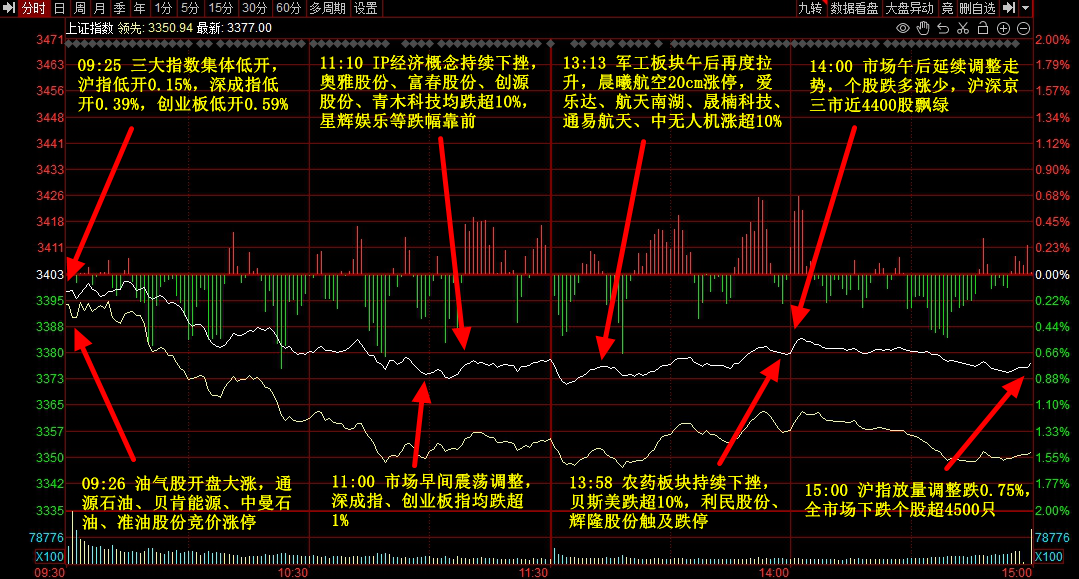
欧股“十一罗汉”收盘播报|阿斯麦收跌约1.8%,本周诺和诺德累涨约8.3%
news flash· 2025-06-13 18:31
| 名称 = | 代码 : | 最新价 | 开营 | 들이 | | 涨跌额 = 涨跌幅 = | | | --- | --- | --- | --- | --- | --- | --- | --- | | GSK plc | ઉંકાર | 1.511.50 | 1,536.50 | 1,554.00 | 1,509.00 | -38.00 | -2.45% | | I SAP公司 | SAPG | 254.750 | 256.250 | 257.900 | 254.050 | -6.400 | -2.45% | | I 阿斯麦公司 | ASML | 664.60 | 664.70 | 672.90 | 660.30 | -12.00 | -1.77% | | 路易威登 | LVMH | 461.40 | 460.00 | 463.25 | 457.25 | -7.45 | -1.59% | | + 罗氏制药公司 | ROG | 268.70 | 269.10 | 272.10 | 268.70 | -3.90 | -1.43% | | 型 雀巢 | NESN | 84.26 | 84.47 | 85.08 | ...