华润饮料

Search documents
经导财评|制度型开放筑基 资本市场引力升级
Da Zhong Ri Bao· 2025-11-05 10:08
Group 1 - The China Securities Regulatory Commission (CSRC) is committed to implementing the spirit of the Fourth Plenary Session, focusing on risk prevention, strong regulation, and promoting high-quality development in the capital market [1][2] - The CSRC aims to deepen the institutional opening of the capital market, with measures to enhance the efficiency of overseas listing filings and expand the scope of the Shanghai-Hong Kong and Shenzhen-Hong Kong Stock Connect programs [1][2] - The overseas listing filing system has improved through effective inter-departmental coordination, enhancing the stability and predictability of policy supply for companies [1][2] Group 2 - The expansion of the Stock Connect mechanism is expected to inject substantial momentum into market openness, allowing for a more diverse range of market participants and new products like RMB stock trading counters and REITs [2] - Risk prevention remains a fundamental support in the process of opening up, with a focus on enhancing regulatory capabilities and cross-border monitoring of capital flows [2] - The total market capitalization of A-share listed companies has surpassed 119 trillion yuan, with the technology sector accounting for over one-quarter, indicating significant internal market stability [3]
星巴克中国卖了!出售最多60%股权、剑指2万家门店
Guo Ji Jin Rong Bao· 2025-11-04 08:54
星巴克中国股权买家尘埃落定,这是星巴克入华26年来里程碑式的变动。 博裕资本成立于2011年,近年先后投资蜜雪冰城、海天味业(603288)、华润饮料等头部消费品牌,今 年5月还以百亿级资金入主北京SKP。 "博裕在本地市场的经验与专长,将有力加速星巴克在中国市场,特别是中小城市及新兴区域的拓 展。"星巴克咖啡公司董事长兼首席执行官倪睿安(Brian Niccol)这样表示。 此次股权调整,亦折射出星巴克中国应对本土竞争的战略考量。作为星巴克在全球的第二大市场,中国 市场近年面临瑞幸、库迪等本土咖啡品牌,以及新茶饮品牌的双重挤压,近两年星巴克营收和门店规模 已被瑞幸超越,客单价、销量等重要经营指标持续波动。 为扭转局面,星巴克今年加快自我变革,以降价加码非咖业务、加快门店区域下沉,并增加营销活动。 11月4日,星巴克咖啡(SBUX)正式宣布与博裕投资达成战略合作,将成立一家合资企业运营中国市 场的零售业务。此举标志着这家国际咖啡巨头在华开启"本土资本+品牌授权"的全新运营模式。 新合资公司总部将设立在上海,愿景是未来将星巴克中国门店规模拓展至20000家,目前星巴克在中国 市场门店总数为8011家。该交易需监 ...

星巴克中国出售!博裕资本拿下60%股权,斥资40亿美元
Sou Hu Cai Jing· 2025-11-04 06:40
Core Insights - Starbucks has announced a joint venture with Chinese private equity firm Boyu Capital to operate its retail business in mainland China, marking the first time in 26 years that Starbucks has relinquished control of its Chinese operations [1][2] - Boyu Capital will hold up to 60% of the joint venture, while Starbucks retains 40% and continues to own and license its brand and intellectual property [1] - The enterprise value of the transaction is approximately $4 billion, excluding cash and debt, with Starbucks estimating the total value of its retail business in China to exceed $13 billion [2] Company Overview - The newly formed Starbucks China joint venture will be headquartered in Shanghai and will manage around 8,000 stores currently operated by Starbucks in mainland China [2] - Over 60% of Starbucks' stores are located in the U.S. and China, with China being its second-largest and fastest-growing market [3] - Starbucks CEO Brian Niccol emphasized that Boyu's local market expertise will significantly accelerate Starbucks' expansion in China, particularly in smaller cities and emerging regions [3] Investment Background - Boyu Capital, established in 2011, has become one of China's top local private equity firms, focusing on technology innovation, consumer retail, and healthcare [3] - Recent investments by Boyu include leading projects in the consumer and technology sectors, such as Mixue Ice Cream, Haitian Flavoring, and Perfect Diary [3] Financial Performance - For the fiscal year 2025, Starbucks reported revenue of $3.105 billion from the Chinese market, reflecting a 5% year-over-year growth [3] - By the end of fiscal year 2025, Starbucks had 8,011 stores in China, having entered 1,091 county-level markets, with 183 new stores opened in the fourth quarter alone [3]
星巴克中国“让贤”仅保留40%股权,借力博裕投资坐望2万家门店
Sou Hu Cai Jing· 2025-11-04 06:13
Core Insights - Starbucks has announced a strategic partnership with Boyu Capital to establish a joint venture for its retail operations in China, with Boyu holding up to 60% equity and Starbucks retaining 40% [1] - The estimated enterprise value of the joint venture is approximately $4 billion, and Starbucks anticipates the total value of its retail business in China to exceed $13 billion [1] - The new joint venture will be headquartered in Shanghai and aims to expand the number of Starbucks stores in China from 8,000 to 20,000 in the future [1] Company Strategy - Starbucks CEO Brian Niccol emphasized that Boyu's local market expertise will accelerate Starbucks' expansion in China, particularly in smaller cities and emerging regions [2] - The company reported significant growth in its retail presence, with 8,011 stores in 1,091 county-level cities by the end of fiscal year 2025 [2] - In response to market competition, Starbucks implemented its largest price adjustment in 26 years, reducing prices on key products by an average of 5 yuan, which contributed to revenue growth [2] Market Challenges - Despite the positive results from its expansion strategy, Starbucks faces challenges in penetrating the lower-tier markets, where competitors like Luckin Coffee have a significant presence [3][5] - Data indicates that the majority of coffee shop locations are concentrated in new first-tier and second-tier cities, while brands targeting lower-tier markets have a higher percentage of their stores in those areas [3] - The entry of various tea brands into the coffee market poses additional challenges for Starbucks as it seeks to establish a foothold in non-first and second-tier cities [5] Investment Landscape - The sale of Starbucks' equity in China has attracted interest from over 20 private equity firms, with potential valuations reaching $10 billion [6] - Boyu Capital, founded in 2011, has a strong investment track record in the consumer market, managing a fund size of $10 billion and holding stakes in over 200 companies [7] - Boyu's recent acquisition of a significant stake in Beijing SKP, a leading luxury department store, highlights its strategic investment approach in the evolving Chinese consumer market [8] Industry Transformation - The coffee market in China is undergoing significant changes, with high-end brands like Starbucks needing to adapt to the competitive landscape dominated by local brands [10] - The shift in consumer preferences and market dynamics necessitates a transformation for mid-to-high-end foreign brands, which must navigate the challenges of maintaining their brand identity while appealing to a broader audience [10]


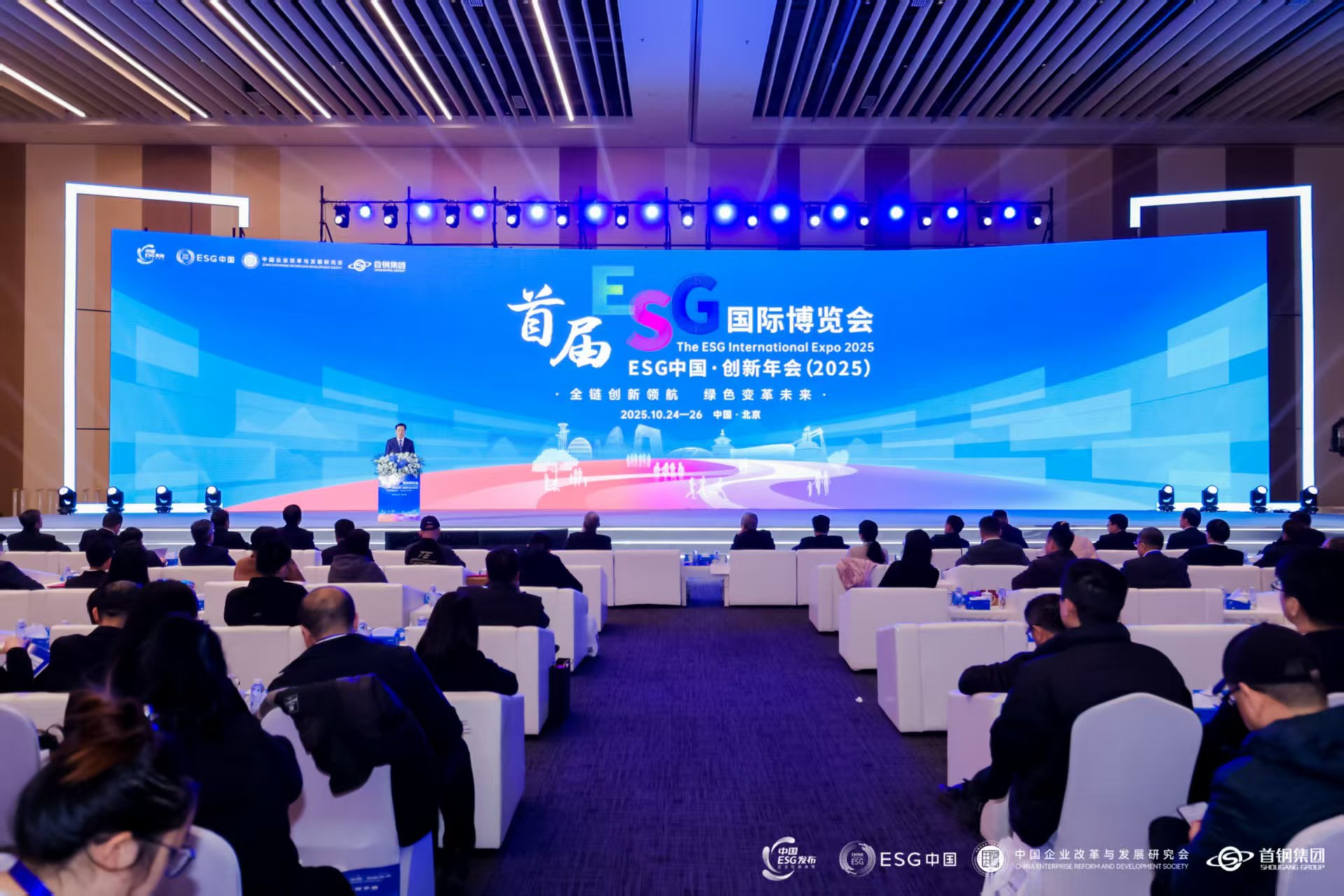
ESG中国·创新年会(2025)暨首届ESG国际博览会在京举办
Zhong Guo Neng Yuan Wang· 2025-10-29 08:26
Group 1 - The event adopts a "1+15+1" structure, consisting of one main forum, 15 parallel sessions, and one ESG international expo, focusing on core issues while covering niche areas in depth [1] - The event aims to stimulate ESG innovation actions among Chinese enterprises and promote the construction of a Chinese-style ESG system [2][3] - The energy transformation is highlighted as fundamental to green transformation, with China's new energy installed capacity growing from 820,000 kW to over 1.6 billion kW over the past 20 years, representing a significant increase in the share of new energy in total power generation [1][2] Group 2 - The event released several key reports, including the "2025 ESG Action Report" and "China ESG Model 2.0," which aim to create new pathways for collaborative development across the industry chain [2][4] - The "Micro Light Plan" was launched to promote ESG management in supply chains, transitioning from conceptual agreement to practical implementation [4] - The first ESG International Expo featured diverse participants, including state-owned enterprises, private enterprises, and international organizations, showcasing low-carbon technology research and ESG digital management practices [5] Group 3 - The event included 15 parallel sessions that combined open discussions with closed-door exchanges, covering various ESG-related topics [5] - The ESG International Expo was structured into four main areas: central enterprise ESG practice area, private enterprise innovation area, international technology area, and local achievement area, highlighting the diversity and internationalization of participants [5] - A total of 70 entities participated in the expo, including 15 central enterprises and 14 local state-owned enterprises, demonstrating a strong push for collaboration across the industry chain [5]
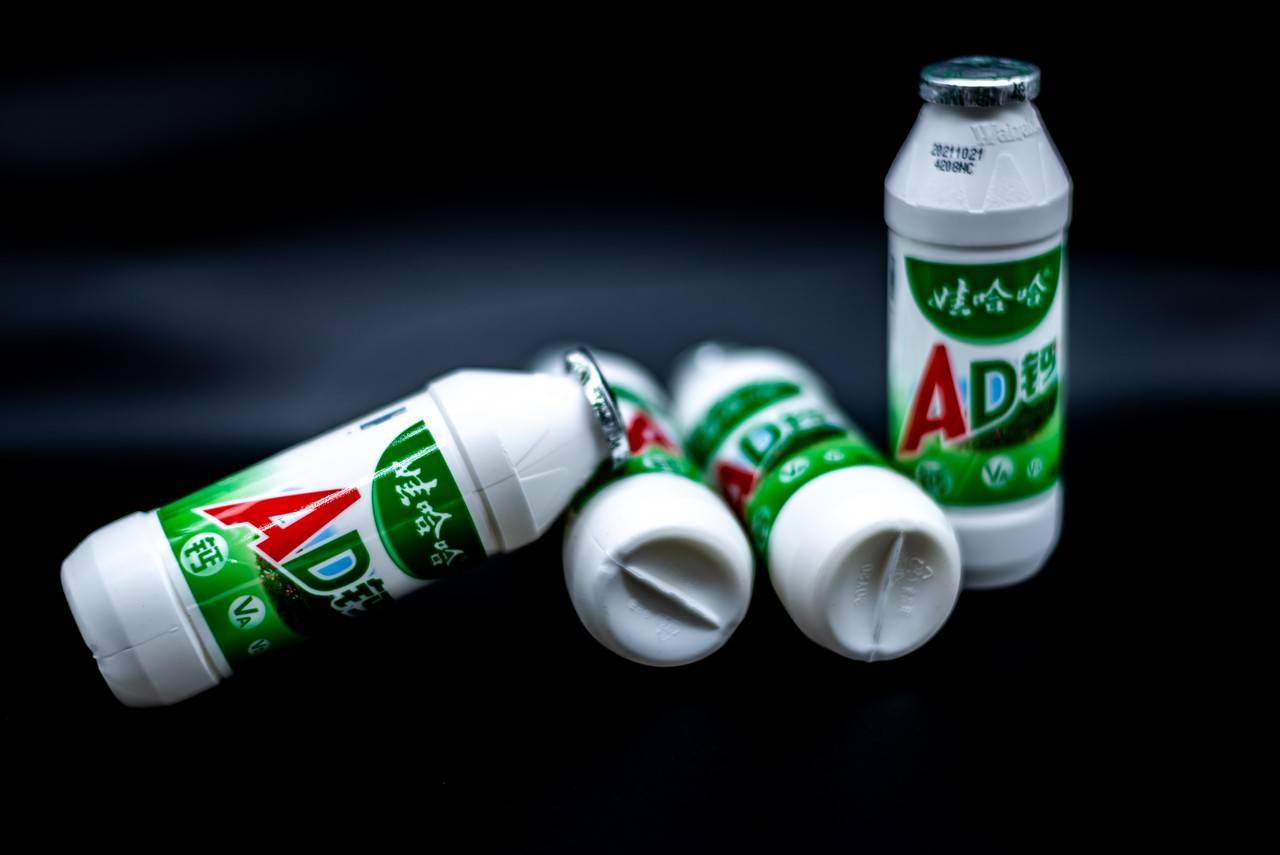
谁来掌舵娃哈哈?
Sou Hu Cai Jing· 2025-10-27 05:39
Core Viewpoint - The return of Zong Fuli to Wahaha Group as president of Hongsheng Beverage Group marks a significant development in the ongoing internal dynamics of the company, following a period of disputes and speculation regarding leadership and brand management [1][5][15]. Group 1: Leadership Changes - Zong Fuli has returned to Wahaha Group after resigning from her positions as chairman and legal representative, amidst controversies regarding her leadership and the establishment of a new brand, "Wawa Xiaozong" [4][5]. - Despite her resignation, Zong Fuli retains significant ownership stakes in Wahaha Group, holding approximately 54% of the company's shares, which allows her to maintain considerable influence over its operations [6][12]. - The leadership position of chairman remains uncertain, with no official announcement regarding who will lead the company moving forward [15][18]. Group 2: Brand Management and Strategy - The "Wawa Xiaozong" brand, which Zong Fuli aimed to develop independently, has faced challenges in gaining trust from distributors, leading to its potential abandonment following her return to Wahaha [5][9]. - The Wahaha brand's value is estimated at 91.19 billion yuan for 2024, highlighting its significance as a core asset of the company [8]. - The internal conflict regarding the use of the "Wahaha" trademark appears to have been resolved, allowing the brand to continue its operations under the established name [12][13]. Group 3: Market Environment and Challenges - The competitive landscape for fast-moving consumer goods (FMCG) is increasingly fierce, with rivals like China Resources Beverage and Nongfu Spring intensifying market pressures [20]. - The need for Wahaha Group to stabilize its operations and restore distributor confidence is critical for its future growth and brand integrity [20]. - Zong Fuli's aggressive management style contrasts with the more conservative approach favored by state-owned shareholders, indicating a potential need for compromise in leadership strategies [20].
食品饮料周观点:三季报窗口期,关注绩优成长与边际改善-20251026
GOLDEN SUN SECURITIES· 2025-10-26 08:17
Investment Rating - The industry investment rating is "Maintain Overweight" [5] Core Views - The report emphasizes the importance of focusing on high-performing growth stocks and marginal improvements during the third quarter reporting period [1] - In the liquor sector, the report anticipates accelerated clearing of Q3 financial statements, with risks related to wholesale prices and inventory gradually being released [2] - The beer and beverage sectors are highlighted for their ongoing premiumization and strong growth momentum, particularly for Yanjing Beer and Dongpeng Beverage [3] - The snack sector shows a mixed performance, with emerging channels performing well while traditional channels face pressure [4] Summary by Sections Liquor Sector - The first Q3 report from Jinhui Wine shows a revenue of 546 million yuan, down 4.89% year-on-year, and a net profit of 25 million yuan, down 33.02% [2] - The report notes that the industry is in an adjustment phase, with Q3 liquor sales continuing to decline, but risks are gradually being cleared [2] Beer Sector - Yanjing Beer reported Q3 revenue of 4.88 billion yuan, up 1.6% year-on-year, and a net profit of 670 million yuan, up 26.0% [3] - Zhujiang Beer reported Q3 revenue of 1.88 billion yuan, down 1.3% year-on-year, with a net profit of 330 million yuan, up 8.2% [3] Beverage Sector - Dongpeng Beverage reported Q3 revenue of 6.11 billion yuan, up 30.4% year-on-year, and a net profit of 1.39 billion yuan, up 41.9% [3] Snack Sector - Wanchen Group reported Q3 revenue growth of 44.2%, benefiting from store expansion [4] - Jinzhai Food returned to growth with a 6.5% increase in revenue, while Q3 revenue for Qiaqia Food decreased by 5.9% due to cost pressures [4] Dairy Sector - Tianrun Dairy reported Q3 revenue of 680 million yuan, down 4.8% year-on-year, with a net profit of 10 million yuan, down 77.6% [4]
智通港股投资日志|10月24日
智通财经网· 2025-10-23 16:08
八马茶业 (定价日) 2025年10月24日,港股上市公司投资日志如下: (招股中) 新股活动 (定价日) 停复牌 业绩公布日 股东大会召开日 类别 公司 明略科技-W 剑桥科技 (定价日) 三一重工 重庆银行 长城汽车 广汽集团 湾区发展 国药控股 金风科技 山东新华制药股份 赤峰黄金 丽新发展 丽新国际 江南布衣 鲁商服务 融众金融 中国文旅农业 中国人民保险集团 中国财险 同源康医药-B 中信银行 百果园集团 宜宾银行 五矿地产 (复牌) 分红派息 潍柴动力 (派息日) 华润饮料 (派息日) 中州证券 (派息日) 珠江船务 (派息日) 招商证券 (派息日) 信邦控股 (派息日) 建桥教育 (派息日) 中远海控 (派息日) 高力集团 (派息日) SINO HOTELS (除净日) 信和置业 (除净日) TST PROPERTIES (除净日) WING ON CO (派息日) 华润医疗 (派息日) 中国平安 (派息日) 蓝思科技 (派息日) 中通快递-W (派息日) 中国建筑兴业 (派息日) 华润建材科技 (派息日) 越秀房产信托基金 (派息日) (派息日) 国际家居零售 (派息日) 金宝通 (派息日) ...
招银国际焦点股份-20251020
Zhao Yin Guo Ji· 2025-10-20 09:02
Group 1: Stock Recommendations - 吉利汽车 (Geely Auto) has a target price of HKD 32.00, with a current market value of USD 24.8 billion and a PE ratio of 19.01[5] - 零跑汽车 (Leap Motor) is rated as a buy with a target price of HKD 80.00, showing a potential upside of 35%[5] - 极兔速递 (J&T Express) has a target price of HKD 58.00, with a market value of USD 11.7 million and a PE ratio of 11.7[5] Group 2: Performance Overview - The basket of 25 stocks listed in the previous report had an average return of -3.9%, compared to the MSCI China Index return of -3.6%[10] - Out of the 25 stocks, 11 stocks outperformed the benchmark index[10] - The report includes a total of 25 long positions, indicating a diverse investment strategy[10]



1个农夫山泉≈23个华润饮料,怡宝水战输在哪?解开市值悬殊之谜
Xin Lang Cai Jing· 2025-10-18 01:08
Core Viewpoint - The market capitalization of Nongfu Spring is significantly higher than that of its competitor, China Resources Beverage, with a ratio of approximately 23 times, raising questions about the reasons behind this disparity in valuation [1] Financial Performance - Nongfu Spring reported a gross profit margin of 60.3% in the first half of the year, while China Resources Beverage's gross profit margin was only 46.7% [1] Revenue Composition - Nongfu Spring has established a "water + beverage" dual-engine strategy, with tea beverage revenue accounting for 39.4% of its total revenue, compared to only 15.4% for China Resources Beverage [1] Supply Chain Model - Nongfu Spring operates a fully self-sufficient production model, whereas over half of China Resources Beverage's products rely on outsourcing, incurring approximately 2 billion yuan in annual "cooperative production partner service fees," which compresses profit margins [1] Future Plans - China Resources Beverage has recognized its supply chain issues and plans to increase its own production capacity to over 60% by 2025, although building this capacity will take time [1]