
荣耀

Search documents
Omdia:2025年第三季度,中东智能手机市场同比增长23%,供应压力将使2026年增速放缓至1%
Canalys· 2025-11-21 01:04
Core Insights - The Middle East smartphone market (excluding Turkey) is expected to rebound significantly in Q3 2025, with a year-on-year increase of 23%, reaching a shipment volume of 15.1 million units, driven by rising demand in the mass market as consumers upgrade from outdated or entry-level devices to mid-range 4G and budget 5G smartphones [2][3]. Market Performance - Market performance varies across the Middle East, with Saudi Arabia experiencing a slight decline of 2% due to prolonged summer holidays affecting retail activity, while the UAE saw a 13% increase driven by major promotions from retailers like Sharaf DG and Carrefour, as well as seasonal demand and new product launches [3]. - Iraq and other Middle Eastern countries continued strong growth, achieving increases of 41% and 70%, respectively, due to intensified manufacturer activities, stronger channel incentives, and stable replacement demand in the entry-level market [3]. Manufacturer Performance - Samsung maintained its leading position with a 22% year-on-year growth, driven by early launches of the Galaxy A17 4G/5G series and strong sales of A series models [3]. - Transsion experienced a significant rebound of 47%, attributed to TECNO's expanding influence in the low-price market and its appeal to a large number of expatriates in the Gulf region [3]. - Xiaomi's performance improved with a 35% year-on-year growth after restructuring channel relationships and increasing regional investments, including the opening of its first flagship store in Dubai [3]. - HONOR led the region with a remarkable 128% year-on-year increase, benefiting from an expanded product portfolio and closer partnerships with operators and retailers [3]. - Apple achieved a 14% growth after six consecutive quarters of fluctuations, supported by strong early sales of the new iPhone 17 series, reinforcing its leadership in the high-end market [3]. Future Outlook - Omdia forecasts that growth in the Middle East smartphone market will slow to a moderate 1% in 2026, down from 13% in 2025, due to rising component costs and supply constraints, particularly affecting the low average selling price (ASP) market [5]. - To maintain growth momentum, manufacturers will need to enhance channel interactions and introduce targeted incentives in the mass market price segments, while the mid-to-high-end market is expected to remain resilient, with Apple and Samsung driving upgrade demand through stronger ecosystem value and brand loyalty [5].


光弘科技:公司与客户会在更多领域更紧密的合作
Zheng Quan Ri Bao· 2025-11-20 10:45
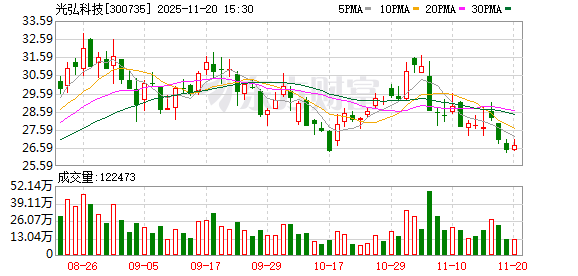
Group 1 - The company has been fully supporting and ensuring the manufacturing needs of its clients since the establishment of Honor [2] - Honor's strategy to build a globally leading AI terminal ecosystem is expected to create more opportunities for its partners [2] - As an important partner of Honor, the company anticipates closer collaboration with clients in more areas as the Shenzhen Pingshan Intelligent Manufacturing Park gradually comes into operation [2]

黄仁勋“救了”雷军,但苦了明年买手机的人
3 6 Ke· 2025-11-20 09:28
Core Insights - The price increase of the Redmi K90 series is attributed to the significant rise in memory costs, which has affected multiple smartphone manufacturers [2][6][24] - The surge in memory prices is primarily driven by the booming demand for AI-related products, particularly from companies like NVIDIA, which has led to a reallocation of production capacity away from traditional memory products [7][12][24] - The smartphone market is expected to experience a polarization, with high-end brands like Apple and Huawei less affected by memory price increases compared to budget brands like Xiaomi and OPPO, which may struggle to maintain profitability [13][17][24] Price Increases and Market Dynamics - The Redmi K90 standard version is priced at 2599 yuan, which is 300 yuan more than its predecessor, with additional costs for higher storage options [2] - Many smartphone manufacturers, including Xiaomi, OPPO, and Vivo, are facing pressure to increase prices due to rising memory costs, with some already raising prices for flagship models [18][19] - TrendForce predicts that the overall smartphone prices will increase by 5%-15% in 2026, with an average increase of around 500 yuan per device [18][24] Impact of AI on Memory Prices - The demand for AI computing has drastically increased the need for high-bandwidth memory (HBM), leading manufacturers to prioritize HBM production over traditional memory types [9][12] - The profit margins for HBM are significantly higher than those for standard mobile memory, incentivizing manufacturers to allocate more resources to AI-related products [12][11] - The current memory price surge is expected to last longer than typical cycles due to cautious production expansion by suppliers fearing an AI bubble [24] Consumer Experience and Product Adjustments - Many smartphone manufacturers are resorting to reducing specifications in new models to offset rising costs, which has become a common practice in the industry [19][22] - The reduction in features, such as screen resolution and camera quality, reflects a broader trend of cost-cutting measures in response to increased material costs [22] - The high-end brands like Apple and Huawei are less likely to pass on costs to consumers, maintaining their pricing strategies without significant adjustments [16][17]


年轻人和手机的关系:从热恋走向冷静期,只需要一个卡顿|2025年轻人理想手机报告
后浪研究所· 2025-11-20 07:33
Core Viewpoint - The article discusses the evolving expectations of young consumers regarding smartphones, emphasizing the need for a device that is not only functional but also aligns with their aesthetic and experiential desires. The focus is on how brands like Honor are adapting to these needs by actively listening to user feedback and integrating it into product development [3][5][59]. Group 1: User Preferences and Expectations - A survey revealed that 92.8% of young users prioritize system smoothness and stability as the most important features in a smartphone [8][11]. - Young consumers are increasingly discerning, with many expressing dissatisfaction with their current devices, indicating a desire for better performance and user experience [1][5]. - The aesthetic and user interface design of smartphones has become crucial, with 78.2% of respondents valuing the operating system and UI design highly [11][12]. Group 2: Honor's Approach to User Feedback - Honor has established a dedicated department for consumer insights to systematically gather and analyze user feedback, transforming it into actionable product improvements [15][60]. - The introduction of the YOYO AI assistant and the "YOYO Wish Pool" initiative allows users to suggest features directly, which are then rapidly implemented through regular updates [18][20][40]. - Honor's commitment to frequent updates, with over 3,500 pushes and 5,000 optimizations in the past year, demonstrates its responsiveness to user needs [37][38]. Group 3: The Role of AI in User Experience - AI capabilities are increasingly seen as essential by young consumers, with over 60% believing current AI functionalities are inadequate [32][33]. - Honor's AI Gaming Engine and the integration of AI into everyday tasks aim to enhance user experience by providing seamless transitions between different applications and tasks [40][43]. - The expectation for AI to evolve from a novelty to a core functionality reflects a significant shift in consumer priorities [31][36]. Group 4: Broader Market Implications - The article highlights the importance of creating a smartphone that caters to diverse user needs, including those of older adults and individuals with disabilities, emphasizing inclusivity in technology [52][53]. - Honor's strategy of focusing on user-centric design and continuous improvement positions it well in a competitive market where consumer expectations are rapidly changing [59][60]. - The concept of a "young" smartphone is redefined to encompass flexibility and adaptability, appealing to a wider audience beyond just young consumers [50][56].

10 月前两周西欧智能手机市场小幅下滑,小米表现稍弱;苹果新品发布带动增长
Counterpoint Research· 2025-11-20 04:14
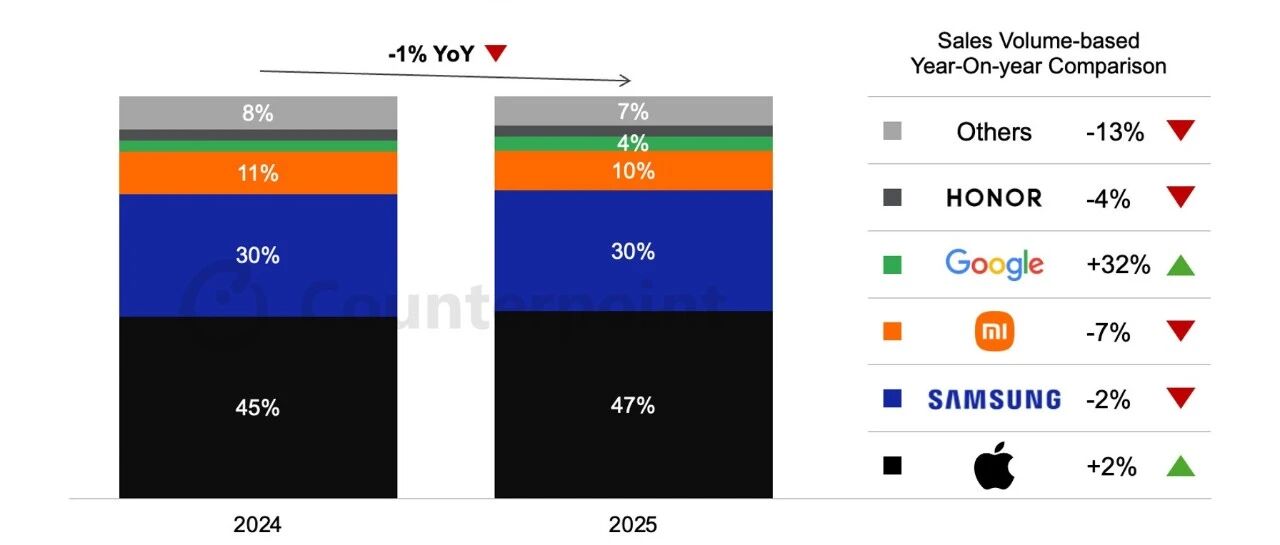
Core Insights - The smartphone sales in Western Europe declined by 1% year-on-year in the first two weeks of October, indicating a sluggish regional economy and low consumer confidence [4][5][8] - Xiaomi experienced a 7% decline in sales, impacting overall market performance, while Apple saw a 2% increase in sales driven by the strong performance of the iPhone 17 series [8][9] - Honor's sales dropped by 4% due to the absence of new product launches, although it has been one of the fastest-growing brands in Western Europe [9] Market Performance - In the first two weeks of October, Xiaomi's sales decreased by 7%, attributed to the underperformance of its newly launched 15T series compared to previous models [8][9] - Apple achieved a 2% year-on-year growth, supported by the iPhone 17 series and the introduction of the iPhone Air, which is expected to account for about 10% of the iPhone 17 series sales [8] - Samsung maintained a strong position in the high-end market with a 30% market share, driven by the success of its Galaxy S25 Ultra and S25 models [8] Brand Analysis - Honor's sales decline of 4% is seen as temporary, as the brand has experienced continuous growth for 30 months, largely due to its successful foldable screen products [9] - The overall market performance in Western Europe is affected by Xiaomi's decline, while Apple's strong sales indicate a positive trend for its products [9]

国产手机“亮家底”,沙特王室成员探访深圳智能手机制造产线
Nan Fang Du Shi Bao· 2025-11-20 00:51
Core Insights - The visit of Saudi royal family members, including Princess Abeer Al Saud, to Honor's smart manufacturing factory in Shenzhen represents a new outbound strategy for Chinese manufacturers, aiming to showcase high manufacturing standards and counter the perception of Chinese products as low-end [1][2] - The Middle East is emerging as a competitive battleground for Chinese smartphone manufacturers, with a projected smartphone shipment volume of 13.2 million units by Q2 2025, reflecting a 15% year-on-year growth [1][2] - Honor has achieved a 95% year-on-year increase in shipment volume, capturing a 10% market share in the Middle East, while the overall competition among leading manufacturers remains intense [1][3] Group 1 - The visit to the Shenzhen factory highlights a shift in strategy, focusing on high-end and technologically advanced products rather than entry-level models [1][2] - The factory is recognized as a national-level smart manufacturing demonstration site, with over 85% of its processes automated, showcasing China's manufacturing efficiency and standards [2][3] - The emphasis on AI-driven products and retail expansion aligns with the high internet penetration and affluent consumer base in the Gulf countries, indicating a move away from purely price-based competition [2][3] Group 2 - Honor's latest offerings, including the foldable flagship Magic V5 and AI features, cater to the growing demand for AI-enabled devices in the context of Saudi Arabia's Vision 2030 and the upcoming China-Saudi cultural year [3] - Despite rapid growth, Chinese brands still face a significant gap compared to Samsung's 34% market share, which is supported by its Galaxy A series and financial strategies [3] - The ability of Chinese manufacturers to leverage technology and manufacturing capabilities to penetrate the high-end market will be a key focus in the latter half of the year [3]
2025年第45周:数码家电行业周度市场观察
艾瑞咨询· 2025-11-20 00:04
Group 1: eSIM Technology - eSIM technology marks the transition to a "cardless era" in smartphones, with major manufacturers like Huawei and OPPO quickly adapting to this trend [2][3] - The launch of Apple's iPhone Air has prompted domestic manufacturers to develop eSIM-compatible devices, although consumer response indicates a preference for functionality over extreme thinness [2][3] Group 2: AI in Mobile Technology - Mobile AI is evolving from traditional voice assistants to self-evolving AI-native phones, becoming a key player in the smart economy [4] - Companies like Honor and Huawei are leveraging edge-cloud collaboration to enhance AI capabilities in various consumer scenarios, indicating a shift towards intelligent service hubs [4] Group 3: Edge Computing and AI Applications - A significant percentage of Chinese enterprises believe generative AI will disrupt their business within the next 18 months, with many already implementing it [5] - Edge computing is becoming essential for AI applications, addressing latency, cost, and compliance issues, with predictions that 80% of CIOs in Asia-Pacific will rely on edge services by 2027 [5] Group 4: Robotics and AI - The humanoid robot industry in China is making strides in hardware production and cost control, but still lags behind the U.S. in intelligent models and software ecosystems [6][7] - The competition in humanoid robotics will hinge on breakthroughs in "embodied intelligence," with both countries vying for leadership in AI and robotics [6][7] Group 5: AI in E-commerce - AI-driven e-commerce products are gaining traction, but user experience remains a challenge, with competition focusing on information distribution and execution capabilities [8] - The future of AI e-commerce will revolve around understanding consumer needs, although widespread adoption may take time [8] Group 6: AI Emotional Companionship - AI applications for emotional companionship are rising in popularity, with Chinese entrepreneurs leveraging hardware supply chains to accelerate deployment [9] - The user base for generative AI in China has grown significantly, indicating a strong market potential for emotional AI applications [9] Group 7: AI Headphones Market - The AI headphones market has rapidly transitioned from concept to scale, with a significant portion of products priced below 500 yuan [10] - The market is diversifying, with different brands targeting various segments, but user satisfaction remains mixed [10] Group 8: Virtual Idols and AI - The AI virtual idol sector is experiencing a resurgence, significantly lowering production costs and time [12] - Successful cases demonstrate the potential for virtual idols to become global IPs, although challenges in content quality and consistency remain [12] Group 9: Smart Glasses Market - The year 2025 is projected to be pivotal for smart glasses, with numerous manufacturers entering the market [13] - Key challenges include privacy concerns and technological limitations, which must be addressed for widespread adoption [13] Group 10: Humanoid Robots and Chip Demand - The humanoid robot industry is expected to grow rapidly, with significant demand for AI chips, particularly in motion control and visual sensing [17] - Domestic manufacturers are gradually catching up in the chip supply chain, although high-end AI chips still rely on international suppliers [17] Group 11: Global Expansion of Chinese Home Appliances - Chinese home appliance companies are diversifying their overseas presence to mitigate risks and enhance competitiveness [18] - Digital technology is a key driver of this strategy, with companies like Midea and TCL leading the way in global manufacturing and R&D [18] Group 12: AI Chip Industry Dynamics - The AI chip industry in China is characterized by a practical approach, focusing on technology implementation and industrial empowerment [19][20] - The competition will center on third-party markets, with a shift towards specialized chips and ecosystem development [19][20] Group 13: Meta's AI Strategy - Meta is adjusting its strategy in the AI sector by laying off staff and recruiting top talent to enhance its model development capabilities [21] - The company's future success will depend on its ability to translate investments and talent into technological breakthroughs [21] Group 14: Hisense's Financial Performance - Hisense reported steady revenue growth in its recent quarterly results, driven by advancements in display technology and high-end product sales [22] - The company is well-positioned for future growth, particularly in the commercial display sector [22] Group 15: Alibaba's AI Glasses - Alibaba's Quark AI glasses have begun pre-sales, integrating various services from its ecosystem [24] - The product is seen as a significant step in showcasing Alibaba's AI capabilities and ecosystem collaboration [24] Group 16: Midea's R&D Investment - Midea plans to invest over 50 billion yuan in R&D over the next three years, focusing on AI and embodied intelligence [25] - The company aims to enhance its global competitiveness and technological leadership through this investment [25] Group 17: Huawei's HarmonyOS 6 - Huawei's HarmonyOS 6 has been launched with significant upgrades in performance and connectivity features [26] - The company is actively working to expand its global market share and reshape the operating system landscape [26] Group 18: New Stone's Autonomous Delivery Vehicles - New Stone has secured significant funding to expand its autonomous delivery vehicle operations, projecting substantial growth in demand by 2027 [27][28] - The company is focusing on algorithm upgrades and global market expansion to meet future demand [27][28] Group 19: Tesla's Compensation Plan - Tesla's proposed compensation plan for CEO Elon Musk has drawn scrutiny, with significant performance targets set for stock incentives [29] - The plan aims to ensure Musk's focus on the company's transition to autonomous driving and robotics [29] Group 20: Qualcomm's AI Chip Launch - Qualcomm has introduced new AI inference chips targeting a rapidly growing market, emphasizing energy efficiency and cost [30] - The company is expanding its presence in various sectors, including smart driving and IoT, to mitigate potential revenue challenges [30] Group 21: NVIDIA's Market Position - NVIDIA has achieved a remarkable market valuation, driven by surging demand for AI computing power [31] - However, concerns about potential market bubbles and geopolitical risks pose challenges for the company's future growth [31] Group 22: Haier's IPO Plans - Haier is preparing for an IPO of its industrial internet platform, aiming to raise significant capital for further development [33] - The platform has already made substantial contributions to various industries, indicating strong market potential [33] Group 23: Xiaomi's Growth Strategy - Xiaomi aims to enter the global top 100 companies within five years, focusing on high-end technology and chip development [34] - The company is also expanding its global presence and product offerings to drive growth [34] Group 24: Ant Group's AI Strategy - Ant Group is shifting its focus from digital payments to intelligent payments, leveraging AI as a core strategy [36] - The company aims to integrate AI with user needs to capture new opportunities in the AI era [36]





荣耀五周年,竞逐万亿元人形机器人市场新蓝海
Zhong Guo Zheng Quan Bao· 2025-11-19 14:01
Core Insights - Honor has successfully transformed from a mid-range smartphone brand to a leading player in the high-end smartphone market, focusing on AI terminal ecosystems and innovative technologies [1][2][4] Group 1: Market Position and Strategy - Honor's CEO announced the "Alpha Strategy" in March, aiming to transition from a smartphone manufacturer to a global AI terminal ecosystem company, with over $10 billion planned for ecosystem development over five years [2][4] - By Q3 2025, Honor's smartphone shipments in China reached approximately 9.9 million units, ranking fifth in the market, driven by the success of the Honor 400 and X70 series [2] - In the global smartphone market, Honor, along with Samsung, Apple, and Transsion, contributed to a 3% year-on-year increase in shipments, with each brand's shipments rising by over 2 million units compared to 2024 [2] Group 2: High-End Smartphone Market - The high-end smartphone segment, priced above $600, saw an 8% year-on-year increase in sales in the first half of 2025, marking a historical high [3] - The foldable smartphone market is maturing, with Honor capturing a 11.2% market share in China, ranking second, thanks to the performance of the Magic V5 and Magic V Flip series [3] Group 3: AI and Ecosystem Development - Honor's transition to an AI terminal ecosystem company is seen as a forward-looking strategy, with AI becoming a critical competitive factor in the industry [4][8] - The launch of the Magic8 series, which integrates AI capabilities across various scenarios, signifies Honor's commitment to enhancing user experience through AI [4] - Honor's "1×3×N" strategy aims to create a cross-brand, cross-scenario, and cross-device intelligent interconnected ecosystem, leveraging partnerships with companies like Alibaba and BYD [6][8] Group 4: Manufacturing and Global Expansion - Honor established a smart manufacturing production line in just 211 days, with over 85% of processes automated, showcasing high efficiency in smartphone production [9] - Honor's global expansion has accelerated, with operations in over 100 countries, and its foldable smartphones have gained significant recognition in the European market, achieving a 377% year-on-year sales increase in 2024 [9][10] - By December 2024, Honor's overseas sales surpassed domestic sales for the first time, with a 11% year-on-year growth in the European market despite an overall decline in smartphone shipments [10][11]

荣耀手机输入法“罢工”,相关团队回应
Xi Niu Cai Jing· 2025-11-19 09:49
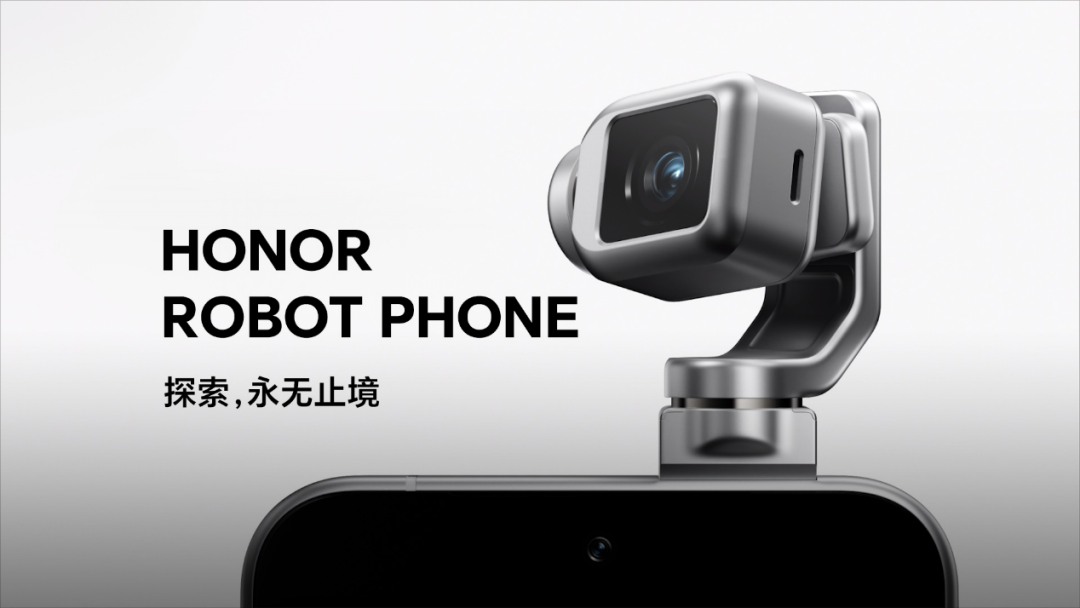
Group 1 - A significant number of Honor smartphone users reported issues with the built-in Baidu Input Method, which failed to display the input box, affecting messaging apps like WeChat and QQ [2] - The issue reportedly affected multiple models, including the Honor 100 Pro, with users unable to resolve the problem even after restarting their devices, leading them to clear input method data or install third-party alternatives [5] - Baidu Input Method's official announcement attributed the fault to an update in the configuration of online hot words, and they have since removed the problematic configuration [5] Group 2 - Honor's smartphone sales in Q3 2025 saw a year-on-year decline of 8.1%, marking the largest drop among major manufacturers, with market share falling to 14.4%, ranking fifth in the domestic market [5] - The decline in sales is primarily attributed to insufficient performance in the mid-to-high-end segment, with the Magic 6 series failing to meet expectations, while the budget smartphone market faces intense competition from brands like Redmi and realme [5]

业绩增长失速净利润近“腰斩” 传音控股欲寻港股上市脱困
Guan Cha Zhe Wang· 2025-11-19 06:39
Core Viewpoint - Transsion Holdings, known as the "King of African Mobile Phones," is facing significant financial challenges despite its past success in the African market and is planning to issue H-shares for listing on the Hong Kong Stock Exchange to enhance its international brand image and diversify financing channels [1][4]. Financial Performance - For the first three quarters of 2025, Transsion Holdings reported a revenue of 49.543 billion yuan, a slight decrease of 3.33% year-on-year, while net profit plummeted by 44.97% to 2.148 billion yuan, nearly halving [1][2]. - The company's net profit has been in negative growth for six consecutive quarters since Q2 2024, attributed to intensified market competition and rising supply chain costs, leading to a record low gross profit margin of 19.47% [2][3]. Market Dynamics - Transsion's core market, the mid-to-low-end segment priced between $100 and $200, is under severe pressure from domestic competitors like Xiaomi, Huawei, OPPO, and Vivo, which are aggressively entering the African market [3][7]. - The company has seen a significant reduction in institutional investors, with 609 fewer institutions holding shares by the end of September 2025 compared to the end of Q2 2025, indicating a cautious market sentiment [2]. Strategic Initiatives - The planned H-share issuance aims to raise funds for R&D in AI and product iteration, with a 17.26% year-on-year increase in R&D expenses to 2.139 billion yuan for the first three quarters of 2025 [4][5]. - Funds will also be allocated to expand international marketing and sales, as well as to enhance the ecosystem of IoT and AI through new product categories [4][8]. Future Outlook - The success of the Hong Kong listing and subsequent fundraising is uncertain, as the company must effectively utilize the raised capital to upgrade its product structure and expand its business footprint [5][6]. - Transsion is transitioning from a hardware manufacturer to a technology ecosystem company, leveraging digital services like Boomplay to enhance brand recognition and user retention [7][8].
