
重庆银行

Search documents
反内卷的浪潮下,银行消费贷现状如何?
3 6 Ke· 2025-08-11 02:53
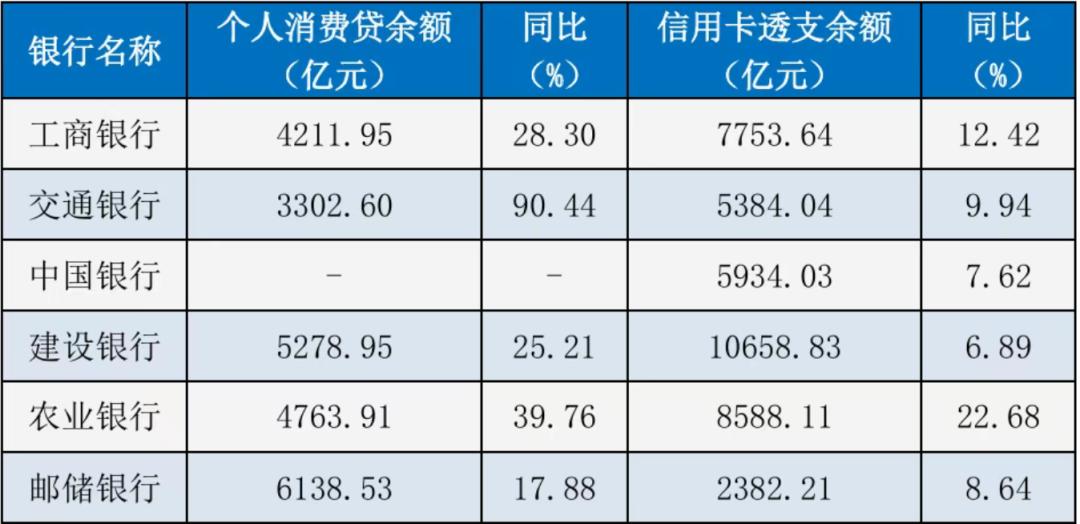
Core Insights - The personal loan business is a crucial profit source for banks, with increasing competition leading to aggressive retail strategies among major banks [1][2] - The shift from investment-driven to consumption-driven economic growth in China has prompted banks to enhance their consumer loan offerings as part of broader macroeconomic policies [2][4] - The six major state-owned banks have significantly increased their personal consumption loan portfolios, with total growth exceeding 1.8 trillion yuan, driven by policy support and strategic adjustments [3][4] Group 1: Market Dynamics - The consumer loan market is experiencing intense competition, with state-owned banks, joint-stock banks, and city commercial banks all vying for market share [1][6] - In 2024, the six major banks' personal consumption loans (including credit card overdrafts) surpassed 1 trillion yuan in incremental growth, reflecting a robust demand for consumer credit [4] - Agricultural Bank of China reported a personal consumption loan issuance of 561.6 billion yuan in 2024, marking a year-on-year increase of 876 billion yuan [4] Group 2: Performance Metrics - As of 2024, the personal consumption loan balances for major banks are as follows: Industrial and Commercial Bank of China (421.2 billion yuan), Agricultural Bank of China (476.4 billion yuan), and Construction Bank (527.9 billion yuan), all showing significant year-on-year growth [3][4] - Credit card overdraft balances also saw growth, with Agricultural Bank of China increasing by 22.68% year-on-year, while other banks like Postal Savings Bank experienced a decline in growth rates [4][5] - The non-performing loan (NPL) ratios for personal consumption loans in 2024 were reported as follows: Industrial and Commercial Bank (2.39%), Agricultural Bank (1.55%), and Postal Savings Bank (1.34%) [5] Group 3: Strategic Initiatives - Major banks are leveraging their financial strength and customer bases to capture market share in consumer loans, with a focus on scenario-based services through partnerships with retailers and e-commerce platforms [6][14] - City commercial banks are also adapting their strategies, with Jiangsu Bank leading in personal loan balances at 674.8 billion yuan, while others like Ningbo Bank and Nanjing Bank are refining their customer targeting and service models [7][9] - Some banks are introducing large consumer loan products backed by real estate, indicating a trend towards higher loan amounts and longer terms to attract borrowers [11][12] Group 4: Future Outlook - The consumer loan market is expected to continue its rapid growth, driven by government policies aimed at boosting consumption and the banks' strategic focus on expanding their loan portfolios [4][19] - The balance between loan growth and risk management will be critical for banks, as rising non-performing loan rates could lead to more cautious lending practices [16][19] - Innovative products, such as personal loans for electric vehicles, are emerging as banks seek to capture niche markets within the broader consumer loan landscape [18]







银行新周期、新格局系列之“险资还能买多少”:长钱长投,险资配置银行既是短期必行,也是长期正确
Shenwan Hongyuan Securities· 2025-08-10 13:13
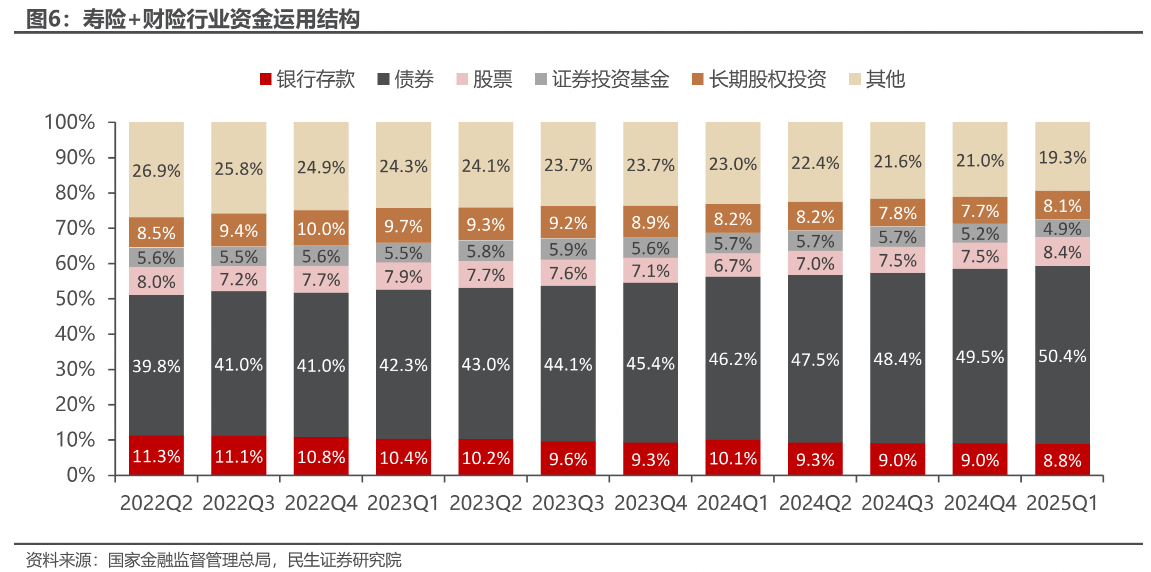
Investment Rating - The report maintains a positive outlook on the banking sector, indicating that insurance funds are expected to continue allocating to high-dividend, high ROE bank stocks, establishing a solid and sustainable funding base for a long-term bullish trend in the banking sector [3][4]. Core Insights - The report emphasizes the necessity for insurance companies to invest in high-dividend assets due to the low interest rate environment and asset scarcity, making bank stocks an attractive option [4]. - It highlights that the banking sector has shown stable performance with an average ROE of approximately 12% from Q1 2015 to Q1 2025, which is significantly higher than the average of non-financial listed companies [4][8]. - The report suggests that insurance funds are currently under-allocated in bank stocks, with a potential increase in allocation that could lead to an influx of over 330 billion yuan into the banking sector [4][16]. Summary by Sections Why Invest - The low interest rate environment and asset scarcity compel insurance companies to seek stable, high-dividend investments, with bank stocks meeting these criteria [4][6]. Current Allocation - As of Q1 2025, insurance funds have over 7 trillion yuan allocated to equities, with approximately 570 billion yuan in bank stocks, indicating a low allocation compared to other indices [4][10]. Future Potential - The report estimates that insurance funds could potentially allocate an additional 330 billion yuan to bank stocks, based on the upper limits of equity allocation [16]. Investment Recommendations - The report recommends focusing on high-quality city commercial banks and undervalued joint-stock banks, suggesting specific banks such as Chongqing Bank and Industrial Bank for investment [4][17].




转债周策略20250810:转债估值仍有上升空间
Minsheng Securities· 2025-08-10 05:04
Group 1 - The core viewpoint of the report indicates that the valuation of convertible bonds still has room for upward movement, driven by strong expectations in the stock market and a "scarcity of assets" in the bond market, leading to increased allocation of funds to convertible bonds for equity returns [1][9]. - An analysis of the differences in the funding landscape for convertible bonds between July 2025 and January 2025 shows that while the total scale of outstanding convertible bonds has decreased, the proportion held by major institutional investors has not significantly increased, indicating a shift of holdings towards financial institutions [2][10]. - The current structure of convertible bonds shows a higher proportion of equity-sensitive bonds compared to early 2022, with an average premium rate that suggests equity-sensitive bonds still have potential for valuation increases, making them relatively cost-effective [3][11]. Group 2 - The weekly strategy suggests that despite high valuations, as long as the stock market maintains an upward or high-level oscillation, the likelihood of a significant drop in convertible bond valuations remains low, with continued interest from funds in participating in equity markets through convertible bonds [4][23]. - Specific sectors and companies to focus on include those benefiting from rising overseas computing power demand and AI industrialization, as well as high-end manufacturing sectors like new energy and automotive parts, indicating potential investment opportunities in companies such as Huanxu, Lingyi, and Tian23 [4][24].
中小银行迎来“整合”潮
Hu Xiu· 2025-08-09 07:07
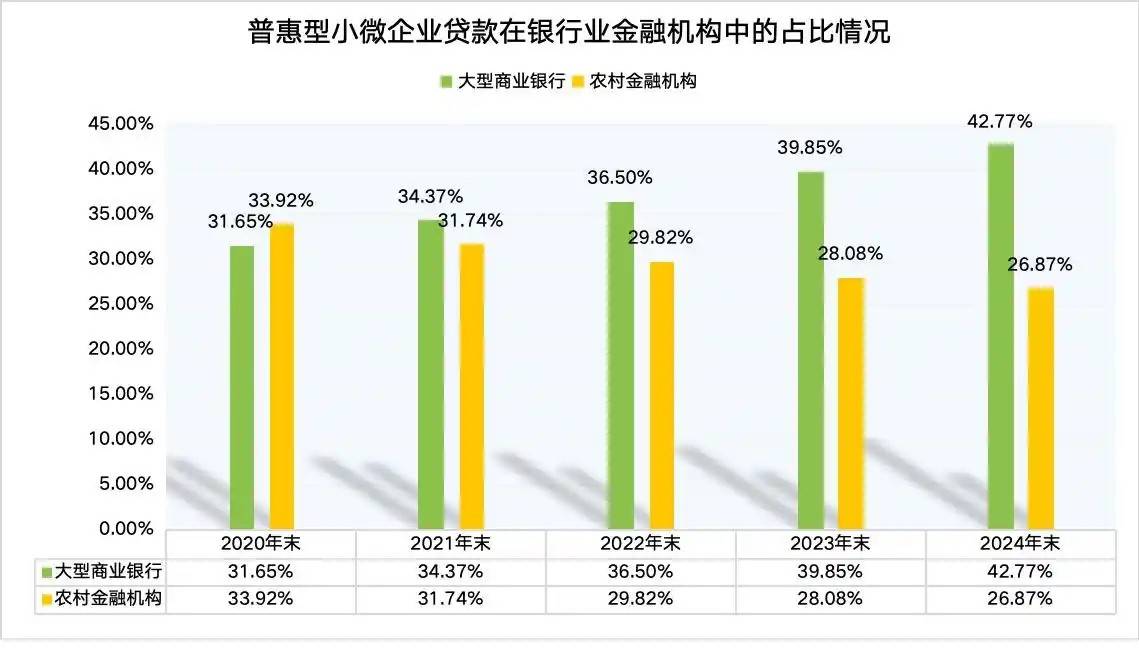
Core Viewpoint - The crisis among small and medium-sized banks in China is becoming increasingly evident, with a significant number of banks being dissolved or merged into larger institutions due to various economic pressures and challenges faced by small enterprises [1][2][10]. Group 1: Bank Closures and Mergers - In 2023, a total of 204 banks were dissolved, and by mid-2024, 210 small and medium-sized banks had been approved for dissolution, surpassing the previous year's total [1]. - The number of dissolved banks represents approximately 5% of the total banking institutions, primarily affecting those targeting lower-tier markets [1]. - Many of these struggling banks are being absorbed by larger banks, indicating a trend of consolidation in the banking sector [1][2]. Group 2: Factors Contributing to Decline - The decline of small and medium-sized banks is attributed to multiple factors, including the deterioration of small business operations, economic pressures at the local level, and difficulties in capital replenishment [2]. - The relationship between small banks and small enterprises has weakened, as small banks previously relied on local businesses for stable deposits and credit [3][10]. Group 3: Impact on Lending and Loan Quality - Over 60% of small banks' loans are directed towards local small enterprises, but the recent increase in business failures has led to a decline in credit activity [4]. - In 2023, over 500,000 businesses closed, resulting in a rise in non-performing loans for small banks, with some banks reporting non-performing loan rates as high as 2.86% [5][13]. - The tightening of credit by small banks in response to rising defaults has further exacerbated the situation, leading to a vicious cycle of business failures and bank insolvency [6]. Group 4: Shifts in Lending Practices - Large state-owned banks have reduced interest rates for small and micro-enterprise loans, making them more attractive to borrowers, which has drawn customers away from small banks [6][9]. - By the end of 2024, the proportion of loans from rural financial institutions to small and micro enterprises decreased to below 27% [8]. Group 5: Capital and Profitability Challenges - Small banks are facing significant pressure to improve their capital adequacy ratios, which are notably lower than those of larger banks [11]. - The reliance on high-interest deposit strategies has increased the cost of liabilities for small banks, while their net interest margins have declined [12]. Group 6: Strategic Shifts and Future Outlook - There is a growing recognition among small banks that they need to abandon the "scale obsession" and focus on more sustainable, localized growth strategies [17][20]. - The trend is shifting towards enhancing service efficiency through resource consolidation rather than expanding the number of institutions [20]. - Small banks are increasingly focusing on niche markets and local characteristics to drive growth, particularly in rural areas [21].
重庆银行收盘下跌1.15%,滚动市盈率6.92倍,总市值359.97亿元
Jin Rong Jie· 2025-08-08 10:59
Core Viewpoint - Chongqing Bank's stock closed at 10.36 yuan, down 1.15%, with a rolling PE ratio of 6.92 times and a total market value of 35.997 billion yuan [1] Group 1: Financial Performance - For Q1 2025, the company reported operating income of 3.581 billion yuan, a year-on-year increase of 5.30%, and a net profit of 1.624 billion yuan, also up by 5.33% [3] - The company's PE (TTM) is 6.92, while the industry average is 7.51 and the industry median is 6.67 [3] Group 2: Shareholder Information - As of March 31, 2025, the number of shareholders is 35,943, a decrease of 4,248 from the previous count, with an average holding value of 352,800 yuan and an average holding quantity of 27,600 shares [1] Group 3: Industry Recognition - Chongqing Bank has received multiple awards in 2024, including recognition for mobile internet application service capabilities and as a model for financial technology innovation [2] - The bank was also awarded for its achievements in network security and was recognized as a typical case for strong agricultural support in the banking sector [2]
齐鲁转债今日最后交易日 银行转债将仅剩7只
2 1 Shi Ji Jing Ji Bao Dao· 2025-08-08 07:15
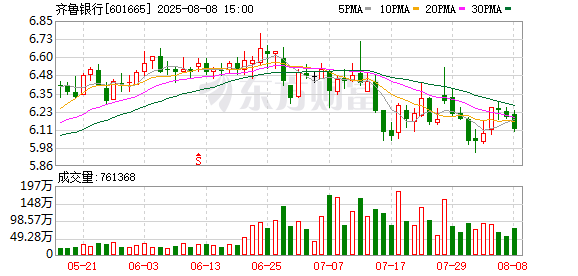
Core Viewpoint - Qilu Bank's convertible bond (Qilu Convertible Bond) is set to be delisted, marking the fifth bank convertible bond to exit the market this year, which will further enhance the scarcity of bank convertible bonds [2][5][6]. Group 1: Qilu Convertible Bond Details - The last trading day for Qilu Convertible Bond is August 8, with the final conversion day on August 13, and it will be delisted on August 14 [2]. - Investors can either trade the bond in the secondary market or convert it at a price of 5 CNY per share, or face forced redemption at a price of 100 CNY per bond plus accrued interest, totaling 100.7068 CNY per bond [3]. - The bond was originally set to mature in 2028 but was triggered for forced redemption due to the underlying stock price rising above 130% of the conversion price for 15 trading days [3]. Group 2: Qilu Bank's Financial Performance - For the first half of 2025, Qilu Bank reported revenue of approximately 6.782 billion CNY, a year-on-year increase of 5.76%, and a net profit attributable to shareholders of approximately 2.734 billion CNY, up 16.48% [3][4]. - The net interest margin has stabilized, with net interest income reaching 4.998 billion CNY, a growth of 13.57%, and net commission income of 817 million CNY, also up 13.64% [4]. - The non-performing loan ratio stands at 1.09%, a decrease of 0.10 percentage points from the end of the previous year, and the provision coverage ratio has improved to 343.24%, an increase of 20.86 percentage points [4]. Group 3: Market Implications of Convertible Bond Delisting - The delisting of Qilu Convertible Bond will reduce the number of bank convertible bonds to seven, and with the upcoming delisting of another bond in October, the total market size of bank convertible bonds is expected to fall below 100 billion CNY [2][5][6]. - The scarcity of bank convertible bonds is expected to increase, with potential remaining bonds at year-end estimated to be around 63.9 billion CNY if certain bonds complete conversion [6]. - Analysts predict that the gradual delisting of bank convertible bonds will lead to a restructuring of the market and valuation, with banks having a strong incentive to convert bonds into equity [7][8].
债券增值税恢复征收,险资继续增配银行股?
Ge Long Hui· 2025-08-06 10:34
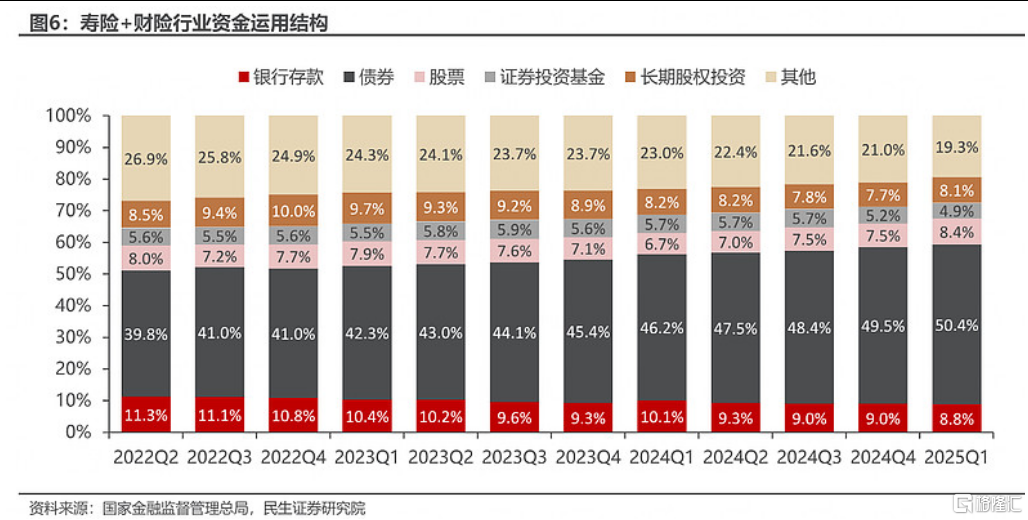
Group 1 - The core viewpoint of the article is the announcement by the Ministry of Finance and the State Taxation Administration to resume the collection of value-added tax on interest income from government bonds, local government bonds, and financial bonds starting from August 8, which is expected to impact the attractiveness of high-dividend assets [1][3] - The new tax regulation is anticipated to decrease the after-tax yield of bond investments, thereby slightly enhancing the relative appeal of high-dividend assets, particularly in the banking sector [3][6] - Insurance capital is likely to shift towards investment products with better tax advantages or higher returns, reinforcing the trend of "tax-exempt assets + high-dividend equities" in their investment strategy [3][8] Group 2 - Bank stocks are seen as suitable for insurance capital allocation due to their high dividend yields, with major state-owned banks maintaining yields above 5% [6][10] - The implementation of the new financial instrument standards (IFRS 9) has led insurance capital to prefer including bank stocks in their FVOCI accounts, allowing for stable dividend income while mitigating the impact of stock price fluctuations on profit statements [7][8] - The shift in regulatory assessment standards for insurance companies towards long-term evaluations encourages a preference for holding high-dividend bank stocks rather than frequent trading [8][10] Group 3 - The insurance sector's holdings in bank stocks have increased significantly, with a reported market value of 265.78 billion yuan, representing a 45.05% share of their total holdings [8][10] - The trend of rising premium income from dividend insurance products since 2024 is expected to further enhance insurance capital's allocation to bank stocks [10][14] - The Bank AH Index, which includes both A-shares and H-shares of banks, has shown a cumulative increase of 96.57% since its inception, outperforming the broader banking index [14][16]
10.67亿元主力资金今日撤离银行板块
Zheng Quan Shi Bao Wang· 2025-08-06 09:46
Market Overview - The Shanghai Composite Index rose by 0.45% on August 6, with 24 out of the 28 sectors experiencing gains. The top-performing sectors were defense and military industry, and machinery equipment, with increases of 3.07% and 1.98% respectively [1] - The banking sector saw a decline of 0.14% [1] Capital Flow Analysis - The main capital outflow from the two markets totaled 9.652 billion yuan, with seven sectors experiencing net inflows. The machinery equipment sector led with a net inflow of 4.367 billion yuan, followed closely by the defense and military industry with a net inflow of 4.283 billion yuan [1] - The pharmaceutical and biological industry had the largest net outflow, totaling 9.049 billion yuan, followed by the telecommunications sector with a net outflow of 2.949 billion yuan [1] Banking Sector Performance - In the banking sector, there were 42 stocks, with 11 rising and 26 falling. The sector experienced a net outflow of 1.067 billion yuan [2] - The top three banks with the highest net outflow were Minsheng Bank, China Construction Bank, and Industrial and Commercial Bank of China, with outflows of 263.15 million yuan, 213.00 million yuan, and 174.41 million yuan respectively [2][3] - The individual stock performance showed that Changshu Bank had the highest net inflow of 41.12 million yuan, followed by Hangzhou Bank and Chongqing Rural Commercial Bank with inflows of 32.14 million yuan and 22.64 million yuan respectively [2][3]


新政落地,险资“免税资产+高股息权益”配置风格强化
Sou Hu Cai Jing· 2025-08-06 02:32
Core Viewpoint - The Ministry of Finance and the State Taxation Administration announced the resumption of value-added tax on interest income from government bonds, local government bonds, and financial bonds starting from August 8, which is expected to impact the attractiveness of high-dividend assets, particularly in the banking sector [1][3]. Group 1: Tax Policy Impact - The resumption of value-added tax on bond interest income is likely to decrease the after-tax yield of bond investments, thereby slightly enhancing the relative attractiveness of high-dividend assets, especially in the banking sector [3][6]. - Despite the tax changes, the fundamental impact on the banking sector is considered manageable, as bank stocks continue to offer significant dividend yields [3][10]. Group 2: Insurance Capital Allocation - Insurance capital is expected to shift towards investment products with tax advantages or higher returns, leading to an increased focus on high-dividend stocks [3][8]. - The preference for bank stocks among insurance capital has been longstanding, with a trend towards long-term holdings due to regulatory changes in performance assessment [7][8]. Group 3: Bank Stock Performance - Bank stocks generally exhibit high dividend yields, with major state-owned banks maintaining yields above 5%, making them attractive alternatives to bonds in a low-interest-rate environment [6][10]. - The insurance sector's holdings in bank stocks have increased significantly, with a market value of 265.78 billion yuan, representing 45.05% of their total holdings [8][10]. Group 4: Market Trends and ETF Performance - The AH bank stock index has shown a cumulative increase of 96.57% since its inception, outperforming the broader banking index [13][15]. - The Bank AH Preferred ETF (517900) has attracted significant capital inflow of 840 million yuan this year, with a share increase of 644%, indicating strong investor interest [2][15].
股市必读:重庆银行(601963)8月5日主力资金净流出133.2万元,占总成交额0.95%
Sou Hu Cai Jing· 2025-08-05 22:28
截至2025年8月5日收盘,重庆银行(601963)报收于10.38元,上涨1.76%,换手率0.72%,成交量13.61万 手,成交额1.4亿元。 当日关注点 交易信息汇总 8月5日主力资金净流出133.2万元,占总成交额0.95%;游资资金净流入65.15万元,占总成交额0.46%; 散户资金净流入68.05万元,占总成交额0.49%。 公司公告汇总 H股公告-截至二零二五年七月三十一日止月份之股份发行人的证券变动月报表重慶銀行股份有限公司 截至2025年7月31日的证券变动月报表显示,公司法定/注册股本未发生变化,H股和A股的法定/注册股 本分别为1,579,020,812股和1,895,563,960股,总法定/注册股本为人民币3,474,584,772元。已发行股份方 面,H股保持不变,仍为1,579,020,812股;A股增加了1,545股,达到1,895,563,960股。本月内,因A股可 转债转换,新增发了1,545股A股,转股价调整为每股人民币9.67元。A股可转债的初始转股价为每股人 民币11.28元,经过多次利润分配后最终调整为每股人民币9.67元,转股期自2022年9月30日至2028 ...