
AI产业化

Search documents
4月十大转债:创新管线JH389项目商业化持续推进
Guolian Minsheng Securities· 2026-03-28 14:59
Group 1: Key Insights on Convertible Bonds - The report highlights the top ten convertible bonds for April, including companies like Meinuohua, Tai Rui Machinery, Jiangsu Huachen, Youfa Group, Huakang Clean, Asia Pacific Technology, Fuchun Dyeing and Weaving, Ruikeda, Hongya CNC, and Hebang Bio [2][10]. - The overall market for convertible bonds shows a 1.28% increase in the China Securities Convertible Bond Index, with sectors like non-ferrous metals, public utilities, and basic chemicals leading the gains [3][55]. - The report indicates that the valuation of convertible bonds remains at a relatively high historical level, despite a recent rebound in median prices within the par value range [3][55]. Group 2: Company-Specific Insights - Meinuohua is advancing its innovative pipeline project JH389, focusing on weight loss and blood sugar control, with significant developments in patent applications and commercialization strategies [10]. - Tai Rui Machinery is recognized as a leading manufacturer of injection molding machines in China, actively pursuing high-end market segments to compete with foreign counterparts [35][36]. - Jiangsu Huachen specializes in energy-efficient transformers and smart electrical equipment, with a strategic focus on expanding its presence in overseas markets, particularly in Southeast Asia and Europe [21][23]. - Youfa Group, the largest manufacturer of welded steel pipes in China, is expected to benefit from new supply-side reforms aimed at enhancing product quality and eliminating outdated capacity [18][20]. - Huakang Clean has established itself in the cleanroom integration service sector, focusing on the semiconductor and high-tech industries, with a robust portfolio of intellectual property [45]. - Asia Pacific Technology is a key player in automotive thermal management systems and lightweight materials, with a strong emphasis on innovation and collaboration with leading automotive manufacturers [11][15]. - Fuchun Dyeing and Weaving is focusing on PEEK applications in sectors like semiconductors and medical devices, with plans for significant investment to enhance production capacity [30]. - Ruikeda is a prominent supplier of connectors for the electric vehicle market, with a growing presence in data center applications, driven by high demand for its products [50][52]. - Hongya CNC is a leader in furniture manufacturing equipment, providing comprehensive automation solutions and focusing on high-precision components for various industries [25][26]. - Hebang Bio is a major supplier of glyphosate and diquat, benefiting from industry consolidation and a strong supply chain relationship with large agricultural chemical producers [41]. Group 3: Market Trends and Outlook - The report notes that while short-term expectations for the stock market may be cooling due to overseas uncertainties, long-term inflows of capital into the market are expected to continue, supporting a bullish outlook for the stock market [3][55]. - The increasing proportion of institutional investors in the convertible bond market is expected to deepen the impact of stock market expectations on convertible bond valuations, providing stability in the short term [3][55]. - The report suggests focusing on sectors such as AI, semiconductor domestic substitution, high-end manufacturing, and supply-demand optimization in various industries for potential investment opportunities [3][57].




如何理解近期股性转债估值波动后的机会
Guolian Minsheng Securities· 2026-03-21 15:24
Group 1 - The report highlights that recent geopolitical risks have led to increased volatility in the A-share market, causing a decline in investor expectations for the stock market throughout the year. This is reflected in the adjustment of the premium rates for equity-linked convertible bonds, with current valuations for bonds priced between 100-120 yuan being lower than historical medians for bonds priced below 100 yuan [1][11] - The analysis indicates that the median conversion premium for convertible bonds with conversion values in the ranges of 120-150 yuan and above 150 yuan has significantly decreased recently, returning to levels seen in December 2025 [1][11] - In the context of domestic industrial upgrades, certain high-end manufacturing and electronics companies are expected to yield excess returns in the medium to long term. These convertible bonds, due to higher volatility in their underlying stocks, typically exhibit higher premium rates compared to other bonds at similar parity [1][11] Group 2 - The report notes that the valuation of "offensive" high-quality convertible bonds has adjusted significantly due to cooling investor expectations. If geopolitical risks decrease or market pricing stabilizes, the A-share market is expected to trend upwards again, potentially enhancing the performance of equity-linked convertible bonds [2][12] - The weekly strategy indicates that most stock indices have adjusted, with the China Convertible Bond Index declining by 3.15%. Despite this, the long-term outlook for the stock market remains optimistic, with expectations of continued inflows of capital into the market in 2026 [3][15] - The report suggests focusing on convertible bonds in sectors such as AI and semiconductor industries, which are expected to benefit from rising overseas demand and domestic advancements. Specific bonds recommended include those from companies like Ruike, Qizhong, and Huayi [3][16]
超节点“断层之痛”:谁偷走了中小企业的AI入场券?
傅里叶的猫· 2026-03-20 09:16
Core Viewpoint - The AI industry is facing a significant gap in computing power, with a lack of mid-tier solutions between entry-level 8-card servers and high-end hundreds of card clusters, leading to inefficiencies and increased costs for businesses [2][5][15]. Group 1: Limitations of 8-Card Servers - 8-card servers, while initially beneficial for AI adoption, are now becoming bottlenecks due to their limited memory and communication capabilities, which hinder the performance of large-scale models [3][4]. - The memory bottleneck is evident as loading parameters for mainstream models requires hundreds of GB of memory, which 8-card setups cannot accommodate effectively [4]. - Communication bottlenecks arise when scaling beyond single machines, leading to decreased utilization rates and performance issues in multi-machine training scenarios [4]. Group 2: High-End Computing Power Challenges - High-end computing solutions, often exceeding 100 million yuan, are unaffordable for most companies, creating a barrier to entry for many businesses [6][5]. - The cost of ownership extends beyond initial purchase, including ongoing expenses for infrastructure and maintenance, making these solutions impractical for many [6]. Group 3: The Need for a Mid-Tier Solution - The current market lacks a mid-tier computing solution that meets the needs of most AI companies, with 32-card configurations emerging as a potential standard for commercial applications [8][10]. - A 32-card setup can support the requirements of billion-parameter models while being more accessible in terms of cost, making it suitable for medium-sized enterprises [8][10]. - The concept of "32+N" is gaining traction, suggesting that having additional capacity beyond 32 cards can provide necessary flexibility and redundancy for evolving business needs [11][12]. Group 4: Market Dynamics and Future Outlook - The AI computing market is compared to the real estate market, where essential products are either too small or too expensive, leaving many businesses without suitable options [7]. - There is a growing concern about "computing power inflation," where the focus on high-parameter products neglects the actual needs of users, potentially driving smaller companies out of the market [15]. - A healthy computing market should have a clear structure, with a focus on mid-tier solutions like the 32-card configuration to support a broader range of businesses [15][16].


转债周策略 20260308:如何理解近期股性转债估值波动后的机会
Guolian Minsheng Securities· 2026-03-08 07:00
Group 1 - The recent volatility in the valuation of equity-linked convertible bonds is primarily due to investors' concerns about unexpected strong redemptions and a cooling of pricing in the context of declining stock market expectations [1][12] - Convertible bonds are categorized based on their strong redemption commitment deadlines, with those having a remaining term of over 5.5 years classified as not entering the conversion period [1][12] - The premium rates for convertible bonds not in the strong redemption period have seen significant compression, particularly for those with conversion values above 130 yuan [1][12][13] Group 2 - The overall market sentiment indicates that convertible bonds not entering the conversion period carry no strong redemption risk, but their premium rates have compressed significantly due to limited demand and market volatility [2][13] - The pricing of equity-linked convertible bonds is expected to stabilize as the stock market recovers, with a potential reversal of the short-term trend of declining premium rates [2][13] - The current market conditions suggest that the premium rates for equity-linked convertible bonds are likely at the bottom of a mid-term oscillation range, presenting a favorable risk-reward ratio compared to late February [2][13] Group 3 - From February 27 to March 6, 2026, most stock indices declined, with the China Convertible Bond Index falling by 2.07%, while sectors like petrochemicals and utilities showed gains [3][21] - The influx of incremental capital into the market is expected to continue, with a medium to long-term positive outlook for the stock market, despite short-term fluctuations due to external risks [3][21] - The increasing proportion of institutional investors in the convertible bond market is deepening the impact of stock market expectations on convertible bond valuations, providing support against short-term declines [3][21] Group 4 - Suggested focus areas for convertible bonds include sectors benefiting from rising overseas computing power demand and domestic AI industrialization, as well as high-end manufacturing and industries experiencing supply-demand optimization [4][22]
转债周策略 20260228:3月十大转债
Guolian Minsheng Securities· 2026-02-28 11:05
Group 1: Key Insights on Convertible Bonds - The report highlights the top ten convertible bonds for March, including companies like Meinuohua, Tai Rui Machinery, and Jiangsu Huachen, each with unique growth drivers and market positions [2][10][21]. - The overall market sentiment is positive, with expectations of a "spring rally" driven by increased investment in technology and high-end manufacturing sectors [3][55]. - The report notes that the convertible bond market is experiencing a relative valuation high, with a decrease in median prices across various parity ranges, indicating potential investment opportunities [2][55]. Group 2: Company-Specific Insights - Meinuohua is advancing its innovative pipeline, particularly the JH389 project, which is expected to enhance its market position in the pharmaceutical sector [10]. - Tai Rui Machinery is recognized as a leading manufacturer of injection molding machines, focusing on high-end markets to compete with international players [33][34]. - Jiangsu Huachen is positioned to benefit from the global shift towards renewable energy, with a strategic focus on expanding its overseas market presence [21][22]. - Youfa Group, as the largest manufacturer of welded steel pipes in China, is leveraging its competitive advantages to navigate the upcoming supply-side reforms [19][20]. - Yubang New Materials is actively developing products for the energy storage and data center markets, anticipating significant growth in these sectors [43][44]. - Ruikeda is expanding its product offerings in the electric vehicle and data center markets, capitalizing on the growing demand for high-speed connectors [48][49]. - Hongya CNC is a leader in the furniture equipment sector, providing comprehensive automation solutions to enhance production efficiency [25][26]. - Qizhong Technology specializes in advanced packaging and testing services for integrated circuits, maintaining a competitive edge in the semiconductor industry [29][30]. - The report emphasizes the importance of monitoring the evolving market dynamics and technological advancements across these sectors to identify potential investment opportunities [3][56].

香港发表新财政年度预算案,以创科和金融赋能多元发展
Sou Hu Cai Jing· 2026-02-25 13:15
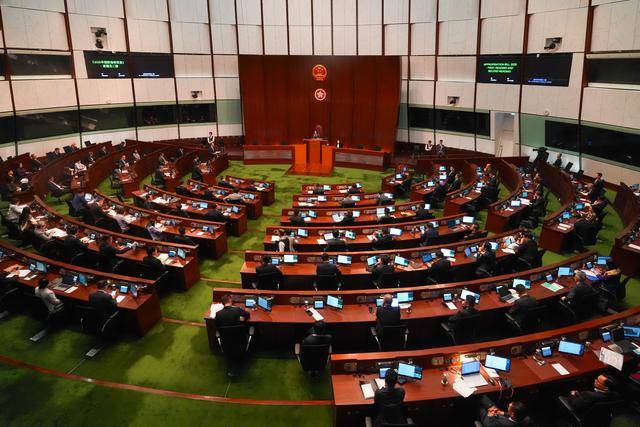
Core Viewpoint - The Hong Kong government, led by Financial Secretary Paul Chan, presented the 2026/2027 budget focusing on innovation-driven development and financial empowerment, anticipating continued economic growth for Hong Kong this year [1][4]. Economic Outlook - The overall economic growth for Hong Kong in 2023 is projected to be between 2.5% and 3.5%, with basic inflation and overall inflation rates expected to be 1.7% and 1.8%, respectively [1][5]. - The economy experienced a growth rate of 3.5% in the previous year, marking three consecutive years of growth, driven by strong external trade, recovering private consumption, and accelerated fixed investment [1][4]. Innovation and Technology Initiatives - A series of measures to drive innovation and technology development were proposed, including the establishment of the "AI+ and Industry Development Strategy Committee" and the promotion of AI training and digital transformation within the government [2][4]. - The budget allocates resources for the construction of the first overseas National Manufacturing Innovation Center in Hong Kong and introduces a "New Industrial Elite Enterprise Cultivation Program" [4]. Financial Sector Developments - The government aims to support the internationalization of the Renminbi, increasing the total quota for Renminbi business funding to 200 billion RMB and facilitating easier foreign exchange transactions [5]. - Continuous reforms in the securities market are planned, including legislative measures to optimize family office and fund tax systems, as well as establishing licensing systems for digital asset trading and custody service providers [5]. Public Finance Projections - The operating accounts are expected to maintain a surplus from 2026/2027 to 2030/2031, while non-operating accounts may show deficits due to high infrastructure spending, leading to a moderate increase in debt issuance [5]. - The fiscal reserves are projected to exceed 700 billion HKD during this period, indicating a significant improvement in the government's financial situation [5].
香港发表新财政年度预算案 以创科和金融赋能多元发展
Xin Hua Wang· 2026-02-25 12:33
Core Viewpoint - The Hong Kong government, led by Financial Secretary Paul Chan, presented the 2026/2027 budget focusing on innovation-driven development and financial empowerment, aiming for diversified growth and public welfare [1]. Economic Outlook - The Hong Kong economy is expected to continue its positive momentum, with a projected growth rate of 2.5% to 3.5% for the current year, following a 3.5% growth in the previous year [1][3]. - The basic inflation rate is anticipated to be 1.7%, while the overall inflation rate is expected to be 1.8% [1]. Innovation and Technology Initiatives - A series of measures to drive innovation and technology development were proposed, including the establishment of the "AI+ and Industry Development Strategy Committee" and the promotion of AI training [2]. - The budget allocates resources for the construction of the first overseas National Manufacturing Innovation Center in Hong Kong and introduces a "New Industrial Elite Enterprise Cultivation Program" [2]. Financial Sector Developments - The budget emphasizes the promotion of RMB internationalization, with measures such as increasing the total quota for RMB business funding to 200 billion RMB and facilitating easier foreign exchange transactions [2]. - Continuous reforms in the securities market are planned, including legislative optimization of family office and fund tax systems, as well as establishing licensing systems for digital asset trading and custody service providers [2]. Public Finance Projections - The operating accounts are expected to maintain a surplus from 2026/2027 to 2030/2031, while the non-operating accounts will show deficits due to high infrastructure spending [3]. - The fiscal reserves are projected to gradually increase to over 700 billion HKD during this period [3].
荣耀前CEO赵明,将出任千里科技联席董事长
Sou Hu Cai Jing· 2026-02-13 01:43
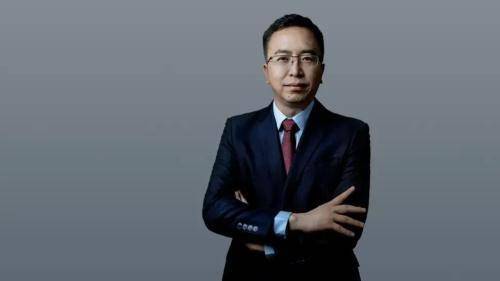
Core Viewpoint - Zhao Ming, former CEO of Honor, joins Qianli Technology as co-chairman and is nominated as a non-independent director candidate for the sixth board of directors [1] Group 1: Zhao Ming's Background and Experience - Zhao Ming was born in 1973 in Shanghai and graduated from Shanghai Jiao Tong University with a master's degree in mobile communications and electronic systems [3] - He joined Huawei in 1998 and held various positions, including president of the CDMA/WiMAX/TD-SCDMA product line and president of Honor's product line [3] - Under his leadership, Honor achieved a 20% market share in the domestic market in Q1 2022, becoming the first in the market after its independence [3] Group 2: Qianli Technology's Strategic Direction - Qianli Technology is an AI technology company that transitioned from a manufacturing enterprise and has established an "AI + vehicle" strategy [3] - The company is currently in a high investment phase for its AI business and has not yet achieved scalable profitability [3] - Zhao Ming will focus on business model construction and market strategy, while the current chairman, Yin Qi, will oversee the overall strategy and AI technology direction [4] Group 3: Industry Implications - The influx of core management from the mobile phone industry into the automotive sector indicates a shift in competition towards smart vehicles as the next generation of smart terminals [4] - The competition now extends beyond mechanical performance to include chips, operating systems, software ecosystems, and user experience [4] - Zhao Ming's joining may accelerate the profitability of Qianli Technology's AI business and serve as a significant example for observing the industrialization capabilities of AI [4]

转债周策略20260208:当前市场环境下的转债投资思路
Guolian Minsheng Securities· 2026-02-08 05:59
Group 1 - The current stock market is in a high volatility phase, while convertible bond valuations are at historically high levels. The proportion of convertible bond holdings by public funds has increased, indicating a shift in asset allocation towards convertible bonds and other equity assets due to high expectations in the stock market and a scarcity of assets in the bond market [1][12] - The medium to long-term outlook suggests that economic recovery and industrial structural upgrades will continue, with the stock market expected to maintain a trend of oscillating upward in 2026. Convertible bond valuations are supported by allocation demand, although the potential for further increases is limited [1][12] Group 2 - The investment strategy for convertible bonds should adopt a "winning probability" mindset, recognizing that different industries will experience varying degrees of prosperity. Public funds possess strong fundamental research capabilities, allowing them to actively price convertible bonds linked to improving fundamentals. High premium rates on some convertible bonds may still yield strong excess returns if the underlying stocks are in high-growth sectors [2][13] - Caution is advised regarding specific types of convertible bonds with excessively high premium rates, particularly those with less than six months remaining until maturity and those that may trigger early redemption clauses. These bonds face risks of rapid premium compression due to their contractual limitations [2][13] Group 3 - The weekly performance of the convertible bond index showed a slight increase of 0.05%, with certain sectors like food and beverage, beauty care, and electric equipment performing well. The median price of convertible bonds across various parity ranges has risen, indicating that valuations remain at relatively high historical levels [3][17] - The influx of incremental capital into the market is expected to continue, with a likely "spring excitement" rally at the beginning of the year, focusing on technology and high-end manufacturing investment opportunities. The chemical sector is anticipated to see improvements in demand, with well-structured supply and demand dynamics in certain sub-sectors expected to perform well [3][17] Group 4 - Suggested focus areas for convertible bonds include: (1) the rising demand for overseas computing power and the acceleration of AI industrialization driven by domestic model iterations, with recommendations for bonds from companies like Ruike and Qizhong; (2) high-end manufacturing is expected to remain strong, with recommendations for bonds from companies like Yake, Daimei, Huachen, Yubang, and Tairui; (3) the "anti-involution" trend may optimize supply and demand patterns in certain industries, with a recommendation for bonds from Youfa [4][18]
百度智能云年度生态成果:核心伙伴收入年增长超100%,千万级伙伴收入规模增长超三倍
Sou Hu Wang· 2026-02-03 02:47
Core Insights - Baidu Intelligent Cloud has made significant progress in its ecosystem construction with a "partner-first" strategy, achieving over 100% year-on-year growth in core partner revenue and a threefold increase in revenue from channel partners [1] - The company aims to provide a comprehensive AI toolkit to partners, facilitating easy integration into their products and solutions, thereby capturing the benefits of intelligent transformation [1] Group 1: Ecosystem Development - The company is building a "big ecosystem" that integrates four types of partner capabilities: product, opportunity, delivery, and channel, to create measurable value [2] - Product partners are converting industry knowledge into standardized solutions, exemplified by a collaboration with Xiamen Zhongshu Technology to create an intelligent procurement platform [2] Group 2: Revenue Growth - Opportunity partners have achieved significant growth, with total amounts from collaborations with Baidu Intelligent Cloud reaching several billion [3] - Channel partners have experienced rapid growth, with revenue from million-level partners increasing by 331% year-on-year, and a notable example is Henan Tengyou Technology, which saw a fourfold increase in overall performance after expanding its role [3] Group 3: Industry Innovation - Baidu Intelligent Cloud is collaborating with partners to define new industry standards through deep capability integration and joint innovation [4] - In the smart transportation sector, a partnership with Hubei Taiyue Satellite has led to a significant reduction in average vehicle delays by 8% in key urban areas, enhancing traffic efficiency [4] - In the smart elderly care sector, a project with Rui Lian Kang Da has established a scalable model for home-based elderly care, improving service response efficiency and user engagement [4] Group 4: Future Directions - The company plans to increase ecosystem investments in 2026, focusing on providing a richer product offering, building more open collaboration policies, and creating more integrated platform capabilities [5] - The overarching goal is to share greater growth dividends with partners by constructing a "value community" to address the opportunities presented by AI industrialization [6]
