极氪

Search documents
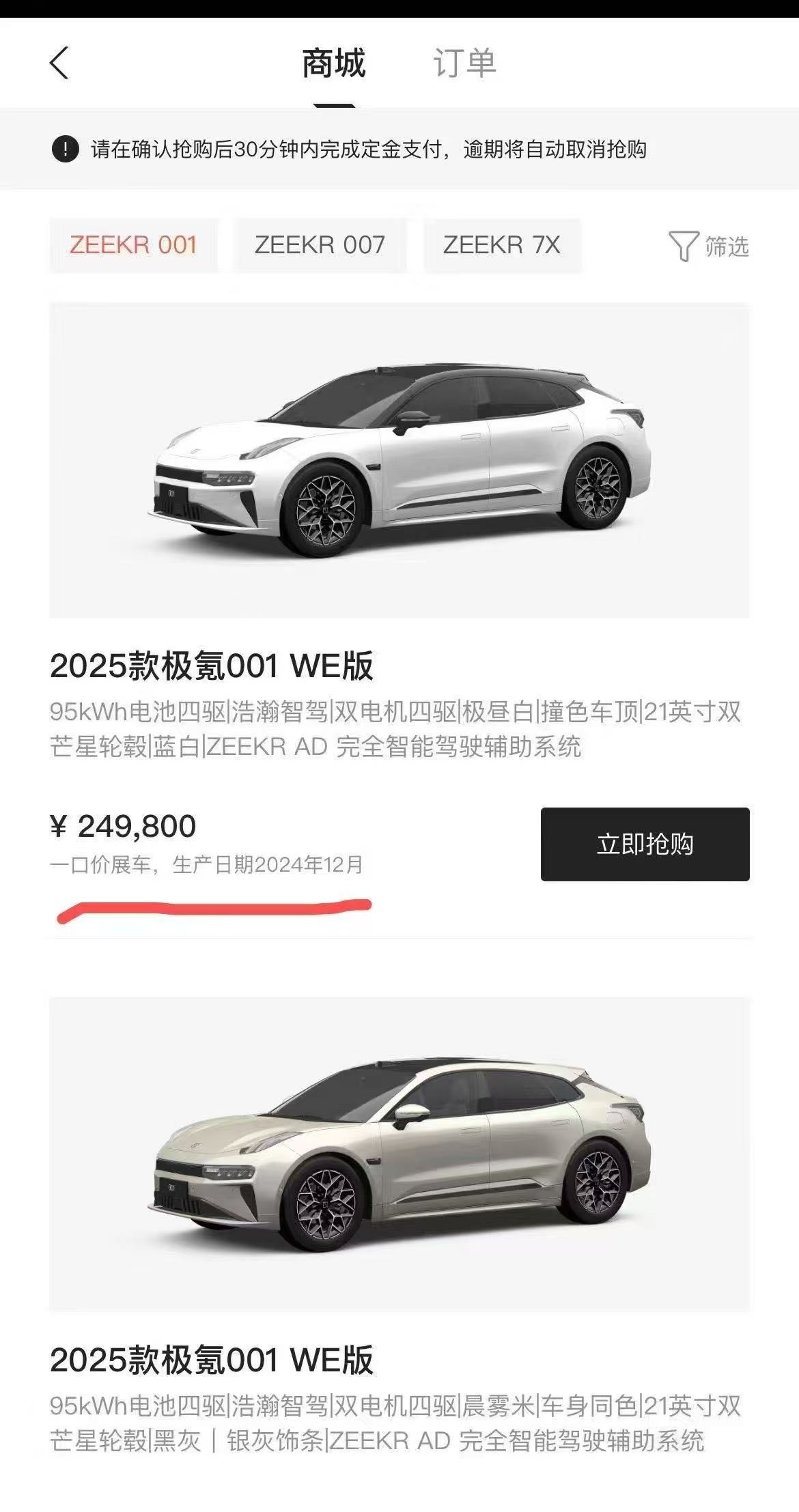
陷入“0公里二手车”风波?极氪官方回应:涉及车辆均为可正常销售的展车
Mei Ri Jing Ji Xin Wen· 2025-07-20 08:06
Core Viewpoint - Zeekr has issued a statement clarifying media reports regarding "0-kilometer used cars," emphasizing its commitment to a fair and transparent business environment and denying any involvement in selling such vehicles [1][2]. Group 1: Company Response - Zeekr supports national calls for a transparent business environment and opposes the sale of "0-kilometer used cars," stating that the vehicles in question are exhibition cars that have never been registered or sold as used cars [1]. - The company ensures that consumers are informed about the nature of the vehicles, with clear labeling on the purchase app and a secondary reminder before finalizing the order [2][8]. - Zeekr has established a special team to investigate and improve any issues related to consumer complaints about vehicle sales [2]. Group 2: Industry Context - The term "0-kilometer used car" refers to vehicles that have been registered but not used, often sold at significantly lower prices than new cars, leading to consumer complaints and confusion [8]. - Reports indicate that many consumers across various regions have encountered issues with purchasing what they believed to be new cars, only to find out they were previously registered [8]. - The phenomenon of "0-kilometer used cars" is recognized as a growing issue in the industry, with estimates suggesting that such vehicles may account for 5% to 8% of the total used car market [9].

破茧与重构:“一个吉利” 引领行业价值重估
Feng Huang Wang Cai Jing· 2025-07-20 07:57
Core Viewpoint - Geely's acquisition of Zeekr marks a strategic move towards the "One Geely" initiative, aiming to consolidate its operations and enhance competitiveness in the global electric vehicle market [1][5][15] Group 1: Acquisition Details - Geely will acquire 100% of Zeekr's issued shares, leading to Zeekr's delisting from the NYSE and becoming a wholly-owned subsidiary [1] - The acquisition price of $2.687 per share represents an 18.9% premium over the last closing price and a 25.6% premium over the 30-day volume-weighted average price [4] - Shareholders of Zeekr have the option to either cash out or exchange for Geely shares, providing flexibility for both short-term liquidity and long-term value [4] Group 2: Strategic Implications - The move is expected to simplify operations, unify strategic direction, enhance synergies, and reduce compliance burdens, ultimately improving efficiency and profitability [5][8] - Full ownership allows for systematic integration of resources across Geely's various brands, reducing redundancy and enhancing collaborative efforts in R&D, supply chain, and marketing [7][8] - The acquisition aligns Zeekr's technological advancements with Geely's strategic goals, ensuring cohesive development and innovation [8] Group 3: Market Position and Performance - Geely's sales reached 1.9317 million vehicles in the first half of 2025, with a significant increase in electric vehicle sales, reflecting strong market performance [10] - The company raised its annual sales target from 2.71 million to 3 million vehicles, indicating confidence in new model launches and market expansion [10] - The acquisition is seen as a pivotal moment for the Chinese automotive industry, signaling a shift from capital competition to efficiency competition [13][15] Group 4: Industry Impact - Geely's strategy may serve as a model for other automakers in the industry, promoting resource optimization and reducing wasteful competition [15] - The integration of Zeekr is expected to enhance Geely's valuation, transitioning it from a traditional automotive manufacturer to a growth stock in the smart electric vehicle sector [15]
出海得学会“傍大款”
投中网· 2025-07-20 03:27
Core Viewpoint - The article discusses the current state and future of the intelligent connected vehicle industry, highlighting the evolution of smart vehicles and the complexities of the industry, including technological advancements, regulatory challenges, and investment opportunities [2][3][4]. Group 1: Industry Evolution - The intelligent connected vehicle industry has evolved from basic concepts in the late 20th century to the current reality of vehicles equipped with L2-level assisted driving capabilities [2]. - The establishment of the "Vehicle Alliance" in 2013 marked a significant step in promoting the concept of intelligent connected vehicles in China [2]. - The industry has transformed personal vehicles into interactive smart terminals, integrating with infrastructure and cloud services [2][3]. Group 2: Industry Challenges - The intelligent connected vehicle industry is complex, with a long supply chain and varying technological directions among companies, making consensus difficult [3]. - Key challenges include data requirements for autonomous driving, regulatory frameworks, and the need for improved infrastructure to support higher levels of automation [9][10][13]. - The transition to L5-level autonomous driving is hindered by the need for vehicle-road collaboration and the maturity of technology solutions [10][13]. Group 3: Investment and Innovation - The "Intelligent Connected Industry Innovation and Investment Salon" gathered industry leaders to discuss trends, challenges, and investment opportunities in the sector [4][7]. - Investment firms are focusing on various aspects of the intelligent connected vehicle ecosystem, from sensor components to complete vehicle applications [9][10][26]. - Companies like Taga Zhixing have successfully commercialized L4-level autonomous driving in closed environments, demonstrating the potential for economic benefits in specific applications [11][12]. Group 4: Future Directions - The integration of vehicle, road, and cloud systems is seen as a critical future direction for the industry, with significant investments being made to develop these capabilities [15][19]. - The development of smart cockpits is also highlighted as a key area for enhancing user experience, although it faces challenges related to standardization and consumer acceptance [24][25]. - The article emphasizes the need for collaboration among policymakers, businesses, and investors to drive the industry from concept to reality, ultimately reshaping societal operations [30].

100观察|吉利汽车将全资控股极氪:品牌深度整合成为“降本增效”最优解
Mei Ri Jing Ji Xin Wen· 2025-07-19 14:30
Group 1: Industry Trends - The Chinese automotive market is transitioning from incremental growth to stock competition over the next two to three years, with new energy vehicles reshaping the market landscape [1] - The competition is evolving from initial disorder and fragmentation to high-quality, comprehensive competition, emphasizing the importance of strategic planning, cost control, and continuous technological innovation for companies [1] Group 2: Company Developments - Geely Holding Group announced the completion of the merger agreement between Geely Auto and Zeekr, with Geely Auto fully acquiring Zeekr [3] - The merger aims to address previous issues of resource duplication and optimize overall operational efficiency, as the multi-brand strategy has shown increasing pain points in the context of stock competition [2] - Post-merger, Geely's brand matrix will focus on distinct market segments: Zeekr on luxury and intelligent pure electric vehicles, Lynk & Co on youth-oriented and dynamic segments, Galaxy on mainstream high-value new energy, and the China Star series on energy-efficient and intelligent fuel vehicles [2][3] Group 3: Strategic Insights - The merger is a key step in Geely's strategy to return to a unified brand approach, enhancing its global competitiveness in the smart new energy sector [3] - The complementary strengths of Zeekr's luxury electric vehicle DNA and Geely's mainstream market experience are expected to create strong synergies in technology development and supply chain sharing [3]




豪车税新规来了,保时捷掀抢购潮;奥迪S3原型车路测图曝光丨汽车交通日报
创业邦· 2025-07-19 10:20
Group 1 - The new luxury car consumption tax policy has led to a surge in demand for Porsche vehicles, particularly the 911 and Panamera models, with reports indicating that the inventory is extremely tight and prices are expected to rise significantly for late purchases [1] - Zeekr, a brand under Geely, has faced complaints from consumers regarding the sale of previously owned vehicles as new cars, leading to widespread dissatisfaction and calls for refunds, with no official response from the company as of yet [2] - BMW is planning to launch a new track package for the M2 model in 2026, which may include upgrades to the suspension, aerodynamics, and powertrain [3] Group 2 - Audi's S3 prototype has been spotted, featuring a larger digital dashboard and control screens, with expectations that it will follow the design trends of the A5 and Q3 models [4][5]

降至90万,明起执行!晚买1天贵十几万,豪车税大调整,波及奔驰、保时捷
21世纪经济报道· 2025-07-19 05:07
Core Viewpoint - The new luxury car consumption tax policy, effective from July 20, 2023, imposes a 10% consumption tax on vehicles priced over 900,000 yuan (excluding VAT), marking a significant change since the establishment of the luxury car tax system in 2016 [1][3][17]. Group 1: Policy Changes - The tax threshold for luxury cars has been lowered from 1.3 million yuan (including tax) to 900,000 yuan, affecting a broader range of vehicles [3][17]. - The new policy exempts the sale of second-hand luxury cars from consumption tax [2]. Group 2: Market Impact - The new tax regulation is expected to impact high-end brands like Porsche and Mercedes-Benz, which have significant sales in the affected price range [6][7]. - In the first half of 2025, approximately 37,000 new cars priced above 900,000 yuan are projected to be sold, with fuel vehicles still dominating the market despite a 41% year-on-year decline [7]. Group 3: Sales Trends - The demand for luxury imported cars has been declining, with a notable drop in imports from a peak of 1.43 million units in 2014 to an estimated 700,000 units in 2024 [8]. - Sales of luxury brands such as Bentley and Rolls-Royce have seen significant declines, with import volumes dropping by 20% to 39% in early 2025 [8]. Group 4: Price Adjustments - Many luxury car brands are experiencing price reductions, with some models seeing price cuts of over 50% [15]. - The average price of luxury cars has adjusted to align with the new tax base, reflecting market changes since the original tax policy was established [17]. Group 5: Expert Opinions - Experts believe the impact of the new tax policy on luxury car sales will be manageable, as the consumer base for luxury vehicles remains stable and affluent [16][19]. - The policy is seen as a structural tax reform that maintains overall tax stability while adjusting specific areas to enhance fairness and compliance [19].
极氪被曝用0公里二手车虚增销量
news flash· 2025-07-19 03:19
Core Viewpoint - Zeekr, a smart electric vehicle brand under Geely Holding Group, is embroiled in a scandal involving the sale of "0-kilometer used cars" as new vehicles, leading to numerous consumer complaints and allegations of fraud [1] Group 1: Allegations and Consumer Complaints - Since May of this year, Zeekr has been accused of selling inventory vehicles that have already been insured and registered as new cars through its direct sales model, misleading consumers with promotional language such as "limited-time offers" [1] - Consumers in various regions, including Guizhou, Chongqing, and Guangzhou, reported discovering that the "new cars" they purchased had already been insured and registered, effectively making them "used cars" [1] - When consumers sought refunds or compensation, they often faced evasion or denial from the company [1] Group 2: Impact on Sales and Reputation - The scandal is intertwined with unusual sales figures reported by Zeekr in Shenzhen and Xiamen, suggesting that the practice of misrepresenting used cars as new is being used to artificially inflate sales numbers [1] - This situation not only raises ethical concerns but also poses a significant risk to Zeekr's reputation in the competitive automotive market [1]
浩思动力全新超级混动系统,首搭上车发布
Zhong Guo Qi Che Bao Wang· 2025-07-18 13:07
Core Viewpoint - Zeekr has launched the world's first luxury hybrid architecture based on a pure electric framework, named "Hao Han-S," marking a significant breakthrough in China's new energy technology sector [3] Group 1: Hao Si Power Super Hybrid System - The Hao Si Power Super Hybrid System is described as a "king-level" electric hybrid system, breaking the 400V architecture bottleneck with a revolutionary 900V high-voltage hybrid architecture [3][9] - The system achieves a maximum output power of 1,030 kW, enabling the Zeekr 9X to accelerate from 0 to 100 km/h in just 3.1 seconds, even maintaining a 3-second acceleration in a 20% low battery state [3] - The range extender generator has a peak power of 145 kW, capable of replenishing the battery by 20 kWh per hour while driving at 120 km/h, providing a unique "charge while driving" experience [3] Group 2: DHE20TDE Engine - The DHE20TDE engine is the world's first dedicated hybrid engine with a peak power exceeding 205 kW, achieving a thermal efficiency of over 46% [6] - This engine reduces fuel consumption by 5%-10% compared to similar products equipped with a 1.5T engine, showcasing a dual achievement in performance and efficiency [6] Group 3: DHT290 Intelligent Electric Drive Transmission - The DHT290 electric drive transmission is the first in the hybrid field with a maximum motor power of 290 kW, with a torque of 400 N·m [7] - It utilizes advanced 1200V silicon carbide power module technology, achieving an electric control efficiency of 99.8% and a motor efficiency of 97.8%, with a comprehensive efficiency of 92% under WLTC conditions [7] - The transmission design focuses on ultra-quiet operation, providing a comfortable driving experience [7]

极氪合并后,当下的吉利比以往更具价值
Huan Qiu Lao Hu Cai Jing· 2025-07-18 09:29
Core Viewpoint - Geely Holding Group announced the acquisition of all remaining shares of Zeekr, with a potential maximum investment of 17.2 billion RMB, marking a significant strategic move towards consolidating its high-end electric vehicle segment [1][8]. Group 1: Acquisition Details - The acquisition will result in Zeekr becoming a wholly-owned subsidiary of Geely, allowing for better resource allocation and potential synergies [1][2]. - Zeekr's shareholders will have the option to receive either cash or stock, creating a win-win scenario for all parties involved [1][8]. - The total payment for the acquisition could reach up to 2.399 billion USD, equivalent to approximately 17.2 billion RMB, with a significant portion allocated to related shareholders [8]. Group 2: Strategic Implications - The merger is part of Geely's broader strategy to streamline its business lines and enhance its capabilities in the smart electric vehicle sector [1][5]. - The integration of Zeekr is expected to improve Geely's operational efficiency, with anticipated increases in R&D, management, and marketing efficiencies by 15% to 20% [4]. - The successful integration will strengthen Geely's position in the luxury electric vehicle market, enhancing its product matrix and competitive edge [4][6]. Group 3: Market Expectations - Analysts have responded positively to the merger, with forecasts for Geely's net profit for 2025-2027 being revised upwards to 13.7 billion, 18.1 billion, and 23.2 billion RMB respectively [9]. - The strategic consolidation is expected to enhance Geely's financial performance, with projected revenues for the same period also being adjusted upward [9]. Group 4: Future Outlook - The merger signifies Geely's commitment to its "One Geely" strategy, aiming for a more cohesive and efficient operational structure [5][7]. - The integration of Zeekr is anticipated to facilitate collaboration with other brands under Geely's umbrella, enhancing technological and operational synergies [3][6].
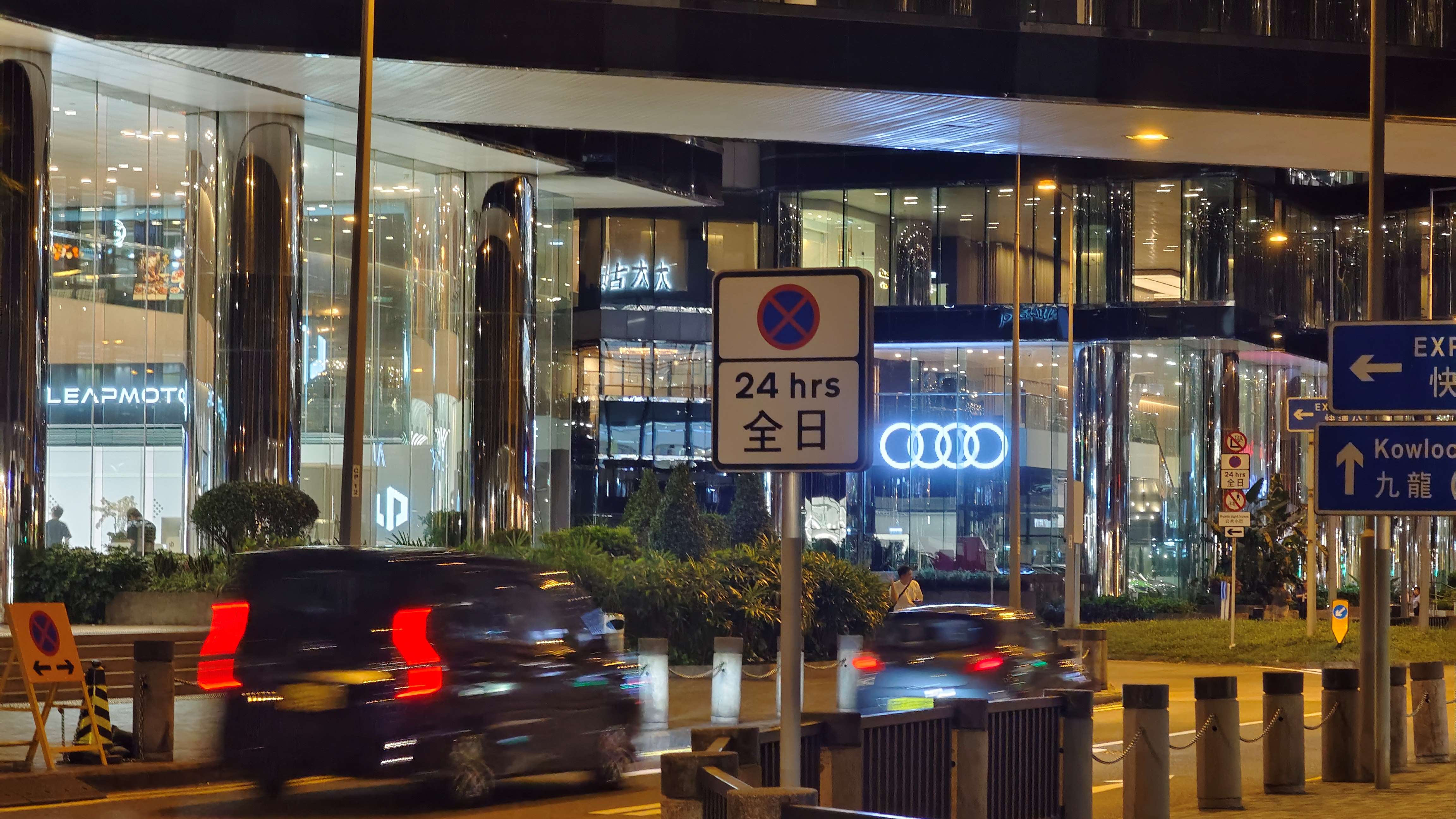
年销不足5万辆的弹丸之地,撬动了谁的野心丨中国汽车地理
Di Yi Cai Jing· 2025-07-18 05:29
Core Insights - The entry of Chinese electric vehicle brands into the Hong Kong market signifies a strategic move towards global expansion, with BYD leading the sales in the region [1][22] - The rapid growth of the electric vehicle market in Hong Kong is reshaping the competitive landscape, with local consumers increasingly favoring Chinese brands over traditional foreign luxury brands [1][12] Market Dynamics - In the first half of 2023, BYD sold 4,909 vehicles in Hong Kong, surpassing Tesla, which has long dominated the market [1][10] - Chinese brands now occupy five of the top ten spots in Hong Kong's vehicle sales, collectively holding over one-third of the market share [1][12] - The total number of new energy vehicle models available in Hong Kong has increased from 40 in 2022 to 78 by 2025, indicating a significant expansion in product offerings [9] Consumer Behavior - Consumers in Hong Kong prioritize brand technology and experience when purchasing vehicles, with cost and convenience of charging being secondary considerations [4][6] - The high cost of gasoline in Hong Kong makes electric vehicles financially attractive, with potential savings of HKD 40,000 to 50,000 annually on energy costs compared to traditional fuel vehicles [5][6] Infrastructure Challenges - The uneven distribution of charging stations and the difficulty of installing new ones in residential areas remain significant challenges for the growth of electric vehicles in Hong Kong [13] - The Hong Kong government plans to install 200,000 charging parking spaces by 2027 and 3,000 fast chargers by 2030 to address these issues [13] Policy and Market Trends - Recent adjustments to subsidies for electric vehicles have led to a decline in sales, with a notable drop in new registrations for electric vehicles in 2025 compared to the previous year [14] - The Hong Kong market is viewed as a critical hub for Chinese automakers to connect with global investors and showcase their products, enhancing their international presence [16][18] Strategic Importance - Hong Kong's status as a global financial center and its competitive advantages in technology and talent make it an attractive location for Chinese car manufacturers to establish a presence [17][18] - The evolving market dynamics indicate that Chinese brands are no longer just participants but are becoming key players in transforming the automotive landscape in Hong Kong [22]