OPPO

Search documents
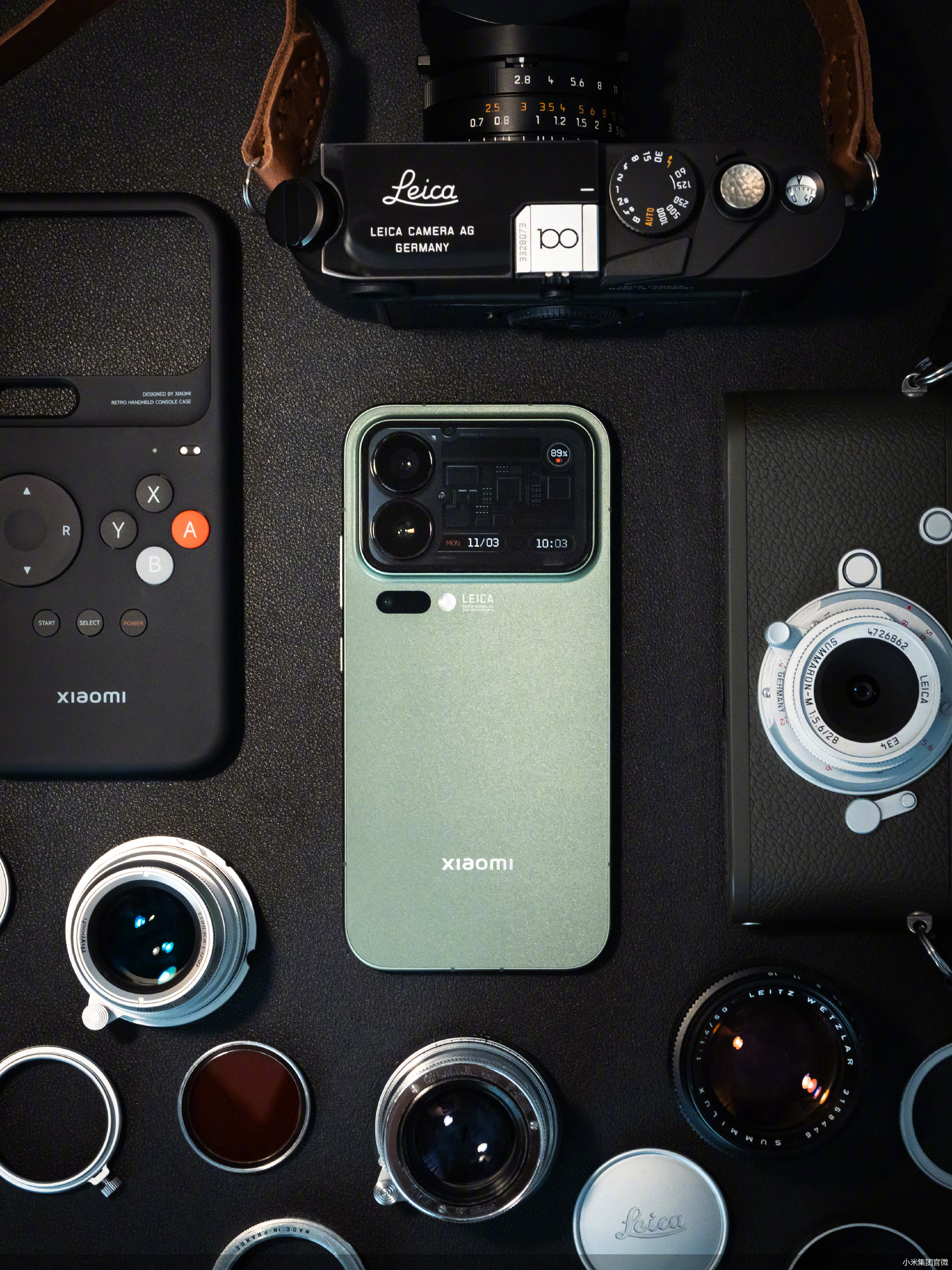
通信行业月报:北美云厂商继续上调资本开支,硅光助力AI网络规模化扩展-20251113
Zhongyuan Securities· 2025-11-13 09:22
Investment Rating - The report maintains an "Outperform" investment rating for the communication industry [6][7]. Core Insights - The communication industry index outperformed the CSI 300 index in October 2025, with a 0.24% increase, while the Shanghai Composite Index rose by 1.85% [6][13]. - In the first nine months of 2025, China's telecom business revenue reached 1.327 trillion yuan, a year-on-year increase of 0.9% [6][40]. - The penetration rate of 5G mobile phone users reached 63.9% by September 2025, with a monthly average data usage (DOU) of 21.23GB per user, up 15.5% year-on-year [6][50]. - The report highlights the optimistic outlook for capital expenditures from major cloud vendors, with a total of $112.43 billion in capital expenditures in Q3 2025, a 76.9% year-on-year increase [6][24]. - The silicon photonics market is expected to grow significantly, with a projected CAGR of 46% from 2024 to 2030 [6][7]. Summary by Sections Market Review - The communication industry index increased by 0.24% in October 2025, outperforming the CSI 300 index [6][13]. - The telecom equipment retail sales in China grew by 16.2% year-on-year in September 2025 [6][39]. Industry Tracking - The report notes a recovery in global telecom equipment revenue, with significant growth in the AI smartphone market expected [6][7]. - The telecom business revenue in China showed a slight recovery, with a total of 1.327 trillion yuan in the first nine months of 2025 [6][40]. Investment Recommendations - The report suggests focusing on sectors such as optical communication, AI smartphones, and telecom operators, highlighting the potential for growth in these areas [6][7]. - Major cloud vendors are expected to continue increasing their capital expenditures, which will drive demand for optical devices [6][7].
韩媒:京东方8.6代OLED产线首批面板将供货华硕
WitsView睿智显示· 2025-11-13 09:12
Core Viewpoint - BOE's 8.6-generation OLED panel production line (B16) is set to supply ASUS for 14-inch laptops and OPPO for smartphones, with an expected contract production volume of approximately 10 million panels [1][3]. Group 1: BOE's Production and Plans - The first batch of panels from BOE's B16 line will be supplied to ASUS, primarily for OLED screens in laptops [1]. - BOE plans to hold a lighting ceremony for the B16 factory in December 2023, indicating that all core processes are ready [1]. - BOE announced an investment in the 8.6-generation AMOLED production line project in November 2023, targeting high-end touch OLED displays for laptops and tablets, with mass production expected in the second half of 2026 [1]. Group 2: Competitors and Market Dynamics - Other Chinese panel manufacturers are accelerating investments in 8.6-generation OLED production lines, aiming for a broader market in laptops and mobile devices [3]. - The Hefei Guoxian 8.6-generation AMOLED production line, backed by Visionox and Hefei's investment platform, is the world's first high-generation AMOLED line using the no-FMM technology, with a total investment of 55 billion yuan and a design capacity of 32,000 glass substrates per month [3]. - TCL Huaxing's T8 project, the world's first large-scale G8.6 generation inkjet printing OLED production line, has a total investment of 29.5 billion yuan and a design capacity of approximately 22,500 glass substrates per month, covering various applications [3]. Group 3: Competitive Landscape - Industry insiders suggest that despite starting a year later than Samsung Display, BOE's B16 line may achieve mass production ahead of Samsung [4]. - Samsung Display is constructing an 8.6-generation OLED panel production line (A2) in Korea, with a monthly capacity of 16,000 panels, exclusively for Apple's next-generation MacBook series [4]. - Samsung has indicated plans to start mass production of the second A2 line in the second quarter to third quarter of 2026 [4].



端侧AI爆发?谷歌“开抄”苹果PCC私有云,国产手机也在疯狂学习
3 6 Ke· 2025-11-13 08:21
Core Insights - The discussion around "AI bubble theory" has gained traction among analysts, institutions, and even prominent figures like Sam Altman and Jeff Bezos, highlighting concerns over the rising capital and computational investments in AI without corresponding returns [1][2] - Apple, previously criticized for lagging in AI, is now being recognized for its cautious and steady approach, contrasting with competitors like Huawei, OPPO, and Google [1][2] Group 1: Google PAC Platform - Google announced its Private AI Compute (PAC) platform, aiming to create a private and useful AI, similar to Apple's Private Cloud Compute (PCC) introduced at WWDC24 [2][5] - PAC utilizes Google’s TPU and confidential computing infrastructure, ensuring that data remains encrypted and inaccessible even to Google’s engineers during processing [7][9] - The PAC platform enhances user experience on devices like Pixel 10 by providing contextual suggestions through features like Magic Cue, while maintaining privacy through hardware verification and task isolation [10][12] Group 2: Competitive Landscape - Other manufacturers, including OPPO and Huawei, are also developing their own end-cloud collaborative architectures to balance computational power and privacy [13][16] - OPPO has introduced a multi-tier model deployment strategy, including lightweight models on devices and larger models in the cloud, while also planning to create a private computing cloud in collaboration with public cloud services [15][16] - Huawei's HPIC platform extends privacy protection to the cloud, processing data without retaining original content, positioning it closer to Google's PAC in terms of capabilities [17][18] Group 3: Industry Trends - The trend towards "private AI" is becoming a standard in the industry, with major players recognizing the need for a balance between model performance and user privacy [19][20] - The shift initiated by Apple is influencing competitors, as they adapt their strategies to align with the emerging focus on privacy and secure AI processing [19][20]


价格飙涨,日本多家商店限购内存、SSD
Guan Cha Zhe Wang· 2025-11-13 07:32
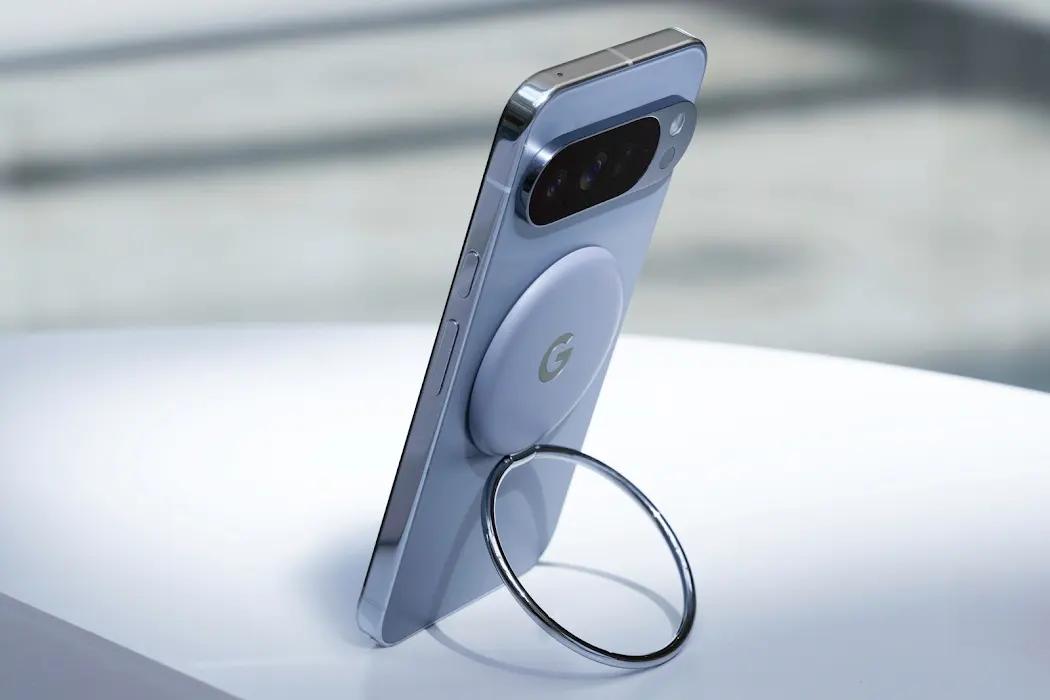
Core Viewpoint - The prices of DDR5 memory and SSDs in Japan have surged dramatically since November, with DDR5 facing unprecedented shortages and price increases, leading to panic buying among consumers [1][4][6]. Price Trends - DDR5 memory prices have nearly doubled for certain models, with the price of Crucial's DDR5 6400 16GBx2 kit reaching 32,000 yen (approximately 1,469 RMB) as of November 1, up from 15,000 yen (approximately 688 RMB) on August 1 [1][3]. - The average price of DDR5 16GBx2 kits increased by over 4,000 yen, marking a 40% rise from October to November [3]. - High-capacity DDR5 kits, such as 48GBx2, saw price increases exceeding 17,000 yen [3]. Supply Chain Issues - Major chip manufacturers, including Micron, SK Hynix, and Samsung, have halted order acceptance for the year, leading to supply shortages [3][9]. - Retailers report that the procurement prices from distributors have surged to 3-4 times the lowest prices from late August, causing further supply instability [3]. Consumer Behavior - Panic buying has been observed, with reports of customers attempting to purchase large quantities of memory products, leading to stock shortages in stores [4][11]. - Retailers have implemented purchase limits, with some stores restricting customers to a maximum of two SSDs and four memory modules [5][6]. Broader Market Impact - The price increases in NAND memory are also affecting SSD prices, which have risen by approximately 10% in late October and early November [6]. - TrendForce forecasts a significant increase in DRAM prices, with expectations of a 171.8% year-over-year rise by Q3 2025, driven by demand from cloud service providers [6]. - The price hikes are impacting the consumer electronics market, with smartphone manufacturers also raising prices for new models due to increased component costs [8][9].

四大证券报精华摘要:11月13日
Xin Hua Cai Jing· 2025-11-13 00:11
Group 1: A-Share Market Outlook - Multiple brokerage firms are optimistic about the A-share market continuing its upward trend into 2026, emphasizing the increasing importance of fundamentals and the potential for more industries nearing performance improvement inflection points [1] - The market style in 2026 may see a rebalancing, with opportunities in both growth and value styles [1] - Key investment themes for 2026 identified by brokerages include technology growth, overseas expansion, and cyclical reversals, along with attention to policy cycles, real estate cycles, and capital market reforms [1] Group 2: Smartphone Industry Developments - Major smartphone manufacturers like Apple, Xiaomi, OPPO, vivo, and Honor are launching flagship AI-enabled smartphones, which are expected to accelerate the high-end smartphone market and drive a wave of upgrades in the industry [2] - The release of new AI smartphones is anticipated to benefit the entire smartphone supply chain as it undergoes rapid upgrades [2] Group 3: Humanoid Robot Industry - The humanoid robot industry is projected to experience a significant breakthrough in 2026, with companies like XPeng Motors and Tesla advancing their production capabilities [3] - Analysts believe that 2026 could mark a pivotal moment for the global humanoid robot industry, leading to large-scale production and benefiting related supply chain companies [3] Group 4: Capital Market Reforms - The China Securities Regulatory Commission (CSRC) is focused on enhancing the accessibility of the capital market for foreign institutions, aiming to deepen investment and financing reforms [4] - The CSRC plans to improve the Qualified Foreign Institutional Investor (QFII) system and expand cross-border investment products, thereby increasing foreign participation in the Chinese capital market [4] Group 5: A-Share Market Performance - The Shanghai Composite Index is fluctuating around the 4000-point mark, with significant trading activity observed in defensive sectors such as banking, insurance, and pharmaceuticals [5] - Recent trading data indicates a mixed performance among major stocks, with a notable increase in the share prices of large-cap companies [5] Group 6: Consumer Electronics and Robotics - Consumer electronics and optical companies are accelerating the launch of new products, particularly in AR glasses and drones, while also expanding into high-growth sectors like robotics and automotive electronics [6] - Companies are strategically positioning themselves in emerging markets to inject new growth momentum into the industry [6] Group 7: A-Share Ratings Adjustments - Brokerages have been adjusting ratings for A-share stocks, with 23 stocks receiving upgrades and 40 experiencing downgrades since the end of October [7] - The electronics sector has seen the highest number of upgrades, while consumer and pharmaceutical sectors show significant rating divergence [7] Group 8: Foreign Investment in A-Shares - There is a growing trend of foreign institutions increasing their investment in Chinese stocks, supported by regulatory signals for higher levels of market openness [8] - Factors such as overall profit recovery, net inflows of external funds, and improvements in capital market infrastructure are contributing to a positive mid-term outlook for the market [8] Group 9: Lithium Hexafluorophosphate Price Surge - The price of lithium hexafluorophosphate has been experiencing significant fluctuations, with some market quotes reaching 150,000 yuan per ton, doubling since mid-October [9] - The price surge is attributed to a mismatch between supply and demand, with increased demand from downstream markets and a contraction in supply due to the exit of smaller companies [9] Group 10: Payment Industry Developments - Internet companies are increasingly investing in payment services, as evidenced by the capital increase of Zhejiang Vipshop Payment Service Co., which doubled its registered capital [10] - The payment industry is shifting focus from scale to capital and compliance, with companies enhancing their risk management capabilities [10] Group 11: Huawei's Patent Revenue - Huawei reported a record high in patent licensing revenue, reaching 630 million USD, reflecting the company's significant role in the global innovation ecosystem [11] - The company's R&D investment for 2024 is projected to be 179.7 billion yuan, accounting for 20.8% of its total revenue [11] Group 12: A-Share Dividend Distribution - As of November 12, 37 A-share companies have completed their third-quarter dividend distributions, totaling over 6.3 billion yuan in cash dividends [12] - The trend towards cash dividends is driven by regulatory guidance and improved corporate earnings, transforming dividends from optional to feasible strategies for more companies [12]
手机厂商大战双11:苹果稳坐钓鱼台,爆品永远是必杀技
3 6 Ke· 2025-11-12 23:34
Core Insights - The 2025 Double 11 shopping festival saw record-breaking sales, with total transaction volume reaching an all-time high and a significant increase in user engagement and order volume compared to previous years [1][26] - The smartphone category emerged as the most noteworthy segment, with Xiaomi reporting over 29 billion yuan in sales on the day of the event, securing the second position in cumulative sales among all brands [1][26] Smartphone Market Performance - Apple maintained its dominance, with the iPhone 17 series capturing the top three spots in single product sales, and the iPhone 17 Pro Max being particularly popular [7][26] - Xiaomi's new models, particularly the Xiaomi 17 series, gained significant traction, with the standard model priced at 3999 yuan and the Pro Max model making its debut in the high-end market [13][26] - Vivo's X300 series, launched just before the event, performed well, helping the brand secure the third position in cumulative sales [17][26] - OPPO's Find X9 series and Reno14 series contributed to its strong performance, appealing to both high-end and mid-range consumers [20][26] - Huawei, despite not launching new models, relied on the popularity of its Mate70 series and Nova 14 series to achieve fifth place in sales [23][25] Market Dynamics - The competitive landscape this year was marked by a shift in strategy, with brands focusing on product quality and consumer experience rather than solely on price cuts and promotions [26][27] - The presence of "explosive" products, such as the Xiaomi 17 Pro Max and Vivo X300, highlighted the importance of innovation and consumer perception in driving sales [26][27] - The event served as a barometer for market trends, allowing brands to gauge consumer response to new flagship models and identify potential bestsellers for future promotions [26][27]

手机厂商密集发布新品产业链公司将受益
Zhong Guo Zheng Quan Bao· 2025-11-12 20:18
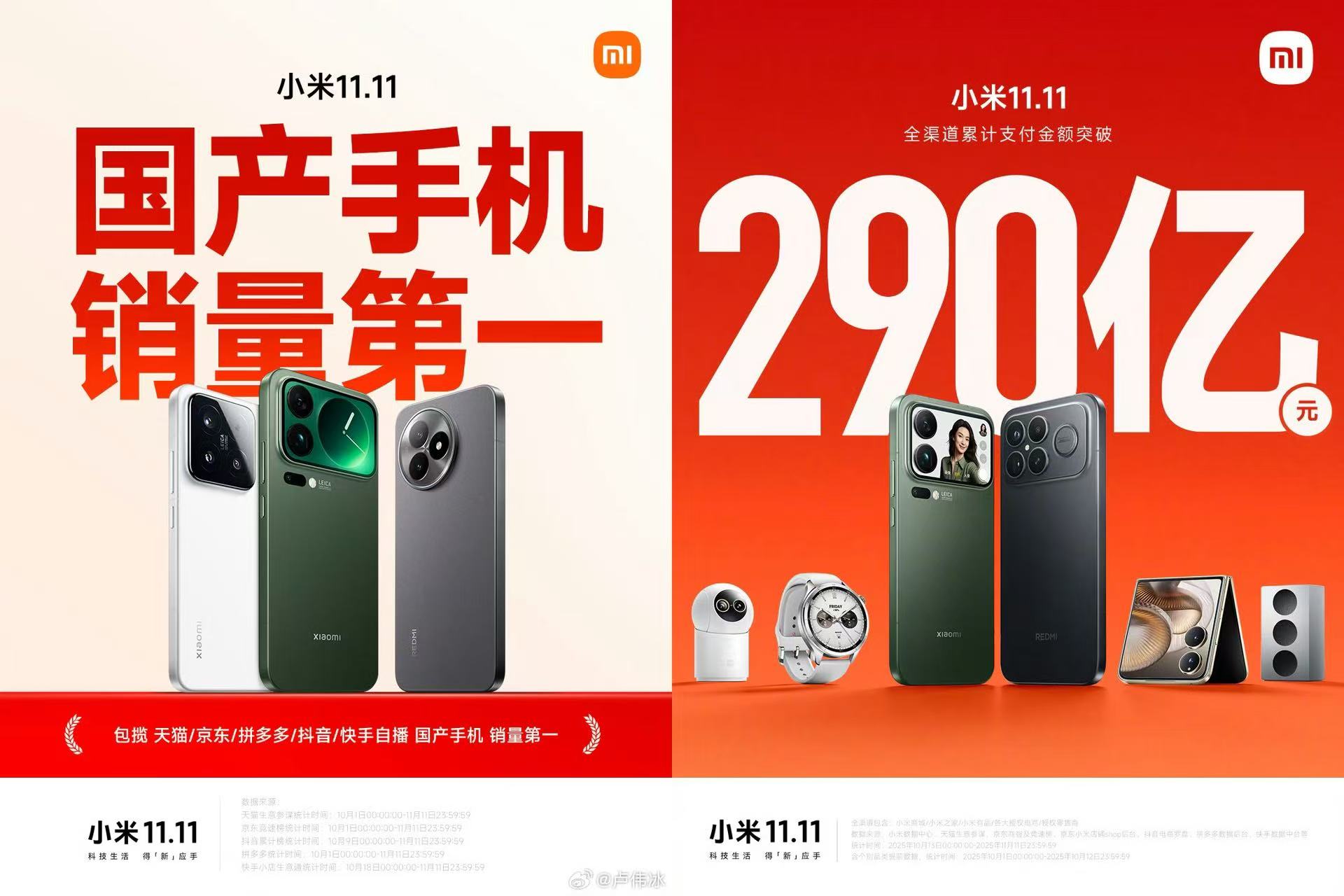
Core Insights - The recent launch of flagship AI smartphones by companies like Apple, Xiaomi, OPPO, vivo, and Honor is expected to enhance user experience and accelerate the high-end smartphone market and replacement cycle [1][2][3] Group 1: Market Trends - The introduction of AI features has become a major selling point for flagship smartphones, with 80% of high-end smartphone sales in the first half of the year featuring generative AI capabilities [2] - The smartphone market is anticipated to see improved performance in Q4, driven by the concentrated release of annual flagship products [3] - The global high-end smartphone market is projected to grow significantly, with AI smartphone market share expected to rise from 16% in 2024 to 54% by 2028 [4] Group 2: Company Performance - Apple’s iPhone 17 series is performing well due to its competitive pricing and user upgrade demand, while Xiaomi's sales have surged thanks to the early release of its 17 series [4] - Leading companies in the smartphone industry are expected to benefit from the increasing penetration of AI smartphones, which will accelerate the replacement cycle [4][5] - Luxshare Precision, a key player in Apple's supply chain, anticipates a net profit of 16.518 billion to 17.186 billion yuan in 2025, reflecting a year-on-year growth of 23.59% to 28.59% [4]
手机厂商密集发布新品 产业链公司将受益
Zhong Guo Zheng Quan Bao· 2025-11-12 20:11
Core Insights - The recent launch of flagship AI smartphones by major brands like Apple, Xiaomi, OPPO, vivo, and Honor is expected to enhance user experience and accelerate the high-end smartphone market and replacement cycle [1][3][4] - The integration of AI technology into smartphones is becoming a key differentiator, with over 80% of high-end smartphone sales in the first half of the year featuring generative AI capabilities [1][3] Group 1: Market Trends - The smartphone market is witnessing a surge in flagship AI smartphone releases, with brands focusing on AI and operating system integration as a primary selling point [1][2] - Research indicates that product innovation and differentiation will be crucial for attracting consumers, as the competition among smartphone manufacturers intensifies [2][3] - The Chinese smartphone market showed strong growth in early Q4, with a year-on-year increase of 11% in sales, driven by significant growth in iPhone and Xiaomi sales [3] Group 2: Future Projections - The global high-end smartphone market is projected to see a significant increase in AI smartphone market share, expected to rise from 16% in 2024 to 54% by 2028 [4] - IDC maintains an optimistic outlook for the smartphone market in 2025, anticipating sustained growth driven by strong promotional activities and diverse product offerings [5] Group 3: Company Benefits - Leading companies in the smartphone supply chain, such as Luxshare Precision (立讯精密), are expected to benefit from the rising penetration of AI smartphones, with projected net profits for 2025 ranging from 16.518 billion to 17.186 billion yuan, reflecting a year-on-year growth of 23.59% to 28.59% [6] - Luxshare Precision aims to capitalize on the demand for high-precision components and processing techniques as the market for AI-enabled devices expands [6]

2025年双十一战报来了!手机单品冠军出炉:今年没有什么悬念
Sou Hu Cai Jing· 2025-11-12 14:14
Group 1 - The core viewpoint of this year's Double Eleven shopping festival reflects a shift towards rational consumption, with consumers focusing more on the actual value and quality of products rather than impulsive buying driven by promotions [2] - Instant retail has accelerated its entry into the Double Eleven market, catering to the growing demand for convenience and quick delivery, enhancing consumer satisfaction and revitalizing the shopping experience [3] - The widespread application of AI technology has added a technological dimension to this year's Double Eleven, improving shopping experiences and operational efficiency for businesses through smart recommendations and optimized logistics [5] Group 2 - Understanding user needs and providing seamless experiences through data-driven approaches are crucial for companies to stand out in the competitive landscape, with social media and live commerce further influencing consumer decision-making [7] - The smartphone category has shown diverse consumer preferences during Double Eleven, with notable sales of both budget-friendly models and high-end flagship products, indicating a broad spectrum of user demands [8] - The top three smartphone models sold during Double Eleven were all from the iPhone 17 series, highlighting Apple's strong market presence, followed by brands like Xiaomi, Vivo/iQOO, Huawei, and OPPO/OnePlus [10]
没有硝烟的手机“双11”
Bei Jing Shang Bao· 2025-11-12 13:41
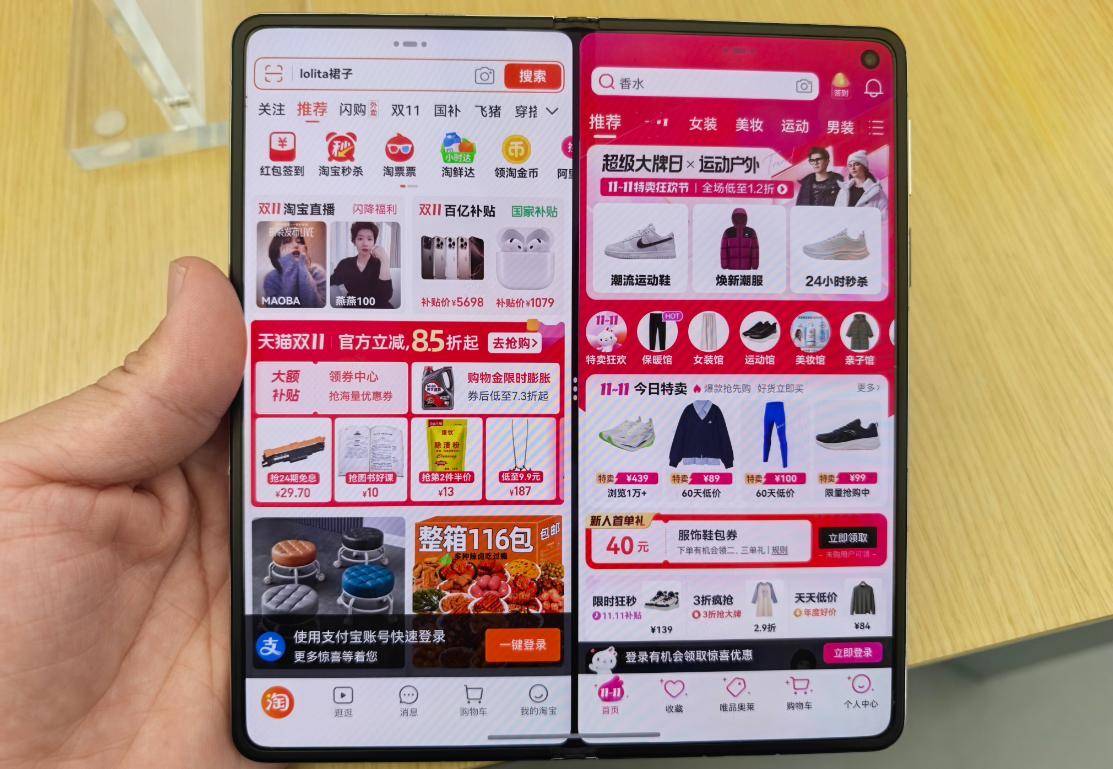
Core Insights - Xiaomi Group achieved a total payment amount exceeding 29 billion yuan during the "Double 11" shopping festival, marking a decline of less than 10% compared to the previous year's record of 31.9 billion yuan [3][4] - Xiaomi's mobile phones have maintained the top position in domestic sales for three consecutive years, with the Xiaomi 17 Pro Max leading in both sales volume and revenue among domestic phones priced over 6,000 yuan [3][4] - The smartphone market in China is experiencing a downturn, with a reported 0.5% year-on-year decline in shipments, and major brands like Vivo, Huawei, and Xiaomi seeing significant drops in their sales volumes [4][6] Company Performance - Xiaomi's performance during the "Double 11" event was highlighted by its ranking as the top domestic smartphone brand, despite the overall market decline [3][4] - The competition in the high-end market remains strong, with Apple's iPhone 17 series dominating sales, indicating a robust demand for premium devices [5][6] - The shift in market dynamics suggests a transition from aggressive volume growth strategies to a more cautious approach focused on maintaining market share and understanding consumer needs [6] Industry Trends - The smartphone industry is undergoing structural adjustments, with rising component costs leading brands to be more cautious in pricing and promotional strategies [6] - The overall smartphone shipment volume in China is projected to be around 68.46 million units by Q3 2025, reflecting a continued decline in demand [4][6] - Brands are increasingly focusing on niche markets and consumer value rather than solely on volume, indicating a maturation of the smartphone market [6]