
中科曙光

Search documents
算力赋能 “数字经济”迸发时代脉动——2025世界计算大会观察
Xin Hua She· 2025-11-21 17:03
Group 1 - The 2025 World Computing Conference showcases advancements in computing power, featuring innovations such as large models, robots, and brain-computer interfaces, highlighting the pulse of the "digital economy" era [1] - The conference emphasizes the accessibility of large models, with many companies presenting open-source models that allow small and medium enterprises to develop applications without significant investment [1][2] - The event features a variety of robots demonstrating capabilities in entertainment, logistics, healthcare, and more, showcasing the versatility and application of robotics in various sectors [1][3] Group 2 - The conference highlights the achievement of global computing power reaching the ZFLOPS level, which supports over one million commercial computing services across key industries like finance, manufacturing, and healthcare [1][4] - Companies like Huawei and Sugon present cutting-edge products such as supernode systems and brain-computer interfaces, indicating ongoing advancements in computing infrastructure [2] - The Ministry of Industry and Information Technology emphasizes the need for coordinated development of computing power and networks to drive higher quality growth in the computing industry [4]

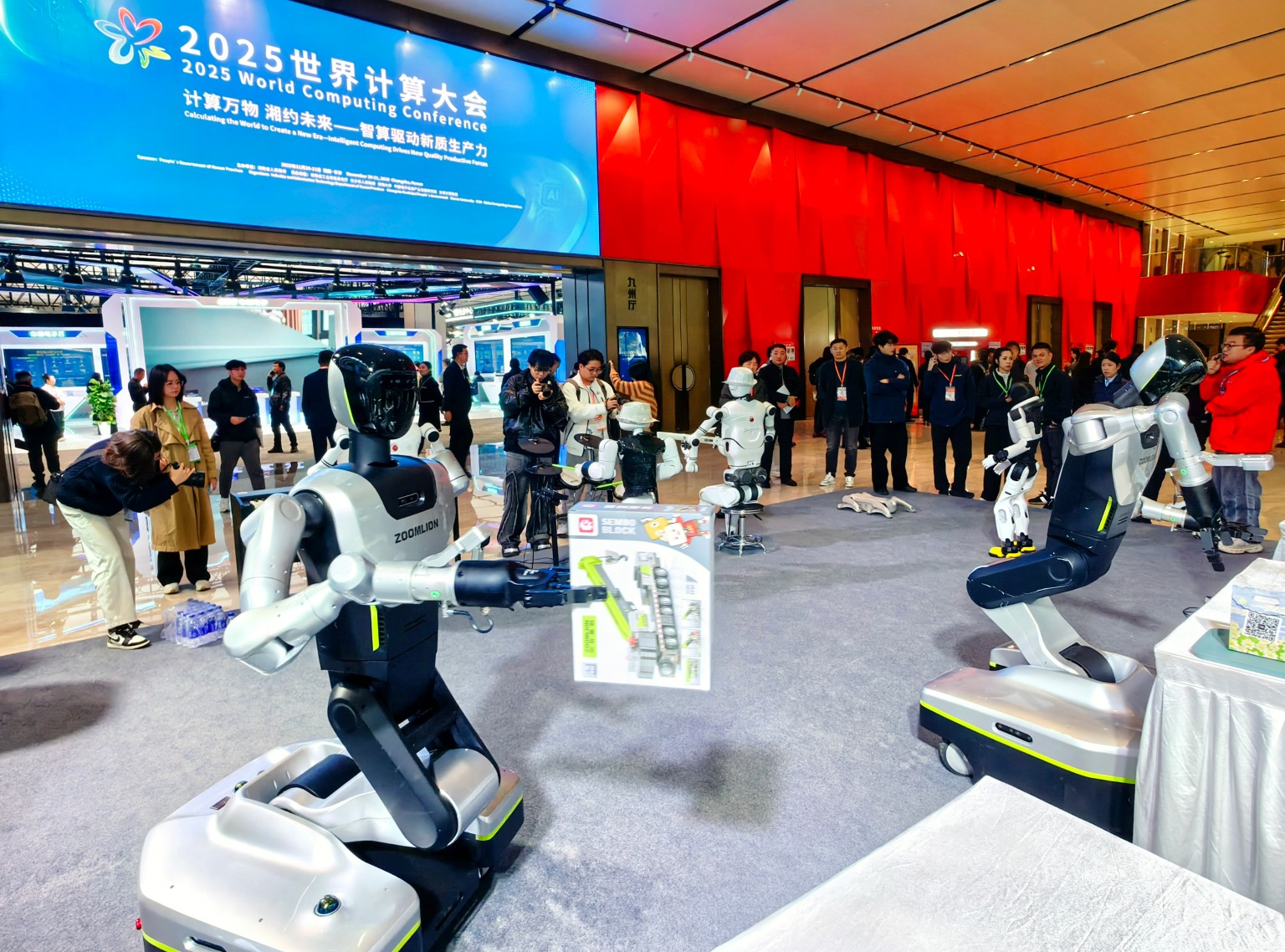
算力赋能,“数字经济”迸发时代脉动——2025世界计算大会观察
Xin Hua She· 2025-11-21 16:28
Core Insights - The 2025 World Computing Conference showcases advancements in computing power, emphasizing the rise of the digital economy and innovative technologies such as large models, robotics, and brain-computer interfaces [1][3] Group 1: Innovations in Computing - The conference highlights that the global computing power has reached the ZFLOPS level for the first time, enabling the commercialization of over one million computing services across key sectors like finance, manufacturing, and healthcare [3] - A significant number of open-source large models with hundreds of billions of parameters are now available, allowing small and medium enterprises to develop applications without substantial investments [1][3] Group 2: Robotics and Applications - The exhibition features a variety of robots demonstrating capabilities in music, art, logistics, and healthcare, showcasing the versatility and potential of robotic technology in various industries [1][3] - Companies like Huawei and Sugon present cutting-edge products such as super-node systems and brain-computer interfaces, indicating a strong focus on advanced computing infrastructure [3][4] Group 3: Future Industry Trends - The Ministry of Industry and Information Technology emphasizes the need to leverage advanced computing as a core driver for technological innovation, aiming for higher quality development in the computing industry [4]
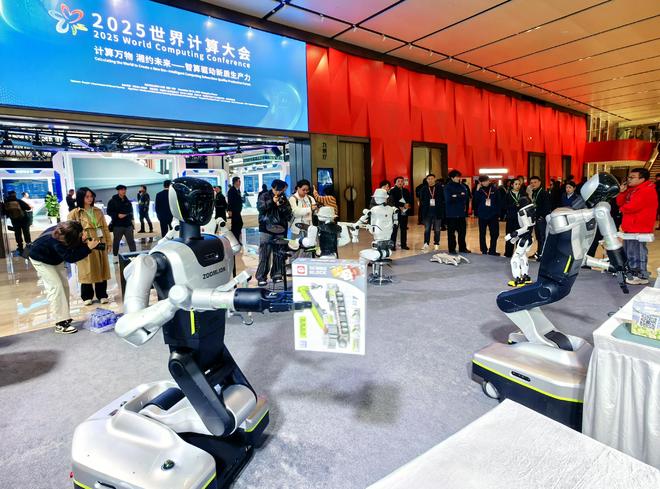
计算机行业今日净流出资金114.48亿元,华胜天成等31股净流出资金超亿元
Zheng Quan Shi Bao Wang· 2025-11-21 13:40
Market Overview - The Shanghai Composite Index fell by 2.45% on November 21, with the largest declines in the comprehensive and non-ferrous metal sectors, down 5.50% and 5.26% respectively [1] - The computer industry also experienced a decline of 3.01% [1] - Overall, there was a net outflow of 128.99 billion yuan in the main funds across the two markets, with only the media sector seeing a net inflow of 1.48 billion yuan [1] Computer Industry Analysis - The computer industry saw a net outflow of 11.448 billion yuan, with 336 stocks in the sector; 37 stocks rose, including 3 that hit the daily limit, while 299 stocks fell, with 6 hitting the lower limit [2] - Among the stocks with net inflows, Rongji Software led with a net inflow of 267 million yuan, followed by Jiuqi Software and Wanxing Technology with inflows of 240 million yuan and 198 million yuan respectively [2] - The stocks with the largest net outflows included Huasheng Tiancheng, Zhongke Shuguang, and Haixia Innovation, with outflows of 762 million yuan, 475 million yuan, and 426 million yuan respectively [2] Top Gainers in Computer Sector - The top gainers in the computer sector included: - Rongji Software: +9.98%, turnover rate 39.35%, main fund flow 266.57 million yuan - Jiuqi Software: +9.96%, turnover rate 17.55%, main fund flow 240.39 million yuan - Wanxing Technology: +6.18%, turnover rate 22.44%, main fund flow 198.01 million yuan [2] Top Losers in Computer Sector - The top losers in the computer sector included: - Huasheng Tiancheng: -9.99%, turnover rate 26.70%, main fund flow -761.64 million yuan - Zhongke Shuguang: -4.19%, turnover rate 2.23%, main fund flow -474.65 million yuan - Haixia Innovation: -20.01%, turnover rate 34.07%, main fund flow -425.94 million yuan [3]


存储非理性“疯狂”:明年手机会更贵了?
经济观察报· 2025-11-21 13:02
Core Viewpoint - The shortage and price increase of storage chips may continue for another two to three years, driven by the surge in AI demand, ultimately impacting consumers who will face higher prices for electronic devices like smartphones [1][24]. Market Dynamics - The storage chip market is currently experiencing significant price increases, with DDR5 memory prices rising by 307% in just over two months, and NAND Flash prices also seeing substantial weekly increases [5][6]. - The market is characterized by instability, with manufacturers often not providing clear pricing, leading to panic and confusion among buyers [6][12]. Supply and Demand Imbalance - Despite the price surges, the growth in end-user demand for devices like smartphones and PCs has not kept pace, with global smartphone shipments only increasing by 2.6% year-on-year [7][8]. - The current price increases are primarily driven by supply-side adjustments, as manufacturers are cautious about expanding production capacity after previous overproduction led to price drops [9][12]. AI Demand Impact - The explosion of demand for AI servers from major cloud service providers has redirected production capacity away from consumer electronics, leading to a scarcity of chips for smartphones and PCs [9][10]. - Major manufacturers like Samsung and SK Hynix are prioritizing high-bandwidth memory (HBM) and enterprise solid-state drives (eSSD) for AI applications, which are more profitable than traditional memory products [10][11]. Price Transmission to Consumers - The rising costs of memory components are expected to lead to significant price increases for smartphones and PCs, with manufacturers indicating that they cannot fully absorb the costs [16][18]. - Xiaomi and Lenovo have both acknowledged that the surge in memory prices will necessitate higher retail prices for their products in the coming year [16][19]. Market Segmentation - The storage market is becoming increasingly divided, with large clients having priority access to supply, while smaller brands face severe shortages and higher prices [12][19]. - The shift in focus towards AI has left many smaller players in the consumer electronics space struggling to secure necessary components, leading to a potential reshaping of the market landscape [19][22]. Long-term Outlook - The current supply constraints are expected to persist, with predictions indicating a 40%-50% increase in server storage demand against a supply growth of only 20%-30% [14]. - The ongoing supply-demand imbalance suggests that the price increases for storage chips will not revert to previous levels, making higher prices a new norm for consumers [20][24].

存储非理性“疯狂”:明年手机会更贵了?
Jing Ji Guan Cha Wang· 2025-11-21 09:34
Core Insights - The memory market is experiencing unprecedented price increases, with DDR5 memory prices rising by 307% in just over two months, while NAND Flash prices have also surged significantly [2][6] - The current market dynamics are characterized by a supply-demand imbalance, primarily driven by the explosive demand for AI server storage, which has led to a scarcity of conventional memory products for consumer electronics [6][10] - Major memory manufacturers are prioritizing production for AI applications, resulting in a strategic shift that leaves consumer electronics facing higher costs and potential shortages [11][16] Market Dynamics - Memory prices have skyrocketed, with DDR4 memory prices doubling from earlier this year, reflecting a significant shift from a year ago when the market was struggling with excess inventory [1][2] - The supply chain is under pressure, as manufacturers are cautious about expanding production capacity after previous overproduction led to price declines [5][10] - The demand for high-bandwidth memory (HBM) and enterprise solid-state drives (eSSD) from major cloud service providers is driving the current price increases, with traditional consumer memory products being deprioritized [6][8] Consumer Electronics Impact - The rising costs of memory components are expected to lead to higher retail prices for smartphones and PCs, with manufacturers indicating that they cannot fully absorb the increased costs [11][13] - Companies like Xiaomi and Lenovo have acknowledged that the surge in memory prices will necessitate price increases for their products in the coming year [11][12] - The trend of "downgrading" specifications, such as reducing standard memory from 12GB to 8GB in new smartphone models, is emerging as a strategy to manage costs [12][13] Future Outlook - The supply-demand gap is projected to persist, with global server storage demand expected to grow by 40%-50% while supply increases only by 20%-30% [10][18] - The current market conditions suggest that the memory chip shortage and price increases could last for two to three more years, fundamentally altering the pricing landscape for consumer electronics [18] - Domestic manufacturers are beginning to fill the gaps left by major suppliers focusing on AI, indicating a potential shift in market dynamics and opportunities for smaller players [16][17]


曙光数创连续4年液冷市场市占率第一
Xin Lang Cai Jing· 2025-11-21 08:24
Core Insights - The CDCE International Data Center and Cloud Computing Exhibition was held in Shanghai from November 18 to 20, showcasing advancements in the industry [1] - A report titled "Analysis of the Current Development Status of Liquid Cooling Technology in Computing Power Infrastructure" was released during the event, highlighting key trends in the sector [1] Company Summary - Sugon Information Industry Co., Ltd. (曙光数创) is projected to hold a dominant position in the Chinese computing power center infrastructure liquid cooling temperature control equipment market, with a shipment share of 55.7% in 2024 [1] - Sugon has maintained the highest market share in this segment for four consecutive years, indicating strong competitive advantages and market leadership [1]
国产算力双轨并进:以“开放协同”与“全栈生态”定义标准新征程
Zhong Guo Jing Ji Wang· 2025-11-21 08:20
Core Insights - The integration of artificial intelligence with the real economy is accelerating, with computing power being a crucial component of new productive forces, driving industrial upgrades [1][6] - Domestic companies are adopting a dual-track development model of "open collaboration" and "full-stack ecosystem" to break single technology dependencies and build a diverse technology-driven ecosystem [1][7] Group 1: Technological Breakthroughs - The Chinese government's 20th Central Committee has set a clear direction for domestic computing power development, emphasizing the need for innovation in AI and digital technologies [1] - At the Changsha World Computing Conference, the scaleX640 supernode showcased by Inspur demonstrated significant advancements in computing power, achieving a 30%-40% performance improvement for trillion-parameter model training compared to traditional solutions [3][6] Group 2: Market Demand and Growth - The global demand for computing power is surging, with the AI computing power market expected to reach 141.98 billion yuan in 2024 and nearly 1.344 trillion yuan by 2031, reflecting a compound annual growth rate of 37.3% [6] - Traditional computing architectures face challenges such as insufficient computing power, slow data transmission, high energy costs, and instability, which are significant barriers to digital transformation for many companies [6] Group 3: Industry Strategies - Leading domestic companies are exploring differentiated paths to address the growing computing power demand and systemic technological bottlenecks, with Inspur's open architecture and Huawei's full-stack solution representing two distinct approaches [7] - The collaboration between Inspur and over 20 upstream and downstream companies aims to establish an open and inclusive AI computing industry ecosystem, highlighting the trend towards diversified technological routes in the market [7]
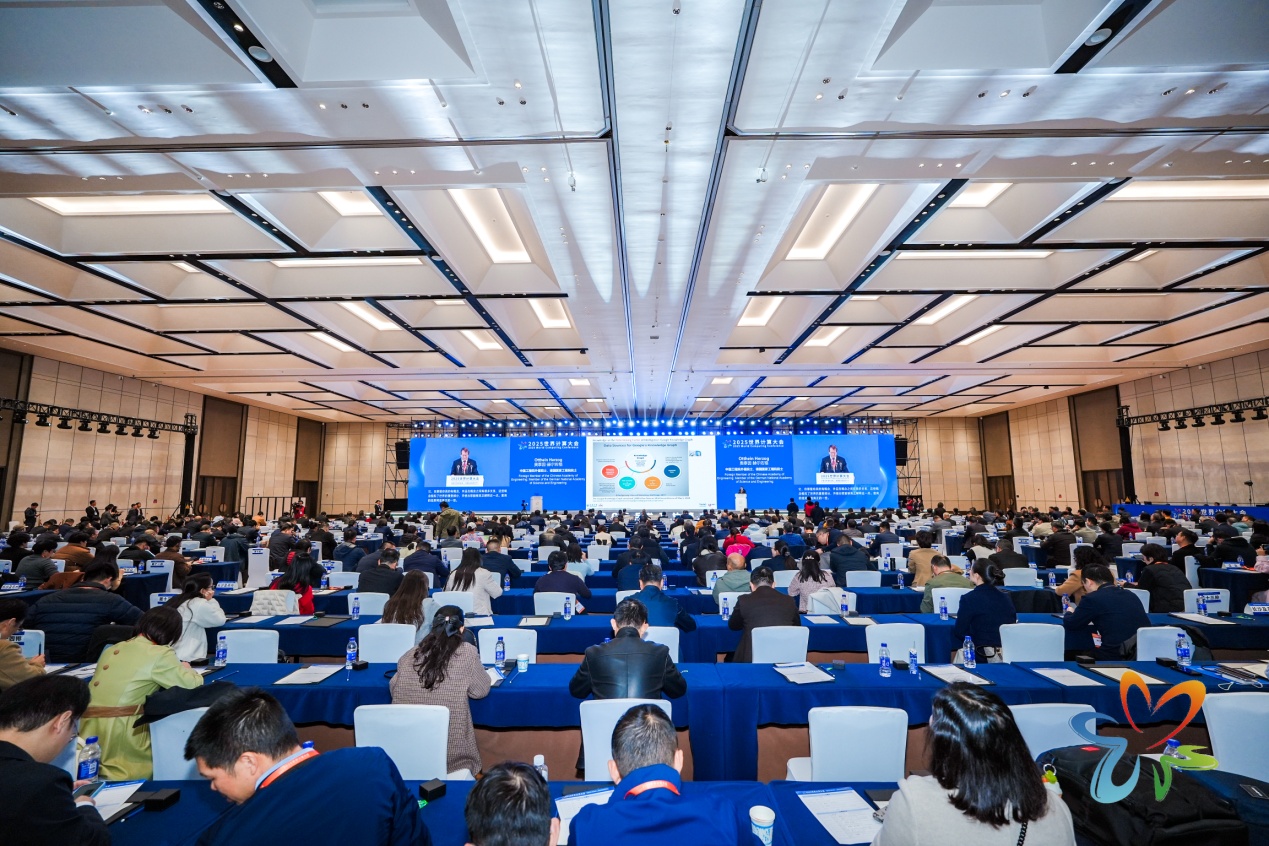
联想即将打造个人超级智能体,人工智能AIETF(515070)持仓股中科星图大涨超2%
Mei Ri Jing Ji Xin Wen· 2025-11-21 06:32
Group 1 - The A-share market experienced a decline, with the Shanghai Composite Index down by 2.05%, the Shenzhen Component Index down by 2.80%, and the ChiNext Index down by 3.31% as of 14:13 on November 21 [1] - Lenovo Group announced plans to launch a personal super intelligent agent at the Lenovo Innovation Technology Conference next year, which will learn user habits and predict intentions to enhance user experience [1] - Lenovo's CEO Yang Yuanqing expressed confidence that the market will not experience an AI bubble, predicting a shift towards the popularization of AI technology, making it accessible to a broader audience [1] Group 2 - Huatai Securities noted that generative AI is entering a new development stage dominated by AI agents, with a trajectory of "first B2B, then B2C, and finally terminal" [2] - The AI ETF (515070) tracks the CS AI Theme Index (930713), focusing on companies providing technology, foundational resources, and applications in the AI sector, often referred to as the "robot brain" creators [2] - The top ten weighted stocks in the AI ETF include leading domestic technology companies such as Zhongji Xuchuang, Xinyisheng, and Hikvision, indicating a strong presence in the AI industry [2]





工信部发布政策加持算力基建,人工智能AIETF(515070)持仓股瑞芯微上涨0.8%
Mei Ri Jing Ji Xin Wen· 2025-11-21 02:42
Group 1 - The A-share market is experiencing a downturn, with major indices opening lower: Shanghai Composite Index down 0.87%, Shenzhen Component down 1.76%, and ChiNext down 2.07% [1] - The AI ETF (515070) saw a decline of 2.7% during trading, while its holdings such as Ruixin Microelectronics rose by 0.8%. Other stocks like Beijing Junzheng, New Yisheng, and Cambricon Technology led the decline [1] - The AI ETF (515070) has attracted 463 million yuan in the last 10 days, bringing its total fund size to 9.738 billion yuan [1] Group 2 - CITIC Securities emphasizes the importance of domestic computing power in light of overseas technology restrictions, highlighting the urgency of developing self-controlled computing solutions [2] - Domestic companies have made initial progress in super-node solutions, leveraging multi-card advantages to overcome single-card performance limitations, which presents significant investment opportunities in related components [2] - The AI ETF (515070) tracks the CS AI Theme Index (930713), focusing on companies providing technology, basic resources, and applications in the AI industry, with top-weighted stocks including major domestic tech leaders [2]

研判2025!中国车载电脑行业发展历程、产业链、市场规模、重点企业及未来展望:汽车智能化浪潮兴起,车载电脑规模达143.68亿元[图]
Chan Ye Xin Xi Wang· 2025-11-21 01:26
Core Insights - The automotive computer industry is evolving towards high integration, strong computing power, and wide-area communication, with automotive computers becoming the core device for intelligent transportation and vehicle control [1][13] - The market size of China's automotive computer industry is projected to grow from 9.248 billion yuan in 2018 to 14.368 billion yuan in 2024, with a compound annual growth rate (CAGR) of 7.62% [1][14] - The increasing consumer demand for automotive intelligence and comfort, particularly among younger demographics, is driving the adoption of automotive computers [1][13] Industry Overview - Automotive computers are specialized products designed for the unique operating environment of vehicles, featuring functions such as multimedia entertainment, GPS navigation, and fault diagnosis [3][9] - The industry has transitioned from simple electronic control units (ECUs) to integrated systems that serve as the "central nervous system" of vehicles, enabling advanced functionalities like automated driving and personalized services [7][18] Market Dynamics - The automotive computer market is supported by advancements in artificial intelligence, 5G communication, and high-performance chips, which enhance functionality and performance [1][13] - The automotive industry in China is experiencing a resurgence, with production and sales surpassing 30 million units in 2023, marking a new growth cycle for the automotive computer sector [11][12] Industry Chain - The automotive computer industry chain includes upstream hardware (motherboards, processors, memory, etc.) and software (operating systems, applications), midstream manufacturing, and downstream sales and service channels [9][10] Competitive Landscape - The market has attracted numerous domestic and international companies, including notable players like Haiguang Information, Lanke Technology, and BYD, which are enhancing their competitiveness through continuous innovation [2][14] Future Trends - The trend towards smart automotive computers will involve deeper integration of AI technologies, enhancing real-time data processing and user interaction capabilities [18] - Safety enhancements will be critical, with a focus on hardware and software security measures to protect against complex cyber threats [19] - Customization in design will become more pronounced, allowing automotive companies to tailor computing platforms to their specific market needs and vehicle functionalities [20][21]
