世界银行

Search documents
世界银行促加纳摆脱资源魔咒
Shang Wu Bu Wang Zhan· 2025-09-27 17:12
Core Viewpoint - The World Bank urges the Ghanaian government to leverage its electoral mandate and parliamentary majority to transform the country's natural resource endowment from a curse into a blessing [1] Group 1: Economic Context - Despite possessing abundant resources such as gold, cocoa, oil, and gas, Ghana continues to face poverty and inequality [1] - The current government has a unique political capital to implement bold reforms addressing decades of poor resource management [1] Group 2: Recommendations - The World Bank emphasizes that breaking Ghana's "resource curse" requires more than just extraction activities [1] - Successful transformation depends on transparent revenue management, sustainable debt practices, and strategic investments that impact citizens' daily lives [1] Group 3: Urgency of Action - The World Bank warns that Ghana's socio-economic development is at a critical crossroads [1]
世界银行加速向阿根廷注入40亿美元以应对金融动荡
Shang Wu Bu Wang Zhan· 2025-09-27 17:08
Core Insights - The World Bank has announced an acceleration of the disbursement of $4 billion from a previously approved $12 billion aid package to Argentina, aimed at addressing financial market turmoil following the ruling party's electoral defeat [1] Group 1: Financial Support - The $4 billion will be allocated over the coming months to support key sectors including mining development, tourism revitalization, energy supply, and financing for small businesses [1] Group 2: Political Context - This announcement follows a meeting between Argentina's President Milei and former U.S. President Trump, who expressed willingness to support Argentina through methods such as purchasing sovereign debt or currency swaps [1] - Trump acknowledged Milei's economic policies but denied that Argentina requires "economic rescue" [1]
特朗普会晤阿根廷总统米莱:承诺为其提供广泛支持!但没有给出财政援助细节,淡化“救助”阿根廷的必要性
Ge Long Hui· 2025-09-24 02:48
Group 1 - The core viewpoint of the article is that U.S. President Donald Trump has pledged broad support to Argentine leader Javier Milei during their first bilateral meeting, but did not provide details on financial aid to Argentina [1][3] - Trump expressed confidence in Milei's performance, stating that he believes Argentina does not need a bailout [3] - The World Bank, of which the U.S. is the largest shareholder, has accelerated its support for Milei's government, committing to utilize $4 billion from an existing $12 billion aid plan in the coming months [3] Group 2 - The Inter-American Development Bank announced its readiness to significantly increase funding over the next 15 months, although it did not provide new aid details in response to the current crisis [3]


【环球财经】世界银行:埃及东塞得港2024年绩效排名中位居全球第三
Xin Hua Cai Jing· 2025-09-23 15:35
Core Insights - The Suez Canal Economic Zone Authority announced that East Port Said has ranked third globally in the 2024 Container Port Performance Index released by the World Bank and S&P Global Market Intelligence [1] - East Port Said is the top port in the region, highlighting Egypt's commitment to becoming a regional trade and logistics hub [1] Performance Metrics - The Container Port Performance Index evaluates port efficiency based on indicators such as vessel turnaround time, cargo handling operations, infrastructure quality, and digital integration [1] - The World Bank noted that East Port Said is one of the fastest-growing ports from 2020 to 2024 [1] Comparative Rankings - Twelve Chinese ports made it to the top 20, with Yangshan Port and Fuzhou Port ranking first and second respectively [1] - Other high-performing ports are located in Morocco, Vietnam, Qatar, Malaysia, Oman, Japan, and Spain [1]
在动荡时代 重新思考发展问题
Sou Hu Cai Jing· 2025-09-17 17:02
Core Insights - The global economic landscape has significantly changed for many developing countries, facing challenges such as growth slowdown, supply chain disruptions, reduced aid flows, and increased financial market volatility [1][2] - The traditional US-centered global economic and financial order is being fundamentally adjusted, leading to a series of factors that will greatly impact the welfare of developing countries and the fate of multilateral institutions [1][2] Group 1: Factors Affecting Developing Countries - The existing order fails to integrate rapidly expanding developing nations, leading to political and economic disconnection [1][2] - The US has shifted from a stabilizing force to a source of turmoil, exacerbated by events like the 2008 financial crisis and the weaponization of tariffs [2][3] - Despite these challenges, developing countries have managed to navigate the changing landscape relatively well due to significant policy achievements [2][3] Group 2: Policy Priorities for Developing Countries - Maintaining macroeconomic stability while addressing structural and financial vulnerabilities is crucial [2][3] - Strengthening international connections to enhance resilience and flexibility requires years of coordinated efforts [2][3] - Preparing to leverage innovations, particularly in AI, to improve productivity in traditional sectors and enhance human capital investment returns is essential [3][4] Group 3: Role of Multilateral Institutions - Multilateral institutions like the World Bank should play a vital role in helping members adopt new practices and technologies to improve health, education, and productivity outcomes [3][4] - Encouraging regional trade connections and cross-border infrastructure projects is necessary to adapt to frequent global shocks [4][5] - Strengthening emergency financing mechanisms and risk-sharing tools is critical in a world shaped by increasing disruptions [4][5]
巴西基础设施项目的稳健保证系统
Shi Jie Yin Hang· 2025-09-17 07:57
Report Industry Investment Rating No relevant information provided. Core Viewpoints - Diversified guarantee mechanisms are crucial for attracting private investment in Brazilian infrastructure projects, and innovative risk mitigation solutions are needed to promote project implementation and create a more attractive investment environment [3] - The franchise law and public - private partnership law have led to significant private participation in Brazilian infrastructure, but there are still issues such as a lack of federal - level PPP projects with public payments and a high local - level project failure rate, highlighting the need for more effective guarantee mechanisms [8][9] - Modernizing public accounting rules, strengthening the monitoring and management of project - related expenditures, and collaborating with MDBs to develop and improve guarantee mechanisms are important steps forward [26][28][30] Summary by Related Content Context of Brazilian Infrastructure Investment - In the 1990s, Brazil reformed to cut public spending and allowed private sector participation in government - managed activities. The Franchise Law (No. 8,897/1995) was established to delegate public services to the private sector [6] - In 2004, Brazil passed Law No. 11,079/2004 to establish public - private partnerships (PPP), allowing public payments to supplement private partners' income in different ways [7] - By 2023, Brazil plans to invest about $905.44 billion in over 4,600 infrastructure projects in the next 30 years, but most PPP projects are signed by local authorities, and the federal government still relies on franchises [8] - After 20 years of the PPP bill implementation, there are no federal - level PPP projects with public payments, and the local - level project failure rate is high, mainly due to financial, regulatory, and planning issues [9] Importance of Guarantees - Diversified guarantee mechanisms are essential for attracting private investment in PPP projects and franchises, providing legal security, reducing perceived risks, and lowering financing costs [10] - Guarantees in PPP projects can mitigate the risks of public entity default or payment delay, protect the interests of franchisees, and enhance investor confidence [12] - Effective guarantees should be liquid, independent of public budgets or political discretion, and free private partners from relying on slow and costly judicial payment mechanisms. Multilateral development bank (MDB) guarantees have added value in this regard [13] Guarantees Stipulated by Brazilian PPP Law - The PPP law provides a detailed list of guarantees, including revenue earmarking, special funds, guarantee insurance, guarantees from international organizations or financial institutions, and guarantee funds or state - owned enterprises [14] - Each type of guarantee has potential advantages and disadvantages. For example, revenue - linked guarantees may be revocable and require court execution, while guarantees from international organizations may have a slow approval process [18] Issues with Public Guarantees - Public guarantees may limit the availability of resources for other projects, as mechanisms like escrow accounts "freeze" public funds, reducing the flexibility and efficiency of public finance allocation [21] - In Brazil, MDB guarantees for PPP projects are only allowed at the local level and are currently classified as credit operations, consuming fiscal space. The limited monitoring of contingent liabilities is a major obstacle to their effective use [22] Forward - Looking Directions - Modernize public accounting rules to "unfreeze" funds. Revise accounting rules to classify MDB guarantees as contingent liabilities rather than immediate debts, but also strengthen the assessment and monitoring of high - risk guarantees [26][27] - Strengthen the monitoring and management of project - related expenditures, especially contingent liabilities. Establish unified guidelines to evaluate and quantify risks and contingent liabilities in PPP contracts, ensuring more accurate accounting and better fiscal risk management [28] - Collaborate with MDBs to develop and improve public guarantee mechanisms. MDB guarantees can enhance the effectiveness and robustness of PPP projects, providing confidence to investors and optimizing resource utilization [30]
世行报告:中国人30年消费增长超7倍
Huan Qiu Shi Bao· 2025-09-16 03:14
Core Insights - The World Bank report highlights that from 1990 to 2020, the average daily consumption level of the Chinese population increased over sevenfold, significantly surpassing the global average growth of 1.3 times [1] - This remarkable growth has lifted nearly one billion people out of poverty in China, a figure close to three times the current population of the United States, marking the largest scale of upward mobility in modern history [1] - The report indicates that while the U.S., France, and Germany took about 100 years to achieve similar income growth from the same initial income level, China accomplished this in just 30 years, showcasing its extraordinary economic development speed [1] Economic Positioning - Despite a slight decrease in China's global population share from 21% in 1990 to 18% in 2020, its share of global per capita income rose significantly from 17% to 77%, an increase of over 4.5 times [1] - This shift enhances China's influence in the global income distribution, aligning its economic status more closely with its population size [1] Comparative Analysis - Compared to regions with similar population sizes, China has outperformed significantly. In 2020, both India and Africa had a global population share of 18%, yet their per capita income levels have not matched China's growth over the past 30 years [2] - The report shows that all income groups in China experienced substantial increases in consumption levels, with the highest 20% of income earners seeing nearly an eightfold increase, while the lowest 20% experienced over sixfold growth [2] - The income growth rate for low-income groups in China far exceeds the 1.5 times growth seen across all income groups in India [2] Intergenerational Changes - A profound change is observed in intergenerational income levels, with 90% of the Chinese population in 2020 earning more than the highest 10% of earners in 1990 [2] - The daily income gap between the highest income group in 1990 and the lowest in 2020 is less than one dollar, indicating a significant reduction in income inequality over the 30-year period [2] - Children of the lowest 10% income group today enjoy living standards comparable to those of the parents from the highest 10% income group 30 years ago [2]
世界银行拨款3.6亿美元支持加纳经济
Shang Wu Bu Wang Zhan· 2025-09-13 16:51
Core Insights - The World Bank has allocated $360 million to Ghana through its International Development Association (IDA) to support the government's efforts in restoring macroeconomic stability and fostering sustainable economic growth [1][1][1] Group 1: Financial Support - The funds were disbursed on September 11 and are part of a broader support program that includes investment loans and technical assistance [1] - The program aims to strengthen fiscal discipline and enhance domestic revenue growth, improve financial sector stability, and promote private investment [1] Group 2: Sectoral Reforms - The initiative will also enhance the financial sustainability of the energy sector, ensuring efficient management and operations [1] - This support is intended to reinforce ongoing reforms under the International Monetary Fund (IMF) program in Ghana [1]
薛鹤翔:美国外汇期货的前世今生
Sou Hu Cai Jing· 2025-09-12 05:21
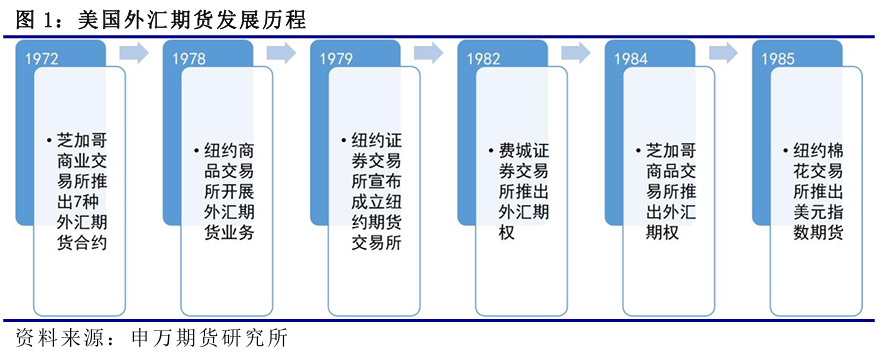
Background of Forex Futures - Forex futures originated in the 1970s, driven by the significant changes in the international monetary system, particularly the collapse of the Bretton Woods system [4][5] - The Bretton Woods system established fixed exchange rates between currencies and the US dollar, which was pegged to gold, minimizing foreign exchange risk [4] - The collapse of this system in 1973 and the subsequent Jamaica Agreement in 1976 allowed countries to choose their exchange rate systems freely, increasing foreign exchange risk and the demand for risk management [4][5] Development of Forex Futures in the US - The Chicago Mercantile Exchange (CME) launched the first forex futures contracts in May 1972, marking the establishment of the forex futures market [6] - The market expanded rapidly after the Jamaica Agreement, with other exchanges like NYMEX and NYFE entering the forex futures business [6] - By 1982, standardized forex options were introduced, further diversifying the forex derivatives market [6][7] Current State of Forex Futures in the US - The CME is the primary market for forex futures and options in the US, continuously introducing new forex derivatives to meet diverse investor needs [2][10] - In 2024, the CME's average daily trading volume reached 26.5 million contracts, a 9% increase from 2023, with forex products averaging 1.03 million contracts daily, an 8% year-on-year growth [14] - The most traded forex futures in 2024 included the Euro (258,000 contracts), Japanese Yen (192,000 contracts), and British Pound (120,000 contracts) [14] Trends in Forex Futures Development - There is an increasing demand for forex derivatives due to heightened market volatility and the need for effective risk management [16] - Emerging market currency derivatives are expected to see significant growth as economies develop and trade volumes increase, particularly in regions like Latin America [16]

碳交易市场扩容渐近 业界热议绿色低碳技术产业应用
Mei Ri Jing Ji Xin Wen· 2025-09-10 13:57
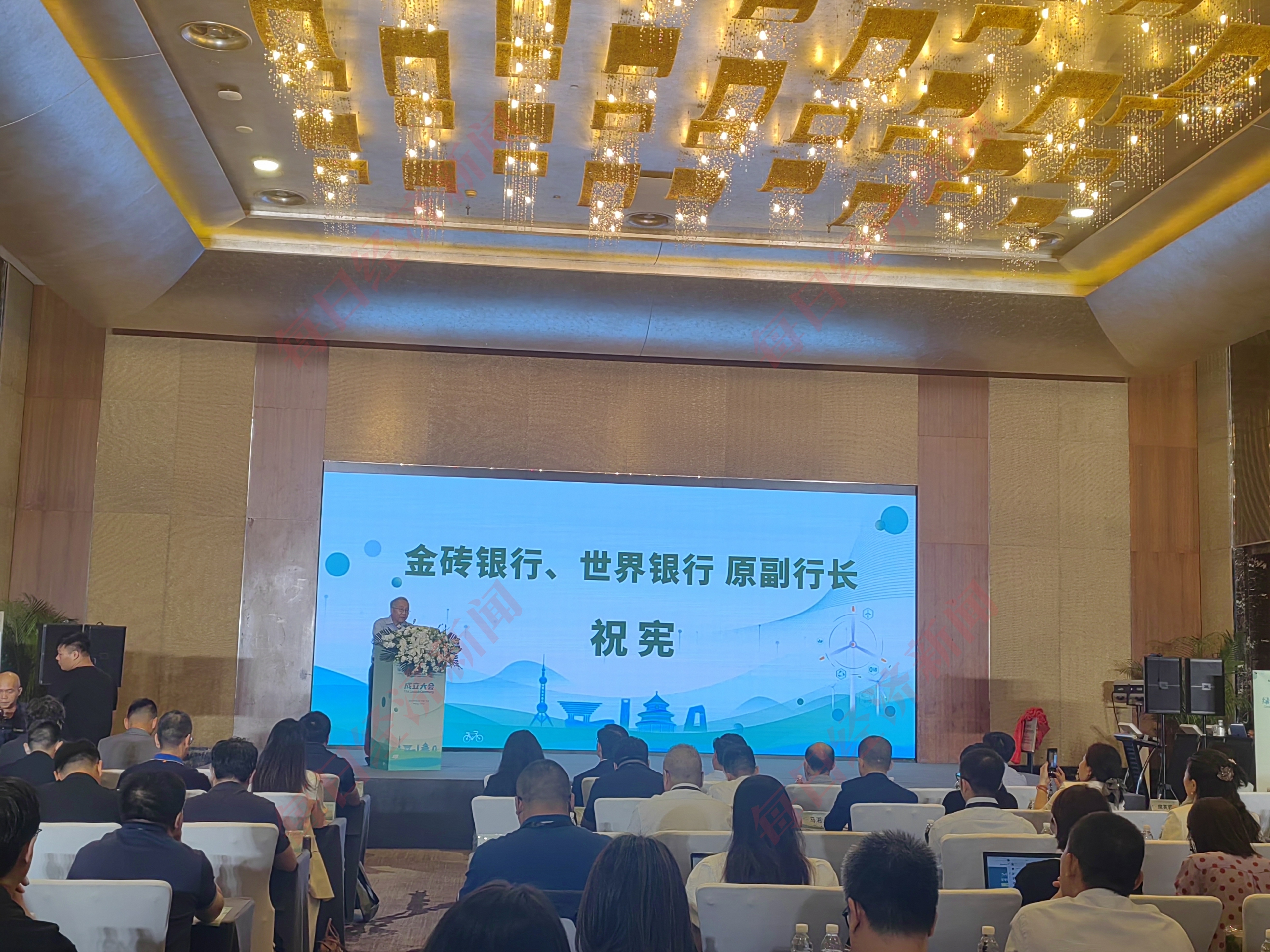
Core Viewpoint - The establishment of the Green Low-Carbon Technology Application Professional Committee aims to promote the development and application of green low-carbon technologies, which are essential for achieving carbon reduction goals in China [1][4]. Group 1: Industry Developments - The Green Low-Carbon Technology Application Professional Committee was established on September 9, 2023, under the auspices of the Ministry of Science and Technology [1]. - The National Climate Center's former deputy director emphasized that revolutionary technologies are crucial for reducing carbon emissions and realizing the benefits of carbon reduction [1]. - A policy document issued in May 2023 outlines goals for the national carbon trading market, aiming for comprehensive coverage of major industrial sectors by 2027 [1]. Group 2: Challenges in Technology Application - The industrial application of green low-carbon technologies faces challenges such as low conversion rates and high costs, which hinder their commercialization [1][4]. - The director of the Public Environmental Research Center noted that the low conversion rate of green low-carbon technologies is a common global issue, and China has a tight timeline for achieving carbon peak and carbon neutrality [4]. - Factors contributing to these challenges include the need for suitable business models, as well as sufficient funding and talent support [4]. Group 3: Importance of Technological Innovation - Green low-carbon technologies are deemed crucial for China to achieve its dual carbon goals, necessitating the integration of pollution reduction and development through technological innovation [4]. - The former vice president of the BRICS Bank and World Bank highlighted the importance of innovation, particularly in technology, to effectively integrate new green technologies with the unique characteristics of various industries and enterprises [4].