徐福记

Search documents
徐福记,卖了
36氪· 2025-03-11 13:48
Core Viewpoint - The acquisition of Xu Fu Ji by Nestlé marks a significant strategic move, as it aims to transform Xu Fu Ji into a "national classic snack brand" amidst declining candy consumption trends in China [2][18]. Group 1: Acquisition Details - On March 3, Nestlé announced the acquisition of the remaining 40% stake in Xu Fu Ji, achieving full ownership after previously acquiring 60% for $1.7 billion in 2011 [2][5]. - Xu Fu Ji has been a dominant player in the Chinese candy market, achieving sales of over 1 billion yuan in 1997 and maintaining a leading position in the market since [5][7]. Group 2: Market Context - The candy market in China has been experiencing a decline, with traditional candy sales dropping by an average of 11.6% annually from 2019 to 2023 [13]. - The overall candy market growth has stagnated, with a compound annual growth rate of only 2% from 2016 to 2020, and a decline in production from 352,000 tons in 2016 to 288,000 tons in 2018 [15]. Group 3: Brand Transformation - Nestlé aims to leverage Xu Fu Ji's extensive distribution network to penetrate the growing snack market, which contrasts with the declining candy sector [18][19]. - Xu Fu Ji has already begun diversifying its product offerings beyond traditional candies, including snacks like nuts and cakes, to adapt to changing consumer preferences [21]. Group 4: Consumer Behavior - The perception of Xu Fu Ji as a "candy king" persists, with Nielsen data indicating a market share of over 30% in bulk candy sales [10]. - However, the cultural significance of candy during festivals like the Spring Festival is diminishing, leading to a decline in its consumption as a gift item [12][14].

徐福记卖了
盐财经· 2025-03-11 11:28
Core Viewpoint - Nestlé's acquisition of the remaining 40% stake in Xu Fu Ji marks a significant move to gain full control over the brand, which has been a staple in the Chinese candy market but faces challenges in adapting to changing consumer preferences [2][19]. Group 1: Company Background - Xu Fu Ji, founded by the Xu brothers in the early 1990s, quickly became a leading candy brand in China, achieving sales of over 1 billion yuan by 1997 and maintaining a dominant market position since then [5][6]. - The brand's success is closely tied to its association with Chinese New Year, where candy sales can account for over 60% of annual revenue [6][12]. Group 2: Market Challenges - Despite being the market leader in bulk candy with over 30% market share, Xu Fu Ji faces declining demand for traditional candy as consumer habits shift away from sugary products [12][13]. - The overall candy market in China has seen a decline, with sales dropping by an average of 11.6% annually from 2019 to 2023 [14]. Group 3: Strategic Shift - Nestlé's decision to fully acquire Xu Fu Ji suggests a strategic pivot to reposition the brand as a "national classic snack brand," leveraging its extensive distribution network to tap into the growing snack market [19][22]. - The snack industry in China is experiencing robust growth, with the market for snacks projected to maintain a compound annual growth rate of around 10% from 2023 to 2028 [21][22]. Group 4: Future Prospects - Xu Fu Ji is diversifying its product offerings beyond traditional candy, with significant revenue coming from biscuits and other snack products, indicating a shift in strategy to adapt to modern consumer preferences [24]. - The brand aims to expand its distribution network to 2.6 million outlets by 2025, enhancing its market presence in the competitive snack industry [22].

雀巢全吞徐福记
36氪· 2025-03-05 23:59
Core Viewpoint - Nestlé has acquired Xu Fu Ji, marking another domestic brand moving into foreign ownership, which reflects ongoing trends in the Chinese candy market [2][3]. Group 1: Historical Context - The control of Xu Fu Ji was relinquished by the Xu family 14 years ago, with Nestlé acquiring 60% of the company for $1.7 billion, positioning itself in the largest candy enterprise in China [4]. - The Xu family, originally from Taiwan, established Xu Fu Ji and expanded into mainland China in the 1990s, successfully capturing the high-end candy market with their New Year candy products [6][7]. Group 2: Market Dynamics - The Chinese candy market, despite a shrinking trend, remains significant, valued at nearly 100 billion yuan, attracting interest from major players like Mars and PepsiCo [4]. - The market has seen a decline in festive candy consumption, dropping from 50% to 30% over the past decade, with the overall candy market size decreasing from 90 billion yuan in 2017 to 85 billion yuan in 2023 [9][10]. Group 3: Company Evolution - Xu Fu Ji has transitioned from a traditional candy company to a broader snack enterprise, introducing products like sugar-free chocolate and aiming for over 10 billion yuan in sales by 2027 [10]. - The company has been recognized for its growth potential within Nestlé's portfolio, contributing 16.1% to Nestlé's sales in the Greater China region [7][13]. Group 4: Leadership Changes - Following Nestlé's initial investment, the Xu family gradually stepped back from management, with professional managers taking over leadership roles to adapt to market changes [12][13]. - The recent acquisition of the remaining 40% stake by Nestlé signifies the complete transition of Xu Fu Ji into the Nestlé ecosystem, with the Xu family's influence now fully removed [11][13].
“瘦身”中的雀巢,买下了“时代的眼泪”徐福记
创业邦· 2025-03-05 03:51
Core Viewpoint - Nestlé has acquired the remaining 40% stake in Xu Fu Ji, achieving full ownership, driven by the brand's continuous high growth over the past four years and its strong distribution network, which will enhance Nestlé's snack and candy business in China [1][3][4]. Group 1: Strategic Adjustments - Nestlé China has been focusing on "subtracting" underperforming brands and businesses, such as the sale of Yinlu and parts of its water business, to streamline operations and concentrate on core areas [2][5][24]. - The company has experienced a decline in sales in the Greater China region, with total sales dropping from 53.51 billion CHF in 2022 to 49.73 billion CHF in 2024, but the organic growth rates remained positive, indicating growth through existing operations rather than acquisitions [4][12][14]. Group 2: Financial Performance - In 2024, Nestlé's total sales reached 91.35 billion CHF, with an organic growth rate of 2.2%. The Greater China region reported a sales decline of 1.3% but showed an actual growth of approximately 2.2% when excluding currency effects [11][12]. - The organic growth rates for the Greater China region from 2022 to 2024 were 3.5%, 4.2%, and 2.1%, respectively, reflecting stable growth despite external challenges [4][14]. Group 3: Business Focus and Innovation - Nestlé has strategically focused on high-margin products, such as infant nutrition, coffee, and candy, while continuously innovating within these categories. The Xu Fu Ji brand has seen significant growth, with revenue exceeding 7 billion RMB [33][34]. - The company has emphasized innovation as a key driver for growth, launching over 100 new SKUs in the past year alone, aligning with the "high, big, and healthy" strategy [35][38]. Group 4: Market Potential - Despite the challenges, Nestlé sees significant growth potential in China, where the population represents 22% of the global total, yet Nestlé's market share in China is less than 6% of its global business [42][43].
雀巢全资收购徐福记
YOUNG财经 漾财经· 2025-03-04 11:51
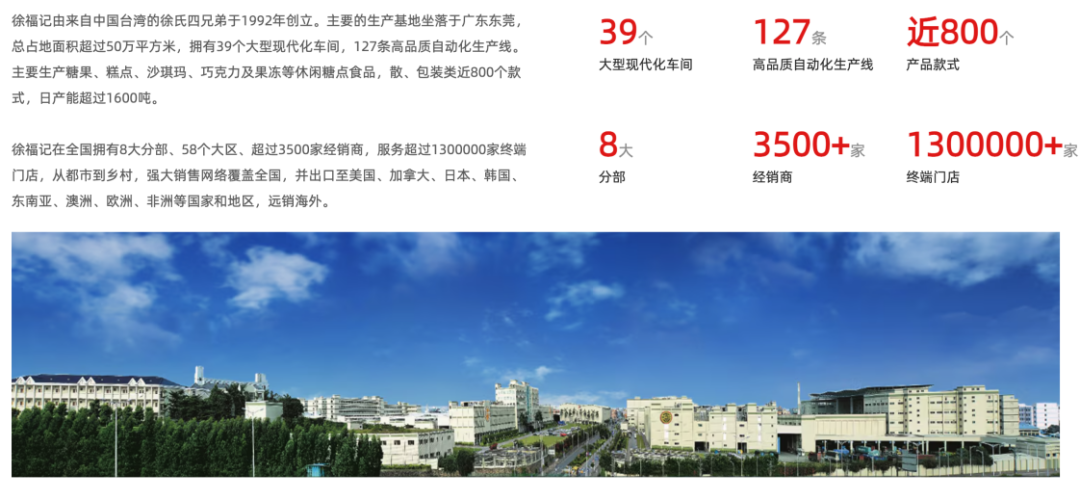
资料图。 本文来源:经济参考网 雀巢收购徐福记40%股份 雀巢集团官网3月3日宣布,已与徐氏家族达成协议,收购徐福记剩余40%的股权。徐福记是 中国领先的糖果糕点制造商和销售商。雀巢在2011年与徐福记结成合作伙伴关系,收购了徐 福记60%的股份,并开始为徐福记品牌系列提供配方、研发、质量控制等方面的技术和市场 支持。 截至目前,双方并未披露此次股权交易金额。 徐福记业绩近年来步步攀升 徐福记官网显示,徐福记由来自中国台湾的徐氏四兄弟于1992年创立。主要的生产基地坐落 于广东东莞,总占地面积超过50万平方米,拥有39个大型现代化车间,127条高品质自动化 生产线。主要生产糖果、糕点、沙琪玛、巧克力及果冻等休闲糖点食品,散、包装类近800 个款式,日产能超过1600吨。徐福记在全国拥有8大分部、58个大区、超过3500家经销商, 服务超过2000000家终端门店,从都市到乡村,强大销售网络覆盖全国,并出口至美国、加 拿大、日本、韩国、东南亚、澳洲、欧洲、非洲等国家和地区,远销海外。 据徐福记官网报道,在2025年2月6日召开的东莞市高质量发展大会上,徐福记国际集团总裁 刘兴罡在发言中介绍了公司在高端化、品牌化 ...
官方制造业PMI重回扩张,百城二手房价跌幅收窄 | 财经日日评
吴晓波频道· 2025-03-03 17:07
Group 1: Manufacturing and Economic Indicators - In February, China's official manufacturing PMI returned to the expansion zone at 50.2, up from 49.1 in January, indicating a recovery in manufacturing activity [1] - The PMI for large enterprises was 52.5, an increase of 2.6 from the previous month, while small and medium enterprises saw declines in their PMIs to 49.2 and 46.3 respectively [1] - The overall manufacturing recovery in early 2023 is slower compared to the last quarter of 2022, with challenges in labor mobility and demand in the construction sector [1][2] Group 2: Support for Private Enterprises - A meeting was held by five government departments to discuss financial support for the high-quality development of private enterprises, emphasizing the need for a more inclusive approach to financing [3] - The meeting highlighted the importance of addressing the financing difficulties faced by private and small enterprises, aiming to create a better development environment [3][4] - Continuous policy guidance and collaborative efforts are necessary to alleviate the financing constraints on private enterprises [4] Group 3: Real Estate Market Trends - The average price of new residential properties in 100 cities increased slightly by 0.11% to 16,711 yuan per square meter, while the average price of second-hand homes decreased by 0.42% to 14,071 yuan per square meter, marking a narrowing of the decline for seven consecutive months [5][6] - The real estate market is experiencing a structural recovery, particularly in first-tier cities, although significant regional disparities remain [6] Group 4: Automotive Industry Performance - In February, BYD led the automotive sales with 322,800 units sold, a year-on-year increase of 164%, while XPeng Motors achieved a remarkable 570% growth in sales [10] - The automotive market is gradually recovering post-holiday, driven by new subsidy policies, with a notable performance from leading brands [10][11] Group 5: Coal Industry Challenges - In February, domestic coal prices fell to their lowest in nearly four years, with the price of Q5500 thermal coal at 695 yuan per ton, influenced by high inventory levels and weak demand [12][13] - The coal industry is facing a prolonged downturn, with oversupply and reduced demand leading to price declines [12][13] Group 6: Nestlé's Acquisition of Xu Fu Ji - Nestlé announced the acquisition of the remaining 40% stake in Xu Fu Ji, achieving full ownership after initially acquiring 60% in 2011 [14][15] - The acquisition is seen as a strategic move to leverage Xu Fu Ji's brand influence and production capabilities in the Chinese market [15] Group 7: Shenzhen's AI Industry Development - Shenzhen aims to develop its artificial intelligence terminal industry to a scale of over 800 billion yuan by 2026, with a target of reaching 1 trillion yuan [7][8] - The action plan includes launching over 50 popular AI terminal products and creating more than 60 typical application scenarios across various sectors [8][9]
雀巢13年后再出手,拟全资控股糖果龙头徐福记 创始人家族逐渐退居幕后
Zheng Quan Shi Bao Wang· 2025-03-03 05:53
Core Insights - Nestlé is acquiring the remaining 40% stake in Xu Fu Ji, achieving full ownership after previously acquiring 60% in 2011 for $1.7 billion, indicating a strategic move in the evolving Chinese candy market [1][4] Company Overview - Xu Fu Ji, founded in 1992, has transformed from a leading candy brand to a diversified product line including pastries, chocolates, and jellies, with over 3,500 distributors and 130,000 retail outlets [2][3] - The company has 39 modern production facilities and 127 high-quality automated production lines, showcasing its operational scale [2] Market Position - Xu Fu Ji holds the top market share in bulk candy, chocolate, and pastries, with over 30% market share in bulk candy and chocolate, and second place in bulk jelly [3] - The company has experienced an average annual growth rate of 8% in production value over the past three years, with double-digit growth expected in 2024 [3][4] Financial Performance - In 2024, Nestlé's sales in Greater China reached approximately 50 billion Swiss francs, with a 2.1% organic growth rate, significantly driven by the candy business [4][5] - The candy segment accounted for 16.1% of total sales in Greater China and 9.2% globally, indicating substantial growth potential [5] Strategic Direction - Nestlé aims to enhance its candy business by focusing on high-growth categories and integrating its products and technologies with Xu Fu Ji, leveraging global R&D capabilities [6][7] - The acquisition aligns with Nestlé's strategy to invest in growth-driving factors and expand market share, particularly in the snack and candy sectors [6][7]

安踏 CEO 称三年内单品牌要超耐克中国;蜜雪冰城成现象级港股IPO;雀巢要全资收购徐福记丨品牌周报
36氪未来消费· 2025-03-02 07:33
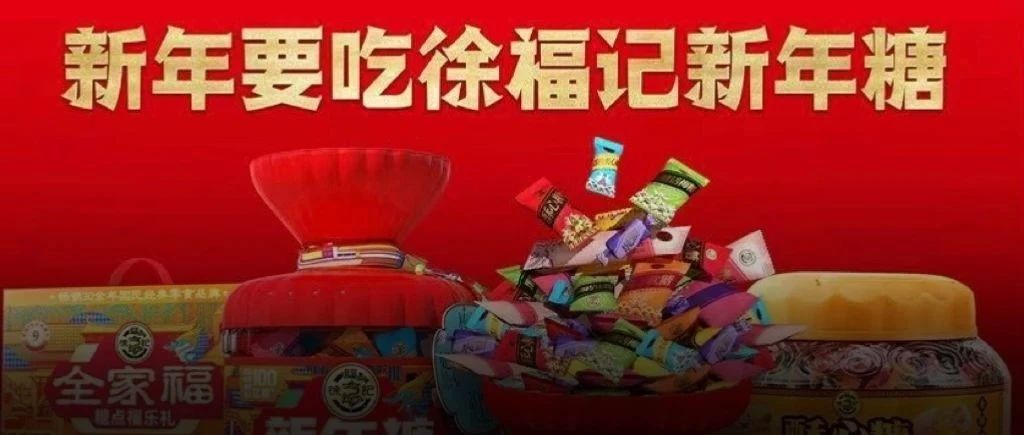
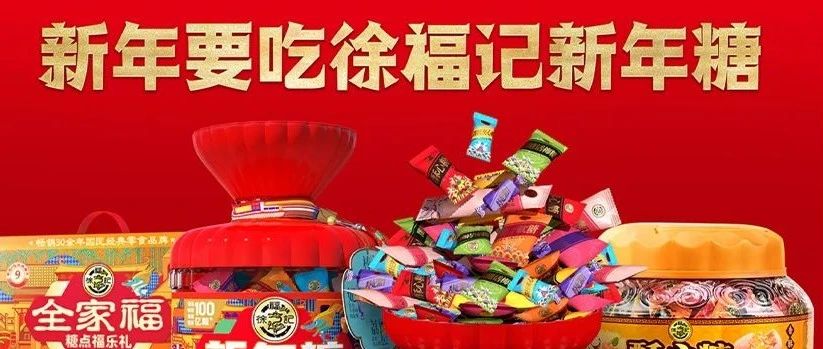
Group 1: Anta's Strategy - Anta's CEO Xu Yang aims to surpass Nike in China within three years, focusing on brand repositioning and global expansion [2] - The strategy includes "upward branding, downward pricing, and outward market expansion," targeting high-end markets while maintaining a presence in the mass market [3] - Anta plans to open 100,000 new positions globally, contrasting with competitors like Nike and Adidas, which are downsizing [3] Group 2: Nestlé's Acquisition - Nestlé has acquired the remaining 40% stake in the snack brand Xu Fu Ji, achieving full ownership [4][5] - Xu Fu Ji is a significant player in the Chinese snack market, contributing to Nestlé's growth in this sector [5] Group 3: 7-Eleven's Ownership Uncertainty - The acquisition of 7-Eleven faces challenges due to the founding Ito family struggling to secure funding for their buyout plan [6][7] - 7-Eleven's sales growth has slowed, with a reported 3.8% increase in sales for the fiscal year ending February 2024 [8] Group 4: Starbucks' Potential Stake Sale - Starbucks is in discussions with several private equity firms and Chinese companies regarding a potential stake sale, with an estimated valuation exceeding $1 billion [21] Group 5: Shiseido's Market Strategy - Shiseido plans to expand its product offerings in China, focusing on high-functionality products and extending its sales network to mid-sized inland cities [23] Group 6: Rituals' Expansion in China - The Dutch personal care brand Rituals is expanding its presence in China, having opened multiple stores in high-end shopping areas [24] Group 7: Salted Fish's Southeast Asia Strategy - Salted Fish is accelerating its overseas expansion by investing in a production base in Thailand, focusing on core products like konjac and potato chips [26] Group 8: Yonghui Supermarket's Board Changes - Yonghui Supermarket is undergoing board member changes, with the founder of Miniso potentially becoming the largest shareholder following a significant acquisition [25][27]