大疆

Search documents
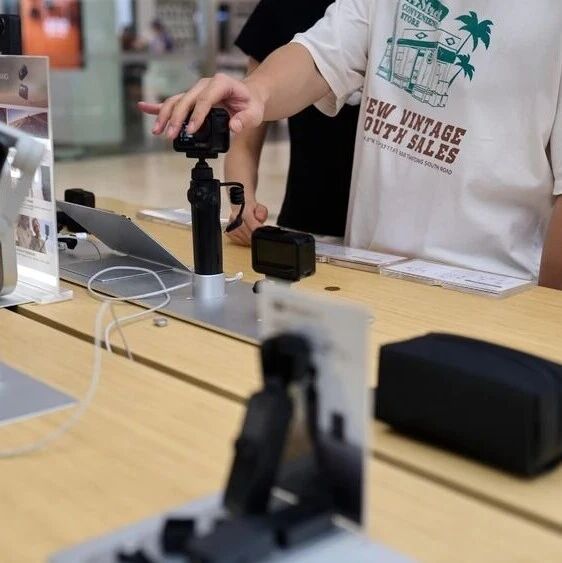
数码产品降价也闹维权?说好的“早买早享受”呢
Nan Fang Du Shi Bao· 2025-10-10 13:19
Core Viewpoint - DJI's significant price reduction has sparked consumer backlash, with many buyers seeking refunds or returns, highlighting a new issue in consumer rights within the electronics market [1][2]. Group 1: Consumer Reactions - Consumers are expressing strong dissatisfaction over the price drop, feeling that it is unfair to have purchased at a higher price just before the reduction [1][2]. - The phenomenon of consumers seeking refunds or returns due to price drops, traditionally seen in real estate, is now emerging in the electronics sector [1][2]. Group 2: Sales Dynamics - Price reductions are often driven by manufacturers or e-commerce platforms, leaving retailers unable to guarantee prices post-purchase [2]. - The abrupt nature of DJI's price announcement has created a significant psychological gap for consumers, leading to feelings of betrayal [2]. Group 3: Market Behavior - Price adjustments by companies are influenced by market competition, cost changes, and inventory levels, which are part of their business autonomy [2]. - There exists a "price conflict" where what is considered reasonable pricing by one party may be viewed as unfair by another [2]. Group 4: Consumer Expectations - Consumers need to manage their expectations regarding rapid price changes in the tech industry, as product iterations often lead to frequent price drops [3]. - The situation emphasizes the need for better communication and understanding between businesses and consumers regarding pricing strategies [3].
“China Shopping”热展现中国制造全球吸引力
Zhong Guo Xin Wen Wang· 2025-10-10 12:55
Group 1 - China has become a popular global travel destination during the National Day and Mid-Autumn Festival holidays, with 751,000 foreign visitors recorded, a year-on-year increase of 19.8% [3] - Foreign tourists are increasingly focused on shopping for high-value Chinese products, moving away from traditional souvenirs to items like DJI drones and Huawei foldable phones [2][3] - The trend of "China Shopping" reflects a shift in foreign consumer preferences, with a rise in reverse purchasing among European and American customers [3][4] Group 2 - The structural upgrade of Chinese manufacturing has led to high-quality products like smartphones and drones gaining a strong foothold in the global market [4][5] - Chinese brands are becoming leaders in the global consumer market, with Huawei capturing 48% of the global market share in foldable phones and DJI holding 70% to 85% in the drone sector [5] - The convenience of shopping in China is enhanced by digital payment systems and efficient retail services, making it an attractive destination for global tourists [6] Group 3 - The cultural appeal of Chinese products is rising, with films and games like "Nezha 2" and "Black Myth: Wukong" gaining international popularity, contributing to the global resonance of "China-made" products [6] - The combination of manufacturing return, brand trust, and open market policies is transforming China from a global factory to a global showcase [7] - The shopping lists of foreign tourists serve as a more intuitive indicator of China's market attractiveness than economic data [8]
被降价整破防,大疆用户还是太年轻了
3 6 Ke· 2025-10-10 12:47
Core Viewpoint - DJI has significantly reduced prices on several products, including a nearly 20% drop for the Osmo Pocket 3 and up to 1500 yuan for the Mini series drones, leading to consumer outrage and accusations of betrayal due to the timing of the price cuts [1][2][4]. Group 1: Price Reduction Impact - The price cuts were labeled as a "Double Eleven regular promotion," but the timing and magnitude of the reductions angered recent buyers who felt deceived [2][4]. - Consumers who purchased products just before the price drop found themselves facing significant price differences, with some unable to take advantage of price protection policies due to the timing of their purchases [4][5]. - The price drop has sparked discussions about the brand's pricing strategy and the implications for consumer trust, particularly among those who bought products through offline channels [5][7]. Group 2: Market Dynamics - The release of the "legendary new product" Pocket 4 has created anticipation among users, with some opting to wait rather than purchase the current model [3][19]. - The price drop is seen as a strategic move by DJI to clear inventory before the launch of new products and to set a competitive price point that raises barriers for potential new entrants in the market [19][20]. - The competitive landscape is intensifying, with new players like Insta360 and established smartphone manufacturers like OPPO and vivo planning to enter the handheld imaging device market, posing a significant challenge to DJI [15][16][20]. Group 3: Consumer Sentiment and Brand Perception - The drastic price reduction has led to a loss of perceived value for the Pocket 3, which was previously viewed as a scarce and desirable product [8][10][14]. - Consumers who experienced the scarcity and high demand for the Pocket 3 now feel their investment has been undermined by the sudden price drop, leading to frustration and disappointment [12][14]. - The complexity of DJI's distribution channels has resulted in varying customer experiences regarding price protection and returns, further complicating consumer sentiment towards the brand [6][7].

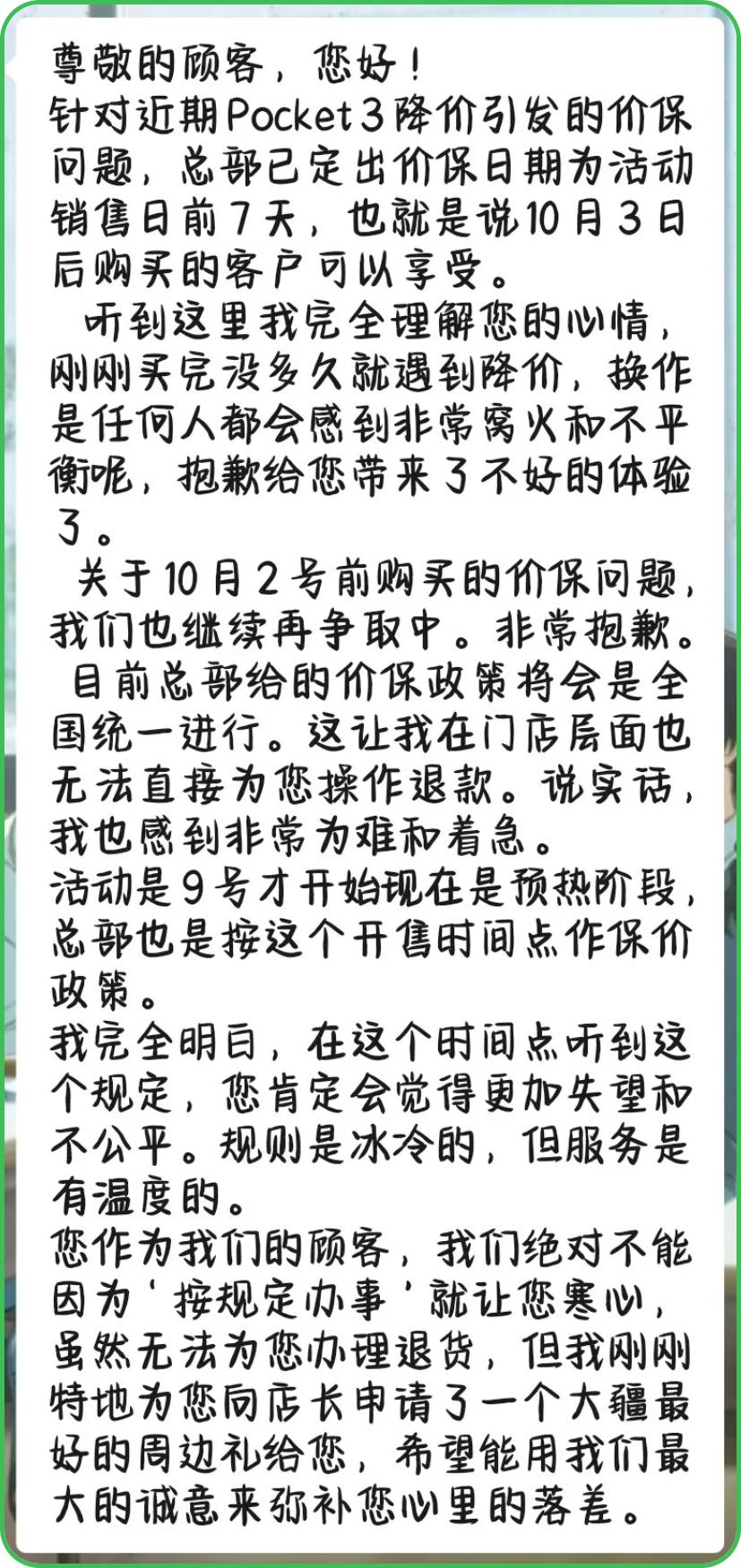
大疆降价,惹怒了谁?
3 6 Ke· 2025-10-10 12:35
Core Insights - DJI has maintained over 70% market share in the global consumer drone market for a decade, with its latest product, the Pocket 3, becoming a trendsetter among young consumers [1][10][12] - The company is facing increasing market competition and has recently announced significant price reductions on multiple products, indicating a sense of urgency to maintain growth [3][4][9] Pricing Strategy - On October 9, DJI initiated a promotional campaign, reducing prices on key products, with the Pocket 3 dropping from 3499 yuan to 2799 yuan, and the Action 4 seeing a maximum reduction of 1129 yuan [4][9] - The price cuts have led to consumer dissatisfaction, particularly among those who purchased products shortly before the announcement, highlighting inconsistencies in DJI's return and price protection policies [5][6][9] Market Competition - DJI's market share is projected to decline from 19.1% in 2023 to 13.2% in 2024, while competitors like Insta360 are gaining ground, increasing their share from 28.4% to 35.6% [13][14] - The entry of smartphone manufacturers into the drone market adds further pressure on DJI, necessitating strategic responses to maintain its competitive edge [14][19] New Product Development - DJI has expanded into new categories, launching the ROMO robot vacuum and the Osmo 360 panoramic camera, aiming to diversify its product offerings [16][21] - The ROMO vacuum has faced criticism for performance issues, indicating challenges in establishing a foothold in the competitive smart home market [19][21] Company Philosophy and Future Outlook - DJI's founder, Frank Wang, emphasizes a non-profit-driven approach to innovation, focusing on passion and interest in technology [10][12] - The company is at a crossroads, needing to balance maintaining its core drone business while successfully venturing into new markets to sustain growth [15][23]
“工业第一城”做起工业游:城市文旅新物种的诞生
2 1 Shi Ji Jing Ji Bao Dao· 2025-10-10 12:17
Core Insights - Guangdong is emerging as a significant tourism destination, with projected visitor numbers reaching 65.18 million during the 2025 National Day and Mid-Autumn Festival holidays, marking an 11.5% increase from 2024, and tourism revenue expected to rise to 61.32 billion yuan, a 14.2% growth [2] Group 1: Tourism Trends in Guangdong - Various cities in Guangdong are developing unique tourism projects, such as industrial tourism in Shenzhen, dragon boat cultural tourism in Foshan, culinary experiences in Shantou, and rural ecological tourism in Meizhou, reflecting a new trend in the province's cultural tourism [2][8] - The transformation in local tourism markets is characterized by three shifts: from "resource dependence" to "creative drive," from "sightseeing" to "lifestyle consumption," and from "general audience" to "targeted demographics" [2][8] Group 2: Industrial Tourism Development - Shenzhen's industrial tourism is gaining traction, with the establishment of interactive educational bases like the one by Gaoju Innovation, which aims to engage youth in understanding the low-altitude industry through hands-on experiences [3][4] - The city has launched the "Top Ten Industrial Technology Tourism Routes," showcasing significant industrial sites and aiming to attract both domestic and international tourists [3][4] Group 3: Visitor Statistics and Economic Impact - During the recent holiday period, Shenzhen received 9.2 million visitors, a 12.4% increase from 2024, with international tourist numbers rising by 145.2% to 91,000, and total tourism revenue reaching 8.94 billion yuan, up 17.6% [7] - Shantou and Meizhou also reported significant increases in visitor numbers and tourism revenue during the holiday, with Shantou receiving 4.5 million visitors (17.18% growth) and Meizhou hosting 2.26 million visitors (12.31% growth) [9] Group 4: Future Directions and Strategies - The development of industrial tourism in Shenzhen is expected to evolve from simple visits to immersive experiences that showcase the entire production process, enhancing the appeal to diverse visitor groups [5][6] - Future initiatives will focus on integrating industrial tourism with education, optimizing tourism routes, and enhancing the overall visitor experience through innovative projects and collaborations [6][10]
山姆超市回应“大疆pocket 3降价”:迅速制定会员补偿方案,以确保会员权益
Xin Lang Ke Ji· 2025-10-10 12:00
责任编辑:刘万里 SF014 10月10日晚间消息,近日,"大疆预告降价已购买消费者退货维权"等相关话题登上热搜,不少已经购买 大疆部分产品的消费者在社交平台表示,下单早了想要申请退货退款。也有消费者称,已经成功退货退 款。 山姆方面向新浪财经表示,山姆高度重视会员体验。自促销活动开展后,我们积极与品牌方沟通协调, 迅速制定会员补偿方案,以确保会员权益得到充分保障。针对此次促销,在2025年10月2日-8日期间购 买该商品的会员可凭购买凭证,在10月31日前到线下门店享受特殊补贴服务,我们的工作人员将全力协 助办理。感谢您的关注与支持。 ...
大疆直降千元,不惜“背刺”消费者,怕被影石“偷家”?
3 6 Ke· 2025-10-10 11:45
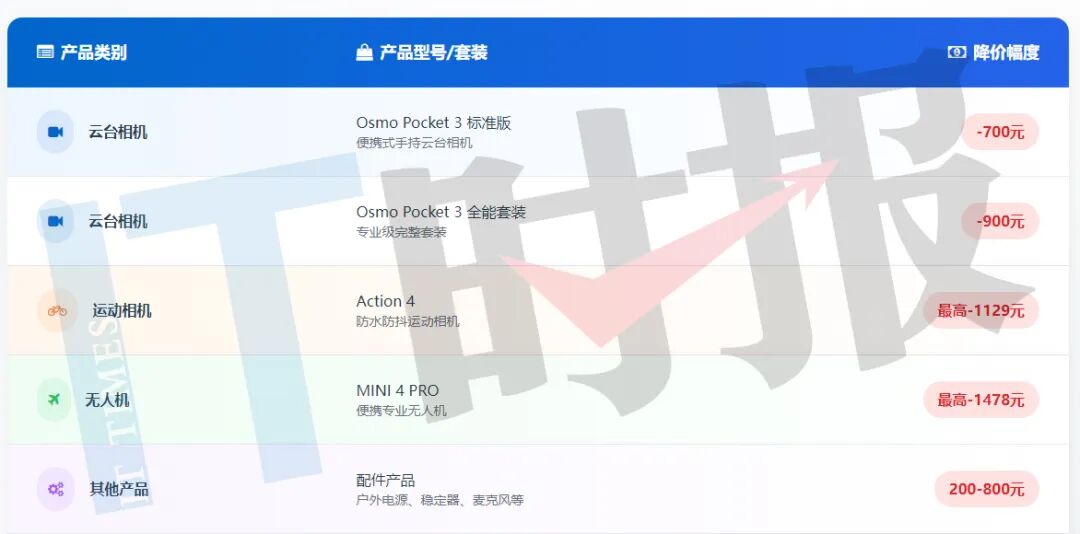
Core Viewpoint - DJI has initiated a significant price reduction across its product range, including the Osmo Pocket 3, in response to competitive pressure from Insta360, marking a strategic move to regain market attention during the "Double Eleven" shopping festival [1][12][14]. Group 1: Price Reduction Details - DJI's price cuts include a reduction of 700 yuan for the standard version of Osmo Pocket 3 and up to 1,478 yuan for the MINI 4 PRO drone, with discounts across various product categories ranging from 200 to 800 yuan [2][6]. - The price adjustments are part of a broader promotional strategy for the "Double Eleven" event, with a price protection policy allowing consumers to claim refunds for price differences within seven days of purchase [6][8]. Group 2: Competitive Landscape - The competition between DJI and Insta360 has intensified, with both companies vying for market share in the handheld imaging device sector, where DJI's market share is projected to decline from 19.1% in 2023 to 13.2% in 2024, while Insta360's share is expected to rise from 28.4% to 35.6% [8][12]. - Insta360 has gained traction in the market, recently launching its Ace series of action cameras and entering the drone market, posing a significant challenge to DJI's dominance [10][12][14]. Group 3: Market Dynamics - The market for handheld smart imaging devices is projected to grow from 36.47 billion yuan in 2023 to 59.2 billion yuan by 2027, indicating a competitive environment where both companies must adapt to changing consumer preferences and technological advancements [8][12]. - The domestic drone market is expected to reach 146.8 billion yuan in 2024, with significant growth potential for both consumer and industrial drones, highlighting the importance of strategic positioning for both DJI and Insta360 [16].
降价反被骂,大疆到底做错了什么?
Hu Xiu· 2025-10-10 10:08
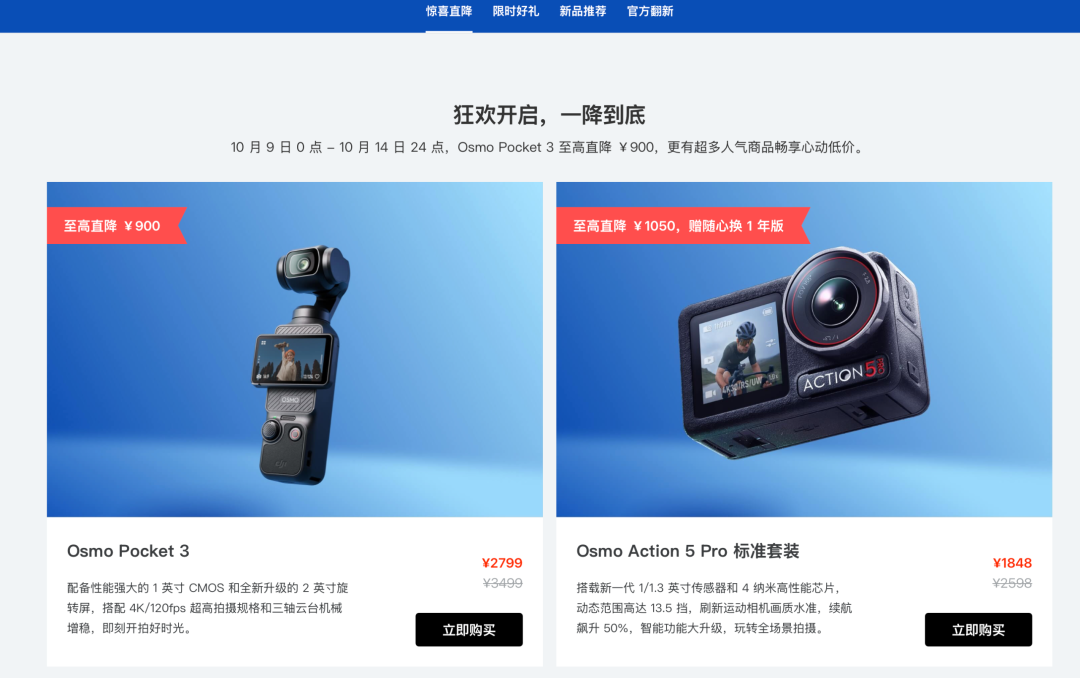
Core Viewpoint - DJI unexpectedly announced a significant price drop for its products, including the popular Pocket 3, ahead of the Double Eleven shopping festival, leading to widespread consumer dissatisfaction and backlash on social media [1][4][24]. Group 1: Price Drop Details - The price reduction for the DJI Pocket 3 is unprecedented, with the standard version dropping from 3499 yuan to 2799 yuan, a decrease of 700 yuan, and the all-in-one package dropping by 900 yuan to 3599 yuan [8][11]. - This price drop occurred shortly after many consumers purchased the product, leading to feelings of being "screwed over" by the sudden discount [14][24]. Group 2: Consumer Reactions - Consumers expressed their anger on social media platforms, with many demanding refunds and sharing their negative experiences regarding the price drop [4][18]. - The dissatisfaction was particularly pronounced among those who had recently purchased the Pocket 3 and were unable to benefit from the price drop due to different return policies between online and offline purchases [16][19]. Group 3: Market Context and Strategy - The price drop is seen as a strategic move by DJI to clear inventory in anticipation of the upcoming Pocket 4 release and to establish a competitive barrier against rival brands like OPPO and vivo, which are planning to launch similar products [41][45]. - DJI's decision to lower prices, despite the potential backlash, reflects a calculated risk to attract new customers while sacrificing some loyalty from existing users [48][49].
大疆降价风暴背后,藏着一场生死攻防战
虎嗅APP· 2025-10-10 09:44
Core Viewpoint - DJI's recent price cuts on its products, including the Pocket 3 series, are seen as a necessary move in response to competitive pressures in the consumer imaging device market, rather than a simple promotional strategy [6][24][38]. Group 1: Price Cut Events - DJI launched a promotional campaign in October 2025, offering discounts of up to 900 yuan on various products, including the Pocket 3 series and action cameras [4][16]. - Consumers expressed frustration over the timing of the price cuts, with some reporting that they had just purchased products at higher prices only to see significant reductions shortly after [10][14]. - The price cuts have led to a surge in consumer complaints and discussions on social media, with many feeling misled by the company's pricing strategy [14][22]. Group 2: Market Competition - DJI's market share in the global consumer imaging device sector has declined from 19.1% in 2023 to 13.2% in 2024, while competitors like Insta360 have increased their share from 28.4% to 35.6% during the same period [25][27]. - The entry of smartphone manufacturers into the imaging device market poses a significant threat to DJI, as these companies leverage their existing technology and supply chains to offer competitive products [33][34]. - DJI's price cuts are part of a broader strategy to maintain its market position against both traditional competitors and new entrants from the smartphone industry [38][39]. Group 3: Strategic Implications - The price reductions are not merely for clearing inventory but are aimed at establishing a "price moat" to deter new competitors from entering the market with higher-priced products [36][38]. - DJI's approach reflects a tactical decision to trade short-term profits for market share and customer loyalty in anticipation of future competition [38][39]. - The company is also preparing for the launch of the next-generation Pocket 4, which is expected in early 2026, making the current price cuts a strategic move to boost user adoption of the older model [35][38].
下周“湾芯展”,新凯来携最新设备亮相!
半导体芯闻· 2025-10-10 09:37
Core Insights - The "2025 Bay Area Semiconductor Industry Ecological Expo" will take place from October 15 to 17 in Shenzhen, showcasing the latest semiconductor technologies and innovations from over 600 leading companies globally [1][21]. Group 1: Event Overview - The expo aims to create a platform for deep integration of the semiconductor industry chain, supply chain, and value chain, with an exhibition area exceeding 60,000 square meters, up from 40,000 square meters last year [5][6]. - The event will feature four core exhibition areas: wafer manufacturing, advanced packaging, compound semiconductors, and chip design, along with three special exhibition areas focusing on AI chips, RISC-V ecosystem, and Chiplet technology [8][10]. Group 2: Government and Industry Support - Shenzhen's government has established a "six ones" work system to promote innovation in the semiconductor sector, including a fund, an expo, a forum, an association, an alliance, and a team [12][14]. - The city has set up a 5 billion yuan industry investment fund to support key areas and weak links in the semiconductor industry [12]. Group 3: Regional Development - Longgang District will launch a 138-hectare semiconductor industry cluster, providing high-quality office and living spaces, aimed at becoming a global hub for semiconductor and integrated circuit innovation [15][18]. - By mid-2025, Longgang's semiconductor industry chain will have expanded to 215 companies, achieving a scale of over 100 billion yuan [16]. Group 4: Participation and Highlights - The expo will feature participation from over 600 leading companies and institutions from more than 20 countries, including major firms like BYD, Foxconn, and DJI [19]. - The event will also unveil the "2024 China Chip Science Top Ten Advances," showcasing significant technological achievements in the industry [19].