宇树科技

Search documents
期待“具身智能”长大成“人”
Xin Lang Cai Jing· 2026-01-12 21:04
Core Insights - The article highlights the rapid growth and commercialization of humanoid robots, marking a significant shift towards integrating robotics into everyday consumer markets [1] - The development of embodied intelligence is driven by continuous advancements in technology and the cultivation of specialized talent in educational institutions [3][4] - The future of the robotics industry is characterized by the emergence of new job roles and the need for innovative talent to address the challenges of technology implementation [4] Group 1: Industry Developments - Humanoid robots have gained popularity since their debut at the CCTV Spring Festival Gala, with the first offline store of Yuzhu Technology opening in 2025, showcasing robots to consumers [1] - Research at Nanjing University of Science and Technology focuses on enhancing the movement capabilities of robots, including bipedal and quadrupedal designs, to improve their computer vision and motion control [1][2] - The Jiangsu region is witnessing a surge in the development of various advanced technologies, including brain-computer interfaces and quantum technology, alongside embodied intelligence [4] Group 2: Talent Development - Universities in Jiangsu are actively cultivating talent in embodied intelligence, with programs integrating various disciplines such as artificial intelligence, robotics, and biomedical engineering [3] - The establishment of new academic programs, such as the "Embodied Intelligence Engineering Technology" undergraduate major, reflects a systematic approach to building a skilled workforce [3] - Companies are seeking creative and responsible talent, including roles like "embodied intelligence architect" and "interaction designer," to drive innovation in the robotics sector [4] Group 3: Future Perspectives - The article emphasizes that while humanoid robots can enhance human capabilities, they are not merely replacements for human labor but partners in expanding human potential [5] - The ongoing evolution of embodied intelligence is expected to reshape daily life, with engineers and robots evolving together to create a more integrated future [5]
万亿人形机器人赛道 ,哪个环节最可能爆发?
3 6 Ke· 2026-01-12 12:57
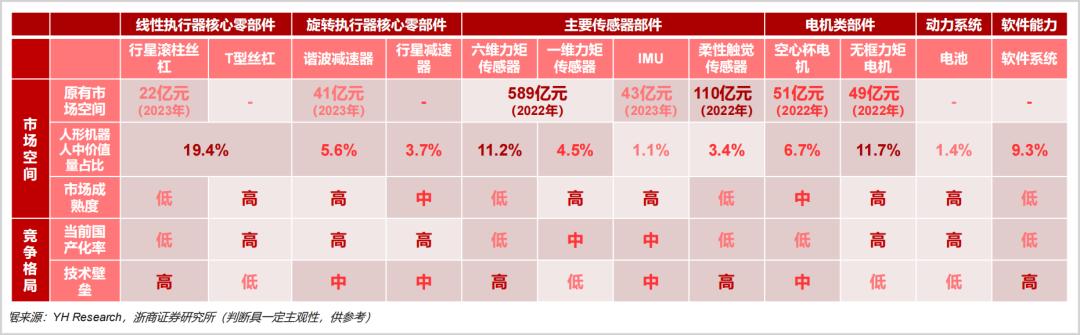
Core Viewpoint - The humanoid robot industry is experiencing significant growth, with a projected commercialization breakthrough in 2025, leading to a surge in production capacity and market demand [1][2][3]. Group 1: Industry Trends - 2025 is identified as the year of commercialization for humanoid robots, with applications expanding across various sectors including entertainment, logistics, and security [2]. - Major players like Tesla and Figure are planning substantial production increases, with Tesla aiming for a production line capable of 1 million units annually by 2026 [2][4]. - The Chinese humanoid robot market is expected to reach nearly 38 billion yuan by 2030, with a compound annual growth rate (CAGR) exceeding 61% from 2024 to 2030 [4]. Group 2: Production Capacity and Cost - Leading companies in China, such as UTree Technology and UBTECH, are projected to achieve production capacities exceeding 10,000 units by 2026, with significant sales growth from millions to billions [3][4]. - The cost of producing a humanoid robot is decreasing, with Tesla's Optimus 03 expected to have a unit cost below $20,000, a reduction of over 60% from earlier prototypes [3][4]. - The BOM cost for a humanoid robot manufactured using Chinese supply chains is approximately $46,000, compared to nearly $130,000 for non-Chinese supply chains [4]. Group 3: Key Components and Market Opportunities - The execution layer of humanoid robots, particularly the screw mechanism, represents a significant cost component, with linear actuators accounting for 19.4% of the overall value [5][6]. - Planetary roller screws are highlighted as a critical component due to their superior performance characteristics, with a projected market value of 22.96 billion yuan by 2030, growing at a CAGR of 154.1% [8][9]. - The market for planetary roller screws is currently dominated by foreign suppliers, presenting substantial opportunities for domestic manufacturers to capture market share [8][9]. Group 4: Company Analysis - Among domestic manufacturers, Hengli Hydraulic is leading in production capacity and is expected to benefit significantly from the industry's growth, with a projected annual industrial output exceeding 3 billion yuan [10][12]. - Wuzhou Xinchun and Beite Technology are also focusing on screw technology, but their production capacity is expected to ramp up more slowly compared to Hengli Hydraulic [10][12]. - Financial performance varies among these companies, with Hengli Hydraulic showing stable profit growth, while Wuzhou Xinchun has faced challenges with revenue stagnation [14][16].


盘点CES亮相的企业TOP 10:中国技术如何影响世界?
Xin Lang Cai Jing· 2026-01-12 12:30
Group 1 - Chinese technology companies are redefining global consumer electronics trends through hard-core technology innovations showcased at CES [1][29] - The focus is on AI revolution, robotics, smart mobility, and IoT, highlighting the shift from low-cost manufacturing to technology-driven solutions [1][29] Group 2 - Geely Auto showcased a comprehensive technology solution for smart electric mobility, emphasizing its vertical integration capabilities in battery and electric drive technology [4][31] - The company aims to drive the global automotive industry's transition towards electrification and intelligence, enhancing its global competitiveness [4][31] Group 3 - Lenovo introduced the world's first AI PC series, featuring a dedicated neural network chip for localized large model operations and privacy-protecting AI applications [6][33] - The company is transitioning from a hardware manufacturer to an AI solution provider, integrating AI with personalized computing to lead the global PC industry into a new intelligent evolution [6][33] Group 4 - TCL demonstrated its leadership in display technology with the launch of quantum dot Mini-LED TVs and flexible OLED screens, integrating top-tier display technology with smart home solutions [11][38] - The company's strategy aims to create a comprehensive smart experience across various scenarios, redefining global consumer electronics visual standards [11][38] Group 5 - Tricky Technology unveiled its bionic quadruped robot Eame One, showcasing advanced AI environmental perception systems for complex tasks [14][41] - The introduction of the X40 series cleaning robots with robotic arm technology signifies rapid advancements in consumer robotics [14][41] Group 6 - Qianli presented an L4-level autonomous driving solution for urban environments, utilizing a self-developed multi-sensor fusion perception system for high-precision positioning [16][43] - The solution has been implemented in various global ports and mines, demonstrating the company's capability in commercializing autonomous driving [16][43] Group 7 - iFlytek showcased its AI translation device capable of real-time transcription in 83 languages, including dialects and ancient English [18][45] - The company is leveraging its voice interaction and multi-modal cognitive technology to break language and cultural barriers, positioning itself as a key player in global digital transformation [18][45] Group 8 - Tuya Smart displayed its IoT cloud platform connecting over 1 million device SKUs, promoting an open ecosystem for smart home solutions [21][48] - The introduction of an AIoT chip and support for the Matter protocol aims to facilitate rapid product intelligence for overseas brands [21][48] Group 9 - SenseTime highlighted its "SenseNova" large model system, showcasing AI applications in urban governance and smart city construction [24][51] - The integration of large models with robotics aims to enhance the application of computer vision technology in complex urban scenarios [24][51] Group 10 - Yushun Technology launched its new generation humanoid robot H1, achieving industry records in joint torque and dynamic walking speed [26][53] - The company is pioneering the commercialization of consumer-grade quadruped robots, marking a significant advancement in the robotics sector [26][53] Group 11 - Qingxian Smart Chair introduced an intelligent office chair with a multi-modal perception system for real-time health monitoring and AI-driven adjustments [28][55] - This innovation aims to transform traditional seating into a proactive health management tool, reflecting deep insights into future office environments [28][55]

【太平洋科技-每日观点&资讯】(2026-01-13)
远峰电子· 2026-01-12 12:17
Market Overview - Major indices showed positive performance with North Exchange 50 up by 5.35%, Sci-Tech Innovation 50 up by 2.43%, and ChiNext Index up by 1.82% [1] - TMT sector led the gains with SW Marketing Agency increasing by 14.01%, SW Portal Websites by 10.85%, and SW General Publishing by 10.61% [1] - Conversely, TMT sectors that declined included SW Printed Circuit Boards down by 1.82% and SW Discrete Devices down by 0.33% [1] Domestic News - GoerTek plans to establish a fund of 690 million yuan focusing on cutting-edge technology investments including AI, XR, advanced manufacturing, and semiconductors [2] - Huitian Technology announced a breakthrough in high-speed materials and hybrid processing technology, enhancing capabilities in high-end PCB core technology [2] - Shanghai government released a three-year action plan (2026-2028) to support advanced manufacturing, targeting integrated circuit companies for breakthroughs across the entire industry chain [2] - Black Sesame Intelligence raised 568 million HKD, with 90% of the funds allocated for mergers and investments in AI chips and the semiconductor industry [2] Overseas News - MIT team discovered a method to add an extra active device layer in traditional CMOS chips, allowing for a stacked structure that accommodates both logic and storage transistors [3] - The U.S. Department of Commerce quietly announced the withdrawal of a proposal to impose import restrictions on Chinese-made drones, originally set for review in October 2025 [3] - The global smartphone shipment is projected to grow by 2% in 2025, driven by strong demand in emerging markets, although a slowdown is expected in 2026 due to chip shortages [3] - Omdia reported a 10.1% increase in total shipments of desktops, laptops, and workstations in Q4 2025, reaching 75 million units, with an annual growth of 9.2% [3] AI Insights - Gemini partnered with Walmart to enhance customer interaction through AI, providing purchase suggestions based on user intent [4] - AntAngelMed has officially open-sourced a model with 100 billion parameters, applied in various healthcare projects [4] - Tencent released and open-sourced a 3D action model, lowering the barrier for 3D character animation creation [4] - Elon Musk predicted the arrival of general artificial intelligence (AGI) by 2026, with implications for the medical field [4] Industry Tracking - The commercial aerospace sector achieved a successful suborbital flight test with the Zhongke Aerospace Li Hong No.1 vehicle, reaching an altitude of approximately 120 kilometers [5] - In the integrated circuit sector, there is a growing willingness among manufacturers to raise prices due to increased demand and supply constraints [5] - A new generation of ultra-low power brain-machine interface chips was released, significantly improving energy efficiency for long-term implantable systems [5] - The humanoid robot market is expected to see rapid growth, with Omdia projecting shipments to reach 13,000 units by 2025 [5]

教育公司重启上市路:2025,谁在敲钟,谁在排队?
3 6 Ke· 2026-01-12 12:06
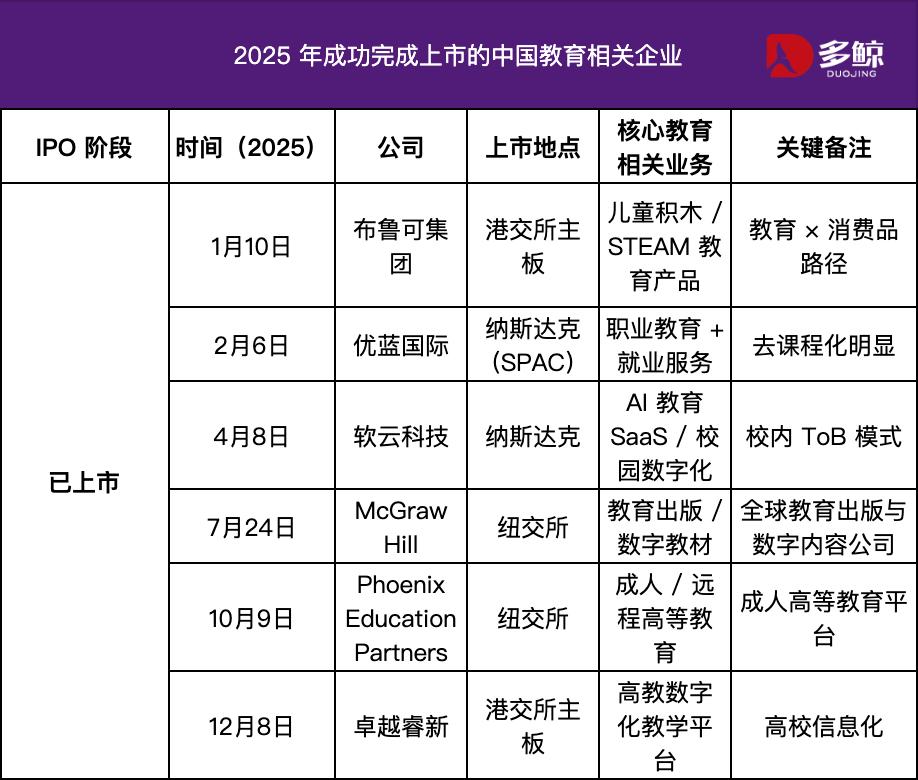
Core Insights - The capital market's focus on "education and AI" has intensified at the beginning of 2026, with companies like Zhiyu Huazhang and MiniMax becoming discussion points due to their deep integration of AI technology into educational scenarios [1] - The landscape of education IPOs has changed significantly since 2025, with a limited number of companies successfully going public, while many others are in preparation or observation stages [1][6] - The valuation of education-related businesses is now being reassessed by capital markets as technology becomes more embedded in educational contexts [1] Group 1: Successful IPOs in 2025 - The number of education-related companies that successfully completed IPOs in 2025 was limited, but they shared high consistency in business models [2] - Companies like Soft Cloud Technology and Excellence Education have shifted their focus from traditional education to digital solutions and SaaS, aligning more closely with technology service providers [3][4] - The business models of these companies do not rely on rapid user growth but rather on product stability and regional penetration [3][4] Group 2: Companies in the IPO Pipeline - A notable trend among companies that have submitted IPO applications is the shift towards a "hardware + system + service" narrative [8] - Companies like TDE Group and Monkey Tree are exploring IPOs in the STEAM and language training sectors, characterized by cautious expansion and modest fundraising goals [10] - The focus of these companies is on establishing long-term financing channels rather than achieving immediate scale [10] Group 3: Companies in Planning Stages - Companies still in the planning or advisory stages, such as Walnut Programming and Unified AI, reflect a cautious capital market attitude [11][12] - These companies have clear technological potential but lack the stability required by public markets to support an IPO [13] - The common trait among these "in transit" companies is that they are exploring whether education can be a long-term systemic service rather than just a course-based business [10][14] Group 4: Structural Shift in Education IPOs - The 2025 education IPO landscape represents a structural shift rather than a simple cyclical rebound, emphasizing stability over scale [14] - The narrative around education IPOs has evolved from focusing on growth speed to long-term quality and sustainability [15] - The ultimate goal of an IPO is no longer seen as a necessity for education companies, but rather as one of many potential development paths [15][16]
电子宠物大爆发的背后:AI机器人能陪人慢慢到老吗?
3 6 Ke· 2026-01-12 07:10
Core Insights - The electronic pet market is experiencing a resurgence, driven by the emotional companionship needs of younger generations [1][3] - The evolution of electronic pets reflects a shift from simple digital interactions to more sophisticated AI-driven companions that can engage in emotional exchanges [9][34] Group 1: Evolution of Electronic Pets - The first electronic pet, Tamagotchi, was launched in 1996 and became a cultural phenomenon among the 80s and 90s generations [3][5] - Sony's AIBO, introduced in 1999, was a pioneer in robotic pets, featuring advanced interaction capabilities and self-learning abilities [10] - Recent products like Moflin and LOVOT combine AI with plush designs, offering emotional responses and interactive features that enhance user engagement [12][13] Group 2: Market Dynamics - The demand for electronic pets is fueled by urbanization and an increase in single-person households in China, which rose from 67.09 million in 2010 to 125 million in 2020 [20][22] - The pet economy is thriving, with China's urban pet consumption market projected to grow from 97.8 billion to over 300 billion yuan from 2015 to 2024, reflecting a compound annual growth rate of 12.98% [24] - Electronic pets serve as ideal alternatives for individuals unable to care for real pets, providing companionship without the responsibilities of traditional pet ownership [26][27] Group 3: Emotional Connection and AI Integration - AI-enabled electronic pets offer personalized emotional support, adapting to user interactions and preferences through advanced algorithms [27][32] - The emotional connection fostered by these pets is significant, as they can recognize and respond to user emotions, enhancing the sense of companionship [32][33] - The global AI pet market is valued at $1.19 billion in 2023, with projections to reach $3.51 billion by 2030, indicating a robust growth trajectory [34] Group 4: Future Prospects - The companion robot market is expected to grow from 75 billion yuan in 2023 to 304.3 billion yuan by 2029, with a remarkable annual growth rate of 25.56% [36] - The aging population in China presents a significant opportunity for companion robots, with an estimated 310 million people aged 60 and above by 2024 [36] - Technological advancements and cost reductions are likely to increase the penetration of companion robots in various sectors, including healthcare and education [38]

策略周评20260112:AI辅助医疗与人形机器人等生活化产品落地
Soochow Securities· 2026-01-12 07:00
Group 1: Core Insights - The global AI industry is experiencing a dual iteration of computing power models, leading to the commercialization of AI applications such as ChatGPT Health, with significant advancements in AI-assisted healthcare and humanoid robots [2][6] - AI chip companies are launching next-generation platforms to enhance computing power support, with NVIDIA introducing the Vera Rubin platform and several collaborative design chips, thereby reducing the cost threshold for enterprises to operate large models [3][5] - Overseas companies are accelerating the commercialization of large AI models through substantial financing, while domestic firms are exploring market opportunities via open-source tools and engineering innovations [4][6] Group 2: Key Events - On January 6, AMD unveiled a comprehensive AI chip covering data centers, AI PCs, and embedded edge applications, with plans for a 2nm process MI500 series to be launched in 2027 [5] - On January 7, xAI announced it had exceeded $20 billion in Series E funding, significantly surpassing market expectations, with funds allocated for GPU cluster expansion and Grok 5 model training [5] - OpenAI launched "ChatGPT Health" on January 7, which integrates user health information with electronic medical records, tapping into a projected global AI healthcare market expected to reach approximately $505.59 billion by 2033 [5][6] Group 3: Industry Trends - The AI healthcare sector is entering a commercialization acceleration phase, with companies like OpenAI and Ant Group's AI medical app making significant strides in personalized consultation services [6] - In the humanoid robotics sector, collaborations such as DeepMind with Boston Dynamics are integrating advanced models into new generation humanoid robots, showcasing capabilities for various applications [6] - The report highlights a noticeable market trend towards higher elasticity in technology growth styles, with funds being preemptively allocated to capitalize on potential spring market movements [7] Group 4: Recommended Companies - The report recommends companies such as Ding Tai Gao Ke, which is experiencing high growth driven by AI PCB demand [8] - It also highlights Zhi Pu as a new AI player in the Hong Kong market, focusing on model iteration and ecosystem development [8] - MINIMAX-WP is noted as a benchmark for AI expansion overseas, with a multi-modal layout for future growth [8]
韩国媒体惊叹,美国巨头关注:CES为何变成中企“主场”?
Huan Qiu Wang· 2026-01-12 06:56
Core Insights - The 2026 International Consumer Electronics Show (CES) in Las Vegas showcased over 4,500 international tech companies, emphasizing the theme "Smarter AI for All" [1] - Chinese companies are transitioning from participants to leaders in technology, with 207 firms exhibiting and demonstrating significant advancements across various tech sectors [3][4] Group 1: Chinese Companies' Performance - Chinese firms displayed a strong presence in the humanoid robot sector, with 21 out of 38 exhibiting companies being Chinese, showcasing a complete and active industry chain [4] - The humanoid robot market is projected to enter a rapid growth phase, with an estimated annual shipment of 13,000 units by 2025, where Chinese companies hold a significant market share [4] - Hisense launched the world's first 116-inch RGB-Mini LED TV, which has been recognized for its superior color performance and energy efficiency, positioning Chinese firms as leaders in high-end display technology [5] Group 2: Strategic Developments - Chinese tech companies are focusing on vertical integration across the entire supply chain, which enhances cost control and optimizes data management [8] - The pricing strategy of Chinese humanoid robots, such as the UTree G1 priced at $4,900, highlights a significant cost advantage compared to competitors like Tesla and Boston Dynamics [8] - The integration of AI and hardware is moving towards practical applications, with companies like Hisense and BOE redefining product development around specific use cases [9][11] Group 3: Global Market Impact - The rise of Chinese technology is prompting global competitors, particularly in South Korea, to reassess their strategies in light of China's advancements [12][15] - The narrative surrounding Chinese innovation is evolving, with recognition of genuine technological progress alongside critiques of government subsidies and imitation [12][13] - The future of competition is shifting towards ecosystem-based strategies, with Chinese firms aiming to provide comprehensive solutions rather than just hardware [15]



特斯拉发包中,T链们周末再传重磅资讯!
Robot猎场备忘录· 2026-01-12 04:33
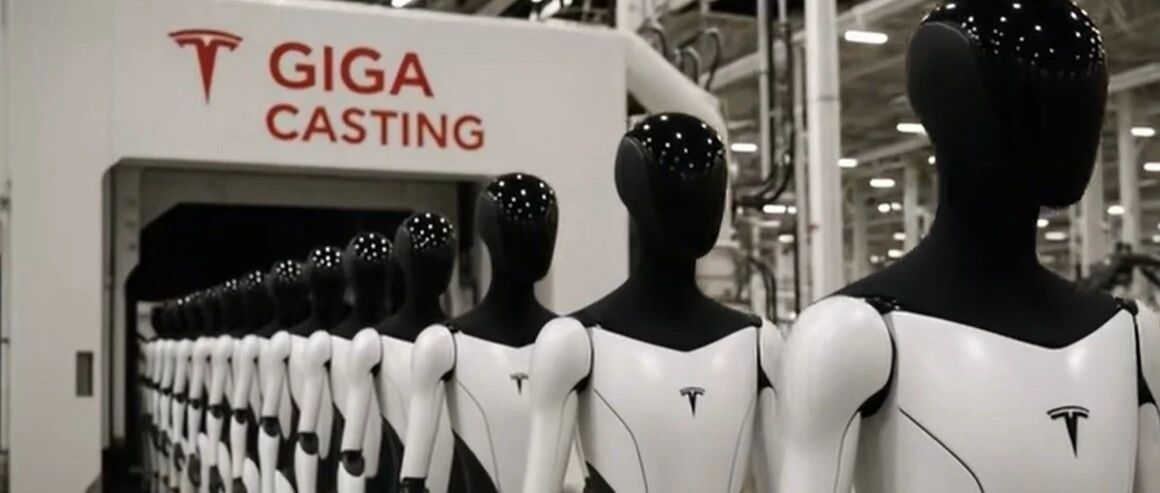
Core Viewpoint - The T-chain companies are expected to experience a shift from weak to strong performance due to recent positive developments, particularly the IPO guidance of key companies like XJ and SL, which are likely to attract more investor attention [3][4][7]. Group 1: T-chain Companies Performance - During the first trading week of January, T-chain companies did not continue the upward trend from December, showing weak performance despite a rising market [2]. - A notable increase in T-chain stocks was observed on the following Friday, indicating potential for a new upward trend [3]. Group 2: Key Developments - XJ, a core T-chain supplier for Tesla's Optimus, has initiated its IPO process with guidance from CITIC Securities, potentially leading to its listing on the Sci-Tech Innovation Board by late 2026 [4][7]. - SL, another key T-chain company, has successfully communicated with North American partners, maintaining strong performance despite overall weak market conditions [7][8]. Group 3: Market Sentiment and Future Expectations - The recent IPO news for XJ has generated positive sentiment in the robotics sector, particularly for T-chain companies, which are expected to gain more funding attention [7]. - SL's recent research indicates it may replace T1 suppliers like SH and TP, highlighting its growing significance in the market [13]. Group 4: North American Communication - T-chain companies are increasingly focusing on communication with North American partners, which is seen as a critical step towards securing contracts and production agreements [11][12]. - Companies like WX, FS, and KS have reported successful communications, leading to significant stock price increases [12]. Group 5: Upcoming Developments - The T-chain companies are expected to announce more positive developments regarding production milestones and contract signings in the near future, which will likely drive further market interest [10][13].
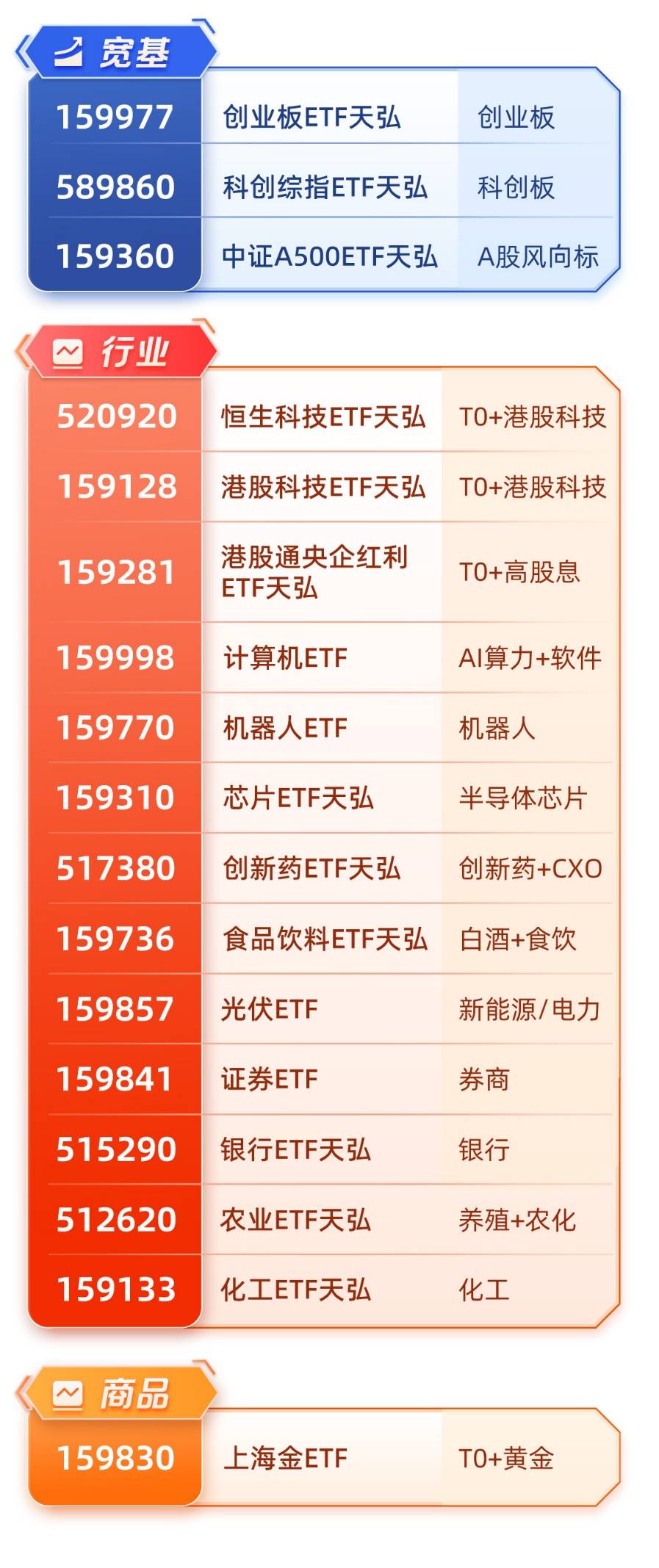
人形机器人T链一级供应商冲刺IPO,机器人ETF(159770)、科创综指ETF天弘(589860)标的指数双双冲高涨近2%!
Sou Hu Cai Jing· 2026-01-12 02:33
Core Insights - The Robot ETF (159770) has shown significant trading activity, with a turnover of 2.08% and a transaction volume of 229 million yuan, while the underlying index, the CSI Robot Index (H30590), increased by 1.60% [1] - The Robot ETF has experienced substantial growth, with an increase of 333 million yuan over the past two weeks and 18.47 billion shares over the last three months [1] - The Tianhong Sci-Tech ETF (589860) also performed well, with a transaction volume of 2.8849 million yuan and the underlying SSE Sci-Tech Innovation Board Composite Index (000680) rising by 1.93% [1] Product Highlights - The Robot ETF (159770) closely tracks the CSI Robot Index, providing investors with an efficient tool to invest in the entire robot industry chain [2] - The Tianhong Sci-Tech ETF (589860) closely follows the Sci-Tech Composite Index, featuring leading technology companies with strong brand advantages and research capabilities [2] Related Products - The Robot ETF (159770) corresponds to the off-market linked funds (A: 014880; C: 014881) [3] - The Tianhong Sci-Tech ETF (589860) corresponds to the off-market linked funds (A: 023721; C: 023722) [3] Industry Events - Tesla's core supplier for the Optimus robot, Xinjian Transmission, has initiated IPO counseling, focusing on components for humanoid robots, which is expected to accelerate the industry chain [3] - According to Omdia, global shipments of humanoid robots are projected to reach 13,000 units by 2025, with Chinese manufacturers dominating the market, holding the top six positions in shipment volume [4] - The leading Chinese brand, Zhiyuan Robotics, accounted for 5,168 units, representing 39% of the global market share, while Yushu Technology followed closely with 4,200 units, together controlling 71% of the market [4] Institutional Views - Recent advancements in consumer robots are moving towards embodied intelligence, with companies showcasing robots with enhanced environmental adaptability at CES 2026 [5] - The push for domestic supply chain development is expected to lower core component costs, further promoting the large-scale deployment of consumer robots [5]