OPPO

Search documents
一天连发两款旗舰 手机大厂争夺“游戏一代”
Guo Ji Jin Rong Bao· 2025-10-28 20:08
Core Insights - OnePlus has launched two flagship models, OnePlus 15 and OnePlus Ace 6, on October 27, marking a strategic shift in pricing with OnePlus 15 starting at 3999 yuan, down from 4499 yuan for OnePlus 13, while Ace 6 starts at 2599 yuan, up from 2299 yuan for Ace 5 [1][4] Group 1: Product Launch and Market Positioning - The launch of both flagship models simultaneously is a rare occurrence in the smartphone industry, aligning with market demand and technological readiness [1][2] - OnePlus has reported a sales growth of 36.7% in 2025, with expectations to reach nearly 50% by year-end, particularly among users under 24, whose numbers have increased by 106% year-on-year [1][2] - The focus on gaming performance is highlighted by the introduction of a 165Hz refresh rate, which is a significant advancement over the previous 120Hz standard [1][2] Group 2: Competitive Landscape - The smartphone market is currently experiencing a contraction, with IDC reporting a 0.6% year-on-year decline in shipments for Q3 2025, and Omdia noting a 3% drop in sales [4] - The competitive environment is intensifying, with major brands like Apple, Xiaomi, and Vivo also launching new models around the same time [4] Group 3: Strategic Direction and Future Plans - OnePlus aims to continue focusing on high-performance and gaming-centric products, with plans to explore other product categories while maintaining its core user base [4][6] - The company has integrated closely with OPPO, leveraging its extensive retail network to enhance customer experience and support [6] - OnePlus is committed to making advanced technologies like the 165Hz refresh rate accessible to a broader audience, emphasizing user experience over immediate financial considerations [6]

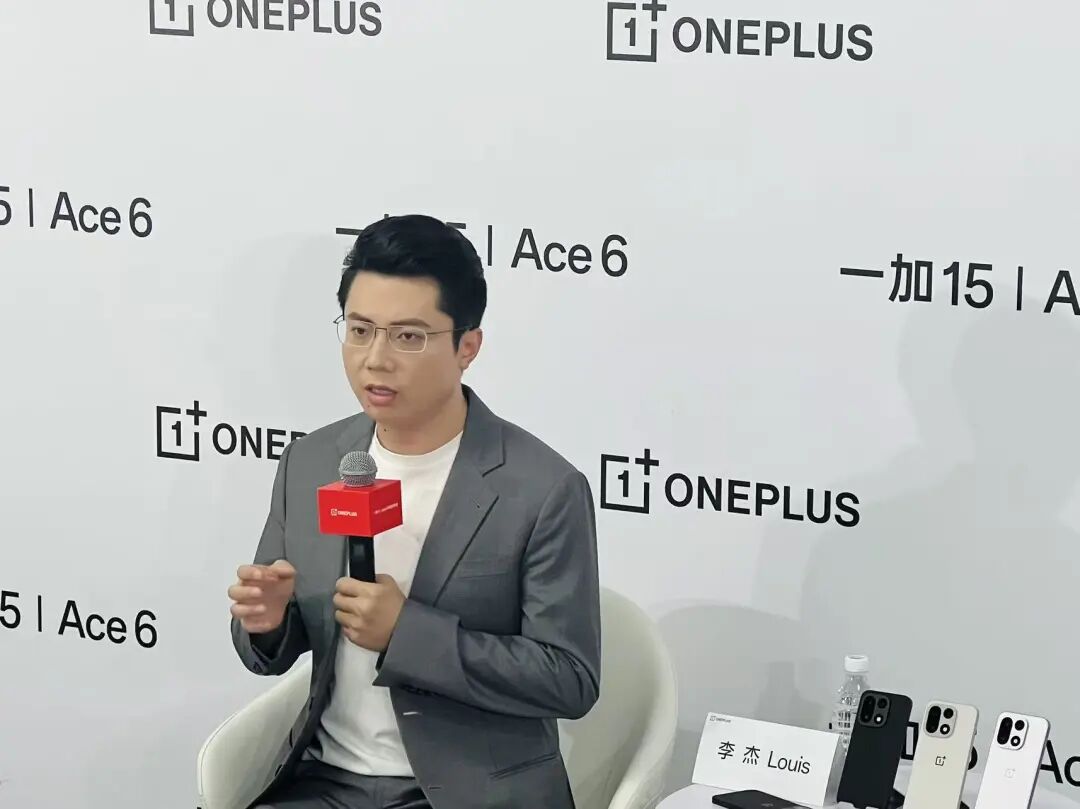
内存涨价、大盘低迷 一加销量同比增长36.7%
Zhong Guo Jing Ying Bao· 2025-10-28 19:30
Core Viewpoint - Despite challenges in the global smartphone market, OnePlus has reported significant growth, particularly among younger consumers, driven by a focus on performance and gaming experience [1][3]. Group 1: Company Performance - OnePlus has achieved a 36.7% year-on-year increase in smartphone sales since early 2025, leading the industry in growth [1]. - The company’s target demographic, particularly gamers under 24, has doubled in size compared to the previous year [1]. - OnePlus's smartphone shipments increased by over 30% in the first half of the year, attributed to an expanded product line [2]. Group 2: Market Strategy - OnePlus emphasizes the importance of performance and gaming experience in its product strategy, aiming to enhance user experience across various models [2][5]. - The company plans to increase the user base for its 165Hz refresh rate phones to 7-8 million, aiming to reduce costs through economies of scale [2]. - OnePlus intends to maintain a balance between price and performance by offering competitive pricing across different product tiers [2]. Group 3: Future Outlook - OnePlus anticipates a 50% year-on-year increase in overall sales by the end of 2025 [3]. - The company remains confident that product competitiveness will drive sales, regardless of external factors like government policies or component price fluctuations [3]. - The shift from Hasselblad to OPPO's self-developed imaging technology in the OnePlus 15 is a strategic move to focus on core product strengths [3][5]. Group 4: Competitive Positioning - OnePlus denies any concerns about being overshadowed by OPPO, asserting that its focus remains on delivering the best products for its target audience [4][5]. - The company positions itself as a strong competitor in the gaming and performance segment, even as it acknowledges the strengths of other brands like OPPO in different areas [5].
OPPO Find X9 Series Launches Globally, Redefining Flagship Experience with 200MP Hasselblad Telephoto, 7000+mAh Battery, Top-Tier Performance, and ColorOS 16
The Manila Times· 2025-10-28 16:16
Core Insights - OPPO has launched its latest flagship smartphones, Find X9 and Find X9 Pro, which are now available globally, showcasing significant advancements in mobile imaging, battery life, and performance [1][22]. Camera Innovations - The Find X9 Series features a new-generation Hasselblad Master Camera System, enhancing image quality through advanced computational photography [4]. - Find X9 includes a pro-level 50MP main camera, a 50MP ultra-wide camera, and a 50MP periscope telephoto camera, while Find X9 Pro introduces a 200MP Hasselblad Telephoto camera [5][6]. - The LUMO Image Engine enhances photo clarity and reduces CPU and memory usage by up to 50% and 60% respectively, while also improving power consumption by 50% [7]. Video Capabilities - The series supports 4K Motion Photos and 4K 120fps Dolby Vision HDR video recording, with Find X9 Pro extending capabilities to its telephoto camera [8][10]. - OPPO's Super Zoom algorithm allows for enhanced clarity in zoomed photos and videos, with Find X9 Pro capable of lossless zoom up to 13.2x [9]. Battery Technology - Find X9 is equipped with a 7025mAh battery, while Find X9 Pro features a 7500mAh battery, the largest in any OPPO flagship [13]. - Both models support 80W wired flash charging and 50W wireless charging, utilizing OPPO's third-generation Silicon-Carbon Battery technology [14]. Design and Durability - The Find X9 Series boasts a modern design with ultra-thin bezels and a durable build, featuring IP66, IP68, and IP69 ratings for water and dust resistance [15][17]. Performance Enhancements - Powered by the MediaTek Dimensity 9500 chipset, the series achieves up to 32% higher performance and 55% less peak power consumption compared to previous models [18]. - The All-New Trinity Engine optimizes chip-level resource management for sustained high performance and superior power efficiency [18]. Software Features - ColorOS 16 introduces AI-powered features for enhanced productivity and creativity, including AI Mind Space and AI Recorder [19][20]. - The O+ Connect feature expands cross-device capabilities, allowing users to manage phone files from their computers [21].


一天连发两款旗舰,手机大厂争夺“游戏一代”
Guo Ji Jin Rong Bao· 2025-10-28 14:37
Core Insights - OnePlus has launched two flagship models, OnePlus 15 and OnePlus Ace 6, with starting prices of 3999 yuan and 2599 yuan respectively, marking a strategic price shift compared to previous models [1][2] - The company reported a 36.7% sales growth in 2025, with expectations to reach nearly 50% by year-end, and a 106% increase in users under 24 years old [1][2] - The introduction of a 165Hz refresh rate is a significant advancement in gaming performance, enhancing display speed by 27% and reducing response time by 10 milliseconds [2] Product Launch and Market Positioning - The dual flagship launch aligns with the chip release cycle and market peak buying season, driven by technological maturity and user demand [2] - OnePlus is focusing on young users with a strong preference for gaming, optimizing product design and software to meet their needs [2][3] - The competitive landscape in the smartphone market is intensifying, with major brands like Apple, Xiaomi, and others releasing new models simultaneously [3] Company Background and Strategy - OnePlus, founded in 2013, has evolved from a newcomer to a significant player in the smartphone industry, now operating under OPPO's umbrella since 2021 [4][5] - The company aims to provide a consistent high-quality experience across all sales channels, leveraging OPPO's extensive retail network [5] - OnePlus is committed to making advanced technologies like the 165Hz refresh rate accessible to a broader audience, focusing on user experience over immediate financial returns [5]
智能体上场,手机厂商猛攻AI
2 1 Shi Ji Jing Ji Bao Dao· 2025-10-28 06:53
Core Insights - The smartphone industry is transitioning from "hardware competition" to "intelligent evolution" by 2025 [1] - AI and form innovation are the two core competitive directions for smartphone manufacturers, representing both technological innovation and brand differentiation [2] AI Development and Strategy - Domestic smartphone manufacturers are accelerating their AI strategies, with Honor being particularly aggressive, launching the Magic 8 and the first Honor AI Terminal Ecological Conference [4] - Honor's Magic 8 emphasizes "self-evolving AI native phone" with the upgraded MagicOS 10, featuring various AI agents supported by the MagicGUI model, which integrates multimodal data for task execution [6] - Honor's AI strategy includes the HONOR AI Connect platform and eight AI solutions, aiming to lower the entry barrier for ecosystem partners and promote collaboration across various industries [6][7] Competitive Landscape - Other major domestic manufacturers are also enhancing their AI capabilities, with Huawei launching HarmonyOS 6 and over 80 AI applications, OPPO introducing intelligent computing frameworks, and vivo integrating multimodal reasoning models [7] - The evolution of AI in smartphones is shifting from isolated features like voice assistants to system-level intelligent collaboration, with AI capabilities moving from cloud to edge computing [7] Consumer Insights and Market Trends - According to Omdia, Chinese consumers frequently use AI features such as AI tools, smart voice assistants, photo editing, enhanced search engines, and real-time translation [8] - There is a noted disconnect between the AI capabilities highlighted by manufacturers and the features most used by consumers, although significant improvements have been made in functionality and user experience over the past year [8][9] Future Directions - Manufacturers need to effectively communicate their AI development roadmap to consumers and partners, focusing on user pain points to enhance understanding and retention of AI features [9] - Form innovation is evolving alongside AI, with new designs like foldable and robotic phones being explored, indicating a shift towards embodied intelligence [9][10] - Honor views the AI Phone era as the next stage in smartphone evolution, following the feature phone and smartphone eras, with ongoing exploration into new hardware directions [10]
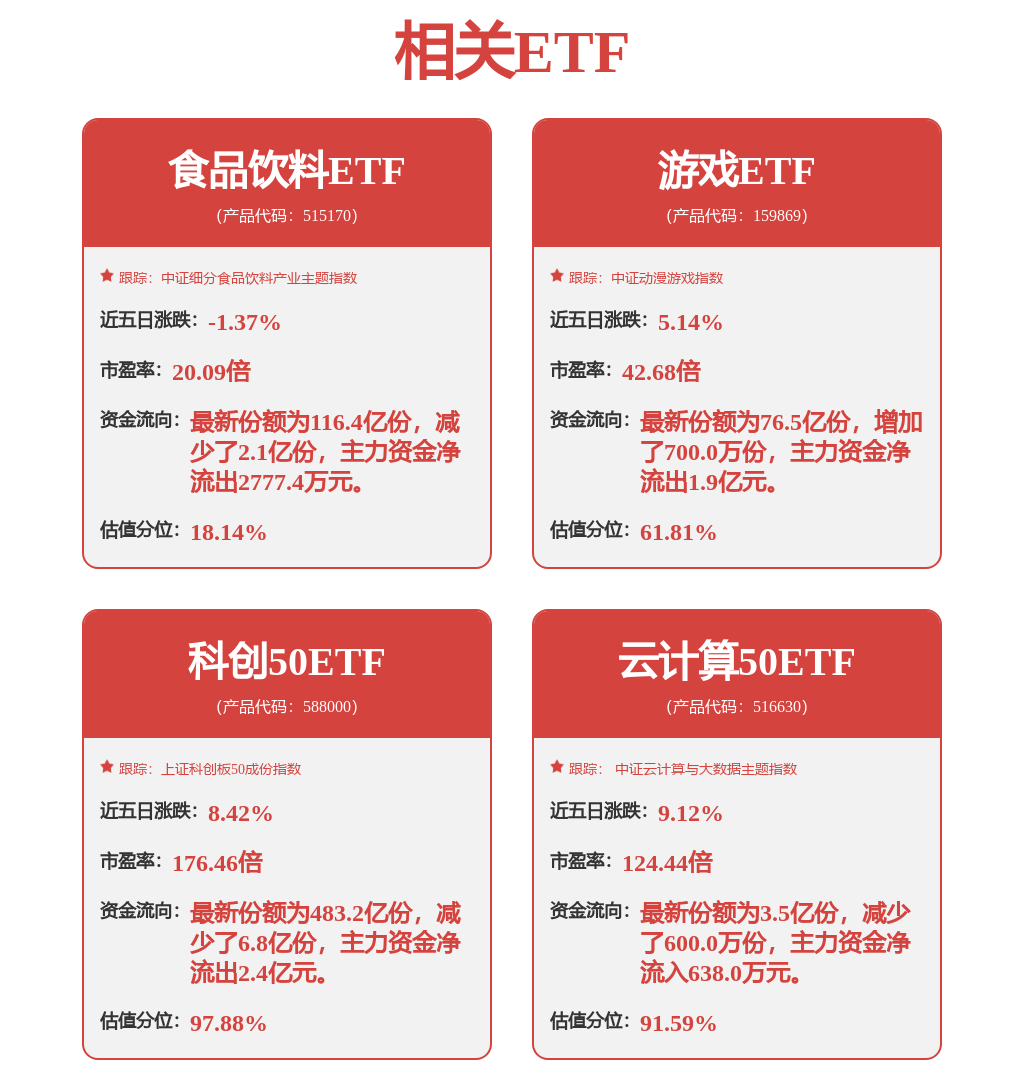
一条浅浅的绿线,如何酿成OPPO的信任危机?
Guan Cha Zhe Wang· 2025-10-28 06:00
Core Viewpoint - The "green line" issue with OPPO smartphones has escalated into a trust crisis for the brand, affecting various models including the high-end Find X series and mid-range Reno series, as well as the OnePlus sub-brand [1][2] Group 1: Issue Overview - The "green line" problem is not uncommon in the smartphone industry, with other brands like Apple, Samsung, and Xiaomi also experiencing similar issues [1][2] - OPPO's handling of the situation, particularly its unclear after-sales policies and inconsistent execution, has intensified consumer dissatisfaction [1][2] Group 2: Consumer Complaints - Many consumers have reported that even when they meet warranty extension conditions, they are denied service due to reasons such as "no invoice," while users in the Indian market have access to lifetime free screen replacements [1][6] - A significant number of users have shared their experiences on complaint platforms, indicating that the green line issue typically arises after one to four years of use [2][6] Group 3: Brand Implications - The "green line" incident reveals potential vulnerabilities in OPPO's strategy as it aims to compete in the high-end market against brands like Apple [1] - The brand's reliance on aesthetic imitation and hardware specifications is insufficient; it must also focus on product reliability and consistent service to build a competitive moat [1]
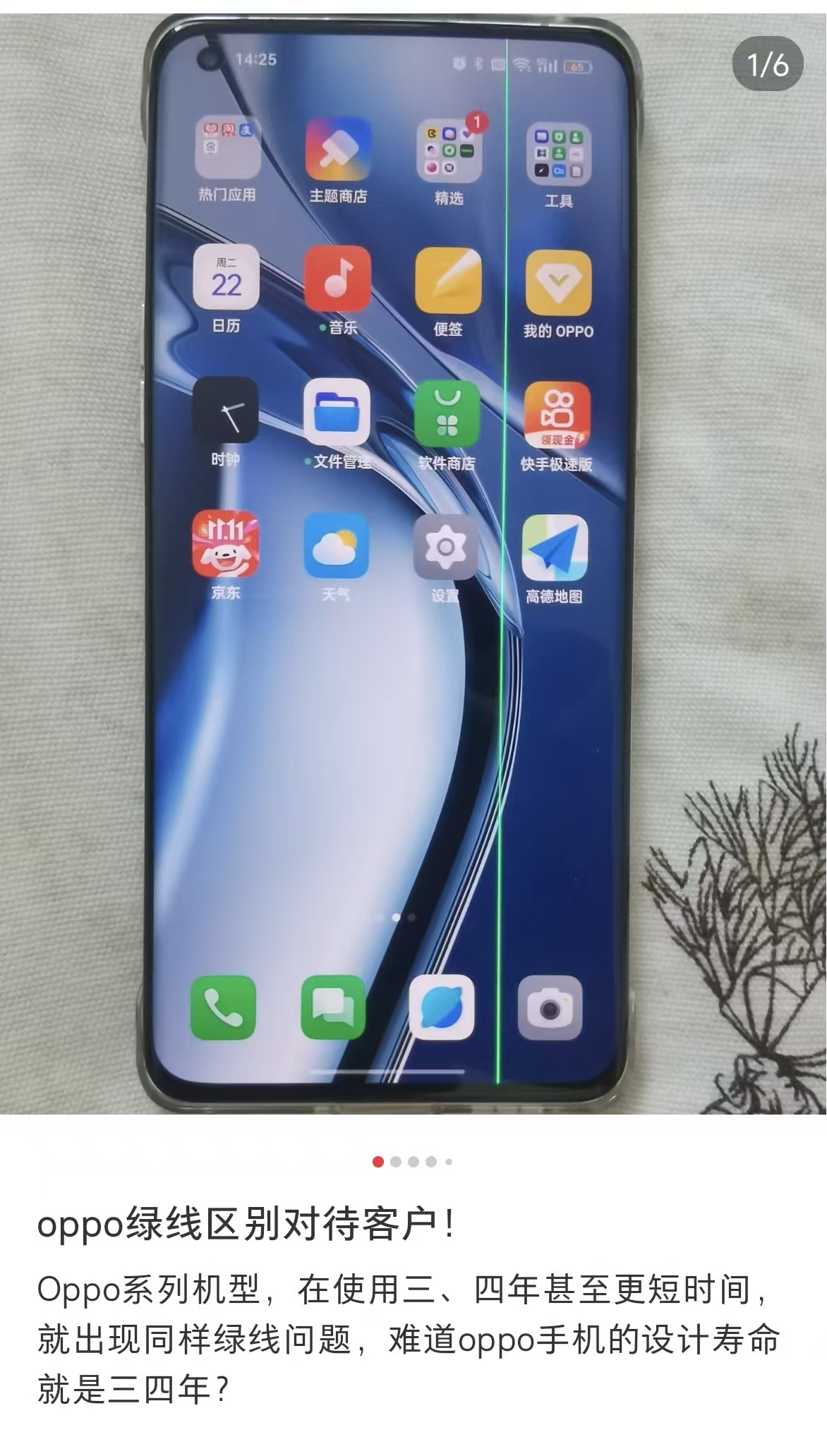
QuestMobile2025年三季度AI应用行业报告:移动端AI应用规模突破7亿大关,模型升级加速,MCP助推产业开放
3 6 Ke· 2025-10-28 03:26
Core Insights - The AI application market is experiencing significant growth, with mobile and PC active user counts reaching 729 million and 200 million respectively by September 2025, driven by a shift towards ecosystem collaboration and model optimization [1][6][14]. Market Overview - As of September 2025, the mobile AI application market includes 287 million users for native apps, 706 million for In-App AI, and 535 million for smartphone manufacturer AI assistants, with respective growth rates of 3.4%, 9.3%, and 1.2% [1][14]. - The overall scale of mobile AI applications has surpassed 700 million, indicating a maturation and commercialization of the industry [6][14]. User Engagement - In-App AI applications dominate the user engagement landscape, with 31 out of the top 50 AI applications being plugins, led by Baidu AI Search, Douyin AI Search, and WeChat AI Search [2][31]. - The average number of In-App AI applications per app in the top 20 has increased to 2.5, while PC web applications and smartphone AI assistants lag behind [2][31]. Competitive Landscape - The competition has shifted from a focus on parameter comparisons to ecosystem collaboration, with major players like Baidu, Alibaba, Tencent, and Douyin updating their models frequently [1][6][14]. - The user engagement time for native AI applications remains the highest at 117.7 minutes, compared to 31 minutes for AI plugins and 5.3 minutes for smartphone AI assistants [2][16]. Trends in AI Applications - The industry is moving towards a "value-driven" model, with pricing strategies becoming more refined and user stickiness increasing, particularly for In-App AI plugins [2][12][18]. - The average single-use token consumption has decreased, indicating improved efficiency and cost control in AI applications [18][20]. Ecosystem Development - The MCP (Model Cloud Platform) services have reached 9,384 by October 20, 2025, facilitating a shift from model development to a service-oriented ecosystem [1][20]. - The integration of AI assistants into smartphones has become standard, with a collective growth of 65 million users across six major manufacturers, reflecting a 13.9% year-on-year increase [40][61]. PC Application Dynamics - The PC application market is undergoing contraction, with over 75% of web applications facing growth challenges, while the client applications are also struggling with 75% showing negative growth [50][57]. - Successful PC applications are primarily in productivity sectors, with notable growth in applications like Xiaoyi and WPS Lingxi, indicating a need for professional value to sustain growth [54][57]. Strategic Focus - Internet companies are focusing on integrating AI with business scenarios to enhance their core offerings, while smartphone manufacturers are building open ecosystems around AI assistants [61][70]. - The evolution of AI applications is characterized by a shift from single-point technology competition to an ecosystem-based collaboration model, with payment capabilities marking a significant milestone in commercialization [74][78].
新旗舰扎堆双11:米OV荣围剿iPhone17,四大趋势已明
3 6 Ke· 2025-10-28 03:15
Core Insights - The upcoming Double Eleven shopping festival has prompted a wave of flagship smartphone releases, with major brands like Vivo, OPPO, Honor, and OnePlus launching their new models around the same time, indicating a competitive landscape in the high-end market [1][3][19] - The release timing aligns with the introduction of new chipsets, such as Snapdragon 8 Elite Gen 5 and Dimensity 9500, marking the start of a new flagship cycle [3][4] - Consumers face a complex decision-making process due to the multitude of new flagship options, each emphasizing different features like battery life, imaging capabilities, AI integration, and design [3][19] Group 1: Key Upgrades - Upgrade 1: Battery capacity has significantly increased, with most new flagship models featuring batteries of at least 6000 mAh, and some reaching up to 8000 mAh, effectively addressing battery anxiety [4][7] - Upgrade 2: High refresh rates have returned as a key focus, with models like OnePlus 15 achieving 165 Hz, enhancing gaming experiences [8][10] - Upgrade 3: There is a collective shift towards long-focus capabilities, with many brands adopting 200-megapixel periscope lenses, indicating intensified competition in imaging technology [11][13] - Upgrade 4: Enhanced AI capabilities are being integrated into smartphones, with new chipsets providing the necessary computational power for advanced AI functionalities [14][18] Group 2: Differentiation Strategies - Companies are seeking differentiation through unique features and experiences rather than just hardware specifications, with brands like Xiaomi innovating with a back screen for interactive functionalities [19][21] - OPPO focuses on optimizing system performance through foundational architecture improvements, while Honor emphasizes AI in imaging [21][24] - Apple's strategy involves offering lightweight designs alongside professional-grade imaging capabilities, maintaining a competitive edge in the premium segment [24][28] Group 3: Market Trends - The smartphone industry appears to be entering a new phase, with manufacturers prioritizing user experience, system intelligence, and innovative interactions over mere performance metrics [29] - The ongoing competition in the lead-up to Double Eleven highlights the importance of consumer experience, suggesting that lasting impressions will stem from usability rather than discounts [29]


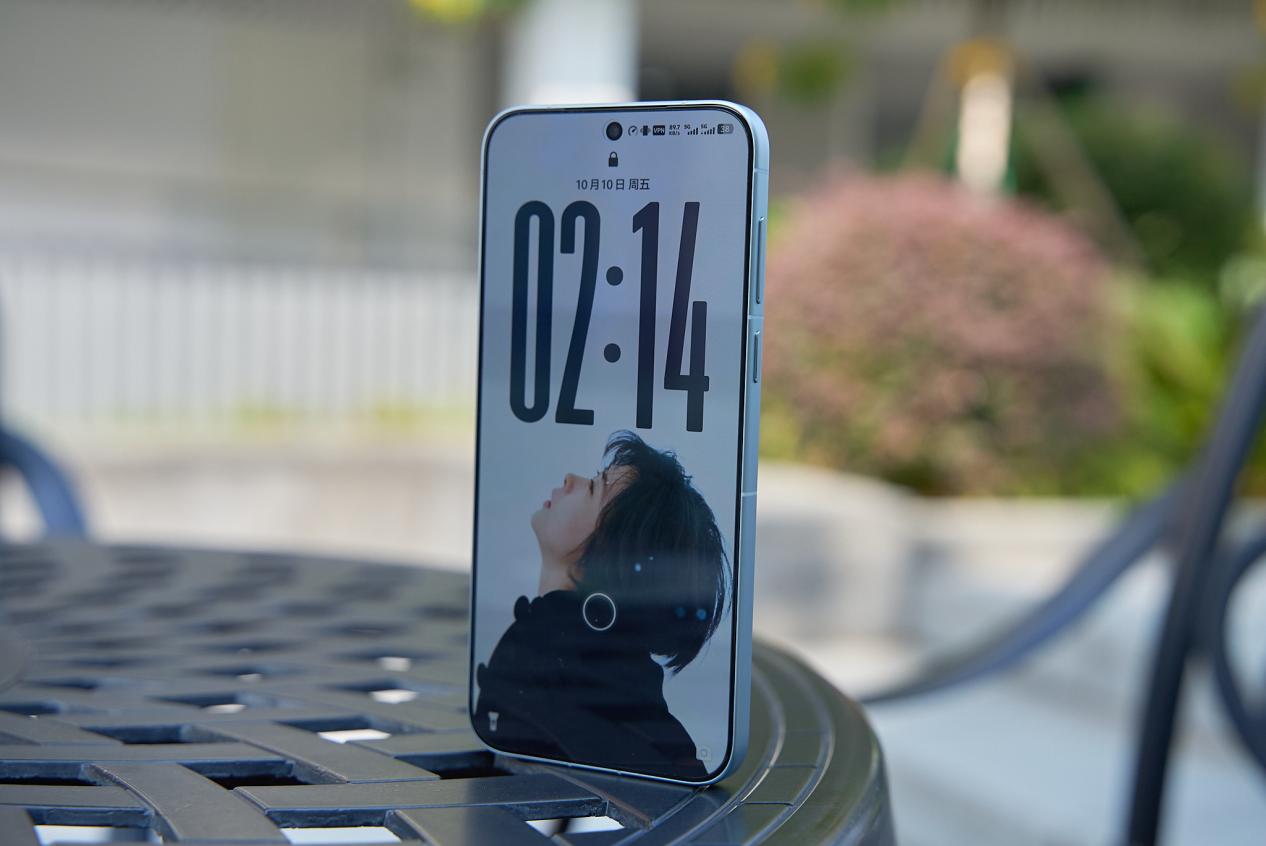
OnePlus 15 Launches with 165 Hz Display and Snapdragon 8 Gen 5 “Ultimate” Starting at ~$556 in China
Pandaily· 2025-10-28 02:23
Core Insights - OnePlus has launched the OnePlus 15, a flagship smartphone featuring a 165 Hz OLED display and Qualcomm's Snapdragon 8 Gen 5 (Ultimate) platform, with sales starting in China on October 28 at prices ranging from RMB 3,999 (≈$556) to RMB 5,399 (≈$750) [1] Group 1: Display and Performance - The OnePlus 15 features a 6.x-inch OLED panel with native 165 Hz modes for leading titles and fallback support for 144/120 Hz, aimed at enhancing competitive gaming experiences [2] - The device includes a revamped "Glacier" thermal system with a larger vapor chamber and aerogel insulation, resulting in a +20% CPU and +23% GPU performance improvement compared to the previous generation, along with double-digit power savings [2][4] Group 2: Battery and Charging - The smartphone is powered by a 7,300 mAh "Glacier Battery" that supports 120 W wired and 50 W wireless charging, allowing for approximately six hours of video playback from just five minutes of charging [4] Group 3: Connectivity and Gaming Features - OnePlus has integrated a new G2 gaming network chip designed to reduce latency in optimal conditions, along with enhanced sensor fusion and gyroscope tuning for improved aiming stability during gaming [4] Group 4: Camera Capabilities - The imaging system utilizes OPPO's LUMO pipeline, featuring a rear setup with a 50 MP Sony main sensor with OIS and a 3.5× periscope telephoto lens optimized for an 85 mm portrait focal length, supporting 4K/120 fps video capture and expanded HDR/portrait modes [6]

QuestMobile2025年三季度AI应用行业报告:移动端AI应用规模突破7亿大关,模型升级加速,MCP助推产业开放
QuestMobile· 2025-10-28 02:01
Core Insights - The AI application market is experiencing rapid growth, with mobile and PC active user counts reaching 729 million and 200 million respectively by September 2025 [3][4][20] - Major companies are shifting focus from parameter competition to ecosystem collaboration, optimizing models to meet customer needs and expand application scenarios [4][9] - The In-App AI plugin model has become the leading growth driver, with 31 out of the top 50 AI applications being plugins [4][5][24] Market Overview - By September 2025, the mobile AI application market has surpassed 700 million users, with native apps, In-App AI, and mobile manufacturer AI assistants reaching 287 million, 706 million, and 535 million users respectively [20][9] - The growth of mobile applications is supported by a stable head of native apps, while the PC web applications face challenges, with over 75% experiencing growth difficulties [5][60] User Engagement - The average usage time for native AI applications is 117.7 minutes, significantly higher than In-App AI plugins at 31 minutes and mobile manufacturer AI assistants at 5.3 minutes [6][24] - The top AI applications show a stable user base, with notable growth in vertical applications like AQ and Doubao, which have seen substantial increases in active users [6][38] Competitive Landscape - The competitive landscape is solidifying, with nearly 60% of native apps experiencing negative growth, indicating a narrowing window for new entrants [31][34] - Vertical applications are thriving, with AQ, Doubao, and Jimeng AI showing impressive growth rates of 83.4%, 15.7%, and 12.1% respectively [38][40] Ecosystem Development - The MCP services have reached 9,384, facilitating ecosystem collaboration and marking a new phase of commercialization in the AI industry [4][9][80] - Companies are focusing on integrating AI into business scenarios, enhancing user experience through seamless service delivery [70][72] Future Trends - The AI market is transitioning from a focus on broad capabilities to specialized, efficient solutions, with a significant increase in model updates and iterations [16][18] - The integration of payment capabilities is seen as a key milestone for the commercialization of AI applications, paving the way for an "AI as a service" economy [85][87]