
古茗

Search documents
上市最高涨超74%,沪上阿姨高估值能持续多久?
3 6 Ke· 2025-05-08 09:44
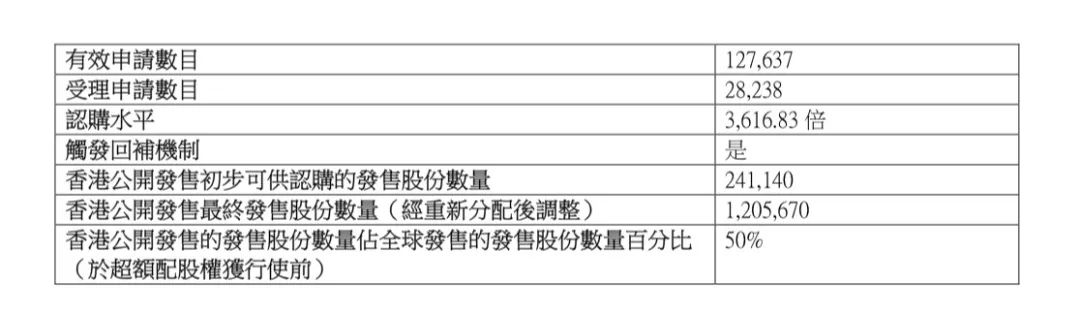
Core Viewpoint - The successful IPO of Hu Shang A Yi marks the fourth new tea beverage company to go public this year, reflecting a growing trend in the market for new tea brands in Hong Kong and the U.S. [1][3] Company Overview - Hu Shang A Yi officially listed on the Hong Kong Stock Exchange on May 8, with a significant first-day price increase of 62.04%, closing at 172.8 HKD per share, resulting in a total market capitalization of 18.12 billion HKD [1][3]. - The company experienced a high subscription rate of 3,616.83 times for its public offering, making it one of the most popular new tea stocks, second only to Mi Xue Bing Cheng [4][5]. - The IPO raised approximately 195 million HKD, with a final offering price set at 113.12 HKD per share [3][4]. Market Context - The new tea beverage sector has seen a wave of IPOs, with several companies like Mi Xue Bing Cheng and Gu Ming also successfully listing in recent months [1][2]. - Hu Shang A Yi's listing follows a trend where multiple new tea brands are entering the market, indicating strong investor interest in this segment [1][5]. Financial Performance - Despite the successful IPO, Hu Shang A Yi reported a decline in revenue and net profit for 2024, with revenue at 3.285 billion HKD, down 1.9% year-on-year, and net profit at 328.9 million HKD, down 15.2% [7][8]. - The company’s average daily GMV per store decreased from 4,109 HKD in 2022 to 3,833 HKD in 2024, a decline of 6.7% [7][8]. - The closure rate of stores was reported at 7.7% in 2023, which is higher than other mainstream tea brands [8]. Valuation Insights - Hu Shang A Yi's price-to-earnings ratio (TTM) stands at 51.95, significantly higher than the approximately 40 times for Mi Xue Bing Cheng, indicating a potential overvaluation given its declining performance [6][8]. - The company’s market capitalization of 18.18 billion HKD ranks it fourth among the six listed new tea beverage companies, significantly lower than Mi Xue Bing Cheng's market cap of 183.89 billion HKD [8].

“3块买两杯奶茶、星巴克来了都半价”,京东美团淘宝打外卖商战快把打工人整出糖尿病了
3 6 Ke· 2025-05-08 09:33
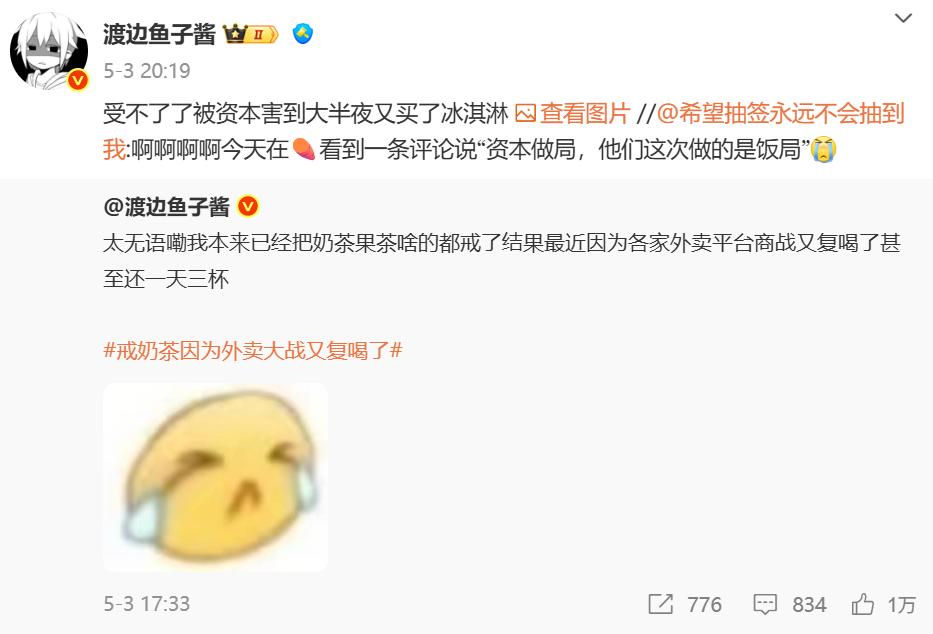
Core Viewpoint - The ongoing competition among major delivery platforms like JD, Meituan, and Taobao has led to significant price wars in the tea beverage market, particularly milk tea and coffee, resulting in extremely low prices for consumers and raising concerns about health impacts from excessive consumption [1][12][20]. Group 1: Market Dynamics - JD's entry into the food delivery market has intensified competition, with aggressive subsidies and promotions aimed at capturing market share [16][17]. - Meituan has responded with its own substantial subsidies, pledging to invest 100 billion yuan over three years to support the restaurant industry [19]. - Taobao has launched a campaign to give away 100 million cups of tea and coffee, further escalating the competition [12][14]. Group 2: Consumer Behavior - Consumers are taking advantage of the low prices, often purchasing multiple cups daily, leading to concerns about health issues such as diabetes and high blood pressure [9][11][20]. - The ease of ordering tea beverages through delivery platforms has made them a popular choice, with high frequency of consumption and low decision-making costs [24][25]. Group 3: Strategic Importance of Tea Beverages - Tea beverages are particularly suited for delivery platforms due to their high order volume potential, which is crucial for platform profitability and efficiency [22][24]. - The competitive pricing of tea drinks makes them an attractive option for consumers, often perceived as a better deal compared to other food items [25][26]. Group 4: Historical Context - The current price war mirrors past battles in the food delivery industry, where platforms have historically relied on heavy subsidies to attract customers [27][28]. - The cycle of aggressive pricing followed by eventual price increases is a well-documented pattern in the industry [33][35].


上海最大奶茶IPO来了!山东夫妇大赚
创业邦· 2025-05-08 09:14
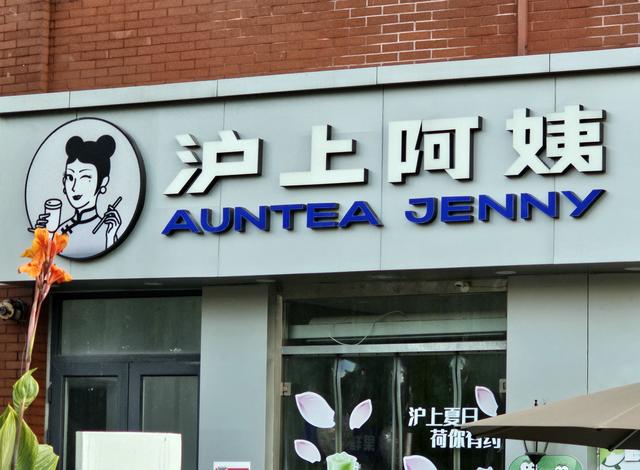
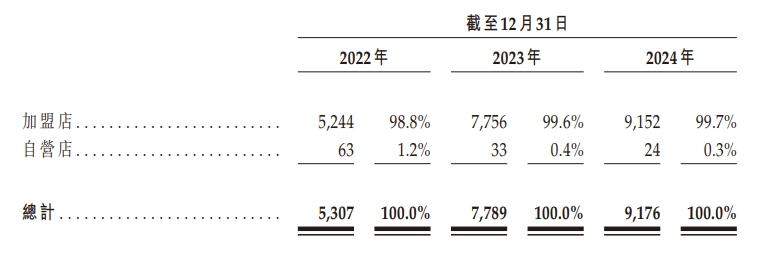
Core Viewpoint - The article discusses the successful IPO of "沪上阿姨" (Aunty Jenny), a tea beverage brand, highlighting its unique business model, growth strategy, and market positioning in the competitive tea drink industry in China [2][5]. Company Overview - "沪上阿姨" was founded in 2013 by a couple, 单卫钧 and 周蓉蓉, who previously worked at Amway China. The brand started in Shanghai but gained popularity in Shandong, where it has over 1,200 stores [3][7]. - The company has a total of 9,176 stores as of 2024, with over 50% located in third-tier and lower cities, making it the leading mid-priced tea beverage brand in northern China [3][4][18]. Financial Performance - In the previous year, "沪上阿姨" sold 600 million cups of tea, generating nearly 3.3 billion yuan in net profit from approximately 3.3 billion yuan in revenue [3][24]. - The company's revenue from 2022 to 2024 was reported as 2.199 billion yuan, 3.348 billion yuan, and 3.285 billion yuan, respectively, with a net profit of 149 million yuan, 388 million yuan, and 329 million yuan during the same period [24]. Market Positioning - "沪上阿姨" targets the mid-range market with prices ranging from 7 to 22 yuan, appealing to younger consumers, particularly those born in the 1990s and 2000s [16][23]. - The brand has undergone multiple transformations, including a shift from traditional grain-based tea to fresh fruit tea, aligning with current consumer preferences [14][19]. Expansion Strategy - The company has plans for aggressive expansion, aiming to open stores in over 200 cities, with a focus on third-tier cities where there is significant market potential [11][21]. - "沪上阿姨" has also introduced new product lines, including coffee and a budget-friendly version called "轻享版," to capture a broader market share [18][25]. Competitive Landscape - The tea beverage market in China is highly competitive, with "沪上阿姨" being the third mainland tea brand to go public in Hong Kong this year, following "蜜雪冰城" and "古茗" [22]. - The brand's growth strategy includes both domestic expansion and international exploration, although its overseas presence is currently limited compared to competitors [25].

茶饮上市潮涌,沪上阿姨登陆港股
Huan Qiu Wang Zi Xun· 2025-05-08 07:26
Group 1 - The new-style tea beverage industry is experiencing a listing boom, with six brands, including Hu Shang A Yi, successfully entering the capital market [1][3] - Hu Shang A Yi's stock price opened 68.49% higher on its first day, reaching HKD 190.6 per share, with a market capitalization of HKD 20 billion, and its public offering was oversubscribed by 3616.83 times, setting a record for new stock subscriptions in Hong Kong this year [1] - The company, founded in 2013, has expanded from "five-grain milk tea" to fresh fruit tea, with 9,176 stores across over 300 cities and a GMV of CNY 10.736 billion by the end of 2024 [1] Group 2 - The Chinese ready-to-drink tea market is projected to reach CNY 374.9 billion by 2025, with the 10-20 CNY price range experiencing the fastest growth [3] - 59.1% of consumers plan to maintain or increase their tea beverage consumption frequency, indicating a shift from "scale expansion" to "efficiency competition" in the industry [3] - The industry is facing intensified competition and slowing growth, with Hu Shang A Yi's revenue expected to decline slightly in 2024 and average single-store GMV decreasing [3][4] Group 3 - Analysts suggest that the new-style milk tea sector is entering a critical phase of consolidation and competition, with many leading companies accelerating their IPOs to strengthen their overall capabilities and financial resources [3][4] - Hu Shang A Yi primarily operates in northern China, where consumer spending power is relatively lower, posing challenges for sustainable development and future market performance [4] - Despite challenges, the new tea beverage industry is viewed as a high-potential sector, with listings like Hu Shang A Yi expected to drive industry integration and upgrades [4]
180亿,上海夫妻IPO敲钟了
投资界· 2025-05-08 03:50
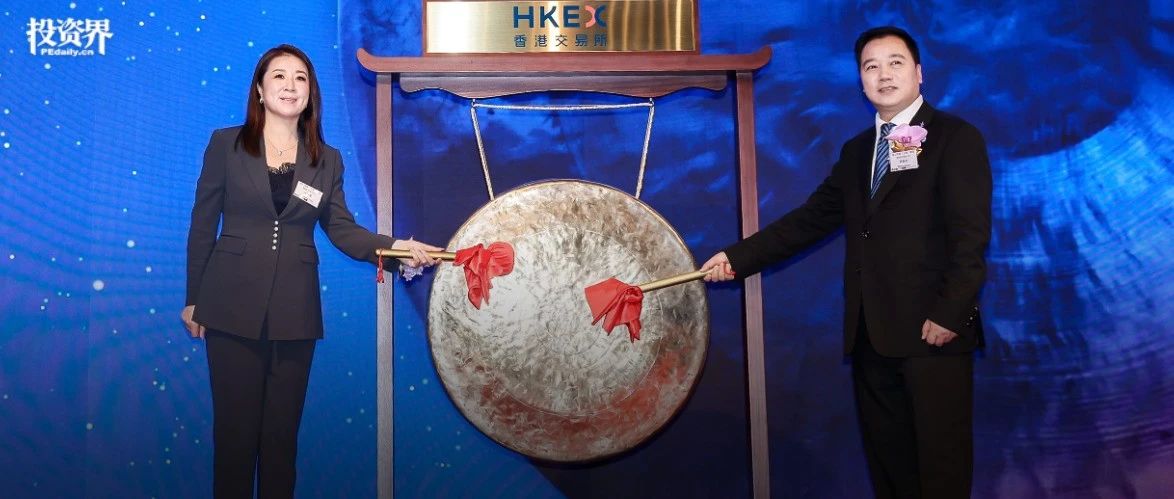
Core Viewpoint - The article highlights the successful IPO of "沪上阿姨" (Hushang Ayi) on the Hong Kong Stock Exchange, marking it as the fourth new tea beverage company to go public this year, amidst a booming market for tea drinks in China [3][13]. Company Overview - "沪上阿姨" was founded in 2013 by a couple who transitioned from corporate jobs to open a small tea shop in Shanghai, which quickly gained popularity due to its unique blood glutinous rice milk tea [5][7]. - The company has expanded significantly, with a network of 9,176 stores by the end of 2024, predominantly through a franchise model, with 99.7% of the stores operated by franchisees [9][10]. Financial Performance - The revenue for "沪上阿姨" has shown substantial growth, with figures of 2.2 billion RMB in 2022, 3.34 billion RMB in 2023, and projected 3.28 billion RMB in 2024. Adjusted profits were 154 million RMB, 416 million RMB, and 418 million RMB for the same years, respectively [10][11]. - The gross profit margins have improved from 26.7% in 2022 to 31.3% in 2024, indicating a positive trend in profitability [10][11]. Market Position - As of 2023, "沪上阿姨" holds a 4.6% market share in China's ready-to-drink tea market, ranking fifth among competitors, which include major players like "蜜雪冰城" (Mixue Ice Cream & Tea) and "古茗" (Guming) [10][12]. - The company has strategically focused on lower-tier cities for expansion, which has contributed to its competitive edge in the market [9][14]. IPO Details - The IPO was marked by a significant opening surge of 68%, with a market capitalization exceeding 190 billion HKD at one point, reflecting strong investor confidence in local tea brands [3][13]. - The final IPO pricing was set at 113.12 HKD per share, positioning it favorably compared to other tea companies listed in Hong Kong [14][18]. Industry Trends - The article notes a trend of increasing IPOs in the tea beverage sector, with several companies successfully listing on the Hong Kong Stock Exchange, indicating a robust market for consumer brands [15][16]. - The competitive landscape is intensifying, with established brands like "蜜雪冰城" leading the market, prompting newer entrants to innovate and capture consumer interest [12][18].
大涨!新式茶饮第六股来了,“狂欢”背后行业表现分化……
Zheng Quan Shi Bao· 2025-05-08 03:44
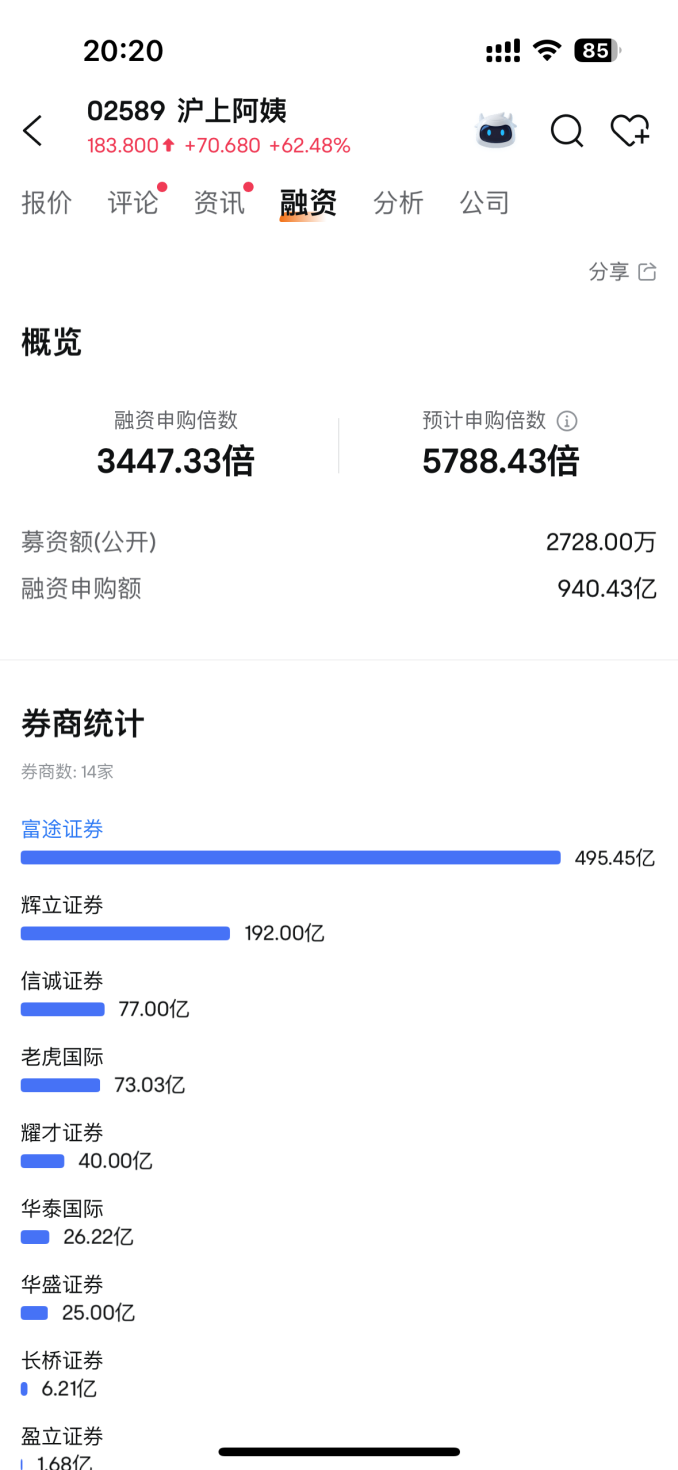
Core Viewpoint - The new-style tea beverage brands have been actively entering the capital market this year, with multiple listings leading to increased market interest and stock price appreciation for several brands [1][11]. Group 1: Market Performance - Six new-style tea brands have now listed on the capital market, including the recent listing of "沪上阿姨" on May 8, which saw its stock price surge over 54% [1][11]. - Prior to the listing of "蜜雪冰城" in March, the market was skeptical about new-style tea brands, but its successful debut has since boosted interest and stock prices for other brands like "古茗" and "沪上阿姨" [1][12]. - "沪上阿姨" experienced a significant pre-listing performance, with its dark market price increasing by over 60% and a subscription multiple of 3447.33 times, raising over 940 billion HKD [2][3]. Group 2: Company Expansion and Strategy - "沪上阿姨" has rapidly expanded its store network from 5,307 at the end of 2022 to a projected 9,176 by the end of 2024, primarily through a franchise model [6][8]. - The brand has strategically focused on lower-tier markets, achieving a strong market position among mid-priced tea beverage brands in these areas [9]. - The company has adapted its product offerings to meet consumer demand, transitioning from "五谷奶茶" to fresh fruit tea, which has been well-received [7][9]. Group 3: Financial Performance - "沪上阿姨" reported a slight revenue decline from 3.348 billion RMB in 2023 to 3.285 billion RMB in 2024, attributed to reduced franchise and self-operated store income [9]. - The adjusted profits for "沪上阿姨" were 154 million RMB in 2022, 416 million RMB in 2023, and 418 million RMB in 2024, with profit margins increasing from 7% to 12.7% over the same period [9]. Group 4: Industry Challenges - The competitive landscape for new-style tea brands is intense, with the total number of tea beverage stores in China reaching approximately 464,000 by the end of 2023 [18]. - The industry is facing challenges such as market saturation, declining average store GMV from 1.6 million RMB in 2023 to 1.4 million RMB in 2024, and a decrease in average transaction value [18]. - Companies like "喜茶" have recognized the unsustainable nature of current competition and are shifting strategies to focus on differentiation rather than price competition [19].
沪上阿姨碰上霸王茶姬,并非一场中式茶饮的黑白棋局
3 6 Ke· 2025-05-08 03:37
Core Insights - The new tea beverage industry is experiencing a resurgence in IPO activity following a brief period of calm after an initial wave of listings earlier in the year [1] - Bawang Chaji's successful debut on NASDAQ, with a first-day increase of 15.86% and a total market capitalization of $6 billion, marks a significant milestone for the new tea beverage sector [2] - The competitive landscape of the Chinese ready-to-drink tea market is intensifying, with a projected market size of 480 billion USD by 2025 globally and a compound annual growth rate (CAGR) of 21.7% in China from 2019 to 2024 [5] Industry Overview - The ready-to-drink tea market in China is expected to grow from 102.2 billion RMB in 2019 to 272.7 billion RMB in 2024, with a further increase to 426 billion RMB by 2028, indicating a robust growth trajectory [5] - The industry is segmented into three main categories: budget, mass-market, and premium tea beverages, each with distinct pricing strategies and target markets [5][6] - Budget tea brands typically price their products between 6-8 RMB, focusing on rapid expansion through a franchise model, while mass-market brands target the 10-20 RMB price range [5][6] Company Strategies - Bawang Chaji's entry into the U.S. market is a strategic move to tap into international growth opportunities amid increasing domestic competition and market saturation [6][7] - The company has opened its first store in North America in Los Angeles, with plans to expand its product offerings from four to fourteen items as it deepens its market presence [7] - The rapid expansion of Hu Shang A Yi, another tea brand, is characterized by a significant increase in store numbers, from 5,307 in 2022 to over 9,000 by the end of 2024, primarily through a franchise model [9][10] Financial Performance - Hu Shang A Yi's gross merchandise volume (GMV) surged from 60.68 billion RMB in 2022 to 97.32 billion RMB in 2023, reflecting a growth rate of 60.4% [9] - The company's revenue structure heavily relies on franchise operations, with franchise-related income accounting for 96.5% of total revenue in 2024 [13] - Despite rapid growth, Hu Shang A Yi faces challenges in supply chain management due to its reliance on third-party logistics, which may impact its operational efficiency [12][13] Market Dynamics - The stock performance of newly listed tea companies shows a divergence, with brands like Gu Ming and Mi Xue Bing Cheng experiencing significant increases in market value, while Hu Shang A Yi's future profitability remains uncertain due to its extensive franchise model [16] - The competitive landscape is evolving, with the potential for new entrants to disrupt the market dynamics, emphasizing the importance of strategic positioning and operational efficiency for sustained success [17]
一年买出107亿,门店近万家,上海最大茶饮IPO来了
3 6 Ke· 2025-05-08 03:37
Core Viewpoint - The company "沪上阿姨" has successfully listed on the Hong Kong Stock Exchange, achieving a significant market valuation and attracting substantial investor interest, reflecting the ongoing trend of new tea beverage companies entering the market [1][2]. Company Overview - "沪上阿姨" was founded by a couple, 单卫钧 and 周蓉, who transitioned from corporate jobs to entrepreneurship, inspired by a successful local tea shop [4]. - The first store opened in Shanghai in 2013, focusing on a unique blend of health-oriented ingredients with traditional tea [5]. Financial Performance - Revenue figures for "沪上阿姨" from 2022 to 2024 are as follows: 2.199 billion RMB, 3.348 billion RMB, and 3.285 billion RMB, respectively [6]. - The adjusted net profit for the same years was 154 million RMB, 416 million RMB, and 418 million RMB [6]. - The company's GMV (Gross Merchandise Volume) grew from 6.068 billion RMB in 2022 to 9.732 billion RMB in 2023, with a further increase to 10.736 billion RMB in 2024, marking a 60.4% increase in 2023 and a 10.3% increase in 2024 [7][9]. Market Position and Expansion Strategy - "沪上阿姨" has established itself as one of the fastest-growing brands in the Chinese tea beverage market, with a focus on expanding into lower-tier cities [7][12]. - As of 2024, the company operates 9,176 stores, with a significant presence in northern China and a strategy to penetrate third-tier and below cities [9][19]. - The company has a unique market positioning, with 51.4% of its stores located in northern regions, capitalizing on the local taste preferences [15][19]. Competitive Landscape - The tea beverage industry is experiencing intense competition, with "沪上阿姨" facing challenges such as declining average daily GMV per store, which fell from 4,109 RMB in 2022 to 3,833 RMB in 2024 [21]. - The market is shifting towards mid-priced tea beverages, which now account for 51.3% of the market share, indicating a growing segment for brands like "沪上阿姨" [21]. Future Outlook - The company plans to continue its expansion strategy, focusing on digital upgrades, product development, and strengthening its supply chain [1][23]. - "沪上阿姨" is also exploring opportunities in the coffee market with its "沪咖" brand, aiming to capture a broader consumer base [23].

大涨!新式茶饮第六股来了,“狂欢”背后行业表现分化……
证券时报· 2025-05-08 03:35
今年以来,新式茶饮品牌密集登陆资本市场。 继2月古茗、3月蜜雪集团赴港上市,4月霸王茶姬赴美上市之后,5月8日,港股市场迎来第5家上市茶饮品牌——沪上阿姨。加上此前已在美股上市的霸王茶姬,新 式茶饮品牌已有6家登陆资本市场。 尤其值得关注的是,在蜜雪冰城上市前,资本市场对新式茶饮品牌一直不太"感冒",甚至还一度萦绕着"破发魔咒"。但随着蜜雪冰城在今年3月正式登陆港股市场, 整个新式茶饮的热度持续拉升,古茗和蜜雪冰城股价不断上涨。 而沪上阿姨仍在持续这一热度,截至证券时报记者发稿,沪上阿姨大涨超54%。 昨晚暗盘即大涨超60% 沪上阿姨的这一市场表现并不让人意外。在沪上阿姨上市前夜,其暗盘涨幅就已超过60%,富途牛牛还显示,其融资申购倍数达到3447.33倍,融资申购额超过940 亿港元。 | 富途证券 | | | | | --- | --- | --- | --- | | | | | 495.45亿 | | 辉立证券 | | 192.00亿 | | | 信诚证券 | | | | | | 77.00亿 | | | | 老虎国际 | | | | | | 73.03亿 | | | | 耀才证券 | | | | | ...

沪上阿姨登陆港交所:高增长背后的隐忧与下沉市场的突围战
Xin Lang Zheng Quan· 2025-05-08 03:32
Core Viewpoint - Hu Shang A Yi officially listed on the Hong Kong Stock Exchange on May 8, 2025, becoming the sixth new tea beverage company to go public, following brands like Nayuki and Mi Xue Bing Cheng. The stock price surged significantly on its debut, reflecting strong market enthusiasm, but underlying financial data and competitive dynamics reveal multiple concerns regarding its high growth potential [1][6]. Group 1: Market Position and Growth Strategy - Hu Shang A Yi's core competitive advantage lies in its rapid penetration of lower-tier markets, with a total of 9,176 stores by the end of 2024, a 73% increase from 2022, and 50.4% of stores located in tier-three cities and below [2]. - The company differentiates itself from competitors like Mi Xue Bing Cheng by targeting the mid-range price segment (10-18 HKD), while the latter focuses on extreme low pricing (5-10 HKD) [2]. - The gross merchandise volume (GMV) growth in China's lower-tier market for ready-to-drink tea reached 20.9% in 2023, significantly outpacing the 12.5% growth in first-tier cities [2]. Group 2: Financial Performance and Risks - Despite an increase in overall GMV from 6.068 billion HKD in 2022 to 10.736 billion HKD in 2024, the average daily GMV per store declined from 1,917 HKD in 2023 to 1,717 HKD in 2024, indicating intensified competition and insufficient consumer spending power in lower-tier markets [4]. - The company's revenue for 2024 decreased by 1.9% to 3.285 billion HKD, with net profit dropping by 15.2% to 329 million HKD, highlighting vulnerabilities in profitability [4]. - 99.7% of Hu Shang A Yi's stores are franchise-operated, with a closure rate of 6% in the first half of 2024, exceeding the industry average of 4.5%, raising concerns about franchisee management and profitability [4]. Group 3: Product Diversification and Market Share - The company launched over 100 new products annually, including fresh fruit tea and coffee, and has expanded its brand portfolio with sub-brands like "Hu Coffee" and "Tea Waterfall" to tap into niche markets [3]. - In 2023, Hu Shang A Yi held a market share of only 4.6%, ranking fifth, trailing behind competitors like Mi Xue Bing Cheng (15.2%) and Gu Ming (8.7%) [5]. Group 4: Future Outlook and Strategic Initiatives - The company plans to allocate 25% of its IPO funds for digital upgrades, 20% for supply chain improvements, and 15% for store expansion, aiming to enhance operational efficiency and reduce costs [7]. - To navigate the competitive landscape, Hu Shang A Yi needs to strengthen its market presence in northern regions, expand its product offerings in line with consumer trends, and explore partnerships for differentiated marketing [7]. - The tea beverage industry is currently in a phase of stock competition, with a net closure of 17,800 tea shops nationwide in 2024, necessitating strategic adaptations for Hu Shang A Yi to maintain its market position [7].