荣耀

Search documents
报告称6月份荣耀换机留存率不足两成 品牌热度与NPS表现面临挑战
Xi Niu Cai Jing· 2025-10-20 12:37
近日,OPPO首席产品官刘作虎在其微博表示透露了一份QuestMobile数据公布的典型智能终端机品牌去向榜单。 值得注意的是,在这份数据中,在反映用户忠诚度的同品牌换机比例这一指标上,荣耀的同品牌用户留存比例表现不佳,仅为18.8%,低于部分安卓同行水 平。 其实用户留存率与品牌整体的市场热度存在关联。根据世研指数发布的2025年8月3C数码品牌热度榜,荣耀在众多品牌中的排名未进入前三,其综合热度值 为1.51,落后于苹果和小米等品牌。 另外荣耀在净推荐值(NPS)方面的表现也出现波动。IDC发布的2025年上半年中国智能终端消费市场NPS研究显示,荣耀消费平板的用户净推荐值出现小 幅下滑。分析认为,忠实用户群体对于品牌舆情、产品更新节奏以及活动的变化更为敏感,品牌内部的调整同样会在短期影响用户的推荐意愿。 据IDC公布的数据,荣耀的市场份额从2024年第一季度17.1%的行业领跑水平,进入2025年第一季度,直接跌出国内手机市场前五榜单。Counterpoint Research的报告进一步显示,2025年第二季度荣耀出货量同比下滑19%,市场份额较此前再缩水2.7个百分点,降至12.8%。在高端市场,差 ...


手机eSIM商用启动,推动物联网eSIM加速实施
3 6 Ke· 2025-10-20 10:40
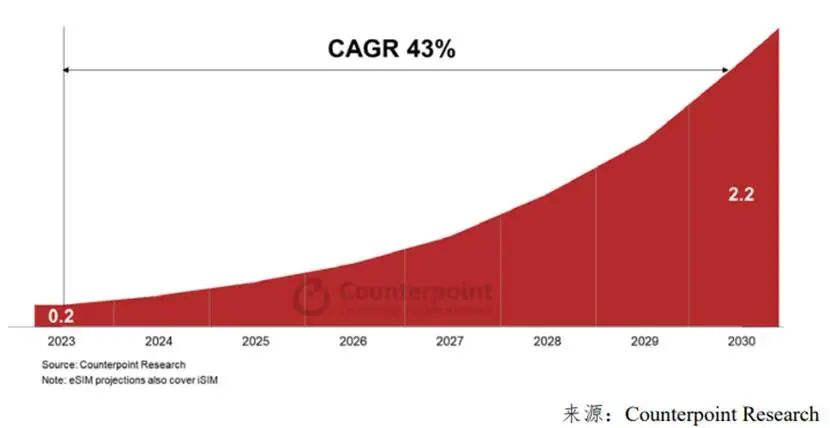
除手机外,蜂窝物联网也是eSIM应用的另一个主战场,而且是发展更为迅速的一个领域。目前,eSIM已广泛应用于 智能穿戴、智能表计、车联网、工业互联网等领域,为物联网各类场景网络接入提供便捷手段。从用户视角看,物联 网eSIM需求更强烈,对场景的支持更加明显。本次在对手机eSIM启动全面商用,支持eSIM整个产业链加速完善,客 观上也推动物联网eSIM进一步发展。 物联网eSIM对用户的价值明显 近期,针对eSIM的宣传较多,对于eSIM基本概念已有大量普及。eSIM作为蜂窝通信设备用户身份识别模块新的形 态,相对于实体Sim卡有多重显著优势,一个看得见的优势是支持取消卡槽,为各类终端节省出一定空间,为设备的 小型化设计、散热等带来实实在在的好处;另外,传统Sim卡依赖金属触点,在频繁震动、高温高湿、盐雾等恶劣场 景下,容易造成Sim卡接触不良或氧化,从而导致通信中断,而eSIM作为嵌入式的模组,在这方面可靠性大大提升。 除了这些显而易见的好处外,eSIM还有诸多隐形优势,节约供应链物流成本较为典型,因为无需实体Sim卡,可以大 大简化卡片的制作、包装、物流、库存等环节,节约相关厂商成本。用户也可以获得"无感" ...



“双十一”今晚开启小高潮,国补中签却比凑单还难?
3 6 Ke· 2025-10-20 09:54
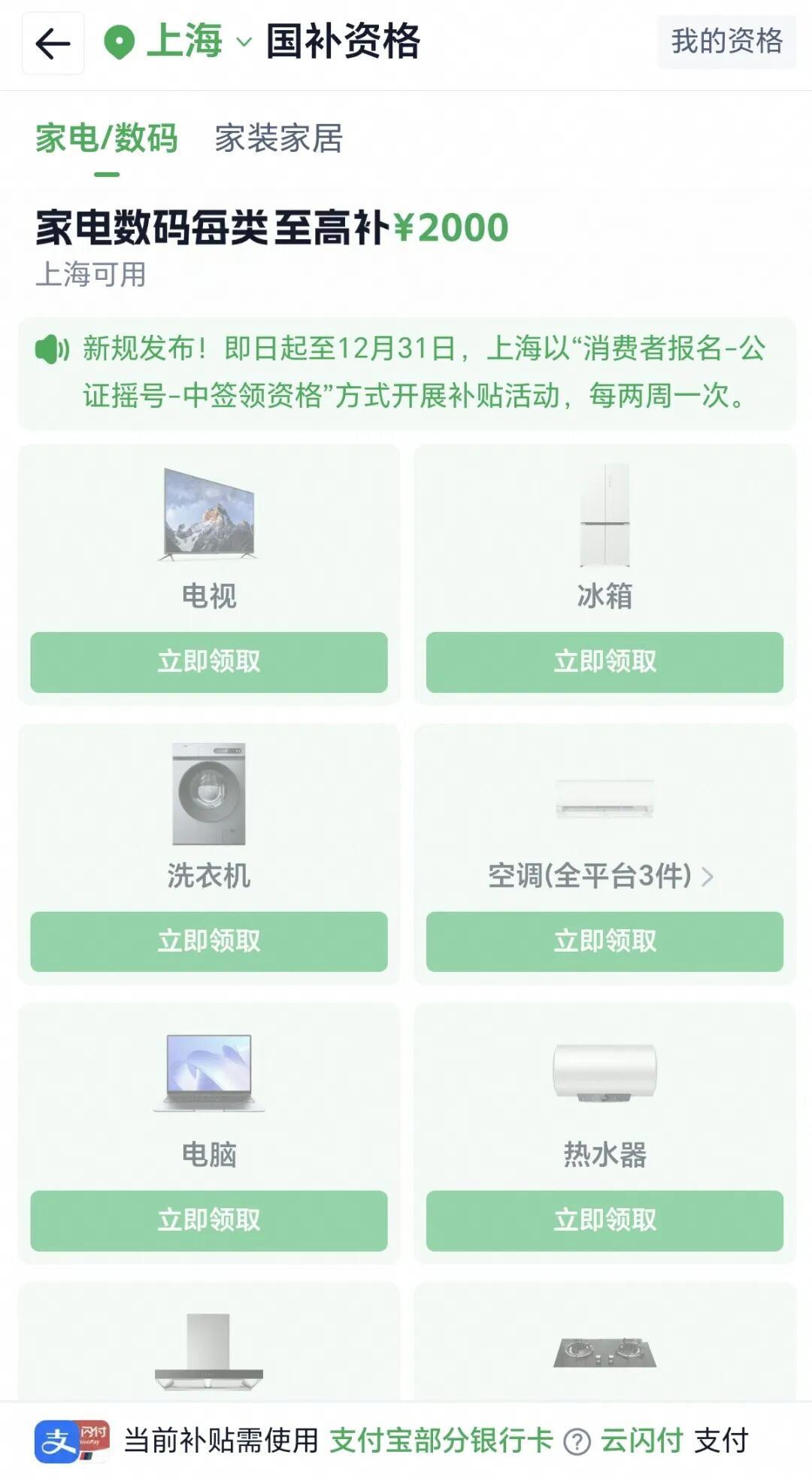
Core Insights - The "Double Eleven" shopping festival is experiencing a peak, with Tmall officially starting sales and JD.com launching a super subsidy day. However, the national subsidy application process is tightening, impacting consumer participation [1][5]. Group 1: National Subsidy Overview - The Chinese government has allocated a total of 300 billion yuan for subsidies in 2023, with 69 billion yuan released in October as part of the fourth batch [1]. - The subsidy application rate is approximately 10% to 15%, indicating a significant reduction in accessibility for consumers [1][15]. - The national subsidy program has expanded from eight categories to fifteen, including new categories such as microwaves and smart devices, which has stimulated market activity [3][4]. Group 2: Consumer Behavior and Market Impact - The national subsidy has a multiplier effect, with every 1 yuan in subsidies potentially generating 3.5 to 4 yuan in consumer spending [3]. - Sales in categories like automobiles and home appliances have exceeded 1.3 trillion yuan due to the subsidy program, with projections indicating further growth [3]. - Consumers are increasingly resorting to creative methods to access subsidies, such as using addresses in cities with available funds, highlighting the challenges faced in the current subsidy environment [4][15]. Group 3: Changes in Subsidy Distribution - The distribution of subsidies has shifted to a more stringent process, including lottery systems and limited allocations, to combat fraud and misuse [5][13]. - Different regions have adopted varying methods for subsidy distribution, with some requiring consumers to register for eligibility before making purchases [11][13]. - The low success rate in obtaining subsidies (around 10% in many areas) is affecting consumer purchasing decisions during major sales events [15].
急于IPO的荣耀,开始“邪修”
3 6 Ke· 2025-10-20 07:40
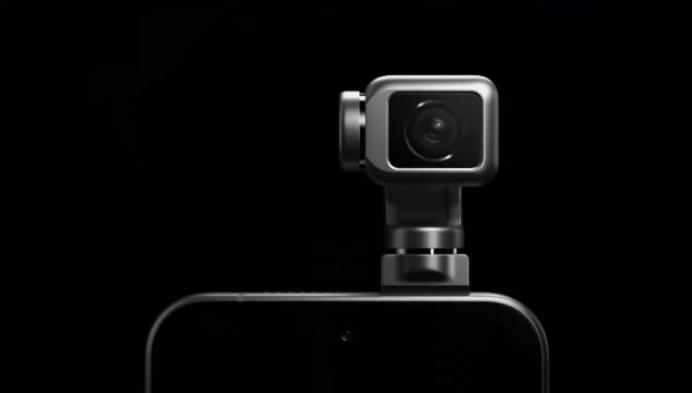
Core Viewpoint - The evolution of mobile phones has been significantly influenced by technological advancements, with Honor's new Robot Phone aiming to redefine the smartphone experience through AI integration and innovative design [1][2][4]. Group 1: Product Development and Strategy - Honor's CEO, Li Jian, announced the "Alpha Strategy," which involves a $10 billion investment over five years to focus on AI terminal ecosystem development, with the Robot Phone being the first product under this strategy [2][4]. - The Robot Phone combines a smartphone with an AI gimbal camera, featuring a unique design that contrasts with the trend of thinner devices, indicating a shift towards more interactive and multifunctional devices [5][9]. Group 2: Market Position and Challenges - Honor is under pressure to perform as it seeks to go public, having completed its listing guidance in June 2025, while facing a slowing global smartphone market and intensified domestic competition [4][22]. - Despite a slight recovery in market share, with a 14.4% share in Q3 2025, Honor's year-over-year shipment volume decreased by 2.1%, lagging behind competitors like Apple and Xiaomi [18][19]. Group 3: AI Integration and User Interaction - The Robot Phone's design aims to enhance user interaction through AI capabilities, allowing for features like automatic photo capturing and IoT integration, which could redefine user engagement with smartphones [5][10]. - Honor's AI technology, including the "Magic Model 3.0," promises improved performance metrics, such as a 25% increase in inference speed and a 25% reduction in power consumption, positioning it competitively against existing AI models [12][14]. Group 4: Data Security and Privacy Concerns - The integration of AI in smartphones raises significant data security and privacy concerns, particularly regarding the permissions required for AI functionalities, which may not be fully transparent to users [12][16]. - Reports indicate that AI-driven operations may require extensive user data, leading to potential risks if not managed properly, highlighting the need for Honor to ensure transparency and security in its AI applications [14][16]. Group 5: Future Outlook and Market Dynamics - Honor's transition from a smartphone company to an AI terminal ecosystem company reflects its strategy to adapt to market demands, but it faces challenges in gaining consumer acceptance for its innovative yet unconventional designs [17][23]. - The competitive landscape remains tough, with Honor's global market share estimated at 4%-5%, indicating a significant gap compared to leading brands like Samsung and Apple [20][21].
AI终端新王要诞生?科创人工智能ETF华夏(589010) 午后震荡走弱,算力与信创方向逆势活跃
Mei Ri Jing Ji Xin Wen· 2025-10-20 06:07
Group 1 - The core viewpoint of the news highlights the performance of the Sci-Tech Innovation Artificial Intelligence ETF (589010), which is experiencing a slight decline after an initial rise, indicating a mixed market sentiment in the AI sector [1] - The ETF reported a trading price of 1.377 yuan, up 0.66% from the previous close, but down from the opening price of 1.398 yuan, underperforming the Shanghai Sci-Tech AI Index which increased by 0.81% [1] - The trading volume reached 1.2 billion yuan, with a moderate turnover rate, suggesting sustained market activity [1] Group 2 - The report mentions that out of the 30 stocks held in the ETF, 20 stocks increased while 10 stocks decreased, with notable gainers including Youke De, Fudan Microelectronics, and Qi Anxin, while the biggest losers were Ying Shi Network and Hehe Information [1] - The report also notes a significant focus on the AI sector, with a continuous net inflow into the ETF over the past five days, indicating high market interest [1] - Additionally, a recent product launch by Honor introduced the Magic8 series, which emphasizes AI capabilities, performance metrics, and imaging capabilities, positioning itself strongly in the AI terminal market [1][2] Group 3 - According to Galaxy Securities, five key scenarios in AI are expected to expand over the next five years, transitioning from a "project-based" consumption model to a "subscription-based" model, which is anticipated to significantly increase consumption frequency [2] - The Sci-Tech Innovation Artificial Intelligence ETF closely tracks the Shanghai Sci-Tech Board AI Index, covering high-quality enterprises across the entire industry chain, benefiting from high R&D investment and policy support [2] - The ETF's 20% price fluctuation limit and the elasticity of small and medium-sized stocks are seen as advantageous for capturing the "singularity moment" in the AI industry [2]
荣耀的“自进化”新局:中国叙事争夺全球话语权
阿尔法工场研究院· 2025-10-20 04:34
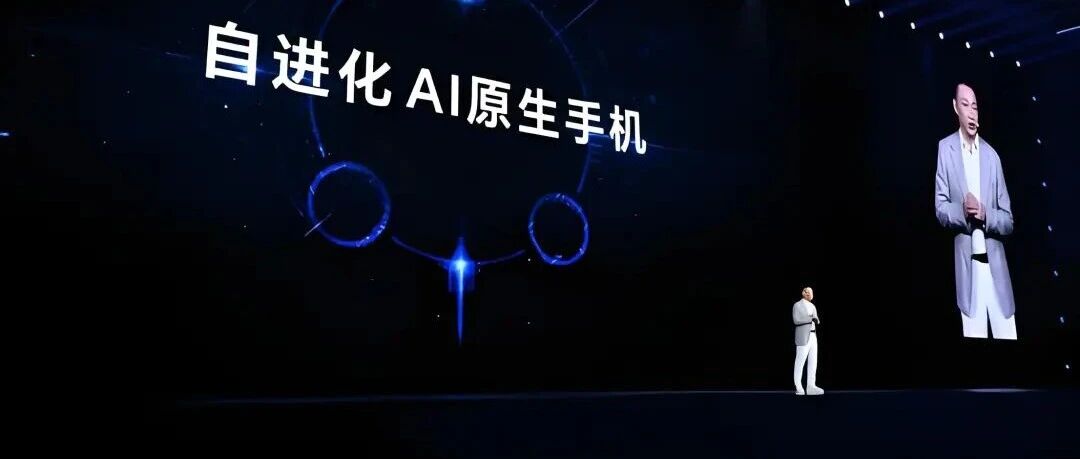
Core Viewpoint - The article emphasizes that the competition in the smartphone industry is shifting from hardware specifications to creating devices that can learn and evolve with user needs, termed as "self-evolving smartphones" [1][3]. Industry Challenges - The global smart terminal industry is facing a dilemma characterized by three interrelated issues: 1. A "parameter spiral" where manufacturers blindly compete on NPU computing power and model parameters without significantly enhancing user experience [5]. 2. A "functional homogeneity" that leads to innovation bottlenecks, with AI features becoming similar across devices, failing to transform user interaction [5]. 3. A "path dependency" that reflects strategic shortsightedness, with many manufacturers overly relying on cloud AI solutions, resulting in a lack of differentiation in user experience [6]. Honor's Strategy - Honor's "Alpha Strategy" aims to redefine the rules of competition by focusing on local intelligence in smartphones, moving away from the reliance on hardware specifications and cloud AI [6][8]. - The essence of this strategy is to shift the competitive focus from initial hardware performance to the device's ability to grow and adapt to user needs over time [8]. Technological Advantages - Honor's "self-evolution" concept is not just a marketing slogan but a comprehensive system that integrates technology, software, and hardware, creating a significant competitive edge [9]. - The intelligent assistant YOYO is central to this strategy, evolving from a mere executor of commands to a "digital partner" that understands and anticipates user needs [10][12]. Ecosystem Development - Honor is building an "intelligent ecosystem" through its MCP architecture and by opening its multi-modal large model MagicGUI to global developers, fostering a collaborative environment [16]. - The "Honor Boundless Intelligence Connection" initiative aims to break down barriers between different brands and systems, allowing seamless data and service flow across devices [18]. Future Outlook - The introduction of the ROBOT PHONE signifies Honor's ambition to extend intelligence beyond smartphones, creating devices that can physically interact with the world [20][22]. - Honor's approach emphasizes local intelligence, ensuring user privacy and low-latency responses, which aligns with global demands for data security and personalized experiences [23]. - This shift positions Honor as a potential rule-maker in the global smart terminal industry, moving from a follower to a leader in defining the future of intelligent technology [24][27].
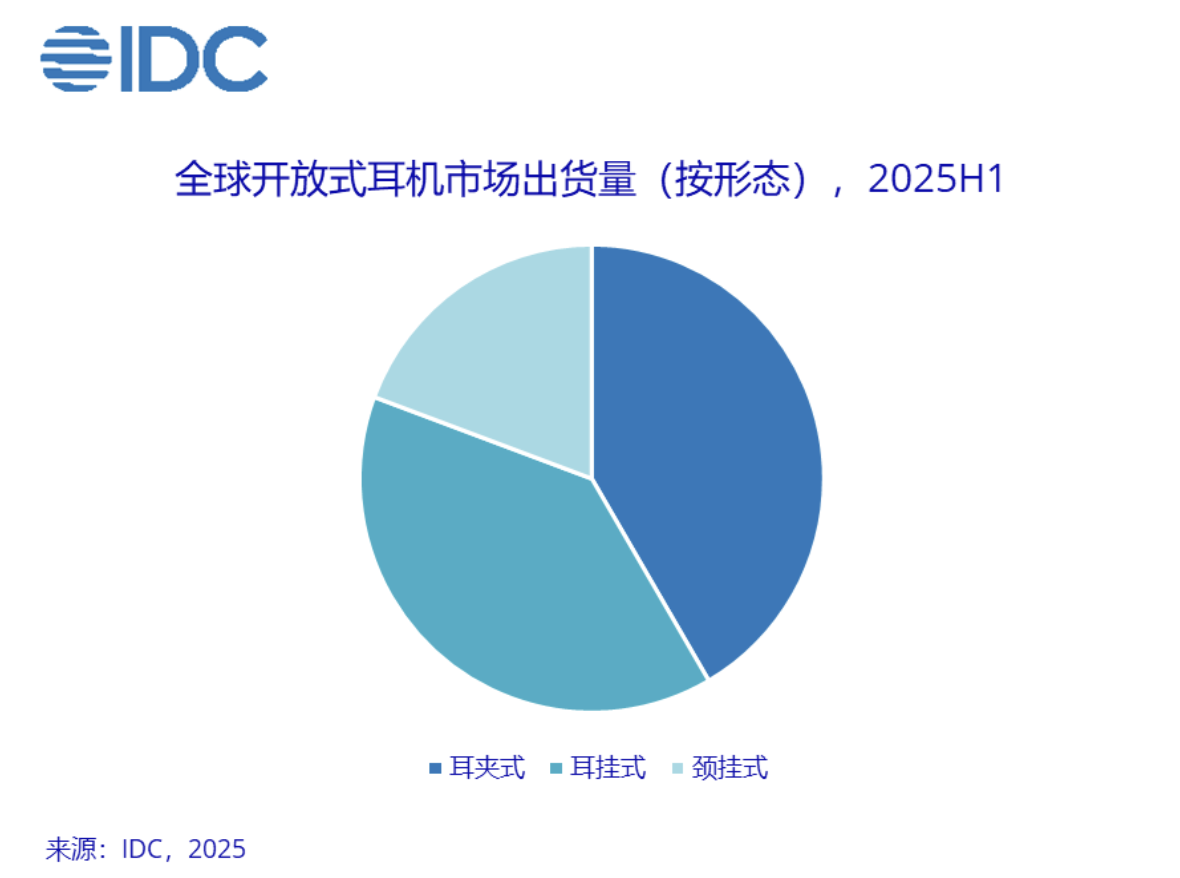
耳夹耳机增速是行业五倍
Jing Ji Guan Cha Wang· 2025-10-20 02:57
Core Insights - The ear clip market is projected to see a 41% year-on-year increase in shipment volume, reaching 6.51 million units in the first half of 2025, marking it as a new growth engine for the industry [1] - Huawei's FreeClip2 ear clip headphones achieved over 80,000 units in pre-sales within the first hour, showcasing its appeal as a "phenomenal hit" through innovative aesthetics and acoustic technology [1] - The product is set to officially launch on October 20, integrating chip technology and acoustic algorithms to provide a clear listening experience across various scenarios, shifting the industry focus from "parameter competition" to "experience competition" [1] Market Share - Edifier holds a market share of 21.0% - Sony accounts for 13.0% - Bose has a share of 8.8% - Philips represents 3.8% - OPPO has a market share of 2.9% - Shokz (韶音) holds 2.3% - Sena (塞那) and Honor (荣耀) each have shares of 1.3% and 1.2% respectively - Other brands collectively account for 1.6% [4]
消电ETF(561310)盘中涨超3%,消费电子3D打印与AI需求共振
Mei Ri Jing Ji Xin Wen· 2025-10-20 02:47
Core Insights - The consumer electronics ETF (561310) rose over 3% in early trading on October 20, indicating positive market sentiment towards the sector [1] - The successful application of folding machine hinges by Honor and OPPO, along with increased investment from Apple, is accelerating the penetration of 3D printing in the consumer electronics field, suggesting a potential new era for 3D printing applications [1] - AI demand continues to exceed expectations, with TSMC emphasizing tight capacity and expansion plans for Cowos extending to 2026, indicating a significant increase in value across servers, chips, and storage due to the AI wave [1] Industry Trends - Counterpoint Research forecasts a 50% year-on-year increase in global AR smart glasses shipments in the first half of 2025, highlighting the growing importance of edge AI in devices like headphones and glasses [1] - Samsung Electronics is benefiting from a recovery in demand for memory chips, reporting over a 30% increase in operating profit for the third quarter, while upstream sectors such as passive components and testing are also showing signs of recovery [1] ETF and Index Overview - The consumer electronics ETF (561310) tracks the consumer electronics index (931494), which includes publicly traded companies involved in the manufacturing and sales of smartphones, home appliances, and wearable devices, reflecting the overall performance of the tech consumer sector [1] - The index is characterized by high growth potential and volatility, effectively capturing market dynamics within the consumer electronics industry [1]
iPhone 17引爆Deco设计潮,手机设计为何狂卷「辨识度」?
3 6 Ke· 2025-10-20 01:26
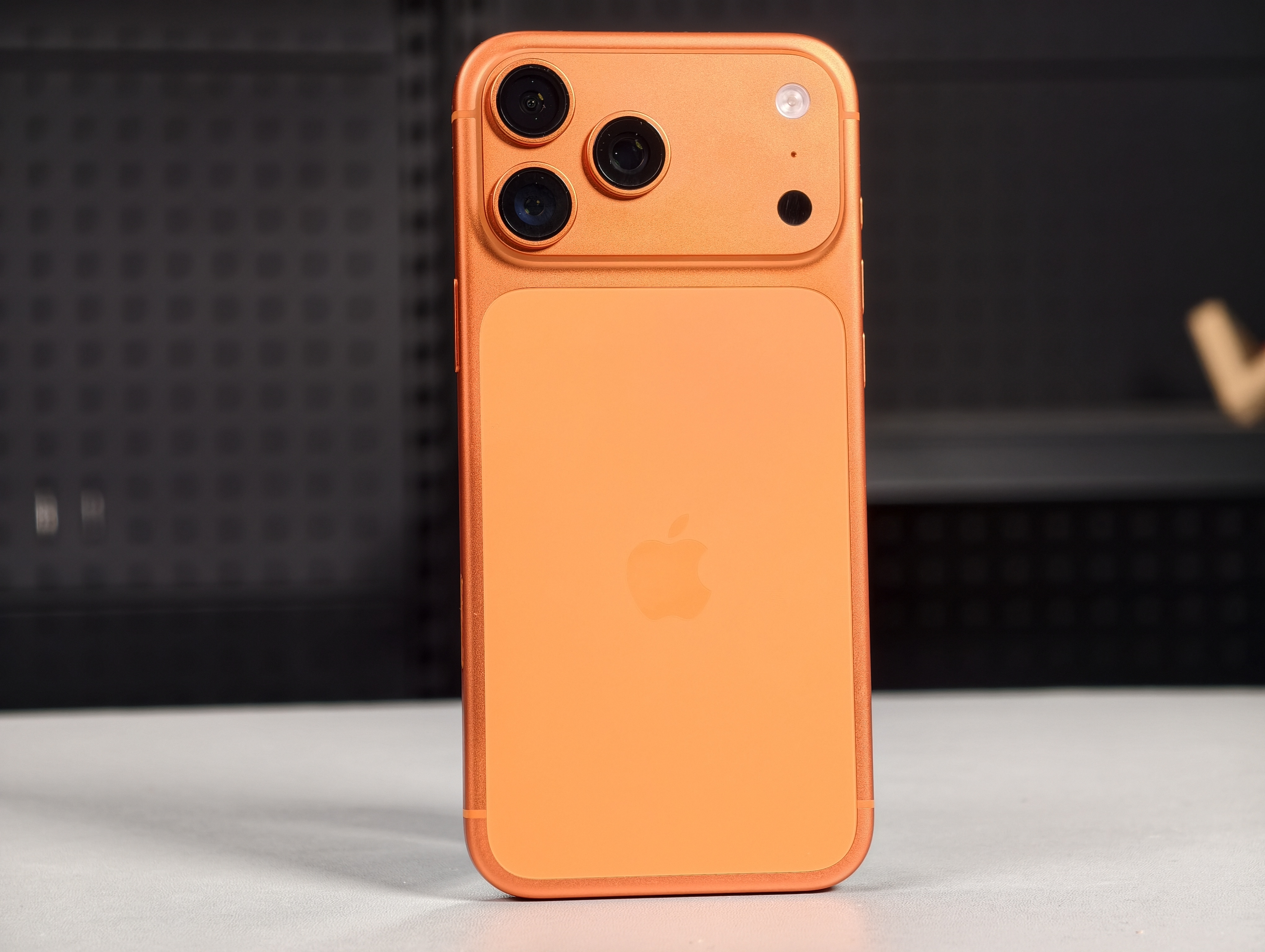
Core Viewpoint - Recent smartphone manufacturers, including Apple and Xiaomi, have shifted focus from aesthetic design to high recognition in their products, as evidenced by their new camera Deco designs, which prioritize distinctiveness over traditional beauty [1][12][22]. Design Changes - Apple and Xiaomi have both adopted a long strip camera Deco design, moving away from their previous design identities, which has not negatively impacted their sales but rather attracted new users [1][4]. - The iPhone 17 series features a horizontal Deco that enhances visual recognition, while Xiaomi's 17 series includes a back screen that serves multiple functions, such as displaying notifications and enabling selfies [1][6][4]. Sales Performance - The iPhone 17 series saw a 30% increase in sales compared to its predecessor in its first week, with over 4 million units activated in China by October 12, indicating a potential resurgence in Apple's market position [4][6]. - Xiaomi's 17 series has a different sales distribution, with the higher-priced Pro Max version accounting for 50% of sales, showcasing strong market acceptance of the new back screen feature [6][4]. Market Trends - The trend of prioritizing recognition over aesthetics is evident across various brands, including Realme and OPPO, which have also made significant design changes to enhance product differentiation [11][12]. - The smartphone industry is experiencing severe homogenization, leading manufacturers to innovate through design changes rather than solely focusing on technical specifications [14][22]. Consumer Preferences - Consumers are increasingly drawn to smartphones that are easily recognizable and address practical needs, rather than those that are merely visually appealing [23][22]. - The introduction of unique features, such as Xiaomi's back screen and Realme's interchangeable camera modules, reflects a shift towards meeting individual user preferences and cultural trends [6][9][22]. Future Innovations - The upcoming Honor ROBOT PHONE introduces a foldable gimbal camera and advanced AI capabilities, suggesting a potential new direction for smartphone innovation that combines mechanical design with AI [18][22]. - The industry may benefit from exploring new forms and functionalities, moving beyond traditional designs to create products that resonate with users on a deeper level [22][23].


国内eSIM手机商用破冰 运营商加速迈向“无卡”时代
Zheng Quan Shi Bao· 2025-10-19 22:24
Core Insights - The introduction of eSIM technology marks a significant shift towards a "cardless" era in mobile communication, with eSIMs expected to gradually replace physical SIM cards in the long term [1][4][7] Industry Overview - eSIM technology allows for flexible network switching, space-saving in devices, and seamless connectivity across multiple devices and scenarios, indicating a trend towards "cardless" solutions [1][2] - The global market for eSIM-enabled smartphones is projected to reach approximately 1 billion connections by the end of 2025, with an expected growth to 7 billion by 2030, representing three-quarters of total smartphone connections [4] Market Dynamics - Major Chinese telecom operators have recently received approval to launch eSIM services for mobile phones, marking a significant milestone in the domestic market after a two-year pause [3][4] - The shift to eSIM is expected to enhance device waterproofing, internal space utilization, and battery optimization, thus driving innovation in high-end smartphone models [6][10] Competitive Landscape - The entry of eSIM technology into the Chinese smartphone market is seen as a catalyst for global eSIM development, with Apple leading the charge by launching eSIM-only devices [4][5] - Other smartphone manufacturers, including OPPO and vivo, are also preparing to release eSIM-compatible devices, indicating a rapid market response [4][5] Challenges and Considerations - The transition to eSIM technology faces challenges such as security concerns, consumer awareness, and the need for standardized interoperability among different operators [9][10] - The shift from physical SIM cards to eSIMs is expected to increase competition among telecom operators, as users will have greater flexibility to switch providers, potentially impacting traditional revenue models [10][11]