奈雪的茶

Search documents
被传港股IPO 霸王茶姬:暂无计划
Mei Ri Jing Ji Xin Wen· 2026-01-08 14:05
每经记者|王帆 范芊芊 每经编辑|王帆 1月8日,有市场传闻称霸王茶姬将在港股二次上市。对此,公司回应《每日经济新闻》记者称:"暂无 此计划。"目前,新茶饮企业在港股市场十分热闹,上市公司包括蜜雪冰城、古茗、奈雪的茶、沪上阿 姨等。 2025年4月,霸王茶姬已在美国纳斯达克上市。截至2025年9月末,霸王茶姬全球门店数达到7338家, 第三季度总GMV达79.30亿元,净收入32.08亿元。 ...
茉酸奶收购酸奶罐罐,成为行业“新发展”缩影
Mei Ri Jing Ji Xin Wen· 2026-01-08 13:48
Group 1 - The acquisition of the yogurt brand "酸奶罐罐" by "茉酸奶" reflects the ongoing capital restructuring in the ready-to-drink tea and coffee industry, as the market transitions from high growth to a phase of stock competition [1] - In 2025, key events in the tea and coffee market included several brands going public and the rise of instant retail platforms, which significantly impacted sales but also created challenges for franchisees [1][3] - The market size of the new-style tea market reached 374.93 billion yuan in 2025, growing by 5.7% year-on-year, indicating a slowdown compared to previous years [7] Group 2 - The intense subsidy war initiated by instant retail platforms led to a significant increase in transaction volume but a decrease in average order value, with tea and coffee market consumption growing by 39.2% and 42.6% respectively, while average prices fell by 16.3% and 10.7% [3] - Franchisees are becoming more cautious in their investments, focusing on prime locations, cost control, and partnering with leading brands, as the market becomes increasingly competitive [7][8] - The trend of product homogenization continues, with fewer collaborations between brands and IPs, indicating a need for differentiation and stability in supply chains [8][10]

徒手拌奶茶、高含咖啡因,霸王茶姬真让人上头
美股研究社· 2026-01-08 11:27
Core Viewpoint - The incident involving a staff member of Bawang Chaji preparing tea in an unsanitary manner has raised significant concerns about food safety and brand trust, highlighting the challenges the company faces in balancing rapid expansion with maintaining hygiene standards and profitability [5][6][7]. Summary by Sections Incident Overview - A viral video showed a Bawang Chaji employee preparing tea without gloves, leading to public outrage and a trust crisis for the brand [5][11]. - The company quickly announced measures, including the indefinite closure of the involved store and the dismissal of the employee, attempting to distance itself from the incident [13]. Brand Positioning and Challenges - Bawang Chaji, positioned as a "new Chinese-style fresh milk tea" brand, has expanded rapidly from Yunnan to nationwide, but faces declining single-store GMV and frequent franchise disputes [7][26]. - The brand's rapid expansion has resulted in high store density, leading to intense competition in key markets like Beijing and Chengdu [24]. Financial Performance - Despite a significant increase in the number of stores, Bawang Chaji's total GMV decreased from approximately 83.01 billion yuan in 2024 to 79.3 billion yuan in 2025, indicating a decline of 3.71 billion yuan [26]. - The average monthly GMV per store has also been on a downward trend, dropping from 57.4 million yuan to 37.85 million yuan over several quarters [26]. Food Safety and Management Issues - The company has faced multiple food safety complaints, including a recent incident where a customer found plastic in their drink, raising questions about the effectiveness of its food safety management [20][21]. - Bawang Chaji's franchise model, which requires significant investment from franchisees, has led to concerns about the adequacy of training and oversight for food safety practices [27]. Industry Context - While Bawang Chaji has aggressively expanded, other leading tea brands like Heytea and Nayuki have slowed their growth, indicating a potential shift in industry dynamics [28]. - The essence of the new tea beverage industry is service, and maintaining food safety is crucial for long-term brand success, emphasizing the need for a balance between expansion and quality control [29].


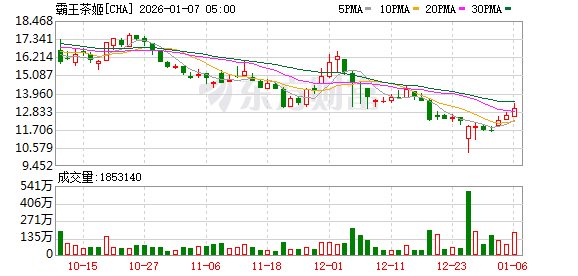
霸王茶姬回应赴港上市传闻,美股上市至今股价已跌近五成
Sou Hu Cai Jing· 2026-01-08 07:33
Core Viewpoint - The Chinese tea beverage chain BaWang ChaJi is considering an IPO in Hong Kong, with potential fundraising amounting to several hundred million dollars, although the plan is still under discussion and may not proceed [2] Group 1: Company Overview - BaWang ChaJi was founded by Zhang Junjie in June 2017 in Kunming and has since opened over 7,000 stores globally, with registered members exceeding 200 million [2] - The company went public on NASDAQ in April 2025, making it the first Chinese new tea beverage brand to list on the US stock market [3] Group 2: Financial Performance - For Q3 2025, BaWang ChaJi reported a net revenue of 3.208 billion yuan, a year-on-year decline of 9.4%, and a net profit attributable to shareholders of 394 million yuan, down 35.8% [3] - The net profit margin for Q3 was 12.4%, compared to 18.3% in the same period last year, while the operating profit margin was 14.2%, down from 22.4% [3] - For the first three quarters of 2025, the company achieved a net revenue of 9.933 billion yuan, a year-on-year increase of 9.5%, but the net profit attributable to shareholders fell by 37.6% [3] Group 3: Market Challenges - Despite ongoing store expansion, BaWang ChaJi faces pressure on same-store sales, which declined by 27.9% domestically and 23.4% internationally, primarily due to high base effects from the previous year and intensified competition [4] - The company maintains a low store closure rate, indicating a stable franchisee base, but anticipates continued pressure on same-store GMV growth in the short term [4] Group 4: Strategic Outlook - The CFO highlighted that the strategic focus will be on driving long-term sustainable value for shareholders, emphasizing product innovation and strategic brand investments to enhance market share [4]
霸王茶姬回应:暂无计划赴港上市
新华网财经· 2026-01-08 07:21
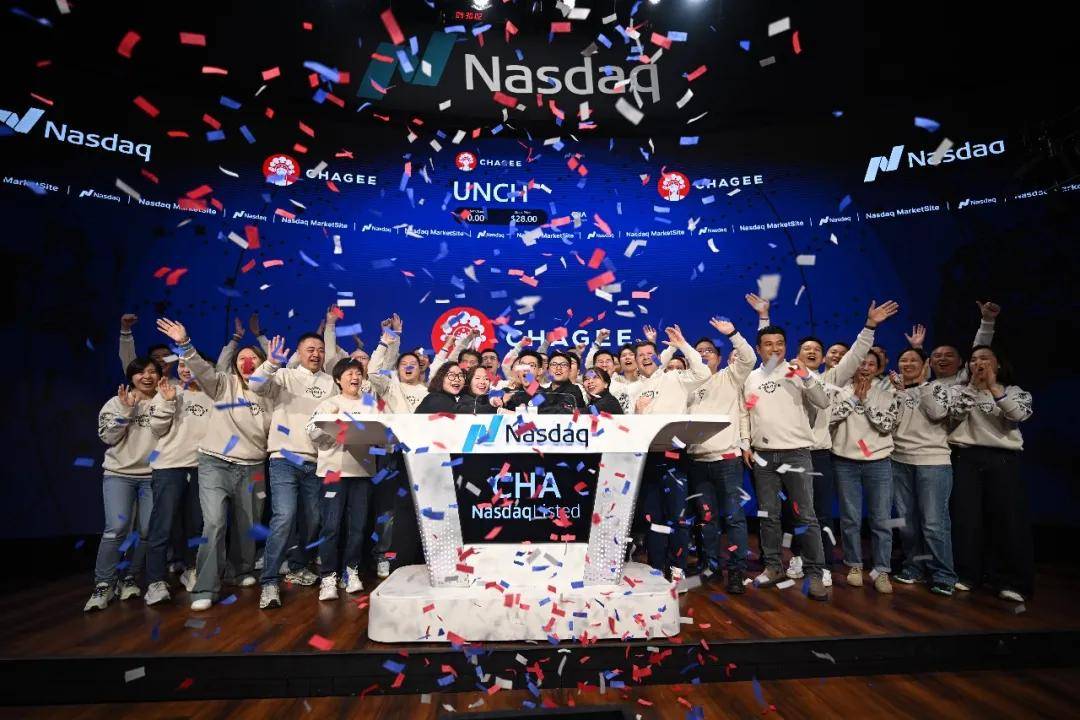
Core Viewpoint - The Chinese tea beverage brand Bawang Chaji is reportedly considering a secondary listing in Hong Kong, with preliminary discussions with investment banks indicating a potential fundraising of several hundred million dollars, although the plan may not proceed and requires regulatory approval [1]. Group 1 - Bawang Chaji has responded to rumors of a Hong Kong listing, stating that there are currently no plans for such an action [2]. - The brand was founded by Zhang Junjie in June 2017 and has since opened over 7,000 stores globally, with registered members exceeding 200 million [2]. - Bawang Chaji became the first Chinese new tea beverage brand to list on NASDAQ in April 2025, with Zhang Junjie making his debut on the Hurun Rich List at the age of 30, with a wealth of 13.5 billion yuan [2]. Group 2 - The tea beverage market has become increasingly competitive, with several companies such as Hushang Ahyi, Mixue Group, Guming, Chabaidao, and Nayuki Tea having successfully listed in Hong Kong [2]. - Unlike other tea brands that have gone public in Hong Kong, Bawang Chaji's unique position as the first to enter the US stock market highlights its pioneering status in the industry [2].
霸王茶姬否认赴港上市传闻:暂无相关计划
Jin Rong Jie· 2026-01-08 07:06
近日,有市场消息称中国新茶饮品牌霸王茶姬正考虑在香港进行二次上市。该公司已就此事与多家投资 银行展开初步沟通,潜在融资金额或达数亿美元,相关讨论仍在进行中,最终方案尚需获得监管机构批 准。 针对上述传闻,霸王茶姬方面已明确回应,表示目前暂无相关计划。 霸王茶姬于2017年在昆明创立,2025年4月成功登陆美国纳斯达克,成为首个在美股上市的中国新茶饮 品牌。根据公开信息,截至2025年底,该品牌在全球已开设超过7000家门店,注册会员数量突破2亿。 其创始人张俊杰在2025年发布的《胡润百富榜》中以135亿元财富首次上榜,成为该榜单最年轻的"黑 马"。 近期,新茶饮行业赴港上市热度不减,包括沪上阿姨、蜜雪集团、古茗、茶百道、奈雪的茶在内的多家 品牌已陆续在港交所挂牌。与此同时,霸王茶姬在2025年第三季度的财务表现面临一定压力。财报数据 显示,公司当季净收入为32.08亿元,同比下滑9.4%;归母净利润为3.94亿元,同比下滑35.8%。公司首 席财务官黄鸿飞在财报电话会上指出,尽管门店持续扩张,但现有门店GMV面临压力,国内和海外同 店销售额均出现同比下滑,主要受去年同期高基数及行业竞争加剧影响。 声明:市场 ...
霸王茶姬考虑在香港上市?公司回应
Di Yi Cai Jing Zi Xun· 2026-01-08 06:33
Core Viewpoint - The Chinese tea beverage brand, Bawang Chaji, is reportedly considering a secondary listing in Hong Kong, with preliminary discussions with investment banks indicating a potential fundraising of several hundred million dollars, although the company has stated there are no current plans for such a listing [1]. Company Overview - Bawang Chaji was founded by Zhang Junjie in June 2017 in Kunming and has since opened over 7,000 stores globally, with registered membership exceeding 200 million [1]. - Zhang Junjie, who entered the milk tea industry at the age of 17, became the youngest "dark horse" on the 2025 Hurun Rich List with a wealth of 13.5 billion yuan [1]. Market Context - The competition in the tea beverage market has intensified, with several companies such as Hushang Ah Yi, Mixue Group, Guming, Chabaidao, and Nayuki Tea having successfully listed in Hong Kong [1]. - Bawang Chaji is notable for being the first Chinese new tea beverage brand to list on the NASDAQ [1].
霸王茶姬考虑在香港上市?公司回应
第一财经· 2026-01-08 06:27
Core Viewpoint - The Chinese tea beverage brand Bawang Chaji is reportedly considering a secondary listing in Hong Kong, with preliminary discussions with investment banks indicating a potential fundraising of several hundred million dollars, although the plan may not proceed and requires regulatory approval [1]. Company Overview - Bawang Chaji was founded by Zhang Junjie in June 2017 in Kunming and has since opened over 7,000 stores globally, with registered members exceeding 200 million [2]. - Zhang Junjie, who entered the milk tea industry at the age of 17, became the youngest individual on the 2025 Hurun Rich List with a wealth of 13.5 billion yuan [2]. Market Competition - The tea beverage market has become increasingly competitive, with several companies such as Heytea, Mixue Group, Guming, Cha Baidao, and Nayuki having successfully listed in Hong Kong [2]. - Unlike other tea brands that have gone public in Hong Kong, Bawang Chaji is the first Chinese new tea beverage brand to list on the NASDAQ [2].
当面包开始“奶茶化”
3 6 Ke· 2026-01-08 04:17
Core Insights - The trend of "milk tea-ification" in the baking industry reflects a shift towards incorporating popular milk tea ingredients like taro and glutinous rice into baked goods, appealing to younger consumers [2][3][5] - This trend is not merely a superficial addition of ingredients but represents a deeper strategy to attract young consumers by merging the successful elements of milk tea with traditional baked products [2][12] Industry Trends - The baking industry is experiencing a significant transformation, with products now featuring a variety of ingredients that were previously exclusive to milk tea, such as taro and glutinous rice, becoming central to baked goods [3][5][7] - The introduction of diverse fillings in baked products, such as cheese, cream, and various sweet and savory ingredients, is becoming a key selling point, with consumers increasingly favoring items that are rich in fillings [8][11] Consumer Behavior - Despite a general trend of consumption downgrade, consumers are willing to spend more on innovative and high-quality baked goods, indicating a shift in spending habits towards frequent, enjoyable food experiences [20][22] - The rise in prices for popular baked items, such as bagels and ciabatta, reflects a willingness among consumers to pay for perceived value and quality, with average prices increasing significantly [20][24] Product Innovation - The concept of "doing addition" in product development is prevalent, where traditional baked goods are enhanced with unexpected ingredients, creating new flavor profiles and experiences for consumers [12][14][17] - Localized adaptations of products, such as ciabatta incorporating regional flavors, demonstrate the industry's responsiveness to consumer preferences and the desire for unique culinary experiences [14][17] Market Dynamics - The baking sector is witnessing a rise in average customer spending, driven by a growing demand for quality and health-conscious products, with an annual growth rate of 8% to 10% in customer spending on baked goods [24][26] - The phenomenon of "milk tea-ification" is reshaping consumer perceptions of baked goods, leading to a broader acceptance of innovative and cross-category products in the food market [19][26]
霸王茶姬“手打奶茶”固废预警,新茶饮遇ESG挑战
2 1 Shi Ji Jing Ji Bao Dao· 2026-01-07 12:20
Core Viewpoint - The new tea beverage industry is facing significant challenges regarding waste management and ESG (Environmental, Social, and Governance) compliance, highlighted by a recent incident involving improper handling of waste materials at a store, which raises food safety concerns [2][8]. Group 1: ESG Reporting and Waste Management - The incident at Bawang Tea Ji occurred shortly after the company released its first ESG report, which promised compliance in waste disposal but lacked specific data [2]. - Waste management is a critical topic in ESG disclosures, with the Chinese government emphasizing solid waste management in its recent action plans [2][6]. - Despite over 3,000 new tea brands in China, only a few leading companies have published ESG reports, indicating a lack of transparency in the industry [2][6]. Group 2: Disclosure Standards and Challenges - There is a lack of unified standards for waste and packaging material disclosures among new tea beverage companies, leading to inconsistencies in data reporting [3][6]. - Among six major new tea brands, only two (Hushang Ayi and Bawang Tea Ji) did not disclose quantitative data on waste and packaging materials, while others like Nayuki Tea and Mixue Ice City provided detailed disclosures [3][4]. - The reporting practices often lack specific tracking data and quantifiable results, making it difficult to assess the effectiveness of environmental initiatives [6]. Group 3: Waste Types and Management Issues - The solid waste generated by new tea beverage companies primarily includes food and beverage material residues and packaging materials, which pose food safety risks if not handled properly [10][11]. - The unique characteristics of waste from the tea beverage industry complicate recycling efforts, as the materials used are often low-value and less appealing for recyclers [7][11]. - The franchise model of many new tea brands complicates waste management, as effective oversight and compliance at individual franchise locations are challenging [8][9]. Group 4: Recommendations for Improvement - Experts suggest that new tea companies should focus on reducing waste at the source, encouraging customers to use reusable cups, and improving waste sorting practices at stores [7][10]. - There is a need for better classification and management of waste materials, particularly in regions with strict regulations [11]. - Companies should establish clear guidelines for waste disposal and recycling to enhance compliance with environmental regulations and improve overall sustainability [10][11].