
OPPO

Search documents
vivo重返第一、华为苹果争第二,OPPO荣耀危险了?
凤凰网财经· 2025-10-17 12:58
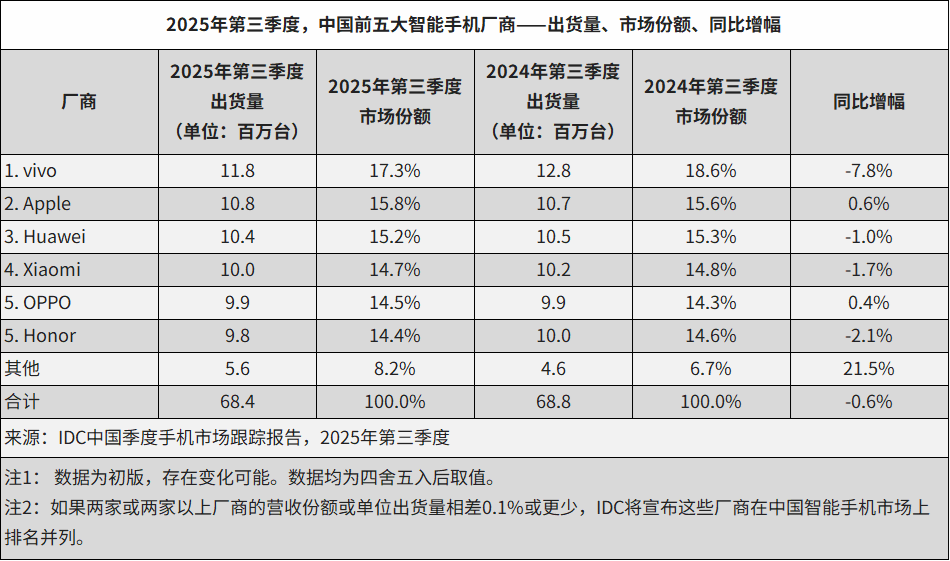
Core Insights - The Chinese smartphone market experienced significant shifts in rankings during the third quarter of 2025, with vivo reclaiming the top position with approximately 18% market share, while Huawei and Apple competed closely for the second and third spots with shares around 15-16% [3][5][11]. Market Performance Overview - In Q3 2025, the total smartphone shipments in China were 68.4 million units, reflecting a 0.6% year-over-year decline. The top five manufacturers were vivo, Apple, Huawei, Xiaomi, and OPPO, with their respective market shares being 17.3%, 15.8%, 15.2%, 14.7%, and 14.5% [5][11]. - The overall smartphone market in China saw a 3% decline compared to the previous year, indicating a return to normal market conditions after a period of fluctuations driven by government subsidies [11][12]. Manufacturer Strategies and Performance - **Vivo**: Achieved a steady increase in market share from Q1 to Q3, attributed to its strong offline channel presence and a cautious product release strategy. Vivo's market share rose from 15% in Q1 to 18% in Q3 [12][15]. The company also made significant gains in the mid-to-high-end market segment [12][15]. - **Apple**: Benefited from the launch of the iPhone 17 series, which led to an increase in market share from 13.7% in Q1 to 15.8% in Q3. Apple's strategy included price adjustments on older models to stimulate sales [15][17]. - **Huawei**: Maintained a stable market share around 16% despite a slight decline in Q3. The company focused on high-end products, such as the Mate XTs, to enhance profitability [19][20]. - **Xiaomi**: Experienced the most significant drop in market share, falling from 19% in Q1 to 15% in Q3. The decline was attributed to a lack of new popular models and the fading impact of government subsidies [21][23]. - **OPPO**: Managed to maintain a market share of around 15% but saw its ranking drop from third to fourth. The company faced challenges from both high-end competitors and budget brands [25][26]. - **Honor**: Entered the top five for the first time in Q3 2025 with a market share of 14.4%. The brand focused on the mid-range segment to avoid direct competition with high-end players [27][29]. Competitive Landscape and Future Outlook - The smartphone market in China is characterized by intense competition, with frequent shifts in rankings among the top players. The market is now in a "stock" phase, where every percentage point of market share must be fought for [30][41]. - The upcoming fourth quarter will be crucial for determining the annual rankings, with key product launches from vivo, Huawei, and others expected to influence market dynamics [36][39]. - The competition between Xiaomi and Apple for the third position is particularly tight, with only a narrow margin in cumulative shipments [38][40]. Overall, the Chinese smartphone market is entering a phase where maintaining market share and adapting to consumer demands will be critical for all players involved.



OPPO Launches Find X9 and Find X9 Pro; Pro Satellite Edition Supports eSIM, Series Starts at ~$611 in China
Pandaily· 2025-10-17 11:02
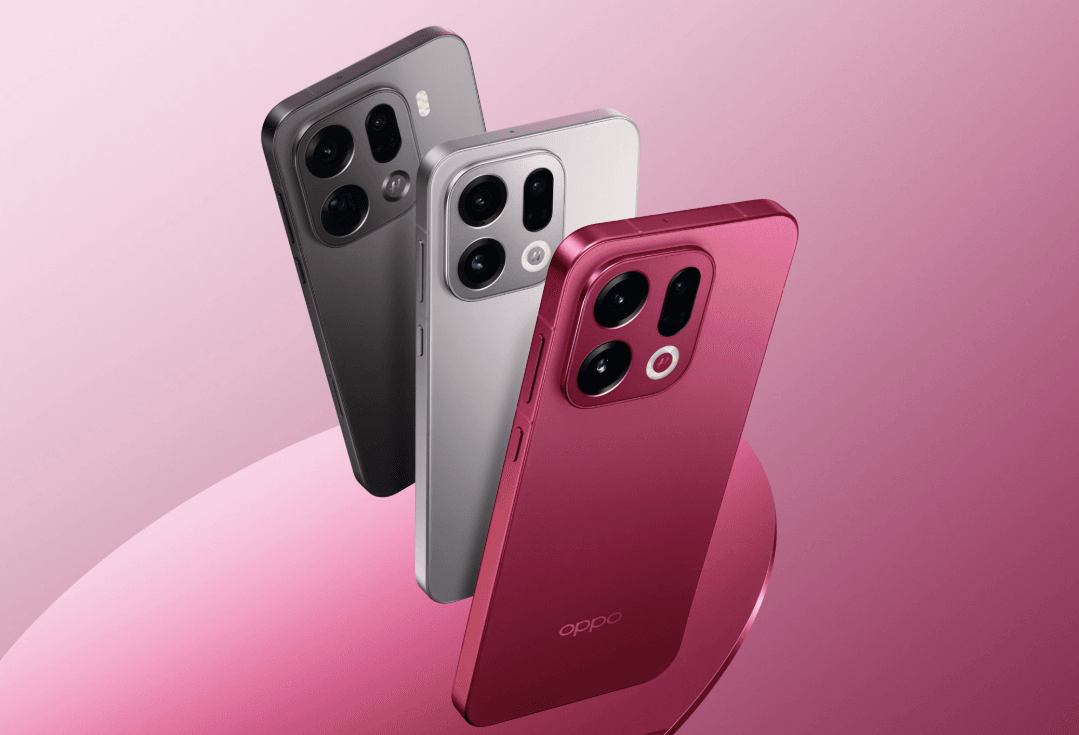
Core Insights - OPPO launched the Find X9 flagship line on October 16, 2025, featuring two models: Find X9 and Find X9 Pro, with sales starting in China on October 22, 2025. A Satellite Edition with eSIM support is expected in November [1][13]. Pricing - Find X9 is priced from RMB 4,399 (approximately $611) and Find X9 Pro starts at RMB 5,299 (approximately $736). Both models offer additional memory/storage options up to 1 TB, with the 1 TB eSIM-enabled Pro Satellite Edition launching in November [6]. Chips and Core Hardware - Both models utilize OPPO's "Chip Chain" platform, powered by MediaTek Dimensity 9500, with LPDDR5X RAM and UFS 4.1 storage. The series also incorporates OPPO's P3 display chip and Shanhai communications enhancement silicon [4]. Displays - Find X9 features a 6.59-inch OLED display with a resolution of 2760×1256, 120 Hz refresh rate, and a global peak brightness of 1,800 nits. Find X9 Pro has a 6.78-inch OLED display with a resolution of 2772×1272, 1–120 Hz LTPO, and a global peak brightness of 1,600 nits [5][7]. Cameras - Find X9 includes a 32 MP front camera and a rear triple camera setup with a 50 MP main, 50 MP ultrawide, and 50 MP inverted periscope telephoto. Find X9 Pro features a similar setup but with a 200 MP Hasselblad telephoto lens, the first mobile lens to receive Hasselblad optical certification [10][12]. Batteries and Charging - Find X9 is equipped with a 7,025 mAh "Glacier" battery, supporting 80 W wired, 50 W wireless, and 5 W reverse wireless charging. Find X9 Pro has a 7,500 mAh battery with the same charging capabilities [9][12]. Additional Features - Both models support Wi-Fi 7, NFC, IR blaster, ultrasonic fingerprint, and have IP66/IP68/IP69 dust/water resistance. They also feature stereo speakers, a quad-mic array, and a triple Wi-Fi antenna system, along with ColorOS 16 [11].

iPhone Air预购,三大运营商暂无法异地办理eSIM
Bei Ke Cai Jing· 2025-10-17 09:29
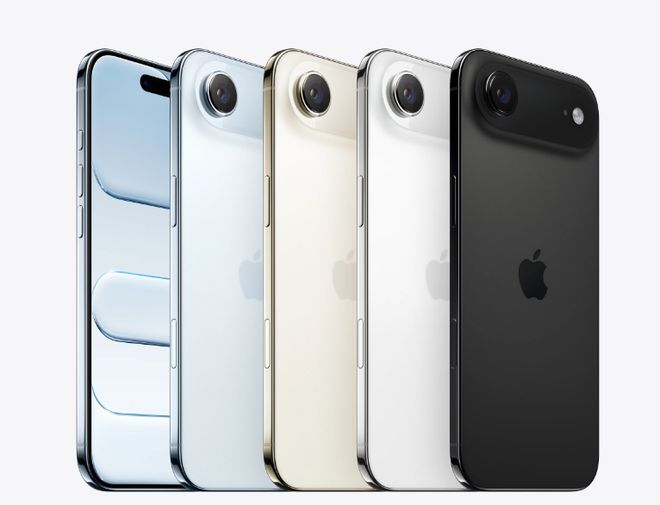
Core Points - The launch of iPhone Air marks the official entry of the eSIM era in the Chinese smartphone market [1][2] - Major telecom operators in China, including China Unicom, China Mobile, and China Telecom, have received approval to conduct eSIM mobile service trials [1] - During the trial period, online processing for eSIM activation is not available; users must visit physical stores [1][2] Telecom Operators - China Mobile has stated that eSIM services do not currently support remote activation, with future updates pending [1] - China Unicom allows activation of local numbers at any of its stores but does not support cross-province activation for new eSIM devices [1] - China Telecom's app indicates that remote card replacement for eSIM users is not supported initially, with local inquiries recommended for specific provinces [2] Product Launch - iPhone Air was globally released in September, but its launch in mainland China was delayed due to the lack of eSIM service approval [2] - The pre-order for iPhone Air began on October 17, with official sales set for October 22 [2] - OPPO also announced its new Find X9 Pro model, which supports eSIM functionality [3]
三季度中国手机市场成绩单出炉:厂商差距缩小,高端手机激战AI
Bei Ke Cai Jing· 2025-10-17 08:50
Core Insights - The overall trend in the Chinese smartphone market for Q3 2025 indicates a decline in shipments, with IDC reporting approximately 68.4 million units shipped, a year-on-year decrease of 0.6%, while Omdia reported 67.2 million units, down 3% year-on-year [1][2][6]. Market Performance - Vivo regained the top position in Q3 2025 with a shipment of 11.8 million units, capturing 17.3% market share, despite a 7.8% decline compared to the previous year [2][4]. - Apple followed closely with 10.8 million units shipped, achieving a market share of 15.8%, marking a slight increase of 0.6% year-on-year [2][4]. - Huawei shipped 10.4 million units, holding a 15.2% market share, down 1% year-on-year [2][4]. - Xiaomi and OPPO shipped 10.0 million and 9.9 million units respectively, with market shares of 14.7% and 14.5%, both showing slight declines [2][4]. - The "Others" category saw a significant increase in shipments, rising 21.5% year-on-year to 5.6 million units [2]. Competitive Landscape - The market is characterized by intense competition, with major brands focusing on product differentiation through design, battery life, and camera capabilities [9]. - High-end smartphones are expected to see increased competition in Q4 2025, with new flagship models being launched by Apple, Xiaomi, Vivo, Honor, and OPPO [3][7]. - The introduction of eSIM technology is anticipated to further disrupt the market, with major brands like Apple and OPPO already announcing eSIM-compatible devices [8]. Consumer Behavior - The Q3 2025 period is noted as a traditional off-season for smartphone sales, with fewer new product launches and a tightening of government subsidies leading to more rational consumer behavior [1][4]. - Apple’s iPhone 17 series saw strong pre-sale performance, indicating a positive consumer response despite limited initial inventory [5]. Future Outlook - Analysts suggest that the market may see improvements in Q4 2025 due to the launch of flagship models and the upcoming "Double Eleven" shopping festival, although overall consumer demand may remain subdued [8].
iPhone Air,开启预售!换机潮要来了?
Zhong Guo Zheng Quan Bao· 2025-10-17 08:49
Core Insights - Apple has launched the iPhone Air, available for pre-order starting October 17, with a price of 7999 yuan, and it exclusively uses eSIM technology [2] - The release of flagship smartphones from various manufacturers, including Xiaomi, OPPO, vivo, and Honor, is expected to accelerate the high-end smartphone trend and upgrade the industry chain [2][4][5] Group 1: New Product Launches - OPPO introduced the Find X9 series, starting at 4399 yuan, with sales commencing on October 22, and it will support eSIM technology [4] - Honor launched the Magic8 series, priced from 4499 yuan, featuring the MagicOS 10, which integrates AI capabilities for over 3000 automated scenarios [4] - vivo released the X300 series, starting at 4399 yuan, with the OriginOS 6 designed to provide personalized AI experiences [5] Group 2: Market Trends and Projections - The AI smartphone penetration rate is increasing, driven by Apple's innovation cycle, which is expected to lead to a new wave of device upgrades [7] - Xiaomi's 17 series has surpassed 1 million units in sales, indicating a faster sales pace compared to previous models [7] - OPPO's Find X9 series set a record for pre-orders within an hour of its launch [8] - The global high-end smartphone market is performing well, with AI technology accelerating the high-end smartphone trend, projected to increase its market share from 16% in 2024 to 54% by 2028 [8]
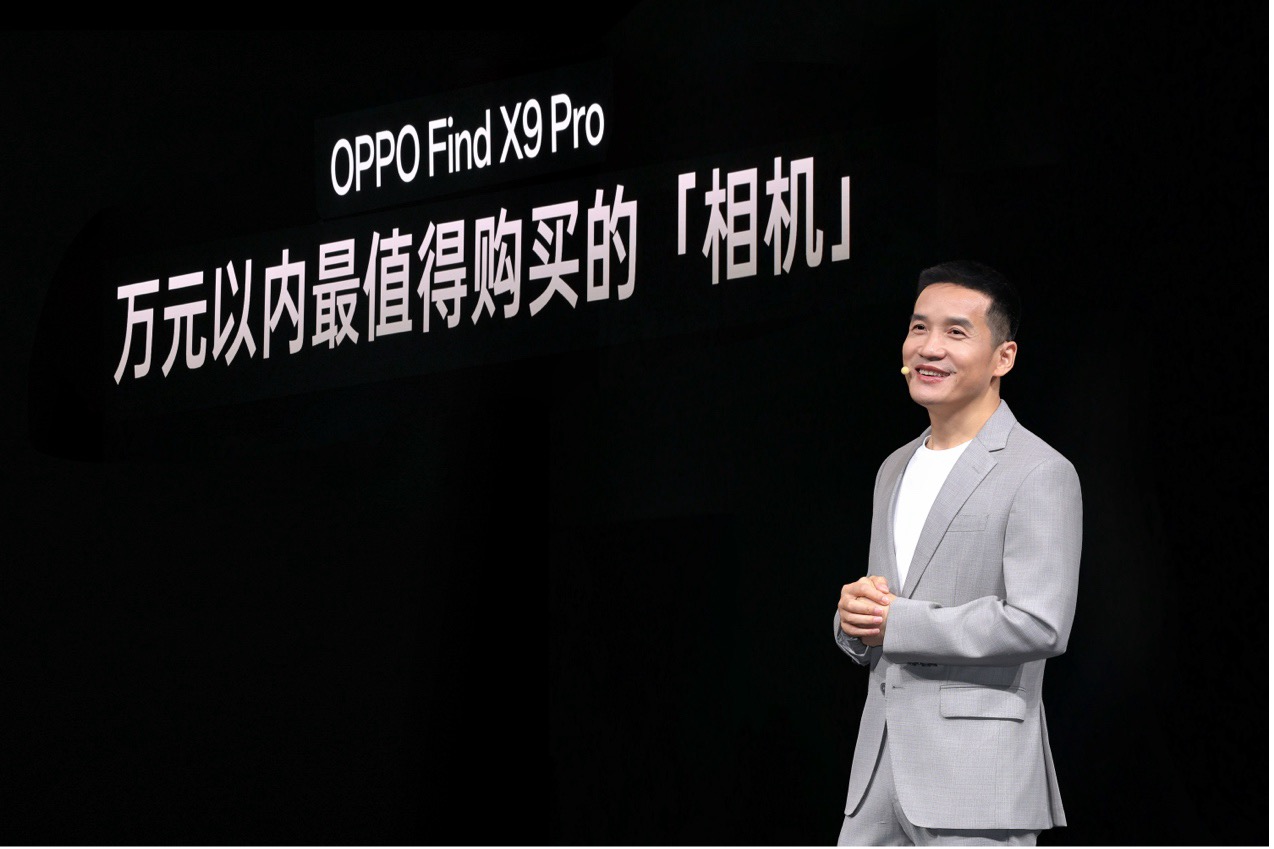
OPPO 发布年度旗舰Find X9系列,打造全新一代“旅拍神器”
Jing Ji Wang· 2025-10-17 07:00
Core Viewpoint - OPPO has launched the Find X9 series, emphasizing significant upgrades in imaging, battery life, display, and interaction, marking a milestone in the company's 30-year history [1] Imaging Technology - The Find X9 series introduces Hasselblad 8K ultra-clear photos, allowing users to capture high-quality images without additional operations, addressing the issue of pixelation in high-resolution photos [3] - The Find X9 Pro features a groundbreaking "Hasselblad True 200 Million" long-focus lens, utilizing AOA active optical calibration technology to enhance resolution by 15% [4] - The series incorporates the LUMO super pixel engine for processing up to 200 million pixels, enabling high-quality images that can rival top medium-format cameras [4] - OPPO has deepened its collaboration with Hasselblad, introducing a professional imaging kit that supports up to 40X optical zoom, enhancing the experience for concert photography [5] Color and Video Capabilities - The Find X9 Pro is equipped with advanced fourth-generation color restoration technology, ensuring accurate color representation across various lighting conditions [7] - The series supports 4K 120fps Dolby Vision and 10bit Log video recording, catering to professional content creators [8] Performance and Battery Life - The Find X9 series is powered by the Dimensity 9500 chip, featuring a large capacity battery of 7500 mAh for the Pro model, utilizing self-developed materials for enhanced longevity [11] - The series includes a self-developed communication chip for optimized network connectivity during travel [11] Display Technology - The Find X9 series features a groundbreaking 1nit eye-care display, significantly improving visibility in low-light conditions [12] Software and User Experience - The series debuts with ColorOS 16, enhancing performance and connectivity across devices, including seamless integration with Apple products [13] Design and Durability - The Find X9 series showcases a refined design with a focus on comfort and durability, featuring IP66/68/69 water resistance and SGS five-star drop resistance certification [13] Pricing and Availability - The starting price for the Find X9 series is 4399 yuan, with the Hasselblad professional imaging kit priced at 1699 yuan [14]
每日市场观察-20251017
Caida Securities· 2025-10-17 06:32
Market Overview - The major indices showed mixed performance on October 16, with the Shanghai Composite Index up 0.1%, the Shenzhen Component down 0.25%, and the ChiNext Index up 0.38%[2]. - The market is expected to maintain a volatile pattern in the short term, with rapid sector rotation and a need for investors to be cautious of high-risk positions[1]. Sector Performance - Key sectors leading the market include coal, maritime transport, commercial banks, beverages, and insurance, while information technology and materials lag behind[1]. - Medical and electronic equipment sectors are anticipated to perform well due to sustained capital inflows and earnings certainty[1]. Fund Flow - On October 16, the Shanghai Stock Exchange saw a net outflow of 3.329 billion yuan, while the Shenzhen Stock Exchange experienced a net inflow of 4.197 billion yuan[2]. - The top three sectors for capital inflow were semiconductors, other electronics, and photovoltaic equipment, while the sectors with the highest outflows were small metals, general equipment, and software development[3]. Economic Indicators - In Q3 2025, 178 million people entered and exited the country, with a 48.3% year-on-year increase in visa-free foreign entrants[4]. - The Ministry of Housing and Urban-Rural Development is promoting smart infrastructure systems to enhance urban digital governance[5]. Industry Developments - The "Linglong No. 1" modular small reactor successfully completed its cold test, expected to generate 1 billion kWh annually, reducing CO2 emissions by approximately 880,000 tons[8]. - The sales of new passenger cars equipped with combined driving assistance features exceeded 60%[9]. Smartphone Market - In Q3 2025, the Chinese smartphone market declined by 3% year-on-year, with vivo leading in shipments at 11.8 million units, capturing 18% market share[10]. ETF Market - As of October 14, the total scale of gold-themed ETFs approached 210 billion yuan, with over 80 billion yuan attracted this year[12]. - The total trading volume of ETFs reached 549.679 billion yuan on October 16, with stock ETFs accounting for 129.7 billion yuan[13].
OPPO Find X9 / Pro正式发布
WitsView睿智显示· 2025-10-17 05:50
Core Viewpoint - OPPO has officially launched the Find X9 and Find X9 Pro smartphones, featuring advanced display technology, powerful performance, and enhanced imaging capabilities. Display Features - The Find X9 standard version features a 6.59-inch display with a resolution of 2760×1256 and a refresh rate of 120Hz, achieving a peak brightness of 3600nit in a 20% window and a minimum brightness of 1nit, supporting 10.7 billion colors [2] - The Pro version has a larger 6.78-inch display with a resolution of 2772×1272, also at 120Hz, with a peak brightness of 1600nit and a narrow bezel of 1.15mm [2] Performance Specifications - Both models are equipped with the OPPO chip chain, featuring the MediaTek Dimensity 9500 chip, LPDDR5X memory, and UFS 4.1 storage [4] - The devices also include OPPO's self-developed P3 display chip and the Shanhai communication enhancement chip [4] Imaging Capabilities - The Find X9 has a rear camera setup of three 5000-megapixel sensors (ultra-wide, wide, and telephoto) and a front camera of 3200 megapixels [4] - The Pro version upgrades the front camera to 5000 megapixels and includes a 200-megapixel telephoto lens alongside the 5000-megapixel main camera and ultra-wide camera [4] Battery and Charging - The Find X9 is powered by a 7025mAh battery with support for 80W fast charging, 50W wireless charging, and 5W reverse wireless charging [4] - The Pro version features a slightly larger 7500mAh battery with similar charging capabilities [4] Pricing Information - The pricing for the Find X9 starts at 4399 yuan for the 12GB+256GB version and goes up to 5799 yuan for the 16GB+1TB version [8] - The Find X9 Pro starts at 5299 yuan for the 12GB+256GB version and reaches 6699 yuan for the 16GB+1TB version [8]

iPhone Air预售5分钟售罄!无实体SIM卡槽,被称“史上最薄”…
Bei Jing Shang Bao· 2025-10-17 05:48
Core Insights - The approval of eSIM mobile services by major Chinese telecom operators, including China Mobile, China Unicom, and China Telecom, marks a significant development in the telecommunications industry in China [2][8] - The launch of the iPhone Air, which is the thinnest iPhone ever at 5.6mm and features a pure eSIM design, has generated high consumer interest, leading to its immediate sell-out upon pre-sale [4][2] - OPPO has also entered the eSIM market with the release of its flagship OPPO Find X9 series, achieving record pre-order numbers shortly after its announcement [6] Telecom Industry Developments - China Mobile, China Unicom, and China Telecom have received approval for eSIM mobile service trials, allowing them to offer eSIM services across all 31 provinces in China [8][11] - China Unicom highlighted the advantages of eSIM technology, including high security, stability, and the ability for users to activate services without a physical SIM card [11] - China Mobile reported that its eSIM reservation system saw over 150,000 users in just four hours after launch, indicating strong demand for eSIM services [11] Product Launches - The iPhone Air, priced from RMB 7999, officially began pre-sale on October 17 and sold out within five minutes, with delivery times pushed back by a week due to high demand [2][4] - The OPPO Find X9 series was launched with a starting price of RMB 4399, setting a new record for pre-orders in the Find series [6]
三大外卖平台试点取消骑手超时罚款;小米入局短剧丨科技风向标
2 1 Shi Ji Jing Ji Bao Dao· 2025-10-17 05:16
Group 1: Delivery and Restaurant Industry - JD.com has initiated a pilot program in 25 cities to eliminate penalties for delivery riders exceeding order time, replacing it with a "service score" management system [2] - Meituan's CEO stated that the average dining price has dropped to levels seen a decade ago, indicating a shift towards high cost-performance in the restaurant industry [2] - Ele.me is also testing a new service score system to replace the previous penalty for delivery delays, aiming to promote a more rewarding work environment for riders [2] Group 2: Automotive Industry - Lei Jun, CEO of Xiaomi, emphasized the need for collaboration in the smart connected vehicle industry to resist negative online practices and focus on innovation and safety [3] Group 3: Technology and AI - ByteDance's Volcano Engine has released updates to its Doubao model series, with usage increasing from 120 billion tokens in May 2024 to over 30 trillion tokens by September 2024 [4] - Samsung announced plans to mass-produce its HBM4E memory chip by 2027, achieving a data transfer speed of 3.25TB/s [8] Group 4: Robotics and Automation - Zhi Yuan Robotics launched its new industrial-grade interactive robot, the G2, which has already secured several hundred million yuan in orders [6] - Zhaofeng Co. signed a strategic cooperation agreement with Neura Robotics to collaborate on humanoid robots and key components [7] Group 5: E-commerce and Retail - Tmall's Double 11 pre-sale saw significant growth, with 35 brands achieving over 100 million yuan in sales within the first hour [5] - Dong Yuhui's live streaming event generated over 300 million yuan in sales during the Double 11 shopping festival [7] Group 6: Semiconductor Industry - TSMC reported a record net profit of 452.3 billion NTD for Q3, with a revenue increase of 30.3% year-on-year [16] - Chip manufacturer Xinlian plans to invest 1.8 billion yuan in its subsidiary to support the development of integrated circuit projects [10] Group 7: Mergers and Acquisitions - Huada Technology announced plans to acquire 100% of Huayi Microelectronics to enhance its capabilities in power device packaging and testing [12] - Kailong High-Tech is establishing a new subsidiary to expand its robotics production and applications market [13]