
海康威视

Search documents
重研发强“内功” 上市公司“创新底色”愈加彰显
Zhong Guo Zheng Quan Bao· 2025-08-31 23:25
Core Insights - The A-share listed companies' 2025 semi-annual reports reveal a robust "innovation map," showcasing significant innovation achievements that bolster market confidence [1] - Technological innovation is identified as the core driver for high-quality development, with companies increasingly focusing on R&D to enhance their competitive edge [1] R&D Innovation Driving Business Growth - R&D is recognized as the long-term sustainable development engine for companies, crucial for value creation and core competitiveness [2] - In the first half of the year, listed companies accelerated innovation momentum with R&D investments exceeding 810 billion yuan, a year-on-year increase of 3.27% [2] - The overall R&D intensity reached 2.33%, with notable figures for different boards: 4.89% for the ChiNext, 11.78% for the Sci-Tech Innovation Board, and 4.63% for the Beijing Stock Exchange [2] - 113 companies invested over 1 billion yuan in R&D, while 926 companies had an R&D intensity exceeding 10% [2] Leading Companies in R&D Investment - BYD topped the list with a semi-annual R&D investment of 30.88 billion yuan, marking a year-on-year growth of 53.05% [3] - Hikvision is advancing in AI and big data technologies, enhancing product innovation and efficiency in R&D [3] - Shenyang Chemical achieved a net profit of 62.42 million yuan, transitioning from loss to profit, and is focusing on customized high-end product development [4] Industry Leaders as Innovation Benchmarks - Industry leaders play a crucial role in driving innovation and technological breakthroughs, particularly in sectors like new energy and innovative pharmaceuticals [6] - CATL, a prominent player in the new energy sector, has established multiple R&D centers and manufacturing bases globally, launching innovative products in various applications [6] Pharmaceutical Sector Growth - The pharmaceutical sector, led by companies like Heng Rui Medicine, has shown remarkable growth, with Heng Rui achieving a revenue of 15.76 billion yuan and a net profit of 4.45 billion yuan in the first half of the year [7] - Heng Rui's R&D investment reached 3.87 billion yuan, focusing on unmet medical needs and high-growth potential areas [7] AI Empowering Business Development - AI technologies are becoming focal points for R&D innovation among listed companies, with significant revenue growth in AI-related sectors [8] - Gree Electric's AI dynamic energy-saving products saw a sales increase of 360% in the first half of the year, reflecting strong market demand [9] - Companies are leveraging AI to enhance operational and R&D efficiency, with applications across various sectors [10]




一文搞懂人工智能行业发展趋势
Sou Hu Cai Jing· 2025-08-31 15:23
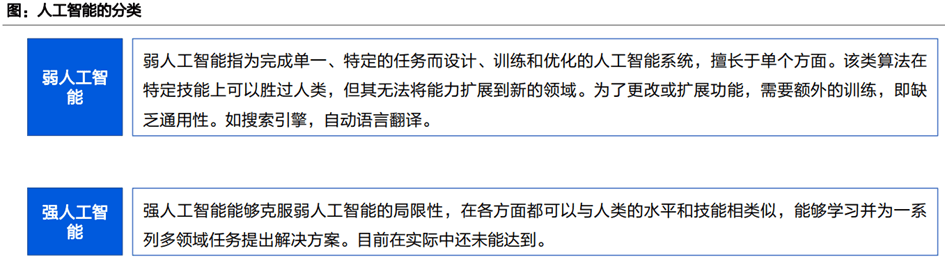
Industry Overview - Artificial intelligence (AI) is defined as the theory, methods, technologies, and application systems that simulate, extend, and enhance human intelligence using digital computers or machines controlled by digital computers [1][3] - AI can be categorized into three types: weak AI, strong AI, and super AI, based on its capabilities [1] Key Features - AI relies on big data as its foundation and algorithms as its core, with its development heavily dependent on the vast amounts of knowledge and experience provided by data [3] - Hardware acts as a bridge, enabling human-machine integration, where AI systems perceive the external environment through sensors and respond accordingly [3] - AI possesses learning and reasoning capabilities, allowing for dynamic iteration and optimization of models based on changing environments, data, or tasks [3] Policy Support - The government has introduced a series of policies to promote high-quality development in the AI industry, establishing growth targets for production and investment [5] - Policies have also stimulated related industries, such as electronic information manufacturing, leading to stable growth in AI market demand [5] Historical Development Stages - The first wave of AI development (1956-1974) focused on logical reasoning but faced limitations due to insufficient computational power, leading to a period of stagnation [6] - The second wave (1980-1987) saw the commercialization of expert systems, which were limited by their specific application scenarios and high maintenance costs, resulting in another stagnation [7] - The third wave began in 1993, driven by breakthroughs in deep learning, with significant advancements in AI technology and commercial applications emerging from 2011 onwards [8] Current Market Status - The AI industry is experiencing a new wave of development, with significant improvements in recognition and accuracy rates across various applications [10] - The global AI market revenue reached $85 billion in 2021, with a projected growth of approximately 20% in 2022, expected to exceed $200 billion by 2025, reflecting a compound annual growth rate (CAGR) of 24.5% [10] - China's AI market is anticipated to grow from 70.9 billion yuan in 2017 to 546 billion yuan by 2025, with a CAGR of 29% [10] Strategic Importance - AI has been elevated to a national strategic level in China, with clear long-term development strategies and supportive policies established since 2017 [13][15] - The focus of recent policies has shifted towards the application of AI in various scenarios, promoting deep integration with the real economy to foster new economic growth points [15] Sector Analysis - The computer vision sector has seen significant breakthroughs and clear application scenarios, with the core industry size expected to grow from 63.3 billion yuan in 2019 to 153.7 billion yuan by 2025, reflecting a CAGR of 15.9% [17] - The natural language processing (NLP) sector is also expanding, with a projected market size of approximately 12.6 billion yuan in 2024, growing at a rate of 14.55% [18] Technological Evolution - AI technology has evolved through three stages: computational intelligence, perceptual intelligence, and cognitive intelligence, each representing advancements in machine capabilities [24] - Machine learning is the core of AI, allowing computers to learn from data without explicit programming, with various types including supervised, unsupervised, semi-supervised, and reinforcement learning [25] Industry Structure - The AI industry consists of three main layers: the foundational layer (AI chips, sensors, cloud computing), the technology layer (deep learning frameworks, algorithms), and the application layer (commercial applications across various sectors) [50][67] - The foundational layer is dominated by companies like Alibaba and Huawei, while the technology layer includes firms specializing in computer vision and NLP [49] Economic Value - AI is seen as a key driver for the digital economy, facilitating the transformation and upgrading of traditional industries through data-driven optimization [70] - The integration of AI technologies across various sectors is enhancing productivity and creating new business models, particularly in manufacturing and energy [73]

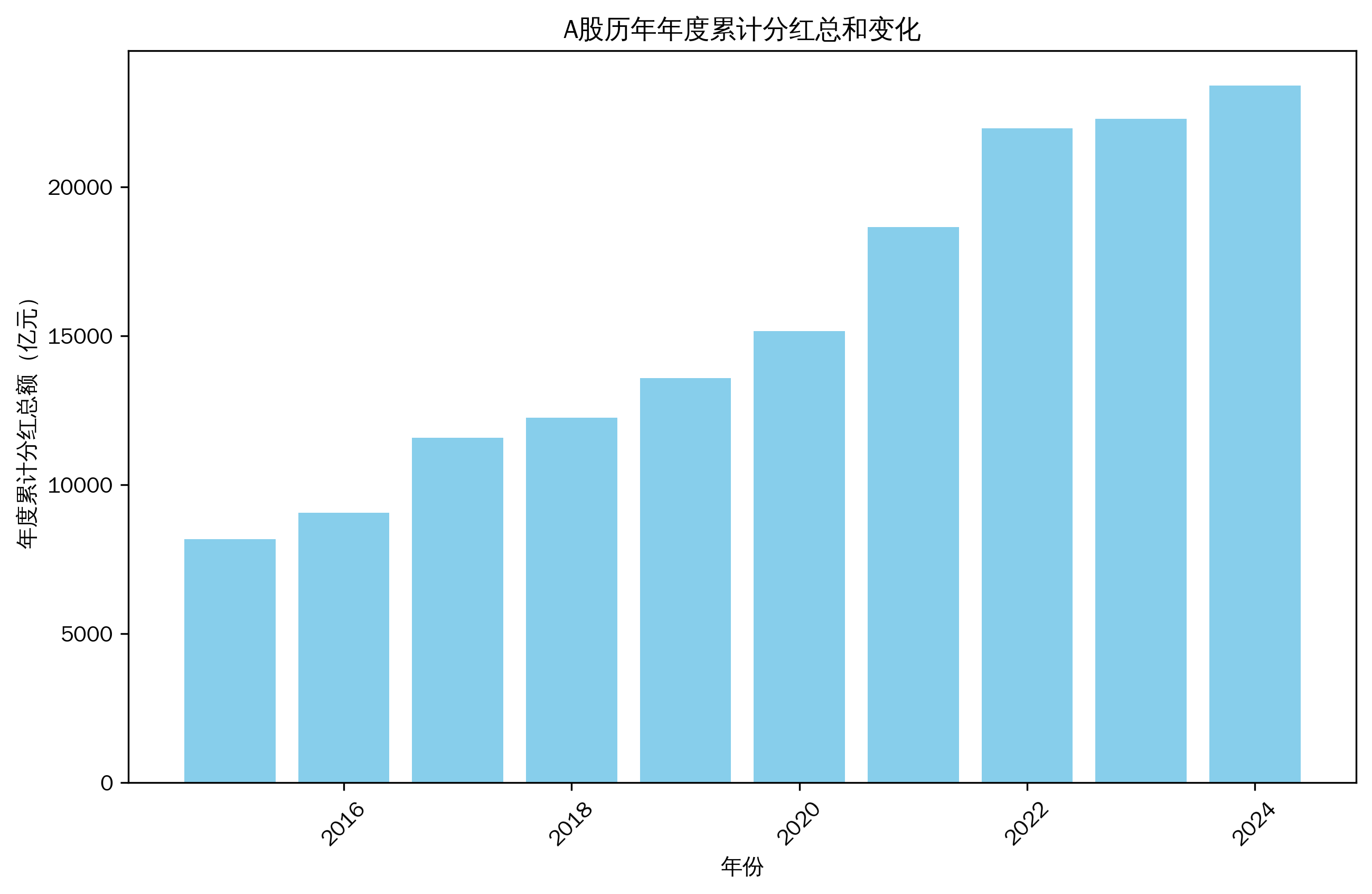
超8100亿元!上半年A股公司加大研发投入
Zhong Guo Zheng Quan Bao· 2025-08-31 11:11
Group 1: Overall Market Trends - In the first half of 2025, A-share listed companies accelerated innovation efforts with R&D investment exceeding 810 billion yuan, a year-on-year increase of 3.27% [1] - The overall R&D intensity reached 2.33%, showing a slight year-on-year increase [1] - The ChiNext, Sci-Tech Innovation Board, and Beijing Stock Exchange exhibited R&D intensities of 4.89%, 11.78%, and 4.63% respectively, highlighting the growing technological attributes [1] Group 2: Leading Companies in R&D Investment - BYD topped the A-share listed companies in R&D investment with 30.88 billion yuan, marking a year-on-year growth of 53.05% [2] - Other companies such as China State Construction, ZTE, China Mobile, CATL, and Hikvision also reported R&D investments exceeding 5 billion yuan [2] - BYD's innovations include the launch of the world's first mass-produced passenger vehicle with a high-voltage architecture and plans for building megawatt charging stations [2] Group 3: Industry Leaders and Innovation - Industry leaders play a crucial role in driving innovation and technological advancements, particularly in sectors like new energy and innovative pharmaceuticals [4] - CATL introduced several new battery technologies and solutions for both passenger and commercial vehicles, showcasing its leadership in the new energy sector [4] - In the pharmaceutical sector, companies like Heng Rui Medicine reported significant revenue growth and increased R&D investment, with 3.871 billion yuan allocated to R&D in the first half of the year [5] Group 4: AI and Technological Integration - AI has become a focal point for R&D innovation among listed companies, with significant mentions in half-year reports [6] - Industrial Fulian reported over 50% growth in overall server revenue, with AI server revenue increasing by over 60% year-on-year [6] - Gree Electric's AI dynamic energy-saving technology products saw a sales increase of 360% in the first half of the year, demonstrating the impact of AI on business development [7]
海康威视取得视频会议摄像机专利
Jin Rong Jie· 2025-08-30 08:02
Group 1 - The State Intellectual Property Office of China has granted a patent to Hangzhou Hikvision Digital Technology Co., Ltd. for a "video conference camera" with the authorization announcement number CN 115695994 B, applied for on September 2022 [1] - Hangzhou Hikvision Digital Technology Co., Ltd. was established in 2001 and is located in Hangzhou, primarily engaged in the manufacturing of computers, communications, and other electronic devices [1] - The company has a registered capital of 9,233.198326 million RMB and has invested in 68 enterprises, participated in 5,000 bidding projects, and holds 833 trademark records and 5,000 patent records, along with 579 administrative licenses [1]
大华股份(002236):盈利能力大幅改善 AI赋能增长新引擎
Xin Lang Cai Jing· 2025-08-30 00:53
Core Viewpoint - The company has significantly improved its performance in the first half of 2025, with net profit exceeding expectations and cash flow turning positive year-on-year. The continuous rollout of AI large model product lines is expected to become the core growth engine, indicating a positive long-term development outlook for the company [1]. Financial Performance - In H1 2025, the company achieved operating revenue of 15.181 billion yuan, a year-on-year increase of 2.12%. The net profit attributable to shareholders was 2.476 billion yuan, up 36.80% year-on-year, while the net profit excluding non-recurring items was 1.796 billion yuan, a 1.91% increase year-on-year. The comprehensive gross margin was approximately 41.6%, an increase of about 0.34 percentage points compared to the same period last year [2]. - In Q2 alone, the company realized revenue of 8.925 billion yuan, a year-on-year increase of 2.76%, and a net profit attributable to shareholders of 1.822 billion yuan, up 45.95% year-on-year. The net profit excluding non-recurring items was 1.292 billion yuan, a 2.46% increase year-on-year, indicating an accelerated profit rhythm [2]. Revenue Structure Optimization - The revenue from smart IoT products and solutions was 11.741 billion yuan, a year-on-year decrease of 2.39%. Software business revenue was 767 million yuan, with a gross margin of 67.12%, an increase of 0.57 percentage points year-on-year. Innovative business revenue reached 3.023 billion yuan, a year-on-year increase of 22.83%, becoming a significant driver of revenue and gross margin [3]. - Domestic and overseas revenues each accounted for approximately 50%, with overseas gross margin at 47.58%, significantly higher than the domestic gross margin of 35.58%. The optimization of regional structure has led to an uplift in gross margin [3]. Technological Innovation and Competitive Advantage - The company is accelerating the integration of technological innovation and industrial application, focusing on a multi-dimensional perception, AI, intelligent computing, data communication, and data-visualization technology layout. The rollout of new products such as "Wenshu," "Tianxi Large Model Integrated Machine," "Wensou NVR," and "Yingguang 2.0" continues, penetrating deeply into urban digitalization and enterprise intelligence scenarios [4]. - In the overseas market, the company aims to expand customer scale, stabilize customer structure, and deepen potential country-specific projects, thereby building a healthy and sustainable business ecosystem [4].

56家企业入围第三届21世纪“活力·ESG”案例
2 1 Shi Ji Jing Ji Bao Dao· 2025-08-29 23:26
Core Insights - The third "Vibrant ESG" Innovation Forum was held on August 16, focusing on green transformation and high-quality development, with participation from regulators, leading companies, multinational corporations, financial institutions, and universities [1] - ESG disclosure has gained significant attention from companies, with the disclosure rate of A-share ESG reports increasing from 36.96% to 45.72% over the past three years, and 2,500 A-share listed companies have disclosed their 2024 ESG reports [1] - A total of 56 exemplary ESG cases were selected for inclusion in the "21st Century Vibrant ESG Practice Report (2025)," categorized into environmental friendliness, social responsibility, and corporate governance [3] ESG Disclosure and Reporting - The ESG disclosure rate for major indices such as the Shanghai 180, Shenzhen 100, and others has reached 94.53%, with 432 out of 450 companies on the mandatory disclosure list having reported their 2024 ESG data [1] - The first "Vibrant ESG" innovation case collection was launched in 2023, receiving positive feedback and leading to the collection of over 100 practice cases for 2024 [2] ESG Case Categories - The 56 selected cases include 30 in environmental friendliness, 20 in social responsibility, and 6 in corporate governance, showcasing a diverse range of industries such as energy, consumption, finance, manufacturing, pharmaceuticals, and chemicals [3][4][5][7] Notable Companies in ESG Categories - **Environmental Friendliness**: Companies such as Adidas, AstraZeneca, and JinkoSolar were recognized for their green strategies and low-carbon practices [4] - **Social Responsibility**: Notable companies include BYD, JD Group, and Nestlé (China), highlighting their commitment to social value creation [5] - **Corporate Governance**: Companies like Orient Securities and China Minsheng Bank were acknowledged for their robust governance mechanisms [7]
近3800亿元“现金红包”待派发 上市公司中期分红预案激增
Sou Hu Cai Jing· 2025-08-29 18:58
Core Viewpoint - The article highlights the significant increase in mid-term dividend announcements by A-share listed companies, reflecting improved corporate profitability and a shift towards enhancing shareholder returns in response to regulatory encouragement and changing investor preferences [4][5][10]. Summary by Sections Mid-term Dividend Trends - As of August 29, 2025, 731 A-share listed companies have announced mid-term dividend plans, an increase of 240 companies year-on-year, with total cash dividends reaching 379.29 billion yuan, up 87.69 billion yuan from the previous year [6][4]. - Notably, several companies are planning mid-term dividends for the first time in a decade, including Muyuanshi and Hikvision [6][7]. Corporate Performance and Dividend Policies - The overall recovery in corporate earnings has provided a solid financial foundation for mid-term dividends, with 1,685 out of 3,066 companies reporting year-on-year profit growth [10][11]. - Companies like Muyuanshi plan to distribute 9.32 yuan per 10 shares, totaling around 5 billion yuan, marking a significant payout ratio of 47.5% of its net profit [6][7]. Regulatory Environment and Investor Sentiment - The regulatory environment has been increasingly supportive of dividend policies, with the China Securities Regulatory Commission encouraging companies to implement mid-term dividends [10][11]. - There is a growing awareness among shareholders regarding returns, with a shift towards valuing companies based on their dividend capabilities, especially in a low-interest-rate environment [11][14]. Market Implications - The normalization of mid-term dividends is expected to enhance the investment attributes of A-shares, attracting long-term capital and addressing the historical focus on financing over returns [13][14]. - The increase in dividend frequency and scale is seen as a transformation in the value investment environment, with institutional investors showing heightened interest in stable dividend-paying stocks [14][15]. Future Outlook - The trend of increasing mid-term dividends is likely to continue, supported by favorable policies and improving corporate cash flows, which may lead to a more robust value investment landscape in the A-share market [10][15].

海康威视: 关于股份回购实施结果暨股份变动的公告
Zheng Quan Zhi Xing· 2025-08-29 16:53
Core Viewpoint - Hikvision has completed a share buyback program, repurchasing a total of 68,326,776 shares, which is 0.74% of its total share capital, with a total expenditure of approximately RMB 2.03 billion [1][2]. Summary by Sections Share Buyback Implementation - The company repurchased 4,003,019 shares at a maximum price of RMB 31.50 per share and a minimum price of RMB 31.06 per share, totaling RMB 125,613,283.27 [1]. - As of August 28, 2025, the total shares repurchased reached 68,326,776, with a maximum price of RMB 32.70 and a minimum price of RMB 27.06, amounting to RMB 2,028,349,444.12 [1][2]. Compliance with Buyback Plan - The buyback execution aligns with the approved plan from the 2024 second extraordinary general meeting, with no discrepancies in the total amount, price, and number of shares repurchased [1][2]. Impact on Company - The company's financial health remains stable, and the buyback will not adversely affect its operations, research and development, or debt obligations. The repurchased shares will be canceled, reducing registered capital without altering control or listing status [1][2]. Shareholder Actions - The controlling shareholder, China Electronics Hikvision Group, and its affiliate, China Electronics Investment Holdings, have announced plans to increase their stakes in the company, with a total intended investment of between RMB 3 billion and RMB 5 billion [1][2]. Future Share Structure - Post buyback, the total share capital will decrease to 9,164,871,550 shares, with the proportion of restricted shares slightly increasing to 1.29% [3]. Regulatory Compliance - The buyback process adhered to relevant regulations, including the prohibition of trading during specific periods and compliance with price limits [2][3].
走访上市公司 推动上市公司高质量发展系列(二十三)
证监会发布· 2025-08-29 10:16
Group 1 - Shanghai Securities Regulatory Bureau has implemented a regular visiting mechanism to enhance the quality of listed companies, resulting in significant improvements in investment returns and corporate governance [3][4][5] - Since 2024, the bureau has visited 286 listed companies, achieving a coverage rate of 66.67%, and has established a multi-layered visiting system to address company needs effectively [3][4] - The bureau has collected over 500 issues and suggestions from companies, with more than half resolved, focusing on areas such as capital markets, industrial policies, and financial regulations [5][6] Group 2 - Jiangsu Securities Regulatory Bureau has developed a regular visiting mechanism, visiting 458 listed companies by the end of July 2024, with a coverage rate of 64.78% [8][12] - The bureau has facilitated 446 problem resolutions, supporting companies in various sectors, including automotive and pharmaceuticals, to leverage national policies for growth [10][12] - In 2024, Jiangsu listed companies raised 512.33 billion yuan through equity financing, and the region has seen significant merger and acquisition activity, with over 209 disclosed transactions [12][13] Group 3 - Zhejiang Securities Regulatory Bureau has conducted over 210 visits to listed companies, focusing on enhancing the effectiveness of these visits and addressing specific corporate needs [17][20] - The bureau has collected over 160 issues from companies, with more than 80% resolved, emphasizing the importance of collaboration with local governments and exchanges [18][20] - The region has experienced a surge in merger and acquisition activities, with 251 new transactions disclosed, and companies are increasingly adopting cash dividends and share buybacks to enhance investment value [20][21]

AI龙头股业绩爆发,人工智能AIETF(515070)持仓股科沃斯领涨
Mei Ri Jing Ji Xin Wen· 2025-08-29 04:06
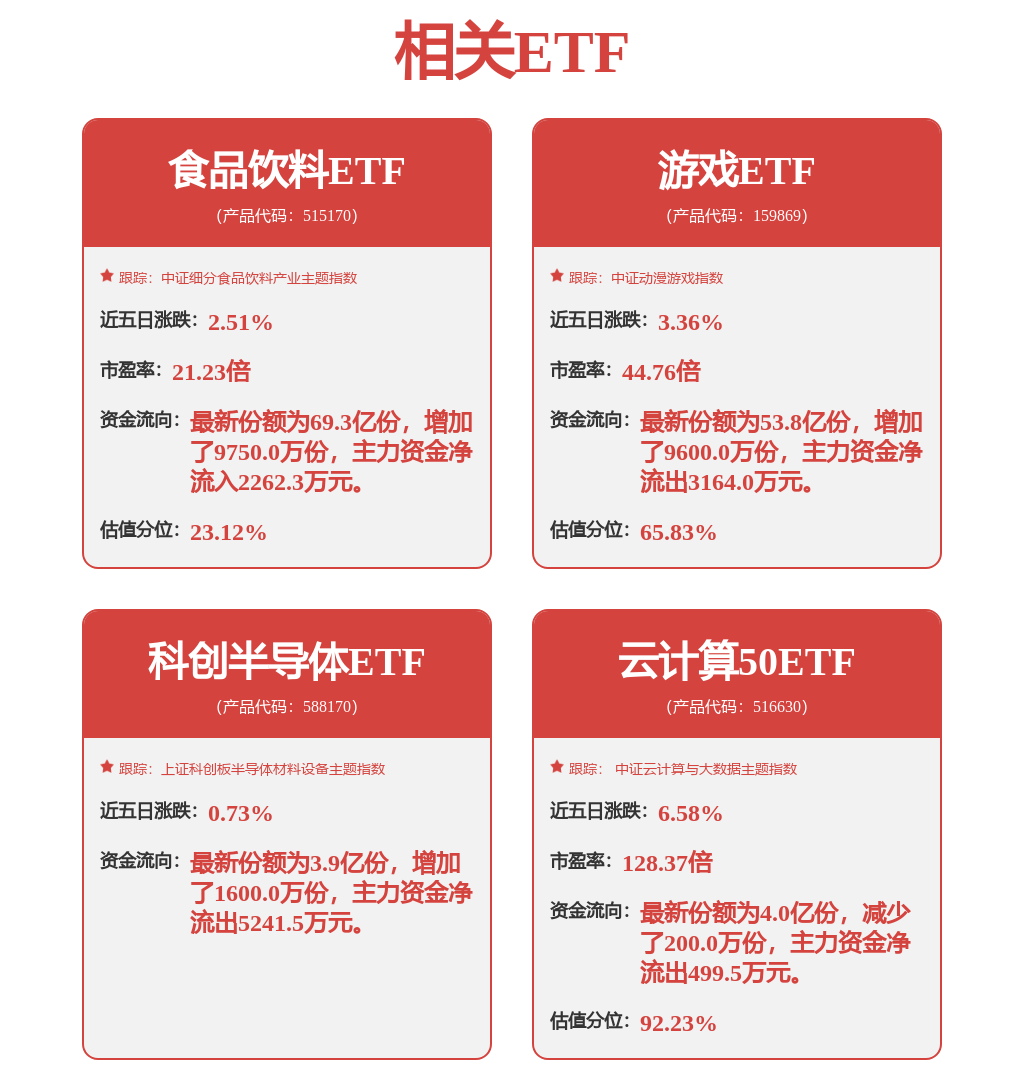
Group 1 - The recent performance of leading technology stocks has shown a fundamental-driven tech market, particularly in the AI sector, with notable companies like Cambricon, New Yisheng, and Tuowei Information reporting impressive earnings [1] - Cambricon reported a revenue of 2.881 billion yuan for the first half of the year, a year-on-year increase of 4347.82%, with a net profit of 1.038 billion yuan, marking a turnaround from losses [1] - New Yisheng's half-year report indicated a revenue of 10.437 billion yuan, a year-on-year growth of 282.64%, with a net profit of 3.942 billion yuan, reflecting a significant increase of approximately 355% [1] Group 2 - The AI ETF (515070) tracks the CS AI Theme Index (930713) and includes stocks that provide technology, basic resources, and applications in the AI sector, focusing on the midstream and upstream of the AI industry chain [2] - The top ten weighted stocks in the AI ETF include leading domestic technology companies such as Cambricon-U, Hikvision, and iFLYTEK, among others [2]


