抖音

Search documents
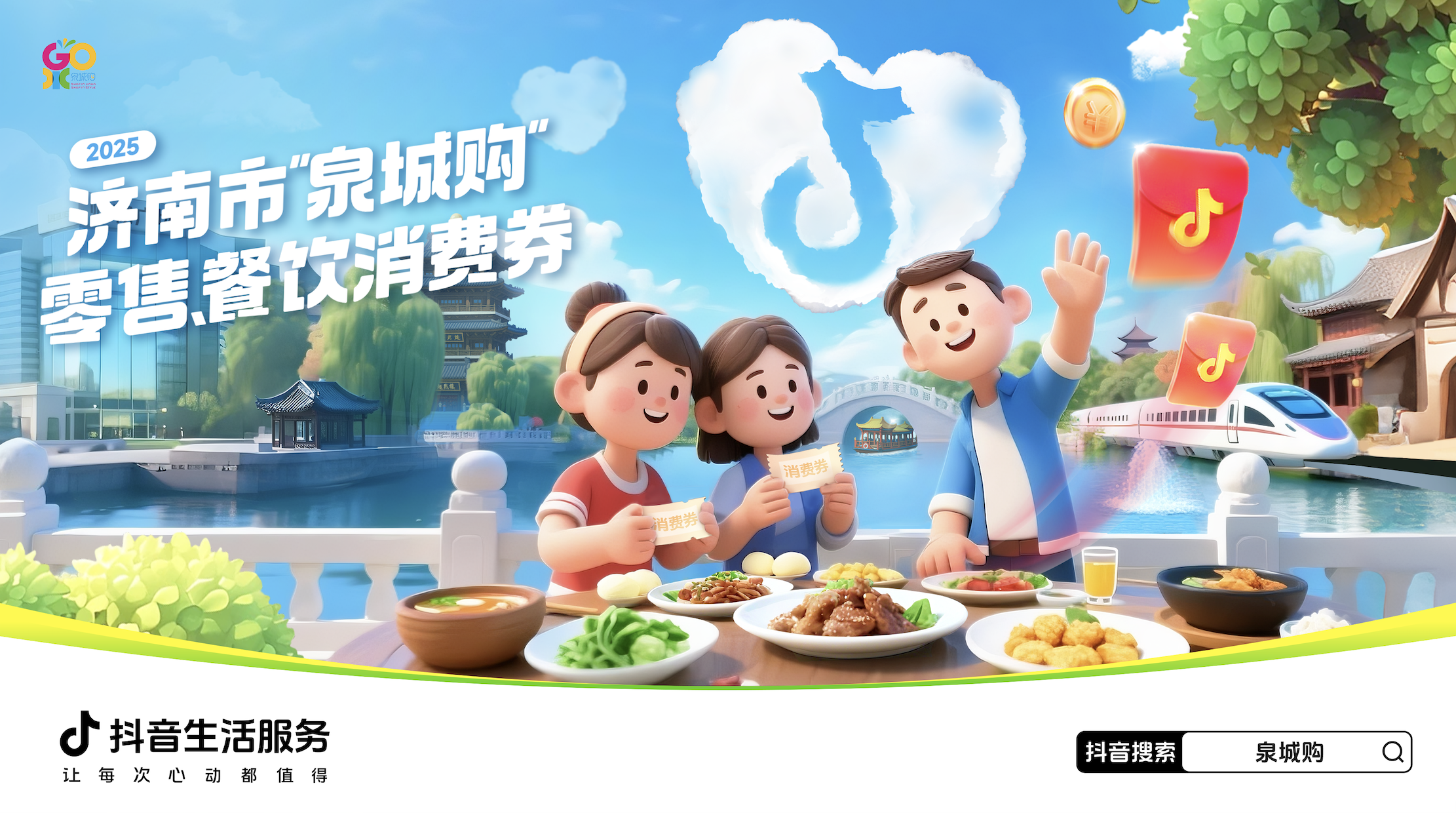
济南发放千万零售、餐饮消费券!抖音一键可领
Qi Lu Wan Bao· 2025-07-21 02:53
Group 1 - The core initiative is the issuance of over 10 million yuan in retail and dining consumption vouchers in Jinan from July 19 to November 15, 2025, to stimulate local consumption [1][3] - The consumption vouchers are applicable in various retail scenarios including supermarkets, convenience stores, and food retail, as well as dining establishments and hotel restaurants [3][5] - The vouchers have specific discount structures: for retail, discounts include 20 yuan off for purchases over 100 yuan, 40 yuan off for over 200 yuan, and 60 yuan off for over 300 yuan; for dining, discounts are 25 yuan off for over 100 yuan, 50 yuan off for over 200 yuan, and 75 yuan off for over 300 yuan [3][5] Group 2 - The consumption vouchers will be distributed in 5 rounds and 14 batches, with the first round starting on July 19 at 10:00 AM [3][5] - Users can claim vouchers through various methods on the Douyin app, including searching for "Jinan Consumption Vouchers" or accessing designated merchant pages [3][5] - Each user can claim a maximum of 28 vouchers across all rounds and categories, with specific limitations on usage per transaction [5] Group 3 - The initiative is part of a broader strategy by Douyin to enhance local consumption in Jinan, following previous events aimed at promoting local businesses and culture [5] - The collaboration between Douyin and the Jinan Municipal Bureau of Commerce aims to benefit consumers and merchants alike, further stimulating the local economy [5]

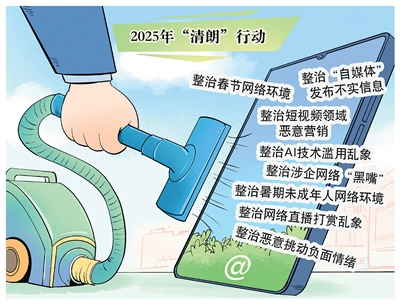
炫富拜金,此风当禁!(“融”观中国)
Ren Min Ri Bao Hai Wai Ban· 2025-07-20 22:35
Core Viewpoint - The article discusses the growing concern over online wealth flaunting and its negative impact on society, particularly on the values of young people. It highlights the need for regulatory actions to curb such behaviors and promote a healthier online environment [1][2][5]. Group 1: Online Wealth Flaunting Phenomenon - Online influencers often showcase extravagant lifestyles, which may not reflect reality, as many use rented luxury items to create a false persona [2][5]. - The rise of "fake rich" influencers has led to a business model that prioritizes attracting views and commercial profits over authenticity [2][5]. - The phenomenon has resulted in a closed-loop system of content creation, traffic attraction, and commercial monetization, misleading many users into believing these portrayals are genuine [5][8]. Group 2: Impact on Youth and Society - The negative effects of online wealth flaunting extend beyond commercial fraud, significantly distorting societal values and impacting the mental health of young people [5][6]. - Cases have emerged where young individuals express dissatisfaction with their lives after viewing such content, leading to feelings of inadequacy and frustration [5][6]. - Experts warn that the glorification of wealth can mislead youth into believing that financial success is the sole measure of life value, which can lead to unhealthy consumption habits [6][8]. Group 3: Regulatory Actions and Industry Response - In response to the issue, the Chinese government has initiated several campaigns aimed at cleaning up online content, specifically targeting wealth flaunting and related negative influences [7][8]. - Platforms like Xiaohongshu and Douyin have taken steps to remove content that promotes unhealthy values, with thousands of posts and accounts being banned for violating guidelines [7][8]. - The regulatory framework is evolving to hold Multi-Channel Network (MCN) organizations accountable for promoting such content, emphasizing the need for comprehensive governance of the entire wealth flaunting ecosystem [8][9].
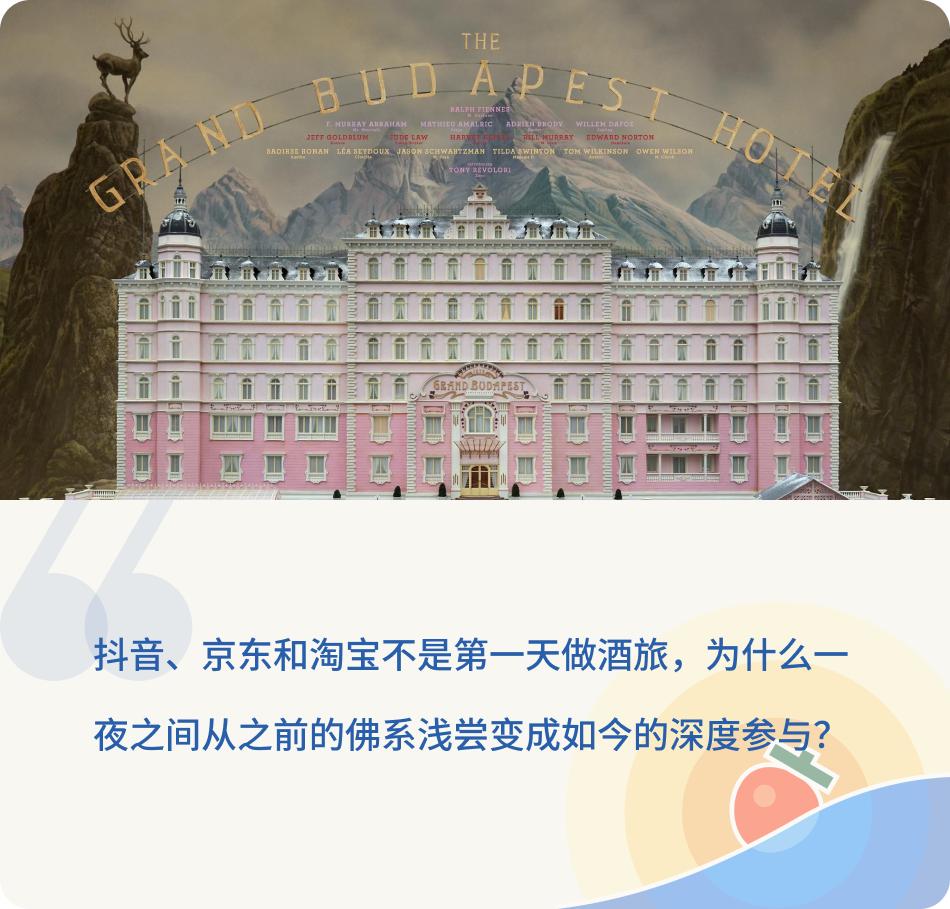
外卖大战不够打了,开打酒店和机票
吴晓波频道· 2025-07-19 16:53
Core Viewpoint - The emergence of new consumption trends is driving the deep integration of the hotel and travel industry with content ecosystems and local life services, providing opportunities for internet giants with traffic, technology, and cross-scenario operational capabilities to penetrate the market [1][49]. Market Dynamics - The online travel agency (OTA) market is experiencing significant growth, with domestic travel spending expected to reach 5.75 trillion yuan in 2024, a 17% year-on-year increase, marking a historical high [11]. - Major OTAs like Ctrip and Tongcheng Yilong are benefiting from this growth, with Ctrip's revenue projected to grow by approximately 20% and net profit margin increasing by 72% in 2024 [12]. - The competitive landscape is relatively consolidated, with the "Ctrip system" (Ctrip, Tongcheng, and Qunar) holding over 70% market share, while Meituan leads the second tier with 13% [13]. Competitive Strategies - Internet giants are leveraging their existing ecosystems to enhance user engagement and drive traffic to their travel services. For instance, JD.com is focusing on hotel supply chain pain points and targeting mid-to-low tier cities [26][27]. - Alibaba is integrating Ele.me and Fliggy into its e-commerce group to enhance user stickiness through high-frequency shopping and local services [28]. - Meituan's travel business is a significant profit contributor, maintaining a profit margin close to 40%, while Douyin is utilizing its massive traffic advantage to promote travel through live streaming and promotional pricing [30]. Challenges for Traditional Players - Traditional hotel businesses are facing challenges due to oversupply and declining prices, particularly in the high-end segment, leading to a shift in focus from raising room rates to increasing occupancy [35]. - Hotels are increasingly reliant on OTAs for traffic while seeking to escape high commission fees, resulting in a split in their approach to new platforms [36][37]. - The entry of new players like JD.com with zero-commission strategies is attractive to smaller businesses, while larger brands are attempting to reduce their dependence on OTAs [38]. Consumer Trends - The travel consumption landscape is evolving, with younger generations and older adults showing increased travel frequency and spending, indicating a shift towards high-frequency, short-term travel experiences [45][46]. - The Z generation and the silver-haired demographic are emerging as significant consumer groups, with the 61-65 age group showing a 58% increase in travel orders and a preference for high-star hotels [47]. Conclusion - The ongoing competition among major platforms is no longer just about traffic and subsidies but has evolved into an ecosystem and model competition, with various life services being integrated into a comprehensive offering [33].





5家消费公司拿到新钱;抖音否认做外卖;KKR拟收购大窑汽水85%股权|创投大视野
3 6 Ke· 2025-07-19 09:58
Group 1: Financing Activities - Guangdong Orange Emperor Health Management Co., Ltd. completed a 10 million yuan angel round financing to enhance its internet hospital platform, expand health product supply chain, and promote brand chain store development [1] - Corn Technology Co., Ltd. announced the completion of Series A financing to drive technological innovation and market expansion for its fresh corn juice products [2] - Chengdu Fenglan Times Catering Management Co., Ltd. secured 50 million yuan in Series A financing to deepen supply chain construction, accelerate store expansion, and invest in product development [3] - Lingjing AI completed several million yuan in angel round financing to accelerate the development of multi-modal generation architecture in the AI animation field [4] - Yingmu Technology completed over 150 million yuan in B+ round financing to focus on next-generation product development, AI core capability construction, and offline scene expansion [5] Group 2: Company Developments - The acquisition of 85% equity of Dayao Soda by KKR has progressed, with the transaction expected to start this year, potentially leading to national and international expansion [6][7] - Dayao Soda's operational team remains stable, and its nationalization and youth-oriented strategies will continue unchanged post-acquisition [7] - Dayao Soda has established over a thousand national distributors and a million retail terminals across 31 provinces, indicating a strong market presence [8] Group 3: Market Trends - Douyin has denied plans to enter the takeaway market, focusing instead on in-store services, as its takeaway business has faced challenges compared to established competitors [9] - ByteDance refuted claims regarding the sale of TikTok's U.S. operations to Oracle-led consortium, with ongoing negotiations requiring government approval [10] - Xiaohongshu has rebranded its slogan to emphasize community and interests, aiming to enhance user engagement and growth [11] - Xiaohongshu announced the creation of "RED LAND," an open-world adventure event targeting gaming and anime enthusiasts, reflecting its commitment to the two-dimensional market [13] - Sweet Lala launched a new fruit and vegetable tea series in collaboration with Giant Network's game IP, focusing on health and affordability [14] Group 4: Industry Insights - The "2025 China Online Retail Top 100" report indicates that 25 consumer goods companies achieved double-digit growth, with total online sales reaching 2.17 trillion yuan, a 13.6% increase [15] - The summer box office has reached 3.5 billion yuan, showing a lukewarm performance compared to other entertainment sectors [16] - In June, 33 Chinese game companies collectively earned 1.76 billion USD, with Diandian Interactive maintaining a strong position in global mobile game revenue rankings [17] - The takeaway battle has driven significant sales growth for both restaurant and instant retail brands on platforms like Taobao, with many brands reaching historical sales peaks [18]
抖音否认做外卖,业务暂停内测,小程序下架
21世纪经济报道· 2025-07-19 00:54
Core Viewpoint - ByteDance's entry into the takeaway market with its AI product "Tan Fan" is under scrutiny, as Douyin (TikTok's Chinese counterpart) focuses on in-store services and has no plans to build its own takeaway service [1]. Group 1: Douyin's Takeaway Business Adjustments - Douyin's takeaway business has undergone multiple adjustments, ultimately choosing "Sui Xin Tuan" as its breakthrough point [3]. - As of June 30, 2023, merchant entry into the "Sui Xin Tuan" business has shifted from self-application to targeted invitations, emphasizing "quality merchants" as the core entry requirement [3]. - The "Sui Xin Tuan" business primarily targets chain brand merchants and covers various categories such as beverages, Western fast food, pastries, and Chinese cuisine [3][4]. Group 2: Business Performance and Market Challenges - In 2023, Douyin's annual GMV target for its takeaway business was drastically reduced from 100 billion to 5 billion [7]. - The takeaway business has faced challenges, including a low retention rate due to a low-entry strategy that resulted in inconsistent merchant quality [6]. - Analysts suggest that Douyin's success in the competitive takeaway market will depend on its ability to balance content flow and fulfillment efficiency, with a short-term focus on capturing the mid-to-high-end market [7]. Group 3: Competitive Landscape - The takeaway market is experiencing a redefined competitive landscape, with significant promotional activities from platforms like Meituan and Taobao [11][12]. - Recent advertising campaigns have targeted competitors directly, indicating an intensifying battle for market share in the takeaway sector [10][11].

王兴挂不了免战牌
3 6 Ke· 2025-07-18 12:47
Core Viewpoint - The interview with Wang Puzhong, a key figure at Meituan, highlights the competitive landscape in the food delivery market, emphasizing the challenges posed by rivals like JD.com and Ele.me, and the aggressive strategies being employed by major players in the industry [1][3][21]. Group 1: Competitive Landscape - Wang Puzhong asserts that the food delivery market is difficult to penetrate, indicating that the growth in orders from competitors is merely a bubble and does not guarantee future success [3][4]. - Meituan's business structure, based on a diversified strategy, faces challenges from multiple competitors across various sectors, including Ele.me, JD.com, and others [4][5]. - The competition is characterized as a war where each giant is willing to invest heavily, with JD.com and Alibaba leading the charge in terms of financial backing and strategic moves [7][10]. Group 2: Strategic Responses - Meituan is committed to defending its core business in food delivery, even at the cost of abandoning community group buying initiatives, and is focusing on expanding its instant retail infrastructure [12][20]. - The company has increased its investment in technology, particularly in robotics and AI, to enhance operational efficiency and maintain its competitive edge [17][19]. - Meituan's delivery network is currently the most reliable in the industry, but the short-term advantages may be overshadowed by competitors' aggressive subsidy strategies [11][14]. Group 3: Future Outlook - The potential outcomes of the ongoing competition could range from a successful defense by Meituan to a stalemate or intervention by external forces, with various scenarios predicted by analysts [21][23]. - The entry of other players like Pinduoduo and Douyin into the instant retail space indicates that the competition will remain fierce and multifaceted [23].

抖音低价加码酒旅,OTA群战升级
3 6 Ke· 2025-07-18 12:35
Core Insights - The competition in the hotel and travel industry is intensifying, with Douyin, JD, and Alibaba all making significant moves to capture market share [2][3][4] - Douyin is investing heavily in subsidies for the hotel industry, offering discounts and special rates to attract new customers [2][22] - The hotel industry is seen as a lucrative market, with leading players like Ctrip achieving high profit margins compared to other e-commerce platforms [5][8] Group 1: Market Dynamics - The hotel industry has historically been stable, but recent shifts in online traffic dynamics are prompting major players to deepen their involvement [5][10] - Ctrip holds a dominant market share of 56%, with projected gross margins of 81.3% and net margins of 32.3% for 2024, significantly outperforming JD and Alibaba [5][8] - Meituan's hotel revenue grew from 332.37 billion yuan in 2022 to 430.7 billion yuan in 2023, maintaining a consistent revenue share [8] Group 2: Strategic Moves by Major Players - JD's entry into the food delivery market is a strategic move to leverage its large user base for hotel bookings, creating a closed-loop commercial ecosystem [11][14] - Alibaba's integration of Fliggy and Ele.me into its e-commerce group aims to enhance synergies and expand its consumer platform [3][13] - Douyin's approach focuses on content-driven user engagement to convert interest into transactions, utilizing its large user base for hotel bookings [10][22] Group 3: Industry Growth and Challenges - The OTA market is projected to grow, with a 17.8% increase in transaction volume expected in 2024, reaching 2.07 trillion yuan [18] - The supply of hotels is expanding, with the number of hotel rooms expected to reach 17.64 million by the end of 2024, indicating a trend towards standardization and online integration [18] - Despite growth, the hotel industry faces challenges such as declining average daily rates and occupancy rates, with predictions of a 5-7% drop in 2025 [21][22] Group 4: Competitive Strategies - Douyin's competitive edge lies in its ability to offer low prices and attract consumers through its vast traffic pool [22][24] - JD's strategy includes a "three-year zero commission" policy to attract small and medium-sized hotels, enhancing its supply chain capabilities [24][25] - Alibaba's focus on leveraging its existing platforms to drive traffic to Fliggy is seen as a way to capture a larger share of the hotel market [26]
首都互联网协会“自媒体”治理与发展专业委员会成立
Bei Jing Ri Bao Ke Hu Duan· 2025-07-18 12:23
Core Viewpoint - The establishment of the Capital Internet Association's "Self-Media" Governance and Development Special Committee aims to promote self-discipline and autonomy in the rapidly growing self-media sector while addressing issues such as misinformation and low-quality content [3][5][6]. Group 1: Establishment and Purpose - The "Self-Media" Governance and Development Special Committee was formed under the guidance of the Beijing Municipal Cyberspace Administration, with representatives from various government departments and self-media platforms [1][3]. - The committee's mission is to balance regulation and development, emphasizing both social and economic benefits, and to enhance the governance capabilities in the self-media field [3][5]. Group 2: Governance Mechanisms - Major platforms like Douyin, Kuaishou, and Weibo are taking responsibility for content governance through various mechanisms, including verification processes and content guidelines [5][6]. - The committee aims to innovate governance mechanisms and foster a healthy online ecosystem by encouraging collaboration among platforms, creators, and regulatory bodies [5][8]. Group 3: Industry Standards and Initiatives - The committee released the "Ten Adherence Initiatives" to promote healthy and orderly development in the self-media industry, advocating for legal compliance, industry self-discipline, and positive content dissemination [6][7]. - The initiatives include commitments to uphold the rule of law, promote self-regulation, and encourage social co-governance [6][8]. Group 4: Future Directions - The committee plans to enhance industry order, establish evaluation systems, and provide training and support for self-media practitioners [7][8]. - It will focus on addressing challenges in the self-media sector and promoting best practices through case studies and expert guidance [8].

抖音否认做外卖
第一财经· 2025-07-18 07:50
Group 1 - The core viewpoint of the article is that Douyin has no plans to establish its own food delivery service despite the news about its group-buying feature for takeout [1] Group 2 - Douyin's focus in the life services sector is primarily on in-store business rather than on building a food delivery platform [1]