高鑫零售

Search documents
剧透2026河南超市大戏
He Nan Ri Bao· 2026-01-05 23:25
Core Insights - The supermarket industry in Henan is poised for intense competition by 2026, with various brands including local and international players preparing to enter the market [5][6][7] - The resurgence of consumer demand for physical supermarket experiences is a key driver behind this competitive landscape, marking a shift from e-commerce dominance to a renewed focus on brick-and-mortar stores [10][11] - The competition will not only focus on scale and pricing but will also emphasize supply chain efficiency, digitalization, innovation, and customer service [9][12] Industry Overview - By 2026, Henan's supermarket sector will feature brands like Fat Donglai, Fresh Wind Life, and Sam's Club, indicating a significant influx of both local and foreign retail forces [5][7] - The competitive density in Zhengzhou is comparable to that of first-tier cities in China, highlighting the strategic importance of this market [5] Consumer Behavior - There is a notable return of consumers to physical stores, with weekend foot traffic in supermarkets becoming a new norm, reflecting a shift in shopping habits [10][11] - The previous decade saw a decline in physical retail due to the rise of e-commerce, but the current trend indicates a reversal as consumers seek in-store experiences [10][11] Competitive Dynamics - The competition among supermarkets will be characterized by a focus on customer experience, product differentiation, and innovative service offerings rather than just price wars [9][14] - The expected benchmark for success in the Henan supermarket industry includes achieving single-store sales of 300 million yuan and an average transaction value exceeding 100 yuan [14] Strategic Shifts - Supermarkets are increasingly adopting a dual-channel strategy, integrating online and offline sales to meet the demands of consumers seeking immediate satisfaction [14][15] - The trend towards developing private label brands is seen as a way to enhance profit margins and differentiate offerings, although it requires significant investment in supply chain management and product development [16] Regional Advantages - Henan's population, logistics infrastructure, and agricultural resources provide a solid foundation for the growth of the supermarket industry, with nearly 100 million residents contributing to a robust consumer market [11][12] - The region's transportation network, including high-speed rail and extensive highways, supports efficient supply chain operations for retail businesses [11] Future Considerations - The rise of instant retail poses challenges for supermarkets, necessitating careful planning regarding product offerings and cost management to maintain profitability [17] - The establishment of front warehouses is becoming a trend, but it requires substantial investment and may not be feasible for all retailers [17][18]


国泰海通每日报告精选-20260105
国泰海通· 2026-01-05 08:29
| | 国泰海通证券 | | --- | --- | | 2 | GUOTAI HAITONG SECURITIES | 目 录 | | 每日报告精选(2025-12-31 09:00——2026-01-05 15:00) 3 | | | --- | --- | --- | | | 宏观周报:《地缘风险再起,国际油价或迎剧烈波动》2026-01-04 | 3 | | | 宏观周报:《元旦"微度假"热度高》2026-01-04 | 3 | | | 宏观快报点评:《PMI 逆季节性回升,预期改善》2025-12-31 | 4 | | | 策略专题报告:《1 月金股策略:决胜"开门红"》2026-01-05 | 5 | | | 资产配置周报:《地缘政治突变,建议超配黄金》2026-01-05 | 6 | | | 策略专题报告:《AI 应用与机器人主题有望接力》2026-01-04 | 6 | | | 海外策略研究:《长线外资积极增配港股软件服务》2026-01-04 | 7 | | | 策略周报:《一年之计在于春》2026-01-04 | 8 | | | 行业月报:房地产《TOP ...
北京商场开启“元旦模式” 气氛福利全拉满︱提振消费看京潮
Xin Lang Cai Jing· 2026-01-02 12:19
Group 1 - Major shopping malls in Beijing have launched special promotions and events for the New Year holiday, enhancing customer experience through visual and interactive activities [1] - Wanda Plaza has themed its events around "New Year + New Year's Day," featuring unique IP scenarios and activities such as a large cake giveaway and a balloon rain event, which have been well-received by the public [1] - RT-Mart has organized a promotional campaign titled "Once a Year Low Price Storm," offering discounts on over 10,000 products, with prices starting as low as 30% off, ensuring a wide variety of goods are available for consumers [1]
2025 中国互联网纪事
Tai Mei Ti A P P· 2025-12-31 02:14
Group 1 - Alibaba Group announced the sale of its entire stake in Gao Xin Retail for approximately HKD 13.138 billion, marking a significant divestment from its "new retail" strategy initiated by Jack Ma in 2016 [3] - ByteDance was ordered to pay CNY 82.668 million for code plagiarism involving eight products, including Douyin and Jianying, after a three-year legal battle [7] - Baidu officially acquired YY Live for approximately USD 2.1 billion, after initially announcing the acquisition in 2020 and later terminating it due to legal disputes [7] Group 2 - Honor officially announced the departure of its former CEO Zhao Ming after multiple denials, coinciding with the company's completion of a share reform and initiation of an A-share IPO process [4] - Xiaomi's first SUV model, YU7, launched with over 200,000 pre-orders within three minutes, indicating strong market demand [19] - The Chinese stock market index, Shanghai Composite, broke the 4,000-point mark for the first time in ten years, with total trading volume exceeding CNY 4.0782 trillion for the year [34] Group 3 - The founder of Baidu, Robin Li, stated that the company would spare no effort to win the competition in the food delivery market amid a subsidy war with Meituan [16] - Xiaomi's automotive division faced backlash over a carbon fiber hood controversy, leading to an apology and compensation offers for affected customers [16] - The Chinese government announced a child-rearing subsidy of CNY 3,600 per year for families, effective from January 1, 2025, to encourage population growth [22]



超828万人次 前11个月上海接待入境游客同比增近四成 入境游市场重回高速增长轨道
Jie Fang Ri Bao· 2025-12-31 01:47
Core Insights - Shanghai's inbound tourism market is experiencing rapid growth, with a total of 8.2824 million inbound tourists from January to November, representing a year-on-year increase of 38.84%. The total number of inbound tourists for the year is expected to surpass the peak of 2019 [1] Group 1: Tourism Experience - Shanghai offers a diverse culinary experience, featuring local dishes and international cuisines, allowing tourists to enjoy a rich and varied food culture [1] - The city provides a wide range of accommodation options, from luxury hotels to budget-friendly choices, enhanced by technology such as AI translation devices to assist international visitors [1] Group 2: Transportation Advantages - Shanghai's transportation infrastructure includes two major international airports and a comprehensive city transport network, making it easy for international tourists to navigate the city [2] - Unique transportation experiences, such as the magnetic levitation train and double-decker sightseeing buses, contribute to the overall urban tourism experience [2] Group 3: Shopping and Entertainment - The commercial appeal of Shanghai attracts international tourists, with popular shopping areas and services tailored to foreign visitors, such as Korean language support in local supermarkets [3] - The city's vibrant entertainment scene, including concerts, theater performances, and cultural exhibitions, enriches the travel experience and showcases China's cultural heritage [3]
关店9家!昔日超市一哥大润发跌落神坛,到底败在哪?
Sou Hu Cai Jing· 2025-12-30 00:13
Core Viewpoint - The article discusses the transformation of RT-Mart, highlighting its strategic decision to close underperforming stores while pivoting towards new business models to regain profitability and adapt to changing consumer preferences. Group 1: Company Overview - RT-Mart has closed 9 stores in the fiscal year 2025, including 8 hypermarkets and 1 medium-sized supermarket, indicating a shift in strategy rather than a decline [1] - The company, founded 28 years ago, was once a leader in offline retail, focusing on second and third-tier cities to establish its presence [5][11] - At its peak, RT-Mart had a significant market share, surpassing competitors like Carrefour and Walmart, and was considered a staple in Chinese households [11] Group 2: Market Challenges - The retail landscape has changed rapidly, with urban expansion and the rise of e-commerce leading to decreased foot traffic in traditional stores [13][15] - The impact of e-commerce has intensified, with online platforms offering better promotions and convenience, making it difficult for physical stores to compete [15][17] - Other major retailers are also facing challenges, with many closing stores and downsizing their operations [17] Group 3: Strategic Response - RT-Mart has opted for a strategy of "cutting the fat" by closing unprofitable stores while focusing on new growth avenues [19][20] - The closed stores were primarily older locations with high operational costs and low performance, allowing the company to streamline its operations [20][22] - The company reported a revenue of 71.55 billion yuan for the fiscal year 2025, with a net profit turnaround to 386 million yuan, showcasing the effectiveness of its new strategies [25] Group 4: New Business Models - RT-Mart has introduced innovative marketing strategies, such as engaging younger consumers through relatable and humorous advertising [27][29] - The company has diversified its store formats, launching M membership stores and community-focused supermarkets that cater to different consumer needs [33][37] - RT-Mart is enhancing its online presence and logistics capabilities, including the establishment of front warehouses for faster delivery, aiming to increase online sales to 40%-50% of total revenue in the next three years [39][43] Group 5: Industry Implications - The transformation of RT-Mart serves as a model for traditional retailers, emphasizing the need to adapt to consumer demands and market conditions [44][47] - The focus has shifted from large hypermarkets to smaller, more accessible stores that offer a curated selection of products at competitive prices [45] - RT-Mart's success illustrates that established brands can thrive by embracing change and understanding consumer needs, rather than clinging to past successes [49]
大润发自有商品“明厨亮灶”,解锁大卖场“鲜”表达
Ge Long Hui· 2025-12-26 14:07
Core Insights - The article discusses the recent upgrade of RT-Mart's private labels "Runfa Workshop" and "HomeSmile," focusing on creating healthier and more enjoyable shopping experiences for consumers through innovative store designs and product offerings [1][2]. Group 1: Product Upgrades - The keywords for the product upgrade are fresh health and artisanal craftsmanship, with significant changes in the bakery products emphasizing the use of healthy ingredients and simplified recipes [2]. - The introduction of a "rice series" product line aims to cater to regional preferences and dietary considerations, differentiating it from the existing "noodle series" [2][14]. Group 2: Store Experience Innovations - The "bright kitchen" concept is a key innovation in enhancing the store experience, allowing consumers to see the food preparation process, which is particularly important for ready-to-eat items [6][8]. - RT-Mart has created tasting zones with a pricing strategy of "1 yuan + 2 yuan + 3 yuan" to encourage consumers to try new products at discounted prices [8][11]. Group 3: Market Positioning and Strategy - RT-Mart's strategy includes focusing on quality and freshness, optimizing product structure, and enhancing brand perception through a commitment to health and quality [12][22]. - The company has streamlined its product offerings from 560 SKUs to approximately 250, concentrating on high-potential categories like baked goods and ready-to-eat meals [14][27]. Group 4: Industry Context and Growth Potential - The global bakery retail market was valued at $385 billion in 2020, with China being the second-largest market at $34.1 billion (approximately 235.8 billion RMB) [14]. - The bakery sector is projected to grow at a compound annual growth rate (CAGR) of 11% from 2016 to 2020, with the market size expected to reach 307 billion RMB by 2023, indicating significant growth potential [17]. Group 5: Supplier Collaboration - RT-Mart collaborates closely with suppliers to create differentiated products, emphasizing a win-win relationship through effective communication and shared innovation [19][20]. - The company aims to establish a closed-loop value chain with suppliers to enhance customer value and product quality [19][20].

自有品牌,高鑫零售永辉家家悦的“难言之隐”
Ge Long Hui· 2025-12-26 14:06
Core Viewpoint - The Chinese supermarket industry is facing significant challenges, with many companies struggling to adapt to market changes and competition from foreign retailers, leading to declining revenues and profitability [1][5][11]. Industry Overview - The departure of Zhang Jingyi from Yonghui Supermarket highlights the difficulties faced by Chinese supermarkets in recent years, including the impact of e-commerce and the pandemic [1]. - Many Chinese supermarket companies have attempted to innovate and adjust their product offerings, but customer traffic remains low, and profitability is still a major issue [1][5]. Comparison with Foreign Supermarkets - In contrast to the struggles of Chinese supermarkets, foreign retailers like Walmart, Costco, and Metro have maintained strong profitability, with Walmart reporting a revenue of $161.63 billion and a net profit increase of 53.3% in its latest fiscal quarter [6][8]. - In the first half of 2023, over 60% of the 13 listed Chinese supermarket companies reported a decline in revenue, with some facing significant losses [5][9]. Financial Performance of Chinese Supermarkets - Lianhua Supermarket reported a revenue decline of approximately 13.3% in the first half of 2023, continuing a trend of losses that have accumulated to over 2 billion yuan since 2017 [9][10]. - Other companies like Bubugao and Renrenle also reported severe losses, with Bubugao's revenue dropping by 69.29% and a net loss of 449 million yuan [9][10]. Self-Brand Development - The development of private labels is crucial for supermarkets to differentiate themselves and improve profit margins, yet Chinese supermarkets lag significantly behind their foreign counterparts in this area [12][13]. - In the U.S., private label sales grew by 11.3% in 2022, while in China, the private label market share is only about 1% [12][13]. Challenges in Private Label Strategy - Chinese supermarkets have been slow to develop effective private label strategies, often relying on OEM and ODM products rather than creating unique offerings [35][36]. - The lack of dedicated procurement teams for private labels in Chinese supermarkets contrasts sharply with the practices of foreign retailers, which often have specialized teams focused on private label development [36][42]. Future Opportunities - Despite the current challenges, the potential for growth in the Chinese supermarket sector remains, given the country's manufacturing and consumer capabilities [43].

M会员商店将同步开售iPhone 15全系列,华为Mate60系列加急补货
Ge Long Hui· 2025-12-26 14:06
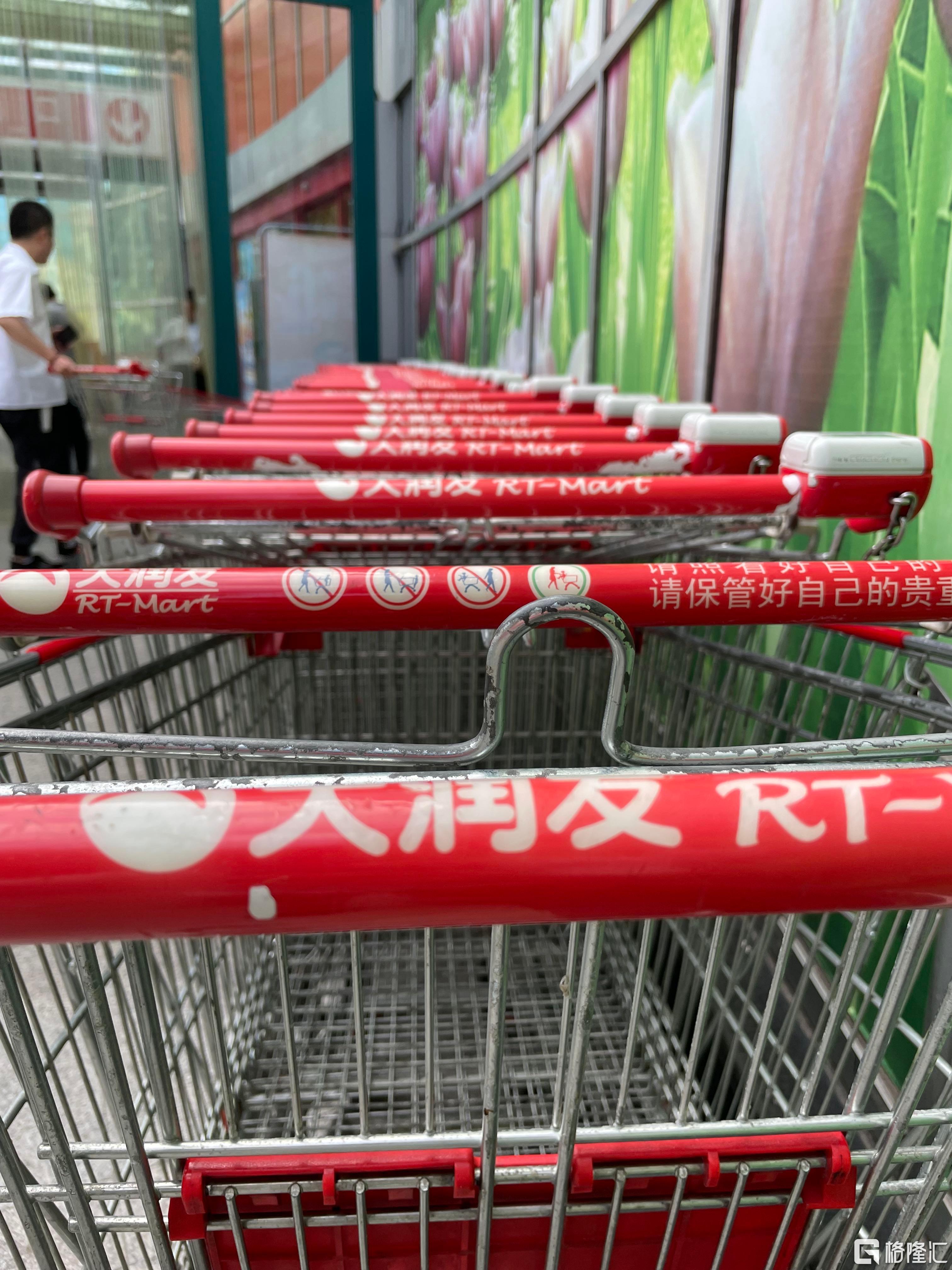
Group 1 - M Membership Store will launch the iPhone 15 series on September 22, allowing members to purchase it on the first day at the store in Yangzhou [1][2] - The store's director, Jiang Linlin, stated that restocking will occur in batches based on member demand after the launch [1] - M Membership Store has also started pre-sales for the Huawei Mate 60 series, with the Mate 60 Pro receiving high demand and initial orders already delivered [1] Group 2 - M Membership Store is a membership-based warehouse retail format under the Xinxin Retail, with its first store opening in Yangzhou on April 28 [2] - The store will open two new locations in Changzhou and Nanjing, set to officially operate in December 2023 and January 2024, respectively [2] - The experience centers in both cities are already completed and open for member recruitment [2]
2025零售业十大事件
Sou Hu Cai Jing· 2025-12-24 16:41
Group 1 - The hard discount supermarket format has gained significant attention in the second half of this year, with major internet companies launching new stores and expanding their presence [3][5] - Companies like Hema, JD, and Meituan have opened multiple hard discount stores, indicating a shift towards more price-sensitive consumer behavior [3][5] - The core competitiveness of hard discount formats lies in efficiency rather than just low prices, utilizing standardized models to reduce costs and improve turnover [5][7] Group 2 - Hema's X membership store has exited the market due to unclear positioning and high operational costs, highlighting the challenges faced by membership-based retail formats [9][10] - Despite Hema's exit, other local players are still attempting to establish membership stores, but they face strong competition and challenges in attracting price-sensitive customers [12][13] Group 3 - The retail sector has seen a wave of leadership changes among major players like Aldi, Sam's Club, and Yonghui, indicating a need for new strategies to adapt to market conditions [14][15] - These leadership changes are aimed at enhancing local procurement and supply chain management to support expansion while maintaining cost efficiency [15][17] Group 4 - The "prepaid card redemption" issue at Meitohai in Shanxi has raised concerns about cash flow and operational stability, as customers rush to redeem their prepaid cards amid fears of financial instability [18][21] - The situation has been exacerbated by recent store adjustments and closures, leading to a loss of consumer confidence and further financial strain [21][22] Group 5 - The trend of online players moving into offline retail is gaining momentum, with companies like Xiaoxiang Supermarket and Pupu planning to open physical stores to complement their online operations [23][24] - This shift is driven by rising costs associated with pure online fulfillment and the need to enhance consumer trust through physical retail experiences [25][28] Group 6 - The supermarket sector is undergoing a transformation as companies adopt the "learn from Pao Donglai" strategy, focusing on improving store layouts and customer experience [30][32] - However, many traditional supermarkets are still struggling with profitability despite initial positive performance post-renovation, indicating deeper systemic issues [32][33] Group 7 - Major online retailers like JD and Hema are retracting from partnerships with traditional supermarkets to refocus on self-operated models, aiming to streamline operations and improve efficiency [34][35] - This strategic shift reflects a broader trend of integrating online and offline capabilities to enhance customer experience and operational effectiveness [37][38] Group 8 - Regional retailers are emerging as new players in the market, focusing on local consumer needs and adapting their offerings accordingly, which may provide a competitive edge [39][41] - These regional players face challenges related to cost management and operational execution, particularly as they expand into new markets [41][42] Group 9 - The snack industry is experiencing a shift towards low-cost, high-density store formats, with companies like Mingming and Wancheng rapidly expanding their presence [42][44] - Traditional brands are facing pressure as they struggle to maintain market share amid aggressive pricing strategies from new entrants [44][45] Group 10 - The recent subsidy wars in instant retail have led to significant increases in order volumes, but also heightened financial pressures due to intensified price competition [47][51] - The long-term implications of these subsidy strategies remain uncertain, as companies navigate the balance between growth and profitability [51][52]