工商银行

Search documents
2025年银行理财为投资者创收7303亿元
Zheng Quan Ri Bao· 2026-01-25 16:52
Core Insights - The Chinese banking wealth management market is projected to continue its growth, with a total scale of 33.29 trillion yuan by the end of 2025, reflecting an 11.15% increase from the beginning of the year [1][2] - The number of investors holding wealth management products reached 143 million, a 14.37% increase year-on-year, indicating a strong demand for these financial products [1][5] - The report anticipates a stable growth trend for the wealth management market in 2026, driven by enhanced asset allocation and improved investment research capabilities by financial institutions [1][6] Market Size and Growth - As of the end of 2025, the total number of wealth management products in existence was 46,300, an increase of 14.89% from the start of the year, with 136 banks and 32 wealth management companies launching 33,400 new products [2] - The cumulative funds raised in 2025 amounted to 76.33 trillion yuan, with public wealth management products accounting for 31.46 trillion yuan, representing 94.50% of the total market [3][4] Investor Dynamics - The number of individual investors reached 141 million, making up 98.64% of the total investor base, while institutional investors numbered 1.94 million, accounting for 1.36% [5] - In 2025, the overall return generated for investors was 730.3 billion yuan, a 2.87% increase from 2024, with an average yield of 1.98% for wealth management products [5] Product Structure - Fixed income products dominated the market with a scale of 32.32 trillion yuan, representing 97.09% of the total, while mixed products accounted for 2.61% and equity products were relatively small at 0.08 trillion yuan [4] - The report highlights a slight decrease in the proportion of public wealth management products, down 0.42 percentage points from the beginning of the year [3] Future Outlook - The wealth management market is expected to experience "steady growth with minor fluctuations" in 2026, with a potential recovery in equity markets benefiting mixed and equity products [6] - Financial institutions are likely to enhance their asset allocation capabilities and explore the addition of equity assets to improve product yield, while digital transformation and intelligent services are anticipated to accelerate [6]

黄金跌价,金条跌价,26年1月21日,各大金店黄金、金条最新价格
Sou Hu Cai Jing· 2026-01-25 16:51
Group 1: Gold Market Dynamics - International gold prices are experiencing fluctuations, leading to adjustments in domestic high-end jewelry brand prices, with Chow Tai Fook quoting 1455 CNY/gram, Lao Feng Xiang at 1456 CNY/gram, and others around 1453 CNY/gram for gold [1] - Platinum prices remain high at around 940 CNY/gram, while discounts on gold jewelry are increasing, reflecting a cautious consumer sentiment and a relatively quiet market [1] Group 2: RMB Gold Prices - The Shanghai Gold Exchange reports the RMB-denominated gold spot price at 1047.60 CNY/gram, a slight increase of 2.33 CNY or 0.223% from the previous day, with a trading range between 1042.74 CNY and 1048.50 CNY [6] - Retail prices for gold jewelry or bars are higher than the exchange prices due to additional costs such as design and processing, influenced by international market fluctuations, exchange rates, and domestic supply and demand [6] Group 3: Financial Institutions Gold Bar Prices - Various financial institutions have set their gold bar prices, with China Construction Bank at 1050.74 CNY/gram, Industrial and Commercial Bank at 1050.58 CNY/gram, and others ranging from 1049.2 CNY to 1096.5 CNY per gram [7][8][9][10][11][12][13] Group 4: Wholesale and Retail Price Differences - The wholesale price for gold in Shui Bei is approximately 1203 CNY/gram, with significant price differences compared to retail prices, which can be attributed to store rent, operational costs, and brand premiums [14] - The pricing structure for jewelry includes "gold value + processing fee + brand premium," indicating a need for consumers to be aware of the price alignment with base gold prices when investing [14] Group 5: Domestic Gold Price Trends and Market Analysis - Current gold prices are reported at 1047.00 CNY/gram, with a slight increase of 0.11%, while platinum prices are at 606.79 CNY/gram, reflecting a 0.72% increase [15] - Despite rising gold prices, consumer purchasing enthusiasm is declining, with a reported 7.95% year-on-year decrease in gold consumption and a 32.50% drop in gold jewelry consumption in the first three quarters of 2025 [15] Group 6: Retail Strategies and Market Outlook - Brands are adopting strategies like trade-in programs to lower consumer purchase barriers, while research indicates that retailers need to enhance profit margins per gram of gold jewelry and optimize product offerings [16] - The technical structure of gold prices remains in an upward channel, but with weakening momentum, influenced by a strong dollar and rising real interest rates, which increase the opportunity cost of holding gold [17]





智通港股投资日志|1月26日
智通财经网· 2026-01-25 16:03
股东大会召开日 新股活动 鸣鸣很忙 (定价日) 星谦发展 中集集团 博泰车联 从玉智农 蓝思科技 宝龙地产 上海电气 浙商银行 中汇集团 中教控股 大众金融控股 (除净日) 工商银行 (派息日) 农业银行 (派息日) 建设银行 (派息日) 分红派息 智通财经APP获悉,2026年1月26日,港股上市公司投资日志如下: 类别 公司 ...
内蒙古首笔跨境投融资“免登记”业务落地
Xin Lang Cai Jing· 2026-01-25 15:09
Core Viewpoint - The successful completion of the first foreign investment enterprise domestic reinvestment exemption registration business in Inner Mongolia, amounting to 600 million RMB, marks a significant step in enhancing the convenience for foreign investment enterprises in the region and attracting more foreign capital for development [1][2]. Group 1: Policy and Implementation - The State Administration of Foreign Exchange (SAFE) issued a notice in September 2025 to deepen the reform of cross-border financing foreign exchange management, which includes the cancellation of registration for domestic reinvestment by foreign investment enterprises [1]. - The new policy allows domestic reinvestment funds to be directly transferred to relevant accounts, simplifying the process and reducing the time required for transactions [1]. - Following the policy announcement, SAFE's Inner Mongolia branch quickly responded by launching promotional activities to educate enterprises about the new cross-border trade financing management policies [1]. Group 2: Impact on Enterprises - The successful processing of the 600 million RMB transaction demonstrates the rapid conversion of policy benefits into development momentum for enterprises [2]. - The "exemption from registration" policy allows enterprises to avoid complex procedures, requiring only a one-time submission of materials for smooth fund transfers [1].
财政贴息进行时!“加码”促消费,多家机构行动
券商中国· 2026-01-25 14:11
Core Viewpoint - The article discusses the extension and optimization of the personal consumption loan interest subsidy policy in China, which aims to stimulate consumer spending and support economic growth until December 31, 2026 [1][3]. Policy Extension and Adjustments - The personal consumption loan interest subsidy policy has been extended to December 31, 2026, with the new implementation period set from September 1, 2025, to December 31, 2026 [1]. - The annual subsidy rate remains at 1%, with the funding burden shared between central and local governments at a ratio of 90% to 10% [3][4]. Bank Responses and Offerings - Banks have begun to implement new subsidy execution plans, including incorporating credit card installment payments into the subsidy scope and removing restrictions on certain consumption scenarios [2][4]. - Current personal consumption loan rates from a state-owned bank are reported as low as 3% for a one-year term and 3% for a three-year term, with potential further reductions through merchant subsidies [3]. Optimization of Subsidy Policy - The policy has been optimized in four main areas: expanding the support scope, broadening the subsidy fields, increasing the subsidy standards, and adding more financial institutions to handle the loans [4]. - New financial institutions, including city commercial banks, rural commercial banks, foreign banks, consumer finance companies, and auto finance companies, have been added to the list of entities eligible to provide subsidies [4]. Implementation and Customer Experience - Major banks like ICBC, ABC, and BOC have confirmed that customers with existing agreements will automatically benefit from the new policy starting January 1, 2026, without needing to reapply [5]. - Banks are providing clear operational guidelines for customers to apply for the subsidy, ensuring a smooth experience [5][6]. Market Impact and Financial Institutions' Role - Financial institutions are actively increasing consumer credit offerings and optimizing products and services to stimulate market activity and consumer spending [6]. - Consumer finance companies are also extending the subsidy policy and removing previous limits on single transaction subsidies to support larger and diverse consumer needs [7]. Compliance and Risk Management - Banks are emphasizing compliance with the subsidy policy, warning against fraudulent activities related to subsidy claims, and outlining consequences for violations [7].

涨幅不大但趋势向好,大消费/科技等涨幅居前
Ge Long Hui· 2026-01-25 13:19
Group 1 - The Hang Seng Index closed up 0.45% after fluctuating within a narrow range above the midline, with significant gains in the consumer sector [1] - The consumer sector opened strongly and maintained high levels throughout the day, closing up 1.05%, with notable increases from Lao Pu Gold (up 6.78%), Pop Mart (up 6.6%), and Kangfang Biologics (up 3.65%) [3] - The Hang Seng Technology Index experienced a slight pullback after opening but closed up 0.66%, with Xiaomi Group rising 2.84%, Kuaishou up 2.72%, and Alibaba increasing by 2.25% [3] Group 2 - Bank stocks continued to show weakness, opening high but closing down 0.07%, with Industrial and Commercial Bank of China and Chongqing Bank experiencing slight declines [3] - Some banks, including Zhengzhou Bank, Dah Sing Financial, and Zheshang Bank, managed to post small gains despite the overall sector's downturn [3]


3家股份银行的卫星先后上天 除了楼盘风险监测,还有什么神通?
Mei Ri Jing Ji Xin Wen· 2026-01-25 12:44
Core Viewpoint - The successful launch of "Zhaoyin Jinkui" and "Puyin Shuzhi" satellites marks a significant advancement in the banking sector's integration of satellite technology, enhancing financial services and risk management capabilities [1][2]. Group 1: Satellite Launches and Applications - The "Zhaoyin Jinkui" satellite and "Puyin Shuzhi" satellite are part of China's first global low-orbit satellite IoT constellation, "Tianqi Constellation," developed by Beijing Guodian Gaoke Technology Co., Ltd [1]. - Prior to this, China Merchants Bank launched "Zhaoyin 1" and "Zhaoyin 2" satellites in 2024 and 2025, respectively, while Ping An Bank launched "Ping An 1" and "Ping An 2" in 2020 and 2022 [1][2]. - The satellites are utilized in various fields such as supply chain finance, real estate risk monitoring, and cross-border asset and trade supervision, creating a digital risk control system and emergency communication network [1][2]. Group 2: Specific Applications and Innovations - Ping An Bank's "Ping An 1" satellite enables data transmission from remote areas, enhancing the bank's ability to monitor operational data from factories and farms [2]. - The "Ping An 2" satellite improves communication stability and helps the bank access real-time supply chain data, thereby enhancing its financial service capabilities [2][3]. - China Merchants Bank employs satellite technology for high-precision monitoring of real estate construction progress, achieving over 95% accuracy in risk management for mortgage projects [4]. Group 3: Emergency Communication and Risk Management - The banks emphasize the importance of satellite communication for emergency scenarios, allowing data transmission even in areas without ground signal coverage [6]. - China Merchants Bank has initiated tests for low-orbit satellite communication technology in its financial disaster recovery systems, enhancing business continuity in extreme situations [6]. - Ping An Bank and Shanghai Pudong Development Bank plan to leverage the "Tianqi Constellation" for innovative applications in financial asset lifecycle management and rapid recovery of essential financial services during disasters [6]. Group 4: Industry Trends and Future Directions - The banking sector's investment in satellite technology aligns with the rapid development of China's commercial space industry, with banks exploring various applications to enhance service delivery and reduce costs [7]. - China Merchants Bank's subsidiary has initiated the first domestic SPV satellite leasing business, addressing the financing needs of commercial space enterprises [7]. - Other banks, such as Industrial and Commercial Bank of China and Xingye Bank, are also integrating satellite remote sensing technology into their operations to improve risk management and monitoring capabilities [8].


景顺长城红利量化选股股票A:2025年第四季度利润16.91万元 净值增长率2.05%
Sou Hu Cai Jing· 2026-01-25 11:23
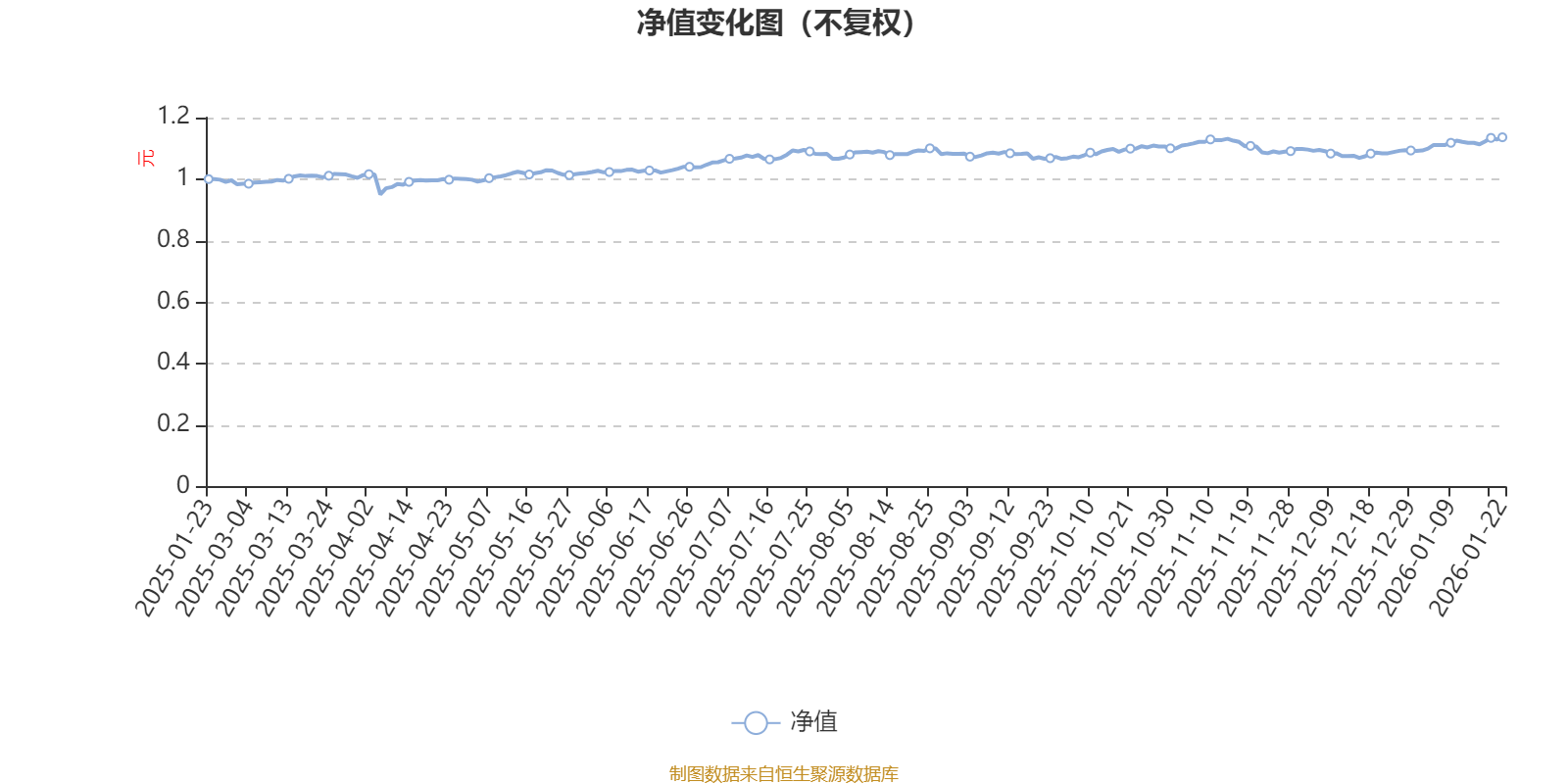
Core Viewpoint - The AI Fund, Invesco Great Wall Dividend Quantitative Stock A (022344), reported a profit of 169,100 yuan for Q4 2025, with a weighted average profit per fund share of 0.0224 yuan. The fund's net asset value growth rate was 2.05%, and the fund size reached 8.1173 million yuan by the end of Q4 2025 [3][12]. Fund Performance - As of January 22, the unit net value was 1.136 yuan. The fund manager, Xu Yujun and Li Haiwei, currently manage five funds. The highest one-year cumulative net value growth rate among these funds was 58.62% for Invesco Great Wall SSE Sci-Tech Innovation Board 50 Index Enhanced A, while the lowest was 52.19% for Invesco Great Wall CSI 500 Index Enhanced A [3]. - The fund's net value growth rate over the last three months was 3.38%, ranking 94 out of 121 comparable funds, and over the last six months, it was 4.01%, ranking 105 out of 121 [3]. Investment Strategy - The fund is an actively managed quantitative fund primarily focused on high-dividend stocks. The investment portfolio emphasizes fundamental quantitative stock selection, maintaining a balance between value and growth styles, while focusing on companies with good cash flow and stable internal growth. The strategy aims to generate sustained excess returns through bottom-up stock selection amid market volatility [3]. Risk Metrics - As of December 31, the fund's Sharpe ratio since inception was 0.1449 [4]. - The maximum drawdown since inception was 6.63%, with the largest quarterly drawdown occurring in Q4 2025 at 5.46% [7]. Fund Holdings - As of Q4 2025, the fund's top ten holdings included China COSCO Shipping, Chongqing Bank, Yanzhou Coal Mining, Shaanxi Coal and Chemical Industry, Shanxi Coal International, China Shenhua Energy, Industrial Bank, Guiyang Bank, Haohua Energy, and Industrial and Commercial Bank of China [15]. Portfolio Allocation - The average stock position since inception was 85.84%, compared to the industry average of 88.34%. The fund reached a peak stock position of 91.95% at the end of Q3 2025 and a low of 79.57% at the end of Q4 2025 [11].
华宝红利精选混合A:2025年第四季度利润424.72万元 净值增长率3.64%
Sou Hu Cai Jing· 2026-01-25 10:59
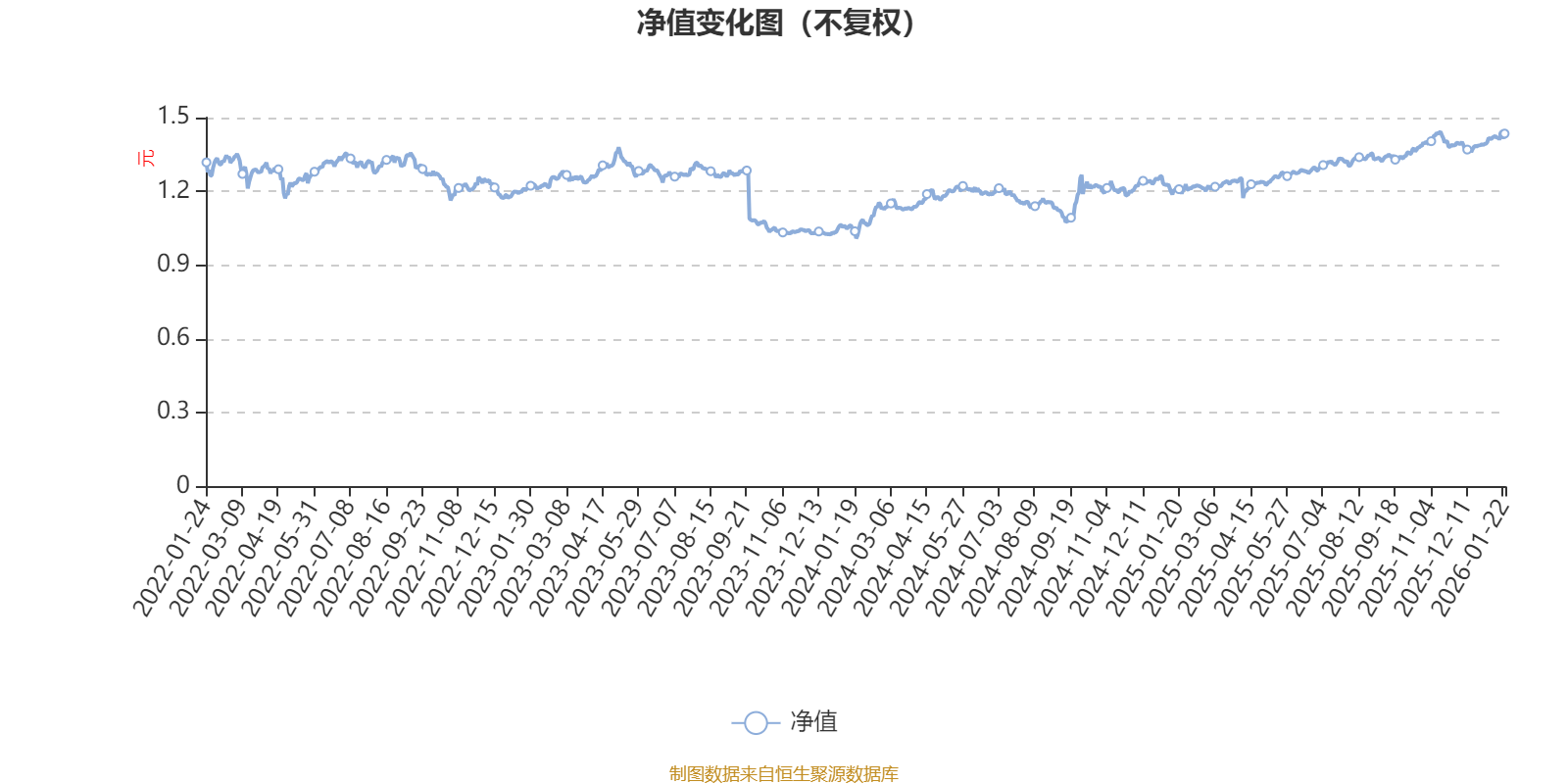
该基金属于偏股混合型基金。截至1月22日,单位净值为1.435元。基金经理是唐雪倩,目前管理6只基金。其中,截至1月22日,华宝新价值混合近一年复权 单位净值增长率最高,达22.06%;华宝安享混合A最低,为4.23%。 基金管理人在四季报中表示,华宝红利精选基金定位为价值策略产品,对于估值匹配度和盈利确定性的要求相对较为明确。基金定位于在全市场具备较高股 息率和分红可持续性,且经营质地优质、现金流表现良好的公司中优选股票组合,维持风格的连贯和清晰。报告期内基金保持了相对风格指数的超额收益, 整体波动延续正常水平。 客观而言,从中长期的角度,红利类的资产为市场特别是偏长期资产配置的投资者提供了长周期的配置选择,基金将在长期中继续恪守投资边际,做好相应 的股票选择和策略管理。 截至1月22日,华宝红利精选混合A近三个月复权单位净值增长率为4.04%,位于同类可比基金498/621;近半年复权单位净值增长率为7.50%,位于同类可比 基金545/621;近一年复权单位净值增长率为20.40%,位于同类可比基金522/613;近三年复权单位净值增长率为38.30%,位于同类可比基金117/535。 AI基金华宝红利 ...
信澳红利智选混合A:2025年第四季度利润20.68万元 净值增长率2.25%
Sou Hu Cai Jing· 2026-01-25 10:59
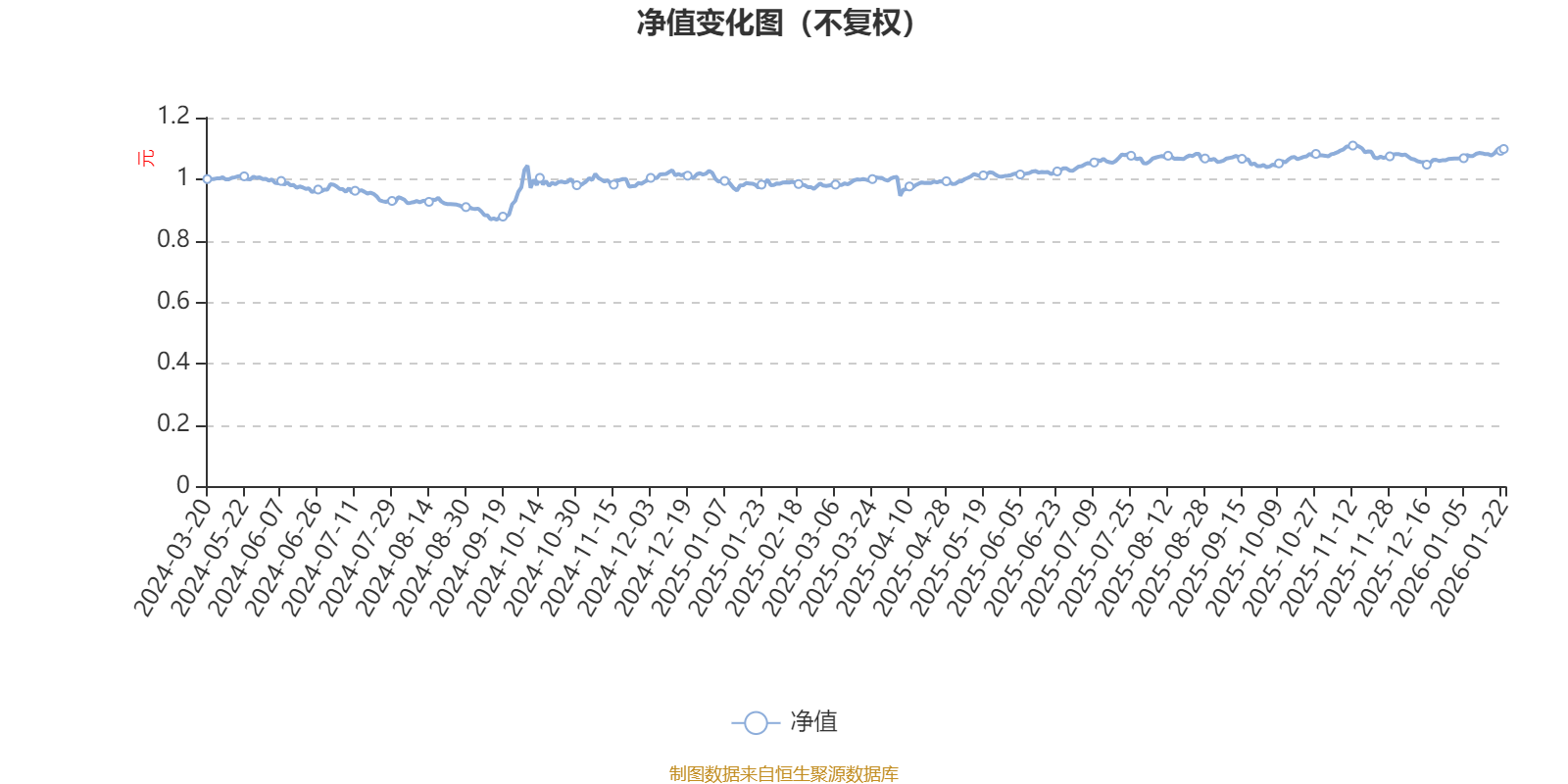
Core Viewpoint - The AI Fund Xin'ao Hongli Smart Selection Mixed A (020657) reported a profit of 20.68 thousand yuan for Q4 2025, with a weighted average profit per fund share of 0.032 yuan, and a net value growth rate of 2.25% during the reporting period [3]. Fund Performance - As of January 22, the fund's unit net value was 1.098 yuan, and the fund size was 584.22 thousand yuan at the end of Q4 [3][15]. - The fund's performance over different periods includes a three-month net value growth rate of 2.23%, ranking 582 out of 689 comparable funds; a six-month growth rate of 1.71%, ranking 645 out of 689; and a one-year growth rate of 13.01%, ranking 620 out of 673 [3]. Investment Strategy - The fund employs an "Index+" strategy, focusing on quantitative methods to analyze benchmarks and select appropriate factors for model construction, aiming to achieve sustained outperformance within a defined tracking error range [3]. Risk Metrics - The fund's Sharpe ratio since inception is 0.4804, indicating a moderate risk-adjusted return [8]. - The maximum drawdown since inception is 14.07%, with the largest quarterly drawdown occurring in Q2 2025 at 6.06% [10]. Portfolio Composition - The average stock position since inception is 85.04%, slightly above the peer average of 84.04%. The fund reached a peak stock position of 89.8% at the end of Q3 2024 and a low of 64.22% at the end of 2025 [13]. - The top ten holdings as of Q4 2025 include China Shenhua, China Construction Bank, Industrial and Commercial Bank of China, and others [18].