欧莱雅集团

Search documents
72亿,美业再现天价收购
3 6 Ke· 2025-05-30 00:39
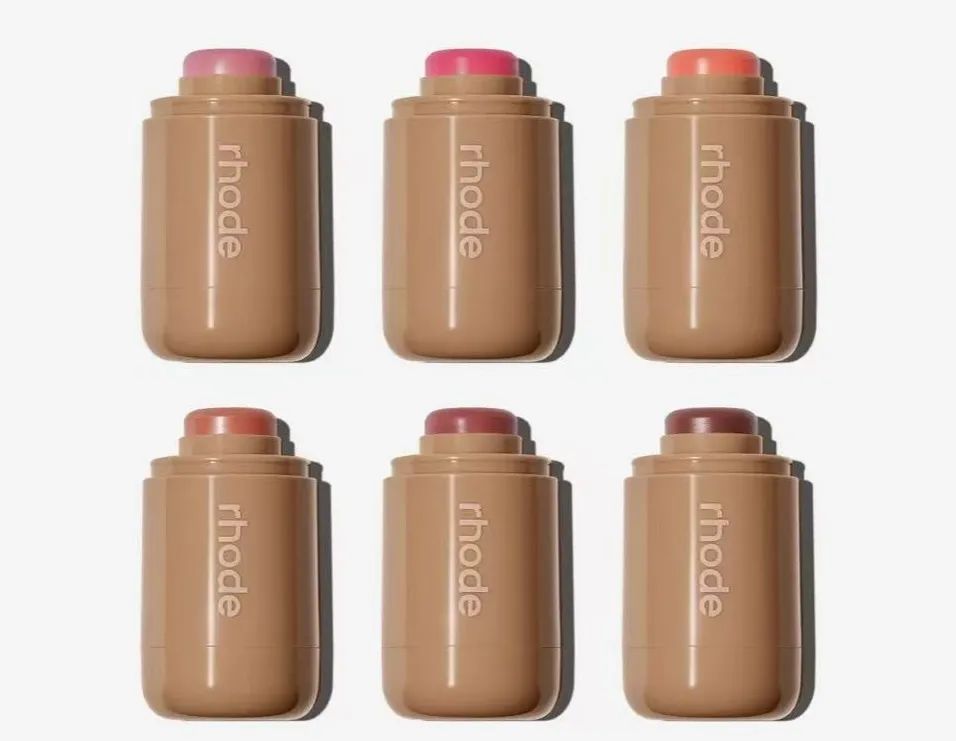
Group 1 - e.l.f. Beauty announced the acquisition of Rhode, a beauty brand founded by Hailey Bieber, for $1 billion (approximately 71.88 billion RMB), marking e.l.f.'s largest acquisition to date [1][3] - The acquisition price consists of $800 million (approximately 57.5 billion RMB) in cash and stock, plus an additional $200 million (approximately 14.38 billion RMB) in potential earnouts [3] - The deal is expected to close in the second quarter of the fiscal year 2026, pending customary closing conditions [3] Group 2 - e.l.f. aims to diversify its brand portfolio in response to slowing sales growth and increased competition, as evidenced by a 4% year-over-year sales decline reported in its latest quarterly results [5][6] - Rhode's sales exceeded those of Rihanna's Fenty Beauty in 2023, with sales growth of $212 million (approximately 15.24 billion RMB) for the 12 months ending March 31, 2025 [12][15] - The acquisition reflects a strategic shift for e.l.f. towards the high-end beauty market to counteract weak demand in the mass cosmetics segment [8][29] Group 3 - Rhode, launched in June 2022, quickly gained popularity, selling out flagship products within days and achieving over $10 million in sales within 11 days of launch [12][15] - Hailey Bieber will continue as the brand's founder and take on additional roles, including creative director and product innovation lead [5] - The acquisition is part of a broader trend where major beauty companies are increasingly targeting influencer-led brands for their growth potential and consumer engagement [20][29]

连亏3年,知名日妆解散中国子公司
3 6 Ke· 2025-05-27 02:59
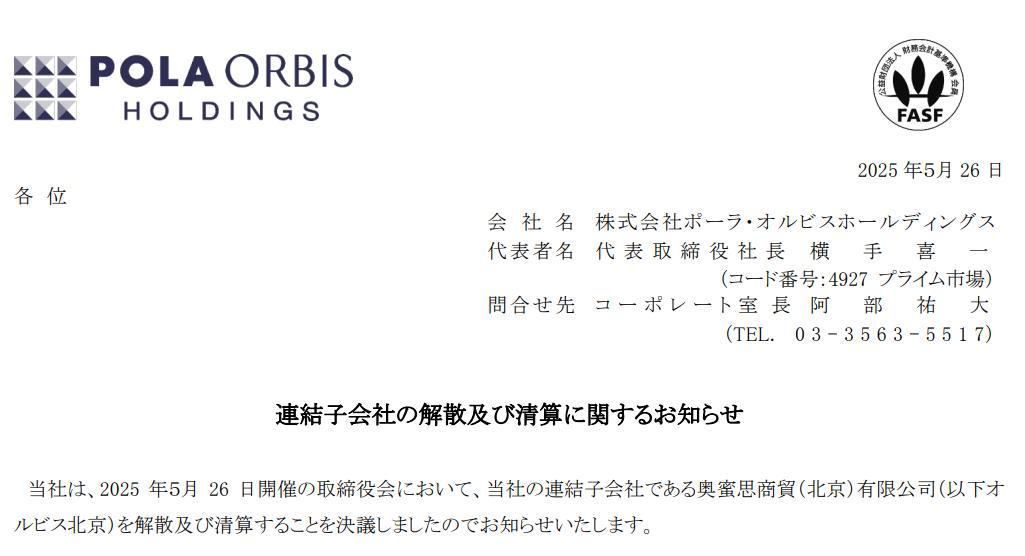
Core Viewpoint - POLA ORBIS HOLDINGS has announced the dissolution and liquidation of its subsidiary, Orbis Beijing, indicating challenges in the Chinese market but not a complete exit from China [1][3][5]. Company Overview - POLA ORBIS was established in 1929, focusing on beauty care, real estate, and other sectors, with beauty care accounting for 97% of its total revenue in 2024 [6]. - The Orbis brand, launched in 1984, targets the mid-range market with products priced between 2,000 and 5,000 yen (approximately 101 to 252 RMB) [8]. Financial Performance - Orbis Beijing's revenue for 2024 was 783 million yen (approximately 39 million RMB), the lowest in three years, with continuous losses in operating profit and net profit [8][9]. - The financial data shows a decline in net assets and total assets over the past three years, with net sales dropping significantly [9]. Strategic Decisions - The decision to dissolve Orbis Beijing aligns with POLA's "VISION 2029" strategy, which aims to expand globally and optimize brand portfolios [10]. - The company cited the slowing Chinese economy and intensified e-commerce competition as reasons for the inability to achieve short-term profitability [10][11]. Market Challenges - POLA faces significant competition in the Japanese cosmetics market, ranking last among the top four Japanese cosmetic groups [11]. - The overall performance of POLA's brands has been declining, with the main brand POLA and Jurlique experiencing revenue drops, while Orbis showed some growth [15][20]. Industry Context - The Chinese beauty market is becoming increasingly competitive, with local brands like Proya and Han Shu achieving significant revenue growth, contrasting with the struggles of international brands [21]. - The challenges faced by POLA are not unique, as other Japanese cosmetic companies are also experiencing difficulties in the Chinese market [20][21].
抖音顶流、小红书种“钞”机,揭秘IPO美妆的流量炼金术
3 6 Ke· 2025-05-22 10:54
Core Viewpoint - The upcoming IPO of Gu Yu, a domestic beauty brand, highlights the changing dynamics in the Chinese beauty industry, shifting from a focus on GMV growth to customer lifetime value as investors become more discerning [1][16]. Industry Overview - The domestic beauty industry has experienced significant fluctuations over the past decade, transitioning from a period of rapid growth to a more rational market environment [1][5]. - The rise of brands like Perfect Diary and Huaxizi was fueled by social media, reaching a peak between 2020 and 2021, but the market soon recognized the unsustainability of the "traffic equals brand" model, leading to a decline starting in 2022 [2][5]. Financial Performance - In 2022, the beauty and personal care industry saw a dramatic drop in financing, with 74 investment events totaling approximately 7.949 billion yuan, a year-on-year decrease of 72.88% [5]. - Recent financial reports indicate that companies like Beitaini and Huaxi Biological have faced declining revenues and profits, with Beitaini's net profit dropping by 33.53% year-on-year [5][6]. Gu Yu's Growth Strategy - Gu Yu has achieved explosive growth in GMV, surpassing 5 billion yuan in 2024, with a year-on-year growth rate exceeding 40% [10]. - The brand has effectively utilized major social media platforms for marketing, starting with Taobao Live in 2016 and expanding to platforms like Xiaohongshu, Kuaishou, and Douyin [7][9]. Challenges and Risks - Gu Yu's reliance on a marketing-driven growth strategy mirrors that of earlier successful brands, raising concerns about profitability as marketing costs rise and consumer loyalty wanes [11][12]. - The brand faces significant challenges in product differentiation and market competition, particularly in the essence category where it primarily generates revenue [11][12]. Market Dynamics - The beauty industry is witnessing a shift in focus from traffic-driven growth to sustainable business models, emphasizing profitability and customer retention [16][18]. - The competitive landscape is intensifying, with new customer acquisition costs rising and customer lifetime value decreasing, leading to lower repurchase rates [18][20]. Regulatory Environment - Stricter regulations in the beauty industry, particularly regarding marketing claims, are expected to impact smaller brands that rely heavily on concept marketing [22]. - The evolving consumer preferences among younger generations indicate a shift towards valuing product efficacy over brand popularity, challenging traditional marketing strategies [22]. Conclusion - Gu Yu's IPO represents a critical moment for the domestic beauty industry, as it must navigate the transition from a focus on rapid growth to establishing a sustainable business model that can withstand market pressures and changing consumer expectations [23].
4月化妆品零售高于社零增速,美妆巨头看好高端护肤需求复苏
Nan Fang Du Shi Bao· 2025-05-20 04:18
Group 1: Retail Sales Data - In April, the total retail sales of consumer goods reached 37,174 billion yuan, a year-on-year increase of 5.1% and a month-on-month increase of 0.24% [2][4] - From January to April, the total retail sales amounted to 161,845 billion yuan, with a year-on-year growth of 4.7% [2][4] - The retail sales of cosmetics in April reached 30.9 billion yuan, growing by 7.2%, which is higher than the overall retail sales growth [2][4] Group 2: Shiseido's Performance - Shiseido's net sales for Q1 2025 decreased by 8.5% to 228.24 billion yen (approximately 11.1 billion yuan), while operating profit was 7.20 billion yen (approximately 0.35 billion yuan) [6] - The decline in net sales was attributed to a deteriorating economic environment affecting consumer spending, particularly in China and the Americas [6][8] - Shiseido's restructuring efforts and cost management partially offset the profit decline from travel retail [6] Group 3: Market Strategy and Consumer Trends - Shiseido has integrated its China market and travel retail business into a unified management unit to enhance resource efficiency and market responsiveness [8] - Online channels in China showed strong performance, with double-digit growth during promotional periods, indicating a recovery in high-end product demand [8] - The company noted that Chinese consumers are increasingly focused on brand strength and efficacy in skincare products, with decreasing price sensitivity [8] Group 4: Competitor Insights - L'Oréal reported a 4.4% year-on-year increase in sales for Q1 2025, with its luxury cosmetics division growing by 7.3% [11] - Despite challenges in travel retail, L'Oréal's performance in the Chinese market was strong, with both online and offline channels performing well [11] - Estée Lauder's total revenue for Q3 2025 fell by 10% to $3.55 billion, with a significant decline in net profit, but the Chinese market showed some growth in online sales [12]


谁杀死了中国首店?LV、欧莱雅高端香氛集体闭店之谜
3 6 Ke· 2025-05-19 10:22
在各大美妆品牌前仆后继涌入香氛赛道时,有些香氛品牌却悄然闭店"离场"了。 据一财商学院不完全统计,今年3月以来,香氛领域已有7个知名品牌宣布闭店或停止运营,其中包括LV旗下高定香氛品牌梵诗柯香中国首家精品店、欧 莱雅集团旗下高端个护与香水品牌Aesop伊索中国内地首店、国内高端香氛品牌闻献DOCUMENTS杭州首店。 与这些闭店信息背道而行的是近年来持续扩大的中国香水香氛市场规模。数据显示,2018年到2025年,中国香水香氛市场年复合增长率为14.73%,远高 于全球3.01%的增长水平。艾媒咨询预计,2029年中国香水香氛市场规模有望突破500亿元,将成为全球增长最快的市场之一。 整体来看,中国香水香氛市场发展前景十分可观,但这些香水品牌发展受挫的原因,一方面是"国际大牌躺赢中国"的叙事已经终结,一方面是上述品牌的 高端定位与目前看似旺盛的市场需求依旧有供需错配的矛盾。究竟哪些香水品牌成功获取消费者"芳心",一财商学院尝试从这些角度剖析中国香水香氛市 场的现状。 香氛品牌"退场"背后 在本次统计的七个闭店香氛品牌中,梵诗柯香、闻献DOCUMENTS、花言几木、西子玲珑并未直接公布闭店原因,Aesop伊索透 ...

二姨看时尚丨Dick's收购Foot Locker;Burberry将裁员1700人;安德玛净亏损2亿美元
2 1 Shi Ji Jing Ji Bao Dao· 2025-05-18 23:17
Group 1: Industry Trends - The luxury goods and fashion industry is experiencing significant transformations, with cross-industry collaborations and capital movements becoming prevalent [1] - The shift from celebrity marketing to hardcore research and development is evident, alongside a transition from broad growth strategies to more precise regional strategies [1] Group 2: Prada's Film Fund - Prada Foundation has established a film fund with an annual investment of €1.5 million to support independent films and high-art value works, set to launch in Fall 2025 [2] Group 3: Richemont's Jewelry Growth - Richemont reported a 4% increase in annual sales to €21.399 billion, driven by an 8% growth in its jewelry segment, while the Asia-Pacific region experienced a decline [3] Group 4: Sephora's Expansion - Sephora is introducing Lady Gaga's Haus Labs in seven Asia-Pacific regions, launching 125 makeup products that emphasize natural and vegan formulations [4] Group 5: Dick's Sporting Goods Acquisition - Dick's Sporting Goods announced the acquisition of Foot Locker for $24 per share, a premium of 86.5%, leading to a significant stock price reaction [5] Group 6: RED CHAMBER Financing - The clean beauty brand RED CHAMBER secured nearly ¥100 million in Series A and A+ financing, focusing on research upgrades and digital testing systems [7] Group 7: Burberry's Restructuring - Burberry reported a 17% decline in retail sales to £2.461 billion and announced plans to cut 1,700 jobs as part of a restructuring effort to save £100 million by FY2027 [8] Group 8: Balenciaga Leadership Change - Balenciaga appointed Nathalie Raynaud as Vice CEO, succeeding Laura du Rusquec, indicating a strategic shift in product strategy and market positioning [9] Group 9: L'Oréal's New Leadership - L'Oréal appointed Laetitia Toupet-Delon as Global Brand President of Paris L'Oréal, aiming to integrate scientific expertise into the mass market [10] Group 10: On's Sales Surge - On reported a 43% increase in Q1 sales, with a remarkable 130.1% growth in the Asia-Pacific region, driven by localized operations and product advantages [11] Group 11: Samsonite's Mixed Results - Samsonite's Q1 net sales fell to $797 million, a 4.5% decline, but its acquired brand TUMI showed strong growth in China, highlighting a mixed performance [12][13] Group 12: CK's Leadership Change - PVH Group appointed David Savman as CK's Global Brand President, aiming to enhance brand transformation and supply chain efficiency [14] Group 13: Under Armour's Financial Struggles - Under Armour reported a 9% decline in revenue to $5.2 billion and a net loss of $201 million, despite exceeding expectations [15] Group 14: Shiseido's Growth in China - Shiseido achieved a double-digit sales growth of 11.9% in China for Q1, driven by high-end brand performance and local innovation [16]
陕西新首富,竟是211大学女校长
盐财经· 2025-05-18 10:05
Core Viewpoint - The article discusses the dual identity of Fan Daidi as both the new vice president of Northwest University and a wealthy entrepreneur, highlighting her significant contributions to the biotechnology industry through her company, Juzhi Biotechnology, which specializes in recombinant collagen products [2][3][5]. Group 1: Company Overview - Juzhi Biotechnology was founded in 2001 by Fan Daidi and her husband Yan Jianya, focusing on the commercialization of scientific research, particularly in recombinant collagen technology [5][7]. - As of May 15, 2025, Juzhi Biotechnology's market capitalization reached HKD 86.2 billion, with the couple's shareholding valued at over HKD 45 billion, making them the wealthiest couple in Shaanxi province [7]. - The company’s flagship product, the "Kefumei" mask, achieved annual sales of RMB 4.5 billion, showcasing the commercial success of their research [5][15]. Group 2: Research and Development - Fan Daidi's research on recombinant collagen began in the early 2000s, overcoming challenges associated with animal-derived collagen, leading to a breakthrough using E. coli fermentation for production [9][11]. - Juzhi Biotechnology's revenue heavily relies on its two main brands, "Kefumei" and "Keli Jin," which together account for 97.1% of the company's total revenue [12][18]. - The company has maintained a high gross margin, with figures of 83.3%, 84.6%, and 87.2% from 2019 to 2021, comparable to leading brands like Kweichow Moutai [16][18]. Group 3: Market Dynamics - The demand for collagen-based products is growing, with the medical beauty market for collagen masks valued at RMB 4.8 billion in 2021, projected to reach RMB 25.5 billion by 2027 [29]. - Juzhi Biotechnology faces competition from other brands in the beauty industry, which may impact its market share and growth potential [38][39]. - The company is also exploring new active ingredients, such as ginsenoside, to diversify its product offerings beyond collagen [36]. Group 4: Leadership and Future Prospects - Fan Daidi's appointment as vice president of Northwest University is seen as an opportunity to enhance the university's technology transfer capabilities, leveraging her industry experience [28][27]. - The company is considering succession planning, with their daughter Yan Yubo recently appointed as an executive director and chief product officer, indicating a focus on continuity and future growth [40][42].

步入“精耕慢作”的中国香水市场
2 1 Shi Ji Jing Ji Bao Dao· 2025-05-16 17:04
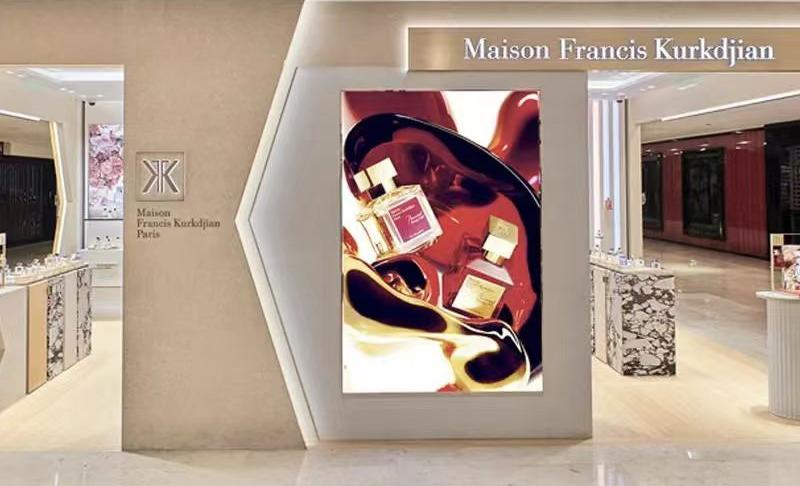
Group 1 - LVMH's Maison Francis Kurkdjian and L'Oréal's Aesop have closed their first stores in China, highlighting challenges faced by some high-end fragrance brands in the market [1][2] - The closure of these flagship stores, which were established with high expectations in 2022, raises questions about the brands' adaptability to the Chinese market and potential missteps in their commercial strategies [2][3] - Other high-end brands like Estée Lauder's Frederic Malle and Byredo are thriving in China by employing diversified channel strategies and building emotional connections with consumers [2][7] Group 2 - Maison Francis Kurkdjian, founded in 2009 by renowned perfumer Francis Kurkdjian, initially gained traction but struggled to maintain its presence in China due to high pricing and limited marketing engagement [3][4] - The brand's flagship product, "Baccarat Rouge 540," priced at nearly 2000 yuan for 35ml, may deter price-sensitive consumers who opt for cheaper alternatives [4][5] - Experts suggest that the brand needs to redefine its strategy in China to foster deeper emotional ties and enhance consumer loyalty [5][8] Group 3 - The Chinese fragrance market is experiencing significant growth, with a market size of 20.7 billion yuan in 2023, reflecting a 22.5% year-on-year increase, and is projected to reach 51.5 billion yuan by 2029 [7][8] - International brands like Chanel and Dior dominate the high-end market, while local brands such as To Summer and Documents are carving out niches through cultural relevance and innovative marketing [7][8] - The success of fragrance brands now hinges on their ability to create unique consumer experiences and emotional connections rather than merely relying on product quality [9]
行业动态 | 一周银发产业大事件速览
Sou Hu Cai Jing· 2025-05-16 15:06
Group 1: Elderly Care Services - China leads the development of international standards for age-friendly digital economy, focusing on online shopping, digital banking, and smart community services for the elderly [7][8] - The first national standard for brand value evaluation in the elderly care service industry has been released, detailing 46 indicators for measuring brand strength [7][8] - The Ministry of Human Resources and Social Security plans to add a new occupation, "Elderly Care Specialist," to enhance the workforce in elderly services [8] Group 2: Business Collaborations and Innovations - Haier Health and Zepu Kangdao have partnered to create a new model for smart elderly care, integrating various health technology solutions [8] - Fosun Baodexin and BOE have signed a cooperation agreement to develop an "insurance + elderly care" model, enhancing health management and care services in Sichuan [8] - Jingneng Group reported a 15.09% year-on-year increase in revenue, focusing on expanding institutional elderly care services [9] Group 3: Financial Developments in Elderly Care - China Insurance has announced a plan to acquire 100% of Beijing Jinsui Technology for 302 million yuan, aiming to enhance its health consumption product offerings [12] - The China Insurance Association has released guidelines for elderly service standards, promoting better service for older clients [12] - New financial products and services are being developed to support multi-tiered elderly care systems in Guangzhou and Jiangsu [20] Group 4: Health and Wellness Innovations - JD Health reported a revenue of 16.645 billion yuan in Q1 2025, focusing on AI applications in healthcare services [14] - NuoVation and Oriental Gene have partnered to advance Alzheimer's disease diagnostics, enhancing medical service quality [14] - A new health management program is being developed by Ping An Health and Novo Nordisk, focusing on obesity management [14] Group 5: Technological Advancements - The first intelligent rehabilitation demonstration base has been established in Shanghai, focusing on the application of intelligent robots in rehabilitation [18] - Companies like Huawei and UBTECH are collaborating to develop humanoid robots for home services, enhancing elderly care solutions [18] - "Aoyi Technology" has secured nearly 100 million yuan in funding to advance brain-computer interface technology [18]

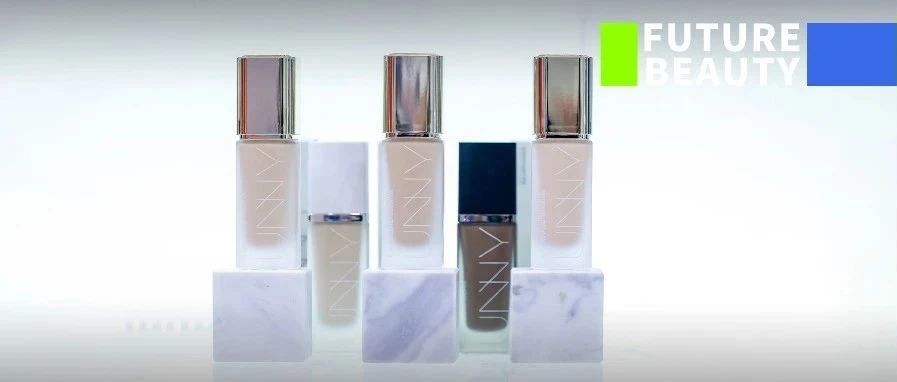
在“百元底妆”赛道,UNNY怎么继续赢?
FBeauty未来迹· 2025-05-14 11:04
Core Viewpoint - The perception that affordable foundation products are of low quality is being challenged by UNNY's foundation 2.0 series, which utilizes proprietary technologies to redefine market standards in the affordable cosmetics sector [2][5]. Group 1: Market Dynamics - The Z generation, born between 1995 and 2010, contributes 40% of household consumption despite being less than 20% of the total population, indicating a shift towards value-driven purchasing [3]. - The affordable foundation market in China is facing challenges due to price wars and homogenization, leading to a trust crisis where "affordable equals low quality" [5][6]. - Data shows that in 2024, foundation products priced below 140 yuan accounted for approximately 37% of the market share, with a decline in sales revenue despite an increase in product quantity [5][6]. Group 2: UNNY's Innovations - UNNY's foundation 2.0 series addresses consumer pain points such as makeup longevity and skin health through advanced technologies like "Feather Membrane," "Linglong Powder," and "Micro Lipids" [7][10][11]. - The "Feather Membrane" technology mimics the structure of bird feathers to create a flexible, breathable film that enhances makeup durability, showing significant performance in third-party tests [8]. - "Linglong Powder" effectively absorbs oil and releases antioxidants, combating makeup dullness caused by oil production [10]. - "Micro Lipids" utilize a unique fermentation process to enhance skin absorption and improve skin barrier function, addressing deeper skin health concerns [11][13]. Group 3: Industry Standards and Growth Strategy - UNNY has initiated the first industry standard for foundation makeup longevity evaluation, aiming to establish a scientific assessment framework for product performance [16]. - The company emphasizes a research-driven approach, with significant investments in R&D infrastructure and partnerships with academic institutions to enhance innovation capabilities [19]. - UNNY's product strategy includes a diverse range of offerings, covering various skin types and needs, while its marketing strategy focuses on experiential retail and user engagement [21][24]. Group 4: Market Positioning - UNNY's growth trajectory illustrates that success in the affordable segment is not solely about low pricing but rather about delivering technological advancements and quality [29]. - The brand's comprehensive product line and multi-channel strategy have established a solid market presence, appealing to a wide consumer base [26][27].