
大疆创新

Search documents
国际低空经济贸易博览会12月中旬举办
Guang Zhou Ri Bao· 2025-10-24 01:47
Group 1 - The Guangzhou Low Economic Trade Fair is scheduled to take place from December 12 to 14, 2025, at the Canton Fair Exhibition Center, focusing on the theme "Innovate Low Altitude, Serve Global Trade" [2] - The exhibition will cover over 60,000 square meters, showcasing new products, technologies, and business models in the low-altitude economy, including eVTOLs, drones, and intelligent robots [2] - The event will feature more than 20 specialized forums, gathering domestic and international experts to discuss industry innovation, challenges, and development paths for high-quality growth in the low-altitude economy [2] Group 2 - The "1+5+N" innovative trade service model was introduced, which includes a comprehensive ecosystem for export trade, five trade ecosystems, and multiple trade matchmaking events [3] - The exhibition has already secured 80% of its exhibition space, attracting leading companies in the low-altitude economy such as EHang, XPeng, DJI, and XAG [3] - The fair is expected to attract over 600 industry chain enterprises and more than 50,000 domestic and international visitors from over 50 countries and regions [3]


沈劭劼团队25年成果一览:9篇顶刊顶会,从算法到系统的工程闭环
自动驾驶之心· 2025-10-24 00:04
Core Viewpoint - The article emphasizes the advancements and contributions of the Aerial Robotics Group (ARCLab) at Hong Kong University of Science and Technology (HKUST) in the fields of autonomous navigation, drone technology, sensor fusion, and 3D vision, highlighting their dual focus on academic influence and engineering implementation [2][3][23]. Summary by Sections Team and Leadership - The ARCLab is led by Professor Shen Shaojie, who has been instrumental in the development of intelligent driving technologies and has received numerous accolades for his research contributions [2][3]. Achievements and Recognition - The team has received multiple prestigious awards, including IEEE T-RO Best Paper Awards and IROS Best Student Paper Awards, showcasing their high academic impact and engineering capabilities [3][4]. Research Focus and Innovations - ARCLab's research focuses on five main areas: more stable state estimation and multi-source fusion, lightweight mapping and map alignment, reliable navigation in complex/extreme environments, comprehensive scene understanding and topology reasoning, and precise trajectory prediction and decision-making [23][24]. Productization and Engineering Execution - The lab emphasizes a product-oriented approach with strong engineering execution, addressing real-world challenges and prioritizing solutions that are reproducible, deployable, and scalable [3][4]. Talent Development - ARCLab has successfully nurtured a number of young scholars and technical leaders who are active in both academia and industry, contributing to the lab's sustained high output and influence [4]. Key Research Papers and Contributions - The article outlines several key research papers from 2025, focusing on advancements in state estimation, mapping, navigation, scene understanding, and trajectory prediction, all of which are aimed at enhancing the robustness and efficiency of autonomous systems [4][23]. Keywords for 2025 - The keywords for the year 2025 are stability, lightweight, practicality, universality, and interpretability, reflecting the lab's ongoing commitment to addressing real-world challenges in autonomous systems [24].
广州低贸会/第八届全球无人系统大会将于12月举行
Zhong Guo Min Hang Wang· 2025-10-23 09:25
Core Insights - The "2025 International Low Altitude Economic Trade Expo (Guangzhou) / 8th Global Unmanned Systems Conference (GUSC2025)" is scheduled to take place from December 12 to 14, 2025, in Guangzhou, focusing on the theme "Innovate Low Altitude, Service Trade Globally" [1][2] Group 1: Event Overview - The expo will utilize a variety of formats including dynamic and static displays, exhibitions and conferences, as well as indoor and outdoor settings, covering six major topics: meetings, exhibitions, performances, introductions, investments, and trade [1] - The event aims to leverage Guangzhou's position as an international transportation hub and trade gateway, focusing on five core areas: domestic and international low altitude economic policies, industry development trends, core technology innovations, standard alignment, and practical applications [1] Group 2: Highlights and Participation - The expo will feature a 60,000 square meter exhibition area, with 80% of the exhibition space already secured, and is expected to attract over 600 industry chain enterprises and more than 50,000 domestic and international attendees from over 50 countries and regions [3] - Key highlights include over 20 professional forums and seminars, the awarding of the "Golden Wing Award" to set industry benchmarks, and the introduction of an innovative trade service model termed "1+5+N" [2][3] - Notable participating companies include EHang, Xpeng, DJI, and many other leading firms in the low altitude economy sector [3]


大疆为何降价?
Cai Jing Wang· 2025-10-23 08:14
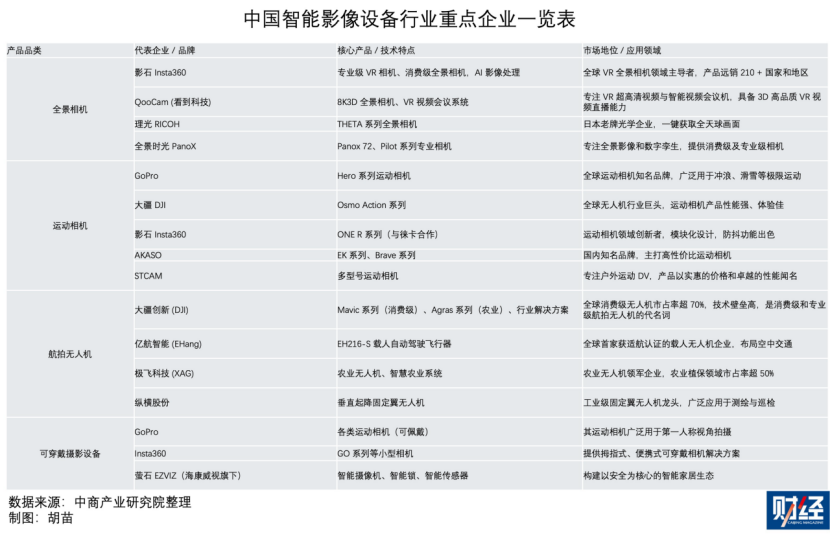
Core Insights - The competition in the smart hardware industry is becoming increasingly complex, and price reductions alone are insufficient to satisfy consumers [1][3][19] - DJI's recent price cuts on multiple products did not lead to the expected surge in sales, instead causing dissatisfaction among consumers due to inconsistent price protection policies across different sales channels [1][5] - DJI's core business, particularly in consumer drones and handheld imaging devices, is facing new challenges from various competitors [1][14][19] Group 1: DJI's Market Position and Challenges - DJI has maintained a dominant position in the global drone market with over 70% market share, although this has decreased from a peak of 85% [2][15] - The consumer drone market is approximately $10 billion, with increasing competition from brands like XAG and Xiaomi, which are targeting entry-level segments [2][15] - The handheld imaging device market is smaller, with DJI's market share declining from 19.1% to 13.2% as competitors like Insta360 gain ground [2][16] Group 2: Price Reduction Strategy and Market Reactions - DJI's recent price cuts included significant reductions, such as a drop of 1,478 yuan for the Mini 4 PRO drone and 1,129 yuan for the Osmo Action 4 camera, indicating a more aggressive promotional strategy [4][5] - The price reduction led to a backlash from consumers, particularly regarding inconsistent price protection policies between online and offline channels, prompting some retailers to offer special subsidies to affected customers [5][6] Group 3: Competitive Landscape and Industry Dynamics - The smart hardware industry is witnessing blurred boundaries as companies like Insta360 and GoPro respond to DJI's price cuts with their own promotions, indicating a price war [6][20] - New entrants, including smartphone manufacturers like Vivo and OPPO, are entering the handheld imaging market, intensifying competition [17][20] - The industry is shifting from single-product competition to ecosystem battles, where companies leverage their technological strengths across different product categories [22]
大疆,进攻还是防守?
3 6 Ke· 2025-10-23 03:34
Core Insights - DJI's recent price cuts on multiple products ahead of the 2025 "Double Eleven" event did not generate the expected surge in consumer demand, leading to market controversies and consumer dissatisfaction [1][5][6] - The price reduction is part of DJI's regular promotional strategy, but inconsistencies in price protection policies between online and offline channels have caused frustration among consumers [1][5] - DJI's core business, particularly in consumer drones and handheld imaging devices, is facing increasing competition from various players, prompting the need for inventory clearance and new product introductions [3][10] Market Overview - The global drone market is projected to reach approximately $54.6 billion in 2024, with DJI maintaining over 70% market share, although it has declined from a peak of 85% [2][15] - The consumer drone segment is valued at around $10 billion, with competitors like XAG and brands from Xiaomi and Huawei entering the market with lower-priced alternatives [2][15] - The handheld imaging device market is smaller, with a projected global market size of approximately 42.4 billion yuan in 2024, where DJI's market share has decreased from 19.1% to 13.2% [2][16] Competitive Landscape - DJI's price cuts have triggered reactions from competitors, with companies like Insta360 and GoPro launching their own promotions to counter DJI's pricing strategy [6][20] - The competitive environment in the smart hardware sector is becoming increasingly chaotic, with companies crossing traditional boundaries to capture market share [3][19] - New entrants, including smartphone manufacturers like Vivo and OPPO, are also entering the handheld imaging market, intensifying competition [17][20] Product Strategy - DJI's recent price cuts included significant reductions on popular products, such as the Mini 4 PRO drone and Osmo Action 4 camera, with discounts exceeding 1,000 yuan [4][5] - The company is also diversifying its product offerings, including the launch of a new sweeping robot, leveraging its existing technology in visual perception and motion control [21][22] - DJI's historical pricing strategies have often involved adjustments for older models and entry-level products, with recent promotions being more aggressive than usual [8][10] Consumer Response - Following the price cuts, many consumers expressed dissatisfaction on social media, particularly regarding inconsistent price protection policies across different sales channels [5][6] - Retailers like Sam's Club have had to implement special subsidies to address the backlash from customers who felt misled by the price changes [5][6] Future Outlook - The ongoing competition and market dynamics suggest that DJI's position as a market leader is being challenged, necessitating strategic adaptations to maintain its competitive edge [19][23] - The blurring of boundaries between different product categories indicates a shift towards an ecosystem-based competition, where companies must innovate continuously to stay relevant [22][23]
产业洞察系列报告(四):科技产业合作与竞争(下):其他先进制造业的发展对比与机遇
Ping An Securities· 2025-10-22 11:28
Core Insights - The report highlights the accelerating competition and cooperation in advanced manufacturing between China and the US, particularly in the semiconductor, general aviation, and innovative pharmaceuticals sectors [6][11][18]. Semiconductor Industry - China is rapidly catching up in the semiconductor sector, focusing on self-sufficiency in AI chip production amidst a global supply chain heavily dominated by the US [2][19]. - The semiconductor industry has a complex global supply chain with multiple stages, where the US leads in high-value design and equipment, while China excels in manufacturing and testing [19][24]. - In terms of market share, China and the US together account for nearly 60% of global semiconductor sales, with the US holding a significant supply share of over 50% compared to China's less than 10% [22][24]. - China's semiconductor trade has been in a long-term deficit, with a projected deficit of $226.67 billion in 2024, while the US maintains a trade surplus of $10.25 billion [27][28]. - US semiconductor companies exhibit stronger fundamentals, with revenue and net profit significantly higher than their Chinese counterparts, and a return on equity (ROE) median approximately four times that of A-share companies [31][32]. General Aviation Industry - The US holds a first-mover advantage in the general aviation sector, while China is leveraging low-altitude economic policies to drive innovation and transformation [3][12]. - The global demand for general aviation aircraft is evenly distributed, with China and North America each accounting for about 20% of the market, but the US dominates supply with Boeing and Airbus [3][12]. - China's aerospace sector has a long-term trade deficit, while it is a leading exporter of drones [3][14]. - Current market performance shows that US aviation equipment companies outperform their Chinese counterparts in terms of scale and ROE [3][14]. Innovative Pharmaceuticals Industry - The US leads in the innovative pharmaceuticals sector, but Chinese companies are making significant strides in original innovation and international expansion [4][17]. - The pharmaceutical market share remains stable, with the US holding about 40% and China around 10%, primarily focusing on generic drugs [4][17]. - Both countries face trade deficits in pharmaceuticals, but Chinese innovative drug companies have accelerated their international presence, with increasing license-out revenues [4][19]. - US innovative pharmaceutical companies show better fundamentals, with many Chinese companies' valuations hovering around historical averages [4][20]. Market Outlook - The report anticipates a continuation of the mid-to-long-term technology market trends, with advanced manufacturing sectors like semiconductors, general aviation, and innovative pharmaceuticals presenting significant investment opportunities [7][18].
2025新国货CoolTop100品牌榜:新国货的硬核内功与软叙事:千骑卷平冈
EqualOcean· 2025-10-20 06:33
Investment Rating - The report does not explicitly provide an investment rating for the industry Core Insights - The domestic consumption potential is accelerating, with a shift from price-performance ratio to quality-price ratio, and a clear trend towards scenario-based consumption [5][20] - The "Two New, Two Heavy" and domestic substitution policies are injecting strong momentum into the development of new domestic products, facilitating their transition from product output to value output [5][21] - The report aims to analyze the new journey, trends, and movements of new domestic products, identifying excellent brands and product cases to help them find direction in a competitive market [5][6] Summary by Sections New Journey of Domestic Products - The new domestic products are experiencing a new opportunity for development under the continuous empowerment of the "Two New, Two Heavy" and domestic substitution policies [8][21] - The domestic consumption market is undergoing structural changes, with a focus on quality and scenario exploration [20][25] - The report discusses the risks and opportunities faced by domestic products in overseas markets [20][49] New Movements of Domestic Products - Brand building is crucial, with a significant increase in global recognition of domestic brands, driven by a shift from product output to value output [60][71] - Technological innovation and supply chain intelligence are essential supports for domestic brands [58][77] - The integration of national cultural elements into products is becoming a key factor for breaking into overseas markets [58][86] New Trends of Domestic Products - The report highlights the upward transfer of industrial value driven by technology and the emergence of value-based consumption as a new premium point [5][58] - The internal market is seeing innovations in consumption scenarios, while the external market is focusing on regional layouts [5][58] - The report emphasizes the importance of balancing domestic deep cultivation and overseas expansion for new domestic brands [50][54] CoolTop Series Rankings - The report includes a ranking system for new domestic products, identifying the top 100 brands and top 10 products [6][4] - The evaluation criteria for the rankings are based on various indicators that reflect brand performance and market impact [6][4] Brand Stories of New Domestic Products - The report provides case studies of outstanding new domestic brands, showcasing their successful strategies and market positioning [6][4]
大疆降价,影石CEO发微博“致歉”营销
Sou Hu Cai Jing· 2025-10-14 07:16
Core Viewpoint - The recent price drop by DJI has been linked to competitive pressures from Insta360, leading to a marketing apology from Insta360's CEO, which has generated significant consumer engagement and discussion on social media [1][3][5]. Group 1: Company Actions and Responses - Insta360's CEO Liu Jingkang issued an apology on Weibo, acknowledging that the company's actions may have contributed to DJI's price reduction, and offered a 100 yuan voucher to customers who purchased DJI products during a specific period [1][3]. - DJI announced a price adjustment as part of its regular promotional activities for the upcoming Double Eleven shopping festival, with significant discounts on various popular products [3][5]. - Consumers who purchased DJI products during the promotional period have expressed intentions to return items or seek refunds, with some successfully obtaining refunds [5]. Group 2: Market Dynamics and Competition - The competitive landscape between Insta360 and DJI is intensifying, as evidenced by the recent marketing strategies and consumer reactions [5][6]. - Insta360 has been expanding its product offerings, including entering the drone market with a new panoramic drone, indicating a strategic move to compete directly with DJI [6]. - Market share data shows that Insta360's share has increased from 28.4% in 2023 to 35.6% in 2024, while DJI's share has decreased from 19.1% to 13.2%, highlighting a shift in competitive positioning [7]. Group 3: Financial Performance - Insta360 reported a revenue of 3.671 billion yuan for the first half of the year, reflecting a year-on-year growth of 51.17%, while net profit increased slightly by 0.25% to 520 million yuan [7].


大疆降价,影石CEO“公开致歉”
Sou Hu Cai Jing· 2025-10-14 00:01
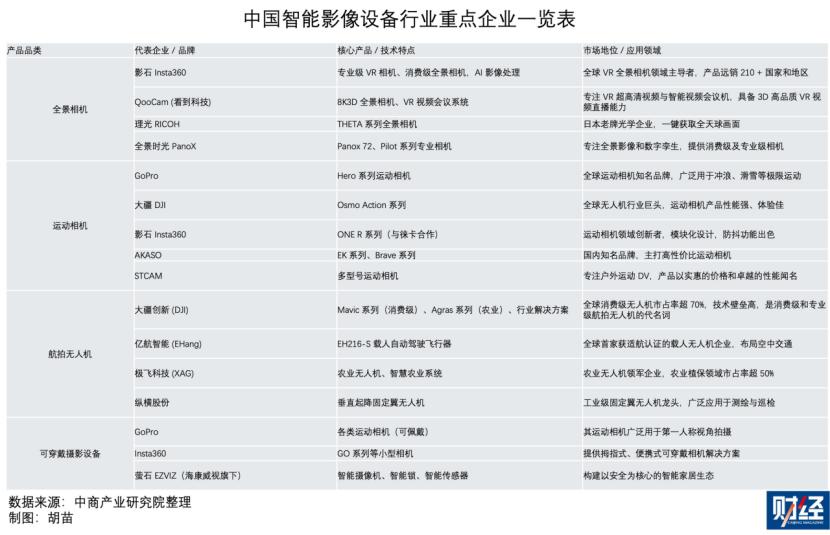
Core Viewpoint - DJI has implemented significant price reductions on several products, which has sparked discussions and controversy in the market, particularly with competitor Innosilicon's CEO apologizing for the situation, indicating heightened competition between the two companies [2][3]. Group 1: Price Reduction and Market Response - DJI's price cuts, effective from October 9 to October 14, include reductions of up to 900 yuan on popular products like the POCKET 3, now starting at 2799 yuan [2]. - The price adjustments are part of DJI's regular promotional strategy for the upcoming "Double 11" shopping festival, aimed at helping consumers make informed purchasing decisions [2]. - Innosilicon's CEO's apology for DJI's price cuts has been interpreted as a sign of escalating tensions between the two companies [2]. Group 2: Market Competition and Share Dynamics - The global smart imaging equipment industry is highly concentrated, with the top three companies expected to hold 78.9% market share by 2024 [3]. - Innosilicon's market share has increased from 28.4% in 2023 to 35.6%, making it the fastest-growing company in the sector, while DJI's share has decreased from 19.1% to 13.2% [3]. - The Chinese brands dominate the consumer-level panoramic camera market, with a localization rate exceeding 80% [3]. Group 3: Company Performance and Strategic Moves - Innosilicon's revenue for the first half of 2025 reached 3.671 billion yuan, a year-on-year increase of 51.17%, while net profit slightly rose by 0.25% to 520 million yuan [4]. - The slowdown in profit growth is attributed to increased strategic investments in innovation and market expansion [4]. - Innosilicon has announced its entry into the drone market with the launch of the Antigravity panoramic drone, aiming to compete directly with DJI's core products [3].
影石创新(688775):全景运动相机市场全球领先,高性价比+产品创新持续拉动收入增长
Shanxi Securities· 2025-10-13 03:38
Investment Rating - The report assigns an "Accumulate-A" rating to the company for the first time [7]. Core Insights - The company focuses on consumer-grade smart imaging devices, with a positive revenue growth trend. It specializes in panoramic cameras and action cameras, integrating products across various industries to empower them through multi-scenario applications. The brand "Insta360" sells products globally through a combination of online and offline channels. The company's revenue is expected to maintain a rapid growth rate, with a projected CAGR of 65.25% for revenue and 56.27% for net profit from 2022 to 2024 [1][22][36]. Summary by Sections 1. Focus on Consumer-Grade Smart Imaging Devices - The company is a globally recognized provider of smart imaging devices, focusing on panoramic and action cameras. It has developed a technology system centered on panoramic technology, anti-shake technology, AI image processing, and computational photography [16]. - The main products include consumer-grade and professional-grade smart imaging devices, with consumer-grade products accounting for over 80% of revenue from 2022 to 2024 [22][36]. 2. Market Leadership in Panoramic Cameras - The company leads the market in panoramic cameras, with a significant share in the consumer-grade segment. By 2027, the global market for handheld smart imaging devices is expected to reach 59.2 billion yuan, with the panoramic camera market projected to reach 7.85 billion yuan [2][41]. - The company is also positioned well in the action camera market, which is expected to grow to 51.35 billion yuan by 2027, benefiting from the increasing demand for outdoor sports recording [2][60]. 3. Revenue Growth Driven by High Cost-Performance and Product Innovation - The company's products are known for their high cost-performance ratio and innovative features, which have led to rapid revenue growth. The sales channels include both offline distributors and online platforms, with significant growth potential in domestic sales [3][30]. - The company has a strong competitive advantage in panoramic image capture and stitching technology, with a product line that includes various consumer-grade and professional-grade imaging devices [3][30]. 4. Profit Forecast and Valuation - The company is expected to achieve revenues of 8.214 billion yuan, 11.372 billion yuan, and 15.742 billion yuan in 2025, 2026, and 2027, respectively, with corresponding net profits of 1.19 billion yuan, 1.678 billion yuan, and 2.372 billion yuan [7][9]. - The projected P/E ratios for 2025, 2026, and 2027 are 93.81X, 66.53X, and 47.06X, respectively, indicating a strong market position and growth potential [7][9].