阿迪达斯

Search documents
安利股份:实验室通过阿迪达斯认证
Xin Lang Cai Jing· 2026-01-22 09:47
Core Viewpoint - The company has obtained the Adidas laboratory certification, which is valid for two years, enhancing its collaboration with Adidas and improving its market competitiveness [1] Group 1: Certification Details - The company's laboratory recently passed the Adidas laboratory certification, receiving a certificate valid from January 21, 2026, to January 21, 2028 [1] - The company will become an approved supplier for Adidas in May 2024 and has actively pursued laboratory certification [1] Group 2: Impact on Business - Following the certification, the company can conduct independent testing and analysis for 22 testing items related to polyurethane synthetic leather and TPU materials supplied to Adidas [1] - The certification is expected to deepen the partnership with Adidas, expand sales, and enhance the company's brand influence and market competitiveness [1]


产业链视角看为何本轮补库弱弹性?:波澜互错,洪峰未至
Changjiang Securities· 2026-01-22 06:20
Investment Rating - The report maintains a "Positive" investment rating for the textile, apparel, and luxury goods industry [9]. Core Insights - The current inventory replenishment cycle in the U.S. apparel industry is characterized by weak elasticity due to several factors, including K-shaped consumer spending, misalignment in brand recovery rhythms, and constraints faced by comprehensive sports brands [3][6]. - Despite the transition from inventory destocking to replenishment, the expected rebound in manufacturing performance and market response has not materialized as anticipated [6][19]. - The report forecasts limited replenishment elasticity in the near term, with potential improvements in terminal demand expected after the current interest rate cycle concludes [3][8]. Summary by Sections Introduction - The report discusses the weak momentum in the current manufacturing replenishment cycle, noting that the U.S. apparel industry has transitioned to a phase of active replenishment after reducing inventory to healthy levels since Q1 2023 [6][17]. Analysis of Weak Replenishment Cycle - **Macro Perspective**: U.S. consumer spending is experiencing K-shaped differentiation, where high-income households support overall consumption while lower-income households face suppressed purchasing power and willingness to spend [7][32]. - **Brand Perspective**: The misalignment in recovery rhythms among brands has diluted overall replenishment elasticity, with brands like Adidas and Deckers already undergoing several quarters of replenishment without strong retail catalysts [7][30]. - **Industry Perspective**: The growth potential in the sports category is diminishing due to factors such as slowing penetration rates, reduced technological innovation, and diminishing returns from direct-to-consumer (DTC) strategies [7][30]. Future Replenishment Elasticity Expectations - In the short term, historical inventory cycles suggest that mature brands may experience shorter replenishment periods, while growth-oriented brands could see longer cycles [8][19]. - The report indicates that after the current interest rate cycle, retail demand may improve, leading to a more resilient growth trajectory for top brands transitioning into replenishment phases [8][19]. - Recommended stocks include Crystal International and Shenzhou International, with a focus on companies like Wah Lee and Yue Yuen [8][19].

耐克大中华区CEO换人!营收连续五个季度下滑
Shen Zhen Shang Bao· 2026-01-21 15:31
Core Viewpoint - Nike is undergoing significant management changes in its Greater China region, reflecting a strategic restructuring in response to declining performance in the market [1][2]. Group 1: Management Changes - Nike announced the appointment of Cathy Sparks as the new Vice President and General Manager for Greater China, succeeding Angela Dong, who will officially step down on March 31 [1]. - Angela Dong has been a key figure in Nike's local growth since joining in 2005, leading various brand initiatives that resonate with local sports culture [1]. - The management reshuffle comes less than a year and a half after Dong was promoted to Chairman and CEO of Greater China, indicating a potential shift in Nike's strategy for the region [1]. Group 2: Financial Performance - For the second quarter of fiscal year 2026, Nike reported total revenue of $12.427 billion, a slight increase of 1% year-over-year, but net profit fell significantly by 32% to $0.792 billion [2]. - The Greater China market faced the most severe challenges, with revenue dropping to $1.423 billion, a substantial decline of 17%, and EBIT (Earnings Before Interest and Taxes) plummeting by 49% [2]. - This marks the fifth consecutive quarter of year-over-year revenue decline for Nike in the Greater China region [2]. Group 3: Market Competition - In contrast to Nike's declining performance, domestic brands are gaining market share; Nike's market share in China decreased from 18.1% in 2021 to 16.2% in 2024 [3]. - Anta's market share increased from 9.8% to 10.5%, while Li Ning's share rose slightly from 9.3% to 9.4%, positioning them as the second and third largest brands, respectively [3]. - Adidas also saw a decline in market share from 15% to 8.7%, being surpassed by local brands [3]. Group 4: New Leadership Profile - Cathy Sparks, the new head of Nike China, has 25 years of experience with the company and has a background in retail, having started from a store position [3]. - Her experience in driving business transformation in the Asia-Pacific and Latin America regions may be seen as a strategic move by Nike to revitalize its approach in the Chinese market [3].



耐克20年女功臣遭“下课”!官宣大中华区CEO换帅,营收连跌五季度
新浪财经· 2026-01-21 09:54
Core Viewpoint - Nike is undergoing significant leadership changes in response to declining performance in the Greater China region, indicating a need for revitalization and reconnection with the market [3][4]. Financial Performance - In Q2 of FY2026 (September-November 2025), Nike reported total revenue of $12.43 billion, a 1% year-over-year increase, but revenue from Greater China fell 17% to $1.423 billion, with EBIT dropping 49% [4]. - For FY2024, Greater China revenue was $7.545 billion, which decreased to $6.585 billion in FY2025, marking a 12.7% decline and a 20.6% drop from the peak of $8.290 billion in FY2021 [6]. - The decline in Greater China revenue has persisted for five consecutive quarters, with the year-over-year decline worsening from 10% to 17% [6]. Market Share and Competition - Nike's market share in China decreased from 18.1% in 2021 to 16.2% in 2024, while domestic brands like Anta and Li Ning have increased their market shares [9]. - Anta's revenue grew 14.3% to approximately $58.544 billion in the first half of 2025, while Nike's revenue in the same period fell by 13.5% [9]. - Domestic brands are not only closing the revenue gap but also showing resilience in profitability, contrasting with Nike's declining operating profits [9]. Consumer Sentiment and Brand Image - Nike faces a high volume of consumer complaints, particularly regarding product quality and after-sales service, with 39,939 complaints reported, significantly higher than competitors [11]. - Issues such as product defects and poor customer service have led to a deterioration of Nike's brand image, which was previously built on high quality and premium pricing [12]. - The rise of domestic brands has shifted consumer perception, as they offer comparable quality at lower prices, undermining Nike's traditional value proposition [14][15]. Strategic Missteps - Analysts suggest that Nike's failure to adapt to changing consumer preferences for value, cultural relevance, and personalization has contributed to its decline in the Chinese market [14]. - The company's reliance on a global marketing strategy without sufficient localization has resulted in a loss of appeal among younger consumers [14]. - Domestic brands have successfully leveraged local cultural elements and consumer insights, creating a new paradigm that emphasizes quality, design, and price advantages [14].
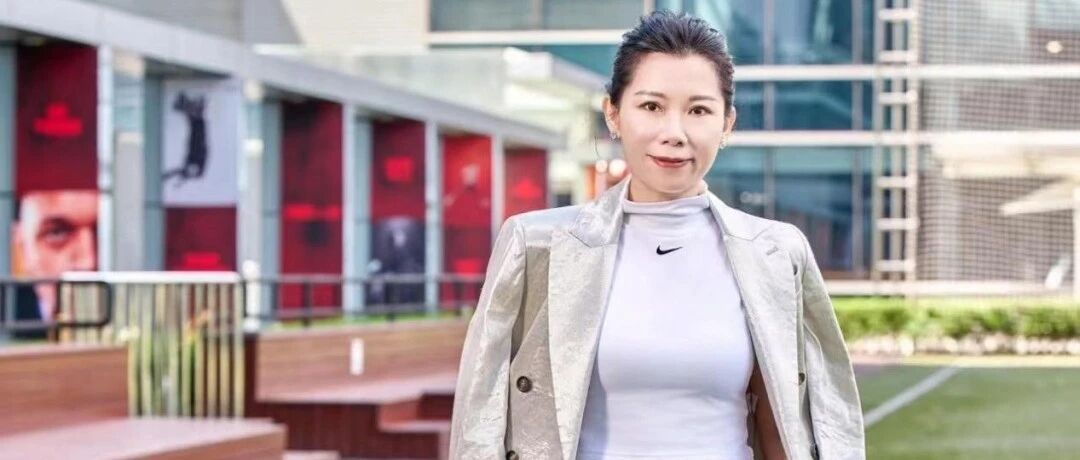
耐克20年女功臣遭“下课”!官宣大中华区CEO换帅,营收连跌五季度
Xin Lang Cai Jing· 2026-01-21 09:37
Core Viewpoint - Nike is undergoing significant leadership changes in response to declining performance in the Greater China region, indicating a critical need for revitalization and reconnection with the market [3][14]. Financial Performance - Nike's total revenue for Q2 of FY2026 was $12.43 billion (approximately ¥87.51 billion), showing a year-on-year growth of 1%, while revenue from Greater China fell by 17% to $1.423 billion (approximately ¥10.02 billion), with EBIT dropping by 49% [3][14]. - The annual revenue for Nike in Greater China has been declining for two consecutive years, with FY2024 revenue at $7.545 billion and FY2025 revenue dropping to $6.585 billion, a year-on-year decrease of 12.7% [4][15]. - The decline in Greater China revenue has continued for five consecutive quarters, with the year-on-year drop increasing from 10% in Q1 to 17% in Q2 of FY2026 [4][16]. Market Share and Competition - Nike's market share in China decreased from 18.1% in 2021 to 16.2% in 2024, while domestic brands like Anta and Li Ning have increased their market shares [7][19]. - Anta's market share rose from 9.8% in 2021 to 10.5% in 2024, and Li Ning's share increased from 9.3% to 9.4% during the same period, while Adidas' share fell from 15% to 8.7% [7][19]. - In the first half of 2025, Anta's revenue grew by 14.3% to ¥38.544 billion, while Nike's revenue in Greater China fell by 13.5% to approximately ¥24.9 billion [7][19]. Consumer Sentiment and Brand Image - Nike faces a high volume of consumer complaints, with 39,939 complaints reported on the Black Cat Complaints platform, significantly higher than competitors like Adidas and Anta [9][21]. - Complaints primarily focus on product quality and after-sales service issues, including shoe defects and inadequate customer support [9][21]. - The frequent quality control issues have eroded Nike's long-standing "high-end quality" brand image, as consumers increasingly compare Nike products with those of domestic brands that offer similar quality at lower prices [10][22]. Strategic Missteps - Analysts suggest that Nike's failure to adapt to changing consumer preferences for value, cultural identity, and personalization has led to its decline in the Chinese market [11][23]. - Domestic brands have successfully captured market share by aligning with local consumer aesthetics and improving product quality, while Nike has maintained a rigid global marketing strategy [12][24].
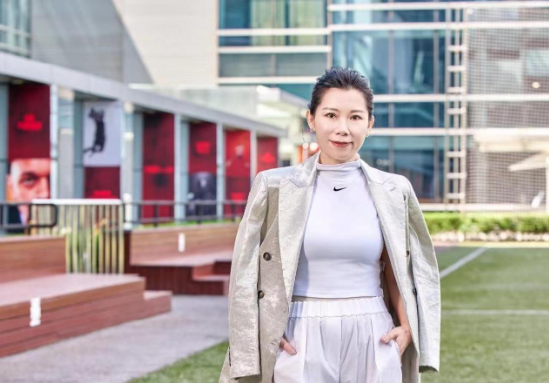
耐克中国,官宣换帅
21世纪经济报道· 2026-01-21 09:37
记者丨贺泓源 编辑丨高梦阳 在市场波动中,耐克大中华区换帅。 2026年1月21日,耐克公司宣布, 现任大中华区领导董炜(Angela Dong)将于3月31日正式 卸任。同时,耐克宣布任命Cathy Sparks为新任耐克大中华区副总裁兼总经理 。 对于董炜的职业成就,耐克给出了高度评价。 "在过去二十余年间,她在大中华区担任多项重要领导职务。在其任期内,耐克深度参与并见 证了大中华区体育、文化及业务发展的多个里程碑,包括北京奥运会、中国消费者与数字生态 的迅速崛起以及全球疫情期间的挑战与复苏。在董炜的带领下,耐克通过上海马拉松、耐克高 中篮球联赛(CHBL)、ACG 崇礼 168 以及 '下站东单'等标志性品牌活动,持续推动大中华 区的运动文化发展。"该公司提到。 需要注意的是,相对董炜,继任者Cathy在华经验看起来相对有限。 据耐克介绍,Cathy拥有25年耐克工作经验,从波特兰Niketown门店的零售岗位开启职业生 涯,随后在全球多个市场担任重要领导职务。她此前担任耐克亚太及拉美区(APLA)副总裁兼 总经理,在推动业务转型与增长方面拥有经验。 "Cathy对运动文化有着深刻洞察,将带领耐克大中华 ...
耐克中国换帅:继任者在华经验相对有限
2 1 Shi Ji Jing Ji Bao Dao· 2026-01-21 08:12
Core Viewpoint - Nike is undergoing a leadership change in its Greater China region, with Angela Dong stepping down and Cathy Sparks appointed as the new Vice President and General Manager, amid declining sales and increasing competition in the Chinese sports market [1][2][4]. Group 1: Leadership Change - Angela Dong will officially resign on March 31, 2026, after over 20 years in various leadership roles in Greater China, during which Nike witnessed significant milestones in the region [1]. - Cathy Sparks, with 25 years of experience at Nike, previously served as Vice President and General Manager for the Asia Pacific and Latin America region, and is expected to deepen consumer connections in Greater China [2][11]. Group 2: Performance Challenges - Nike's sales in Greater China fell by 16% year-on-year to $1.423 billion for the latest fiscal quarter ending November 2025, with EBIT down 49% [4]. - Direct sales dropped 18%, with digital sales down 36% and store sales down 5%, while wholesale business declined by 15% [4]. - The decline is attributed to decreased store traffic, weak seasonal product sales, and high inventory levels, leading to a perception of the brand as a discount label [4]. Group 3: Market Dynamics - The Chinese sports market is becoming increasingly competitive, with a decline in consumer spending willingness, as indicated by a drop in the percentage of consumers inclined to spend more from 23.3% in Q2 2025 to 19.2% in Q3 2025 [4]. - Other major brands like Anta and Li Ning are also facing growth pressures, with Anta's sales showing low single-digit declines [5]. Group 4: Strategic Adjustments - Nike is focusing on upgrading key stores, with a notable 25% sales increase in upgraded product categories at specific locations [8]. - The company is reducing spring product distribution and cutting summer product purchases to improve sales rates and full-price sales ratios [9]. - Recent marketing efforts include signing popular figures like G.E.M. and launching impactful advertising campaigns [9]. Group 5: Future Outlook - The leadership change raises questions about potential shifts in Nike's operational strategy in China, especially as North America shows a 9% sales increase [11]. - Cathy Sparks' global experience may help integrate resources across regions, but the unique challenges of the Chinese market require localized strategies [12].
耐克中国换帅:继任者在华经验相对有限丨消费一线
2 1 Shi Ji Jing Ji Bao Dao· 2026-01-21 08:05
Core Viewpoint - Nike is undergoing a leadership change in its Greater China region, with Angela Dong stepping down and Cathy Sparks appointed as the new Vice President and General Manager, amid declining sales and increasing competition in the Chinese sports market [2][6][15]. Group 1: Leadership Change - Angela Dong will officially resign on March 31, 2026, after over 20 years in various leadership roles in Greater China, during which Nike witnessed significant milestones in the region [3][5]. - Cathy Sparks, with 25 years of experience at Nike, previously served as Vice President and General Manager for the Asia Pacific and Latin America regions, and is expected to deepen consumer connections in Greater China [4][16]. Group 2: Performance Challenges - Nike's sales in Greater China fell by 16% year-on-year to $1.423 billion for the latest fiscal quarter ending November 2025, with EBIT down 49% [6]. - Direct sales dropped 18%, with digital sales down 36% and store sales down 5%, while wholesale business decreased by 15% [6]. Group 3: Market Dynamics - The Chinese sports market is becoming increasingly competitive, with a decline in consumer spending willingness, as indicated by a drop in the percentage of consumers inclined to spend more from 23.3% in Q2 2025 to 19.2% in Q3 2025 [8]. - Major competitors like Anta and Li Ning are also facing growth pressures, with Anta's sales showing low single-digit declines [9]. Group 4: Strategic Adjustments - Nike is implementing store upgrades and reducing inventory, with a 20% decrease in total inventory compared to the previous year, and plans to expand successful upgrade models to more stores [12][13]. - The company is adjusting its spring product distribution and cutting summer product purchases to improve sales rates and full-price sales ratios [13]. Group 5: Future Outlook - The leadership change raises questions about potential shifts in Nike's operational strategy in China, especially as the North American market shows signs of recovery with a 9% sales increase [16]. - Cathy Sparks' global experience may help integrate resources across regions, but she will face challenges from strong local brands and the need for more localized strategies [17][18].
安踏体育(02020):4Q25 营运表现点评:FILA 稳健增长,2026 展望谨慎运动大年将加大投入
Haitong Securities International· 2026-01-20 15:35
Investment Rating - The report maintains an "Outperform" rating for ANTA Sports [2][5] Core Insights - ANTA Brand experienced its first low-single-digit negative sell-through growth in 4Q25 after 11 consecutive quarters of positive growth, primarily due to offline sales decline and challenges in the children's category, although it still achieved a full-year low-single-digit growth target [3][10] - FILA Brand achieved mid-single-digit sell-through growth in both 4Q25 and for the full year 2025, with increased discounts and a stock-to-sales ratio slightly above 5x [3][10] - Management is cautious about 2026, planning increased investments in brand and marketing due to significant sporting events such as the Milan Winter Olympics, World Cup, and Asian Games [3][10] Financial Summary - Revenue projections for ANTA Sports from 2025 to 2027 are RMB 78.26 billion, RMB 85.00 billion, and RMB 92.04 billion, representing year-on-year growth of 10.5%, 8.6%, and 8.3% respectively [5][12] - Net profit attributable to parent shareholders is expected to be RMB 12.98 billion, RMB 14.34 billion, and RMB 16.24 billion for the same years, with year-on-year changes of -13.1%, 14.6%, and 13.8% respectively [5][12] - The corresponding P/E ratios for 2025 to 2027 are projected at 16.0x, 14.5x, and 12.8x [5][12]

NIKE vs. adidas: Which Athleticwear Stock is Poised for Growth?
ZACKS· 2026-01-20 15:30
Core Insights - NIKE Inc. and adidas AG are two leading brands in the global sportswear industry, each with distinct strategies and market positions [1][2] - NIKE holds a dominant market share, leveraging its scale and direct-to-consumer model, while adidas focuses on heritage and lifestyle integration [2][3] NIKE's Positioning - NIKE's investment case is supported by its significant market share and brand equity, with a diversified portfolio that includes Running, Basketball, and Training [5] - The company is focusing on sport-led innovation and portfolio discipline, prioritizing major franchises and enhancing digital engagement [6] - Despite its strengths, NIKE faces challenges such as uneven growth across geographies and margin pressures from promotions and inventory management [7] adidas's Positioning - adidas is experiencing renewed brand momentum and growth across various regions and categories, positioning itself as a significant player in the sportswear market [8][10] - The company emphasizes a balance between Performance and Lifestyle, with strong growth in Running and Football, and a focus on connecting sport with street culture [11] - adidas has shown improved margins and operating leverage, indicating effective expense management and brand investments [12] Financial Estimates - The Zacks Consensus Estimate for NIKE's fiscal 2026 sales indicates a modest growth of 1%, with a significant EPS decline of 28.2% [13] - In contrast, adidas's estimates suggest a robust year-over-year growth of 13.5% in sales and an impressive 88.7% in EPS for 2025 [14] Stock Performance and Valuation - Both NIKE and adidas have seen stock declines in the past three months, with NIKE down 5.8% and adidas down 17.6% [17] - NIKE's forward price-to-sales (P/S) multiple is 1.98X, while adidas's is 1.05X, indicating a more attractive valuation for adidas [20][19] Conclusion - NIKE and adidas present distinct strengths, but adidas currently shows better momentum and profitability improvements, making it a more favorable investment option [22][24] - NIKE remains a long-term player, but adidas's current positioning offers a compelling risk-reward profile for investors [25]