OPPO

Search documents
苹果不吹 AI,反而成功了?
AI前线· 2025-09-10 09:42
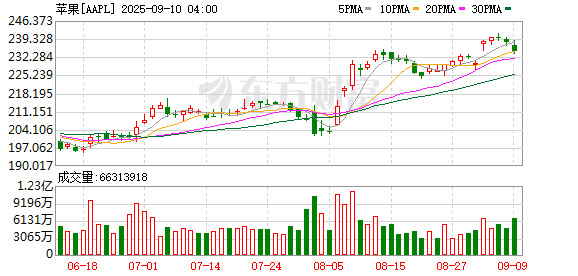
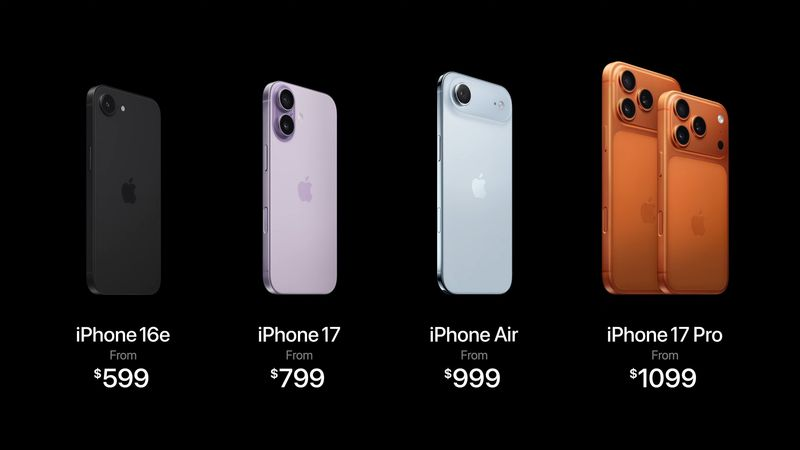
整理 | 褚杏娟 北京时间 9 月 10 日,苹果备受期待的发布会带来了关于 AirPods、Apple Watch、iPhone 等多款产 品的更新消息。经此一役,人们发现,原来苹果手机可以是更薄同时 GPU 算力更强的、续航是可以 增加的、散热是能更好的、标准版是能配 120Hz 高刷的…… "苹果的牙膏'挤爆了'"、"iPhone 17 标准版才是'系列真神'等词条冲上热搜,就连小米集团合伙人、总 裁卢伟冰也直言"这绝对是 iPhone 变化最大的一年"。 苹果表示,iPhone 17、iPhone 17 Pro 和 Pro Max 代表着"在 Apple 芯片、硬件和软件上的进步", 但在这场仅持续 1 小时 15 分钟、比以往明显更短的发布会上,有一个热门词汇在大部分环节中几乎 消失不见——AI。 这次的发布会与 iPhone 16 发布时那种对 AI 的大肆宣传截然不同。当时苹果反复强调 AI,有 媒体 统计近 40 分钟的时间里就提到了差不多 60 次 Apple Intelligence,但结果部分旗舰功能并未如期推 出,引发了公众的失望。 今年,苹果更多谈到的是 AI 如何在后台支持功能,而 ...



AI浪潮下身陷“中年危机”,苹果失去想象空间
Hua Xia Shi Bao· 2025-09-10 08:52
"这是我一段时间以来第一次真正想要升级iPhone!看起来很酷。"9月10日凌晨的苹果发布会后, OpenAI首席执行官萨姆·奥特曼在社交平台发帖说。然而,资本市场可能不这么认为,发布会前苹果股 价跌1.48%,发布会后苹果盘后股价跌0.35%。 奥特曼的观点不无道理。从产品迭代的角度来看,苹果此次一改以往"挤牙膏"式的更新节奏,实现了近 年来幅度最大的一次升级,只是这些升级仍主要集中在手机的传统功能层面,并未充分体现出苹果的独 特创新力。至于苹果的AI功能何时能进入中国市场,目前仍无明确时间表。 不可否认,苹果依然是全球最赚钱的企业之一,但今非昔比,移动互联网的增长红利已逐渐触顶,在 AI浪潮全面袭来的当下,苹果在新赛道已然处于下风,英伟达取而代之成为全球市值最高的公司。在 资本市场上,投资者更青睐有"新故事"、具备想象空间的股票,英伟达和寒武纪都是如此,反观苹果, 尽管业绩稳健、盈利可观,却似乎正在失去令投资者为之兴奋的想象力与信心。 告别"挤牙膏"式创新 被多年抨击新品"挤牙膏"后,苹果第一次以"牙膏挤爆"上了热搜。苹果CEO库克在直播中称,新款 iPhone为"iPhone历史上最大的飞跃"。 这次苹 ...
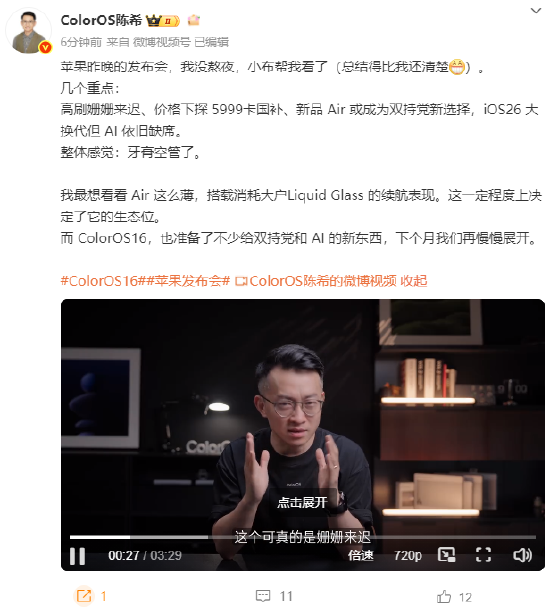
OPPO高管陈希谈苹果发布会:牙膏空管了
Xin Lang Ke Ji· 2025-09-10 08:47
Core Insights - The overall sentiment expressed by OPPO's ColorOS design director regarding Apple's recent product launch is that it feels like a "toothpaste tube" has been squeezed dry, indicating a lack of innovation or excitement in the new offerings [2]. Group 1: Product Analysis - The new iPhone Air is noted for its lightweight and thin design, making it suitable for dual-device users [4]. - The design sacrifices battery capacity for the sake of thinness, which may lead to insufficient daily battery life, thus making it more appropriate for users who carry multiple devices [4]. - The transition to eSIM is mentioned as having a slightly higher cost, which aligns with the dual-device usage trend [4]. Group 2: Future Developments - ColorOS 16 is preparing to introduce several new features aimed at dual-device users and artificial intelligence, with more details expected to be revealed next month [2].
苹果“抢跑”,手机厂商终于要倒逼运营商淘汰SIM卡了?
Guan Cha Zhe Wang· 2025-09-10 07:02
Core Viewpoint - The launch of the iPhone 17 series, particularly the iPhone Air, marks a significant milestone for the adoption of eSIM technology in China, indicating a shift towards a cardless smartphone experience in the domestic market [1][3][12]. Group 1: eSIM Technology Overview - eSIM, or Embedded-SIM, is a technology that allows SIM functionality to be embedded directly into devices, eliminating the need for physical SIM cards, thus saving space and enhancing flexibility [3][4]. - The eSIM technology has been supported by over 500 global operators, including China Unicom, and facilitates easier international roaming and service management for users [4][11]. - The Chinese market has been slow to adopt eSIM for smartphones, primarily using it in wearables and IoT devices, but the iPhone Air's launch signifies a potential turning point [10][12]. Group 2: Industry Dynamics - China Unicom is set to support eSIM services for the iPhone 17 series, while China Mobile and China Telecom are also preparing to launch their eSIM offerings [1][4]. - The competition in the smartphone market is intensifying, with Apple becoming the first brand to commercialize eSIM in smartphones in China, ahead of Huawei [3][12]. - The push for eSIM technology is driven by both terminal manufacturers and operators, with the expectation that the trend towards cardless devices will continue to grow [10][11]. Group 3: Challenges and Future Outlook - Despite the advantages of eSIM, challenges such as information security risks and the need for operator cooperation remain significant hurdles for widespread adoption in China [9][10]. - The global trend towards eSIM is expected to accelerate, with projections indicating that by 2025, approximately 1 billion eSIM-enabled smartphones will be connected worldwide, with China emerging as a key growth market [12]. - The successful implementation of eSIM in China will depend on effective risk management and the ability of operators to adapt to changing consumer preferences and technological advancements [12].
曾经装机必备的91助手,这次彻底停服了
Hu Xiu· 2025-09-07 23:40
Core Points - 91 Assistant, acquired by Baidu for $1.9 billion, is shutting down its services on September 27, leading to the permanent loss of all user data [5][35][70] - The decline of 91 Assistant reflects a broader trend in the mobile application market, where third-party app stores are losing relevance as mobile ecosystems mature [15][72] Group 1: Company Background - 91 Assistant was originally developed as iPhone PC Suite by a user frustrated with iTunes, later acquired by NetDragon and rebranded [19][21] - At its peak, 91 Assistant had over 127 million users and 10 billion app downloads, making it one of the largest third-party app platforms in China [33] Group 2: Market Dynamics - The mobile application market was initially characterized by a lack of quality control, leading to the rise of third-party app stores like 91 Assistant and Wandoujia [16][28] - The acquisition by Baidu in 2013 aimed to secure a foothold in the mobile app distribution market, where Baidu's own app store had only a 6.7% market share compared to competitors [40][41] Group 3: Industry Evolution - The shift in control from software to hardware manufacturers has diminished the role of third-party app stores, as mobile manufacturers began to enhance their own app distribution channels [50][64] - The establishment of the Hardcore Alliance in 2014 by major smartphone manufacturers aimed to unify app distribution and improve user experience, further reducing the need for third-party stores [61][64] Group 4: Conclusion - The closure of 91 Assistant illustrates the transition from a chaotic app distribution environment to a more organized ecosystem, where user needs are met directly by manufacturers [70][72] - The fate of 91 Assistant serves as a reminder that third-party applications often thrive in transitional periods but may struggle to survive as the market matures [72]


出海,选孟加拉吗?
创业邦· 2025-09-07 10:29
Core Viewpoint - The political upheaval in Bangladesh has created both opportunities and risks for Chinese enterprises looking to invest in the country, which has a large population and significant growth potential [4][5][6]. Political Transition - The political crisis in Bangladesh in 2024 was triggered by the government's controversial decision to restore a quota system for civil service recruitment, leading to widespread protests and the resignation of Prime Minister Sheikh Hasina after 15 years in power [8][9][12]. - The new interim government, led by Nobel laureate Muhammad Yunus, aims to stabilize the economy and adjust foreign policies to enhance cooperation with various countries, including China [12][16][20]. Economic Impact - The political turmoil has severely impacted Bangladesh's economy, with GDP growth expectations for the 2024-25 fiscal year dropping to 3.8%, the lowest in nearly two decades [17]. - Inflation rates surged, reaching approximately 12% in July 2024, prompting the central bank to tighten monetary policy and allow currency depreciation to stabilize the economy [17][18]. Investment Opportunities - Bangladesh's demographic advantage, with a population of 170 million and a significant youth demographic, presents substantial market potential, particularly in consumer goods and technology sectors [25][26]. - The government maintains an open stance towards foreign investment, offering tax incentives and establishing export processing zones to attract foreign enterprises [27]. Infrastructure and Industry - There is a pressing need for infrastructure development, particularly in transportation and energy sectors, as the capital Dhaka faces severe congestion and power shortages [28]. - The government encourages diversification in manufacturing, particularly in textiles, pharmaceuticals, and electronics, to reduce reliance on garment exports [28]. Bilateral Relations with China - The new government continues to foster friendly relations with China, signing multiple cooperation agreements and securing $2.1 billion in funding for infrastructure projects [20][22]. - Chinese enterprises are encouraged to invest in Bangladesh, with significant commitments already made in various sectors, including textiles and manufacturing [21][22]. Strategic Positioning - Bangladesh is positioned as a strategic hub in South Asia, with a favorable environment for Chinese investments compared to neighboring countries like India and Pakistan [32]. - The country is seen as a long-term base for Chinese enterprises rather than a short-term entry point into the Indian market, necessitating a careful and sustained approach to investment [32][33].

“消失”的10大国产手机品牌
Hu Xiu· 2025-09-06 10:57
Group 1 - The smartphone market is becoming increasingly competitive, with major players like Huawei and Apple launching new high-end devices [2][3][7] - Huawei's market share is projected to reach 18.1% by Q2 2025, reclaiming the top position in the domestic market, followed closely by Vivo and OPPO [7][8] - The combined market share of Huawei, Xiaomi, OPPO, and Vivo accounts for approximately 66% of the Chinese smartphone market, indicating a strong domestic dominance [8] Group 2 - The history of the Chinese smartphone industry has seen over 87 brands disappear, with a survival rate of less than 15% [9] - The transition from feature phones to smartphones has been marked by significant technological advancements and fierce competition among domestic brands [10][30] - The rise and fall of brands like Bird and Gionee illustrate the challenges faced by companies that failed to adapt to the smartphone era [38][37] Group 3 - Brands targeting niche markets, such as Doro and Meitu, initially gained traction but ultimately struggled to maintain their market positions due to lack of technological innovation [40][50] - The entry of cross-industry players like Haier and 360 into the smartphone market has often resulted in failure due to inadequate market understanding and execution [51][53][60] - The experiences of companies like Meizu and Smartisan highlight the importance of balancing product quality with market demands, as both faced significant challenges due to misalignment with consumer expectations [71][84] Group 4 - The evolution of the smartphone industry in China reflects a shift from marketing-driven strategies to a focus on technology and innovation [70][91] - The current landscape is characterized by a new generation of leaders aiming to redefine the rules of the smartphone market, moving away from being mere followers [92][93]

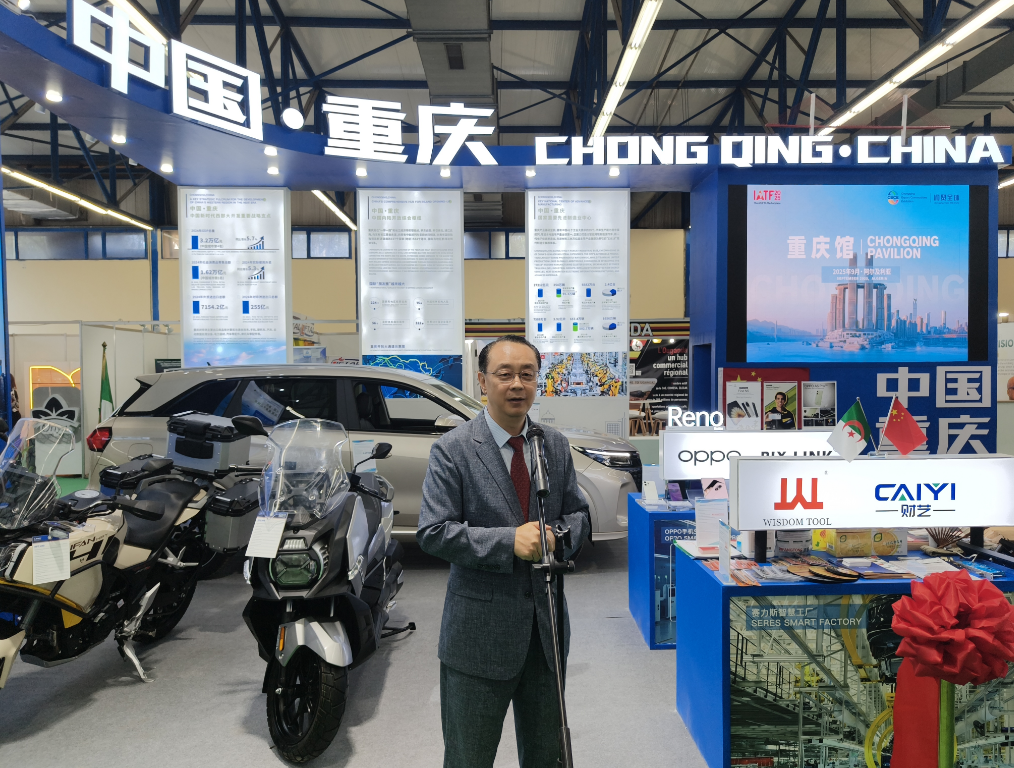
非洲贸易博览会(IATF2025)重庆馆在阿尔及利亚开馆
人民网-国际频道 原创稿· 2025-09-06 07:03
Group 1 - The fourth Africa Trade Fair (IATF2025) opened its Chongqing Pavilion in Algiers, showcasing Chongqing's industrial advantages and innovations in various sectors such as open development, smart manufacturing, cultural tourism, and specialty agriculture [1][2] - The event highlighted Chongqing's role as an important window for foreign trade in China's central and western regions, with a focus on deepening cooperation with African markets [2][3] - A total of 16 quality enterprises from Chongqing presented over 70 products, including automobiles, motorcycles, electronics, tools, cultural products, and food, aiming to promote "Chongqing-made" products in Africa [2][4] Group 2 - The pavilion attracted numerous African merchants, professional visitors, and international media, facilitating discussions and potential collaborations [2][4] - Notable companies such as Seres Automotive, Lifan Motorcycle, OPPO, and Shenchi Electromechanical showcased their intelligent connected new energy vehicles, high-performance motorcycles, and smart terminal devices, generating significant interest and initial cooperation intentions [2]
稳了,国行eSIM落地已确认
猿大侠· 2025-09-06 04:11
Core Viewpoint - The article discusses the potential launch of eSIM technology in the Chinese market, particularly with the upcoming iPhone 17 series, indicating a shift towards a SIM-free future for Apple devices in China [3][10]. Group 1: eSIM Development in China - China Unicom has shown the most proactive approach among the three major telecom operators in China regarding eSIM technology, having launched various eSIM services since 2017 [6]. - The Ministry of Industry and Information Technology (MIIT) has provided policy support for the development of eSIM technology, approving trials for wearable devices and IoT applications [6]. - After a two-year suspension, the three major operators are planning to fully restart eSIM services by the second half of 2025, with indications that mobile eSIM functionality may soon be available [8]. Group 2: Apple and eSIM Technology - Apple has been pushing for the evolution of SIM card technology since it applied for eSIM patents in 2011, and has progressively integrated eSIM into its devices, starting with the iPhone XS in 2018 [3]. - The iPhone 17 series is expected to be the first to launch eSIM technology in the Chinese market, with the iPhone 17 Air model likely to be the first to support it, while other models may retain physical SIM card slots [10]. - China Unicom has released a white paper on eSIM technology specifications, confirming that eSIM services will be officially launched soon [11]. Group 3: Market Implications - The introduction of eSIM technology in the iPhone 17 series could signify a broader trend towards eSIM adoption in the Chinese smartphone market, with other brands like Huawei and OPPO also planning to release eSIM-compatible devices [10]. - The current lack of notifications from other operators regarding eSIM support suggests that collaboration with Apple will be essential for the successful rollout of eSIM services [10].

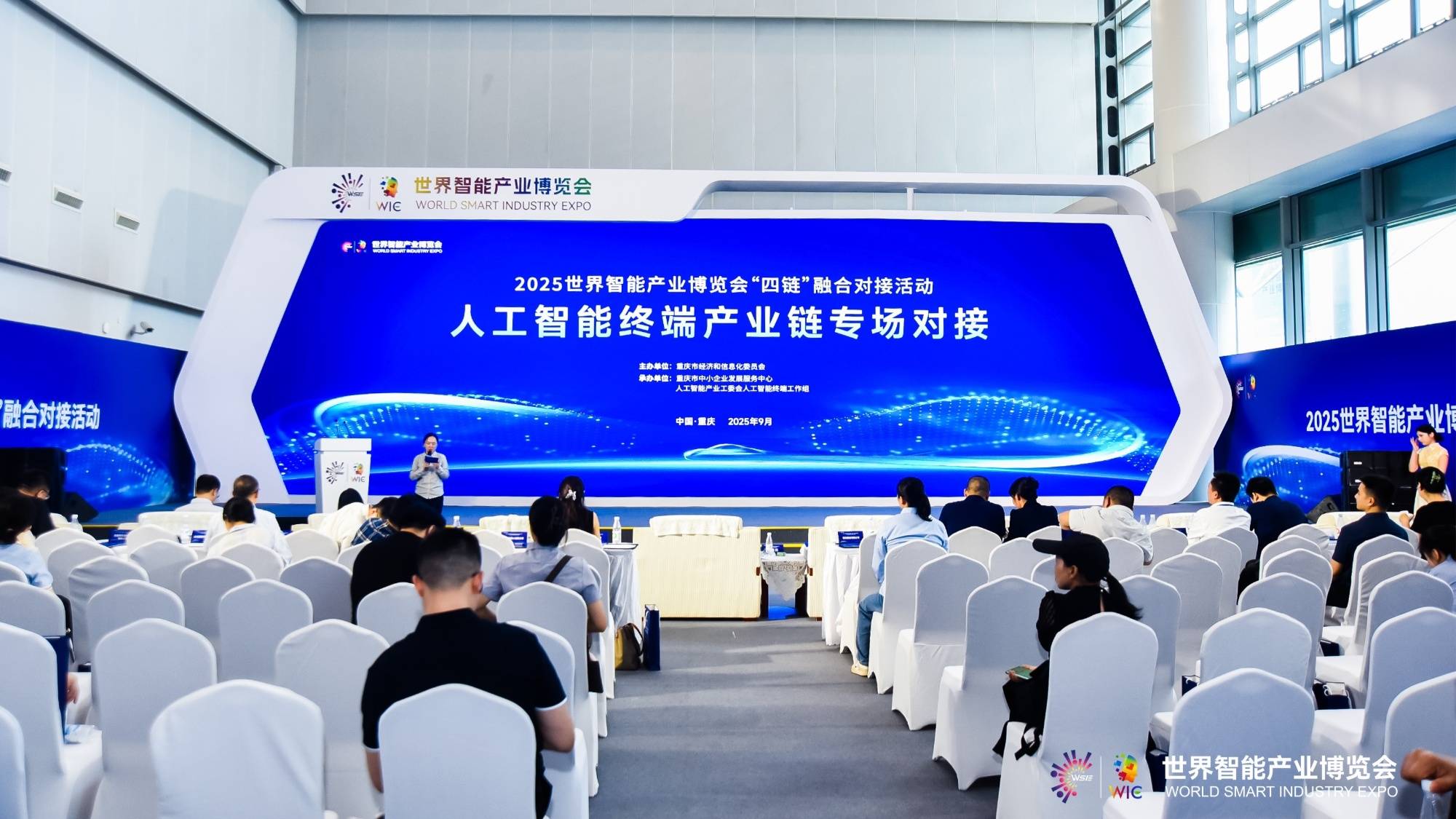
“智”感未来|重庆举办2025智博会“四链”融合对接活动
Sou Hu Cai Jing· 2025-09-06 03:42
Core Insights - The 2025 World Intelligent Industry Expo's AI terminal industry chain event was held in Chongqing, with over 200 participants aimed at promoting supply-demand connections in the industry [1][3] - The event was guided by the Ministry of Industry and Information Technology and local economic information committees, focusing on enhancing the AI terminal ecosystem through collaboration among various stakeholders [3] Group 1: Event Overview - The event featured application scenario demand sharing, supply capability demonstrations, and one-on-one exchange sessions [3] - Key industry players such as Huawei, Lenovo, and Seres shared insights on AI terminal ecosystems and strategic alliances [3] Group 2: Company Contributions - Huawei discussed the development trends of AI terminal intelligent ecosystems [3] - Lenovo presented its AIPC upgrade and open collaboration model [3] - Seres introduced its strategies for automotive transformation and strategic alliances [3] - Other companies like OPPO and Vision Source shared trends in AI smartphones and interactive displays [3] Group 3: Supply Capability Demonstrations - Beidou Zhili showcased AI applications in automotive cockpits [3] - Ruishi Chuangxin presented its achievements in RF front-end layout and technology transformation [3] - Qiteng Robotics demonstrated its multi-field implementation of 3D inspection products [3] - Local companies like Chongqing Chuan Yi Microcircuit and Chongqing Blue Coast Technology displayed their core products [3] Group 4: Networking and Collaboration - Leading companies such as Changan Automobile, Seres, Huawei, and Xiaomi engaged in in-depth discussions with small and medium enterprises from across the country [3] - The event fostered a vibrant atmosphere for collaboration, effectively building a platform for the coordinated development of the industry chain [3]