邮储银行

Search documents
六大行集体下架五年期大额存单,低利率时代储户寻路多元配置
2 1 Shi Ji Jing Ji Bao Dao· 2025-12-03 13:03
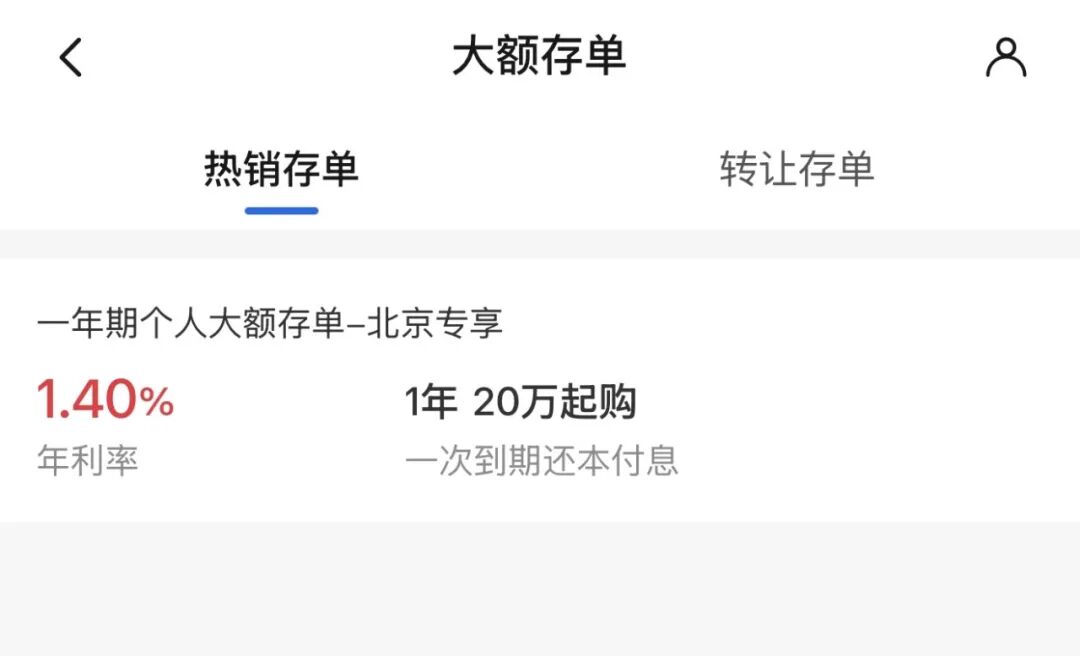
Core Viewpoint - The recent collective removal of five-year large denomination certificates of deposit (CDs) by major Chinese banks indicates a shift in banks' strategies towards more cautious interest margin management and a potential reduction in the supply of long-term fixed-rate deposits [2][7]. Group 1: Market Changes - Major state-owned banks have collectively removed five-year large denomination CDs from their mobile banking platforms, with current offerings limited to terms of three years or less, and interest rates ranging from 1.20% to 1.55% [1][3]. - This year's trend deviates from the traditional year-end practice of increasing the supply of high-interest deposit products, raising market concerns [2][3]. - The interest rates for three-year large denomination CDs are approximately 1.55%, with minimum purchase amounts typically set at 200,000 yuan [3]. Group 2: Historical Context - The five-year large denomination CD has been a significant product in the banking sector for nearly 40 years, initially gaining traction in 1986 but facing a long hiatus until its reintroduction in 2015 [4][5]. - The product saw a surge in popularity starting in 2018, with interest rates exceeding 3% and even reaching 4% in some smaller banks, making it attractive to conservative investors [5][6]. Group 3: Current Trends and Implications - The decline in the attractiveness of five-year large denomination CDs is attributed to narrowing net interest margins, with many banks controlling the issuance of long-term CDs and reducing interest rates [6][7]. - As of the third quarter, the net interest margin for commercial banks was reported at 1.42%, indicating ongoing pressure on banks' profitability due to high deposit costs amidst declining loan rates [7]. - The shift towards a "differentiated supply" model suggests that only a few banks with strong liability demands may continue to offer long-term deposits, while others will focus on shorter-term products [2][7]. Group 4: Investor Behavior - The changes in the availability and attractiveness of large denomination CDs are prompting investors to diversify their asset allocation strategies, moving away from a focus solely on high-interest deposits [9][10]. - A survey indicated that 18.5% of residents are inclined to invest more, with non-principal guaranteed bank wealth management products becoming increasingly popular [9]. - Investors are now considering a mix of investment options, including stable wealth management products and money market funds, reflecting a shift in financial strategies in response to the changing market landscape [10][11].
六大行集体下架5年期大额存单,部分3年期产品已售罄
2 1 Shi Ji Jing Ji Bao Dao· 2025-12-03 12:30
Core Viewpoint - The recent collective removal of 5-year large denomination certificates of deposit (CDs) by major Chinese banks indicates a strategic shift towards more cautious interest margin management, reflecting banks' concerns over future interest rate trends [1][11]. Group 1: Market Changes - Major state-owned banks, including ICBC, ABC, BOC, CCB, and others, have removed 5-year large denomination CDs from their mobile banking platforms, with available terms now generally shortened to 3 years or less, and interest rates concentrated between 1.20% and 1.55% [1][2]. - The trend of reducing the supply of long-term fixed-rate deposits deviates from the traditional year-end practice of increasing such offerings to attract depositors [1][11]. - Some banks have indicated that even the 3-year CDs marked as "available" are often sold out, highlighting a significant shift in product availability [8]. Group 2: Historical Context - The development of 5-year large denomination CDs has spanned nearly 40 years, with their initial introduction in 1986 and a significant hiatus from 1997 until their reintroduction in 2015 [4][5]. - The popularity of these CDs surged around 2018 due to changes in the banking landscape, including the relaxation of interest rate caps and increased demand for fixed-term deposits [5]. Group 3: Financial Implications - The current banking environment is characterized by a narrowing net interest margin, which has led to a strategic decision to limit the issuance of long-term high-interest deposits, as they have become a burden rather than a tool for attracting deposits [11]. - As of the third quarter, the net interest margin for commercial banks was reported at 1.42%, reflecting ongoing pressure on profitability due to high deposit costs amidst declining loan rates [11]. Group 4: Customer Behavior - The discontinuation of 5-year large denomination CDs is prompting customers to shift their investment strategies from seeking high-interest deposits to diversifying their asset allocations [14][15]. - A survey indicated that 18.5% of residents are inclined to invest more, with non-guaranteed bank wealth management products becoming increasingly popular [14].







六大行集体下架5年期大额存单,部分3年期产品已售罄
21世纪经济报道· 2025-12-03 12:24
Core Viewpoint - The recent collective removal of 5-year large denomination time deposits by major banks indicates a strategic shift in banks' approach to interest margin management and a potential reduction in the supply of long-term fixed-rate deposits [1][15]. Group 1: Market Changes - Major state-owned banks have collectively removed 5-year large denomination time deposits from their mobile banking platforms, with current offerings limited to terms of 3 years or less, and interest rates ranging from 1.20% to 1.55% [1][3]. - Some banks have labeled their 3-year large denomination time deposits as "available," but many are already sold out, reflecting a significant departure from the traditional year-end deposit attraction strategies [1][13]. Group 2: Historical Context - The development of 5-year large denomination time deposits spans nearly 40 years, with their initial introduction in 1986 and a significant revival in 2015 after a long hiatus [6][7]. - The peak popularity of these deposits occurred around 2022, where they were highly sought after, often selling out quickly and leading to phenomena like "setting alarms to purchase" [7][9]. Group 3: Financial Implications - The decline in the attractiveness of 5-year large denomination time deposits is attributed to the narrowing net interest margins faced by banks, which have led to a reduction in the issuance of long-term deposits [8][15]. - As of the third quarter, the net interest margin for commercial banks was reported at 1.42%, indicating ongoing pressure on banks' profitability due to high deposit costs amidst declining loan rates [15]. Group 4: Strategic Adjustments - Banks are expected to adopt a differentiated supply model for long-term deposits, with only a few banks with strong liability demands likely to continue offering such products [1][15]. - The minimum investment thresholds for large denomination time deposits have changed, with current offerings showing minimal interest rate differences across various investment amounts, indicating a shift in product positioning [16]. Group 5: Investor Behavior - In response to the changing landscape, investors are shifting from a focus on high-interest deposits to a more diversified asset allocation strategy, with a notable increase in interest in non-principal guaranteed financial products [19][20]. - A significant portion of the population is now inclined to explore various investment options, reflecting a broader change in financial attitudes and strategies among retail investors [19].

A股股权融资突破万亿
Shen Zhen Shang Bao· 2025-12-03 11:59
Core Insights - The A-share market has seen a significant increase in equity financing in 2023, with a total of approximately 1.01 trillion yuan raised in the first 11 months, representing a year-on-year growth of about 310% [1] - The main contributors to this financing are private placements, which accounted for over 80% of the total, with a fivefold increase in fundraising compared to the previous year [2] - The IPO market has also shown growth, with 98 new listings raising 100.36 billion yuan, a 72.9% increase year-on-year, primarily driven by large IPOs from emerging industries [6] Group 1: Equity Financing Overview - Total equity financing in A-shares reached approximately 1.01 trillion yuan, with IPOs contributing 100.36 billion yuan, private placements 846.83 billion yuan, and convertible bonds 59.13 billion yuan [1] - Private placements have become the dominant financing method, with 149 companies completing placements, a 17.32% increase, and total funds raised surging by 5.03 times [2] - The top 10 companies in private placements included four banks and two brokerages, with China Bank raising 165 billion yuan, Postal Savings Bank 130 billion yuan, and others exceeding 100 billion yuan [2] Group 2: IPO and Convertible Bonds - The IPO market has seen 98 new listings, with a 10.1% increase in the number of IPOs and a 72.9% increase in funds raised compared to the previous year [6] - Emerging industries accounted for over 80% of IPOs, indicating a shift towards technology-driven companies [6] - Convertible bonds have also seen growth, with 40 bonds issued, raising a total of 59.1 billion yuan, a 31.8% increase year-on-year, despite a decrease in the number of issuances [6][7]


岁末揽储博弈升级:大行停售长期存单 中小行逆势加息
Di Yi Cai Jing· 2025-12-03 11:42
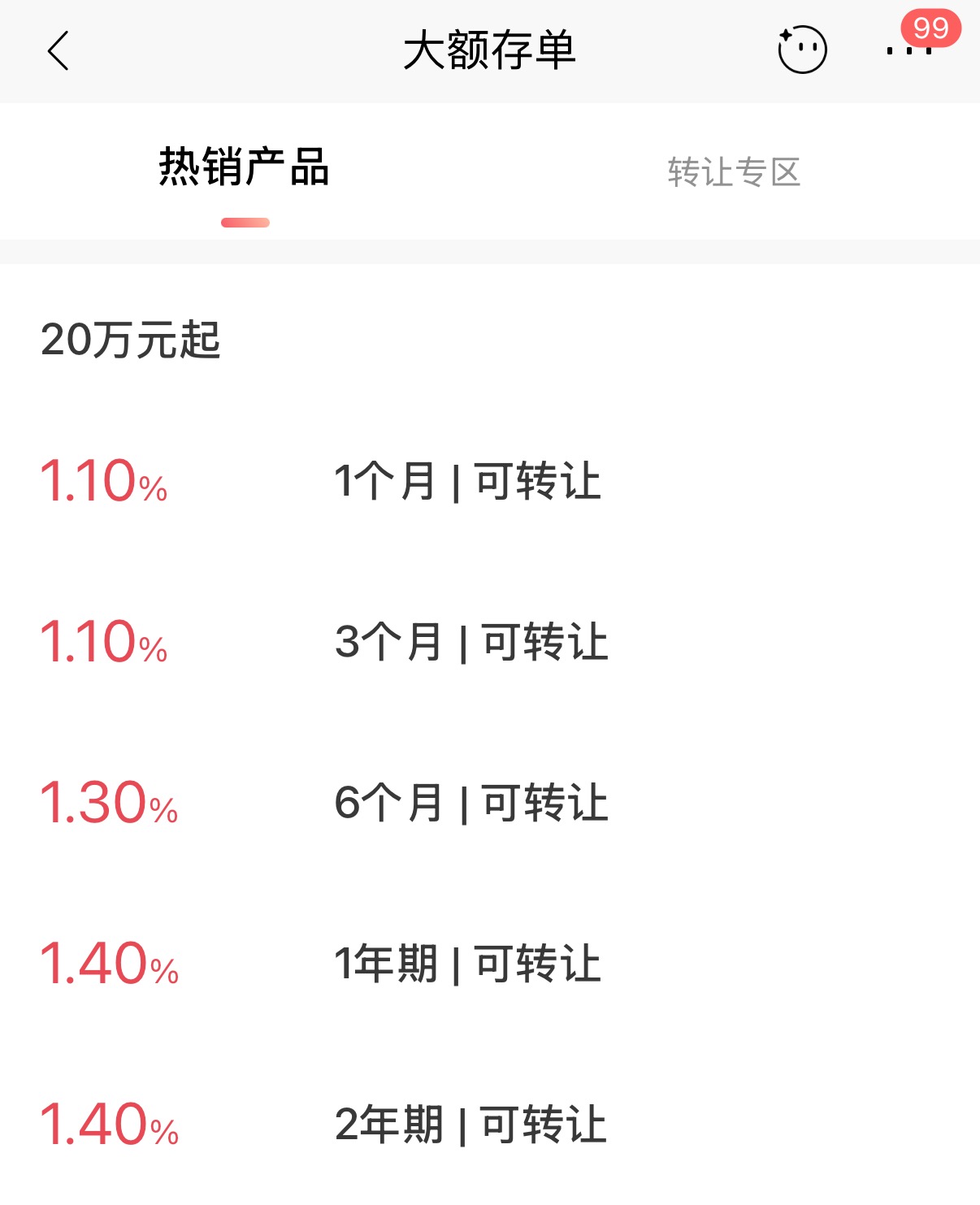
Core Viewpoint - The banking industry is experiencing a structural adjustment in deposit products as the net interest margin remains under pressure, leading to differentiated competition among banks [1][14]. Group 1: Changes in Deposit Products - The five-year large denomination certificates of deposit (CDs) are gradually exiting the market, with major state-owned banks collectively removing these products [2][5]. - Currently, only shorter-term CDs (one year, two years, three years, and six months) are available, with interest rates for three-year CDs at 1.55% and one-year/two-year CDs at 1.20% [2][11]. - Some banks have raised the minimum investment threshold for large CDs, with examples including a minimum of 100,000 yuan for certain products, while maintaining lower thresholds for others [6][12]. Group 2: Interest Rate Trends - There is a growing prevalence of interest rate inversion, where shorter-term deposits offer higher rates than longer-term ones, challenging traditional pricing logic [4][17]. - The average net interest margin for commercial banks was reported at 1.42% as of the end of Q3 2023, reflecting a year-on-year decrease of 11 basis points [17]. Group 3: Strategies of Different Banks - While large banks are reducing high-cost long-term deposits, smaller banks are increasing deposit rates to attract customers during the year-end savings season [14][15]. - For instance, Shengjing Bank has raised its one-year deposit rate to 1.65% and three-year rate to 1.8%, indicating a competitive strategy to enhance deposit attraction [15][16]. Group 4: Future Outlook - The ongoing pressure on net interest margins is expected to drive banks to continue lowering funding costs, with a trend towards reducing deposit interest rates likely to persist [17][18]. - Analysts suggest that banks will not only lower deposit rates but also adjust the structure of their deposit products to manage costs effectively [17].
邮储银行跌1.23%,成交额9.67亿元,近5日主力净流入-4.07亿
Xin Lang Cai Jing· 2025-12-03 11:16
Core Viewpoint - Postal Savings Bank of China (PSBC) has experienced a decline in stock price and trading volume, indicating potential investor concerns and market dynamics [1][3]. Financial Performance - For the first nine months of 2025, PSBC reported a net profit of 765.62 billion yuan, reflecting a year-on-year growth of 0.98% [6]. - The bank's cumulative cash dividends since its A-share listing amount to 1,377.96 billion yuan, with 773.95 billion yuan distributed over the past three years [7]. Dividend and Shareholder Information - PSBC's dividend yields over the past three years were 5.58%, 6.00%, and 4.61% respectively, indicating a strong commitment to returning value to shareholders [2]. - As of September 30, 2025, the number of shareholders decreased by 13.09% to 142,600, while the average circulating shares per person increased by 15.29% to 478,570 shares [6]. Market Activity - On December 3, PSBC's stock fell by 1.23%, with a trading volume of 9.67 billion yuan and a turnover rate of 0.26%, leading to a total market capitalization of 6,725.32 billion yuan [1]. - The main capital flow showed a net outflow of 1.59 billion yuan today, with a continuous reduction in main capital over the past three days [3]. Technical Analysis - The average trading cost of PSBC shares is 5.18 yuan, with the current stock price fluctuating between resistance at 5.61 yuan and support at 5.59 yuan, suggesting potential for short-term trading strategies [4]. Company Overview - PSBC, established on March 6, 2007, and listed on December 10, 2019, primarily offers banking and financial services in China, with personal banking contributing 65.15% to its revenue, corporate banking 22.71%, and funding operations 12.10% [5].
股份制银行第二家,揭牌成立!
Jin Rong Shi Bao· 2025-12-03 11:10
Core Viewpoint - The establishment of China Merchants Bank's Asset Investment Company (招银投资) marks a significant step in expanding the role of commercial banks in equity investment, supporting the development of technology innovation enterprises [1][2]. Group 1: Company Overview - 招银投资 officially opened on December 2, becoming the second asset investment company (AIC) established by a joint-stock bank, following 兴银投资 [1]. - The company has a registered capital of 15 billion yuan and will focus on market-oriented debt-to-equity swap business and participate in equity investment trials led by regulators [1]. - 招银投资 aims to provide comprehensive financial support throughout the lifecycle of clients, reduce corporate leverage, and promote enterprise transformation and upgrading [1]. Group 2: Industry Context - The establishment of AICs is part of a broader national strategy emphasizing technology innovation as a key driver for industrial upgrading [2]. - 招银投资 is positioned as a crucial bridge between equity capital and the financing needs of technology innovation enterprises, enhancing the role of commercial banks in this sector [2]. - The recent approval wave for bank-affiliated AICs, including those from 兴业银行, 中信银行, and 邮储银行, indicates a growing trend in the financial market to support technology enterprises through equity investment [3][4]. Group 3: Strategic Implications - 招银投资 is expected to create a synergistic relationship with its parent company, 招商银行, leveraging its extensive credit resources and client network to enhance service capabilities [3]. - The expansion of AIC licenses is anticipated to allow more flexible regional banks and joint-stock banks to participate in equity investments, thereby diversifying the investment and financing system in China [4].

北京上市公司协会举办上市公司走进邮储银行活动
Zhong Zheng Wang· 2025-12-03 10:51
邮储银行北京分行副行长徐卫杰等出席会议,热烈欢迎北京地区上市公司代表们来邮储银行进行座谈交 流。徐卫杰表示,邮储银行作为国有大型商业银行,一直与经济社会发展同频共振、同向而行。截至 2025年三季度末,邮储银行实现营收、利润双双正增长,净息差1.68%、不良率0.94%,均保持行业优 秀水平,在稳健经营中不断为实体经济注入金融活水。邮储银行北京分行作为国有大行服务首都经济的 重要落脚点,始终将服务"五篇大文章"作为核心战略抓手,把金融资源精准投向首都经济发展的关键领 域,形成多点开花的发展局面。邮储银行北京分行科技金融事业部、个人金融部分别就邮储银行科技金 融及企业金融服务、财富管理及私人银行业务情况做出了详细的分享。 活动也邀请了邮储银行客户翠微集团到场,翠微集团结合自身区域发展战略及支持科技企业发展的定 位,围绕如何推动银、企、协多方协同、实现高质量发展等方面进行了分享。 与会上市公司代表踊跃发言,分享各自对金融高质量发展的理解和"五篇大文章"的建议,大家各抒己 见,现场气氛热烈。有企业代表提出,科技金融需进一步优化风险评估模型,提升对"专精特新"企业的 融资支持效率;绿色金融应强化信息披露标准,推动碳账 ...
注册资本150亿,招银投资揭牌开业
Huan Qiu Lao Hu Cai Jing· 2025-12-03 10:23
Core Insights - Zhaoyin Financial Asset Investment Co., Ltd. (Zhaoyin Investment) officially opened in Shenzhen on December 2, with a registered capital of 15 billion RMB, making it the highest initial registered capital among bank-affiliated AICs [1] - Zhaoyin Investment's four main business models include debt-to-equity swaps, equity-for-debt exchanges, issuance of asset management products, and establishment of private equity investment funds [1] - The company will leverage the diverse financial resources of the China Merchants Group, including the rich equity investment experience of China Merchants International Capital and the mature technology finance system of China Merchants Bank [1] Business Development - The establishment process of Zhaoyin Investment was efficient, with the announcement made in early May, regulatory approval received in July, and official opening occurring in late November [1] - The rapid establishment was facilitated by a notice from the National Financial Regulatory Administration in March, which supported commercial banks in setting up financial asset investment companies [1] Industry Context - The number of bank-affiliated AICs in China has expanded to nine, with several banks, including China Merchants Bank, receiving approval to establish AICs this year [2] - The AIC is expected to become a significant channel for banks to engage in technology finance and equity markets, with potential innovations in venture capital, equity investment, and corporate restructuring [2] Performance Metrics - China Merchants Bank has positioned technology finance as a key direction for serving the real economy, reporting 169,700 technology enterprise clients as of mid-year, a 4.43% increase from the end of the previous year [2] - The loan balance for technology enterprises reached 696.205 billion RMB, reflecting a 17.91% increase compared to the end of the previous year [2] Management Team - The chairman and legal representative of Zhaoyin Investment is Lei Caihua, who is also the vice president of China Merchants Bank, overseeing the corporate finance sector [2] - The remaining four directors are from the first-level departments of China Merchants Bank, indicating a strong internal leadership structure [2]
一线走访|国有行集体下架5年期大额存单,着急找“平替”?
Nan Fang Du Shi Bao· 2025-12-03 10:13
Core Viewpoint - The five-year large-denomination certificates of deposit (CDs) have been collectively removed from the offerings of major state-owned banks, leaving only three-year products available, reflecting ongoing pressure on the banking industry's net interest margins [2][11]. Group 1: Product Availability - Major state-owned banks, including Industrial and Agricultural Banks, have removed five-year large-denomination CDs from their online offerings, with only three-year and shorter-term products remaining [2][11]. - The three-year large-denomination CDs are now offered at a reduced interest rate of approximately 1.55%, with varying minimum deposit thresholds of 200,000, 1,000,000, and 5,000,000 yuan [3][7]. - Agricultural Bank's app shows only three-year products available, with interest rates fixed at 1.55% for both 500,000 and 20,000 yuan minimum deposits [7]. Group 2: Interest Rate Trends - The interest rate for three-year large-denomination CDs has decreased from 2.15% to 1.55% over the past year, a decline of 60 basis points [11]. - Other state-owned banks, such as Bank of China and Postal Savings Bank, have also removed five-year large-denomination CDs, with interest rates for three-year and shorter products aligning with the rates of other major banks [11]. Group 3: Market Context - The removal of long-term large-denomination CDs is part of a broader trend in the banking industry, driven by ongoing adjustments in response to a low net interest margin environment [14][15]. - As of the end of Q3, the net interest margin for commercial banks was reported at 1.42%, a decrease of 11 basis points year-on-year, indicating continued pressure on profitability [15]. - Analysts suggest that banks are adjusting their product offerings to manage costs and maintain net interest margins, reflecting a shift in strategy towards shorter-term deposits and higher entry thresholds for large-denomination CDs [15][16]. Group 4: Clarification on Deposit Products - The discontinuation of five-year large-denomination CDs has led to confusion among some depositors, who mistakenly believe that all five-year deposit options have been eliminated; however, regular five-year fixed deposits remain available [12][13]. - Regular five-year fixed deposits have a much lower minimum deposit requirement of 50 yuan and offer a stable interest rate of 1.30%, providing an alternative for customers with lower capital [13].