星展银行

Search documents
香港 IPO 热潮引爆人才争夺:外资增兵中资加薪,猎头机构成关键纽带
Sou Hu Cai Jing· 2025-10-01 14:11
Market Recovery - The Hong Kong IPO market is experiencing a strong recovery, leading to a significant increase in demand for financial professionals, with a net increase of approximately 1,200 licensed financial professionals in the past 12 months [3] - The median monthly income in the financial and insurance sector reached 40,000 HKD in Q2, significantly higher than the overall average of 22,300 HKD across all industries [3] Foreign Investment Strategy - International banks are ramping up their presence in Hong Kong, viewing it as a key hub for capturing the Asian market, with Deutsche Bank dispatching 50 employees and expanding its trading team by 10% [4] - JPMorgan hired 16 new managing directors and relocated core personnel to Hong Kong, while Citigroup plans to increase its wealth management advisors by 10% [4] - The competition for talent has led to a 20% to 35% increase in compensation packages for VP-level positions, with a doubling of job openings related to IPOs compared to the previous year [4] Domestic Response - Chinese securities firms are implementing strategies to retain talent, with CITIC Securities increasing salaries for junior assistants by 15% to 30%, reaching up to 75,000 to 80,000 HKD per month [5] - Core positions are seeing intense salary competition, with professionals having three years of experience earning over 1 million HKD annually [5] - The average salary at Guotai Junan International rose from 610,000 HKD to 710,000 HKD, while Xingsheng International increased from 450,000 HKD to 540,000 HKD [5] Rise of Recruitment Agencies - Recruitment agencies are benefiting from the talent war, with a 30% to 40% increase in job placements compared to the previous year [6] - Headhunting firms are establishing a strategic presence in Hong Kong to facilitate cross-border talent flow, completing 46 cross-border talent matching projects by Q1 2025 [6][7] Future Challenges - Despite the market's vibrancy, there remains a talent supply gap, particularly for professionals with cross-border service capabilities [8] - The talent shortage in emerging fields like fintech and biomedicine is reported to be around 20% [8] - Recruitment agencies are developing customized solutions for niche sectors and aiming to replicate their cross-border talent service model in Southeast Asia [8]


彭博扩展人民币债券回购交易解决方案
Xin Hua Cai Jing· 2025-09-29 10:50
新华财经北京9月29日电彭博29日宣布扩展其人民币债券回购交易解决方案,支持境外机构投资者从在 岸市场获得人民币流动性。此次扩展紧随中国监管机构的最新公告,允许所有可在中国债券市场开展现 券交易的境外机构投资者开展债券回购业务。 据新华财经获悉,彭博于2025年2月推出人民币债券回购交易解决方案,支持境外投资者参与离岸人民 币债券回购业务,使用合格债券作为抵押品进行回购或逆回购交易。最近宣布的跨境债券回购业务推出 后,该解决方案将继续通过统一的电子交易流程,支持投资者与指定的境内外做市商开展债券回购交 易。 东方汇理银行离岸中国交易主管卢元正对新华财经表示,"跨境债券回购交易机制搭建起连接在岸和离 岸市场的无缝桥梁,使投资者能够在债券回购交易中使用所持有的银行间债券作为抵押品,从而优化融 资渠道并提升债券使用效率。该机制是连接在岸和离岸金融市场,并盘活人民币债券持仓的重要基础设 施之一。" 中国工商银行(亚洲)高级业务总监暨金融市场部总经理詹伟基表示,"获取境内市场流动性对我们的 融资和风险管理策略而言是一次重要变革,使我们能够更充分地利用债券持仓,更高效地管理流动性。 彭博的人民币债券回购交易解决方案在帮助 ...
每日机构分析:9月26日
Zhong Guo Jin Rong Xin Xi Wang· 2025-09-26 09:57
Group 1: European Debt Market - Societe Generale indicates a significant downtrend in both realized and implied volatility in the European government bond market, creating favorable conditions for arbitrage trading [1] - The firm highlights French government bonds (OATs) as particularly attractive, alongside Spanish and Italian bonds, due to recent credit rating upgrades and anticipated improvements in ratings [1] Group 2: Indonesia Economic Outlook - Fitch's BMI notes that Indonesia's GDP growth may gradually slow over the next decade due to domestic political concerns and structural issues, despite the president's ambitious growth targets [2] - The report suggests that these measures may not be sufficient to elevate growth rates above the long-term average of 5.0% [2] Group 3: Japan's Trade and Investment - Capital Economics believes that if Japanese companies continue to serve U.S. clients through subsidiaries, the impact of U.S. trade policies on profits and investments will be limited [2] - Despite pressures from U.S. tariffs, Japan's direct foreign investment in the U.S. is expected to reach a record high this year, driven by strong U.S. economic performance [2] Group 4: Thai Baht and Monetary Policy - Citigroup anticipates that the Bank of Thailand may lower interest rates in October to curb the rapid appreciation of the Thai baht, which has risen nearly 6% this year [2] Group 5: UK Economic Concerns - Barclays analysts point out that the combination of a strong dollar and weakened domestic growth is suppressing the British pound, with policy uncertainty ahead of the November budget exacerbating the situation [3][4] - The unexpected rise in public borrowing and weak bond auctions are further damaging market sentiment towards the pound [4] Group 6: Eurozone Debt Supply - Barclays expects a slowdown in Eurozone government debt supply in October, forecasting total issuance of €116 billion, down from approximately €127 billion in September [4][5] - The report also notes that redemptions are expected to rise to €118 billion, indicating a shift in the debt market dynamics [5] Group 7: Singapore Manufacturing Sector - DBS Bank reports that Singapore's manufacturing sector is likely to continue experiencing volatility, with August output declining by 7.8% year-on-year, marking the largest drop since March 2024 [5] - The semiconductor cycle remains supported by structural developments in artificial intelligence, despite global economic uncertainties [5]


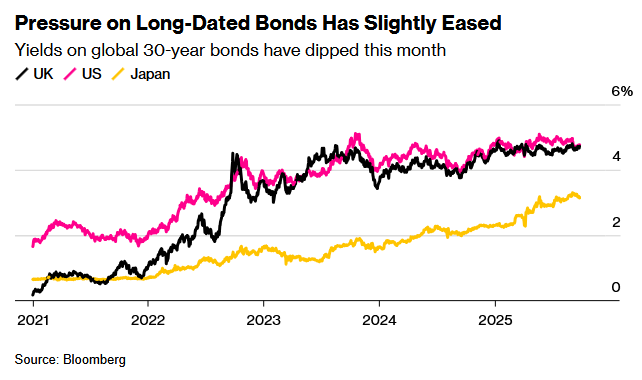
供应下降缓解市场紧张情绪 全球长期债券重回投资者视野
Zhi Tong Cai Jing· 2025-09-26 06:58
Group 1 - The global long-term bond market is experiencing a rebound as investors seek buying opportunities after a sell-off, with U.S. and Japanese 30-year bond yields dropping approximately 20 basis points since early September, and UK yields falling over 10 basis points [1] - The recent decline in long-term bond yields is partly driven by reduced supply, as some countries shift their issuance focus to cheaper short-term bonds, with Japan proposing to cut long-term bond issuance and the UK central bank reducing long-term bond sales in its quantitative tightening plan [1][2] - There is a growing optimism in the long-term bond market, highlighting the significant role of supply concerns in recent sell-offs, despite ongoing worries about rising fiscal deficits [2] Group 2 - Strong economic growth globally is alleviating concerns about fiscal deficits and prompting investors to reconsider long-term interest rate trends, with recommendations for Australian investors to adopt positions that benefit from a flattening yield curve [3] - The Bloomberg Global Aggregate Index indicates that bets on long-term bonds are starting to pay off, with 10-year and longer bonds returning 0.7% this month, outperforming shorter-term bonds [6] - Recent auctions show strong demand for long-term bonds, with Japan's 40-year bonds seeing enthusiastic buying and the strongest demand for 20-year bonds since 2020 [6]
“存美元理财,最后赔了钱”
Di Yi Cai Jing· 2025-09-26 03:03
Core Viewpoint - The Federal Reserve has lowered the federal funds rate target range by 25 basis points to 4.00%-4.25%, marking the first rate cut since December 2024, which signals the end of the high-interest rate cycle for the dollar and a downward trend in dollar asset yields [1][7]. Group 1: Impact of Rate Cut on Dollar Assets - The recent rate cut is viewed as a confirmation of a turning point for dollar asset yields, with expectations that the high-interest environment is reversing [7]. - Foreign banks, such as HSBC and DBS, have quickly responded by lowering dollar deposit rates, with HSBC reducing rates for 1-month and 6-month deposits to 3.5% [7][8]. - The average annualized yield for dollar wealth management products has dropped significantly from 4.58% at the beginning of the year to 3.74% in September, reflecting a decline of over 80 basis points [8][5]. Group 2: Investor Experiences and Concerns - Many investors are sharing experiences of losses from dollar wealth management products due to currency depreciation, with some reporting losses despite initially attractive interest rates [3][5]. - The dollar index has fallen nearly 10% year-to-date, and the dollar to RMB exchange rate has depreciated over 3% from 7.35 to 7.12 [3][5]. - Investors are increasingly questioning whether investing in dollar wealth management is about earning interest or speculating on exchange rates, leading to a perception of these products as "high-position traps" [5][10]. Group 3: Future Outlook and Risks - Analysts believe that the impact of the Fed's rate cut extends beyond just lower rates, affecting international capital flows and exchange rate volatility [10]. - There are three main risks associated with dollar wealth management: exchange rate risk, interest rate decline risk, and liquidity risk [10]. - Market predictions regarding future Fed policy vary, with some analysts expecting additional rate cuts in the coming months, while others anticipate the dollar to RMB exchange rate to fluctuate between 7.0 and 7.5 for the year [10][11].
“存美元理财,最后赔了钱”
第一财经· 2025-09-25 23:16
Core Viewpoint - The Federal Reserve's recent decision to lower the federal funds rate by 25 basis points to a target range of 4.00% to 4.25% marks the end of the high-interest rate cycle for the dollar, leading to a decline in dollar asset yields and revealing the "high-interest trap" in dollar financial products [2][4][10]. Group 1: Impact of Interest Rate Changes - The recent interest rate cut by the Federal Reserve is seen as a confirmation of the turning point for dollar asset yields, ending a nine-month period of stable policy [7]. - Following the rate cut, foreign banks like HSBC and DBS have quickly adjusted their dollar deposit rates downward, with HSBC reducing rates for 1-month and 6-month deposits to 3.5% [7][8]. - Domestic banks have not yet adjusted their rates, but there is an expectation of future declines, with current rates for 1-year dollar deposits remaining at 2.8% [8]. Group 2: Performance of Dollar Financial Products - The average annualized yield of dollar financial products has dropped significantly from 4.58% at the beginning of the year to 3.74% by September, reflecting a decline of over 80 basis points [8]. - The decline in yields is particularly pronounced in pure fixed-income products, with some analysts predicting that yields may fall below 3.5% in the next six months [8]. - Despite the declining yields, some smaller banks still offer competitive rates, such as Huashang Bank's 3.90% for six-month dollar deposits [8]. Group 3: Investor Experiences and Concerns - Many investors have shared experiences of losses due to currency depreciation, with some reporting that their dollar investments have resulted in losses when converted back to RMB [3][4]. - The overall performance of dollar assets has been poor, with the dollar index dropping nearly 10% year-to-date and the USD/RMB exchange rate falling over 3% [4][10]. - Investors are increasingly questioning whether investing in dollar financial products is about earning interest or speculating on exchange rates, leading to a perception of being "trapped at high levels" [6][10]. Group 4: Risks and Future Outlook - Analysts highlight three main risks associated with dollar financial products: exchange rate risk, interest rate decline risk, and liquidity risk [10]. - Market expectations regarding future Federal Reserve policies remain divided, with some analysts predicting further rate cuts in the coming months [10]. - The dollar's exchange rate is expected to fluctuate within the range of 7.0 to 7.5 against the RMB for the remainder of the year, influencing investment decisions [10].
实探美元存款利率调整 有银行月内已两度下调
Sou Hu Cai Jing· 2025-09-25 16:46
Core Viewpoint - The Federal Reserve's recent interest rate cut has prompted banks to adjust their USD deposit rates, with foreign banks leading the changes while many domestic banks have yet to respond [1][8]. Summary by Sections Foreign Banks' Adjustments - Several foreign banks have lowered their USD deposit rates following the Fed's rate cut, with HSBC reducing rates by 10 to 20 basis points for various terms [2][3]. - As of September 22, HSBC's new rates for new funds include 3.5% for 1-month, 3-month, and 6-month deposits, and 3.05% for 12-month deposits, with previous rates being higher [2]. - DBS Bank has also adjusted its rates, with current rates for general accounts at 3.1% for 1-month and 2.9% for 1-year deposits, reflecting a decrease from earlier in the month [3]. Domestic Banks' Rates - Most domestic banks have not yet adjusted their USD deposit rates, maintaining a maximum rate of 2.8% for 1-year deposits [6][7]. - State-owned banks like Bank of Communications and China Construction Bank offer similar rates, with 1-month deposits at 2.2% and 1-year deposits at 2.8% [6]. - Some city commercial banks, such as Beijing Bank, offer more competitive rates, with 1-year deposits at 3% [7]. Market Dynamics - The differing responses to the Fed's rate cut among banks are attributed to variations in their funding structures, cost of capital, and market positioning [8]. - Analysts suggest that foreign banks are more responsive to international market changes and Fed policies, while domestic banks may take a more cautious approach [8]. Current Market Conditions - Despite the recent adjustments, many banks' USD deposit rates remain higher than their RMB counterparts, attracting depositors [9].
美联储降息叠加美元贬值 美元理财收益缩水
Sou Hu Cai Jing· 2025-09-25 16:46
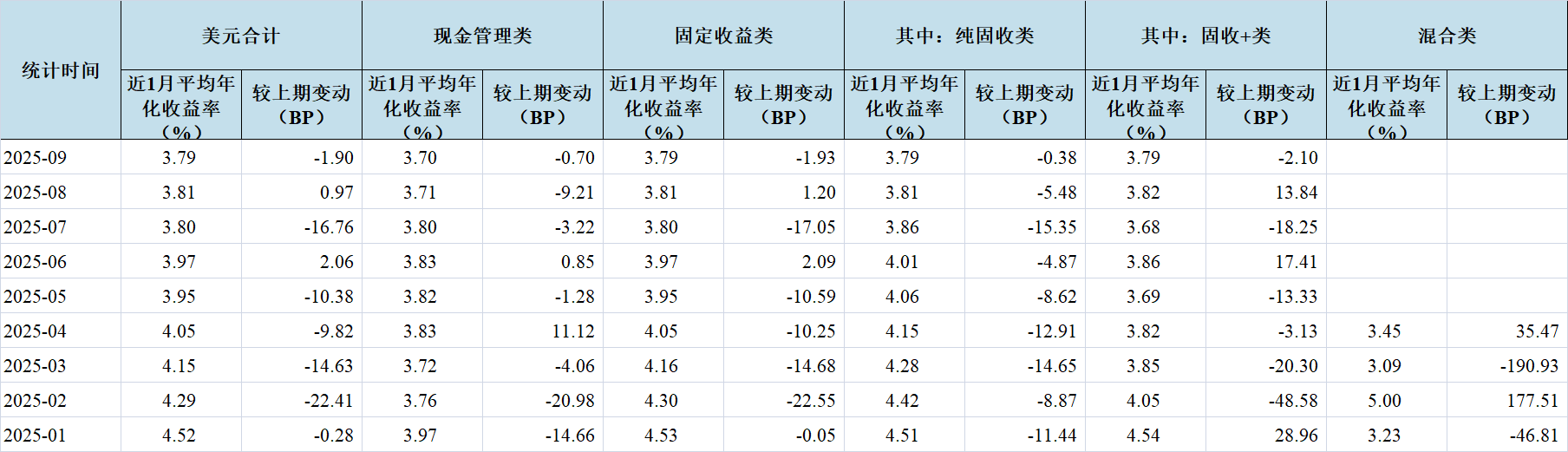
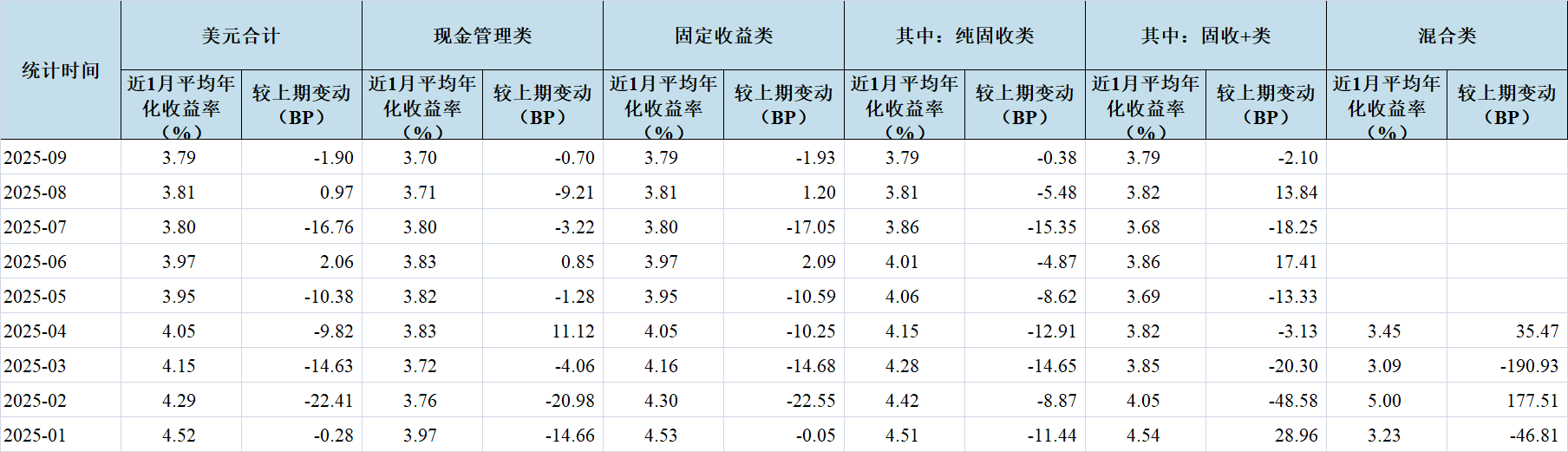
Core Viewpoint - The Federal Reserve has lowered the federal funds rate target range by 25 basis points to 4.00%-4.25%, marking the first rate cut since December 2024, which signals the end of the high-interest rate cycle for the dollar and a downward trend in dollar asset yields [1][4]. Group 1: Impact of Rate Cut - The recent rate cut is seen as a confirmation of the turning point for dollar asset yields, ending a nine-month period of stable policy [4]. - Foreign banks, such as HSBC and DBS, have quickly responded by lowering dollar deposit rates following the Fed's announcement [4]. - Domestic banks have not yet adjusted their rates, but there is an expectation of potential future declines [4][5]. Group 2: Investor Experiences - Many investors have shared experiences of losses from dollar-denominated financial products due to declining exchange rates, despite initially attractive interest rates [2][3]. - The average annualized yield for dollar financial products has dropped significantly from 4.52% in January to 3.79% in September [2][5]. - Investors are increasingly questioning whether investing in dollar financial products is more about earning interest or speculating on exchange rates [3]. Group 3: Risks and Considerations - The decline in dollar asset yields is attributed to both the Fed's rate cuts and the depreciation of the dollar, which has seen a nearly 10% drop in the dollar index this year [2][7]. - Analysts highlight three main risks associated with dollar financial products: exchange rate risk, interest rate risk, and liquidity risk [7]. - Future expectations regarding Fed policy and exchange rate movements remain uncertain, with differing opinions among analysts [7][8].
美联储降息叠加美元大幅贬值,有美元理财投资者亏麻了
Di Yi Cai Jing· 2025-09-25 13:04
Group 1 - The Federal Reserve has lowered the federal funds rate target range by 25 basis points to 4.00%-4.25%, marking the first rate cut since December 2024, indicating a shift in the high-interest rate environment for the dollar [1][5] - The dollar index has dropped nearly 10% year-to-date, with the USD/CNY exchange rate falling from 7.35 to 7.12, a depreciation of over 3% [2][5] - The average annualized yield of dollar-denominated wealth management products has decreased from 4.52% in January to 3.79% in September, reflecting a significant downward trend [2][6] Group 2 - Investors are increasingly sharing experiences of losses in dollar wealth management products, highlighting the risks associated with currency fluctuations and interest rate changes [2][4] - Major foreign banks have quickly adjusted their dollar deposit rates following the Fed's rate cut, with HSBC and DBS Bank reducing rates for various terms [5][6] - Despite the decline in yields, some smaller banks still offer competitive rates, but the overall sentiment is that exchange rate fluctuations can negate interest earnings [6][7] Group 3 - Analysts suggest that the Fed's rate cut signals a turning point for dollar asset yields, with expectations of further rate reductions in upcoming meetings [8] - The market remains divided on future Fed policy, with some analysts predicting additional rate cuts based on economic indicators such as unemployment rates [8] - The potential for continued dollar depreciation against the yuan is anticipated to remain within the 7.0-7.5 range for the year, influencing investment strategies [8]
美联储降息叠加美元贬值,美元理财投资者亏麻了
Di Yi Cai Jing· 2025-09-25 12:41
Group 1 - The Federal Reserve has lowered the federal funds rate target range by 25 basis points to 4.00%-4.25%, marking the first rate cut since December 2024, indicating a shift in the high-interest rate environment for the dollar [1][5] - The dollar has depreciated significantly since the beginning of the year, leading to reduced interest income and principal losses for investors holding dollar-denominated financial products [1][2] - The average annualized yield of dollar financial products has declined from 4.52% in January to 3.79% in September, reflecting a downward trend in dollar asset returns [2][6] Group 2 - Investors are increasingly sharing experiences of losses from dollar financial products, highlighting the risks associated with currency fluctuations and the diminishing returns from these investments [2][4] - The dollar index has dropped nearly 10% year-to-date, with the exchange rate against the yuan falling from 7.35 to 7.12, a depreciation of over 3% [2][4] - The decline in yields is particularly pronounced in fixed-income products, with expectations that yields may fall below 3.5% in the coming months [6][7] Group 3 - The recent rate cut by the Federal Reserve is seen as a confirmation of a turning point for dollar asset yields, with foreign banks quickly adjusting their deposit rates in response [5][6] - Despite the decline in yields, some smaller banks still offer competitive rates, but the overall sentiment is that exchange rate fluctuations will significantly impact actual returns [6][7] - Analysts express differing views on future Federal Reserve policy, with expectations of further rate cuts and a stable dollar-to-yuan exchange rate within the 7.0-7.5 range [8]