
洋河股份

Search documents
英伟达市值重回全球第一,外资开始抛售日本股票 | 财经日日评
吴晓波频道· 2025-06-26 16:47
Group 1: Foreign Investment and Economic Cooperation - In the first five months of the year, China's non-financial direct investment abroad reached $61.6 billion, a year-on-year increase of 2.3% [1] - Investment in countries involved in the Belt and Road Initiative amounted to $15.52 billion, growing by 20.8% [1] - The total revenue from foreign contracted projects was $61.94 billion, up 5.4%, with new contracts signed totaling $98.68 billion, an increase of 13% [1] Group 2: Infrastructure and Economic Growth - Investments in infrastructure not only stimulate related industries but also create numerous job opportunities, driving local economic growth [2] - Infrastructure projects enhance China's transportation capacity, facilitating international expansion for domestic companies and opening avenues for foreign trade [2] Group 3: White Wine Market Trends - Major Chinese liquor companies are launching low-alcohol products to cater to the preferences of younger consumers, with over 60% favoring lower alcohol content [3] - The introduction of low-alcohol products is a strategic move to attract younger demographics who prefer lighter drinking experiences [4] Group 4: Nvidia's Market Position - Nvidia's market capitalization has reached $3.77 trillion, reclaiming the title of the world's most valuable company, driven by strong demand for AI infrastructure [5] - The company sees significant growth opportunities in AI and robotics, which are projected to represent trillions of dollars in potential revenue [5][6] Group 5: Currency and Economic Outlook - The US dollar index has fallen to a nearly three-year low, down approximately 9.6% this year, marking its worst first half since 1986 [7][8] - Analysts warn that current US tariff policies may slow global economic growth and reignite inflation domestically, with a 40% probability of a recession in the US by the end of the year [7] Group 6: Foreign Investment in Japan - After 11 consecutive weeks of net buying, foreign investors sold a net ¥524.3 billion ($3.62 billion) in Japanese stocks, marking the first net sell-off since late March [9] - Despite the recent sell-off, Japan's stock market has seen a net inflow of approximately ¥6.81 trillion from foreign investors this quarter, the largest in two years [9][10] Group 7: Virtual Asset Trading in Hong Kong - Guotai Junan International has received approval to upgrade its trading license to offer virtual asset trading services, becoming the first Chinese broker in Hong Kong to do so [11][12] - The upgrade allows for direct trading of cryptocurrencies and stablecoins, positioning the firm as a key player in the virtual asset market [12] Group 8: Fundraising Trends - In June, new fund issuance exceeded ¥90 billion, with bond funds accounting for a significant portion of the total, reflecting a shift in investor preference [14] - The demand for bond funds has increased due to a stable bond market and declining bank deposit rates, leading to a surge in institutional investment in high-quality bond products [14][15]



估值处于低位!“禁酒令”加上需求减弱 白酒龙头股屡创新低
Nan Fang Du Shi Bao· 2025-06-26 15:33
受政策等因素影响,白酒在二级市场上"表现不佳"。 截至6月26日收盘,白酒板块虽然"翻红",但资金情绪不高。南都湾财社-酒水新消费指数课题组注意 到,同花顺白酒指数26日收盘录得2825.34点涨0.1%,旗下成分股涨跌参半。 据了解,自今年新版《党政机关厉行节约反对浪费条例》正式生效后,"公务接待不上酒"对白酒股产生 影响,在叠加白酒深度调整期行业增速整体放缓等因素后,白酒股最近一个月表现是"屡创新低"。 不过行业认为,目前多只白酒股处于近年来估值低位,这其中不乏"茅五洋泸汾古"等龙头,个股是否适 合"杀入"引起讨论。乐观来看,白酒股具有持续分红对冲股价波动收益等优势,但从基本面而言,目前 白酒正处于新一轮的转型期,何时走出泥潭有待观察。 "禁酒令"引发资金焦虑,白酒创阶段性新低 对于当下市场情况,有券商保持乐观态度。中金公司研报认为,当前白酒需求景气度已处历史底部,向 下风险或有限。从消费场景看,短期大众需求偏刚性,且同期低基数下,宴席需求或有望有所表现;中 期维度下,政策刺激有望刺激高端白酒需求企稳;全年白酒业绩在三四季度低基数支撑下或呈先抑后扬 的走势。 在5月19日"禁酒令"被提出之时,业界因"公务 ...
“禁酒令”风暴下的区域白酒:生死局还是新天地?
Nan Fang Du Shi Bao· 2025-06-26 10:28
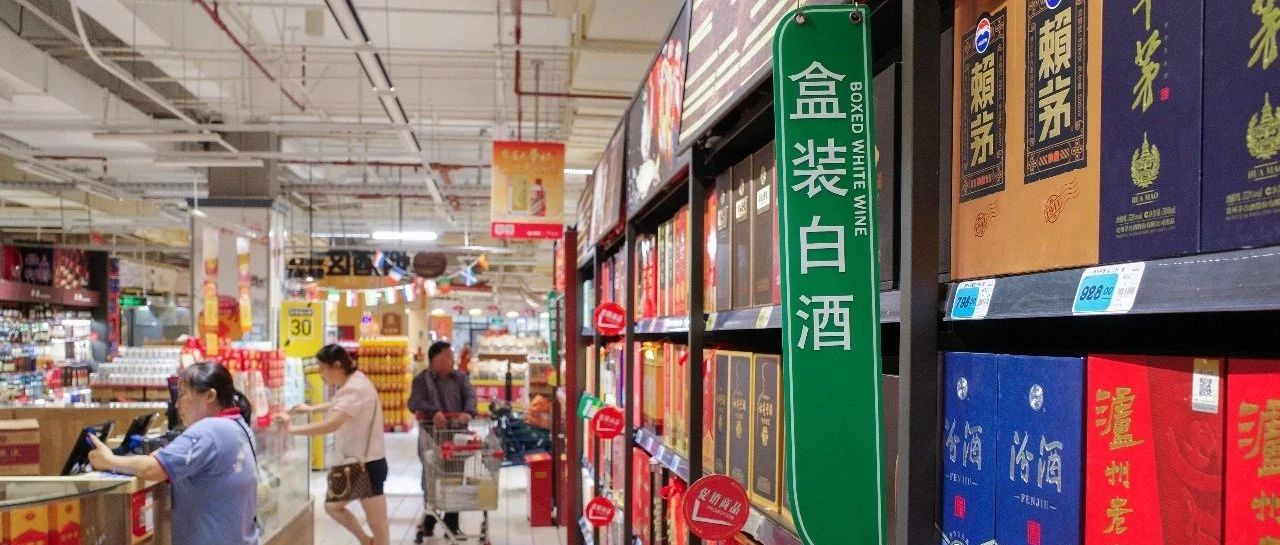
Core Viewpoint - The new regulation prohibiting alcohol consumption in government receptions has significantly impacted the white liquor industry, leading to a decline in stock prices and creating a complex survival game for regional liquor companies [2][3][4] Policy Impact - The implementation of the new "ban on alcohol" is strict, affecting not only government personnel but also state-owned enterprises, causing a significant ripple effect in the white liquor market [3] - The China Alcohol Industry Association's report indicates that the ban has expanded from high-end liquor to all alcoholic beverages, marking a new phase in policy regulation [3][4] Market Dynamics - While some regional liquor companies face challenges due to their reliance on government consumption, others, particularly those focused on mass-market products, are finding new opportunities [4][5] - Sales of mid-range liquor (priced between 100-300 yuan) are increasing, contrasting with the decline in high-end liquor sales [9][10] Consumer Behavior - Ordinary consumer gatherings and business meals are becoming the mainstay of liquor consumption, suggesting that companies should focus on products that cater to everyday consumers [6][9] - The trend indicates a shift towards more affordable liquor options, with the market for products priced below 300 yuan expanding [10][14] Strategic Responses - Major liquor brands are adapting by launching new products aimed at the mass market, such as light bottles priced at 59 yuan [8][9] - Regional liquor companies are increasingly focusing on expanding their presence in county markets, competing with major brands for market share [13][15] Future Outlook - The white liquor industry is entering a new phase characterized by policy adjustments, structural changes in consumption, and intensified competition [14][15] - Companies that innovate in product offerings and expand their market reach while embracing local culture are likely to thrive in this evolving landscape [15]


白酒集体降度,能成为打开新消费的钥匙吗?
第一财经· 2025-06-26 09:55
Core Viewpoint - The Chinese liquor industry is undergoing a significant adjustment, with a new trend towards lower alcohol content products to cater to younger consumers, who prefer lower alcohol beverages. Group 1: Industry Trends - The trend of lowering alcohol content in liquor has emerged as a response to changing consumer preferences, particularly among younger demographics, with over 60% of young people favoring lower alcohol options [1][9]. - Major liquor companies, including Wuliangye and Luzhou Laojiao, are actively developing lower alcohol products, indicating a shift in product strategy to attract new consumer segments [1][3]. - The market for low-alcohol liquor is projected to reach 74 billion yuan by 2025, highlighting its growing acceptance and demand among contemporary consumers [10]. Group 2: Company Strategies - Wuliangye plans to launch a 29-degree product, reviving a previously discontinued line from the 1990s, and is focusing on enhancing the sensory experience of its products [2][1]. - Luzhou Laojiao has also indicated that it is working on lower alcohol products, reflecting a broader industry trend towards innovation in product offerings [3]. - Other companies, such as Yanghe, have introduced new low-alcohol products, with plans for additional releases later in the year, further emphasizing the industry's pivot towards lower alcohol content [4]. Group 3: Consumer Behavior - The consumption structure of the liquor industry is changing, with younger consumers becoming a significant market force, leading to a shift in product offerings to meet their preferences [9]. - The traditional high-alcohol liquor market is facing competition from lower alcohol options, which are perceived as more palatable and suitable for social drinking scenarios [10][12]. - Despite the advantages of lower alcohol products, changing long-standing consumer drinking habits will require strategic marketing and education efforts from liquor companies [13].


重磅意见发布,事关消费!茅台今日分红到账,规模领先的消费ETF(159928)小幅回调,连续2日获资金青睐!
Sou Hu Cai Jing· 2025-06-26 07:06
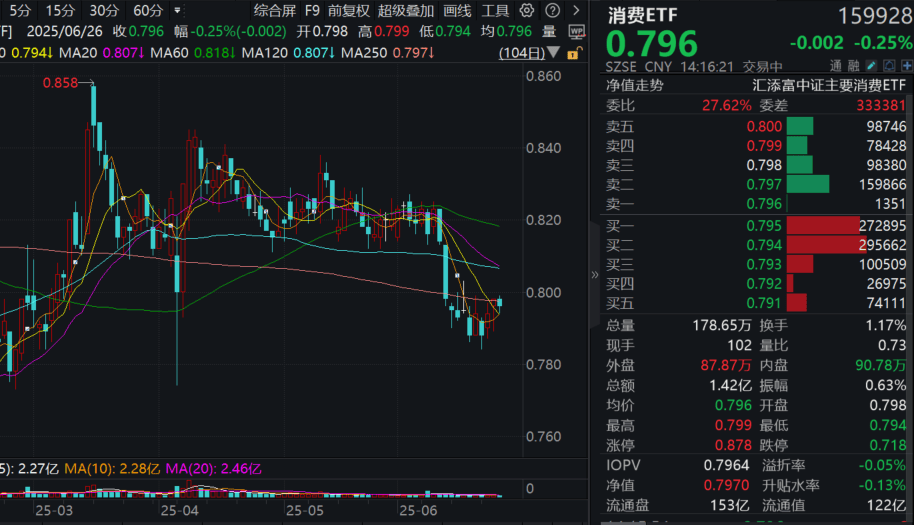
Group 1 - The A-share market showed a decline, particularly in the consumer sector, with the Consumption ETF (159928) slightly down by 0.25% and a trading volume exceeding 1.5 billion CNY [1] - The Consumption ETF has seen a net subscription of 18 million units, marking the second consecutive day of capital inflow, with a total scale surpassing 12.1 billion CNY, leading its category [1] - On June 24, six departments jointly issued guidelines to support and expand consumption, proposing 19 key measures across six areas to enhance financial services in the consumption sector [1][3] Group 2 - Shenzhen's Commerce Bureau released measures to promote high-quality service consumption, focusing on digital service consumption and new business formats such as e-sports and social e-commerce [2] - As of June 25, the index components of the Consumption ETF showed mixed performance, with notable gains in stocks like Yanghe Distillery and slight increases in Kweichow Moutai and Yili [2] - Kweichow Moutai announced a cash dividend of 276.73 CNY per 10 shares, with a total distribution amounting to 34.67 billion CNY [2] Group 3 - Longcheng Securities commented on the guidelines, emphasizing the need to stabilize consumer expectations and enhance financial support for the real economy [3][4] - The guidelines also focus on increasing employment and income for residents, promoting financial products that meet household wealth management needs [4] - The guidelines encourage the development of personal pension products and commercial health insurance to enhance consumer willingness to spend [5] Group 4 - The white liquor sector is expected to see a gradual recovery, with current demand at historical lows but limited downside risk, supported by favorable policies [7] - Guotai Junan Securities noted improvements in sentiment within the white liquor sector, driven by better-than-expected retail consumption data [8] - The Consumption ETF's top ten component stocks account for over 68% of its weight, with leading liquor stocks comprising 31% and major agricultural stocks 14% [9]
白酒集体降度,能成为打开新消费的钥匙吗?
Di Yi Cai Jing· 2025-06-26 06:32
Group 1 - The core viewpoint of the articles highlights the trend of low-alcohol products in the Chinese liquor industry, driven by changing consumer preferences, particularly among younger demographics [1][2][7]. - Major liquor companies like Wuliangye and Luzhou Laojiao are actively developing lower-alcohol products to cater to the preferences of consumers aged 90s and 00s, who favor lower alcohol content [1][7]. - The market for low-alcohol liquor is projected to reach 74 billion yuan by 2025, indicating strong growth potential in this segment [8]. Group 2 - The shift towards low-alcohol products is not primarily a cost-cutting measure; rather, it reflects a strategic response to meet the demands of a new generation of consumers [2][8]. - Despite a slowdown in overall performance for major liquor companies in 2024, the low-alcohol segment continues to show growth, suggesting a divergence in market trends [3]. - The Chinese liquor industry is witnessing a transformation in its consumer base, with business professionals still being the main consumers, but younger consumers increasingly becoming a significant market segment [7][8].
洋河、汾酒扎堆“59元黄金赛道”,品牌酒企缘何集体发力低价光瓶酒?
Sou Hu Cai Jing· 2025-06-26 03:45
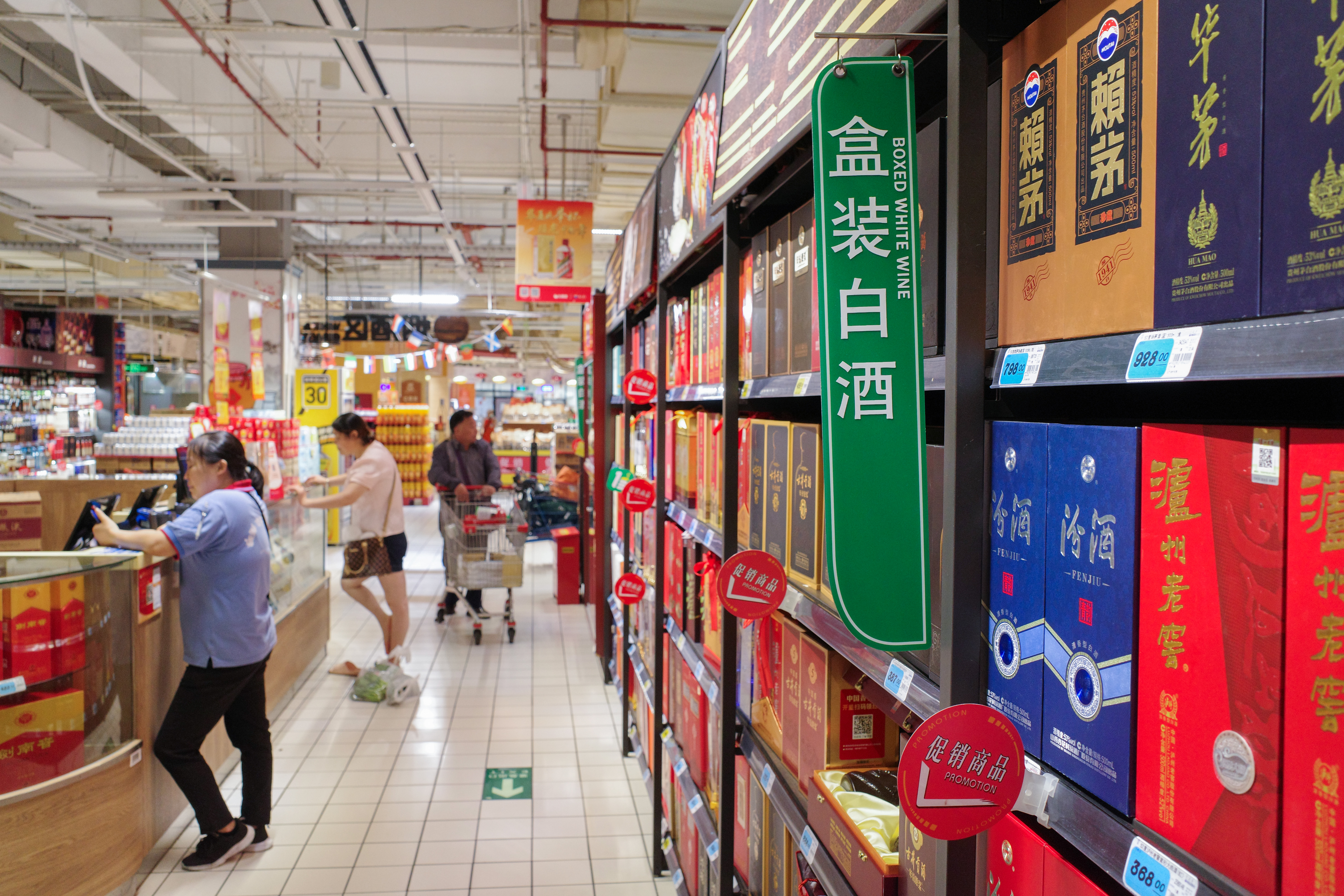
Core Viewpoint - The rise of low-priced light bottle liquor is becoming a favored choice among major liquor companies and consumers amid high inventory and price inversion in the liquor market. The introduction of high-line light bottle liquor priced around 59 yuan is seen as a strategic move to capture market share in a competitive landscape [1][11]. Market Dynamics - Major liquor brands like Yanghe and Yangshao are launching high-line light bottle liquor at competitive prices, with Yanghe's product priced at 59 yuan and Yangshao's at 58 yuan, directly competing with Fenjiu's popular product priced below 50 yuan [1][3]. - The light bottle liquor market is projected to reach a scale of 150 billion yuan by 2024, with the price segment below 100 yuan growing at an annual rate of 15%, making it a key battleground for liquor companies [1][13]. Consumer Trends - Younger consumers are shifting towards more rational and practical consumption habits, prioritizing quality over packaging, which aligns with the growing demand for high-quality, cost-effective products [1][11]. - The perception of light bottle liquor has evolved, with consumers now seeking both affordability and quality, breaking the outdated notion that light bottle equals low quality [13][15]. Competitive Landscape - The light bottle liquor market is categorized into three segments: national brands with significant sales, regional brands with local recognition, and innovative brands targeting younger consumers through emotional marketing [5][6]. - Major brands are focusing on brand building and promotion to enhance their market presence, leveraging their established reputations to attract consumers to their light bottle offerings [16]. Challenges and Opportunities - The industry faces challenges such as product homogenization, limited profit margins, and the need for brands to clearly communicate their unique value propositions [17]. - The ongoing inventory reduction cycle is pushing leading liquor companies to compete for the "staple liquor" market, with a focus on quality breakthroughs to avoid price wars [10][11].
杨卫国不再担任洋河集团董事长;*ST岩石因合同纠纷涉诉丨酒业早参
Mei Ri Jing Ji Xin Wen· 2025-06-26 00:40
Group 1 - Yang Weiguo has been removed from his positions as Chairman of Yanghe Group and other related companies, raising concerns about management stability and strategic continuity in the industry [1] - Yanghe Co. announced on June 11 that Yang Weiguo resigned from the board and strategic committee due to work adjustments, effective until the end of the current board term [1] Group 2 - Wuliangye reported good growth in banquet market size and opening rates in the first half of the year, indicating a positive market performance [2] - The company is adapting its market strategy for its products, including direct distribution to 20 key cities to reduce logistics costs and enhance control over the terminal network [2] - Wuliangye is focusing on high-quality development and increasing market investment through membership systems and marketing activities to cultivate consumer engagement [2] Group 3 - *ST Yanshi has received a civil lawsuit regarding a service contract dispute, with the plaintiff seeking 25.75 million yuan [3] - The company has stated that it cannot assess the potential impact of the lawsuit on current or future profits as the case has not yet been formally heard [4]


“禁酒令”叠加跌价!商务场合出走的高端白酒,加速走向大众
Nan Fang Du Shi Bao· 2025-06-25 13:16
Core Viewpoint - The high-end liquor market is facing significant challenges due to the implementation of strict anti-waste regulations and price declines driven by promotional activities, leading to a transformation in consumption patterns towards more casual settings [2][6][7]. Group 1: Policy Impact - The recently issued "anti-waste regulations" have imposed strict limitations on alcohol consumption in government settings, significantly affecting high-end liquor sales [3][4]. - Although the impact on government consumption is minimal, the indirect effects on business receptions are notable, with a decrease in the frequency of such events [5][6]. Group 2: Price Decline - High-end liquor prices have dropped significantly, with products like Feitian Moutai priced around 2000 yuan, and other brands like Wuliangye and Guojiao 1573 also seeing substantial price reductions [2][5][8]. - The online sales channels have experienced the most pronounced price declines, particularly during promotional events like the "618" sales [5][8]. Group 3: Changing Consumption Patterns - High-end liquor is shifting from business receptions to more personal consumption scenarios such as family gatherings and casual drinking, driven by both policy changes and price adjustments [7][9]. - The demand for high-end liquor remains resilient among high-net-worth individuals, but the overall consumption landscape is evolving towards a more mainstream market [9][11]. Group 4: Industry Response - Companies are adapting by exploring new consumption scenarios and marketing strategies, such as promoting high-end liquor as part of lifestyle experiences and engaging with younger consumers through innovative marketing [10][11]. - The industry is transitioning from a focus on enterprise-led sales to a consumer-driven approach, emphasizing product quality and emotional connections with consumers [11].
洋河集团董事长杨卫国被免 江苏一市发布最新人事任免
Sou Hu Cai Jing· 2025-06-25 08:34
"宿迁发布"微信公众号发布《宿迁市政府最新人事任免》,全文如下: 市政府关于陈慧敏等职务任免的通知 各县、区人民政府,市各开发区、新区、园区管委会,市各委、办、局,市各直属单位: 经研究决定: 陈慧敏兼任市政府台湾事务办公室主任; 王辉任市生态环境局副局长; 贾锋任市交通运输局副局长,免去市港航事业发展中心主任职务; 吕国际任市商务局副局长,试用期一年; 郑德场任市应急管理局副局长,免去市应急管理综合行政执法监督局局长职务; 李正阳任市审计局副局长; 王峰兼任市知识产权局局长; 杨洪军任宿迁经贸高等职业技术学校校长; 魏婷任沭阳经济技术开发区管理委员会副主任,试用期一年; 彭铁军任泗阳经济开发区管理委员会主任,试用期一年; 徐光良任宿迁高新技术产业开发区管理委员会主任; 高文博任宿迁高新技术产业开发区管理委员会副主任,试用期一年; 免去王昌翔市司法局副局长职务; 免去戴文涛兼任的市交通运输局副局长职务; 免去沈素青市退役军人事务局副局长(正处级)职务; 免去尤洪法宿迁经贸高等职业技术学校校长职务; 免去杨卫国宿迁产业发展集团有限公司董事长、江苏洋河集团有限公司董事长、江苏双沟集团有限公司 董事长职务; 程利任 ...