Lucid

Search documents
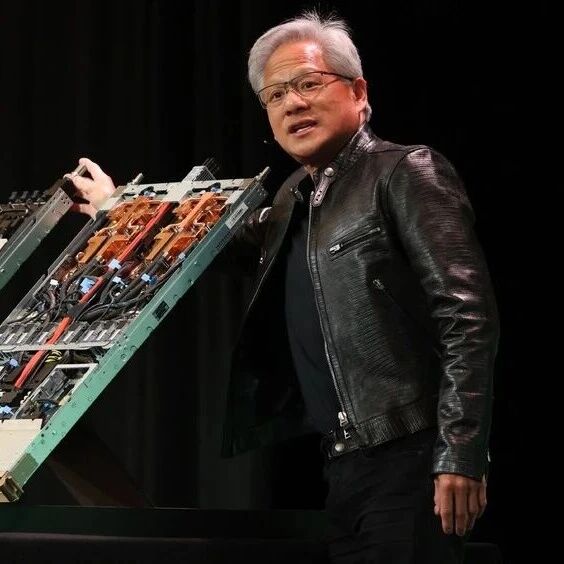
英伟达发布Alpamayo对特斯拉意味着什么?
虎嗅APP· 2026-01-08 13:50
Core Viewpoint - The article discusses NVIDIA's launch of the Alpamayo autonomous driving platform, which is expected to level the playing field in the autonomous driving sector, particularly against Tesla's existing advantages [3][4]. Group 1: Features of the Alpamayo Platform - Alpamayo is the first autonomous driving platform with reasoning capabilities, capable of processing multimodal data (visual, language, action) [3]. - The platform enhances safety by allowing autonomous vehicles to handle rare and unexpected scenarios, addressing a significant pain point in the industry [4]. - It is an open-source platform that integrates open-source models, simulation frameworks, and datasets, creating a comprehensive ecosystem for developers [4][6]. Group 2: Industry Response and Adoption - Major companies such as Jaguar Land Rover, Lucid, and Uber have expressed interest in utilizing Alpamayo to develop reasoning-based autonomous driving technology [6]. - The first vehicles equipped with NVIDIA technology are expected to hit the roads in the U.S. in the first quarter, Europe in the second quarter, and Asia later in the year [6]. Group 3: Competitive Landscape - NVIDIA's strategy is to empower automakers rather than compete directly in the autonomous vehicle market, akin to how it previously built an ecosystem around its GPUs [6][7]. - The competition is intensifying as traditional automakers and new entrants aim to challenge Tesla's dominance in the autonomous driving space [7]. Group 4: Historical Context and Relationships - The article outlines the historical collaboration between Tesla and NVIDIA, highlighting how NVIDIA's technology has been integral to Tesla's early autonomous driving capabilities [9][10]. - Following Tesla's decision to develop its own autonomous driving hardware, the relationship between the two companies has become more distant, although both still rely on NVIDIA's GPUs for various applications [14][12].


英伟达自动驾驶新品发布后,特斯拉股价回落!马斯克回应:不担忧竞争压力
Jin Shi Shu Ju· 2026-01-07 03:45
Core Viewpoint - Nvidia's latest advancements in autonomous driving technology and AI platforms are reshaping the competitive landscape of the autonomous driving industry, drawing attention from various automotive manufacturers [1][2]. Group 1: Nvidia's Developments - Nvidia unveiled its new autonomous driving AI model, Alpamayo, and related hardware at CES 2026, marking a significant advancement in decision-making capabilities for autonomous driving [1]. - The new platform utilizes advanced AI reasoning to handle complex driving scenarios, enabling traditional automakers and emerging electric vehicle companies to enhance their autonomous driving capabilities rapidly [1]. - Nvidia adopts an open platform model for its autonomous driving technology, allowing partners to integrate it according to their product strategies, which has attracted interest from multiple car manufacturers, including Mercedes-Benz [1]. Group 2: Market Reactions - Following Nvidia's announcement, Tesla's stock price fell over 4%, while Nvidia's stock experienced a slight decline [1]. - Market analysts believe Nvidia's progress may intensify competition in the autonomous taxi and advanced driver-assistance systems sectors, putting pressure on Tesla's market expectations in the short term [2]. - Tesla's recent slowdown in sales growth and uncertainty regarding its autonomous driving technology have affected investor sentiment, reflecting in stock price volatility [3]. Group 3: Tesla's Response and Strategy - Tesla's CEO Elon Musk publicly responded to concerns about increased competition, expressing confidence in Tesla's advantages in data accumulation, algorithm training, and large-scale fleet operations [2]. - Musk emphasized that the challenges of achieving fully autonomous driving are significant and that Tesla has years of experience in overcoming these hurdles, maintaining confidence in the company's long-term strategy [2]. - Tesla's autonomous driving technology is closely linked to its Robotaxi service, which is currently in limited operation but aims for broader deployment by 2026, despite facing regulatory and technical challenges [2]. Group 4: Industry Outlook - The industry is closely monitoring variables such as the commercial rollout speed of Nvidia's autonomous driving platform, the performance of partner vehicles in real-world conditions, and the reliability and safety of Tesla's proprietary technology in complex scenarios [3]. - The regulatory environment will also play a crucial role in determining the future competitive landscape of the autonomous driving industry [3]. - Key indicators for observing industry trends will include the release of more demonstration data from Nvidia's partner vehicles and the expansion of Tesla's Robotaxi deployment [3].
Lightning Round: StubHub is losing too much money, says Cramer
CNBC Television· 2025-12-20 01:19
Stock Recommendations - One Oak is considered a buy [1] - The play on ticker SATs is over due to bandwidth and broadband sales [2][3] - StubHub stock is not recommended due to losing too much money [4] General Investment Advice - Avoid companies that are losing money, focus on those that are making money [4] - Jim Kramer's book is recommended as an easy gift [3] Media and Sponsorship - The Lightning Round is sponsored by Charles Schwab [4] - Jim Kramer can be followed on X (formerly Twitter) and contacted via email or phone [5]
Faraday Future Intelligent Electric (NasdaqCM:FFAI) Conference Transcript
2025-12-10 18:17
Summary of Faraday Future Intelligent Electric Conference Call Company Overview - **Company Name**: Faraday Future Intelligent Electric - **Ticker**: FFIE - **Founded**: 2014 by YT Jia - **Headquarters**: California - **Market Cap**: Approximately $200 million [16] - **Investment in R&D and CapEx**: About $3.5 billion, resulting in a portfolio of around 600 patents [3] Vehicle Production - **Vehicles in Production**: - **FF 91**: Ultra-premium vehicle, produced in-house, features include 1,000 horsepower, nearly 400 miles range, and 0 to 60 mph in 2.3 seconds [5][6] - **FX Super 1**: Luxury mass consumer vehicle, partnered with Chinese OEMs for final assembly in the U.S., priced at approximately $84,000 [5][13] - **Manufacturing Site**: Located in Hanford, California, with an initial capacity of 10,000 units, ramping up to 30,000 units annually [3] Business Model - **Unique Proposition**: Partnering with Chinese OEMs for final assembly to mitigate tariffs (200% for direct imports vs. 25% for parts) [9] - **Regulatory Advantage**: FF 91's software is developed in-house, allowing for compliance with upcoming U.S. regulations banning software from China and Russia by 2027 [10][31] - **Established Dealership Network**: Provides a competitive edge over new entrants [10][31] Market Positioning - **Target Market**: - High-end EV market (vehicles over $100,000) addressed by FF 91 - Mass market (sub-$80,000) targeted by FX Super 1 [4] - **Competitors**: Notable competitors include Tesla, Lucid, and Rivian, with a focus on differentiating through pricing and technology [4][17] Sales and Demand - **Pre-orders**: Over 11,000 pre-orders for FX Super 1, with strong interest noted during the UAE launch and LA Auto Show [13][20][26] - **Delivery Timeline**: Initial deliveries in the UAE began in late November, with U.S. pre-production vehicles expected in the next three weeks [15][25] Financial Performance - **Burn Rate**: Faraday Future's burn rate is under $80 million annually, significantly lower than peers like Lucid and Rivian, which are burning close to $3 billion [17] - **Gross Margin Targets**: Expected to be around 10%-15% due to the unique business model [17] Future Outlook - **Production Timeline**: Mass production is anticipated to ramp up in 2027, with 2026 seen as a foundational year [27][28] - **New Models**: Plans for additional models, including the FX4, targeting a lower price point (sub-$40,000) [21][30] - **Market Focus**: Primary focus remains on the U.S. market, with the UAE serving as a testing ground for new ideas and partnerships [22][23] Key Takeaways - **Competitive Advantages**: Tariff mitigation, regulatory compliance, and established dealership networks are critical to Faraday Future's strategy [9][10][31] - **Investor Value Proposition**: The company is viewed as undervalued compared to peers, with significant growth potential as production ramps up [16][32] - **Management Team**: Strong leadership with extensive experience in the automotive industry [11] This summary encapsulates the key points discussed during the conference call, highlighting Faraday Future's strategic positioning, vehicle offerings, market dynamics, and future growth prospects.
X @Bloomberg
Bloomberg· 2025-12-10 09:55
“There is a slowdown, there’s no question about it,” Lucid’s interim CEO said of EV demand in the US and Europe https://t.co/NiLYooAhjv ...
贵金属板块领涨两市
Sou Hu Cai Jing· 2025-12-08 23:08
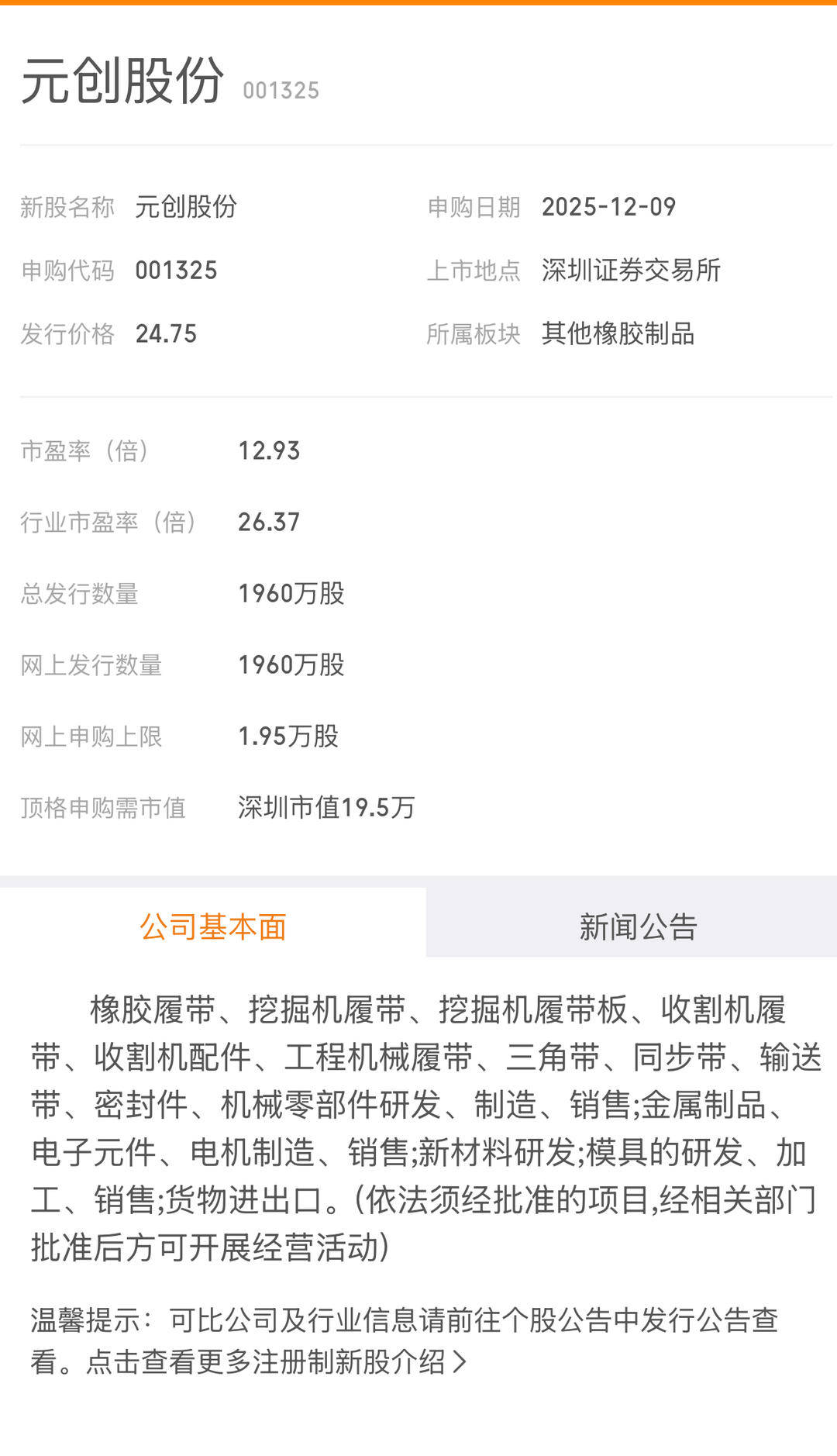
Group 1 - The stock market showed significant activity with nearly 4,400 stocks rising, and the total trading volume reached 1.73 trillion yuan, an increase of 176.8 billion yuan compared to the previous trading day [1] - Key sectors that performed well included insurance, precious metals, Fujian, and commercial aerospace [1] Group 2 - Aerospace Power (600343.SH) issued a risk warning, clarifying that its main business does not involve commercial aerospace and that revenue from processing rocket engine components accounts for less than 2% of total revenue [2] - The company primarily engages in the research, development, production, and sales of pumps and hydraulic transmission systems, serving industries such as energy, chemicals, water conservancy, and transportation [2] Group 3 - China Metallurgical Group Corporation (601618.SH) announced plans to sell assets including 100% equity in China Metallurgical Real Estate and other subsidiaries to Minmetals Land Holdings and China Minmetals for 60.676 billion yuan [4] - This transaction is classified as a related party transaction and does not constitute a major asset restructuring, aiming to optimize resource allocation and focus on core business areas [4] - The company intends to concentrate on metallurgical engineering, non-ferrous and mining engineering construction and operation, high-end infrastructure, industrial construction, and emerging industries for high-quality development [4] Group 4 - A new stock, Yuan Chuang Co., is available for subscription with an issuance price of 24.75 yuan, and the subscription date is set for December 9, 2025 [6]


PAVmed(PAVM) - 2025 Q3 - Earnings Call Transcript
2025-11-13 14:32
Financial Data and Key Metrics Changes - The company reported a GAAP net loss of $6 million for the third quarter, which includes a non-cash loss of $4.4 million due to changes in the fair value of equity investments [23][24] - Non-GAAP loss for the quarter was $446,000, primarily reflecting incremental contractor development costs for the Veris implantable device [24][25] - Cash burn rate for the third quarter was $900,000, which included approximately $500,000 in outside contractor development costs for the implantable device [20][25] Business Line Data and Key Metrics Changes - Lucid's revenue for the quarter was $1.2 million, with test volume exceeding 2,800, consistent with the target range of 2,500-3,000 tests [10][11] - Veris launched the commercial phase of its strategic partnership with OSU, targeting 1,000 patients in the first year for enrollment in a registry [12][14] Market Data and Key Metrics Changes - The company remains the largest shareholder of Lucid Diagnostics, owning approximately 23% of the common shares outstanding, with a 28% voting interest [21][22] - Lucid's stock price experienced a sequential reduction of $4.4 million, impacting the equity method investment balance [20][22] Company Strategy and Development Direction - The company aims to stabilize its corporate structure and balance sheet, with plans to operate as a diversified commercial life sciences company with multiple independently financed subsidiaries [5][6] - A licensing agreement with Duke University and the University of North Carolina for breakthrough endoscopic imaging technology is in the final stages, which could transform treatment for esophageal precancer [8][46] - The company is expanding its commercial offerings for Veris beyond remote patient monitoring to include clinical support services and AI-based clinical decision tools [17][43] Management's Comments on Operating Environment and Future Outlook - Management expressed confidence in the company's ability to complete its restructuring and reignite its broader vision, with several promising technologies in the pipeline [27][28] - The company is optimistic about the Medicare coverage for EsoGuard, which is seen as a significant milestone for Lucid [10][11] Other Important Information - The company has secured financing to support the development and FDA submission of Veris's implantable device, with a submission planned for 2026 [12][18] - The company is focused on building a clinical support team to enhance the efficiency of its platform and provide value-added services to commercial partners [16][42] Q&A Session Summary Question: Status of the implantable monitor development - Management confirmed that the development is progressing well with a new manufacturing partner, and the clinical requirements are modest, primarily involving a skin study [33][34][38] Question: Commercialization conversations with other cancer centers - Management indicated that they plan to start commercialization discussions with other centers in the first quarter after gaining experience with OSU [40][41] Question: Exclusivity and timing of the endoscopic imaging technology agreement - Management stated that a definitive license agreement is expected soon, and the technology will be developed within a separate subsidiary of PAVmed [46][48]

【Tesla每日快訊】 State Street 決戰散戶!500億美元的背叛,特斯拉AI未來告急?🔥 Rivian財報揭密 /Lucid燒錢地獄(2025/11/6-2)
大鱼聊电动· 2025-11-06 10:17
Tesla - State Street面临散户威胁,若再次反对马斯克薪酬方案,散户将撤资卖出其ETF [1] - 特斯拉招聘Robotaxi高级保险理赔专员,预示Robotaxi项目落地临近 [1] - 特斯拉Model Y Performance准车主被要求提前交付,或为年底冲量行动 [1] - 特斯拉将为高压电池提供新的延长保固选项,体现对电池寿命和可靠性的信心 [1] Rivian - Rivian Q3财报显示营收156 billion美元,每股亏损065%美元,优于预期 [2] - Rivian宣布合并毛利首次转正,达到24 million美元,但实际是福斯(VW)预付款带来的会计利润 [2] - 高盛将Rivian目标价从15美元砍至13美元,质疑其盈利能力 [2] - Rivian预计2026年上半年交付R2,但254%的毛利率目标难以实现 [2] Lucid - Lucid Q3财报调整后每股亏损265%美元,低于市场预期 [2] - Lucid毛利率为负991%,卖一台亏一台 [2] - Lucid第三季度现金消耗高达955 million美元,同比暴增53% [2] - Lucid再次下调全年生产指引至18000台左右,原因是供应链中断和Gravity量产爬坡不顺利 [2] - 沙特阿拉伯主权财富基金(PIF)将对Lucid的贷款额度增加到大约2 billion美元 [2]

Lucid: Q3 Results Not Good
Seeking Alpha· 2025-11-06 03:40
Core Insights - The article discusses the author's background and experience in the investment management industry, highlighting a focus on long/short equities and a strong educational foundation in Finance and Accounting [1]. Group 1: Author's Background - The author has been writing for Seeking Alpha since 2011 and has a long-standing interest in the markets, dating back to elementary school [1]. - The author holds a Bachelor of Science Degree from Lehigh University, with a double major in Finance and Accounting and a minor in History [1]. - The author served as the Head Portfolio Manager of the Investment Management Group at Lehigh University, managing three portfolios [1]. Group 2: Professional Experience - The author has completed two internships, one at a large bank and another managing the Lehigh University Endowment for nearly a year [1].

全球车企被卡了一个月“脖子”,终于能缓一口气了
21世纪经济报道· 2025-11-02 10:41
Core Viewpoint - The global automotive industry is facing a significant chip shortage exacerbated by the Dutch government's intervention in the semiconductor company Nexperia, which has led to supply chain disruptions and production halts among major automakers [1][2][3]. Group 1: Supply Chain Disruptions - The Dutch government has taken control of Nexperia, a subsidiary of the Chinese company Wingtech, citing national security concerns, which has unexpectedly triggered a global chip shortage for automotive manufacturers [2][4]. - Nexperia's actions, including halting supplies, have been criticized for disregarding customer interests and violating contractual agreements, leading to a loss of trust among clients [2][5]. - Major automakers like Volkswagen and Honda have reported production issues, with Volkswagen experiencing its first quarterly loss in five years and Honda halting production at key facilities due to chip shortages [3][7]. Group 2: Impact on Automotive Manufacturers - The European Automobile Manufacturers Association has warned that if Nexperia's supply does not resume quickly, production interruptions could occur within weeks, affecting several factories [3][7]. - Automakers are facing a critical shortage of essential components, particularly electronic control units (ECUs), which are vital for vehicle functionality [7][10]. - The automotive industry is experiencing a rush to find alternative suppliers, but the transition is complicated by lengthy certification processes and the inability of smaller suppliers to meet sudden demand [9][10]. Group 3: Market Dynamics and Future Implications - The semiconductor market is witnessing a shift in risk from predictable shortages to unpredictable political interventions, which could have long-term implications for supply chain stability [11][14]. - The current crisis may accelerate the push for domestic semiconductor production and self-sufficiency in the automotive sector, as companies seek to mitigate risks associated with geopolitical tensions [14]. - The automotive industry is likely to face increased costs and longer lead times for components as they transition to alternative suppliers, which may not be able to match Nexperia's scale and pricing [10][14].