On Holding AG

Search documents
英国知名跑步品牌Soar入华,昂跑们有了新对手?
Hua Er Jie Jian Wen· 2025-07-08 14:51
Core Insights - The British running brand Soar has officially entered the Chinese market by launching a flagship store on Tmall, offering products priced between 499 yuan and 1999 yuan [2] - Soar was founded by London fashion designer Tim Soar in 2015, blending high fashion with sports science to create innovative running apparel [4] - Soar has gained recognition in various countries over its 10-year existence, participating in major events like the London Marathon and UTMB [5] Group 1: Market Entry and Strategy - Soar's entry into China is facilitated by its partnership with Tmall and the exclusive operational collaboration with Tabo Sports, a leading sports retail operator in China [2][5] - Tabo Sports has over 20 years of experience in the sports retail sector and a user base exceeding 80 million, providing a robust platform for Soar's growth in China [5] Group 2: Product Offering and Market Position - Soar's product line includes marathon vests, shorts, and hats, specifically designed for high-temperature running and intense training [4] - Despite its innovative offerings, Soar faces challenges in competing with established brands like On, Li Ning, and Anta, particularly in terms of market size and product variety [10] Group 3: Market Trends and Consumer Insights - The running market in China is expanding, with over 500 million users expected by 2024, and a significant portion of these users being affluent middle-class consumers [10] - The performance of brands like On, which reported a 29.4% increase in net sales to 23.18 billion Swiss francs (approximately 188.75 billion yuan), highlights the potential for growth in the premium segment of the running apparel market [9]


越南协议提振服装股 关税阴影仍难散?分析师警告利润或大幅下调
Jin Shi Shu Ju· 2025-07-04 08:07
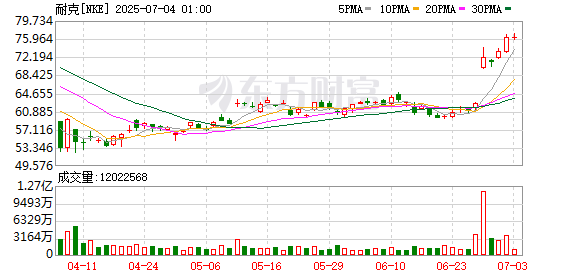
Core Viewpoint - The announcement of a trade agreement between the U.S. and Vietnam, which includes increased tariffs on imports from Vietnam, has led to a rise in stock prices for companies like Nike and Lululemon, but analysts warn of potential downward adjustments in earnings forecasts due to the new tariffs [2][3]. Group 1: Impact of Tariffs - The new agreement imposes a 20% tariff on goods imported from Vietnam and a 40% tariff on goods transshipped through Vietnam, compared to the previous 10% tariff [2]. - UBS analysts predict that earnings per share for covered apparel manufacturers and retailers will be adjusted downwards by an average of 3% to 5% for this year and next [3]. - Companies such as Victoria's Secret, Under Armour, and G-III Apparel Group are expected to be most affected, with potential earnings adjustments of 12% to 20% [3]. Group 2: Supply Chain Challenges - The difficulty of relocating manufacturing back to the U.S. is highlighted, as many companies are currently negotiating with suppliers to share the burden of the new tariffs [4]. - Analysts note that Vietnam is a crucial sourcing location for many apparel brands, with significant percentages of their products being manufactured there: On Holding (90%), Deckers Outdoor (75%), and Nike (42%) [4]. Group 3: Market Reactions and Sentiment - Despite the increase in tariffs, some analysts believe the market's initial concerns may have been overstated, as the new tariff rates are lower than previously feared [4]. - Possible reasons for the initial rise in apparel stocks include the market having already priced in higher tariffs, a belief that further tariff increases are unlikely, and the perception that the cost impact of tariffs can be managed [4].


深夜突发!特朗普宣布,达成贸易协议!
券商中国· 2025-07-02 16:19
Group 1 - The article discusses a new trade agreement between the United States and Vietnam, announced by President Trump, which includes a 20% tariff on all goods exported from Vietnam to the U.S. and a 40% tariff on transshipped goods [2][5][10] - Vietnam has agreed to eliminate tariffs on U.S. products, allowing for zero tariffs on American exports to Vietnam, which is seen as a significant market opening [3][6] - The announcement led to volatility in the U.S. stock market, particularly affecting furniture and apparel stocks, with companies like ON Holding and Lululemon experiencing notable price fluctuations [7][8] Group 2 - Vietnam is a key supplier of textiles and athletic apparel, with major brands like Nike, Gap, and Lululemon manufacturing in the country, and it was the sixth-largest source of U.S. imports last year, with exports to the U.S. nearing $137 billion [6] - The article highlights uncertainty regarding the implementation of the transshipment plan and whether the agreement has been finalized, as the U.S. government has not provided clarity on the specific goods subject to the 40% tariff [9][10] - The potential for increased tariffs on Vietnamese goods could rise to at least 46% if previous tariff announcements remain unchanged, which could significantly impact trade dynamics [11]

时尚消费 | 年轻人都在为什么而买单?品牌该如何应对?
Sou Hu Cai Jing· 2025-07-02 15:47
Core Insights - The article discusses the evolving consumer psychology of young people, particularly those born in the 90s and 00s, highlighting their unique purchasing behaviors and preferences for emotional value over practicality [3][5][11] - It emphasizes the importance of brands establishing emotional connections with consumers, moving beyond traditional marketing strategies to engage with the emotional needs of the younger demographic [4][8][9] Group 1: Young Consumer Behavior - Young consumers are increasingly drawn to personalized and niche products, with trends like Lolita fashion becoming mainstream, reflecting a shift towards the acceptance of subcultures [3][5] - Emotional consumption is on the rise, with brands like Nike and Adidas adapting their marketing strategies to create deeper emotional connections with consumers [4][11] - The difference in consumer logic between generations is evident, with older consumers prioritizing practicality and brand reliability, while younger consumers focus on emotional value and identity representation [5][11] Group 2: Brand Strategies - Brands are encouraged to redefine their identity and marketing strategies to resonate with the emotional needs of consumers, moving from a fixed image to a more flexible and open approach [8][9] - Successful brands like Pop Mart and Jellycat have capitalized on emotional branding by creating products with personality and stories, allowing them to maintain consumer loyalty despite higher price points [5][11] - The need for brands to adapt to rapidly changing consumer preferences is critical, requiring a balance between maintaining core values and being responsive to market trends [9][12]

44 Public Companies Make Time's Most Influential List: Coinbase, UFC, Nintendo, Netflix And More Stocks Investors Can Buy
Benzinga· 2025-06-27 15:39
Core Insights - Time Magazine's annual 100 Most Influential Companies list for 2025 highlights companies from the growing artificial intelligence sector and aims to recognize businesses that are shaping the future [1][2] - The selection criteria for the list include a combination of impact, innovation, ambition, and success, rather than relying solely on financial metrics [1] Group 1: Company Categories - The influential companies are categorized into five groups: Innovators, Disruptors, Leaders, Titans, and Pioneers [2] - Notable companies in the list include Alibaba Group Holding, BYD Co, Coinbase Global, and Amazon.com, among others, showcasing a diverse range of industries from e-commerce to biotechnology [7][10] Group 2: Public and Private Companies - Nearly half of the companies listed are publicly traded or part of publicly traded companies, providing investment opportunities for those looking to engage with influential businesses [8] - The list also features several private companies, such as OpenAI and SpaceX, which may present potential IPO opportunities in the future [9]



“舒适感”背后的商业战争,Vuori国际业务高级副总裁揭秘如何押注中国|New Look 专访
3 6 Ke· 2025-06-20 04:24
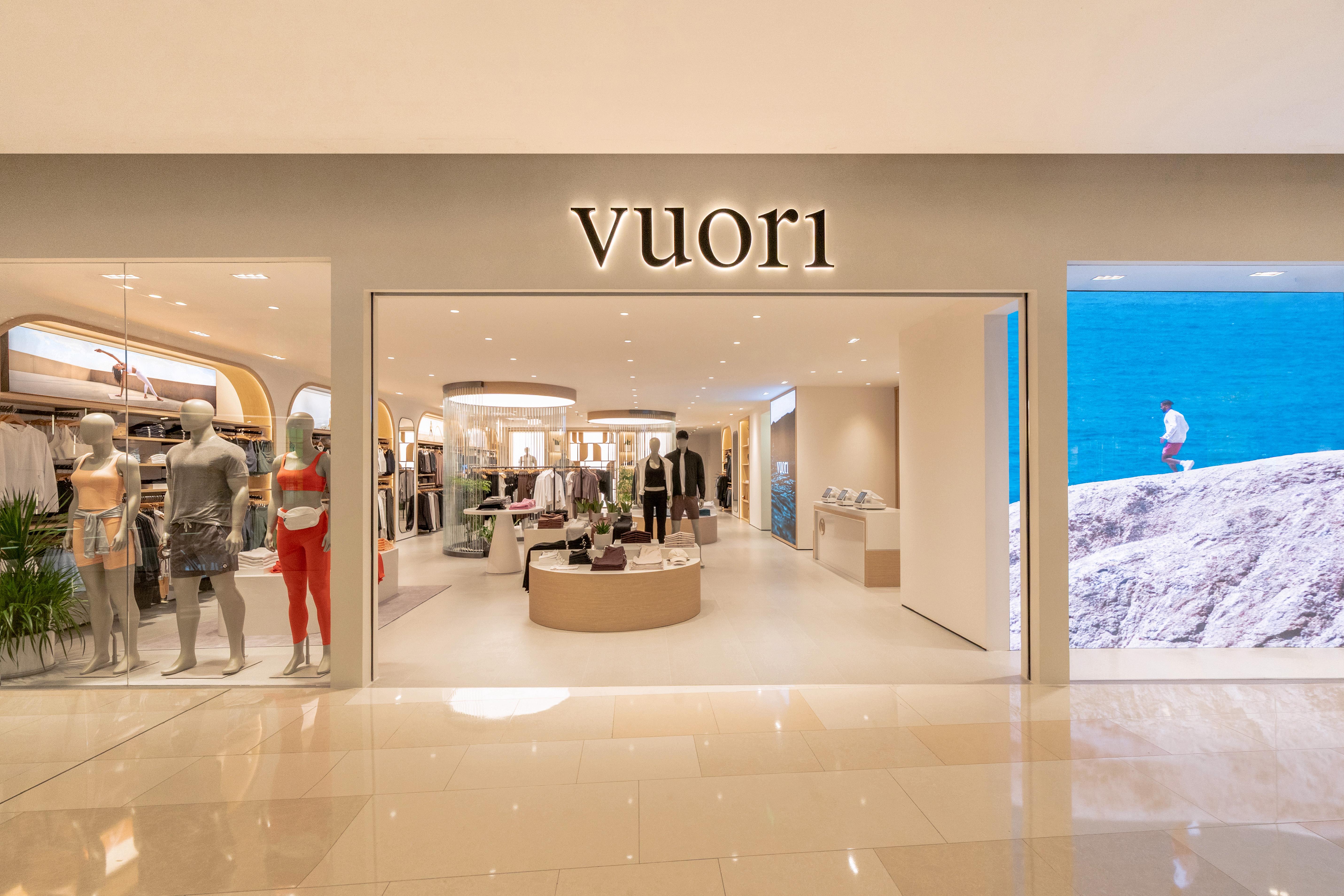
Core Insights - Vuori, founded in 2015 by Joe Kudla, targets the activewear market, initially focusing on men's yoga apparel, which represented 30% of the market, and has since expanded to include women's clothing, now accounting for 50% of sales [1][3] - The company has experienced rapid growth, with a revenue increase from approximately $7 million in 2017 to a valuation of $5.5 billion following an $825 million investment round in November 2024 [1][3] - Vuori's growth has been fueled by the trend of "athleisure," where casual wear is designed with athletic attributes, appealing particularly to affluent tech professionals [4][5] Company Strategy - Vuori's strategy includes a cautious and patient approach to market expansion, particularly in China, where it aims to adapt to local consumer culture while maintaining its brand identity [3][28] - The company plans to increase its global store count to 100 by 2026, with 85 stores already established and additional locations in Beijing, Shenzhen, and Chengdu planned [10][30] - Vuori emphasizes versatility in its product offerings, catering to a market that values multi-functional clothing suitable for various occasions [7][24] Market Position - Vuori has identified a significant overlap in consumer bases with competitors like Lululemon, with nearly 55% of Lululemon customers also purchasing Vuori products, indicating a growing market potential [3][5] - The brand's unique selling proposition lies in its focus on soft, comfortable fabrics and designs that appeal to modern consumers seeking both functionality and style [15][17] - Vuori's marketing strategy is heavily influenced by consumer feedback, allowing for rapid adjustments to product offerings and store layouts based on local preferences [20][23] Product Development - The company employs two design philosophies: one focused on functional needs and the other on enhancing the wearing experience, aiming for a "luxurious touch" in its products [15][28] - Key products include the Kore Short, which remains a best-seller, and the Halo Wide Leg for women, reflecting the brand's commitment to comfort and style [24][31] - Vuori's product offerings are tailored to local markets, with adjustments in sizing and style preferences noted in the Chinese market compared to the U.S. [20][35]
昂跑和lululemon打响中国激战
虎嗅APP· 2025-06-15 10:35
Core Viewpoint - The competition between On and Lululemon in the Chinese market is intensifying, with On showing significant growth and Lululemon facing challenges, particularly in profitability and market guidance [4][11]. Group 1: Company Performance - On's revenue in the Asia-Pacific region grew by 130.1% year-on-year in Q1 2025, with expectations for the Chinese market to reach approximately 4.17 billion USD by 2026 [7][8]. - Lululemon's international revenue increased by 19% year-on-year, with the Chinese market showing a growth rate of 21%, although this is a slowdown compared to previous quarters [8][10]. - Lululemon's global net revenue for Q1 was 2.4 billion USD, while On's net sales reached approximately 894 million USD [11][12]. Group 2: Market Strategy - On is expanding its direct store strategy in China, aiming to increase its store count to 100 by 2026, with a focus on flagship stores and online channels [8][10]. - Lululemon plans to increase its store count in China to 220 by 2026, with a strategy to optimize store layouts and enhance digital marketing efforts [10][11]. - Both companies are targeting second and third-tier cities for expansion, with Lululemon already having a significant presence in these markets [10][19]. Group 3: Product Offering and Consumer Base - On is focusing on diversifying its product range, particularly in apparel, which saw a 93.1% year-on-year growth in Q1 2025, while footwear grew by 40.5% [17]. - Lululemon's men's apparel segment is growing but remains a smaller part of its overall business, with a focus on high-end consumers [19][20]. - Both brands are competing for the same consumer base of young, affluent individuals who are interested in fitness and lifestyle products [14][20]. Group 4: Competitive Landscape - The competition between On and Lululemon is characterized by overlapping consumer demographics, with both brands leveraging community engagement and digital platforms for marketing [14][20]. - The market is becoming increasingly fragmented, with other international brands also vying for market share in China, indicating a competitive environment for both On and Lululemon [21][22]. - The potential for future clashes in product categories, particularly in footwear and apparel, is anticipated as both brands continue to expand their offerings [20][22].

My 5 Favorite Stocks to Buy Right Now
The Motley Fool· 2025-06-15 08:12
Market Overview - The market has increased by only 3% so far this year, recovering from earlier declines, indicating a potentially favorable buying opportunity for investors [1] Realty Income - Realty Income is a major real estate investment trust (REIT) that pays monthly dividends and has a strong history of increasing payouts, having distributed dividends for 660 consecutive months [3][5] - The REIT owns 15,600 properties, with 80% leased to retailers, including essential businesses like Walmart and Lowe's, providing stability even in tough economic conditions [4] - The current dividend yield is 5.5%, and despite a year-to-date increase, the stock price has declined over the past three years due to higher interest rates, making it an attractive buy [5] MercadoLibre - MercadoLibre operates in 18 Latin American countries and has reported significant growth, with a 40% increase in gross merchandise volume year-over-year on a currency-neutral basis [6][7] - The company has seen a 25% increase in unique active buyers and a 72% increase in total payments volume year-over-year, indicating strong demand for its services [9] - Total company sales rose by 64% in the first quarter, with an operating income of $763 million at a 12.9% margin, showcasing its profitability [9][10] Dutch Bros - Dutch Bros has rapidly expanded its coffee shop chain, recently opening its 1,000th store and aiming to double its footprint in the next five years [11] - Same-store sales increased by 4.7% year-over-year, contributing to a 29% revenue growth, with net income rising by 39% in the first quarter [12] - The stock is currently trading at a high valuation of 88 times next year's expected earnings, reflecting strong growth potential [13] Carnival - Carnival is recovering from pandemic-related challenges, with a 7.4% year-over-year revenue increase to $5.8 billion in its fiscal 2025 first quarter [16] - The company is experiencing record-high demand for cruises, with bookings for fiscal 2026 at unprecedented levels and strong revenue from preboarding sales [16][17] - Carnival's stock is trading at a low price-to-sales ratio of 1.2, and as the company continues to pay down its debt, the stock is expected to rise [18] On Holding - On Holding is gaining traction in the activewear and athletic footwear market, with a 43% year-over-year sales increase in the first quarter [19][20] - The company has a gross margin of 59.9%, indicating strong profitability, and is expanding into new markets [20] - Despite current market concerns, On Holding's long-term outlook remains strong, making it a favorable investment opportunity [22]




昂跑和lululemon打响中国激战
Hu Xiu· 2025-06-15 07:28
Core Insights - The competition between On and Lululemon in the Chinese market is intensifying, with On showing significant growth and Lululemon facing challenges [2][4][20] - On's recent quarterly report indicates a strong performance in the Asia-Pacific region, with a 130.1% year-on-year revenue increase, while Lululemon's first-quarter net profit has declined for the first time in four years [4][9] - Both companies are expanding their store presence in China, with On planning to reach 100 stores by 2026 and Lululemon aiming for 220 stores [6][8] Company Performance - On's revenue in the Asia-Pacific region accounted for 16.6% of its total, with expectations of reaching approximately 4.17 billion USD in the Chinese market by 2026 [4][5] - Lululemon's international revenue grew by 19%, with a 21% increase in mainland China, although growth has slowed compared to previous quarters [4][6] - On's net sales are projected to grow by at least 28% for the year, while Lululemon has lowered its annual performance guidance [10][9] Market Strategy - On is focusing on direct store expansion, with a strategy to increase the proportion of direct stores and enhance online channels [5][6] - Lululemon is balancing its expansion in lower-tier cities while maintaining its high-end brand positioning, with plans to open 30 new stores in third-tier cities [8][17] - Both companies are leveraging community engagement through fitness activities and online platforms to attract consumers [11][20] Product Development - On is recognized for its innovative running shoe technology, while Lululemon is still developing its footwear line, primarily targeting female consumers [12][13] - On's apparel segment is growing rapidly, with a 93.1% increase in sales, indicating a shift in focus towards diversifying its product offerings [15][20] - Lululemon's men's apparel segment is expanding, but it still relies heavily on female consumers for sales [17][20] Competitive Landscape - The competition is not limited to On and Lululemon, as other brands like Nike and Adidas are also vying for market share in China [20][21] - The Chinese sportswear market is expected to grow at an annual rate of 11.62% from 2021 to 2025, but growth may slow after 2024 [21][22] - Both companies face the challenge of maintaining brand identity while expanding their product categories [22][23]

Lululemon: Losing Its Premium Valuation
Seeking Alpha· 2025-06-10 20:15
Core Insights - The article emphasizes the importance of identifying "divergent stocks," which are innovative companies with strong fundamentals and significant growth potential but currently undervalued [1] Group 1: Investment Strategy - The investment strategy focuses on long-term growth and seeks out disruptive companies that can positively impact the world [1] - The author highlights a personal investment in ONON, indicating a beneficial long position through various means [1] Group 2: Company Characteristics - Divergent stocks are characterized by their strong fundamentals and long growth runways, despite having depressed prices [1]