山姆会员店

Search documents
深圳超市沉浮:捧红山姆成销冠,本土 “胖东来” 为何难现?
Sou Hu Cai Jing· 2025-05-18 07:40
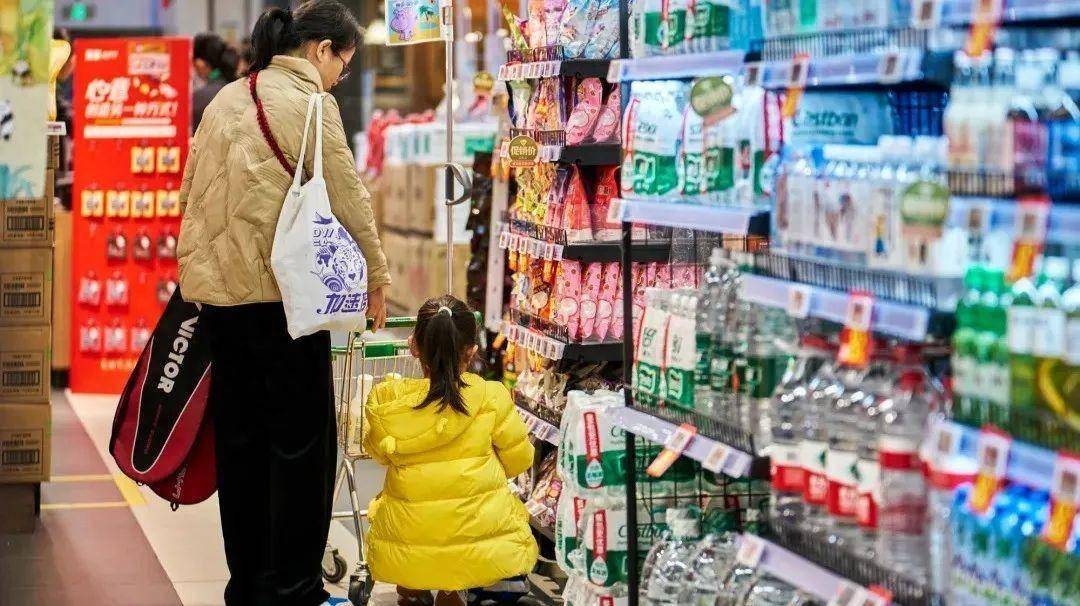
Group 1 - The article highlights the decline of local supermarket chain Renrenle, which once posed a significant challenge to Walmart, as it now faces liquidation and is selling its assets at scrap prices [1] - The competitive landscape in Shenzhen's retail sector has evolved, with companies like Costco and Sam's Club implementing advanced technologies and membership models that have outpaced local players [3][5] - The intense competition among local supermarkets led to unsustainable pricing strategies, with some stores selling products below wholesale prices, reflecting a cutthroat market environment [1] Group 2 - During the pandemic, traditional supermarkets struggled to compete with the efficiency of membership-based models like Sam's Club, which secured customer spending through annual fees [3] - The article contrasts the service standards of local supermarkets with those of successful chains like Pang Donglai, which emphasizes high-quality service and employee satisfaction [3] - The narrative suggests that Shenzhen's retail giants have forgotten the foundational lessons of their own market, leading to a loss of potential in local commercial development [5]


董事长“下台”,捧出江西首富的“民营超市第一股”宣布退市
Sou Hu Cai Jing· 2025-05-18 04:19
Core Viewpoint - The announcement of the delisting of Renrenle (stock code: *ST Renrenle) signals a significant transformation in the traditional supermarket industry, highlighting the urgent need for innovation and optimization to survive in a competitive market [2][3][4]. Company Summary - Renrenle has received a notice from the Shenzhen Stock Exchange regarding the termination of its stock listing, marking a pivotal moment in the company's trajectory [2][3]. - In its 2024 annual report, Renrenle reported a revenue of 1.43 billion yuan, a year-on-year decrease of 49.86%, with total assets down by 50.94% and a net asset of approximately -404 million yuan [3]. - The company closed 45 stores and opened only 1 new store during the reporting period, indicating a significant contraction in its operations [3]. - The resignation of Chairman Hou Yankui due to health reasons further destabilized the company, as he held multiple key positions [3][4]. - Renrenle has faced continuous losses from 2021 to 2024, with net losses of 860 million yuan, 510 million yuan, 500 million yuan, and 20 million yuan respectively [10][11]. Industry Summary - The traditional supermarket industry is undergoing significant challenges due to the rise of e-commerce, changing consumer habits, and the emergence of new business models [2][12]. - Digital transformation is crucial for traditional supermarkets, with strategies focusing on online-offline integration, supply chain optimization, experiential consumption, and sustainable development [2][12][14]. - In 2024, nearly 60% of supermarket enterprises experienced a decline in total sales, with the revenue of the top 100 supermarket chains dropping from 979.2 billion yuan in 2019 to 868 billion yuan in 2023 [13]. - The integration of online and offline channels has become a key strategy for enhancing competitiveness, as seen in partnerships like Walmart China and Meituan [12][14]. - The development of private label products is essential for differentiation, with companies like Sam's Club achieving a 30% sales share from their private label [13][14]. - Traditional supermarkets are also focusing on enhancing customer experience through value-added services and optimizing store environments to increase customer retention [14][15].
外卖大战持续利好第三方即配,顺丰同城近期累计涨超33%
Zhong Guo Chan Ye Jing Ji Xin Xi Wang· 2025-05-16 02:34
Core Viewpoint - The Hong Kong stock market has experienced a rally, with SF Express (09699.HK) showing significant performance, rising over 33% since May 9, 2023, and reaching a market capitalization of HKD 9.8 billion, driven by increased transaction volumes and a competitive landscape in the instant delivery sector [1][2]. Group 1: Market Performance - SF Express has seen a substantial increase in its stock price, with a cumulative rise of over 33% since May 9, 2023, and a single-day transaction volume of nearly HKD 350 million on May 13, 2023 [1]. - The company's business data during the "May Day" holiday indicates a year-on-year growth of 87% in overall order volume, with significant increases in specific categories such as supermarket orders (up 177%) and beverage orders (up 106%) [1]. Group 2: Competitive Landscape - The competition among major platforms like Meituan, Alibaba, and JD.com in the instant retail sector has intensified, leading to an increase in order volumes for third-party delivery platforms [1][2]. - Leading chain brands are increasingly opting for independent third-party delivery platforms to ensure service stability and reduce reliance on traffic platforms, as exemplified by Luckin Coffee's standardized delivery service provided by SF Express across various platforms [2]. Group 3: Financial Performance - SF Express reported a revenue of CNY 15.746 billion for 2024, representing a year-on-year growth of 27.1%, and a net profit of CNY 132 million, marking a significant increase of 161.8% [3]. - The company is recognized as the only third-party delivery enterprise in the industry that has achieved high revenue growth while maintaining continuous profitability [3].
“锅”气全开!好人家麻辣香锅煲首发山姆,辣出高端新食力
Zhong Guo Shi Pin Wang· 2025-05-12 13:29
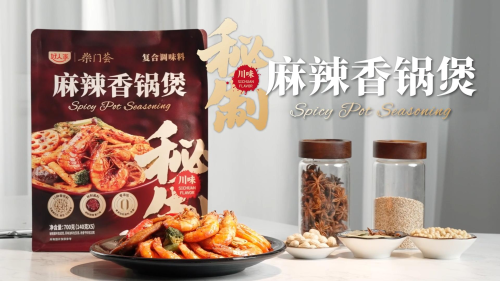
4月28日,品质国货品牌"好人家"的明星新品——麻辣香锅煲,正式登陆全国山姆会员店。此次强强联 手,不仅是好人家进军高端零售渠道的关键一步,更为广大消费者带来了一场地道麻辣、品质至上的味 蕾盛宴。这场"香"遇是一次风味与品质的双向奔赴,为中国家庭餐桌注入更多烟火气与幸福感。 首发山姆,好人家实力出圈挺进高端品质新赛道 作为全球知名的高端会员制零售商,山姆会员店素以"全球精选,品质至上"闻名,对产品的选择标准极 为严苛——从原料成分、供应链稳定性、工艺水平等,每一环都精益求精,只为对品质的保证。 好人家"麻辣香锅煲"能够顺利入驻山姆,正是对好人家硬核的产品力、品牌力和研发实力的最好注解。 多年来,好人家始终坚持对好原料的苛刻坚守,从严选食材到创新工艺,从地道风味到安全保障,处处 体现着对品质的极致追求。自上市以来,"麻辣香锅煲"便凭借出众的风味迅速"出圈",成为麻辣类目的 热销爆款,也为越来越多中国家庭带来可复制的地道美味。 为还原麻辣香锅本真的锅气风味,好人家匠心打造"三重用料"。秘制酱料包臻选浓郁豆瓣辛酱,融合15 种香辛料,酱香浓郁,入口惊艳;风味油料包融合香烤花生与黄豆激发出坚果香气,赋予整锅厚重的巴 ...
品牌商的选择题:代工订单接不接
Jing Ji Guan Cha Wang· 2025-05-10 03:56
Group 1 - A dairy company with annual sales of less than 10 billion yuan faces a dilemma regarding whether to accept private label orders from channel partners, which could alleviate excess milk supply but also lead to intense price competition and brand dilution [1][10] - The Kantar Consumer Index indicates that in the first half of 2024, the overall sales growth of private label products in monitored fast-moving consumer goods categories is 40%, significantly higher than the 2% growth of overall fast-moving consumer goods [1] - The trend of channel partners launching private label products is causing brand manufacturers to feel threatened, as they must compete directly with these private labels on supermarket shelves [1][14] Group 2 - A leading grain and oil company has adopted an open mindset towards the trend of channel partners launching private labels, acknowledging that if they do not participate, others will [2] - The company has decided to engage in contract manufacturing for channel partners, aiming to maximize profits despite the pressure to lower prices from these partners [3][11] - Contract manufacturing often results in lower profit margins, with some products yielding profits that are only half of those from self-branded products [5][11] Group 3 - The transparency required by channel partners during the bidding process for private label products puts significant pressure on manufacturers, as they must disclose all cost details [6][8] - The shift towards private labels has led to increased competition, with channel partners leveraging their pricing power to negotiate lower costs from manufacturers [9][12] - The dairy company’s market representative noted that the demand from channels includes both straightforward orders and specific product requirements, which can increase supply chain costs if not met [13] Group 4 - The emergence of private labels in traditionally branded categories, such as dairy, indicates a shift in strategy by channel partners, who are now competing in higher brand equity segments [14][15] - The collaboration between channel partners and manufacturers is evolving, with some partners seeking to create unique products rather than simply relying on low-cost options [16] - The competitive landscape is forcing manufacturers to consider high-end positioning for their own brands to differentiate from private labels, which often dominate shelf space [16][17]
新消费快讯|亚马逊推出医学护肤与高端美妆专区;三得利推出无酒精起泡葡萄酒
新消费智库· 2025-05-09 12:26
New Product Launches - Sprite has announced the launch of a new product, Ice Lemon Berry, featuring a sugar-free formula that combines refreshing lemon flavor with sweet and sour berry taste, utilizing cooling technology for a strong carbonation sensation [3] - Kikkoman has introduced two new soy milk drinks: salty caramel soy milk and chocolate mint soy milk, blending caramel flavor with saltiness and mint freshness with chocolate [4] - Daily Fresh has launched its first HMO children's nutritional milk, focusing on ingredients like HMO, immunoglobulin, and lactoferrin for original nutrition [6] - Jianai has added a new member to its fruit and vegetable salad yogurt family, featuring a blend of nine ingredients including blueberry and purple cabbage, with a pure formula and 4% sucrose [6] Company Developments - JBS, a major meat processing giant, has received approval from the SEC for its listing plan in New York, with a potential market value increase to $30 billion [6] - Shangmei Group has announced a joint venture to establish a new cosmetics brand, leveraging resources from various partners in the cosmetics industry [6] - BERSHIHE has submitted its prospectus for listing on the Hong Kong Stock Exchange, with notable investors including Tencent and Qiming Venture Partners [7] - Meiji has invested approximately 20 billion yen (around 2 billion RMB) to build a new dairy factory in Kanagawa Prefecture, set to start operations in March 2027 [9] - Luzhou Laojiao Group has established a commercial investment company with a registered capital of 100 million RMB, focusing on real estate and investment activities [10] Retail and Market Trends - Jacquemus has opened a new boutique in Los Angeles, expanding its presence in the U.S. market [11] - Sam's Club has suspended its cross-border direct mail service to Hong Kong after a trial period, indicating a need for service optimization [12] - Ferrero has appointed a new regional general manager, Craig Barker, to replace Philippe Steyaert [13] - Arc'teryx has established a footwear division, aiming to enhance product creation and brand marketing [13] - Susan Fang has collaborated with Balabala to launch a new children's clothing collection, reflecting a poetic aesthetic [15]

便宜一半!价格真香?直采是否会“取代”传统酒商
Sou Hu Cai Jing· 2025-05-08 11:46
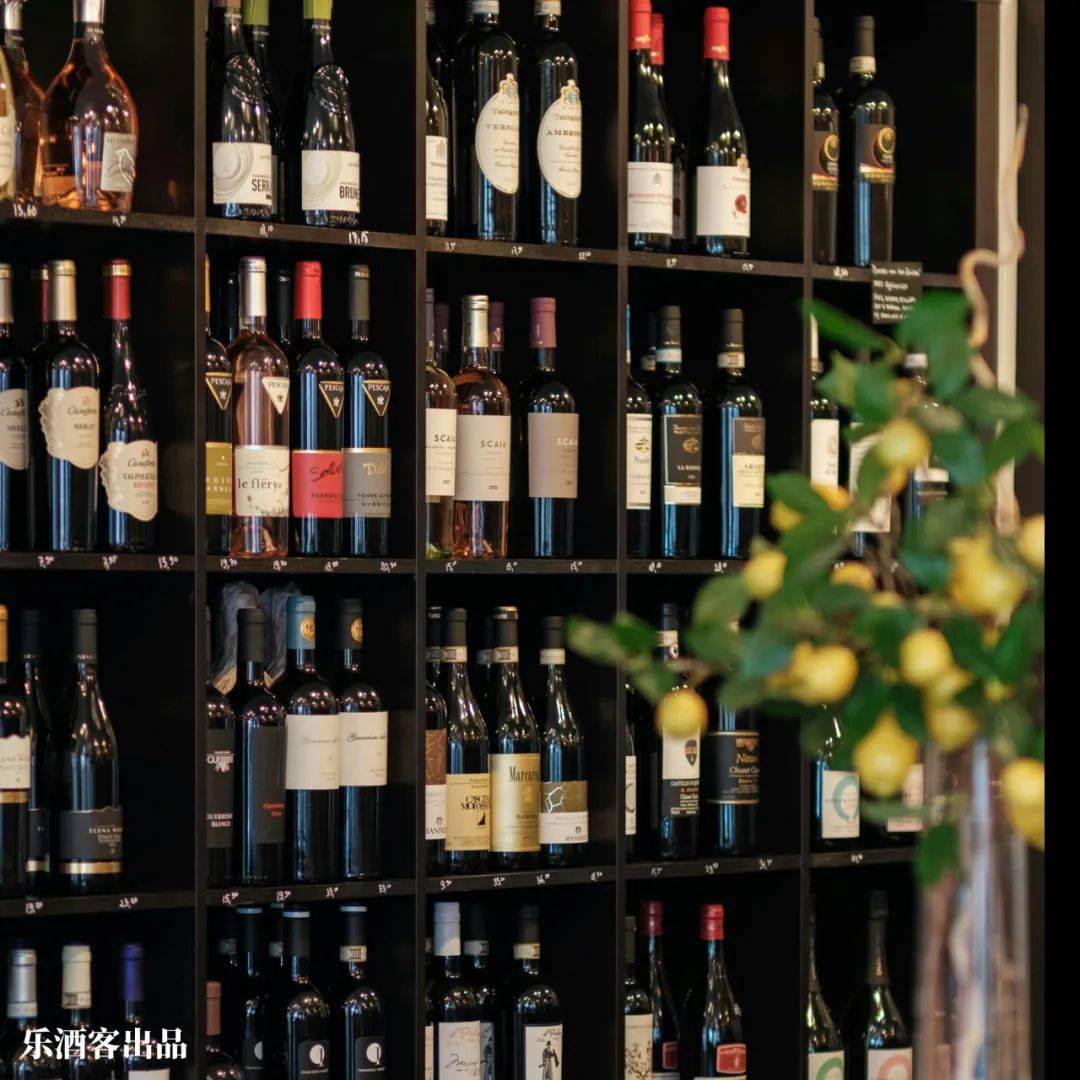
Core Insights - The direct sourcing model for wine has rapidly gained traction in the Chinese market, initially led by Sam's Club, which has significantly reduced prices for various wines [2][4] - Sam's Club has positioned itself as a major player in the domestic wine import market, prompting other retailers like Ole' and Hema to adopt similar direct sourcing strategies [4][7] - The direct sourcing model offers substantial cost advantages by optimizing the supply chain, but it requires strong operational capabilities, including scale, product selection, and supply chain management [4][6][10] Market Dynamics - The current Chinese wine market is characterized by oversupply and intense competition, with many consumers lacking clear knowledge about wine [6][12] - Retailers face higher risks with direct sourcing, as unsold inventory can lead to significant financial losses, unlike traditional partnerships with importers [6][10] - Sam's Club's success is attributed to its precise market positioning targeting middle-class consumers, who are often less knowledgeable about wine [7][9] Challenges and Considerations - Many retailers attempting to replicate Sam's Club's success lack a clear understanding of their own market positioning and supply chain advantages, leading to potential failures in product sales [10] - Despite the rise of direct sourcing, traditional wine traders are unlikely to be completely replaced in the near term, as wine remains a niche product rather than a mass consumer good [10][12] - The increasing prevalence of direct sourcing will likely lead to a reduction in traditional markup rates, pushing for more reasonable pricing in the market [12]
从闭眼买到不想续:山姆会员店的“精英滤镜”被撕碎?
Sou Hu Cai Jing· 2025-05-08 03:23
Core Insights - The Chinese retail industry is undergoing rapid changes in 2024 due to consumption stratification and digital transformation, with Sam's Club leading in paid membership retail with over 80 million global members and revenue exceeding 80 billion yuan in China [1][3] Group 1: Membership and Revenue - Sam's Club's membership fee revenue grew by 28% year-on-year in 2024, accounting for 15% of total revenue, with average annual sales per store surpassing 2 billion yuan [1] - The number of Sam's Club members reached over 4 million in 2024, generating membership fee income of 2 billion yuan, with a high repurchase rate of around 70% [5][10] Group 2: Competitive Challenges - In 2024, the growth rate of new Sam's Club stores dropped sharply from 40% in 2023 to 18%, with lower sales efficiency in lower-tier markets compared to first-tier cities [3][10] - Online GMV growth for Sam's Club was only 25%, significantly lagging behind competitors like Hema X and JD Seven Fresh, which reported growth rates of 65% and 50% respectively [3][10] Group 3: Market Position and Strategy - Sam's Club has built a strong market position over 26 years, but faces challenges from rising competition, including Costco and Hema X, which are encroaching on its market share [4][12] - The market share of Sam's Club in first-tier cities declined by 2.3% in 2024, while Costco and Hema X saw increases of 4.1% and 3.8% respectively [12] Group 4: Consumer Trends and Preferences - The proportion of members under 30 years old dropped from 28% in 2020 to 15% in 2024, indicating a shift in consumer demographics and preferences [11] - Hema X's focus on localized products and smaller packaging options has attracted younger consumers, contrasting with Sam's Club's traditional larger packaging approach [11][12] Group 5: Operational Efficiency and Supply Chain - Sam's Club's supply chain management is highlighted as a strength, with a global procurement team ensuring high-quality products, but faces pressure from competitors offering lower prices [6][10] - The return rate for Sam's Club increased by 3 percentage points to 8.5% in 2024, and member satisfaction dropped to 79%, indicating potential issues with customer trust and product value [10]
渠道洞察特辑Vol.1:全渠道时代,解码中国消费者的完美24小时
凯度消费者指数· 2025-05-07 03:14
Core Insights - The retail market in China is witnessing a significant evolution towards omnichannel shopping, with consumers utilizing over 7 shopping channels annually for fast-moving consumer goods (FMCG) [1] - The dual-track evolution of online and offline channels has intensified since 2019, with consumers engaging with an average of over 4 e-commerce platforms and maintaining more than 3 offline channels [3] - The core driver behind the diversification of retail channels is the continuous iteration of consumer demands, emphasizing a human-centered approach in business [7] Consumer Behavior Trends - The pursuit of quality and emotional value is driving an upgrade in shopping experiences, as seen with brands like "胖东来" and "山姆会员店" that enhance consumer engagement through exceptional service and high-quality offerings [9] - Price-sensitive consumers are increasingly attracted to discount retailers like "奥乐齐," which leverage supply chain innovations to provide high-quality alternatives at lower prices [9] - Emerging snack retailers are rapidly expanding by offering a wide range of products (over 2000 SKUs) to create a one-stop shopping experience, particularly in lower-tier cities [9] Channel Purchase Habit Differences - Urban consumers exhibit a diverse shopping routine, utilizing platforms like 小红书 for product discovery, e-commerce for price comparisons, and membership stores for quality goods [13] - In contrast, consumers in lower-tier cities tend to rely on community grocery stores and local markets for essential purchases, with occasional online shopping driven by impulse [16] Brand and Channel Integration - Brands face the challenge of identifying core consumer needs across different channels and aligning product offerings accordingly. The Kantar Consumer Index provides insights into shopping basket transitions, helping brands optimize their channel strategies [18] Future Retail Ecosystem - The evolution of retail channels presents both challenges and growth opportunities, with a focus on meeting differentiated consumer needs. Success will depend on brands' ability to connect fragmented channel touchpoints into a cohesive value network [21]
港澳家庭北上消费潮涌动珠海何以成为湾区生活新枢纽?
Sou Hu Cai Jing· 2025-05-04 09:55
Group 1: Transformation of the Hong Kong-Zhuhai-Macao Bridge - The Hong Kong-Zhuhai-Macao Bridge is evolving from a transportation artery to a consumption artery, with a peak of 128,000 travelers crossing the Zhuhai port in April [1] - Cross-border consumer behavior is shifting from traditional tourist attractions to urban lifestyle scenes, indicating a new integration of livelihoods in the Greater Bay Area [1] Group 2: Cross-Border Purchasing Trends - A significant price difference exists between products in Hong Kong and Zhuhai, with a 35%-40% lower cost in Zhuhai, leading 73% of cross-border purchasing families to establish regular procurement routines [2] - The average frequency of cross-border shopping is 1.2 times per month, driven by cost-effective purchasing strategies [2] Group 3: New Consumption Patterns - The preference for bulk frozen foods among Hong Kong consumers is evident, with an 82% repurchase rate for items like salmon and shrimp, indicating a shift towards family storage-style purchasing [4] - The average stay time for Hong Kong families in Zhuhai shopping malls has increased from 3 hours to 6 hours, enhancing the overall shopping experience and increasing average spending per visit by 40% compared to local customers [4] Group 4: Seafood Supply Chain Innovations - The Bai Tian Tou Seafood Market is becoming a central hub for seafood supply in the Bay Area, with a unique four-hour rapid delivery system for fresh seafood [6] - The cold chain logistics industry in Zhuhai has upgraded significantly, with 23 specialized cold storage facilities capable of handling daily fresh produce transport needs [6] Group 5: Policy Innovations and Economic Impact - The "Hong Kong vehicles northbound" policy has led to a 47.76% increase in traffic through the bridge, with 126,000 vehicles recorded in six months [7] - The policy has effectively matched consumer needs by focusing on easily transportable goods, achieving a consumption leverage ratio of 1:8.7 [7] Group 6: Payment System Advancements - The integration of mobile payment systems has transformed cross-border consumption, with 62% of transactions now completed via mobile payments [9] - The introduction of the "currency bridge" system has improved transaction processing speeds, enhancing the overall consumer experience [8] Group 7: Cultural Integration and Consumer Experience - The development of cross-border cultural experiences, such as VR projects, is designed to guide visitors towards shopping areas, enhancing the consumer journey [9] - The "Hong Kong-Macao" service modifications in Zhuhai, including dedicated hospital services and public transport announcements in Cantonese, have improved the overall experience for visitors [9] Group 8: Future Prospects of Cross-Border Consumption - The collaboration between Zhuhai and Hong Kong-Macao brands is fostering a new consumption ecosystem, with local products being introduced to the Hong Kong market [9] - The dynamic balance of consumption patterns is expected to deepen the integration of the Greater Bay Area, enhancing the quality of life for residents [9]