礼来

Search documents
盘前暴涨近80%!Wave Life Sciences “减脂又增肌”的RNA减肥药来了:内脏减9.4%,疗效号称优于司美格鲁肽
美股IPO· 2025-12-08 14:06
Core Viewpoint - Wave Life Sciences has made significant progress in obesity treatment with its RNA-targeted therapy WVE-007, showing promising results in reducing fat while increasing muscle mass, which has led to a substantial increase in its stock price by over 70% following the announcement of positive clinical trial data [1][4]. Summary by Sections Clinical Trial Results - The Phase 1 INLIGHT clinical trial of WVE-007 demonstrated positive mid-stage data, showing that a single injection of 240 mg resulted in a 9.4% reduction in visceral fat and a 3.2% increase in lean body mass over three months [3][4][6]. - The trial included over 100 participants with a BMI between 28 and 35 kg/m², and the results were statistically significant compared to the placebo group [5][6]. Mechanism of Action - WVE-007 targets the INHBE gene using GalNAc small interfering RNA, which is designed to silence the gene responsible for producing Activin E, a protein that regulates fat cell destruction [14][15]. Safety and Tolerability - The drug has shown good safety and tolerability, with no severe adverse events reported during the trial. All adverse events were mild to moderate, and there were no significant changes in clinical laboratory tests [9][11]. Comparison with Competitors - Wave Life Sciences compared its results with those of Eli Lilly's Bimagrumab and Novo Nordisk's Wegovy, highlighting that WVE-007 outperformed these competitors in reducing visceral fat without the side effect of muscle loss [4][12][13]. Future Plans - The company plans to initiate Phase 2 clinical trials to explore WVE-007 as a monotherapy and in combination with GLP-1 agonists, with higher dose cohorts already underway [5][17]. - Upcoming data releases are expected in early 2026 for the 400 mg and 600 mg groups [17].


高光制药递表港交所 一年半累计亏损超4亿元
Mei Ri Jing Ji Xin Wen· 2025-12-08 13:36
Core Viewpoint - Hangzhou Gaoguang Pharmaceutical Co., Ltd. (Gaoguang Pharmaceutical) submitted its IPO application to the Hong Kong Stock Exchange on December 4, 2025, with CICC and China Merchants International as joint sponsors. The company aims to raise funds for clinical development of its core product TLL-018 and other pipeline candidates, despite currently having no approved drugs on the market [1][2][3]. Company Overview - Gaoguang Pharmaceutical, established in late 2017, focuses on developing therapies for autoimmune and inflammatory diseases, with a strong emphasis on neuroinflammation. Its core products include TLL-018, TLL-041, and TLL-009, which form a unique combination of selective TYK2/JAK1 inhibitors [2][6]. - The company has a differentiated asset portfolio that includes four candidates in clinical stages and several in preclinical stages, targeting various autoimmune and neurodegenerative diseases [2][3]. Financial Performance - For the reporting periods of 2023, 2024, and the first half of 2025, Gaoguang Pharmaceutical reported revenues of 226 million, 0, and 107 million yuan respectively, with losses of 73.79 million, -226 million, and -190 million yuan. Cumulatively, the losses for 2024 and the first half of 2025 reached 416 million yuan [4][5]. - The revenue in the first half of 2025 increased from 0 to 107 million yuan, primarily due to milestone income from a collaboration with Biohaven. The company attributes its net losses to operational expenses and changes in the fair value of financial instruments [4][5]. Cash Position and Funding Needs - As of the end of the first half of 2025, Gaoguang Pharmaceutical had cash and cash equivalents of only 169 million yuan, indicating a precarious financial position with net current liabilities of 714 million yuan [5][6]. - The company has completed six rounds of financing since its inception, raising approximately 662 million yuan, with a post-financing valuation of about 2.46 billion yuan after the C round in November 2025, reflecting an over 800% increase since the A round in early 2019 [6]. Competitive Landscape - Gaoguang Pharmaceutical's core product TLL-018 faces intense competition in the JAK inhibitor space, particularly for indications like rheumatoid arthritis, where established players such as Pfizer, AbbVie, and Eli Lilly have already launched competing products [6][7]. - The company plans to submit a new drug application for TLL-018 to the National Medical Products Administration by the end of 2026, while its competitors are already in advanced clinical stages [3][6]. Leadership and Governance - The founder and CEO, Liang Congxin, has over 30 years of experience in small molecule drug discovery and has been instrumental in the development of several approved drugs. He holds a significant stake in the company, with 17.69% ownership prior to the IPO [7].
2025国谈落地:从用得上走向用得起
2 1 Shi Ji Jing Ji Bao Dao· 2025-12-07 23:50
Core Insights - The Chinese medical insurance directory will undergo its largest expansion of innovative drugs in history starting January 1, 2026, adding 114 new drugs, including 50 class 1 innovative drugs, while removing 29 drugs that are either unavailable or can be replaced by better alternatives [1][9] - The new directory will increase the total number of drugs to 3,253, significantly enhancing coverage for key areas such as oncology, chronic diseases, mental health, rare diseases, and pediatric medications [1][9] - The inclusion of innovative drugs in the medical insurance directory reflects a strong commitment to support genuine innovation and differentiated innovation in the healthcare sector [1][9] Medical Insurance Directory Expansion - The new medical insurance directory will include 114 new drugs, with nearly 44% being class 1 innovative drugs, indicating a growing emphasis on innovative treatments [1][2] - The directory aims to balance the clinical value of innovative drugs, corporate profits, and the sustainability of the insurance fund, with a new commercial insurance directory established for high-cost innovative drugs [2][15] - The entry of innovative drugs into the medical insurance directory is seen as a critical step in making these treatments accessible to patients, thereby reducing their economic burden [13][23] Market Dynamics and Trends - The inclusion of innovative drugs in the medical insurance directory is expected to accelerate sales growth for these products, reshaping the business models of Chinese innovative drug companies [4][20] - Companies like Hengrui Medicine and Innovent Biologics have successfully included multiple innovative products in the new directory, indicating a trend of increasing market access for innovative therapies [4][5] - The commercial insurance directory, which includes 19 innovative drugs, aims to provide additional support for high-cost treatments, potentially lowering patient treatment costs significantly [15][18] Focus on Key Therapeutic Areas - The new directory emphasizes significant clinical value and urgent patient needs, particularly in oncology, with new drugs targeting various types of cancers being added [10][11] - The inclusion of drugs for rare diseases and conditions like severe asthma highlights a commitment to addressing critical healthcare challenges faced by patients [16][17] - The directory also includes innovative treatments for chronic conditions such as diabetes, further expanding access to essential therapies for a large patient population [8][12] Policy and Regulatory Environment - Recent reforms in drug approval and medical insurance payment systems have created a conducive environment for the development of innovative drugs in China [19][20] - The acceleration of drug review processes and the establishment of a more rigorous value assessment framework are expected to enhance the accessibility of innovative treatments [19][22] - The collaboration between policy and capital markets is crucial for fostering innovation and ensuring the sustainability of the healthcare system [21][22] Future Outlook - The successful implementation of the new medical insurance directory is anticipated to restore investor confidence in the innovative drug market, which has seen a slowdown in investment interest recently [18][21] - The ongoing development of commercial insurance options for innovative drugs is expected to play a significant role in expanding patient access and improving treatment outcomes [18][19] - The transition from merely making innovative drugs available to ensuring they are affordable and effective represents a significant shift in the Chinese healthcare landscape [23][24]
重大利好,5款百万级抗癌针被纳入商保
21世纪经济报道· 2025-12-07 13:50
Core Viewpoint - The upcoming adjustment to China's medical insurance catalog, effective January 1, 2026, will be the largest expansion of innovative drugs in history, adding 114 new drugs, including 50 class 1 innovative drugs, reflecting a significant commitment to support innovation in the pharmaceutical sector [2][11]. Summary by Sections Medical Insurance Directory Adjustment - The total number of drugs in the medical insurance directory will increase to 3,253, with a notable enhancement in coverage for key areas such as oncology, chronic diseases, mental health, rare diseases, and pediatric medications [2]. - The proportion of innovative drugs in the directory is rising, with 50 out of 114 new additions being class 1 innovative drugs, accounting for nearly 44% [2][11]. Innovative Drug Market Dynamics - The inclusion of innovative drugs in the medical insurance directory is a critical factor for market expansion, as these drugs typically experience rapid sales growth within a year of being added [5]. - Companies like Heng Rui Medicine and Innovent Biologics have successfully included multiple innovative products in the new directory, indicating a trend towards greater access to innovative treatments [6][7]. Clinical Demand and Treatment Options - The new directory focuses on drugs with significant clinical value and urgent patient needs, particularly in oncology, where new treatments for blood cancers and breast cancer have been added [12][14]. - The inclusion of targeted therapies for severe asthma and diabetes reflects a commitment to addressing pressing health issues in the population [10][8]. Pricing and Insurance Collaboration - A new commercial insurance directory for innovative drugs has been established, which includes 19 innovative drugs from 18 companies, aiming to create a balanced payment mechanism between basic medical insurance and commercial insurance [19][23]. - The commercial insurance directory is expected to alleviate the financial burden on patients, particularly for high-cost treatments like CAR-T therapy [21][22]. Policy Coordination and Future Outlook - The development of innovative drugs requires coordinated policies across drug approval, medical insurance, and clinical application, which have seen significant reforms in recent years [25][26]. - The future of innovative drug development in China hinges on the collaboration between industry policies and capital markets, with expectations for more original innovations and a focus on global competitiveness [27][28]. Conclusion - The adjustment of the medical insurance directory marks a transformative step for innovative drugs in China, shifting from being luxury items to accessible treatment options for a broader population, ultimately enhancing patient outcomes and supporting the goal of universal health coverage [29].

招银国际周可祥:中国创新药迎来爆发时代
投资界· 2025-12-07 07:26
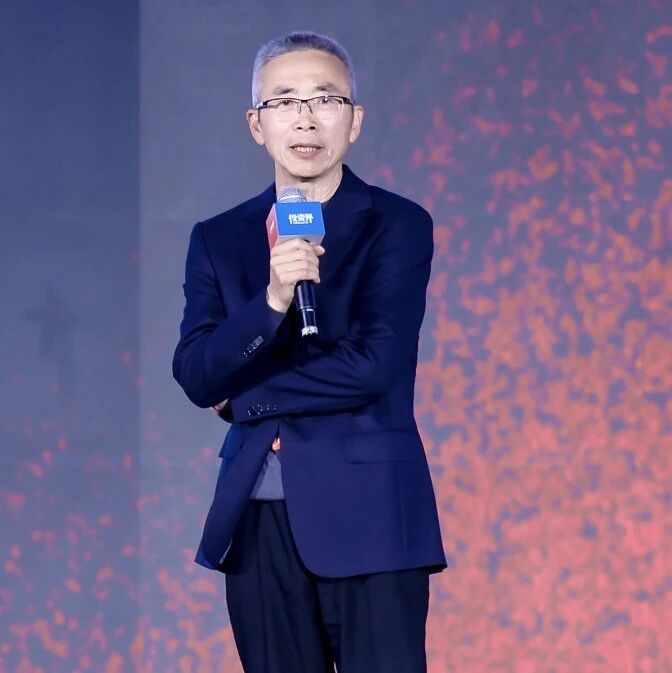
Core Insights - The article emphasizes that the Chinese innovative drug industry has significantly improved its systemic capabilities, leading to explosive growth in overseas business, with a transaction scale reaching approximately $100 billion in the first three quarters of 2025, including upfront payments of $5 billion [3][4] - The market is being activated by a series of major transactions, with companies like Kangfang Biotech, Hengrui Medicine, and Kelun Pharmaceutical making significant moves, resulting in a frenzied atmosphere in the Hong Kong IPO market [3][4] Innovative Drug Sector - China's innovative drug industry has a competitive edge over the U.S. in terms of R&D efficiency, costs, and clinical research, supported by a large clinical patient population and unique regulatory advantages [4] - The article draws parallels between the innovative drug sector and the semiconductor industry, suggesting that as traditional innovation approaches its limits, new technologies like dual antibodies and ADCs will become the core of innovation, leveraging China's industrial advantages [5] - Key factors for investment in innovative drugs include innovation, speed, and positioning, with companies needing to develop unique drug candidates or dominate specific niches to achieve profitability [6] Challenges in the Innovative Drug Market - Despite having the capability to develop original innovative drugs, the Chinese market is limited, leading companies to rely on overseas expansion, with only 3% of the global innovative drug market size compared to the U.S. [6][7] - Chinese innovative drug companies face challenges in late-stage clinical research capabilities and global commercialization, which are critical for competing in high-value markets like the U.S. [7][8] Biomanufacturing Sector - The biomanufacturing sector faces complexities, particularly in product selection, where over 90% of companies fail due to poor choices [9] - Successful biomanufacturing requires a focus on cost control, engineering capabilities, and commercial value, with a strong emphasis on collaboration among scientists, industry experts, and project managers [10][11] - The market size is crucial for biomanufacturing companies, as only those targeting trillion-level markets can potentially develop into leading enterprises [10] Investment Considerations - The article suggests that investment in innovative drugs and biomanufacturing should align with national strategies and market demands, emphasizing the importance of selecting companies that can create real value [11][12] - Investors should focus on identifying entrepreneurs with ambitious goals and the potential to lead in their fields, as well as being open to disruptive business models [13][14] - The investment landscape is characterized by a need for precision in selecting companies with core competitive advantages, as the barriers to entry are low but the potential for high returns is significant [14]
国泰海通医药2025年12月月报:持续重点推荐创新药械产业链-20251201
Haitong Securities International· 2025-12-01 11:21
Investment Rating - The report maintains an "Outperform" rating for A-Shares including Jiangsu Heng Rui Medicine, Sichuan Kelun Pharmaceutical, Huadong Medicine, Jiangsu Nhwa Pharmaceutical, Xiamen Amoytop Biotech, Zhejiang Jingxin Pharmaceutical, Innovent Biologics, WuXi AppTec, Hangzhou Tigermed Consulting, Lepu Medical, and APT Medical [2][4][29] - The report also maintains an "Outperform" rating for H-Shares including Hansoh Pharmaceutical Group, 3SBio, PATEO, Akeso, and related targets such as Innovent Biologics and WuXi AppTec (H-Shares) [2][7][29] Core Insights - The report continues to recommend the innovative drug and device industry chain [1][2] - In November 2025, the pharmaceutical sector underperformed the broader market, with the SW Pharma Bio index falling by 3.6% compared to a 1.7% drop in the SHCOMP [2][10] - The premium of the pharmaceutical sector to all A-Shares is currently at a normal level of 72.6% as of the end of November 2025 [17][22] Summary by Sections A-Shares Performance - The report highlights the A-Shares that are recommended for investment, maintaining an "Outperform" rating for several companies, including Jiangsu Heng Rui Medicine and Sichuan Kelun Pharmaceutical, among others [4][5] - The report notes that the pharmaceutical sector's performance was ranked 23rd among Shenwan's first-level industries in November 2025 [10][12] H-Shares Performance - The report indicates that the H-Shares pharmaceutical sector performed in line with the market, with the Hang Seng Healthcare index down by 0.1% and the biotech sector up by 0.4% in November 2025 [2][23] - Top gainers in the H-Shares market included Laekna, Inc. (+40%) and Clover Biopharmaceuticals, Ltd. (+22%) [23] U.S. Market Performance - The U.S. pharmaceutical sector outperformed the broader market in November 2025, with the S&P Healthcare Select Sector rising by 9.1% compared to a 0.1% increase in the S&P 500 [23]



GLP-1不是礼来市值破万亿的“万能药”
Xin Lang Cai Jing· 2025-12-01 10:34
Core Insights - The article discusses the challenges and opportunities faced by Eli Lilly, particularly focusing on its GLP-1 drug, tirzepatide, which has generated significant revenue but also poses risks due to reliance on a single product and impending patent expiration [1][2][3]. Financial Performance - Eli Lilly's tirzepatide generated $24.837 billion in revenue in the first three quarters of 2025, a 125% increase year-over-year [1]. - The second-largest revenue product, abemaciclib for breast cancer, only brought in $4.118 billion during the same period, reflecting a growth rate of 10% [1]. - Eli Lilly's total revenue for 2025 is projected to be between $63 billion and $63.5 billion, up from previous estimates of $60 billion to $62 billion [7]. Strategic Initiatives - Eli Lilly has made significant investments in AI, including partnerships with companies like Insitro and OpenAI, and the establishment of a Chief AI Officer position [3][11][13]. - The company aims to leverage AI to enhance drug discovery and development processes, which has positively influenced its stock price and market valuation [9][14]. - Eli Lilly's stock price reached $1,059.70 per share on November 21, 2024, marking a market capitalization of over $1 trillion, making it the first pharmaceutical company to achieve this milestone [4][14]. Market Position and Future Outlook - The GLP-1 class of drugs is expected to become the second-largest drug segment globally by 2028, following oncology treatments, indicating strong market potential [7]. - Eli Lilly is exploring the therapeutic potential of GLP-1 drugs beyond diabetes, targeting areas such as cardiovascular diseases and neurodegenerative disorders [7][8]. - The company's strategic focus on AI and innovative drug development is seen as a key driver for future growth and valuation, positioning it favorably against traditional pharmaceutical companies [14][15].

第三季度亏损大幅收窄 智翔金泰业绩回暖待盈利
Xin Lang Cai Jing· 2025-11-28 11:29
Core Viewpoint - The company Zhixiang Jintai (688443.SH) is gaining attention as it progresses towards commercializing its core product, the Sairiqi monoclonal antibody injection, despite its initial poor stock performance and ongoing losses. Investors are keen to understand when the company will achieve profitability as it moves into a phase of revenue realization [1][4]. Financial Performance - In the third quarter, Zhixiang Jintai reported a revenue of 162.16 million yuan, a year-on-year increase of 1199.88%, while the net profit attributable to shareholders was a loss of 53.28 million yuan, significantly narrowing from a loss of 187 million yuan in the same period last year [3][4]. - For the first three quarters, the company achieved a total revenue of 208 million yuan, reflecting a year-on-year increase of 1562.05%, with the net loss narrowing from 550 million yuan to 370 million yuan, a reduction of 32.73% [4]. Product Development and Market Position - Zhixiang Jintai focuses on the development of monoclonal and bispecific antibodies for autoimmune, infectious diseases, and oncology. Currently, only one product has been approved for sale, and the company has incurred a cumulative net loss of 2.869 billion yuan from 2020 to 2024 [5][7]. - The Sairiqi monoclonal antibody injection has been approved for two indications and is expected to contribute significantly to revenue, having generated 45.38 million yuan in sales in the first half of the year [7][8]. - The company is facing competition from multiple IL-17A targeted drugs, including Novartis's Secukinumab, which has established a strong market presence with sales reaching 2.08 billion yuan in 2022 and increasing to 2.75 billion yuan in 2023 [8][9]. Research and Development - Zhixiang Jintai has over ten products in its research pipeline, with three currently under review for approval. The company has invested heavily in R&D, with expenditures of 4.54 billion yuan, 6.20 billion yuan, and 6.10 billion yuan over the last three years, totaling 16.85 billion yuan [10][11]. - Recent collaborations have provided short-term financial relief, including a partnership with Cullinan Therapeutics that brought in a $20 million upfront payment and potential milestone payments totaling $692 million [12][13]. Future Outlook - The company aims to enhance its product pipeline and market presence through innovative drug discovery technologies and expanding its therapeutic targets. However, long-term sustainability will depend on the success of its proprietary products in generating consistent revenue [13].


礼来,世界第一个万亿美元药物公司。。。
Xin Lang Cai Jing· 2025-11-28 00:14
Core Insights - Eli Lilly has become the first pharmaceutical company to surpass a market capitalization of $1 trillion, currently valued at $1,044 billion, marking a significant milestone in the biopharmaceutical industry [3][6] - The company's stock has seen substantial growth, with a 28.64% increase in the past month, a 43.77% rise over the past year, and an impressive 744.51% increase over the last five years [3][6] - Eli Lilly's market capitalization exceeds the combined total of seven other pharmaceutical companies valued over $100 billion, highlighting its dominance in the sector [3] Financial Performance - For the first three quarters of 2025, Eli Lilly reported revenues of $45.887 billion, surpassing the total revenue of $45.04 billion for the entire year of 2024, indicating strong growth [5] - The net profit for the same period reached $14.012 billion, a 32.31% increase compared to $10.590 billion in 2024 [5] Product Development and Market Position - Eli Lilly has launched 19 new drugs over the past nine years, with tirzepatide being a key product that has significantly contributed to its growth [6][10] - The company’s products, Mounjaro and Zepbound, have generated substantial revenues, with Mounjaro expected to reach $11.5 billion in 2024 and Zepbound projected at $4.9 billion [6][8] - In Q3 2025, Mounjaro generated $6.515 billion and Zepbound $3.588 billion, with the combined revenue of these products for the first three quarters totaling $24.837 billion [7][8] Market Outlook - Eli Lilly's upcoming GLP-1R/GIPR/GCGR triple agonist, Retatrutide, is currently in Phase III clinical trials, which could further enhance its competitive position against other leading products in the market [10] - The global obesity population exceeds 650 million, presenting a significant market opportunity for Eli Lilly's innovative treatments [10]
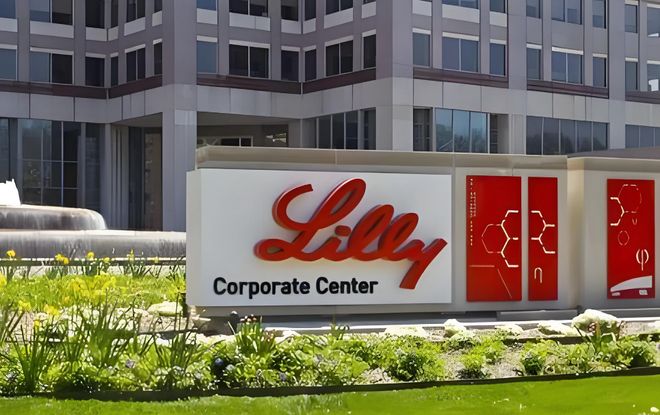
买买买!外资大药厂再次出手中国Biotech
Xin Lang Cai Jing· 2025-11-26 15:21
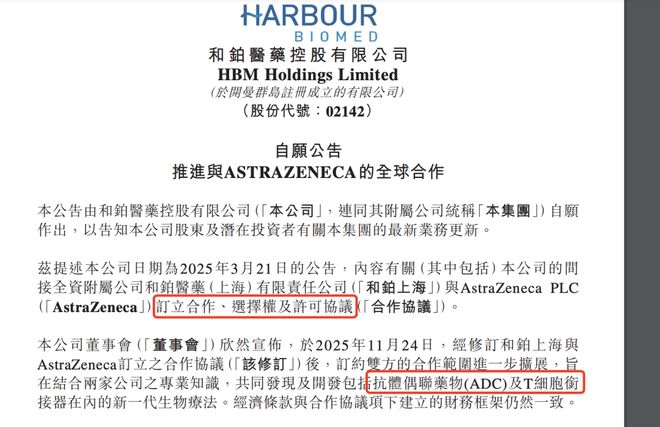
Core Viewpoint - The collaboration between AstraZeneca and Hengrui Medicine has been deepened through a revised agreement to jointly discover and develop next-generation biotherapies, including antibody-drug conjugates (ADC) and T-cell engagers (TCE) [2][3]. Group 1: Collaboration Details - AstraZeneca has previously engaged with Hengrui Medicine through multiple agreements, including a global license for Claudin18.2/CD3 bispecific antibody with a total deal value of $325 million, and a preclinical monoclonal antibody project with a total deal value of $575 million [3]. - The revised collaboration agreement expands the scope to include ADCs and TCEs, indicating a strong recognition of Hengrui's R&D platform by AstraZeneca [3][4]. Group 2: TCE Technology Advantages - TCE technology, developed by Hengrui, has shown significant advantages over traditional ADCs and CAR-T therapies, including lower preparation costs, better safety profiles, and ease of administration [8]. - TCEs are expected to achieve tumor clearance comparable to CAR-T therapies while expanding indications to autoimmune diseases, thus promoting accessible immunotherapy [8]. Group 3: Market Activity and Trends - The TCE technology has become a popular direction for business development (BD) in the industry, with a total of $4 billion in BD deals since the second half of 2024 [8]. - Hengrui has successfully completed several BD transactions involving TCEs, including a $470 million deal with Otsuka Pharmaceutical for HBM7020 [6].