ARM

Search documents
用RISC-V打造GPU?太行了
半导体行业观察· 2025-06-05 01:37
Core Viewpoint - The article introduces the embedded GPU (e-GPU), a configurable RISC-V GPU platform designed specifically for ultra-low-power edge devices (TinyAI), addressing the challenges of power consumption and area constraints in traditional GPU implementations [1][6]. Group 1: Introduction and Background - The increasing demand for real-time computing driven by machine learning is propelling the rapid development of edge computing, which enhances privacy and energy efficiency by processing data locally rather than relying on cloud servers [4]. - Specialized hardware architectures are required to meet the performance, real-time response, and power consumption limitations of these workloads, with heterogeneous architectures integrating CPUs and domain-specific accelerators being an effective solution [4][5]. - Traditional GPUs have not been thoroughly studied for their trade-offs in ultra-low-power edge devices, which typically operate under strict power constraints in the tens of milliwatts range [5][6]. Group 2: e-GPU Architecture and Features - The e-GPU architecture is designed to minimize area and power consumption while being adaptable to TinyAI applications, featuring a configurable design that allows for optimization of area and power [24][25]. - The memory hierarchy employs a unified architecture that maps the host's main memory and e-GPU global memory to the same physical memory, enhancing programmability and reducing data transfer complexity [26][27]. - A dedicated controller manages e-GPU operations, integrating power management features to monitor and control the power state of computation units [29]. Group 3: Performance Evaluation - The e-GPU configurations were tested using two benchmark tests: General Matrix Multiplication (GeMM) and TinyBio, demonstrating significant performance improvements and energy savings [48][49]. - The e-GPU system achieved speedups of up to 15.1 times and energy reductions of up to 3.1 times compared to baseline systems, while maintaining a power budget of 28 mW [2][58]. - The area of the e-GPU system ranged from 0.24 mm² to 0.38 mm², proving its feasibility for deployment in TinyAI applications, which typically have strict area constraints [50]. Group 4: Industry Context - Commercial edge GPU solutions, such as Qualcomm's Adreno and ARM's Mali GPUs, are not specifically designed for TinyAI applications, often exceeding the power requirements needed for these applications [11]. - Academic GPU research focuses on developing programmable and configurable architectures suitable for various computing domains, with the e-GPU proposed as a suitable solution for TinyAI workloads [12][13]. - The e-GPU platform is positioned as an open-source, configurable RISC-V GPU platform that addresses the programming limitations and energy efficiency needs of the TinyAI domain [12][13].


深夜,全线拉升!
Zheng Quan Shi Bao· 2025-06-03 15:42
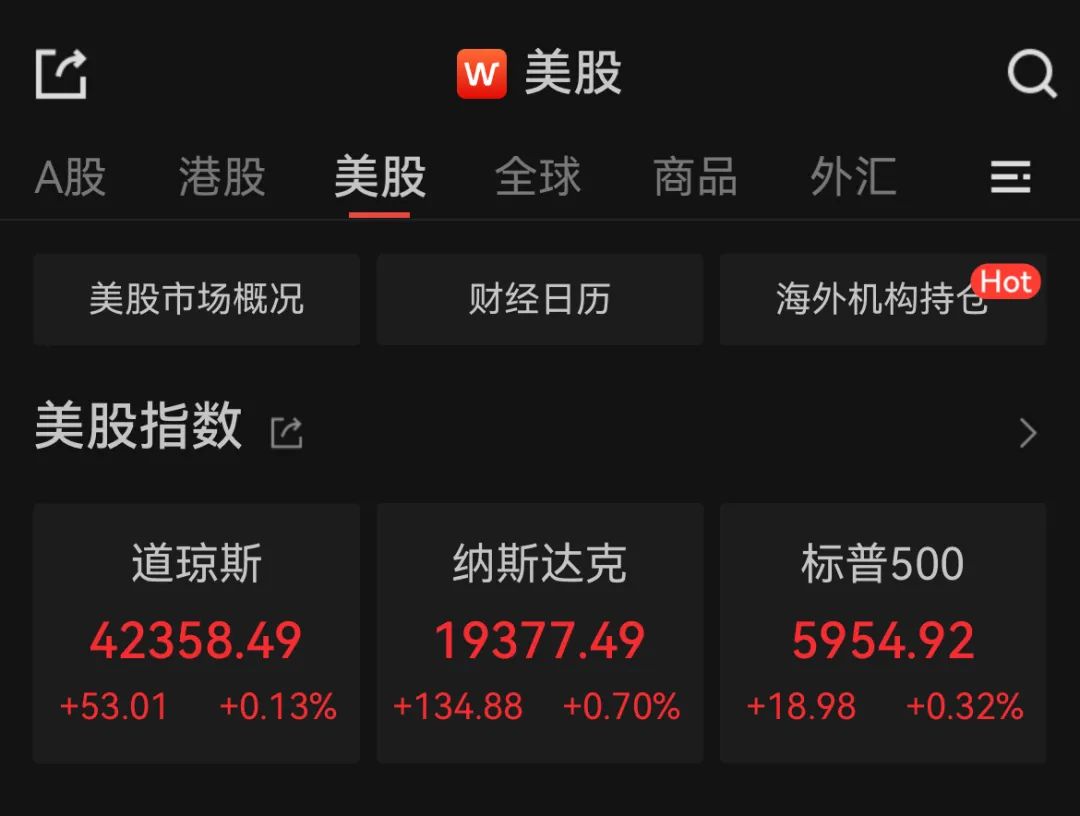
Market Performance - On June 3, U.S. stock indices opened mixed but later rallied collectively [1] - As of the report, the S&P 500 index rose by 0.32% to 5954.92 points, the Dow Jones Industrial Average increased by 0.13% to 42358.49 points, and the Nasdaq index climbed 0.70% to 19377.49 points [2] Technology Sector - The performance of the seven major tech companies was mixed, with Tesla rising over 1% as some models were included in China's 2025 new energy vehicle catalog [2] - Meta increased by 0.5%, Apple by 0.4%, Microsoft by 0.3%, while Google fell by 1.1% [2] - The semiconductor sector showed varied results, with COHERENT up 1.4%, ARM up 1.3%, NVIDIA up 1.0%, Broadcom up 0.9%, and ASML down 1.6% [2] Chinese Stocks - Chinese stocks saw significant gains, with Hesai Technology soaring 8.3%, Sunwoda up 3.1%, Xunlei up 2.7%, and Shanda Technology up 2.6% [2] - Li Auto surged over 6%, reporting May deliveries of 40,856 vehicles, a year-on-year increase of 16.7% [2] Economic Outlook - The OECD downgraded the U.S. and global economic growth forecasts, with the U.S. growth rate for 2025 revised down from 2.2% to 1.6%, and 2026 expected at 1.5% [2] - Global growth expectations were lowered to 2.9%, with inflation rising to 3.2%, and the U.S. potentially nearing 4% [2] Federal Reserve Insights - Federal Reserve Chairman Jerome Powell did not provide new signals regarding interest rate policy or economic outlook during a recent event, indicating a wait-and-see approach ahead of key data releases [5] - Recent comments from Fed officials suggest that tariff policies may significantly influence future rate cuts [5] - The next Federal Reserve meeting is scheduled for June 17-18, with a 98% probability of maintaining current interest rates [6]



ARM 放弃 Cortex ,警示 RISC-V 风险
是说芯语· 2025-06-02 00:50
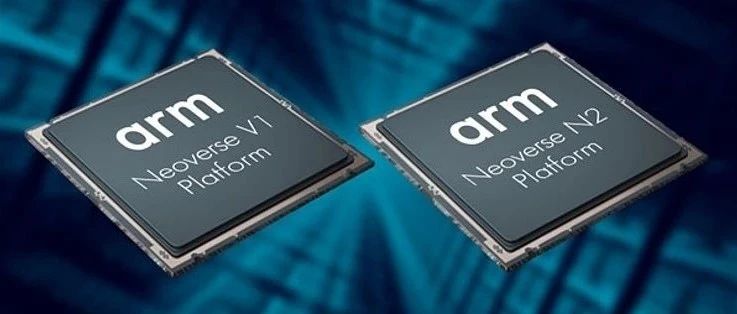
Core Viewpoint - ARM has announced a significant strategic adjustment by abandoning the long-standing Cortex brand and restructuring its product line with a new naming system, reflecting its deep insight into future market competition and concerns about the emerging RISC-V architecture as a potential threat [1][3]. Group 1: Brand and Product Line Changes - ARM's Cortex brand, known for its high recognition in the semiconductor industry, will be replaced by a new, simplified naming system to better meet the needs of different market segments and enhance competitiveness in the global chip market [1][2]. - The new product naming system categorizes Compute Subsystems (CSS) based on application areas, including Arm Neoverse for infrastructure, Arm Niva for PC, Arm Lumex for mobile, Arm Zena for automotive, and Arm Orbis for IoT, while retaining the Mali brand for GPUs [2]. Group 2: Concerns about RISC-V - ARM has issued a clear warning regarding the RISC-V architecture, which has gained attention due to its open-source nature, potentially leading customers to choose it over ARM products if its ecosystem continues to grow [3][4]. - Despite RISC-V's current limitations in advanced design support compared to ARM, its development poses a potential threat, especially as ARM raises licensing prices, making RISC-V a more cost-effective alternative for some manufacturers [4]. Group 3: Market Implications - ARM's decision to abandon the Cortex brand and restructure its product line is a crucial response to market changes and competitive challenges, aiming to enhance market adaptability and service precision [4]. - The evolving competitive landscape in the global chip design market may undergo profound changes as ARM implements its new strategy and RISC-V continues to develop [4].
1070亿美元的芯片豪赌
半导体行业观察· 2025-05-30 01:55
Core Viewpoint - Malaysia is actively reshaping its position to become a core participant in the global semiconductor supply chain, aiming to attract over 500 billion Malaysian Ringgit (approximately 107 billion USD) in public and private investments through its National Semiconductor Strategy (NSS) launched in May 2024 [1][2]. Investment and Incentives - The Malaysian government has committed to providing 25 billion Malaysian Ringgit (approximately 5.3 billion USD) in incentives, including tax exemptions, grants, and infrastructure support to attract foreign investors and local entrepreneurs [2]. - Major semiconductor manufacturers like Intel and Infineon are expanding their operations in Malaysia, with Intel investing 7 billion USD in Penang and Infineon committing 5 billion Euros to enhance its power semiconductor capacity in Kulim [2]. Talent Development - The NSS includes an ambitious plan to train and upskill 60,000 local engineers to meet the complex demands of modern semiconductor manufacturing [2][3]. - A dual training system has been approved to combine classroom learning with practical factory experience, aiming to address the current skills gap and retain top engineering talent by offering competitive salaries [3]. Local Industry Growth - The NSS aims to nurture at least 10 local advanced packaging and integrated circuit (IC) design companies, with each expected to generate revenues between 1 billion to 4.7 billion Malaysian Ringgit (approximately 210 million to 1 billion USD) by 2030 [3]. - Government-related investors are creating targeted funding pools to support local deep-tech startups, emphasizing the commercialization of research outcomes in semiconductor physics and materials science [3]. Strategic Positioning - Malaysia's strategic location at the crossroads of East Asia and West Asia, along with its political neutrality, makes it an ideal place for semiconductor companies seeking to diversify their production bases [3][4]. - The country is enhancing its appeal as a regional semiconductor hub by actively participating in regional trade agreements and fostering cross-border R&D collaborations [4]. Sustainability and ESG Focus - Malaysia is positioning itself as a forward-thinking and environmentally conscious manufacturing base, integrating renewable energy and carbon tracking tools in semiconductor production [4]. - The NSS aligns with Malaysia's push for sustainable manufacturing practices, which is increasingly prioritized by technology companies [4]. Long-term Vision - Malaysia's investment in the semiconductor sector is not just about factories and engineers but also about establishing long-term technological sovereignty amid accelerating global semiconductor competition [5].


雷军比窦娥都冤,请停止对小米自研芯片的质疑和嘲讽
Sou Hu Cai Jing· 2025-05-27 05:26
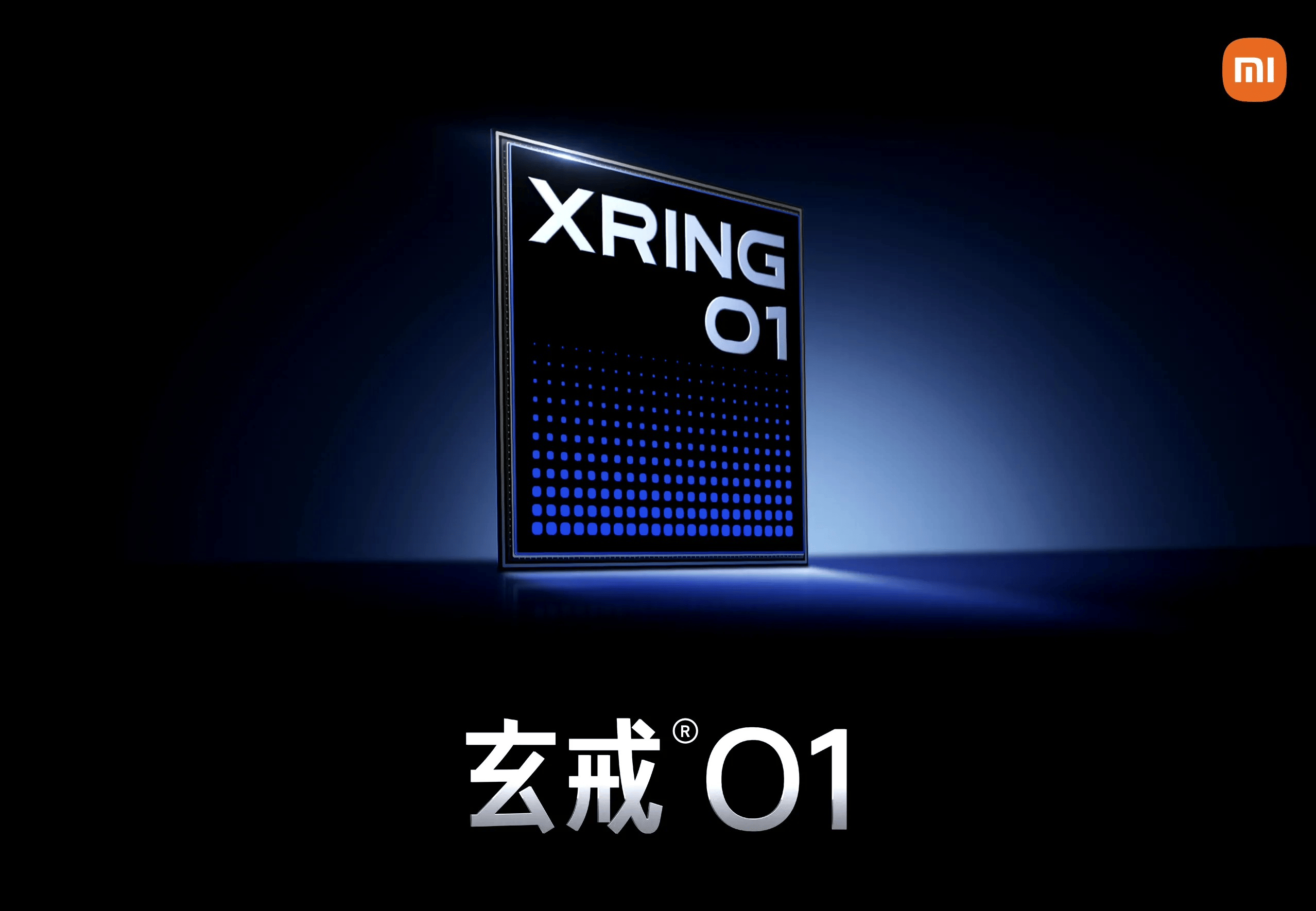
玄戒O1对小米而言意义重大,它是小米第一款自研SoC芯片,也是国内第一款自研3纳米工艺芯片。这款自研芯片,凝聚了小米无数心血,消耗了小米巨额 研发费用。笔者原本以为,这款芯片的诞生,能堵住很多对小米存有质疑的人的嘴。 尽管小米已经连续多年是全球第三大智能手机厂商,出货量仅次于三星、苹果,但在相当长的时间里,小米忍受着不公。大量的网友说,小米没有核心技 术,甚至不少人讥讽小米为"组装厂"——他们看不到小米为突破核心技术所做的努力。 玄戒O1发布后,在很多人为小米鼓掌时,也有大量的人不承认小米有这种能力。我浏览了一些网友的观点,他们说,小米这款3nm芯片是ARM为其深度定 制的,并不是小米自研。尤其是ARM删除官网文章,更是引发海啸般的质疑。 对小米持质疑态度的人认为,核心技术是一步步积累、慢慢修炼而成的,不可能一步登天。他们的意思是,小米突然宣布自己站在了全球自研SoC芯片的前 列,出道即巅峰,来得太突兀了。 事实上,事后,ARM重新发布了新闻稿,修改了之前有误的表述,并强调玄戒O1是小米自研。ARM都认可小米的自研能力,我们还有啥质疑的?可能是嫉 妒心作祟。 有行业人士认为,质疑小米芯片不是自研,而是ARM深 ...

雷军谈“芯”路历程:十年500亿元豪赌SoC,玄戒O1量产背后,手机巨头上演“烧钱马拉松”
Hua Xia Shi Bao· 2025-05-23 13:08
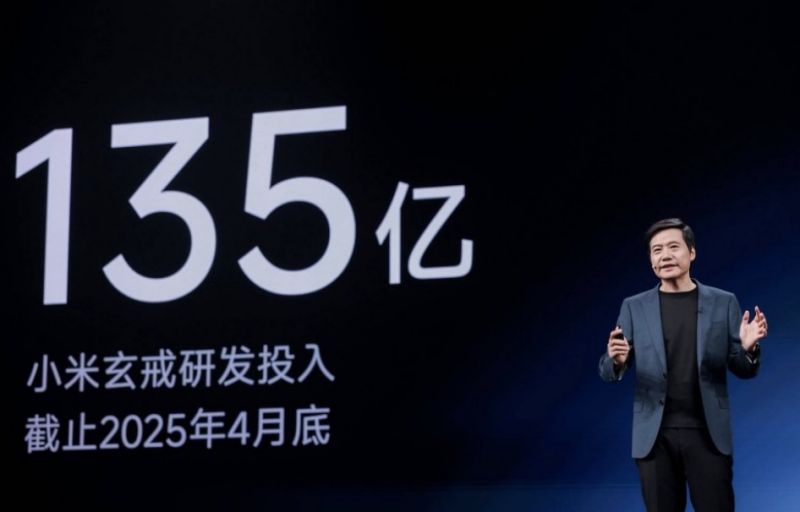
Core Viewpoint - Xiaomi has unveiled its self-developed 3nm mobile SoC chip, Xuanjie O1, marking its entry into the competitive chip market alongside major players like Apple and Qualcomm. The company aims to establish itself in the semiconductor industry despite the challenges and scrutiny it faces as a newcomer [2][3]. Group 1: Chip Development and Technology - The Xuanjie O1 features a "2+4+2+2" ten-core architecture, with the dual super-large cores utilizing ARM's latest X925, which offers a 36% performance increase over the previous generation [3]. - The chip does not integrate a communication module but uses MediaTek's 5G baseband, raising questions about the extent of Xiaomi's self-research capabilities [3][4]. - Xiaomi is the fourth global smartphone manufacturer to develop its own SoC, following Apple, Huawei, and Samsung [2]. Group 2: Industry Context and Competition - The semiconductor industry is characterized by high costs and long development cycles, with Xiaomi committing to invest over 50 billion yuan (approximately $7 billion) over the next decade [6]. - The company faces significant competition, as many predecessors in the chip industry have failed, highlighting the challenges of entering this market [6]. - Xiaomi's previous attempts at chip development, such as the 28nm Pinecone S1, faced issues that led to a shift in strategy towards larger chips [6]. Group 3: Market Strategy and Sales - Xiaomi aims to achieve significant sales volume for the Xuanjie O1, estimating that it needs to sell at least 10 million units within one to two years to remain viable [7]. - The chip is already being used in the newly launched Xiaomi 15S Pro and Xiaomi Pad 7 Ultra, with the company having shipped approximately 168 million smartphones last year, positioning it well for achieving the necessary sales volume [7][8]. - Despite the introduction of its own SoC, Xiaomi will continue to rely on Qualcomm and MediaTek for mid-range and low-end products, indicating a dual-sourcing strategy [8]. Group 4: Financial Performance - As of May 23, Xiaomi's stock closed at 53 HKD, with a market capitalization nearing 1.4 trillion HKD, reflecting investor sentiment amidst its strategic shifts in the semiconductor space [9].
这个国家,也想台积电去建厂
半导体行业观察· 2025-05-21 01:37
Core Viewpoint - The Irish government has unveiled a semiconductor strategy aligned with the European Chips Act, aiming to enhance its semiconductor industry and position itself as a key player in Europe by creating high-value jobs and attracting significant investments [1][2]. Group 1: Strategic Goals - The primary objective of Ireland's semiconductor strategy is to leverage its existing semiconductor footprint to ensure the security of the European semiconductor supply chain [2]. - The strategy includes plans to attract major manufacturers like Samsung and TSMC to establish factories in Ireland [1]. - By 2040, Ireland aims to support up to 34,500 new semiconductor jobs, as stated by the Minister for Enterprise, Trade and Employment [2]. Group 2: Investment and Infrastructure - The European Chips Act promises to provide €43 billion in policy-driven investments by 2030 to support various initiatives, including next-generation technologies [1]. - Ireland's strategy involves ensuring significant industrial investments, with ambitious plans to establish a leading chip manufacturing facility, two advanced foundries, and an advanced packaging plant [2]. Group 3: Ecosystem Development - Ireland has over 130 semiconductor companies, employing 20,000 people, with an annual export value of €13.5 billion [1]. - The government is committed to enhancing research and development, supporting innovation, and fostering a collaborative open ecosystem in the semiconductor sector [3]. - A comprehensive map of the Irish semiconductor ecosystem has been released to promote connections between research and innovation clusters and to engage the education system to meet the growing talent demand [2].

ARM漏洞引爆芯片危机,你的设备可能不安全了!
是说芯语· 2025-05-19 10:40
Core Viewpoint - The article emphasizes the urgent need for technological autonomy in the semiconductor industry, particularly in light of the PACMAN vulnerability that exposes significant risks in data security and reliance on ARM architecture [2][3][5]. Group 1: PACMAN Vulnerability - The PACMAN vulnerability undermines the core protective mechanisms of ARM architecture, allowing attackers to bypass security measures and gain control over systems without triggering alarms [3][6]. - The vulnerability affects widely used chips in smartphones, data centers, and industrial control systems, posing threats to personal privacy and national infrastructure [3][5]. - ARM's unique business model complicates the situation, as the majority of domestic market chips are based on ARM architecture, which is vulnerable to exploitation [5][6]. Group 2: Challenges of ARM Architecture - ARM's "black box" architecture means that hardware-level design flaws cannot be patched and require hardware replacement, increasing the risk of exploitation [6]. - The lengthy response time to vulnerabilities allows hackers to exploit weaknesses, while undisclosed debugging interfaces may serve as hidden backdoors for data theft [6]. Group 3: Solutions for Technological Autonomy - The industry must focus on three dimensions to overcome the challenges posed by ARM: 1. **Technological Autonomy**: Promote the large-scale application of domestic instruction set chips to reduce dependency on a single architecture [8]. 2. **Security Systematization**: Establish comprehensive security standards covering the entire lifecycle of chip design, manufacturing, and application [9]. 3. **Ecosystem Collaboration**: Encourage deep collaboration among instruction sets, operating systems, and application software to create an open-source ecosystem [10]. Group 4: Implications of Vulnerabilities - The PACMAN vulnerability highlights the fragility of traditional technology systems and underscores the importance of independent innovation to safeguard digital sovereignty [10].

ARM:指引预警 “泼冷水”,估值泡沫要戳破?
海豚投研· 2025-05-11 12:53
Core Viewpoint - ARM's Q4 FY2025 financial report shows strong revenue and gross margin growth, primarily driven by increases in licensing and royalty businesses, despite a decline in net profit due to one-time equity investment losses [1][4]. Financial Performance - Total revenue for Q4 FY2025 reached $1.24 billion, a year-over-year increase of 33.7%, aligning with market expectations [1][3]. - Gross profit for the quarter was $1.21 billion, with a gross margin of 97.7%, reflecting a slight increase from previous quarters [3][4]. - Net profit was $210 million, down 6.3% year-over-year, impacted by one-time losses from equity investments [1][3]. Business Segments - Licensing revenue amounted to $634 million, up 53.1% year-over-year, with an Annual Contract Value (ACV) of $1.36 billion, a 15% increase [2][3]. - Royalty revenue reached $607 million, growing 18.1% year-over-year, driven by the adoption of the Armv9 architecture and increased usage of Arm-based chips in data centers [2][3]. Future Guidance - For Q1 FY2026, ARM expects revenue between $1.0 billion and $1.1 billion, with adjusted earnings per share projected between $0.30 and $0.38, both below market expectations [2][4]. - The royalty business is anticipated to grow by 25-30% year-over-year, while licensing growth may face pressure due to high comparatives from the previous year [4]. Market Valuation - ARM's current market capitalization stands at $130.9 billion, with projections for FY2026 operating profit suggesting a price-to-earnings ratio that reflects a revenue growth assumption of 16.2% and a slight increase in gross margin [5].
5月9日A股走势分析及策略:3400点攻坚战 外围暖风能否吹旺A股火候
Sou Hu Cai Jing· 2025-05-09 01:32
Market Overview - The U.S. stock market showed positive momentum with all three major indices closing higher, indicating a supportive environment for the A-share market [1] - The Dow Jones increased by 0.62%, the S&P 500 rose by 0.58%, and the Nasdaq surged by 1.07%, with notable performances from tech giants like Tesla and Intel [1] Sector Performance - Quantum computing stocks, particularly QBTS, experienced a significant surge of 51%, marking the best single-day performance since May of the previous year, highlighting investor interest in disruptive technologies [3] - The military industry stocks have seen substantial gains, but the sustainability of this growth depends on actual order backing rather than mere market sentiment [3] - The technology sector is buoyed by Tesla's influence on the new energy vehicle supply chain and Intel's rise, suggesting a potential uptick in computing infrastructure investments [3] Trading Strategy - Investors are advised to monitor trading volume closely, as previous attempts to breach the 3400-point mark faltered at a transaction volume of 1.2 trillion, indicating a need for stronger support [3] - A target volume of 1.3 trillion is suggested for a more robust market condition, particularly if brokerage stocks respond positively to external market trends [3] - Caution is advised against chasing high openings; waiting for volume stabilization is recommended before making trades [4] Policy Impact - The new "National Nine Articles" policy has led to increased investment in high-dividend sectors, with companies showing strong cash flow and dividend rates above 5% being particularly attractive [3] - These companies are likened to traditional businesses that serve as stabilizing forces during market fluctuations [3]