
鱼跃医疗

Search documents
京东健康的“超级医药供应链”,含金量还在上升
Tai Mei Ti A P P· 2025-11-14 11:02
Core Insights - JD Health reported Q3 2025 revenue of 17.12 billion RMB, a year-on-year increase of 28.7%, and a net profit of 1.90 billion RMB, up 42.4% year-on-year, reflecting sustained growth and the long-term value of its "super pharmaceutical supply chain" [2][3][4] Financial Performance - Q3 revenue reached 17.12 billion RMB, marking a 28.7% increase year-on-year [2] - Net profit for the quarter was 1.90 billion RMB, representing a 42.4% year-on-year growth [2] Business Model and Strategy - JD Health has evolved beyond a mere "pharmaceutical e-commerce" platform, integrating a robust supply chain with comprehensive health management services [3][4] - The company focuses on addressing unmet needs in the healthcare sector, such as improving access to innovative drugs and providing ongoing patient support [2][4] Collaborations and Partnerships - In Q3, JD Health collaborated with major pharmaceutical companies like Eli Lilly and Eisai, enhancing its supply chain capabilities [4][5] - The company launched over 30 innovative drugs online in Q3 alone, surpassing the total for the first half of the year [5] Market Expansion and Global Reach - At the China International Import Expo, JD Health partnered with 21 top health brands from 11 countries, facilitating their entry into the Chinese market [6] - The company aims to integrate global health resources into everyday life, ensuring accessibility for consumers [6] Supply Chain and Logistics - JD Health's supply chain is designed to meet diverse health needs, ensuring stable supply for both common and rare medications [7][8] - The company has implemented advanced logistics solutions, including temperature-controlled storage, to ensure the safe delivery of pharmaceuticals [10] Technological Innovation - AI technology plays a crucial role in optimizing health services, enhancing patient management, and improving operational efficiency [12][13] - JD Health has developed an AI hospital model that streamlines the patient journey, reducing wait times and improving service delivery [12][13] Consumer Engagement and Health Management - The company has introduced AI-driven health management tools, providing personalized health advice and support to users [14][15] - JD Health's services have expanded to include at-home healthcare options, catering to the needs of elderly and chronically ill patients [15] Conclusion - JD Health's commitment to long-term value creation and its focus on integrating technology into healthcare services position it as a leader in the evolving health market [16]



联合国糖尿病日:国产血糖检测仪加速突围,如何重塑千亿市场?
2 1 Shi Ji Jing Ji Bao Dao· 2025-11-14 03:29
Core Insights - The global diabetes patient population is projected to reach 589 million by 2024, with China having the highest number of patients aged 20-79 at 148 million, expected to rise to 168 million by 2050 [1][2] - Continuous Glucose Monitoring (CGM) technology is rapidly replacing traditional methods due to its accuracy and convenience, becoming a key growth area in diabetes management [1][3] Industry Overview - The domestic CGM market is divided into two main camps: imported brands like Abbott and domestic companies such as Sanofi and Yuyue Medical, which are competing by lowering costs and enhancing product differentiation [2][4] - The CGM market is expected to grow significantly, with a projected market size of 71.8 billion yuan by 2025 and a compound annual growth rate of 14.49% until 2032, reaching 185.2 billion yuan [3][4] Company Performance - Sanofi reported a revenue of 3.453 billion yuan in the first three quarters, an increase of 8.52%, with a net cash flow from operating activities of 537 million yuan, up 33.25% [4] - Yuyue Medical has invested 2.375 billion yuan in R&D from 2020 to 2024, with CGM products becoming a significant growth driver, achieving a revenue of 6.545 billion yuan in the first three quarters of 2025 [4][5] Technological Advancements - The integration of AI in CGM products is enhancing their capabilities, with Yuyue Medical's new Anytime series achieving global leading technical standards [5][6] - The CGM technology is evolving from simple monitoring to a comprehensive diabetes management system, enabling personalized interventions based on data analysis [6][9] Market Dynamics - Domestic CGM companies are rapidly gaining market share by offering products at 30%-50% lower prices than international competitors, aided by favorable healthcare policies [2][4] - The shift from low-cost market filling to comprehensive capability building is evident, with domestic firms focusing on both mid-range and high-end market segments [6][9] Challenges and Opportunities - Domestic CGM companies face challenges such as regulatory compliance and operational costs, particularly in decentralized healthcare settings [7][8] - There is a need for improved training and data integration in grassroots healthcare to enhance the effectiveness of CGM products [8][9] Future Outlook - The CGM market is poised for significant growth, driven by technological advancements and increasing demand for chronic disease management solutions [3][9] - The potential for Chinese CGM companies to transition from domestic players to global competitors hinges on overcoming regulatory hurdles and enhancing product capabilities [7][9]


周红波在玄武区调研时强调
Nan Jing Ri Bao· 2025-11-14 01:50
11月13日,市委书记周红波在玄武区调研。他强调,玄武区要深入学习贯彻党的二十届四中全会 精神,高起点谋划"十五五"发展,走好特色发展之路,精准发力关键领域和细分赛道,全方位塑造高质 量发展新动能,彰显特大城市中心城区新活力。 调研中,周红波来到苏美达、国机数科两家公司,了解国机集团在宁业务发展情况,要求有关方面 加强走访服务,支持企业更好发挥产业链供应链龙头作用,加大在宁布局、持续做大增量。在鱼跃全球 研发总部、红山森林动物园、招商局江苏中心,周红波详细了解总部经济集聚、文商旅融合、国际街区 建设等情况。 周红波强调,有关部门要在战略规划、体制机制、资源要素等方面,更大力度支持玄武区改革攻坚 开放提升。当前正值四季度关键期,玄武区要抢抓窗口、全力冲刺,坚决完成全年目标任务,为全市高 质量发展多作贡献。 市委常委、秘书长黎辉参加。 周红波听取了玄武区工作汇报和"十五五"发展考虑。他指出,近年来玄武区经济密度、创新浓度和 文旅热度不断提升,发展后劲持续增强。"十五五"时期是玄武区乘势而上、提升能级的关键期,要增 强"走在前、做示范"的责任感、紧迫感,找准发展切入点和突破口,更加注重发挥数字经济、服务经 济、人文 ...

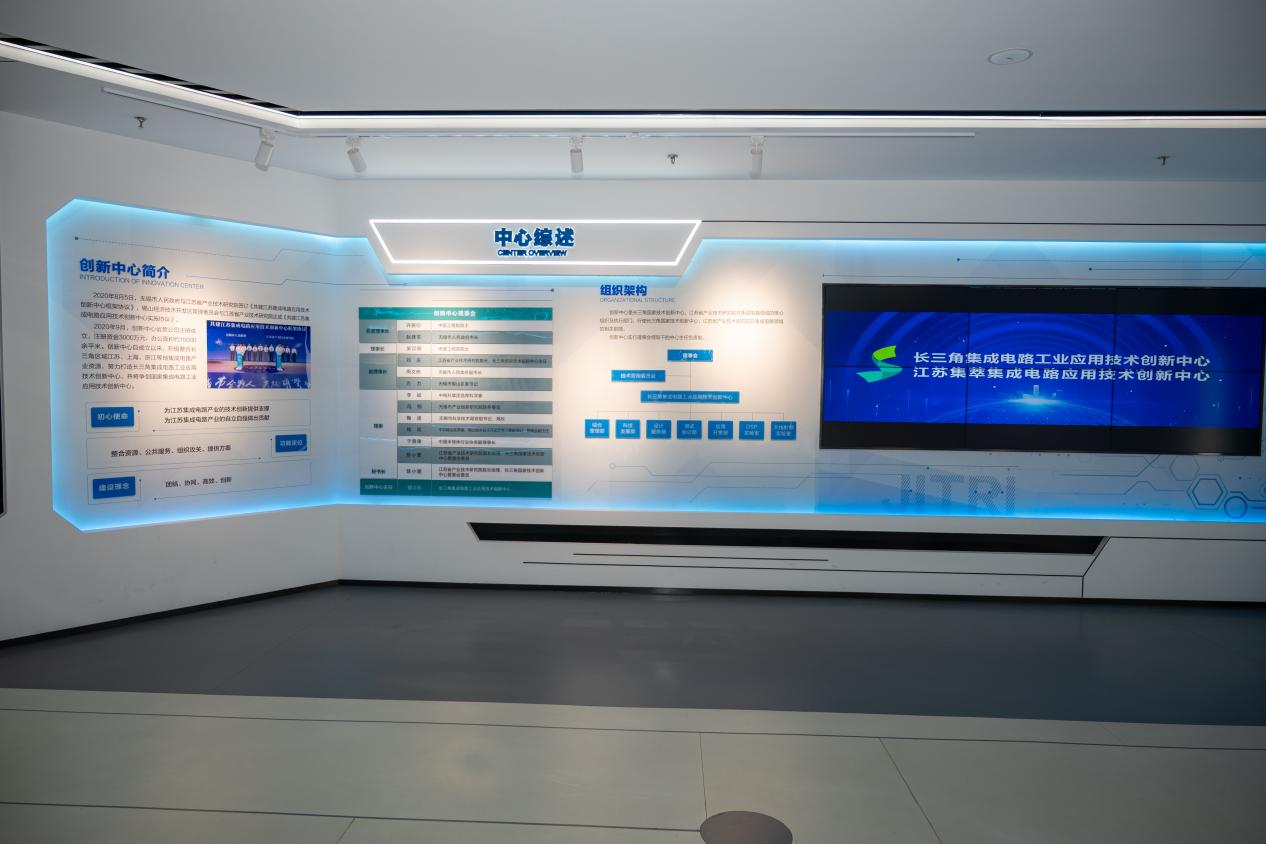
长三角集成电路工业应用技术创新中心:科产融合构建“芯”生态
Zhong Guo Jin Rong Xin Xi Wang· 2025-11-13 12:04
Core Viewpoint - The article highlights the role of the Yangtze River Delta Integrated Circuit Industrial Application Technology Innovation Center in Wuxi as a key driver for deep integration of technological and industrial innovation, focusing on the industrial chip sector to foster high-quality development in the integrated circuit industry in Wuxi and the Yangtze River Delta region [1]. Group 1: Resource Integration through Innovative Models - The Innovation Center, established by the Jiangsu Provincial Industrial Technology Research Institute, Wuxi Municipal Government, and Xishan Economic and Technological Development Zone, is responsible for integrating innovation resources, driving application demands, and enhancing industrial capabilities [2]. - The center has developed a unique mixed-ownership operational system that aligns individual interests with the long-term development of the institution, fostering intrinsic motivation among teams [4]. - The "VIDM" (Virtual IDM) collaborative model allows the center to avoid direct competition with industry chain enterprises, instead focusing on industrial integrated circuit application demands and creating a stable supply chain platform with independent intellectual property rights [4]. Group 2: Platform Development and Service Enhancement - In September, the center unveiled the vehicle-grade chip pilot service platform at the 2025 Integrated Circuit (Wuxi) Innovation Development Conference, providing comprehensive services for automotive chip companies [5]. - The center has established several core platforms, including a vehicle-grade chip testing platform and a full-process design capability platform, which significantly reduce R&D barriers and cash flow pressures for small and medium-sized enterprises [7]. - The full-process service system supports the maturation of market-potential technologies from inception to implementation [8]. Group 3: Technology Transformation Leading Industry Breakthroughs - The center focuses on accurately identifying and responding to the "real technical needs" of enterprises, employing a model that allows for targeted problem-solving and competitive development among multiple teams [9]. - For instance, the center successfully addressed a supply crisis for medical device chips faced by Yuyue Medical by compressing the certification process from years to months through collaborative efforts with regulatory bodies [9]. - To enhance efficiency, the center has introduced a "racehorse system" in project development, ensuring optimal solutions through competitive milestones [9].
研判2025!中国便携式肺功能仪行业发展背景、产业链、发展现状、企业分析及未来前景展望:人口老龄化带动需求,行业市场规模有望持续增长[图]
Chan Ye Xin Xi Wang· 2025-11-13 01:17
Core Insights - The portable spirometer market in China is projected to reach 444 million yuan in 2024, reflecting a year-on-year increase of 9% driven by policy support and rising demand [1][7]. Industry Overview - Portable spirometers are essential medical devices for lung function testing, first introduced by Breath Home in 2014, and have received certifications from NMPA, FDA, and CE [3]. - These devices are compact, easy to carry, and suitable for various settings, including community health service centers and home monitoring, facilitating early detection of chronic respiratory diseases [3][4]. Market Dynamics - The aging population in China is increasing, with the elderly population expected to reach 219.69 million by the end of 2024, contributing to a higher prevalence of chronic respiratory diseases and a growing demand for lung function tests [4]. - The number of medical institutions in China is projected to reach 1,093,600 by 2024, a year-on-year increase of 2.13%, indicating a growing market for portable spirometers [5]. Competitive Landscape - The market has historically been dominated by international brands like Jaeger and R spirometry, but domestic companies such as Mindray, Yuyue Medical, and Kangtai Medical are gaining market share through innovation and expansion [9]. - Mindray reported a revenue of 25.834 billion yuan in the first three quarters of 2025, a decrease of 12.38% year-on-year, while Kangtai Medical achieved a revenue of 344 million yuan in the first half of 2025, an increase of 3.03% year-on-year [10][11]. Development Trends - The industry is expected to see continuous technological innovation and product upgrades, with the integration of IoT, big data, and AI enhancing the precision and intelligence of portable spirometers [11]. - Competition is intensifying as both domestic and international brands increase R&D investments and market efforts, leading to potential mergers and acquisitions within the industry [12]. - The pace of domestic substitution is accelerating, with local manufacturers poised to replace imported products as they enhance their technological capabilities and market presence [13].


从“世界橱窗”到“国民卖场”:中国健康消费正在换挡提速
Zhong Guo Xin Wen Wang· 2025-11-12 14:31
Core Insights - JD Health is expanding its partnerships with over 20 multinational pharmaceutical companies, focusing on a comprehensive health ecosystem rather than just selling medications [1] - During the 11.11 shopping festival, JD Health reported that over 7,000 brands saw their transaction volumes double year-on-year across its pharmaceutical, nutritional, and medical device sectors [1] - The company has established a robust supply chain that supports the rapid launch of innovative drugs, exemplified by the swift introduction of a new drug within just 7 days [4] Group 1: Supply Chain and Innovation - JD Health has become the preferred online channel for multinational pharmaceutical companies to launch innovative drugs in China, with over 30 new drugs launched in the first half of the year [4] - The company has built a nationwide supply chain network with 33 warehouses, including 22 specialized cold chain warehouses, ensuring temperature-sensitive products are delivered safely [4] - The "JD Buy Medicine Fast Delivery" system can deliver medications in as little as 9 minutes, showcasing the efficiency of its logistics capabilities [4] Group 2: Market Expansion and Consumer Trends - The 11.11 festival saw over 2,500 pharmaceutical brands achieving transaction volumes that doubled year-on-year, highlighting JD Health's role in enhancing the accessibility of innovative drugs [5] - The nutritional supplement category has shown significant growth, with nearly 100 subcategories experiencing over 100% year-on-year growth during the same period [8] - Products like traditional health supplements saw transaction volumes increase by over 200%, indicating a shift towards more health-conscious consumer behavior [8] Group 3: Integrated Health Services - JD Health is transitioning from a transactional model to a comprehensive health service model, providing a full-service ecosystem that includes prevention, diagnosis, treatment, and long-term health management [7] - The integration of online consultations, rapid testing, and home healthcare services has created a seamless healthcare experience for users [8] - The company has expanded its health service offerings, with home healthcare orders increasing by 239% during the 11.11 festival [8] Group 4: AI and Digital Transformation - AI is being leveraged to enhance health service experiences, with JD Health integrating AI into clinical decision-making and health management [11] - The introduction of AI-driven health management tools has led to significant growth in medical device sales, with over 2,000 brands seeing transaction volumes double year-on-year [11] - AI personnel, including AI doctors and nutritionists, have significantly improved user engagement and satisfaction, with a 98% satisfaction rate reported [11] Group 5: Strategic Shift in Business Model - JD Health is evolving from merely being a sales platform to becoming a vital growth engine for global health brands, focusing on service depth and value co-creation [12] - The company is fostering a collaborative ecosystem with pharmaceutical companies, moving from channel partnerships to comprehensive ecosystem building [7]

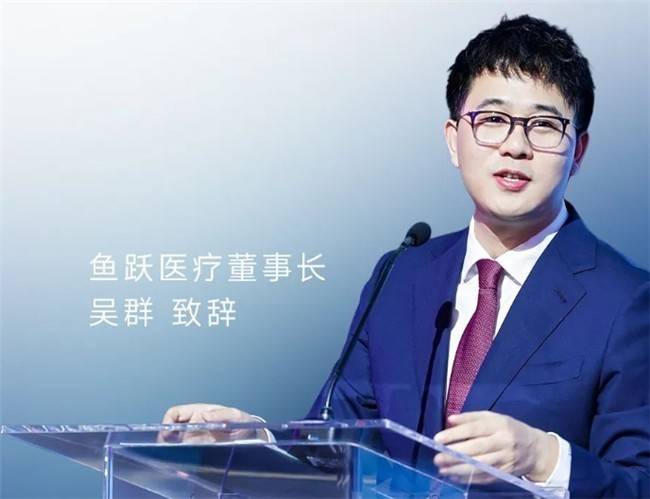
鱼跃医疗董事长吴群加速拥抱AI变革,全面布局“AI+医疗”行业
Sou Hu Cai Jing· 2025-11-12 10:13
Core Insights - The "AI + healthcare" industry in China is transitioning from rapid growth to a more refined approach, with a focus on intelligent hardware upgrades and the construction of an AI health application ecosystem [1][3][6] Group 1: Strategic Focus - The chairman of Yuyue Medical, Wu Qun, has outlined three strategic directions: globalization, digitalization, and wearability, to enhance the application of AI in healthcare [3][5] - Yuyue Medical is actively investing in R&D to accelerate product innovation and improve the intelligence level of its medical hardware through AI technology [3][6] Group 2: Product Development - Yuyue Medical has launched several AI-enhanced products, including the Anytime 5 series CGM and myPAD series AED, which feature advanced algorithms and smart connectivity [3][6] - The Anytime 5 series CGM has a MARD value of 8.58% and a wear time of 16 days, catering to various blood glucose monitoring needs [3] - The myPAD series AED can intelligently match energy requirements for adults and children, supporting cloud data analysis and efficient integration with smart emergency platforms [3][6] Group 3: Health Management Integration - The integration of AI in healthcare is expected to transform health management by creating a comprehensive system covering prevention, monitoring, intervention, treatment, and rehabilitation [6][8] - Yuyue Medical is developing its own medical AI model and has launched the AI Agent health manager, which collaborates with medical devices to collect and manage health data [6][8] - This new system aims to break down data barriers between patients and healthcare providers, enhancing diagnostic efficiency and encouraging proactive health management among patients [8]
A股生物医药行业2025三季报总结:创新药及产业链持续高景气,关注反转标的
Guoxin Securities· 2025-11-11 11:04
Investment Rating - The investment rating for the biopharmaceutical industry is "Outperform the Market" (maintained) [2] Core Insights - The biopharmaceutical industry in A-shares has shown marginal improvement in revenue and profit performance in Q3 2025, with a continued high prosperity in innovative drugs and the industry chain [6][7] - The innovative drug sector has demonstrated robust growth, with a revenue increase of 21.41% year-on-year in the first three quarters of 2025, while the CXO sector also showed significant growth [6][10] - There is a focus on undervalued turnaround targets in the medical device and pharmacy sectors, which have shown signs of stabilization and recovery [6][20] Summary by Sections Financial Summary - In the first three quarters of 2025, A-share pharmaceutical companies achieved a total revenue of 17,480.2 billion yuan, a year-on-year decrease of 1.22%, and a net profit of 1,355.8 billion yuan, down 1.00% year-on-year [6][7] - The innovative drug sector generated revenue of 485.6 billion yuan (+21.41%) and a net profit of -4.6 billion yuan, significantly reducing losses [6][10] - The CXO sector reported revenue of 698.7 billion yuan (+11.66%) and a net profit of 163.9 billion yuan (+56.78%) [6][15] Innovative Drug Sector - The innovative drug sector's revenue for Q3 2025 reached 191.7 billion yuan (+50.66%), with a net profit of 13.1 billion yuan (+155.49%) [10] - The growth in revenue is attributed to the rapid commercialization of innovative drug products and milestone payments from product licensing [10][11] CXO Sector - The CXO sector's revenue for Q3 2025 was 247.5 billion yuan (+10.03%), with a net profit of 51.1 billion yuan (+47.69%) [15] - The sector continues to show mid-to-high-speed growth, although there is some internal differentiation among companies [15] Medical Device Sector - The medical device sector reported revenue of 1,776.8 billion yuan (-2.26%) and a net profit of 265.9 billion yuan (-14.05%) in the first three quarters of 2025 [20] - The sector is expected to recover gradually, with recommendations to focus on leading companies benefiting from domestic demand and international expansion [20] Traditional Chinese Medicine Sector - The traditional Chinese medicine sector achieved revenue of 2,548.7 billion yuan (-3.58%) and a net profit of 302.6 billion yuan (-0.85%) in the first three quarters of 2025 [18] - The sector is stabilizing, with ongoing risks from national procurement policies [18] Life Sciences Upstream - The life sciences upstream sector reported revenue of 96.6 billion yuan (+7.96%) and a net profit of 8.6 billion yuan (+32.08%) in the first three quarters of 2025 [24] - The sector is expected to see improvements in demand as inventory depletion phases out and companies increase R&D investments [25]

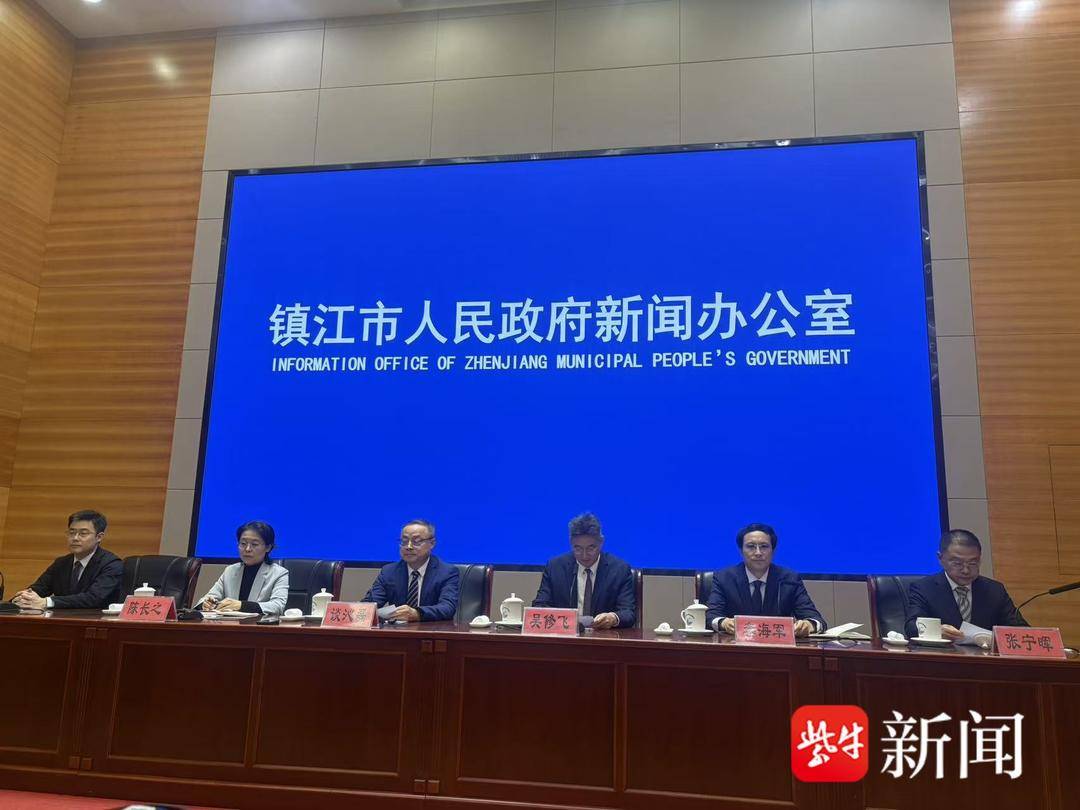
镇江:多维发力落实国家重大战略 书写高质量发展答卷
Yang Zi Wan Bao Wang· 2025-11-11 09:30
Core Viewpoint - Zhenjiang is actively integrating into national major development strategies, focusing on high-quality completion of the 14th Five-Year Plan through collaborative development, ecological protection, and open cooperation [1][3]. Group 1: Regional Coordination and Integration - Zhenjiang is advancing the integration of the Ning-Zhen-Yang area, focusing on the G312 industrial innovation corridor, enhancing transportation connectivity, and fostering industrial collaboration [4]. - The city has improved public services through shared educational and healthcare resources, achieving significant results in industrial cooperation with over 50% of new projects during the 14th Five-Year Plan period being linked to Ning-Zhen enterprises [4]. Group 2: Ecological Development - Zhenjiang has prioritized ecological civilization, achieving a PM2.5 annual average concentration of 35 micrograms per cubic meter by 2024, the best level recorded [5]. - The city has maintained a 100% rate of good water quality in surface water monitoring points for three consecutive years and has established a comprehensive ecological protection system [5]. Group 3: Transportation Infrastructure - The transportation sector in Zhenjiang is enhancing its modern comprehensive transportation system, with the port expected to handle 295 million tons of cargo by 2024, ranking among the top 20 ports in China [6][7]. - Significant improvements in road and rail networks have been made, including the completion of major highways and the development of rural transportation [7]. Group 4: Innovation and Economic Development - Zhenjiang ranks 100th globally in the 2025 Global Innovation Index, with a strong focus on cultivating specialized and innovative enterprises [8]. - The city has seen a trade volume of 42.37 billion yuan with Belt and Road countries from January to September, accounting for 51.7% of its total imports and exports [8]. Group 5: Support and Collaboration - Zhenjiang has invested 1.833 billion yuan in 353 support projects, fostering collaboration with regions like Tibet and Xinjiang, and creating significant employment opportunities [9]. - The city is leveraging its planning period to enhance regional collaboration, innovation, and public welfare, aiming to contribute more significantly to provincial development [9].
强势股追踪 主力资金连续5日净流入94股
Zheng Quan Shi Bao Wang· 2025-11-11 08:55
Core Insights - The article highlights the significant net inflow of main funds into various stocks, with a total of 94 stocks experiencing a net inflow for five consecutive days or more as of November 11 [1] Group 1: Main Fund Inflows - Han's Meditech (寒武纪-U) leads with a continuous net inflow for 54 days, totaling 6.722 billion yuan [1] - Industrial and Commercial Bank of China (工商银行) follows with a net inflow of 1.225 billion yuan over 7 days [1] - The top stocks by net inflow days include: - Han's Meditech (54 days) - CITIC Bank (中信银行) (10 days) - China Communications Construction (交通银行) (8 days) [1] Group 2: Performance Metrics - Han's Meditech (寒武纪-U) has a cumulative increase of 42.40% during the inflow period [1] - Huazhong City A (华侨城A) shows a significant increase of 22.08% over the last 6 days [1] - Other notable performers include: - Wanhua Chemical (万华化学) with a 10.31% increase - China Film (中国电影) with a 34.51% increase [1] Group 3: Fund Inflow Proportions - Huazhong City A (华侨城A) has the highest proportion of net inflow to trading volume at 15.29% [1] - Other stocks with notable inflow proportions include: - Shenzhou Digital (神州数字) at 8.05% - CITIC Bank (中信银行) at 12.50% [1]


