阿迪达斯

Search documents
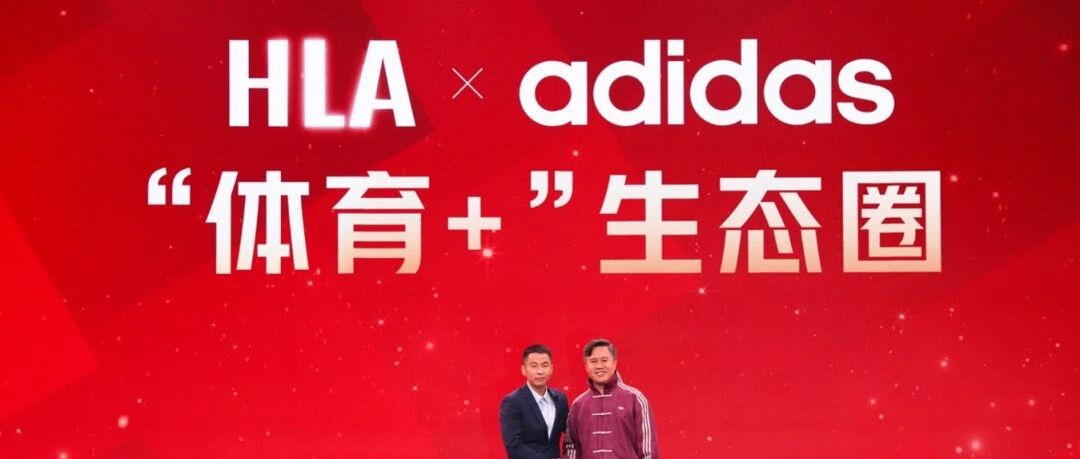
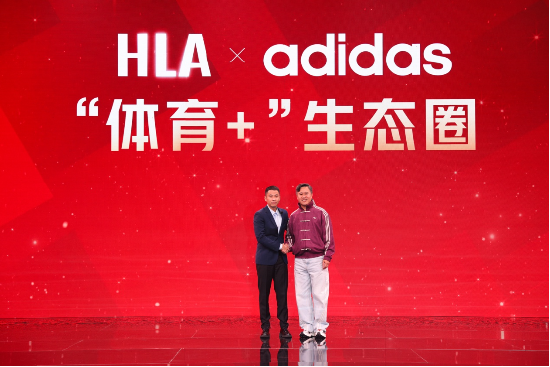
海澜之家与阿迪达斯携手共建“体育+”生态圈
新浪财经· 2025-12-31 12:32
Core Viewpoint - The collaboration between HLA and Adidas has evolved from traditional commercial cooperation to a comprehensive "Sports +" ecosystem, aiming to enhance both brands' market reach and social impact [2][16]. Group 1: Partnership Overview - HLA and Adidas announced a two-year partnership upgrade to co-create the "HLA × Adidas Sports +" ecosystem, focusing on resource complementarity and broader consumer engagement [2][4]. - The partnership will leverage HLA's extensive retail channels and Adidas's advanced sports technology to enhance competitiveness in the sports and leisure market [6]. Group 2: Ecosystem Development - The collaboration will focus on three main pillars: systematic upgrades to the "Lan Run Study Club," enhancement of the "One More Gram of Warmth" charity initiative, and the launch of a commemorative sweatshirt for the Year of the Horse [4][6]. - The "Lan Run Study Club" aims to provide a platform for runners, with its flagship event, the HLA POW "King Challenge," attracting over 10,000 participants and achieving over a million views in live broadcasts [8][9]. Group 3: Social Responsibility - The "One More Gram of Warmth" initiative has reached over 30,000 students across 1,700 schools since its inception in 2014, focusing on providing sports support to children in remote areas [12]. - This initiative reflects the "business for good" philosophy, integrating social responsibility into the ecosystem and promoting equitable access to sports education [12]. Group 4: Product Launch - The HLA x Adidas Year of the Horse commemorative sweatshirt combines Chinese zodiac culture with international sports design, catering to year-end consumer demand and marking the first product of the "Sports +" ecosystem [13][14]. Group 5: Strategic Implications - The partnership signifies a shift from mere channel and product integration to a holistic approach encompassing brand value, user engagement, and social responsibility [16]. - This collaboration serves as a benchmark for the apparel and sports industry, demonstrating that breaking traditional boundaries can create new opportunities for sustainable growth and social value [16].


耐克中国自救,从给在华高管加速放权开始
2 1 Shi Ji Jing Ji Bao Dao· 2025-12-31 09:11
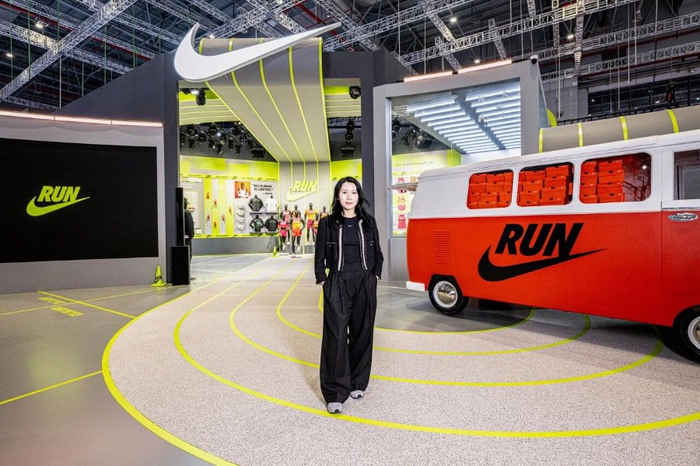
Core Insights - Nike is facing significant market pressure in China, necessitating a more flexible operational mechanism and empowering local teams [3][4] - The appointment of Dong Wei as the CEO of Greater China reflects Nike's strategy to enhance collaboration and adapt to local market conditions [1][2] Group 1: Market Performance - Nike's sales in China have declined by 16% year-on-year to $1.423 billion, with EBIT dropping by 49% [4] - Direct sales have decreased by 18%, with digital sales down 36% and store sales down 5%, while wholesale business fell by 15% [4] - The brand is perceived as a discount brand, impacting its high-end market positioning and leading to increased discount sales and higher return rates [4] Group 2: Competitive Landscape - The Chinese sports market is becoming increasingly competitive, with domestic brands gaining market share [5][6] - Adidas's market share in China has dropped from 15% in 2021 to 8.7% in 2024, while Nike's share decreased from 18.1% to 16.2% [6] - Domestic brands like Anta and Li Ning are also experiencing growth challenges, with Anta reporting low single-digit growth and Li Ning experiencing a decline in retail sales [6] Group 3: Strategic Adjustments - Nike is working to reshape its brand image in China by reducing discount rates and focusing on maintaining its premium positioning [7][9] - The company plans to upgrade key stores and has seen a 25% increase in sales for upgraded product lines [10] - Nike is also reducing its spring product distribution and cutting summer product purchases to improve sales rates and full-price sales [11] Group 4: Continued Investment - Despite challenges, Nike remains confident in the Chinese market, as evidenced by the launch of its first creative center outside the U.S. in Shanghai [11] - The establishment of the Nike China Sports Research Lab in Shanghai further demonstrates the company's commitment to the market [11][12] - Nike's marketing strategies, including collaborations with local sports stars, highlight its deep integration into the Chinese market [12]

耐克中国自救,从给在华高管加速放权开始丨小贺说
2 1 Shi Ji Jing Ji Bao Dao· 2025-12-31 08:47
Core Insights - Nike is facing significant market pressure in China, necessitating a more flexible operational mechanism and empowering local teams [1][3] - The company has appointed regional leaders, including the promotion of Dong Wei to a higher management level, to enhance collaboration and accelerate the Win Now plan [1][3] - Nike's sales in China have declined by 16% year-on-year to $1.423 billion, with EBIT dropping by 49% [3][4] Company Performance - Nike's direct business in China has seen an 18% decline, with digital sales down 36% and store sales down 5% [3] - The wholesale business has also decreased by 15%, indicating broader challenges in the market [3] - Increased discount sales and higher return rates have negatively impacted profitability in the Greater China region [4] Market Competition - The competitive landscape in the Chinese sports market is intensifying, with domestic brands gaining market share [5][6] - Nike's market share has decreased from 18.1% to 16.2%, while Adidas has dropped from 15% to 8.7% [6] - Domestic brands like Anta and Li Ning are experiencing growth, with Anta's market share increasing from 9.8% to 10.5% [6] Strategic Adjustments - Nike is working to reshape its brand image in China by reducing discount rates to maintain its premium positioning [7][9] - The company plans to upgrade key stores and has seen a 25% increase in sales for upgraded product categories [10] - Nike is also reducing inventory levels, with a 20% decrease in stock compared to the previous year, and is adjusting its product procurement strategy [10] Future Outlook - Despite current challenges, Nike remains confident in the Chinese market, as evidenced by the launch of its first creative center outside the U.S. in Shanghai [11] - The company continues to leverage its marketing strengths by collaborating with local sports stars and engaging in significant events like the National Games [11] - The recent management changes reflect Nike's response to the evolving market dynamics in China [11]
年终盘点|“体育小年”暗潮涌动,运动品牌开启商圈争夺战
Di Yi Cai Jing· 2025-12-31 08:39
Core Insights - The competition among sports brands in China is intensifying, with both new and established brands striving for market share and quality [1][5][7] - The outdoor sports market is projected to reach a scale of 602.1 billion yuan by 2025, with a year-on-year growth of 14.2% [1] - New brands like Norrøna and Haglöfs are entering the Chinese market, while established brands are adapting their strategies to maintain relevance [2][4][10] Market Dynamics - The entry of new brands into shopping centers is reshaping the retail landscape, with a notable shift from beauty and fashion stores to sports brands [2][5] - Haglöfs has rapidly expanded its presence, opening nearly 20 stores in high-end malls across major cities [4] - The demand for sports brands is increasing as they become key attractions in urban commercial areas, appealing to a broader customer base compared to traditional beauty brands [5] Brand Strategies - Nike is undergoing a transformation, facing challenges with a 1% revenue growth and a 32% decline in net profit in its latest financial report [7][8] - Adidas has successfully implemented a localized strategy, achieving ten consecutive quarters of growth in the Greater China region, with a 10% increase in Q3 revenue [10] - Both companies are focusing on enhancing their product offerings and operational strategies to adapt to the evolving market [9][10] Innovation and Collaboration - The Chinese government is promoting high-quality development in the sports industry, encouraging collaboration between sports companies and research institutions [11][14] - Adidas is partnering with the National Sports General Administration to optimize children's sports equipment, while Li Ning collaborates with Hong Kong Polytechnic University for sports science research [13][14] - These collaborations signify a shift from scale expansion to quality enhancement in the sports industry, aiming to elevate China's sports goods sector in the global value chain [14]

物流脱碳机遇可观 龙头引领亟待扩展
Zhong Guo Fa Zhan Wang· 2025-12-31 08:03
Core Insights - The report highlights that leading cargo companies are leveraging China's advancements in renewable energy technology and infrastructure to implement logistics carbon accounting, switch to electric trucks, and adopt multimodal transport models [1][2] Group 1: Green Logistics Initiatives - 63% of evaluated companies have adopted new energy vehicles for logistics, while 41% are experimenting with clean fuels in shipping or air transport [2] - 77% of companies are focused on improving transportation efficiency, with firms like Decathlon and Geely increasing the application and range of new energy trucks [2] - Over half of the companies are also paying attention to emissions reduction in warehousing [2] Group 2: Emission Data Disclosure - More than 90% of cargo companies disclose their logistics-related carbon emissions, with 35% of companies like VF and Inditex using ISO14083 or GLEC frameworks for more accurate carbon accounting [2] - 41% of companies collect data on logistics suppliers' activities or emissions, with firms such as Puma and Lenovo encouraging suppliers to disclose climate information [2] Group 3: Recommendations for Scaling Decarbonization Efforts - The report suggests creating a supportive external environment to help leading companies scale their decarbonization pilot projects [3] - It recommends sharing best practices from leading companies to encourage more firms to adopt similar strategies [3] - Companies are advised to establish quantifiable decarbonization targets for logistics activities and incorporate carbon intensity metrics into supplier evaluations and procurement decisions [3]





Lululemon夺权风暴
Bei Jing Shang Bao· 2025-12-30 16:04
Core Viewpoint - Lululemon's founder Chip Wilson has initiated a proxy fight to restructure the board, expressing dissatisfaction with the company's current direction and performance under the existing management [1][3]. Group 1: Founder’s Discontent - Chip Wilson plans to nominate three independent board candidates for the 2026 shareholder meeting, citing a lack of visionary leadership in the current board [3]. - Wilson believes that Lululemon needs creative leadership to regain stakeholder confidence and business growth momentum, which he feels is currently lacking [3]. - The recent resignation of CEO Calvin McDonald, effective January 31, 2026, marks a significant leadership change, as he has been credited with growing Lululemon's revenue from $3.3 billion to over $10 billion [3][6]. Group 2: Strategic Challenges - Lululemon has expanded from a niche yoga brand to a broader lifestyle brand, facing challenges in balancing professionalism and fashion, as well as extending its brand appeal to male consumers [4]. - Wilson has criticized the current management for causing a "loss of cool" for the brand, emphasizing the need for creative talent rather than purely financial-focused leadership [4]. - The proxy fight reflects a strategic debate over whether Lululemon should pursue a premium brand positioning or a more value-oriented approach in a polarized consumer market [5]. Group 3: Financial Performance - In fiscal year 2024, Lululemon reported a 10% year-over-year revenue increase to $10.6 billion and a net profit of $1.815 billion, up 17.06% [6]. - However, revenue growth has slowed in fiscal year 2025, with Q1 revenue at $2.371 billion (up 7.32%) and Q3 revenue at $2.57 billion (up 7%), while net profit declined by approximately 12.8% in Q3 [6][9]. - The Americas market saw a 2% revenue decline to $1.7 billion in Q3 2025, which constitutes 68% of total revenue, indicating challenges in the core market [9]. Group 4: Market Dynamics in China - Lululemon's performance in China has been a bright spot, with Q2 revenue growth of 25% and Q3 growth of 46%, making it a key driver for international business [7]. - Despite strong growth, Lululemon faces increasing competition from both international brands like Nike and Adidas and local brands such as Anta and Li Ning [7][8]. - The brand's market share in China is still under 20% of total revenue, suggesting that while the Chinese market is performing well, it may not significantly impact overall growth [9].

海澜之家与阿迪达斯携手共建“体育+”生态圈
Xin Lang Cai Jing· 2025-12-30 10:24
Core Insights - HLA and Adidas have announced an upgrade to their two-year channel cooperation, officially establishing the HLA × Adidas "Sports +" ecosystem [1][10] - The partnership aims to achieve resource complementarity, with HLA opening all-channel scenarios to help Adidas reach a broader consumer base, while Adidas injects professional sports technology and brand value to enhance HLA's competitive edge in the sports leisure category [3][13] Group 1: Ecosystem Development - The collaboration will focus on three main pillars: systematic upgrades to the "Lan Run Study Club," comprehensive upgrades to the "One More Gram of Warmth" public welfare IP, and the launch of the HLA x Adidas Year of the Horse Spring Festival commemorative sweatshirt [3][13] - By mid-2025, over 500 Adidas FCC stores are expected to be established across various provinces and cities in China, integrating both brands deeply into the retail landscape of second to fifth-tier cities [4][14] Group 2: Community and Social Responsibility - The "Lan Run Study Club" is set to become a key component of the ecosystem, providing a platform for runners to share and empower each other, with its core event, the HLA POW "King of Gods Challenge," attracting over 10,000 participants from 22 provinces and achieving over a million views in live broadcasts [5][6][15] - The "One More Gram of Warmth" public welfare initiative, which has reached over 30,000 students across 1,700 schools since its launch in 2014, will focus on providing sports support to children in remote areas, promoting equitable access to sports education [7][16] Group 3: Product Innovation - The HLA x Adidas Year of the Horse Spring Festival commemorative sweatshirt combines Chinese zodiac culture with international sports design, catering to year-end consumer demand and marking the first product collaboration within the "Sports +" ecosystem [8][17] - This product aims to convey a positive message of progress and vitality, reflecting a blend of cultural confidence and sports energy [8][17] Group 4: Strategic Implications - The partnership signifies a shift from traditional channel and product integration to a new phase of ecological integration that encompasses brand value, user engagement, and social responsibility [10][19] - The collaboration serves as a benchmark for the apparel and sports industry, demonstrating that leading brands can break through competitive stagnation by creating a new landscape that integrates user emotions, professional value, and social significance [11][19]
海澜和阿迪,为什么越抱越紧了?
虎嗅APP· 2025-12-30 09:21
Core Viewpoint - The collaboration between HLA (海澜之家) and adidas marks a significant shift in their business strategies, moving from traditional sales channels to a deeper partnership that emphasizes brand co-creation and a shared vision for a "Sports+" ecosystem [2][14]. Group 1: Partnership Development - HLA and adidas have a history of collaboration dating back to 2022, when HLA's subsidiary established a brand called Sibozi, which became a channel partner for adidas in lower-tier cities [5][6]. - In 2024, HLA gained control of Sibozi and transitioned their partnership with adidas from simple sales to joint operations, indicating a deeper integration of their business models [6][9]. - The launch of the adidas FCC (Future City Concept) stores represents a key strategic initiative, with HLA managing store operations and adidas providing exclusive product lines aimed at affordability and mass appeal [7][9]. Group 2: Market Insights and Trends - The partnership is a response to the "Marathon Cycle," a term describing the surge in sports consumption as GDP per capita exceeds $5,000, reflecting a shift in consumer focus towards quality of life and health management [19][20]. - Both brands have effectively tapped into this cycle, with adidas leveraging high-profile marathon sponsorships and HLA enhancing its brand presence through substantial event sponsorships and consumer engagement [20][22]. Group 3: Consumer Engagement and Brand Strategy - HLA's strategy includes creating high-value experiences for consumers, such as providing premium race kits and engaging in community-driven events, which enhance brand loyalty and consumer trust [24][26]. - The collaboration aims to expand HLA's market reach from a traditional men's clothing brand to a comprehensive lifestyle brand catering to all age groups and fitness enthusiasts, supported by adidas's expertise in sports [25][30]. - HLA's community initiatives, like the "Lan Run Study Club," focus on fostering a sense of belonging and shared experiences among consumers, which is crucial in the current market landscape [28][30].

海外运动鞋服行业25Q3财报总结:25Q3整体营收增速放缓,毛利率表现分化,多数费率提升
GF SECURITIES· 2025-12-30 06:53
Investment Rating - The industry rating is "Buy" [5] Core Insights - In Q3 2025, the overall revenue growth of overseas sports footwear and apparel companies slightly declined compared to Q2 2025, with a mixed performance in gross margins and an increase in most companies' SG&A expenses [5][12] - Brands focusing on niche segments like running and outdoor activities, such as ANTA, ASICS, and Deckers Outdoor, maintained high revenue growth rates, with ANTA growing by 34.5%, ASICS by 20.4%, and Deckers by 8.3% [12][13] - Most overseas sports footwear and apparel companies continued to show positive revenue growth, with notable performances from Skechers [12] - Revenue growth rates varied by region, with North America, Europe, and Greater China showing different trends; Europe had the best performance in Q3 2025 [5][20] - The apparel category showed stronger resilience in sales compared to footwear in Q3 2025 [5][25] Summary by Sections Section 1: Revenue Growth and Margin Performance - In Q3 2025, the revenue growth of overseas sports footwear companies decreased slightly compared to Q2 2025, with most companies experiencing an increase in SG&A expenses [5][12] - The revenue growth rates for major brands in Q3 2025 included Adidas at 8%, Lululemon at 7.1%, and ASICS at 20.4% [13][18] Section 2: Inventory Levels - Most overseas sports footwear companies saw an increase in inventory turnover ratios in Q3 2025, but overall inventory levels remained manageable [5][12] Section 3: Revenue Guidance for Fiscal Year 2025 - Compared to 2024, many companies have lowered their revenue growth guidance for the current fiscal year, although brands like Adidas, ANTA, and Lululemon have raised their full-year guidance for 2025 [5][18] Section 4: Investment Recommendations - Despite the slight decline in revenue growth and rising inventory turnover ratios, the long-term outlook for the sports footwear industry remains positive, driven by upcoming major sporting events and a recovery in order placements [5][18]



Can NIKE's "Sport Offense" Reignite Growth Across Key Markets?
ZACKS· 2025-12-29 16:50
Core Insights - NIKE Inc. is implementing a "Sport Offense" strategy to reset momentum after facing uneven demand and channel imbalances, focusing on sport-led, athlete-driven innovation [1][8] - The strategy aims to enhance product creation and storytelling by aligning more closely with key sports, cities, and athletes, thereby rebuilding brand heat and restoring premium positioning [1][2] Performance and Growth - Early indicators show that the Sport Offense strategy is gaining traction in North America, particularly in performance categories like Running and Basketball, which are driving growth [2][8] - The approach emphasizes faster innovation cycles, clearer segmentation by sport and price point, and tighter collaboration with wholesale partners, leading to improved sell-through and reduced reliance on promotions [2] Market Challenges - Execution risks persist, especially in international markets like Greater China, where NIKE is working to reassert its premium identity in a competitive environment [3] - EMEA and APLA regions are still in the early stages of adopting the Sport Offense framework, suggesting that results may be inconsistent in the short term [3] Competitive Landscape - Key competitors include adidas AG and lululemon athletica inc., both of which are also focusing on performance-led categories to regain growth and brand momentum [4][5][6] - adidas is concentrating on core sports and reducing discount dependency, while lululemon is expanding its market through technical innovation and community engagement [5][6] Financial Metrics - NIKE shares have decreased by 12.6% over the past three months, compared to an 11.4% decline in the industry [7] - The forward 12-month price-to-earnings ratio for NIKE is 29.31X, higher than the industry average of 26.36X [9] - The Zacks Consensus Estimate indicates a year-over-year earnings decline of 27.3% for fiscal 2026, followed by a projected growth of 55.5% for fiscal 2027 [10]