优衣库

Search documents
亲子萌趣、潮流个性、舒适通勤……优衣库京东超级品牌日更多美衣低至5折
Zhong Jin Zai Xian· 2025-09-12 13:26
Core Insights - Uniqlo's JD Super Brand Day launched on September 11, featuring a variety of products including the Uniqlo X Labubu collaboration and the CDC series, catering to diverse fashion needs for the autumn season [1][3] Product Offerings - The Uniqlo X Labubu collaboration includes various parent-child matching UTs, featuring popular designs from the THEMONSTERS series, with options like printed short-sleeve T-shirts and half-zip long-sleeve sweatshirts [3] - The event also showcases women's pants, the C series, and seasonal bestsellers, providing a rich selection of autumn apparel [5] - Notable items include comfortable cotton cropped pants, a stylish loose-cut shirt from the C series, and a corduroy short jacket from the CDC series, which combines practicality with fashion [5][6] Promotions - The event offers various promotions, including limited-time coupons for discounts up to 50% and store member vouchers of 50 off 500, enhancing the shopping experience [1]

日经BP精选:优衣库打造体验型门店培养孩子的自主决策能力
日经中文网· 2025-09-12 02:38
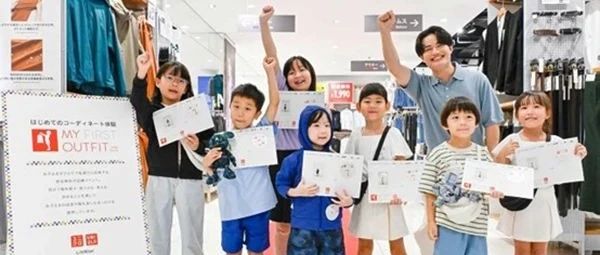
Group 1 - The core viewpoint of the article emphasizes Uniqlo's initiative to engage children in thinking about clothing coordination through interactive activities [5] - The event provides an opportunity to cultivate "independent thinking skills" among children, enhancing customer interaction [5] - In the era of e-commerce, the company is exploring the role of physical stores as "experience venues" [5]
朱啸虎:未来5到10年,中国还有三个巨大的时代红利
创业家· 2025-09-11 10:18
Core Viewpoint - The article discusses three major market opportunities in China over the next 5-10 years, highlighting the potential of the aging population, pet ownership, and the chain retail industry as significant areas for investment and growth [3][4][5][6][7]. Group 1: Market Opportunities - The aging population presents a significant market opportunity, with 20 million new retirees each year who have disposable income and time to spend, contributing to the silver economy [5]. - Pet ownership is on the rise, with households treating pets as family members, leading to substantial monthly expenditures on pet care [6]. - The chain retail industry in China is still underdeveloped compared to countries like the US, Japan, and Hong Kong, indicating a large potential for growth in this sector [7][8]. Group 2: Event Promotion - An immersive course titled "Black Horse Consumption Rise" will take place from October 17-19 in Shenzhen, featuring industry leaders who will share insights on product innovation and brand expansion in the current market landscape [10][11]. - The course aims to dissect how Japanese and Chinese consumer companies succeed in the current market, focusing on product innovation and the integration of technology with consumer needs [15][16]. Group 3: Insights from Industry Leaders - The article emphasizes the importance of transforming technology into user-perceived value, as demonstrated by successful Japanese companies like Sony and Uniqlo, which focus on understanding consumer needs rather than just technological specifications [15]. - AI is reshaping consumer products, and future market leaders will be those who can effectively merge demand with algorithmic solutions [15][18]. - The course will feature discussions on how to navigate the challenges of market saturation and competition, particularly in the context of AI-driven consumer products [18][19].

“中国线上消费品牌指数”亮相服贸会,淘宝天猫助力“品质消费”研究
Huan Qiu Wang Zi Xun· 2025-09-11 09:07
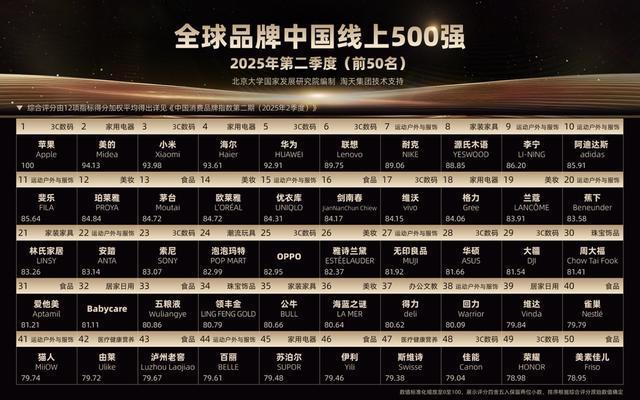
Core Insights - The "China Online Consumption Brand Index" (CBI) was prominently featured at the 2025 China International Service Trade Fair, showcasing its significance in measuring online consumer quality [1][3] - The CBI index reflects a shift towards higher quality consumption in China, with the average score increasing from 59.42 in Q1 2023 to 65.21 in Q2 2025, indicating a notable improvement in consumer brand quality [5][6] Group 1: CBI Index Overview - The CBI index is the first of its kind to utilize real consumer data to focus on high-quality development in online consumption, filling a gap in macroeconomic statistics regarding consumption quality [2][3] - The index includes various sub-indices such as the China Online Brand Purchasing Power Index and the Global Brand China Online 500 Strong list, providing insights at both national and regional levels [3] Group 2: Industry Insights - The highest CBI scores are found in the 3C and home appliance sectors, indicating a consumer preference for high-scoring brands in these categories [5] - Emerging sectors like pet products and jewelry are experiencing the fastest growth in CBI scores, reflecting an increasing consumer focus on quality and brand [5] Group 3: Regional Characteristics - New first-tier and second-tier cities exhibit stronger CBI scores, suggesting higher average consumption quality in these areas, while first-tier cities dominate in total purchasing power [5] - Regions with a high proportion of mobile populations show a balanced consumption quality and strong purchasing power [5] Group 4: Consumer Demographics - The middle-income group in China exceeds 400 million, providing a solid foundation for quality consumption growth, despite perceptions of a "white label era" [6] - The research indicates that new brands on the list share characteristics such as strong originality and a focus on product innovation in niche consumption scenarios [5]
悄悄卖爆衣服的京东
Sou Hu Cai Jing· 2025-09-10 15:45
这不是一次简单的渠道扩张,而更像是一场深思熟虑后的价值选择。它背后折射出的,不仅是优衣库自身在中国市场战略的调整,也是整个服饰行业在经 历高速增长与残酷内卷后,对"确定性"的集体渴望。 经过多年在中国市场的快速发展,优衣库已奠定了深厚的品牌基础。如今,面对日益成熟和多元化的消费市场,如何寻找新的增长引擎,开启下一段高质 量发展,成为了品牌面临的新课题。 优衣库的阵痛并非个例。增长停滞、利润下滑、库存高企,以及居高不下的退货率,像一座座大山压在每个服饰品牌心头。消费者同样疲惫,面对海量的 商品,"比价疲劳"与"品质焦虑"共存,"图片看着都一样,到手完全是两样东西"的落差感正不断消耗着他们的信任。 这片迷雾中,服饰品牌如履薄冰,试图寻找一艘"诺亚方舟"。而优衣库的选择,让许多人将目光重新投向了一个曾被认为是"时尚圈外人"的平台——京 东。 越来越多迹象表明,那个曾被固化为"3C数码"代名词的京东,正在服饰领域进行一场深刻变革。它不想仅仅只是一个销售渠道,而是想构建一个围绕服 饰品质与供应链效率的"增长主场"。 与即时零售领域一样,京东从来不想当牌局的"陪跑者",而是想当定义牌桌的人。 当外界的目光大多聚焦于京东在 ...

申洲国际20250910
2025-09-10 14:35
Summary of Shenzhou International Conference Call Company Overview - **Company**: Shenzhou International - **Industry**: Textile and Apparel Manufacturing Key Points and Arguments 1. **Vertical Integration Model**: Shenzhou International employs a vertical integration model that covers all production stages from fabric manufacturing to garment production, enhancing profitability and responsiveness to customer demands. The delivery cycle has been shortened to 45 days, and in some cases, even 15 days, which significantly improves supply stability, especially during crises [2][6][12] 2. **Southeast Asia Capacity Expansion**: The company has strategically expanded its production capacity in Southeast Asia to benefit from cost and tax advantages, thereby diversifying risks and ensuring stable deliveries. This move addresses rising labor costs in China and aligns with the global textile manufacturing shift towards Southeast Asia [2][8][12] 3. **Partnerships with Leading Brands**: Shenzhou International collaborates deeply with top brands like Nike and Uniqlo to co-develop innovative fabrics, which enhances product value and profitability. The partnerships focus not only on pricing but also on delivery times and quality, creating a win-win situation that accelerates revenue and profit growth [2][9][10] 4. **Financial Performance Trends**: From 2021 to 2023, the company faced challenges such as inventory buildup and pandemic-related restrictions, leading to a decline in net profit and asset turnover rates. The net profit dropped from approximately 22% to around 14%, and the asset turnover rate hit a record low [2][11] 5. **Future Outlook for 2024**: The company anticipates a recovery in profitability and asset turnover in 2024 due to industry restocking and capacity expansion. Shenzhou plans to increase its workforce and invest in new fabric factories, which will enhance overall profitability. The company does not face pressure from clients to share tariff costs, which helps maintain its competitive edge [2][12][15] 6. **Return on Equity (ROE) Analysis**: The ROE of Shenzhou International has varied over different periods, with a notable increase from 26% to 31% between 2008 and 2011 due to improved net profit margins. The company maintained a stable ROE of around 20% from 2012 to 2020, supported by strong capacity and quality client relationships [4][5][14] 7. **Challenges Faced**: The company encountered significant challenges from 2021 to 2023, including inventory pressure and operational disruptions due to the pandemic. These factors adversely affected profitability and operational efficiency [11][12] 8. **Current Financial Status**: The latest half-year report indicates significant revenue growth, although gross margins have been impacted by rising employee compensation. The company remains optimistic about continued revenue growth and potential margin recovery in the latter half of the year [15] Additional Important Insights - **Industry ROE Characteristics**: The apparel manufacturing industry exhibits significant ROE differences across various segments, with yarn production showing low profitability and turnover, while fabric production has high profitability but low turnover. Shenzhou's vertical integration allows it to achieve high profitability with lower turnover, placing it among the industry's top performers [13][14] - **Investment Confidence**: Shenzhou International's ongoing investments in capacity expansion and new facilities reflect its confidence in future growth, with a projected net profit of approximately 6.66 billion yuan for the year, corresponding to a PE ratio of about 12, indicating a safety margin in valuation [15]

悄悄卖爆衣服的京东
虎嗅APP· 2025-09-10 10:44
Core Viewpoint - The partnership between Uniqlo and JD.com signifies a strategic shift in the fashion industry, reflecting a collective desire for "certainty" amidst market challenges, including stagnating growth and high return rates [4][19][40]. Group 1: Strategic Shifts in the Fashion Industry - Uniqlo's collaboration with JD.com is not merely a channel expansion but a thoughtful value choice, indicating a strategic adjustment in Uniqlo's approach to the Chinese market [4][6]. - The fashion industry is experiencing a transformation as brands seek new growth engines and high-quality development in a mature and diversified consumer market [4][12]. - Brands are increasingly facing challenges such as stagnant growth, declining profits, and high inventory levels, leading to a collective fatigue among consumers [4][10]. Group 2: JD.com's Ambitions in Fashion - JD.com aims to redefine its role in the fashion sector, moving beyond being a mere sales channel to becoming a "growth main stage" focused on quality and supply chain efficiency [5][19]. - The company has been strategically investing in the fashion category since 2010, establishing a fashion division in 2017 and participating in international fashion weeks [8][12]. - JD.com's user profile aligns well with Uniqlo's target consumers, who prioritize quality and are willing to pay for it, making it an attractive platform for brands seeking stable growth [10][19]. Group 3: The Shift from Traffic to Quality Growth - The traditional e-commerce competition model of "traffic is king" has led to price wars and high return rates, prompting brands to seek platforms that offer quality growth [12][19]. - JD.com has developed a "cloud warehouse" model that optimizes inventory management for fashion brands, allowing for faster response to market changes [14][18]. - The collaboration between Uniqlo and JD.com emphasizes the importance of reliable service and consumer trust, enhancing the overall shopping experience [18][40]. Group 4: New Strategies for Brand Growth - JD.com introduced the "category penetration" and "brand dual 500" strategies to provide brands with more certainty in their operations, focusing on refined supply chain management [22][29]. - The "category penetration" strategy aims to create standout products that address consumer pain points, while the "brand dual 500" strategy focuses on deepening partnerships with both established and emerging brands [25][29]. - JD.com has seen significant growth in third-party merchants and brand numbers, indicating the effectiveness of its strategies in fostering a healthy brand ecosystem [31][39]. Group 5: The Future of the Fashion Industry - The fashion industry is undergoing a transformation where the focus is shifting from fleeting marketing tactics to providing lasting value for brands and consumers [41][42]. - JD.com is positioning itself as a key player in this new landscape by emphasizing quality growth and building trust within the consumer base [40][41]. - The collaboration with Uniqlo marks a pivotal moment in the industry, showcasing JD.com's commitment to redefining its role and enhancing the overall value proposition for fashion brands [36][39].

独家|优衣库正式入驻京东:小程序已上线,多款联名新品即将京东首发
Xin Lang Cai Jing· 2025-09-07 12:41
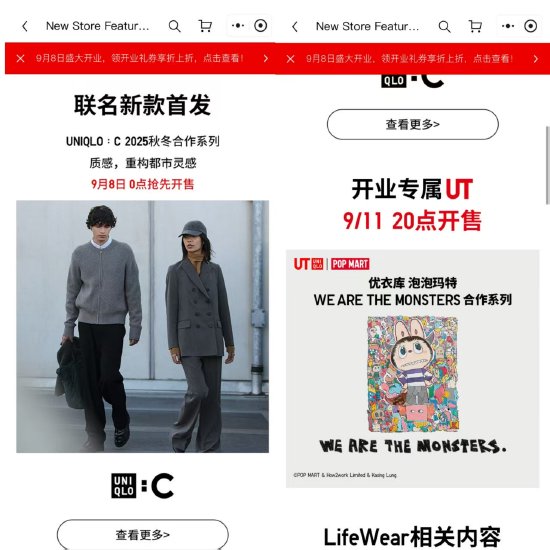
Group 1 - Uniqlo has partnered with JD.com, allowing users to access Uniqlo's official mini-program through the JD app, which includes nearly the entire product line [1][3] - JD.com's customer service confirmed that searching for "Uniqlo" on their homepage will redirect users to Uniqlo's mini-program [1] - Uniqlo's international designer collaboration series, including UNIQLO: C series and UNIQLO and COMPTOIR DES COTONNIERS 2025, will be launched on JD.com for domestic pre-sale [3] Group 2 - Uniqlo currently operates over 900 stores nationwide [3] - During the 618 shopping festival, JD.com's apparel category experienced a growth of 33.8%, contributing to the overall double-digit revenue growth for JD.com in the first half of the year [3]
朱啸虎:我们投消费品牌的标准就三个
创业家· 2025-09-07 10:11
Core Viewpoint - The article emphasizes the importance of the "3S theory" in evaluating consumer brands, which includes market size, product standardization, and defensibility against competition in the Chinese market [2][3][4]. Group 1: Market Evaluation Criteria - The market size should be substantial, ideally over 100 billion RMB [2]. - Products must be standardized and capable of large-scale replication [3]. - In China, it is crucial for brands to have defensibility due to the high level of competition [4][5]. Group 2: Brand Development Strategies - Successful consumer startups should focus on either product excellence or price competitiveness [9][10]. - For channel-focused businesses, achieving extreme pricing is essential, while brand-focused companies should prioritize product quality [11]. Group 3: Insights from Industry Leaders - The article mentions that despite the proliferation of new brands, only about 10 to 20 companies are likely to reach valuations exceeding 10 billion USD [8]. - The importance of understanding consumer needs and effectively translating technology into user-perceived value is highlighted, referencing successful Japanese brands like Sony and Uniqlo [16][17]. Group 4: Upcoming Educational Opportunities - The article promotes a three-day immersive course aimed at dissecting how Japanese and Chinese consumer companies succeed in the current market landscape, focusing on product innovation and brand globalization [12][18][21].
长沙又撤店?全球巨头,卷成前浪
Sou Hu Cai Jing· 2025-09-06 15:23
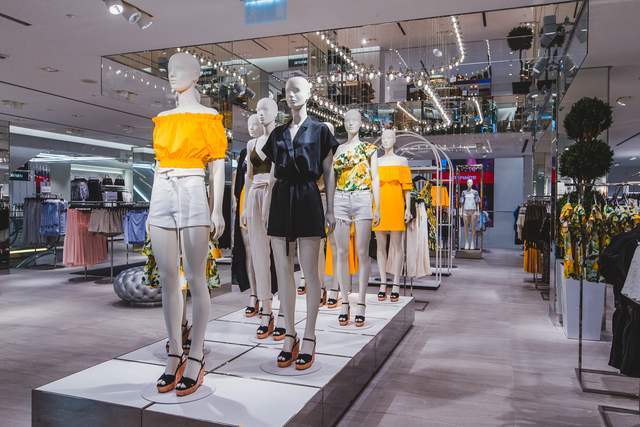
Core Insights - H&M is reportedly closing stores in Changsha, indicating a broader trend of contraction among international fast fashion brands in China [1][3][5] - The number of H&M stores in China has decreased from over 500 at its peak to less than 300, reflecting the challenges faced by international fast fashion brands [3][5][6] - H&M's recent financial report shows a 3% year-on-year increase in same-store sales for Q2 of fiscal year 2025, suggesting some recovery in major markets [7][8] Company Strategy - H&M is focusing on restructuring its retail network in China, closing underperforming stores while upgrading remaining locations [8][10] - The company is shifting from blind expansion to a more selective approach, aiming to enhance profitability by optimizing store locations [8][10] - Recent upgrades include flagship stores in key urban areas, with plans to create immersive shopping experiences [10][12] Industry Context - The fast fashion market in China has become increasingly competitive, with local brands rising and international brands struggling [5][6][12] - Other fast fashion brands, such as Zara and Uniqlo, are also reducing their presence in China, indicating a sector-wide trend [6] - The impact of e-commerce and domestic trends has made it difficult for international fast fashion brands to keep pace, leading to strategic adjustments [12]