
传音控股

Search documents
每经品牌100指数上周继续高位震荡 成分股中国平安股价创4年半以来新高
Mei Ri Jing Ji Xin Wen· 2025-12-21 12:18
Core Viewpoint - The A-share market experienced a temporary decline but showed signs of recovery, with the insurance sector performing strongly, particularly China Ping An, which is expected to benefit from favorable policies and market conditions [2][3][4]. Group 1: Market Performance - The A-share market saw fluctuations, with the Shanghai Composite Index rising by 0.03% and the Shenzhen Component Index falling by 0.89% as of December 19 [2]. - The Every Day Brand 100 Index decreased by 1.67%, closing at 1152.41 points, indicating a high-level adjustment [2]. - The insurance sector, particularly China Ping An and China Pacific Insurance, showed strong weekly gains of 7.57% and 7.32%, respectively, with China Ping An's market value increasing by over 500 billion yuan [2][3]. Group 2: Policy and Economic Outlook - Analysts suggest that the necessity for policy support is increasing, with expectations of further monetary easing, including potential interest rate cuts [2][3]. - The National Financial Regulatory Administration's recent notification to lower risk factors for insurance companies is expected to enhance capital efficiency and support equity investments [3][4]. Group 3: Company-Specific Developments - China Ping An reported a significant recovery in profitability, with Q3 revenue reaching 332.86 billion yuan, a year-on-year increase of 18.7%, and net profit rising by 45.4% to 64.81 billion yuan [5]. - The company is strategically expanding into the aging population market, with plans to develop a comprehensive pension ecosystem that integrates financial services with healthcare [6][7]. - The domestic pension industry is projected to grow from 7 trillion yuan to 30 trillion yuan by 2030, presenting substantial growth opportunities for China Ping An [7].

传音控股港股IPO:非洲大本营承压严重
Sou Hu Cai Jing· 2025-12-21 06:33
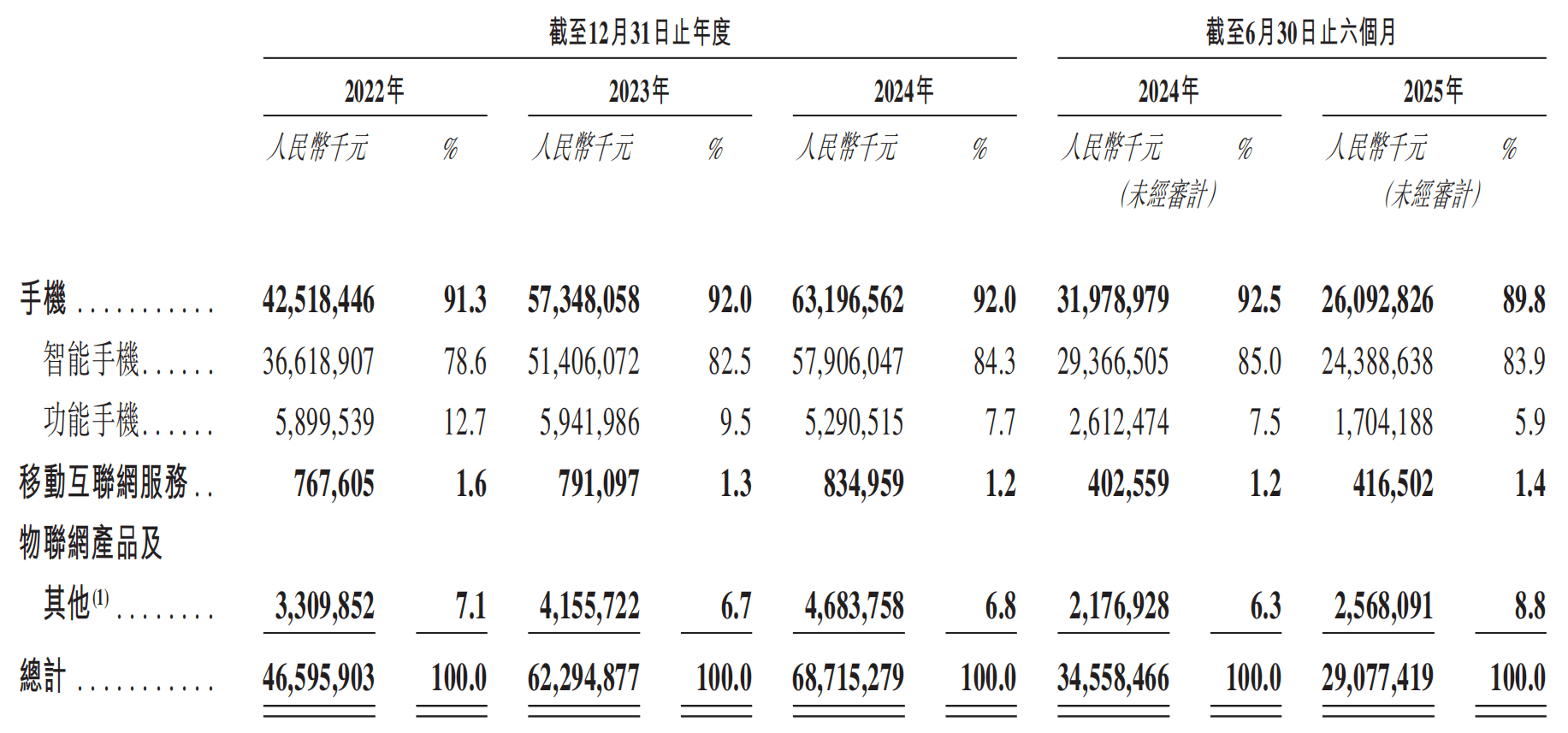
Core Viewpoint - Transsion Holdings, known as the "King of African Mobile Phones," has submitted its prospectus to the Hong Kong Stock Exchange for a listing, aiming to advance its "A+H" dual capital platform strategy. However, the company faces significant challenges, including declining growth in its core mobile phone business and increased competition in the market [1][3]. Financial Performance - Transsion Holdings reported a revenue increase from 46.596 billion RMB in 2022 to 62.295 billion RMB in 2023, marking a growth of 33.69%. The revenue is projected to further rise to 68.715 billion RMB in 2024, reflecting a 10.31% increase [2]. - Net profit surged from 2.467 billion RMB in 2022 to 5.587 billion RMB in 2023, a growth of 126.47%, but is expected to only slightly increase to 5.597 billion RMB in 2024 [2]. Business Segmentation - The company's revenue from mobile phones, which includes both smart and feature phones, accounted for 91.3% of total revenue in 2022, slightly decreasing to 89.8% in the first half of 2025. The revenue from mobile phones was 42.518 billion RMB in 2022, 57.348 billion RMB in 2023, and 26.093 billion RMB in the first half of 2025 [4][5]. - The mobile internet services segment, despite having a higher gross margin, contributed only 1.6% to total revenue in 2022, indicating a lack of effective monetization [8]. Market Challenges - The company experienced a significant decline in revenue in the first half of 2025, with a 15.86% drop to 29.077 billion RMB and a net profit decrease of 56.63% to 1.242 billion RMB, attributed to reduced income from both smart and feature phones [3][5]. - In the African market, which has historically been the largest revenue contributor, revenue fell by 4.45% in the first half of 2025, marking a shift from previous growth trends [11]. Competitive Landscape - Transsion's market dominance in Africa is being challenged by competitors like Xiaomi and Honor, which have increased their market shares significantly. For instance, Xiaomi's market share rose to 13.99% in the first half of 2025, while Honor's surged to 3.89% [13]. - The company is also facing declining revenues across other regions, including the emerging Asia-Pacific and Middle Eastern markets, with declines ranging from 20% to 27% [13]. Strategic Initiatives - To mitigate its reliance on mobile phone sales, Transsion is diversifying into new business areas, including portable computers, smart audio devices, and electric vehicles. However, these new ventures have not yet significantly impacted overall revenue [9]. - The company is increasing its investment in AI technology, with R&D spending rising by 15.13% to 1.362 billion RMB in the first half of 2025, aiming to leverage AI for competitive differentiation [14]. However, the commercial viability of AI features remains uncertain in emerging markets [15].


普京年度记者会:愿谈判结束俄乌冲突;“数十万份”爱泼斯坦案文件将公布;美军大规模空袭叙利亚境内“伊斯兰国”目标 | 一周国际财经
Mei Ri Jing Ji Xin Wen· 2025-12-20 16:40
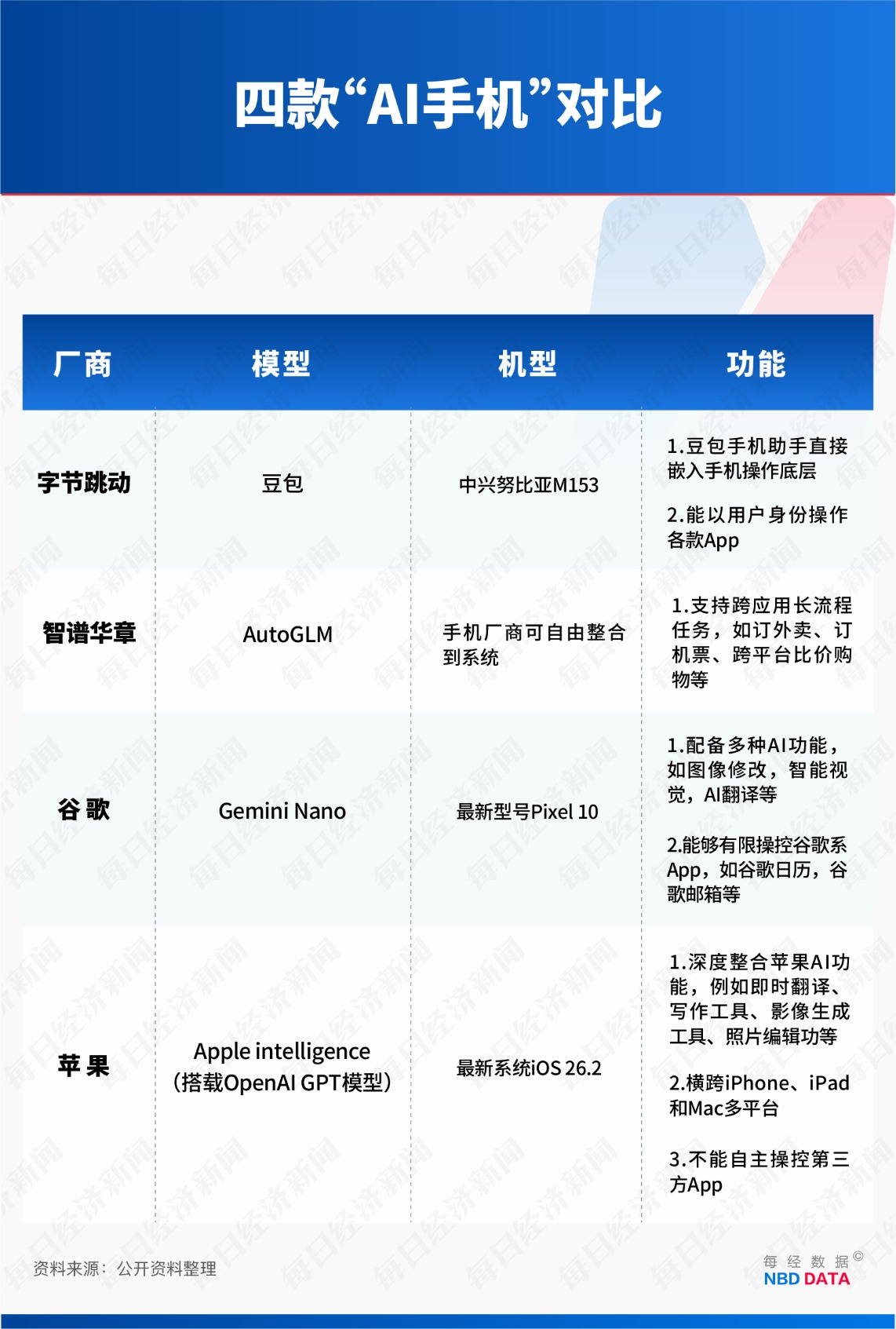
Core Viewpoint - The emergence of AI smartphones, particularly represented by ByteDance's "Doubao Phone" nubia M153, signifies a significant shift in the mobile internet landscape, contrasting with the API standardization approach taken by Apple and Google, leading to a redefined relationship among smartphone manufacturers, app developers, and users [5][7][12]. Group 1: AI Smartphone Development - On December 19, ByteDance announced collaborations with hardware manufacturers like vivo, Lenovo, and Transsion to advance AI smartphone technology following the launch of the "Doubao Phone" [5][6]. - The "Doubao Phone" utilizes GUI technology to enable AI assistants to perform complex tasks across applications, which has prompted a defensive response from mainstream apps [5][10]. - The core technology of the "Doubao Phone" is based on a deep integration of GUI and system-level permissions, allowing AI to execute tasks like ordering food and comparing prices seamlessly [7][10]. Group 2: Technical Route Comparison - The competition between the GUI paradigm represented by Doubao and the API paradigm led by Apple and Google highlights a fundamental divergence in AI smartphone strategies [12][13]. - The GUI approach allows for broader application compatibility without requiring developer cooperation, while the API approach emphasizes stability, privacy, and efficiency but relies on app developers to integrate their functionalities [12][13]. - Apple and Google are currently focusing on API development, which is seen as a more conservative and slower approach compared to the rapid advancements in GUI technology [17][20]. Group 3: Market Implications - According to Canalys, the global AI smartphone shipment share is expected to rise from 16% in 2024 to 54% by 2028, with a compound annual growth rate of 63% from 2023 to 2028, driven by major players like Samsung and Apple [20][21]. - The introduction of AI assistants in smartphones raises concerns among major app developers about potential disruptions to their business models, as AI could bypass traditional app functionalities [21][22]. - The future ecosystem of AI smartphones is anticipated to evolve into a "layered governance" structure, where different players will have varying degrees of influence and control over AI operations [22][23].


新股前瞻 | “非洲之王”的二次进化:传音控股赴港上市,开启AI与智能生态新篇章
Zhi Tong Cai Jing· 2025-12-20 10:27
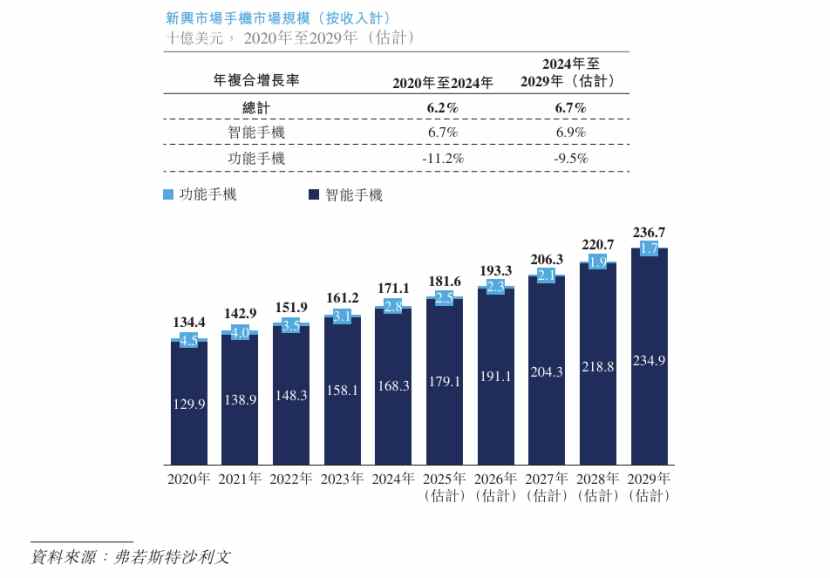
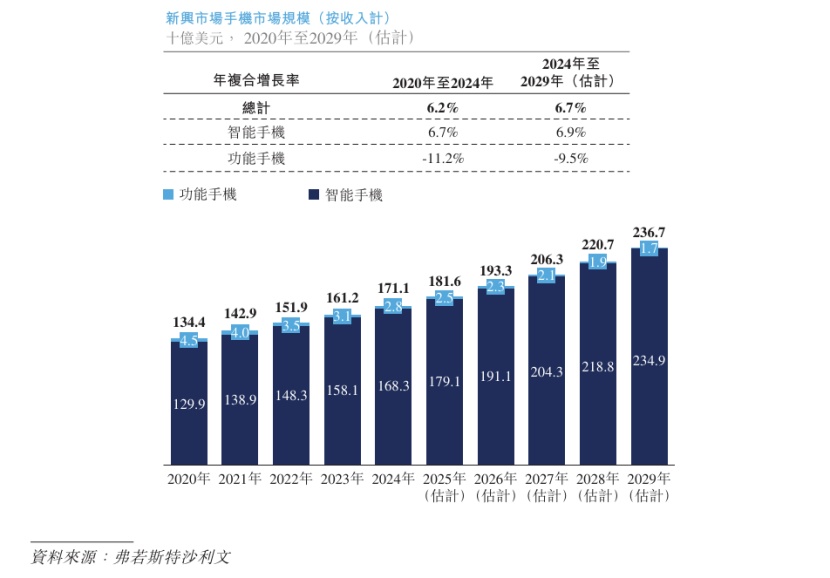
Core Viewpoint - Transsion Holdings, known as the "King of Africa" in the mobile industry, has submitted an H-share listing application to the Hong Kong Stock Exchange to diversify its financing channels and support its strategic transformation into a smart ecosystem service provider, covering mobile internet services, energy storage, and electric mobility [1][2]. Group 1: Market Position and Financial Performance - Transsion has established a dominant position in emerging markets, particularly in Africa, where it holds a market share of 61.5%, and is the largest smartphone provider in emerging markets with a share of 24.1% as of 2024 [1][2]. - The company's total revenue is projected to grow from RMB 465.96 billion in 2022 to RMB 687.15 billion in 2024, with net profit increasing from RMB 24.67 billion to RMB 55.97 billion during the same period [2]. - However, in the first half of 2025, the company experienced a revenue decline from RMB 346 billion in 2024 to RMB 291 billion, with a drop in gross margin from 20.8% to 19.0%, attributed to smartphone product release cycles and intensified competition in emerging markets [2]. Group 2: Strategic Transformation and Future Growth - The long-term growth strategy of Transsion is to transition from hardware sales to building a smart ecosystem driven by mobile internet services and diversified IoT products [2][5]. - The company aims to leverage its large user base to drive high-growth services and products, with over 270 million average monthly active users as of June 30, 2025, and a focus on mobile internet services that have a gross margin of 78.0% [5][6]. - Transsion is also expanding into energy storage and light electric mobility, launching brands like itel Energy and DYQUE Energy to address power supply issues in Africa, and introducing electric mobility solutions for both personal and commercial users [6][7]. Group 3: Market Opportunities and Projections - Emerging markets are expected to be the main growth driver for the global smartphone market, with a projected compound annual growth rate (CAGR) of 6.7% from 2024 to 2029, surpassing the global market's expected 4.6% [3][5]. - The market sizes for mobile internet services, IoT products, energy storage, and light electric mobility are projected to grow significantly, with CAGRs of 26.9%, 19.4%, 16.4%, and 15.6% respectively from 2024 to 2029 [6][7]. - To support its ecosystem transformation and maintain technological leadership, Transsion plans to use funds from the H-share listing to enhance AI capabilities and upgrade its operating system [6].
“非洲之王”的二次进化:传音控股赴港上市,开启AI与智能生态新篇章
Zhi Tong Cai Jing· 2025-12-20 10:26
Core Viewpoint - Transsion Holdings, known as the "King of Africa" in the mobile industry, has submitted an H-share listing application to the Hong Kong Stock Exchange to diversify its financing channels and support its strategic transformation into a smart ecosystem service provider, covering mobile internet services, energy storage, and electric mobility [1][2]. Group 1: Market Position and Financial Performance - Transsion has established a dominant position in emerging markets, particularly in Africa, where it holds a market share of 61.5%, and is the largest smartphone provider in emerging markets with a 24.1% share [1][2]. - The company's total revenue is projected to increase from RMB 465.96 billion in 2022 to RMB 687.15 billion in 2024, with net profit rising from RMB 24.67 billion to RMB 55.97 billion during the same period [2]. - However, in the first half of 2025, the company experienced a revenue decline from RMB 346 billion in 2024 to RMB 291 billion, with a drop in gross margin from 20.8% to 19.0%, attributed to smartphone product release cycles and intensified competition in emerging markets [2]. Group 2: Strategic Transformation and Future Growth - The long-term growth strategy of Transsion is to transition from hardware sales to building a smart ecosystem driven by mobile internet services and diversified IoT products, leveraging its strong mobile business [3][5]. - Emerging markets are expected to be the main growth driver for the global smartphone market, with a projected CAGR of 6.7% from 2024 to 2029, surpassing the global market's expected growth of 4.6% [3][5]. - The company aims to utilize its large user base to drive high-growth services and products, with mobile internet services achieving a gross margin of 78.0% in the first half of 2025, although their contribution to total revenue remains low at 1.4% [5][6]. Group 3: Investment in New Business Areas - Transsion is actively expanding into high-growth sectors such as energy storage and light electric mobility, launching brands like itel Energy and DYQUE Energy to address power supply issues in Africa [6]. - The market for mobile internet services, IoT products, energy storage, and light electric mobility is expected to grow at CAGRs of 26.9%, 19.4%, 16.4%, and 15.6%, respectively, from 2024 to 2029 [6][7]. - The company plans to use funds from the H-share listing to enhance AI capabilities, develop AI assistants, upgrade Transsion OS, and improve mobile imaging capabilities, positioning AI as a core driver for future product differentiation [7].
AI手机路线大分野:当豆包试图“接管屏幕” 苹果和谷歌为何选择“慢半拍”?
Mei Ri Jing Ji Xin Wen· 2025-12-20 05:47
Core Viewpoint - The emergence of AI smartphones has created a clear division in technology routes, with ByteDance's "Doubao Phone" leading a GUI (Graphical User Interface) approach, while Apple and Google maintain a more conservative API (Application Programming Interface) standardization route, resulting in a significant shift in the mobile internet landscape [1][4][8]. Group 1: AI Smartphone Development - ByteDance, in collaboration with ZTE Nubia, launched the "Doubao Phone" nubia M153, which allows AI assistants to perform complex tasks across applications using GUI technology [1][4]. - The Doubao Phone's AI assistant can execute tasks like ordering food and comparing prices through voice commands, showcasing its cross-application capabilities [4][6]. - The technology behind Doubao Phone involves deep integration with system-level permissions, enabling the AI to simulate user interactions with various apps [6][7]. Group 2: Competitive Landscape - The competition between the GUI approach of Doubao and the API approach of Apple and Google highlights a fundamental clash in the mobile internet's business logic and interests [4][8]. - Apple's API approach focuses on building a standardized framework for developers to integrate AI capabilities, which is seen as more stable and privacy-conscious but requires cooperation from app developers [9][13]. - Google is also pursuing an API strategy, emphasizing cloud collaboration and prioritizing desktop applications, while still in the early stages of mobile GUI implementation [13][14]. Group 3: Market Trends and Projections - According to Canalys, the global AI smartphone shipment share is expected to rise from 16% in 2024 to 54% by 2028, with a compound annual growth rate of 63% from 2023 to 2028, driven by advancements in chip technology and increasing consumer demand for AI features [14]. - The introduction of AI assistants in smartphones is anticipated to disrupt traditional business models, as they may directly intervene in transactions, raising concerns among major internet companies [14][15]. Group 4: Future Ecosystem Dynamics - The future of AI smartphones is likely to see a "layered governance" structure, where major apps like WeChat and Taobao may develop their own AI agents to maintain control over user interactions, while smaller apps may be directly managed by system-level AI [16][17]. - The shift towards AI-driven ecosystems is expected to transform the competitive landscape from a focus on traffic acquisition to value co-creation, with smartphone manufacturers taking the lead [16][17].
当豆包AI手机发起“硬件联盟”:一场向超级App宣战的“系统级革命”全面爆发
Mei Ri Jing Ji Xin Wen· 2025-12-19 14:20
Core Insights - ByteDance is collaborating with Lenovo to integrate AI capabilities into smartphones, aiming to gain user access and reshape the AI landscape in mobile technology [1][2] - The launch of the Doubao AI phone assistant has prompted major apps like WeChat and Taobao to defend their market positions, indicating a significant shift in the competitive landscape [1][4] - The strategy involves creating new revenue streams through partnerships with hardware manufacturers, positioning them as channel partners in ByteDance's AI ecosystem [2][3] Group 1: Collaboration and Strategy - ByteDance is working with various hardware manufacturers, including Lenovo, Vivo, and Transsion, to pre-install AI plugins on smartphones, aiming to capture the next generation of human-computer interaction [1][2] - The collaboration model discussed includes revenue sharing from traffic distribution and subscription services, with no upfront fees for customized development [2][3] - The goal is to transform smartphone manufacturers from mere device makers into integral partners within ByteDance's AI ecosystem [2][3] Group 2: Market Dynamics and Challenges - The Doubao AI phone has faced operational challenges with major apps, leading to adjustments in its AI capabilities to comply with existing app restrictions [4][5] - The strategy to target mid-range smartphones priced above 2000 yuan aims to build a substantial user base, with plans to expand to 150 million to 200 million devices [6][7] - The overseas market is seen as a more favorable environment for innovation, allowing for lower risk and better user education before entering the more competitive domestic market [7][8] Group 3: Future Prospects and Uncertainties - The potential for a hardware alliance could shift the balance of power against super apps, but the success of this strategy remains uncertain [3][8] - The sustainability of new business models, including revenue generation from AI services, is still unproven, posing a significant challenge for all players involved [8] - ByteDance's approach to leveraging AI in smartphones could reshape the mobile ecosystem, but it faces hurdles from super apps and the need for a clear commercial path [8]
豆包手机大家族:字节跳动被曝正推进与 vivo、联想、传音等多家硬件厂商开展 AI 手机合作
Xin Lang Cai Jing· 2025-12-19 12:48
Group 1 - ByteDance is advancing AI phone collaboration plans with hardware manufacturers such as Vivo, Lenovo, and Transsion, aiming to pre-install AIGC plugins to gain user access [1][4] - Vivo employees confirmed that ByteDance has established a cooperation intention with Vivo, while specific plans are still under discussion [1][4] - The collaboration aims to create a new traffic monetization channel by sharing traffic distribution and subscription revenue with phone manufacturers, exploring a model that does not charge for custom development fees or token sales [3][6] Group 2 - The cooperation plan will initially target mid-range models priced above 2000 yuan, with the first batch implemented through new device pre-installation and later expanded to existing models via OTA upgrades [3][6] - ByteDance has set an internal target of 150-200 million devices for this AI phone project, with a focus on leveraging its overseas channel advantages [3][6] - The AI phone project team at ByteDance has grown to over a thousand members, and while discussions with OPPO did not result in a partnership, ZTE is currently the only officially disclosed partner [3][6]
豆包手机扩充合作厂商 vivo、联想、传音在列
Xin Lang Cai Jing· 2025-12-19 12:42
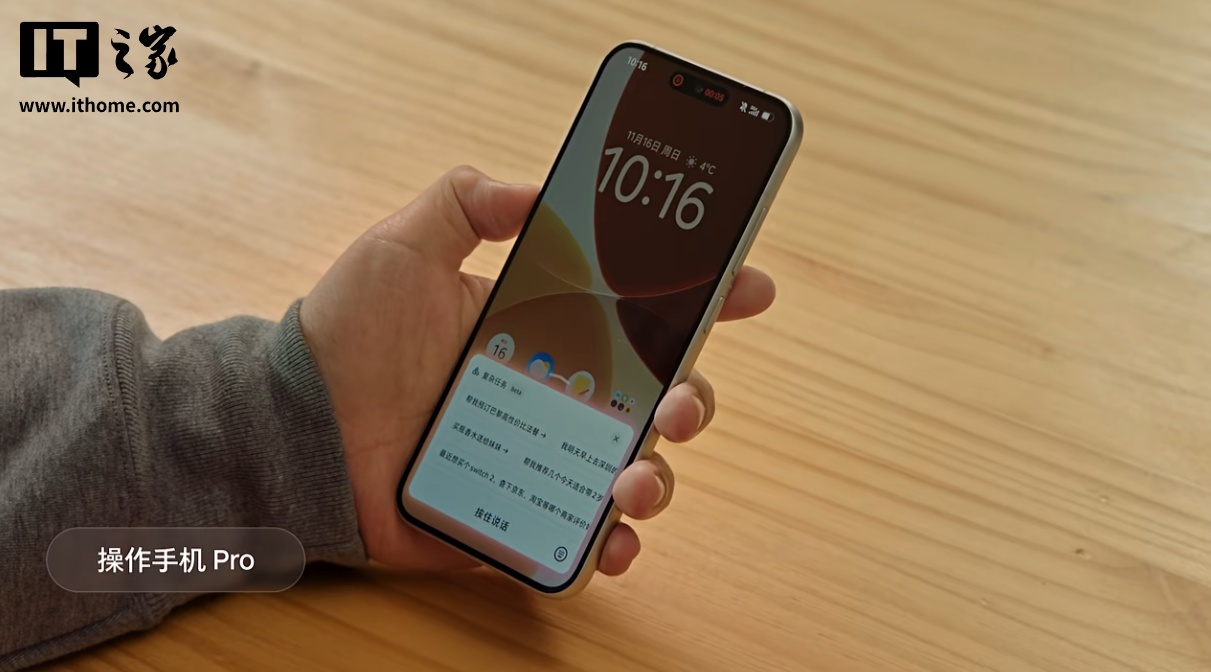
Group 1 - ByteDance is advancing AI phone collaboration plans with hardware manufacturers such as Vivo, Lenovo, and Transsion, aiming to gain user access through pre-installed AIGC plugins [1][7] - The collaboration intends to create a new traffic monetization channel by sharing traffic distribution and subscription revenue with phone manufacturers, while exploring a model that does not charge for custom development fees or token sales [3][9] - The initial focus of the collaboration will be on mid-range models priced above 2000 yuan, with plans to implement pre-installation on new devices and later expand to existing models via OTA upgrades [4][11] Group 2 - ByteDance's AI phone project team has grown to over 1,000 members, with ZTE being the only officially disclosed partner, while Meizu has expressed interest in collaboration [7][13] - The internal target for ByteDance is to reach a scale of 150-200 million devices, with overseas channels likely being a key focus for deployment [4][11]
字节跳动挥师AI手机:和多家手机厂商推进合作
2 1 Shi Ji Jing Ji Bao Dao· 2025-12-19 06:55
Core Viewpoint - ByteDance is advancing into the smartphone operating system sector with its Doubao AI model, marking a shift from traditional hardware development to a collaborative ecosystem with major smartphone manufacturers [1][2]. Group 1: Strategic Partnerships - ByteDance is accelerating its partnerships with leading smartphone manufacturers such as Vivo, Lenovo, and Transsion, following its collaboration with ZTE [1][6]. - The Doubao assistant is being integrated deeply into the operating systems of partner manufacturers, aiming to create a new ecosystem that combines internet giants with hardware firms [2][3]. Group 2: Product Development and Features - The Doubao assistant has been designed to operate at a system level, allowing it to perform tasks across applications, unlike traditional AI plugins [3][4]. - The first partner, ZTE, showcased the Nubia M153, which features a dedicated AI button and the latest Doubao model capabilities, enabling users to perform complex tasks with simple voice commands [4]. Group 3: Market Response and Challenges - The announcement of the partnership led to significant stock price increases for ZTE, indicating strong market confidence in the "large model + hardware" collaboration [4]. - However, the Doubao assistant faced challenges related to app permissions and user experience, particularly with major apps like WeChat and Taobao, raising concerns about data privacy and security [5][6]. Group 4: Future Outlook - ByteDance aims to establish a large "AI terminal matrix" that appeals to smaller smartphone manufacturers lacking in-house AI capabilities, providing them with a competitive edge [6]. - The company is exploring ways to balance user experience with platform security and data privacy, indicating a commitment to refining its technology for broader adoption [5][6].
