三六零

Search documents
影石刘靖康回应“泄露”周鸿祎手机号:打码了被人反推,幸得周总宽容
Xin Lang Cai Jing· 2025-12-25 08:04
12月25日,《罗永浩的十字路口》第十五期上线,采访嘉宾是影石Insta360 创始人刘靖康。 谈及自己在大学时期入侵过老师的邮箱,拿到期末考卷修改成绩的事情,刘靖康澄清到,自己并没有下 载考试卷和修改成绩。"那是我大三的期末,我是三学期制的,所以是不用考试的。发现学校的邮箱有 一些漏洞,可以通过代码注入的手段进入教务员老师的邮箱拿到成绩单和考试卷。" 12月25日,《罗永浩的十字路口》第十五期上线,采访嘉宾是影石Insta360 创始人刘靖康。 谈及自己在大学时期入侵过老师的邮箱,拿到期末考卷修改成绩的事情,刘靖康澄清到,自己并没有下 载考试卷和修改成绩。"那是我大三的期末,我是三学期制的,所以是不用考试的。发现学校的邮箱有 一些漏洞,可以通过代码注入的手段进入教务员老师的邮箱拿到成绩单和考试卷。" 他坦言到,自己当时是年轻气盛,之前一直以来的自我评价体系都是来自于他人的认可。就想通过这件 事情证明自己特别牛。"我就写了篇日志,论述了怎么进去邮箱的。但关键的动作都打了码,确保大家 复制不了,只是为了证明可行性而已。" 他直言表示,虽然证明了自己厉害,但是忽略了这件事其实对学校的声誉是个很大的伤害,年轻时期缺 ...
一片录音卡,重写大厂硬件故事
36氪· 2025-12-25 06:44
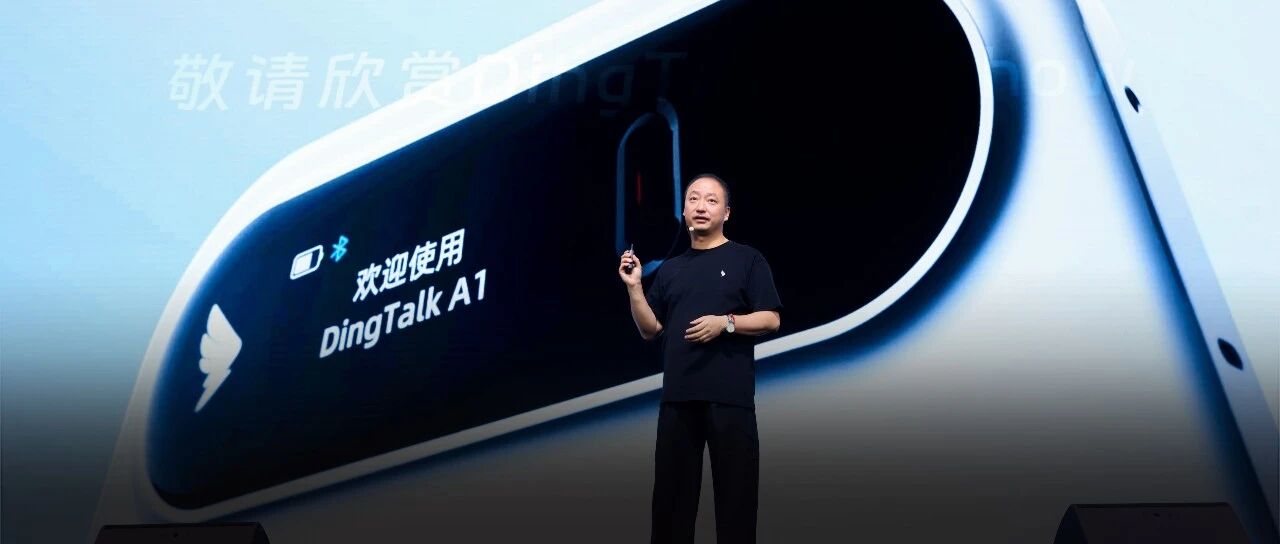
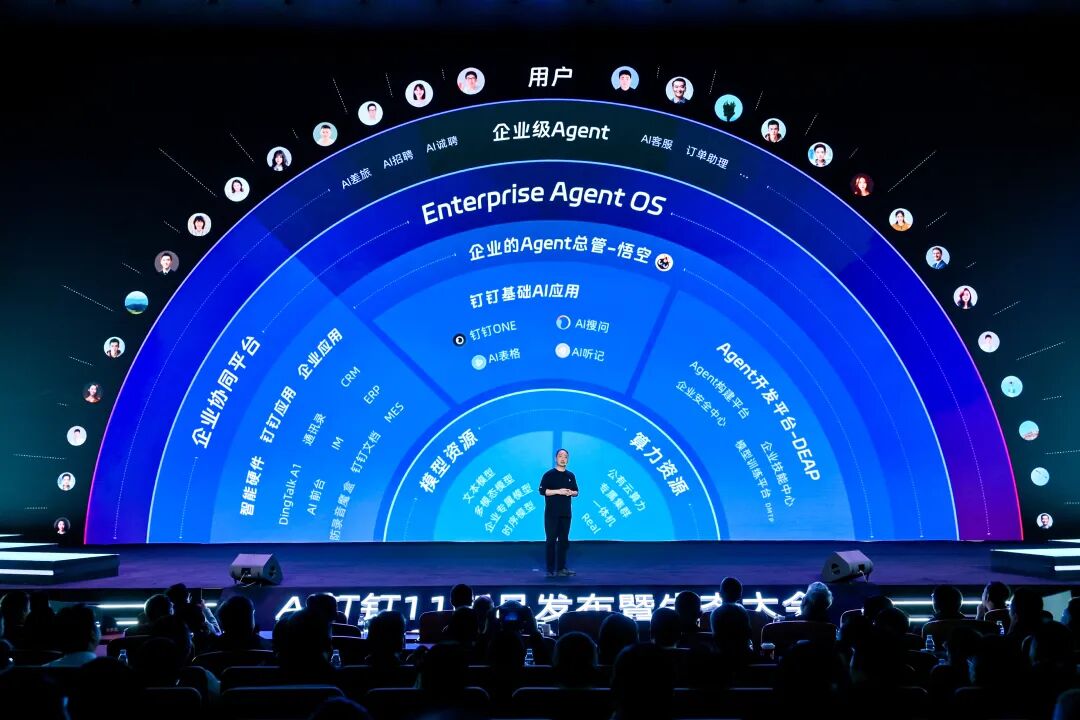
Core Viewpoint - DingTalk is breaking the curse that internet companies cannot do hardware well, marking a significant shift in the AI hardware landscape [3][7][28] Group 1: AI Hardware Industry Trends - The AI hardware sector has seen a surge in investment and innovation, with over 114 financing events and a total investment exceeding 14.5 billion yuan in the first half of 2025 [2] - Major companies like Alibaba, ByteDance, and Meituan have launched their own hardware products, indicating a competitive landscape in China's AI hardware industry [2][3] - The trend of FOMO (Fear of Missing Out) is influencing investments, with many startups securing funding without proven products [2] Group 2: DingTalk's Product Launch and Strategy - DingTalk held its second product launch in six months, introducing Agent OS and the AI hardware DingTalk Real, establishing a complete AI system architecture [3][5] - The DingTalk A1 has quickly gained popularity, becoming a top-selling product in its category, showcasing the potential for large-scale application [8][10] - The product's design choices, such as using a universal type-C charging port, reflect a balance between user habits and product functionality [10] Group 3: Market Positioning and Competition - DingTalk A1 is positioned not just as a standalone recording device but as a vital component of DingTalk's broader AI ecosystem, serving as a data collection tool [16][27] - The competitive landscape is intense, with existing players like Plaud and iFlytek already established in the market, necessitating DingTalk to clearly define its unique value proposition [8][9][16] - The product's initial reception included criticism, but rapid iterations and user feedback have led to significant improvements and a turnaround in public perception [12][13] Group 4: Future Vision and Ecosystem Development - DingTalk aims to create a seamless interaction between users and AI agents, with the physical button on the A1 serving as a strategic entry point for AI functionalities [20][23] - The integration of AI into business workflows is expected to transform how companies utilize data, turning it into actionable insights and enhancing productivity [17][25] - The vision for DingTalk includes building a robust ecosystem where hardware, data, and AI agents work together, potentially reshaping the future of office collaboration [26][27]


一片录音卡,重写大厂硬件故事
3 6 Ke· 2025-12-25 06:37
Group 1: AI Hardware Industry Trends - The AI hardware industry continues to thrive, with significant investments and developments occurring throughout 2025, including OpenAI's acquisition of io Products for $6.5 billion and the emergence of companies like YingShi Innovation, which reached a market cap of over 100 billion [1] - In the first half of 2025, there were 114 financing events in China's embodied intelligence and AI hardware sector, totaling over 14.5 billion yuan, with May alone seeing over 50% of all funding directed towards AI hardware [1] - Major companies like Alibaba, ByteDance, and Meituan have launched their own hardware products, marking the beginning of a competitive landscape in China's AI hardware industry [1] Group 2: DingTalk's AI Hardware Launch - DingTalk held its second product launch in six months, introducing Agent OS and the DingTalk Real hardware, which enables AI agents to perform tasks securely in enterprise environments [2] - The DingTalk A1 has quickly gained popularity, becoming a leading product in the domestic AI hardware market, challenging the notion that internet companies cannot successfully produce hardware [2][4] - The A1's development was rapid, with the team identifying the recording card product within a week, aiming for a successful transition to AI hardware [5] Group 3: Market Competition and Product Development - The recording card market is competitive, with players like Plaud dominating overseas and other companies like iFlytek and 360 entering the domestic market [6] - DingTalk must address key questions regarding the unique characteristics of AI hardware, the value of data generated, and the reasons for consumers to choose their products [6] - The A1 product faced initial criticism as a "half-finished product," prompting the team to engage in rapid iterations and user feedback to improve its reputation [7] Group 4: AI Integration and Data Utilization - The A1 is positioned as a data collection device within DingTalk's AI ecosystem, transforming recorded data into valuable assets for enterprises [10][11] - The integration of AI into business workflows allows for real-time data analysis and actionable insights, enhancing operational efficiency [11] - The A1's design includes a physical button for easy access to AI capabilities, indicating a strategic move towards seamless user interaction with AI agents [12][13] Group 5: Future Outlook and Industry Impact - DingTalk's AI hardware initiative represents a significant step towards making AI accessible for all, particularly for small and medium enterprises [17] - The competitive landscape is shifting, with major companies focusing on hardware that aligns with their core business strengths, as seen with DingTalk's approach [18] - The success of DingTalk A1 and similar products may redefine user interactions with AI in office environments, leading to a potential reshaping of the industry [16][19]
【财经分析】AI“端侧”竞争白热化 生态博弈引发产业链价值重估
Zhong Guo Jin Rong Xin Xi Wang· 2025-12-25 03:53
Core Insights - The AI industry is transitioning from technical exploration to large-scale application, with a focus on competition for "end-side" ecosystems among major players [2][3][4] - The competition is reshaping the landscape of consumer electronics and internet services, creating a new investment chain from core hardware to platform services [2][3] - The capital market's focus has shifted from speculative hype to a reassessment of value in the AI sector [2] Industry Developments - Internet companies are intensifying their efforts in the application side, launching new products and enhancing competition in the "end-side" [3][4] - Major firms like ByteDance, Alibaba, Tencent, and Baidu are embedding AI capabilities into hardware, such as smartphones and wearable devices, to capture user data and traffic [3][4] - The rapid investment in AI by internet companies is driven by the recognition that AI is a core competitive arena for the future [3][4] Market Dynamics - The competition among internet companies reflects a shift from a "technical arms race" to a battle for ecosystem and traffic entry points [4] - AI assistants may disrupt existing e-commerce structures by automating tasks like price comparison and order placement, potentially undermining traditional app-based revenue models [5] - Financial reports indicate that investments in AI are translating into significant revenue growth for companies like Alibaba and Baidu, with Alibaba's AI-related products showing triple-digit year-on-year growth for nine consecutive quarters [5][6] Hardware Industry Implications - The deepening competition is leading internet giants to seek strategic partnerships with hardware manufacturers, which is expected to drive growth in the hardware sector [6][7] - The demand for AI to streamline user interactions on smartphones is anticipated to catalyze a new wave of smartphone upgrades [8] Regulatory Considerations - Discussions around industry "bubbles" and sustainable development are becoming crucial for assessing the health of the AI sector [9][10] - Experts suggest that while there may be localized overheating in the AI model industry, the overall market remains rational and capable of self-regulation [10] - A balanced regulatory framework is essential to foster innovation while ensuring ethical standards in AI applications [11]

从宝洁架构调整,看品牌人未来职业发展方向
3 6 Ke· 2025-12-25 01:54
Core Insights - The article discusses the evolution of brand management, highlighting the initial establishment of the brand manager role at Procter & Gamble (P&G) and its significance in systematic brand development [1][3][4] - It contrasts the original intent of brand management with the current trend where many companies are downsizing or eliminating brand departments, leading to a perception of brand roles as expendable [5][6][7] - The article emphasizes the need for a new approach to brand management that integrates comprehensive skills and responsibilities, as demonstrated by P&G's recent restructuring into a "Brand Growth Department" [15][16][21] Group 1: Historical Context of Brand Management - In 1931, Neil McElroy proposed the brand manager system at P&G to address inefficiencies in brand advertising and sales, leading to a structured approach to brand management [1][3] - The brand manager's role was defined as akin to a small CEO, responsible for all aspects of brand development and marketing [3][4] - P&G's systematic approach to brand management has been a key factor in its success, establishing it as a leader in the branding industry [3][4] Group 2: Current Trends and Challenges - Recent layoffs in various companies, including JD.com and Lenovo, have targeted brand and marketing departments, indicating a shift in how brands are perceived within organizations [5][6] - Many brand departments have become mere "decorative" entities, lacking real influence on business operations and often being the first to face cuts during financial downturns [6][7] - The article argues that the focus on short-term profitability has led to a neglect of the deeper, strategic aspects of brand management [9][10] Group 3: Future Directions in Brand Management - P&G's creation of the "Brand Growth Department" signifies a shift towards integrating brand management with business growth strategies, emphasizing the need for leaders who can navigate both marketing and operational challenges [15][16][21] - The new role requires skills in consumer insight, product innovation, and integrated marketing strategies, moving away from traditional siloed functions [18][20] - The article suggests that the future of brand management lies in developing leaders who can oversee the entire brand lifecycle and drive growth through a holistic understanding of the market [22][23]


“投入不设上限”成空谈,昊铂销量崩盘,广汽高端梦碎
Xin Lang Ke Ji· 2025-12-25 00:31
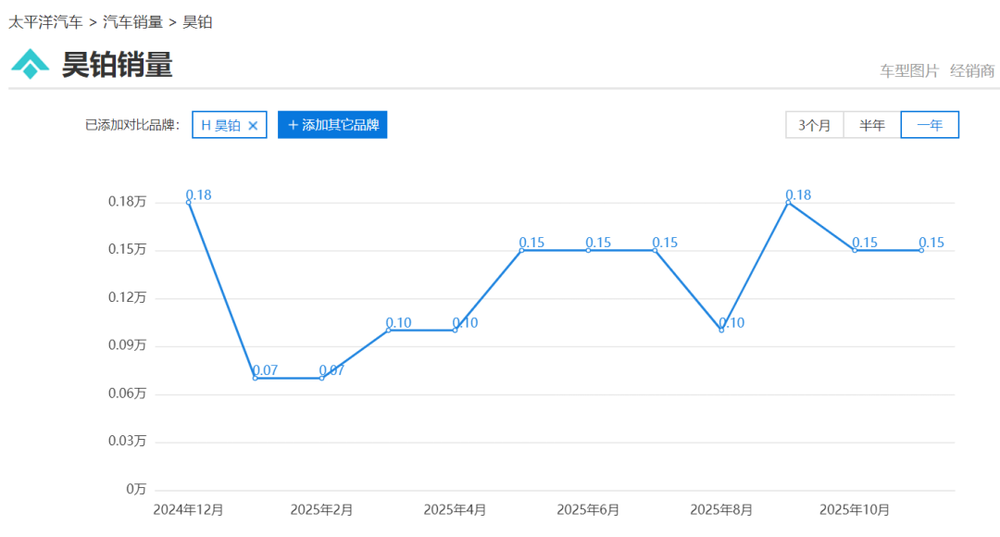
Core Viewpoint - GAC Group's high-end brand Haobo has faced significant challenges, leading to its merger with Aion, indicating a failure in achieving high-end market aspirations and a shift in focus towards the new brand Qijing [1][3][11] Sales Performance - Haobo's cumulative sales for 2024 are projected at 17,300 units, achieving only 34% of its target of 50,000 units [1][6] - Monthly sales have remained around 1,000 units, with some months reporting zero sales for key models like the Haobo SSR [1][6] - In the first eleven months of this year, Haobo's total sales reached 13,800 units, which is lower than the monthly sales of mainstream new energy brands [6] Strategic Changes - GAC Group announced the integration of Haobo and Aion into the same business unit, with plans for full channel integration by March 31, 2026 [3][4] - The decision to merge is seen as a strategy to cut losses and focus resources, as Haobo's performance did not meet expectations [4][7] Market Challenges - Both Haobo and Aion are experiencing declining sales, attributed to external market conditions and internal operational issues [7] - The high-end market segment for Haobo lacks differentiation and a direct sales network, leading consumers to perceive it as a premium version of Aion [7][9] Brand Image Issues - Haobo has faced multiple marketing crises, damaging its brand image and product credibility [8] - Recent incidents involving public figures criticizing the brand have further contributed to negative perceptions [8] Future Prospects - GAC Group is prioritizing the new high-end brand Qijing, developed in collaboration with Huawei, which is expected to target the market above 300,000 yuan [11][12] - The success of Qijing's upcoming models will be crucial for GAC Group's position in the high-end market [12]

To B的智谱和To C的MiniMax,大模型生意都很难做
Jing Ji Guan Cha Wang· 2025-12-24 13:23
Core Insights - The article discusses the IPO submissions of two Chinese AI unicorns, Zhipu and MiniMax, marking the first comprehensive disclosure of user numbers, revenue, losses, cash flow, and market share in the domestic AI large model sector [2] - Both companies exhibit distinct commercialization paths: Zhipu focuses on the B-end market with a gross margin of 50%, primarily serving large government and enterprise clients, while MiniMax targets the C-end market, with over 70% of its revenue coming from overseas [2] Revenue and Losses - Zhipu reported cumulative revenue of 685 million yuan and cumulative losses exceeding 6.2 billion yuan from 2022 to mid-2025 [3] - MiniMax's cumulative revenue during the same period was approximately 86 million USD (around 600 million yuan), with cumulative losses around 1.32 billion USD (approximately 930 million yuan) [3] - Both companies face challenges in scaling revenue, with Zhipu's revenue for the first half of 2025 at 190 million yuan and MiniMax's revenue for the first nine months of 2025 at approximately 37.6 million yuan [4] Investment and R&D Expenditure - The large model industry is capital-intensive, with Zhipu and MiniMax investing 4.4 billion yuan and 500 million USD (approximately 3.5 billion yuan) in R&D, respectively, over the past 3.5 years [5] - Zhipu's computing power expenditure in the first half of 2025 was 1.1 billion yuan, while MiniMax's was approximately 140 million USD (around 987 million yuan) [5] Market Position and Competition - Zhipu's B-end business, which accounts for 85% of its revenue, faces intense competition, with its largest client contributing over 10% of total revenue [6] - MiniMax's C-end business reported an average monthly active user (MAU) of 27.6 million and 1.77 million paying users in the first nine months of 2025 [6] - Zhipu's AI model was previously in high demand, but competition has intensified, making it difficult to sell models at high prices [6] Financial Health and Cash Flow - MiniMax has a more robust cash position, with cash reserves of approximately 1.04 billion USD (around 733.4 million yuan) as of September 30, 2025, compared to Zhipu's cash and cash equivalents of 2.5 billion yuan as of June 2025 [9] - Zhipu's monthly cash burn rate increased to approximately 2.21 million yuan in the first half of 2025, with a total operational cash consumption of 2.245 billion yuan for the entire year of 2024 [10] Legal Risks and Market Outlook - Both companies face high legal risks in the generative AI sector, with MiniMax acknowledging potential bankruptcy risks and ongoing copyright infringement lawsuits with major international media companies [10] - The sustainability of their respective business models remains uncertain, as highlighted by industry experts [10]

55岁知天命的周鸿祎,这次没有切换“战斗姿态”?
Sou Hu Cai Jing· 2025-12-23 23:08
Core Viewpoint - In 2025, Zhou Hongyi, the core executive of 360, has gained significant public attention in the internet sector, transitioning into a more approachable tech influencer while the company faces serious allegations of financial misconduct [2][4]. Group 1: Company Strategy and Performance - Zhou Hongyi announced a strategic upgrade to "All In Agent" (全员智能体), successfully applying AI technology across various sectors, including factories and hospitals, culminating in a report titled "AI Advanced Productivity TOP10" [4]. - 360 reported a revenue of 60.68 billion yuan for the first three quarters of 2025, marking an 8.18% year-on-year increase, although it still recorded a net loss of 1.222 billion yuan [26][27]. - The company finally turned a profit in Q3 2025, with a revenue of 22.41 billion yuan, a 16.88% increase year-on-year, and a net profit of 1.595 billion yuan, reflecting a 167.13% increase [29][30]. Group 2: Financial Allegations and Market Reaction - Following allegations from former executive Yu Hong regarding financial misconduct, 360's stock price dropped significantly, with a total market value decline from approximately 800.55 billion yuan to 755.55 billion yuan, a decrease of about 5.62% [8][25]. - In response to the allegations, 360 issued a statement clarifying Yu Hong's role and asserting that the company's financial practices comply with accounting standards, and it plans to pursue legal action against false claims [5][6]. Group 3: Zhou Hongyi's Public Image and Historical Context - Zhou Hongyi's recent behavior contrasts sharply with his historically combative persona, as he opted to simply retweet the company's announcement rather than engage directly with Yu Hong's accusations [8][16]. - Historically, Zhou has been known for his confrontational approach in the tech industry, often clashing with major players like Baidu and Tencent, which has shaped his reputation as a "fighter" in the internet sector [22][24].


三六零那些犯了事的股东们
Xin Lang Cai Jing· 2025-12-23 09:51
Group 1 - The article discusses the complexities and challenges of moving a listed company from one capital market to another, particularly through privatization and re-listing, which often involves significant financial transactions exceeding 100 billion or even close to 1 trillion [2][17] - Successful examples of such transitions include WuXi AppTec and Focus Media, while failures include Wanda and Didi, with 360 and Bona Film being uncertain cases [2][17] - 360's privatization was led by CITIC Guoan and involved a consortium including Everbright, Sequoia, Ping An, and Taikang, with a transaction scale of approximately 20 billion [2][17] Group 2 - The article highlights the legal troubles of certain shareholders of 360, particularly focusing on Chen Xuanlin, a young entrepreneur involved in a major financial scandal, the Beiguang Investment case, which resulted in significant financial losses [3][20][22] - Chen's connections to other notable figures in the industry, such as Jia Yueting, and his ventures in the automotive sector are also discussed, illustrating the intertwining of various capital games [5][20][22] - Another shareholder, Beijing Fengyuanhong, faced legal issues due to illegal fundraising activities, leading to the freezing of shares related to 360 [7][25] Group 3 - The article mentions the involvement of the Shanghai Fuxing Group in 360's shareholder structure, which faced severe legal consequences for illegal fundraising, with significant assets being auctioned off [11][28] - The narrative also touches on the implications of political corruption, specifically mentioning Wang Liko, a high-ranking official whose actions have affected shareholder dynamics within 360 [12][29][31] - The article concludes by indicating that there are many untold stories within 360's shareholder landscape, hinting at a broader narrative of capital and power dynamics in the market [32][34]

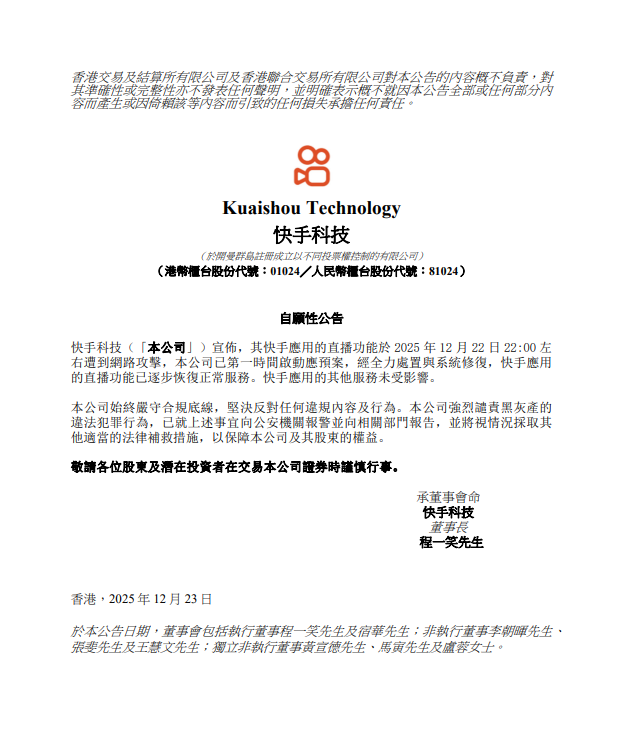
直播间现大量色情内容,快手称遭黑灰产攻击:直播功能已逐步恢复正常服务!奇安信专家:黑客规模化攻击超出人工审核应对极限
Mei Ri Jing Ji Xin Wen· 2025-12-23 08:40
Core Viewpoint - Kuaishou Technology's live streaming feature was attacked on December 22, 2025, leading to a significant disruption, but the company has since restored normal service and reported the incident to authorities [1][10]. Group 1: Incident Details - The attack resulted in the appearance of a large amount of pornographic content in multiple live streams on the Kuaishou platform, with one stream reportedly having 100,000 viewers before being shut down [4][10]. - The attack was characterized as a well-organized black and gray market hacker attack, with experts suggesting that vulnerabilities in the live streaming interface were exploited [7][10]. - The incident is classified as a P0-level accident, indicating a severe impact on core business functions, necessitating immediate response and investigation [8][10]. Group 2: Company Response - Kuaishou has initiated an emergency response plan and is taking legal measures to protect its interests and those of its shareholders [1]. - The company has been criticized for its slow response time in shutting down the offending live streams, highlighting the need for improved emergency protocols [7][8]. - Experts recommend that Kuaishou enhance its automated response systems to quickly detect and address such incidents in the future [8][10]. Group 3: Market Impact - Following the incident, Kuaishou's stock price fell nearly 4%, with a market capitalization of HKD 276.7 billion [11]. - The cybersecurity sector saw a brief surge in stock prices, with companies like Feiling Kesi rising by 9.63% in response to the incident [13]. Group 4: Broader Implications - The attack underscores the shift towards automated attacks in the black and gray market, which can overwhelm traditional manual content moderation systems [10]. - Experts emphasize the importance of addressing both external threats and internal vulnerabilities, advocating for a comprehensive security strategy that includes internal controls [10].