
Dior

Search documents
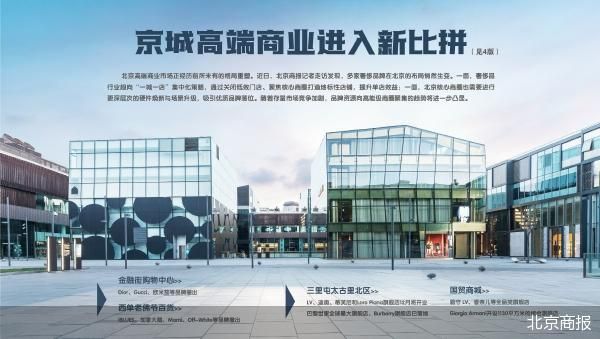
奢侈品门店密集调整 北京高端商业新比拼
Bei Jing Shang Bao· 2025-11-20 16:30
Core Insights - The luxury goods market in Beijing is undergoing significant changes, with brands like Gucci and Dior closing stores in traditional high-end shopping areas, while new flagship stores are emerging in more vibrant districts like Sanlitun [1][3] - The trend indicates a shift towards a "one store per city" strategy among luxury brands, focusing on flagship locations in prime commercial areas to enhance single-store efficiency [1][6] - The competition among shopping districts is intensifying, with a clear divide between the declining western commercial areas and the thriving eastern districts, particularly in Chaoyang [3][8] Group 1: Market Dynamics - Financial Street Shopping Center has seen the closure of major luxury brands due to expired leases, while other brands like Burberry and LV continue to operate [3] - Westside shopping areas, such as the West Wangfujing area, are experiencing a significant reduction in luxury brand presence, contrasting sharply with the "luxury frenzy" in the Chaoyang district [3][8] - The luxury brand selection criteria have evolved, with a focus on the alignment of brand positioning with shopping district characteristics and the necessity for high-quality infrastructure [6][7] Group 2: Strategic Adjustments - High-end shopping centers are actively upgrading their offerings to attract luxury brands, introducing trendy brands and unique experiences to enhance their appeal [4][6] - The introduction of flagship stores and unique retail experiences, such as themed pop-ups and interactive spaces, is becoming a strategy to maintain competitiveness in the luxury market [4][6] - The luxury market's focus on experiential retail is growing, with brands increasingly valuing the ability of shopping centers to create engaging content and experiences for consumers [7][10] Group 3: Future Opportunities - Despite the current challenges, there are still opportunities for luxury brands in the western regions of Beijing, particularly in areas like Haidian, which have affluent consumer bases [8][9] - The potential for luxury brands to establish a presence in western districts hinges on improving the quality of commercial spaces and enhancing transportation connectivity [8][9] - Strategies such as introducing high-end watch brands and leveraging local technological advancements could help attract luxury brands to underperforming areas [9][10]

X @Bloomberg
Bloomberg· 2025-11-16 22:05
Luxury Brands - Bernard Arnault visited Shanghai to assess Dior and Louis Vuitton [1] - Arnault's visit led to discussions about Songmont and Laopu Gold [1] Emerging Brands - Songmont and Laopu Gold gained attention following Arnault's visit [1]
美妆“小样经济”升温 成品牌引流利器
Mei Ri Shang Bao· 2025-11-13 23:16
Core Insights - The rise of the "sample economy" is becoming a significant marketing strategy for beauty brands, particularly among young female consumers who are increasingly purchasing sample products from official flagship stores [1][2] - The introduction of "medium sample" products during major sales events like "Double Eleven" aims to cater to consumer preferences for smaller, more affordable product sizes, allowing for better trial opportunities [2] Group 1: Sample Economy - The "sample economy" is characterized by young consumers, particularly those born after 1995, frequently engaging with platforms like Taobao to purchase beauty product samples at a fraction of the regular price [1] - Major promotional events, such as "618" and "Double Eleven," feature exclusive sample packages that are not typically available for regular sale, with participation from over 70 beauty brands and more than 150 SKUs during events like the "Sample Festival" [1] Group 2: Medium Samples - The "Medium Sample Festival" introduced by Li Jiaqi's livestream aims to provide consumers with products that are between full-size and sample size, addressing the need for more substantial trial sizes [2] - The trend of offering medium-sized products, such as 7ml and 20ml versions of popular items, reflects a shift in consumer behavior towards cautious purchasing of larger beauty products, as many consumers prefer to test products before committing to full sizes [2]
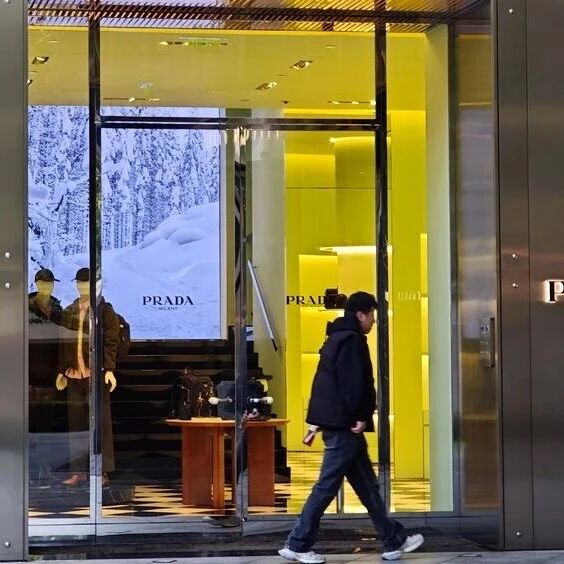
当奢侈品主动抛弃中产,它正在失去什么?
虎嗅APP· 2025-11-13 16:00
Core Viewpoint - The luxury goods industry is experiencing a transitional phase rather than a full recovery, with growth logic shifting from supply-side scarcity to demand-side structural changes, driven by recovering consumer confidence in China and a resurgence of aspirational consumer groups [4]. Group 1: Market Dynamics - The growth engines for the third quarter remain in the U.S. and Asia, with the U.S. market recovering due to the wealth effect from the stock market, while China's recovery is described as tentative [6][7]. - The disparity among brands is becoming more pronounced, with some brands like Prada indicating a plateau in the Chinese market, while LVMH reports moderate growth in local sales [6][7]. - The Chinese luxury market is showing signs of bottoming out, but the momentum for a strong recovery is still lacking [7]. Group 2: Middle-Class Consumer Dynamics - The past decade's growth in the luxury sector was largely driven by the expansion of the middle class, characterized by aspirational consumption [9]. - Economic pressures such as inflation and asset depreciation have led to a decline in middle-class consumer confidence, pushing them out of the primary consumption segment [9]. - However, there are subtle signals of recovery, as seen in Gucci's sales decline narrowing from 25% to 14%, indicating a potential re-engagement with middle-class consumers [9][10]. Group 3: Creative Resurgence - The luxury industry is undergoing an internal adjustment, recognizing that a return to creativity is essential for sustainable growth [12][13]. - Brands are moving away from short-term profit strategies that compromise cultural value, focusing instead on creative depth and emotional resonance [14]. - The market anticipates 2026 to be a pivotal year for luxury goods, with new product launches and a restructured pricing strategy expected to reignite consumer interest [15].
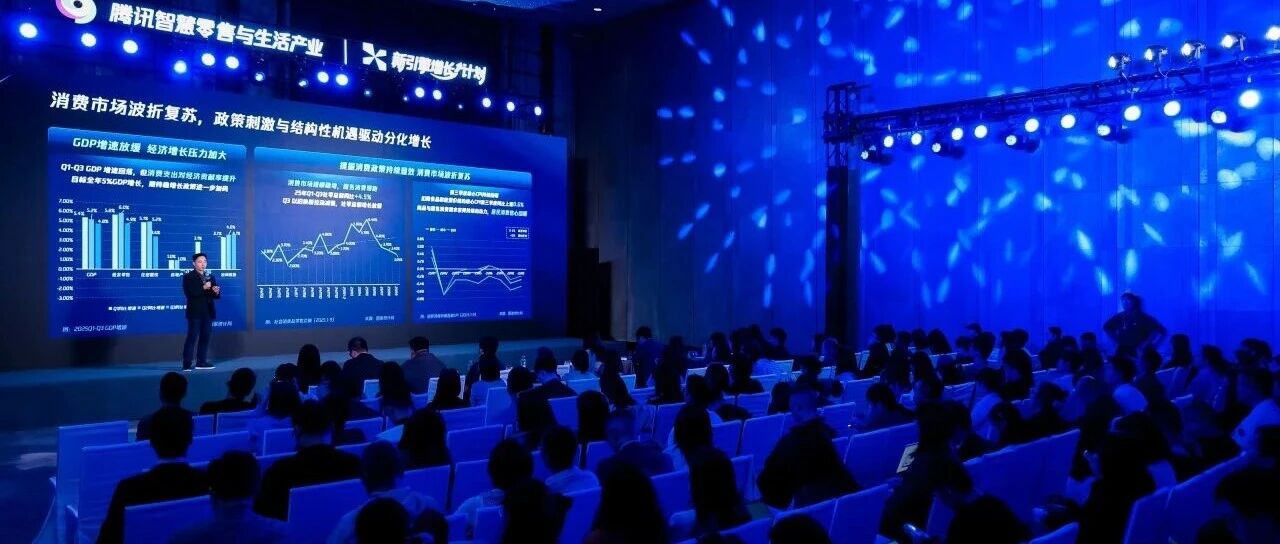
腾讯的“新赛季”,170+家企业开擂
21世纪经济报道· 2025-11-10 11:55
Core Insights - Tencent's annual competition aims to explore new business growth strategies with clients through a high-pressure environment [1] - The concept of "private domain" was introduced in 2018, evolving into "all-domain management" that integrates online and offline channels [1][2] - The year 2025 is anticipated to be transformative for "all-domain management," driven by the rise of video accounts and AI innovations [1][2] Group 1: Business Growth Strategies - In different economic cycles, the relationship between platforms and merchants shifts from mutual empowerment to a competitive struggle for traffic [2] - Tencent's unique competition format has fostered long-term collaboration with clients, emphasizing the importance of private domain operations [2][3] - The integration of video accounts and WeChat mini-stores has created new opportunities for merchants to engage with customers [5][6] Group 2: Case Study - Masfer - Masfer, a high-end women's clothing brand, has successfully integrated online convenience with offline experiences through private domain operations [6][7] - The use of WeChat's video accounts for one-on-one live streaming has significantly increased sales contributions, with 43% of sales attributed to this method [7][9] - The shift to remote fitting services has expanded customer engagement, increasing the frequency of purchases from 2-3 times to 6-8 times per year for top customers [9] Group 3: AI and Marketing Efficiency - AI has become a critical factor in enhancing all-domain marketing efficiency, with leading brands leveraging AI for product selection and targeted marketing [11][13] - The implementation of AI tools has allowed for personalized content delivery to specific customer segments, improving engagement and sales [13][14] - Brands like Juewei Foods have achieved significant sales performance improvements by integrating AI into their marketing strategies [14] Group 4: Industry Evolution and Support - Tencent's competitions enable merchants to accumulate and iterate their all-domain capabilities, providing a structured training framework [16] - The company has successfully adapted its retail strategies to various industries, including tourism, agriculture, and real estate [16][17] - Tencent aims to offer comprehensive solutions that encompass strategy, application, and infrastructure to enhance clients' business models [17]

前Dior男装艺术总监空降 波司登高端化再落一子
Hua Er Jie Jian Wen· 2025-10-23 11:52
Group 1 - Bosideng is deepening its high-end fashion narrative by launching the new "AREAL Premium Urban Line" and appointing British designer Kim Jones as the creative director for the series [1] - Kim Jones has extensive experience in luxury fashion, having served as the men's design director at Louis Vuitton for over seven years and later leading Dior men's and Fendi women's collections [1] - The first AREAL collection, featuring over 20 designs for men and women, is set to launch globally in October, with six down jacket products already available on Bosideng's Tmall flagship store, priced between 2399 and 3999 yuan [1] Group 2 - Over the past eight years, Bosideng's main product prices have increased from approximately 500 yuan in 2017 to a range of 1500 to 2500 yuan by 2025, with the high-end series "Dengfeng" even introducing products priced over 10,000 yuan [2] - The high-end market remains dominated by brands like Moncler and Canada Goose, indicating that Bosideng has yet to achieve substantial breakthroughs in this segment [2] Group 3 - Bosideng has extended its high-end strategy into investments and acquisitions, including a joint venture with German luxury sports brand Bogner to introduce its main and sub-lines to the Chinese market [3] - In 2024, Bosideng strategically invested in the Canadian luxury down jacket brand Moose Knuckles, acquiring over 30% of the shares [4] Group 4 - The AREAL series provides Bosideng with new opportunities to expand product wear scenarios and break seasonal limitations, as the company has been developing non-winter markets with lightweight down jackets, outdoor jackets, and sun protection clothing [5] - For the fiscal year ending March 31, 2025, Bosideng's down jacket business achieved revenue of 21.67 billion yuan, a year-on-year increase of 11%, although its proportion of total revenue slightly decreased by 0.4 percentage points to 83.7% [5] - The increase in wholesale and private label business, along with lower gross margins for new sun protection clothing and rising raw material costs, contributed to a 2.3 percentage point decline in gross margin to 57.3% [5]
Perfect Corp (NYSE:PERF) Conference Transcript
2025-10-20 17:02
Summary of Perfect Corp Conference Call - October 20, 2025 Company Overview - **Company Name**: Perfect Corp (NYSE: PERF) - **Industry**: Software for Beauty and Fashion - **Headquarters**: Taiwan, with significant presence in North America, EU, Japan, and Mainland China - **Employee Count**: Approximately 400, with about half in R&D [3][4] Revenue Distribution - **Geographical Revenue Breakdown**: - North America: ~50% - EU: ~25% - Rest of the World: ~20% (majority from Japan) [4] Business Model - **Components**: B2B and B2C - **B2C**: Offers a suite of apps under the UCAM brand, including six mobile apps and one online editor [5][6] - **B2B**: Serves major clients like Estee Lauder, Dior, and Sephora, focusing on virtual reality and AI solutions for beauty and fashion [6][7] Product Offerings - **B2C Apps**: - UCAM Makeup and UCAM Perfect are flagship apps generating the most revenue - Newest app: UCAM AI Chat for photo and video editing [10][11] - **B2B Services**: - AI Makeup Virtual Try-On is a key offering - Expansion into skincare diagnostics, which is the fastest-growing segment [13][15] Financial Performance - **2025 Guidance**: Projected revenue growth of 13% to 14.5% - **2024 Performance**: Grew approximately 12.5% in 2023, with Q2 2025 growth over 17% [20][22] - **Gross Margin**: Decline due to increased B2C revenue share, which has lower margins compared to B2B [20] - **Cash Position**: Over $167 million in cash and cash equivalents, allowing for potential M&A and buybacks [21][25] Market Dynamics - **B2B Market**: - Currently facing headwinds due to clients' financial pressures and a slowdown in the beauty industry [24][31] - Potential for growth as many companies have yet to adopt software solutions [30] - **Competition**: - Limited large competitors; L'Oreal's internal software is a notable competitor [27][28] - Perfect Corp's technology is considered superior in accuracy and user experience [29] Strategic Initiatives - **Acquisition**: Acquired Wana Corp, enhancing AR and AI capabilities for luxury brands [19] - **Marketing Strategy**: Engaging with smaller influencers for B2C promotion [37] Key Challenges - **Currency Fluctuations**: Negative impact on margins due to exchange rate changes, particularly with the Taiwanese dollar [22] - **Market Awareness**: Need for increased visibility and understanding of the company's offerings among investors [40][41] Conclusion - Perfect Corp is positioned for growth in both B2B and B2C segments, leveraging AI and AR technologies. The company faces challenges from market dynamics and competition but has a strong cash position to pursue strategic opportunities.

Luxury Stocks—Hermès, Prada, More—Boom As LVMH Earnings Fuel Rally
Forbes· 2025-10-15 16:35
Core Insights - LVMH's sales growth in the latest quarter has positively impacted the broader luxury sector, leading to significant stock price increases for various luxury brands and boosting Bernard Arnault's net worth by over $18 billion [1][4]. Company Performance - LVMH reported third-quarter revenue of €18.3 billion (approximately $21.3 billion), marking a 1% increase in sales, which is the first quarterly growth this year [2][5]. - The company's selective retailing unit, particularly Sephora, showed the strongest growth with a 7% increase, indicating solid demand in the U.S. and Europe, and an improvement in Asia (excluding Japan) [5][6]. Market Reaction - Following LVMH's earnings report, shares of Hermès rose by 7.3%, Kering by 4.7%, and L'Oreal by 3.1%, among others, reflecting a rally in the luxury sector [3][6]. - The CAC 40 index, which includes major luxury brands, closed nearly 2% higher, marking the largest single-day increase for the index this year [1][3]. Industry Context - LVMH is viewed as a bellwether for the global luxury goods market, with a market capitalization of around €305 billion, making it one of Europe's most valuable companies [6]. - The recent earnings report signifies a recovery for LVMH after two consecutive quarters of sales declines, highlighting a return to "powerful innovative momentum" in the luxury sector [6].

X @The Wall Street Journal
The Wall Street Journal· 2025-10-14 13:59
LVMH named former Dior creative director Maria Grazia Chiuri as chief creative officer of Fendi https://t.co/4IEFg5lkOz ...

Italy’s Brandart, Leader in Luxury Packaging, Wants to Own the Visual Merchandising and Retail Event Space
Yahoo Finance· 2025-10-10 14:49
Core Insights - Brandart, an Italy-based firm, is transforming from a leader in premium packaging to a global one-stop platform for visual merchandising and retail event displays [1] Company Developments - Brandart has acquired Terotecna, a lighting scenography firm known for its work in fashion events, although financial details of the acquisition were not disclosed [2] - The acquisition of Terotecna is part of Brandart's growth strategy to lead in the retail installation experience sector, alongside visual merchandising and packaging [5] - Earlier in the year, Brandart also acquired Atelier Archiand and ABC Lab, enhancing its capabilities in beauty, tech, travel retail, and interior design [6] Technological Advancements - Terotecna's facility is highly technological, featuring advanced printers, robotics, and anthropomorphic robots for cutting, showcasing the Apulia region's expertise in lighting [3] Collaborative Projects - Brandart and Terotecna collaborated on notable retail displays, such as Loro Piana's "Workshop of Wonders" at Harrods, which featured an elaborate light display [4] Strategic Positioning - Previously, Brandart operated as a procurement entity with over 150 global partners and regional offices in Paris, New York, and Guangzhou, working closely with luxury brands like Loro Piana, Bulgari, Fendi, and Dior [6]