
Gucci

Search documents
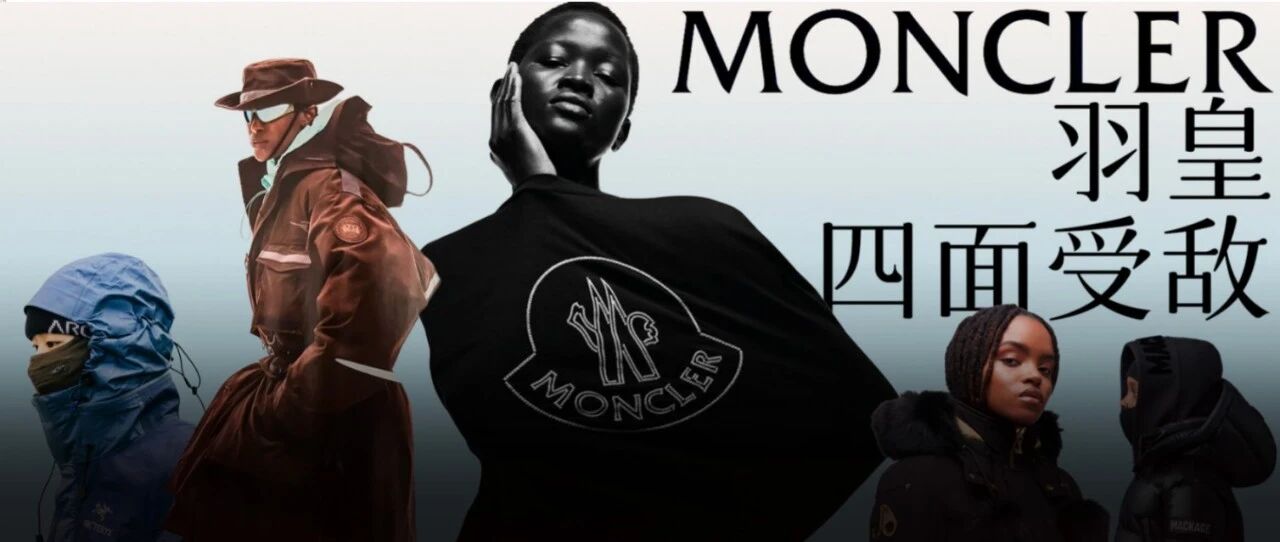
「羽皇」Moncler,被始祖鸟们蚕食
36氪· 2026-01-13 13:36
Core Viewpoint - Moncler, a luxury down jacket brand, has experienced rapid growth in recent years, particularly in the Chinese market, but is now facing increasing competition and challenges in maintaining its market position and growth rate [7][11][41] Group 1: Market Performance - Moncler has seen significant revenue growth, with annual revenue increasing from €1 billion in 2016 to €2 billion in 2022, and is projected to reach €3 billion by 2024 [7] - The brand's performance in China has been particularly strong, with sales growth during the pandemic reaching nearly triple digits, making Asia the only region to show growth for Moncler in 2020 [7] - However, starting in the second half of 2024, Moncler has faced a slowdown in growth, with a projected revenue increase of only 7% for the year, breaking its decade-long trend of double-digit growth [11] Group 2: Brand Positioning and Strategy - Moncler has historically positioned itself as a high-end luxury brand, but is now attempting to diversify its offerings beyond down jackets through initiatives like the Moncler Genius series [13][16] - The brand has shifted its marketing focus towards outdoor performance with the Grenoble series, aiming to reclaim its outdoor heritage and appeal to a broader consumer base [16][22] - Despite these efforts, Moncler is struggling to regain its outdoor identity as competitors in the high-end outdoor segment continue to innovate and capture market share [20][23] Group 3: Competitive Landscape - Moncler faces increasing competition from both high-end outdoor brands like Arc'teryx and luxury down jacket brands such as Canada Goose and Moose Knuckles, which are gaining traction in the market [32][37] - Canada Goose has reported a 20.1% revenue increase in the Asia-Pacific market, indicating a resurgence in its brand performance [32] - Moose Knuckles, with its recent strategic partnerships and celebrity endorsements, is positioning itself as a formidable competitor in the luxury down jacket space [37][38] Group 4: Consumer Trends and Challenges - The luxury consumer landscape is evolving, with middle-class consumers increasingly viewing high-end down jackets as a status symbol, which has benefited Moncler [8] - However, the brand's reliance on the Chinese market for growth may pose risks, as the overall skiing industry in China has not seen explosive growth, limiting the potential for Moncler's outdoor-focused strategies [29][30] - As consumer preferences shift towards functionality and performance, Moncler must adapt its product offerings to meet these changing demands or risk losing market relevance [15][23]


Rezolve Ai Guides to $350 Million 2026 Revenue and $500 Million ARR Exit Run Rate
Globenewswire· 2026-01-13 13:30
Core Insights - Rezolve Ai anticipates significant revenue growth, projecting at least $40 million for 2025 and approximately $350 million for 2026, which is nearly double market expectations of $170 million, indicating nearly 10× year-on-year growth [2][3] Revenue Guidance - For 2025, the company expects to exceed $40 million in revenue, surpassing current analyst consensus [2] - For 2026, the revenue guidance is set at approximately $350 million, indicating a substantial increase from the previous year [2] Annual Recurring Revenue (ARR) - Rezolve aims to exit 2026 with a minimum of $500 million in annual recurring revenue (ARR), translating to about $40 million in monthly revenue by December 2026 [3] Operating Performance - The company ended 2025 with approximately $209 million in ARR, achieving a record revenue of over $17 million in December, marking its first profitable month [4] - In 2025, Rezolve processed more than 51 billion API calls and reached over 340 million unique users globally, demonstrating its operational scale [4] Customer Base and Institutional Confidence - Rezolve's clientele includes major global brands such as Adidas, Gucci, and H&M, reflecting strong enterprise adoption [5] - The company secured significant repeat institutional investments, including a $50 million strategic investment and an additional $200 million commitment, indicating strong confidence in its execution and scalability [6] Strategic Partnerships - Throughout 2025, Rezolve strengthened partnerships with Microsoft and Google, focusing on integrating AI-driven commerce with next-generation payment infrastructure [7] Leadership Commentary - The CEO of Rezolve emphasized that 2025 marked a turning point for enterprise AI-driven commerce, highlighting the company's focus on execution and operational leverage as it moves into 2026 [8] Company Overview - Rezolve Ai is recognized as a leader in AI-powered solutions, specializing in enhancing customer engagement and operational efficiency [9] - The company operates with over 1,000 employees and has more than 650 enterprise customers across 24 global offices [10]

官方开卖中古表 成都二手奢侈品市场迎理性变局
Xin Lang Cai Jing· 2026-01-12 18:00
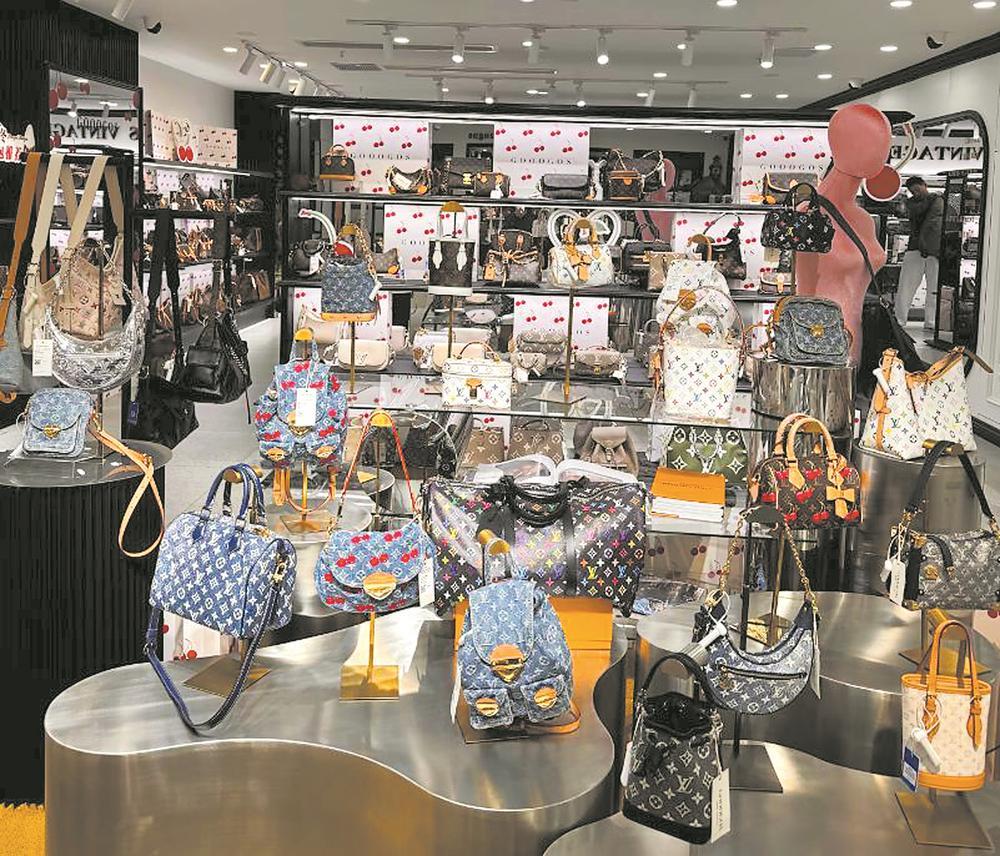
Core Insights - The launch of Rolex's "Certified Pre-Owned" program in mainland China marks a significant event for the second-hand luxury goods market, indicating a shift towards a more rational consumption approach in cities like Chengdu [3][4] - The Chengdu second-hand luxury market is experiencing a transformation characterized by increased consultation but slower transaction rates, with consumers becoming more cautious and price-sensitive [4][5] Market Trends - There has been a notable increase in inquiries about second-hand luxury items, while the transaction rate has decreased, with consumers taking longer to make purchasing decisions [4] - The structure of transactions is changing, with bags being the most sold items, followed by watches, while jewelry sales have declined [4] - Brand preference is shifting towards items with strong value retention, with brands like Rolex, Hermès, and Chanel being favored, while others like LV and Gucci are seeing reduced price premiums [4][5] Pricing Dynamics - The pricing structure in the second-hand luxury market is undergoing a significant transformation, with only a few popular and rare items maintaining their premium pricing, while non-mainstream items require more flexible pricing strategies [5] - The increase in the number of second-hand trading platforms has enhanced price transparency, shifting the market from a seller's to a buyer's market, thus altering pricing power dynamics [5] Consumer Behavior - Young consumers are becoming the main force in the Chengdu second-hand luxury market, with a shift in their purchasing mindset towards valuing brand retention and resale potential over mere price advantages [6] - The focus on quality and brand reputation is becoming more pronounced among consumers, reflecting a more mature approach to luxury purchases [6] Industry Developments - The involvement of brands like Rolex in the second-hand market is expected to raise industry standards, emphasizing the importance of clear provenance and after-sales support [7] - The trend towards professionalization in the industry may challenge smaller businesses lacking in expertise and support systems [7] - Chengdu's government is planning to develop key categories in the second-hand market, including 3C digital products and luxury goods, to foster new consumption growth points [8]
A Challenged Luxury Shoe Business Is Bracing for Major Impact Ahead of Probable Saks Global Bankruptcy
Yahoo Finance· 2026-01-09 22:34
Core Insights - A potential bankruptcy of Saks Global could significantly impact independent luxury shoe designers and fashion houses, with footwear accounting for 40% to 50% of their sales [1][2] - The impact on these companies may manifest in two ways: either through unpaid debts or unsold inventory due to shipping issues [2] - The luxury footwear market is facing challenges, including rising production costs, tariff concerns, and changing consumer behavior [3] Industry Overview - Saks Fifth Avenue carries a diverse range of designer brands, including Christian Louboutin, Manolo Blahnik, and Gucci, as well as sneakers from brands like Asics and Veja [4] - Many brands available at Saks are also sold at Neiman Marcus and Bergdorf Goodman, indicating a concentration of luxury retail channels [5] - Larger brands with broader distribution networks, such as Nordstrom and Bloomingdale's, are likely to withstand the impact better than smaller brands with limited retail accounts [6] Market Conditions - The luxury consumer market has seen a slowdown in purchases due to economic uncertainty, stock market volatility, and inflationary pressures [7] - Concerns have arisen regarding the integration of Neiman Marcus Group into Saks following its $2.7 billion acquisition, which may affect operational stability [6]
设计趋同、高价低质、假货泛滥……山下有松的“虚火”还能撑多久?|贵圈
Xin Lang Cai Jing· 2026-01-04 00:46
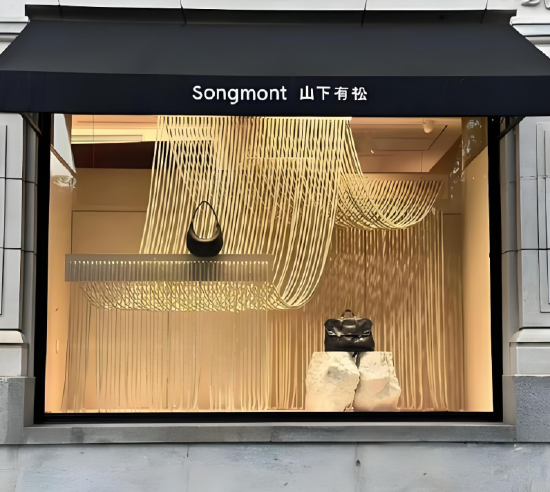
Core Insights - The brand Songmont, also known as "山下有松," has rapidly gained mainstream attention, with significant milestones including LVMH chairman Bernard Arnault purchasing products and the brand's participation in Paris Fashion Week [1][17] - Despite impressive growth, the brand faces challenges such as rampant counterfeiting, consumer complaints about design similarities and high prices, and quality control issues [1][4][11] Sales Performance - In the first three quarters of this year, Songmont's online sales in China increased by approximately 90%, while competitors like Gucci and MK saw declines of 50% and 40% respectively [17] - Songmont has consistently improved its ranking in the Tmall Double Eleven sales event, moving from third place in 2023 to first place in 2024, surpassing Coach with an annual GMV of around 500 million yuan [17][21] Consumer Sentiment - Consumer feedback is polarized, with loyal fans praising the brand's unique design and quality, while critics highlight issues such as design uniformity, high prices, and frequent price increases [18][19] - A specific product, the "菜篮子" bag, saw its price rise from 880 yuan in 2021 to 1380 yuan in 2025, reflecting a nearly 60% increase [4][19] Market Positioning - Songmont is positioned among mid-to-high-end domestic brands, with some products priced over 4000 yuan, and has tested the high-end market with items exceeding 10,000 yuan [21] - The brand's pricing strategy considers multiple factors, including material costs, craftsmanship, and market positioning, as stated by customer service representatives [21] Expansion Strategy - The brand has expanded its physical presence, increasing its number of stores from 11 to 20 within a year, primarily in first-tier and new first-tier cities [22] - Despite the expansion, many stores are not yet profitable, with online sales currently supporting offline operations [22] Product Diversification - Songmont is diversifying its product offerings, launching a clothing line in November 2024 and a fragrance line in November 2025, with prices comparable to luxury brands [24][10] - The brand aims to create a cohesive aesthetic experience, integrating bags, clothing, and fragrances to attract a specific consumer demographic [24] Counterfeit Issues - Counterfeiting has become a significant issue, with a complete supply chain for fake products emerging, often sold at prices 1/5 to 1/10 of the original [25][11] - The brand is actively working to combat counterfeiting, with legal teams addressing the issue both domestically and internationally [27] Brand Challenges - The brand faces a paradox where increased visibility leads to more counterfeiting, complicating the maintenance of its unique identity and high-end perception [27] - Experts suggest that to build a stronger brand moat, Songmont should enhance its product innovation, establish technical barriers, and improve copyright protection [27]
从“情绪消费”到“实在惠民”,岁末上海消费市场活力迸发
Sou Hu Cai Jing· 2025-12-25 14:20
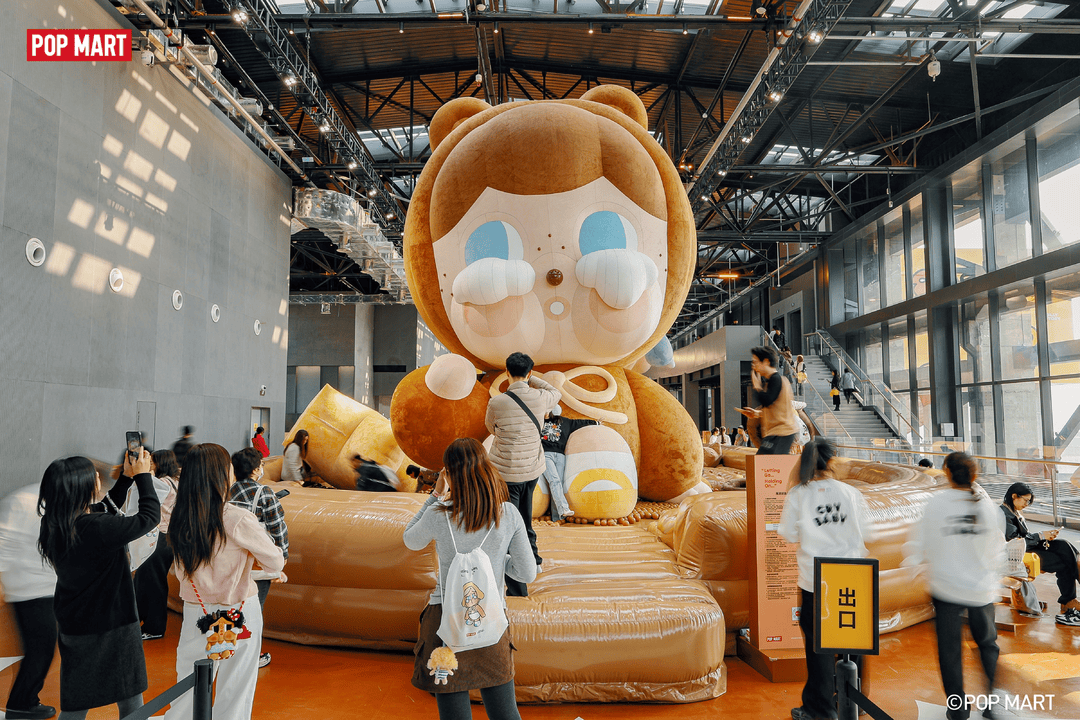
Group 1: Consumer Market Trends in Shanghai - Shanghai's consumer market is vibrant and diverse as it approaches the end of 2025, featuring emotional and practical values that cater to both spiritual and daily needs [1] - The "Crybaby" exhibition, a collaboration between Pop Mart and artist Molly, is the largest of its kind globally, showcasing a unique emotional experience [2][3] - The exhibition includes an immersive "tear ball pool" and interactive experiences, emphasizing the importance of emotional expression in contemporary society [5] Group 2: Local E-commerce Initiatives - The local e-commerce platform i百联 is launching a "Year-End Gratitude Season" with significant discounts and promotions aimed at providing tangible benefits to consumers [6] - The platform features a selection of popular products based on real transaction data, including electronics and traditional brands, enhancing consumer satisfaction [8] - The initiative also highlights local "old brand" products, allowing consumers to reconnect with familiar tastes in a fast-paced environment [8] Group 3: Health Initiatives for the Elderly - The aging population in China is prompting initiatives to address health challenges, particularly neurodegenerative diseases like Alzheimer's [9] - Danone Nutricia is launching a "Memory Guardian" project to train nutritionists in brain health assessment and intervention strategies [9] - The "智敏捷" product, designed for individuals with cognitive decline, has received recognition for its scientific formulation and clinical research backing [11]
高端运动补位奢侈品,读懂中国高端消费的变迁
36氪· 2025-12-17 15:18
Core Viewpoint - The article discusses the shift in high-end consumer behavior in China, highlighting the decline of traditional luxury brands and the rise of professional sports brands as key players in the retail space [2][31]. Group 1: Traditional Luxury Brands' Retreat - Major luxury brands, except for Hermès, have been closing stores in China since the second half of 2024, indicating a shift in market dynamics [5]. - Brands like LV and DIOR have already closed stores in key locations, reflecting the pressure on the luxury goods sector [5]. - The actions of these brands often precede their financial reports, signaling a challenging environment for the luxury industry [5]. Group 2: Rise of Professional Sports Brands - In contrast to luxury brands, high-end sports brands are expanding their presence in core urban areas, opening flagship stores and enhancing store specifications [6]. - These brands exhibit resilience during a period of slowing growth in the luxury sector, driven by high repurchase rates and strong user engagement within professional communities [6]. - DESCENTE's flagship store in Beijing, located in a prime commercial area, signifies a shift in consumer preferences towards professional sports brands [7][24]. Group 3: DESCENTE's Strategic Positioning - DESCENTE's approach is characterized by a systematic strategy that combines professional sports engagement with urban retail narratives [9][30]. - The brand's flagship store, "Future City," serves as a medium for expressing its values and connecting with consumers, moving beyond mere retail to become a space for brand storytelling [13][15]. - DESCENTE's strategy includes deepening connections with professional sports communities and establishing a presence in urban centers, thereby appealing to elite consumers [16][17]. Group 4: Changing Consumer Values - The luxury market is experiencing a transition from ostentatious consumption to more rational spending, with consumers reassessing what expenditures are worthwhile [32][33]. - The sports industry is projected to grow significantly, with the Chinese sports market expected to reach 5 trillion yuan by 2025, indicating a shift towards high-end sports consumption [35]. - As professional sports become more integrated into everyday life, brands like DESCENTE must provide not just products but also a lifestyle and community that resonate with new middle-class consumers [36].

X @The Wall Street Journal
The Wall Street Journal· 2025-12-16 17:37
Gucci owner Kering will receive $690 million for a majority stake in a Fifth Avenue property in a deal with private-equity group Ardian, as the luxury group continues to unload assets to bolster its finances https://t.co/gNvGo4pmFa ...
这届年轻人,买奢侈品的逻辑彻底变了
3 6 Ke· 2025-12-16 11:12
Core Insights - The luxury goods market is experiencing a shift in consumer behavior, particularly among younger generations who prioritize value and discounts over brand prestige and logos [2][3][5][6] Group 1: Changing Consumer Preferences - Young consumers are increasingly seeking high-quality luxury items at lower prices, moving away from the traditional notion that higher prices equate to better quality [2][5] - Research indicates that nearly 50% of luxury goods users on platforms like Xiaohongshu are born after 1995, with a significant portion starting to pay attention to luxury brands before the age of 22 [3] - The trend shows that young consumers prefer discount channels, with a 30% year-on-year increase in luxury sales reported by discount e-commerce platform Vipshop from January to September this year [3][6] Group 2: Market Dynamics - Major luxury brands like LVMH and Kering are facing declining profits, with LVMH's operating profit down 15% and net profit down 22% in the first half of 2025 [3] - The discount luxury market is projected to grow at five times the rate of the full-price market between 2025 and 2030, indicating a significant shift in consumer purchasing behavior [6] Group 3: Trust and Quality Assurance - The need for third-party authentication has become essential in the discount luxury market, as consumers seek assurance of product authenticity and quality [10][11] - China’s inspection and certification authority, Zhongjian, is establishing itself as a key player in providing quality assurance for discounted luxury goods, enhancing consumer trust [10][11] - The collaboration between Zhongjian and e-commerce platforms aims to redefine quality standards for discounted luxury items, addressing consumer concerns about authenticity and value [11]
Swatch Group, Citizen Watch Investigated by Italian Competition Authority Over Pricing Practices
Yahoo Finance· 2025-12-10 16:49
Core Viewpoint - The Swatch Group and Citizen Watch are under investigation by the Italian Competition Authority for potentially violating EU regulations regarding pricing practices, specifically for imposing retail prices on authorized distributors [1][4]. Group 1: Investigation Details - The Italian branches of both Swatch and Citizen were inspected on December 3 by the competition authority, with assistance from the Special Antitrust Unit of the Italian financial police [2]. - Citizen is accused of instructing its selective distribution network to adhere to imposed retail prices and monitoring pricing practices, potentially adopting retaliatory measures against non-compliant distributors [2][3]. - Swatch is similarly suspected of imposing retail prices and monitoring its distribution network, also adopting retaliatory measures against distributors that do not comply [4]. Group 2: Company Responses - A spokesperson for the Swatch Group confirmed the inspections and stated that the company is fully cooperating with the investigation to clarify the potential violation related to its brands Tissot Italy and Mido Italy [5]. Group 3: Industry Context - This investigation is part of a broader scrutiny of pricing practices by luxury brands in Europe, with previous cases including Gucci, Loewe, and Chloé, which were fined a total of 157 million euros for anticompetitive pricing practices [6]. - Rolex faced a fine of 91.6 million euros in 2023 for prohibiting its authorized distributors from selling online at higher prices for over a decade [7].