ASML

Search documents
4 Phenomenal Chip Companies to Ride the Artificial Intelligence (AI) Investing Wave
The Motley Fool· 2025-03-17 11:15
Core Viewpoint - Despite the recent market sell-off in tech stocks, the long-term outlook for AI investments remains strong, with significant growth expected in the coming years [1] Group 1: AI Investment Landscape - The AI investment wave is still in its early stages, with substantial opportunities for investors to acquire undervalued AI stocks [1] - Key companies in the AI race include Taiwan Semiconductor (TSMC), ASML, Nvidia, and Broadcom, which are essential for the AI revolution [2] Group 2: Taiwan Semiconductor (TSMC) - TSMC is the world's leading chip foundry, providing fabrication services for major clients like Broadcom and Nvidia, and is recognized for its innovation and technology leadership [3] - TSMC anticipates AI-related revenue growth at a compound annual growth rate (CAGR) of 45% over the next five years, with overall revenue growth projected at nearly 20% CAGR [4] - TSMC has announced an additional $100 billion investment in U.S. facilities, complementing a previous commitment of $65 billion, due to high demand and capacity sell-out through 2027 [5] Group 3: ASML - ASML produces critical machines, including extreme ultraviolet (EUV) lithography machines, essential for high-end chip fabrication, holding a technological monopoly in this area [6] - The expansion of TSMC's capacity directly benefits ASML, as its technology is integral to the chip manufacturing process [6] Group 4: Nvidia and Broadcom - Nvidia, a major customer of TSMC, specializes in graphics processing units (GPUs) that are vital for AI training and complex computing tasks, maintaining a strong market position [7] - Broadcom designs custom AI accelerators known as XPUs, which can outperform GPUs in specific applications, making them important for AI model development [8] - Both Nvidia and Broadcom operate in a large market that allows for growth despite competition [9] Group 5: Investment Opportunities - All four companies are currently trading at lower valuations compared to the past year, presenting attractive investment opportunities [10] - TSMC is highlighted as the most undervalued, trading at less than 20 times forward earnings, making it a top pick among the group [11] - While short-term challenges may persist, the long-term outlook for these companies is positive, with expectations of significant price appreciation over the next five years [12]



电子行业周报:MWC2025聚焦AI与5G-A技术创新
Shanghai Aijian Securities· 2025-03-17 07:32
Investment Rating - The report rates the electronic industry as "Outperform the Market" [1][3]. Core Insights - The report highlights that AI has become the main innovation direction for electronic terminal devices, with emerging products like smart glasses and robots gaining prominence. Continuous product launches in the AI application layer are expected to drive demand for related terminal products [3][23]. - The report notes that the traditional AI computing power supply chain is facing challenges from new open-source forces, leading to a new cycle of declining AI computing costs, which will benefit application-layer industries directly [3][23]. - The report anticipates a new wave of upgrades in servers, smartphones, and intelligent driving systems, alongside a sustained increase in demand for domestic computing power chips [3][23]. Summary by Sections 1. MWC 2025 Focus on AI and 5G-A Technology Innovation - The MWC 2025 showcased global leading technology companies and innovations, focusing on AI integration, 5.5G-A technology development, and AI terminal device trends [6][10]. 2. Global Industry Dynamics - OpenAI launched a new set of API and agent development tools to simplify AI agent development, enhancing capabilities for information retrieval and task execution [22][23]. - Samsung is accelerating the development of glass substrates, aiming for mass production by 2027, which is expected to reduce semiconductor manufacturing costs and enhance chip performance [24][25]. - ASML and Imec have signed a new five-year strategic cooperation agreement to advance semiconductor technology, focusing on high-end node chip development [26][27]. - Meta is testing its first self-developed AI training chip based on the RISC-V architecture, with plans for mass deployment in 2026, aiming to reduce reliance on external suppliers [28][29]. 3. Market Review - The electronic industry experienced a decline of 0.6% this week, ranking 29th out of 31 sectors, while the SW electronic sub-sectors showed varied performances, with printed circuit boards leading at +8.6% [31][34].
中国芯片,艰难一役
半导体行业观察· 2025-03-17 01:24
Core Viewpoint - The Chinese semiconductor industry is experiencing significant growth, with integrated circuit exports surpassing mobile phones as the highest single commodity export in 2024, amounting to 1,595 billion USD, while imports reached 3,856 billion USD [1][5]. Group 1: Industry Growth and Challenges - In 2024, China exported 2,981 billion integrated circuits, while imports totaled 5,492 billion units, indicating a robust demand for semiconductors [1]. - Despite the growth, the Chinese chip design industry remains at a mid-to-low end of the value chain, with only about 10% market share in the computer sector compared to 25% internationally [2][5]. - The industry faces challenges due to external restrictions and internal competition, necessitating a strategic breakthrough [2][3]. Group 2: Advanced Chip Demand - The demand for advanced chips is surging, driven by the rise of smart vehicles and artificial intelligence, with significant computational power requirements [4]. - Gartner predicts that the value of AI accelerators for servers will reach 21 billion USD in 2024, growing to 33 billion USD by 2028, highlighting the urgent need for stronger AI chips [4]. - TSMC anticipates that AI accelerator revenue will double by 2025, with a compound annual growth rate of nearly 45% from 2024 to 2029 [4]. Group 3: External Pressures and Technological Innovation - The Chinese semiconductor industry is facing increasing restrictions from the U.S. and allied nations, limiting access to advanced chips and necessary manufacturing equipment [5][10]. - The industry must focus on technological innovation, particularly in architecture and microsystem integration, to develop a self-sufficient technology ecosystem [6]. - The need for innovation is emphasized as the industry transitions from relying on advanced manufacturing processes to developing independent design technologies [5][6]. Group 4: Traditional Chip Market Dynamics - As advanced chip development faces hurdles, Chinese manufacturers are pivoting towards traditional chips, which are essential in various sectors including automotive and consumer electronics [8][9]. - The domestic demand for traditional chips is substantial, and local manufacturers are rapidly gaining market share in areas such as MCU, analog devices, and power devices [9]. - Despite the growth in traditional chip manufacturing, U.S. investigations and potential tariffs pose significant challenges to the Chinese market [10][11]. Group 5: Future Outlook - Industry experts express cautious optimism about the future of the Chinese semiconductor sector, believing that collective efforts across the supply chain will lead to a successful path forward [12]. - The integration phase of the Chinese semiconductor industry presents opportunities for companies with capital and technological resources to strengthen their positions [12]. - The resilience of Chinese companies in various fields indicates a potential for breakthroughs despite external pressures [12].
新材料产业周报:2026年中国eVTOL市场有望突破百亿元,小鹏人形机器人有望2年内量产-2025-03-16
Guohai Securities· 2025-03-16 12:51
Investment Rating - The report maintains a "Recommended" rating for the new materials industry [1]. Core Insights - The new materials sector is positioned as a crucial direction for the future development of the chemical industry, currently experiencing rapid growth in downstream demand. With policy support and technological breakthroughs, domestic new materials are expected to accelerate their long-term growth. The report emphasizes that "one generation of materials leads to one generation of industries," highlighting the foundational role of new materials in supporting other industries [4][18]. Summary by Relevant Sections 1. Electronic Information Sector - Focus areas include semiconductor materials, display materials, and 5G materials [5]. - Significant developments include a strategic partnership between ASML and imec to advance semiconductor research and sustainable innovation, covering all of ASML's product lines [7][39]. 2. Aerospace Sector - Key materials of interest are PI films, precision ceramics, and carbon fibers [9]. - The eVTOL (electric Vertical Take-Off and Landing) market is emerging as a new trend in aviation technology, with expectations for the Chinese market to reach nearly 1 billion yuan in 2023 and exceed 10 billion yuan by 2026 [10]. 3. New Energy Sector - The report highlights solar photovoltaic, lithium-ion batteries, proton exchange membranes, and hydrogen storage materials as key focus areas [11]. - The U.S. solar market is projected to install nearly 50 GW in 2024, a 21% increase from 2023, with solar power accounting for 66% of new generation capacity [12]. 4. Biotechnology Sector - The focus is on synthetic biology and scientific services [13]. - Recent initiatives in Suzhou aim to accelerate the development of the biomanufacturing industry, particularly in biopharmaceuticals and bio-based materials [14]. 5. Energy Conservation and Environmental Protection Sector - Key materials include adsorbent resins, membrane materials, and biodegradable plastics [15]. - The Ministry of Industry and Information Technology has issued guidelines to promote high-quality development in the environmental protection equipment manufacturing sector [17]. 6. Key Company and Earnings Forecast - The report provides earnings forecasts for several key companies, indicating a positive outlook for companies like Ruihua Tai and Guangwei Composite, with expected EPS growth in the coming years [19].
This Chip Company Is a No-Brainer Dividend Stock to Buy on the Nasdaq Correction
The Motley Fool· 2025-03-14 19:07
Core Viewpoint - The semiconductor sector, particularly ASML, is facing a broader market sell-off, but ASML's long-term prospects remain strong due to its unique position in the industry and its role in AI advancements [2][4][15]. Group 1: Company Overview - ASML manufactures advanced extreme ultraviolet (EUV) lithography machines essential for chip manufacturing, which are critical for companies like Nvidia and Intel [3]. - The company operates in a monopolistic environment, significantly ahead of competitors, allowing it to maintain strong sales and pricing power [4]. - ASML's business model is supported by increasing global chip demand, positioning it well for future growth despite cyclical challenges [4][9]. Group 2: Financial Performance - ASML's guidance for Q1 fiscal 2025 net sales is projected between 7.5 billion euros and 8 billion euros, with a gross margin of 52% to 53%, compared to 5.3 billion euros and a 51% gross margin in Q1 fiscal 2024 [9]. - The company's current price-to-earnings (P/E) ratio is 33.4, with a forward P/E of 27.9, which are considered bargain levels compared to its 10-year median P/E of 35.1 [11]. - ASML's stock has decreased by 30% over the past year, making it an attractive option for long-term investors despite recent market volatility [13]. Group 3: Investment Considerations - ASML offers a dividend yield of 1.1%, which is appealing compared to the S&P 500's yield of 1.3%, providing an incentive for investors to hold the stock during market fluctuations [14]. - The company is well-positioned to support advancements in AI chip technology, making it a compelling buy-and-hold candidate for investors focused on long-term growth [15][16]. - Despite potential risks from trade tensions and cyclical slowdowns, ASML's strong backlog and market position suggest resilience in its growth trajectory [9][12].

Is Nvidia stock a buy, sell, or hold?
Finbold· 2025-03-14 13:47
Despite spending much of early 2025 on a stock market downtrend, Nvidia (NASDAQ: NVDA) continues to command investor confidence and optimism.The psychological momentum it boasts appears only logical, as the year-to-date (YTD) 11.44% drop to $118.94, despite its severity, remains dwarfed by the 900% rally between November 2022 and the end of 2024.NVDA stock YTD price chart. Source: FinboldHowever, the question of whether NVDA shares are a buy, sell, or hold in March 2025 is becoming increasingly pointed as t ...

2 Growth Stocks Down Over 20% to Buy Right Now
The Motley Fool· 2025-03-14 10:53
Group 1: Market Overview - The recent market sell-off has significantly impacted technology stocks, particularly Taiwan Semiconductor Manufacturing (TSM) and ASML, presenting a potential buying opportunity for investors [1][8] - The sell-off is primarily driven by fears surrounding President Trump's tariffs, which are not expected to affect the long-term trajectory of these companies [8] Group 2: Taiwan Semiconductor Manufacturing (TSM) - TSM is the leading contract chip manufacturer, producing chips for major technology companies like Apple and Nvidia, which lack their own chip foundries [3] - TSM is experiencing substantial growth in AI-related chips, with a projected revenue increase of 45% compound annual growth rate (CAGR) over the next five years, and overall revenue expected to rise at nearly 20% CAGR [4] - TSM has announced a $100 billion investment in U.S. chip production facilities, in addition to the $65 billion already spent, to meet the skyrocketing demand for U.S.-produced chips [5] Group 3: ASML - ASML is the sole manufacturer of extreme ultraviolet (EUV) lithography machines, giving it a technological monopoly in the chip manufacturing sector [6][7] - The expansion of TSM's production facilities will lead to increased purchases of ASML machines, benefiting ASML significantly [7] - ASML's monopoly status is reinforced by decades of research and substantial R&D investments, making it a stable long-term investment [7] Group 4: Investment Thesis - Both TSM and ASML are currently trading at significant discounts, with TSM down approximately 21% from its all-time high and ASML down over 30% [8] - The current pricing presents a favorable opportunity for investors to acquire these stocks, which are expected to perform well in the long term due to favorable trends in the chip market [9]

1nm,重要进展
半导体芯闻· 2025-03-14 10:22
Core Viewpoint - The semiconductor industry is witnessing intense competition among leading foundries like TSMC, Intel, and Samsung in the development of 2nm and 1nm technologies, with TSMC planning to establish a 1nm fab in Taiwan to maintain its market leadership [1][6][7]. Group 1: Advanced Lithography and Technology Partnerships - ASML and Imec have formed a five-year partnership to enhance research capabilities for technologies below 2nm, utilizing ASML's latest lithography tools [3][4]. - Imec will integrate ASML's advanced wafer fabrication equipment, including High-NA EUV tools, into its facilities in Belgium, marking a significant step in semiconductor manufacturing technology [4][5]. - High-NA EUV systems, essential for efficient manufacturing at 2nm nodes, can cost up to $350 million each, posing a barrier for new entrants [4]. Group 2: TSMC's 1nm Development Plans - TSMC is accelerating its 1nm technology development and plans to build a 1nm fab in Tainan, Taiwan, with six production lines dedicated to 1nm and 1.4nm chips [6][7]. - The new fab aims to outpace competitors like Samsung and Intel, with TSMC initially planning to launch 1.4nm technology in 2027 but now targeting 2026 for 1.6nm production [7]. Group 3: EUV Technology Advancements - DNP has successfully developed the first generation of EUV masks required for 2nm and beyond, achieving a resolution that is 20% smaller than that needed for 3nm [8][9]. - The company is collaborating with Imec to advance mask manufacturing technology, focusing on the requirements for 1nm processes [9]. Group 4: Future Roadmaps and Challenges - Imec's roadmap includes the transition from FinFET to GAA (Gate-All-Around) transistors at the 2nm node, with further innovations expected to continue down to atomic channel designs [11][12]. - The industry faces challenges such as rising design costs and the need for increased computational power, particularly for machine learning applications, which are growing at a faster rate than traditional transistor scaling can accommodate [13][14]. - Imec emphasizes the importance of next-generation tools and techniques, such as High-NA EUV lithography, to achieve higher transistor densities and performance [15][16].
一台24亿!ASML光刻机入厂!
国芯网· 2025-03-14 04:33
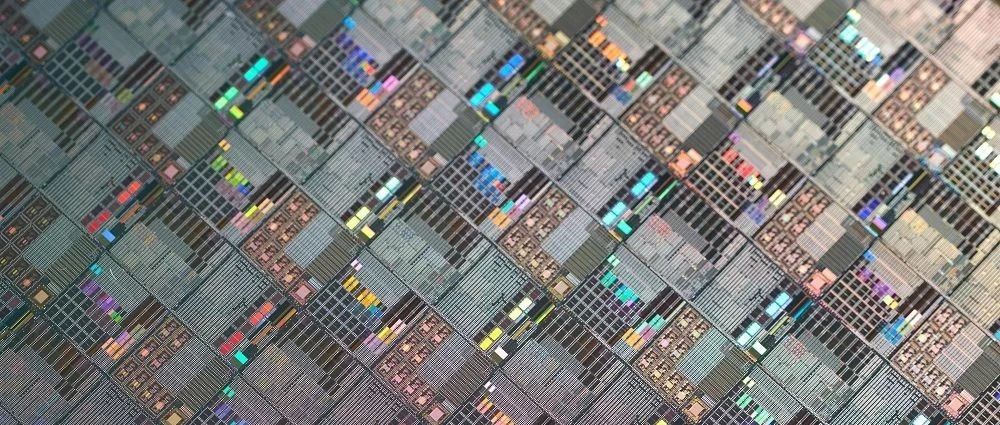
Core Viewpoint - The article emphasizes the acceleration of the adoption of High-NA EUV lithography equipment in the semiconductor industry, highlighting its significance for advanced semiconductor manufacturing processes, particularly for 2nm technology [2][3]. Group 1: High-NA EUV Equipment Adoption - Samsung Electronics has introduced the first High-NA EUV lithography machine, EXE:5000, valued at approximately 24.88 billion RMB, to enhance its semiconductor manufacturing capabilities [2]. - The High-NA EUV equipment increases the numerical aperture from 0.33 to 0.55, significantly improving lithography precision and enabling narrower line widths, which reduces power consumption and enhances data processing speed [2]. - Intel has also accelerated its procurement of High-NA EUV equipment, having purchased a total of 6 units, with the first two already in production, capable of processing 30,000 wafers per quarter [3]. Group 2: Market Position and Performance - Despite being ranked second in the global foundry market in Q4 2023, Samsung's revenue decreased by 1.4% to 3.26 billion USD, resulting in a market share of only 8.1% [4]. - TSMC maintains a dominant position with a market share of 67%, highlighting the competitive landscape in the semiconductor foundry sector [4].
ASML: Thoughts On Valuing A Monopoly
Seeking Alpha· 2025-03-13 08:59
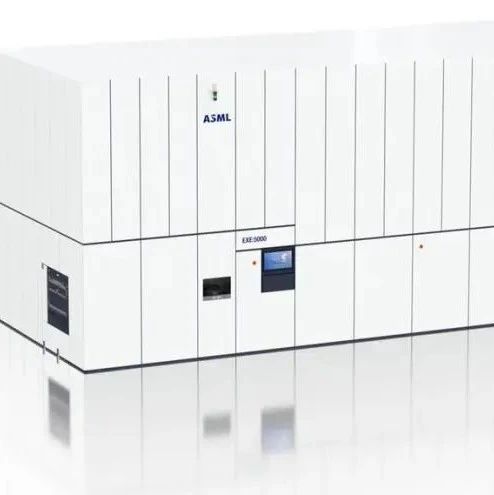
Company Overview - ASML holds a dominant position in the DUV equipment market with approximately 90% market share, indicating a practical monopoly in this segment, which can also be characterized as an oligopoly due to the presence of competitors like Canon and Nikon [1] Investment Perspective - The company is viewed favorably by long-term investors, with a focus on compounding knowledge and strategic investment approaches [1]