华润啤酒

Search documents
从全球招商大会看深圳“十五五”新增长点
Sou Hu Cai Jing· 2025-12-05 17:42
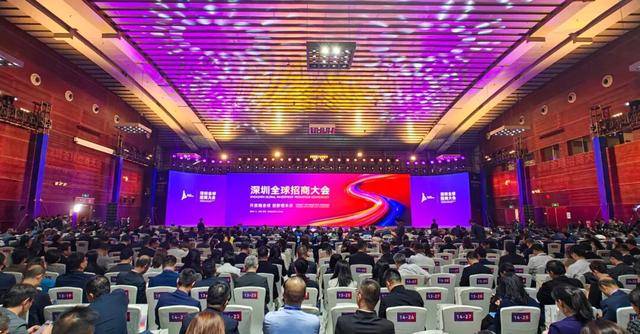
12月5日,2025深圳全球招商大会在深圳会展中心举办,来自30多个国家和地区的超1000家企业及机构 代表参会。大会洽谈签约项目超340个、涉及投资额超7700亿元。 站在"十四五"收官冲刺、"十五五"谋篇布局的关键时刻,深圳这场面向全球的招商引资年度盛会就特别 值得关注,特别是那些将成为未来新增长点的重点产业、重点企业。 01 首先是深圳的高度重视,四套班子主要领导全部出席。 深圳市委书记孟凡利,市委副书记、市长覃伟中,市人大常委会党组书记、主任戴运龙,市政协党组书 记、主席林洁出席,并在会前与部分参会企业家进行了交流,观看了深圳招商成果展。 建具有深圳特点和深圳优势、具有更强国际竞争力的现代化产业体系和实现高质量发展提供坚强保障。 要牢牢把握经济建设这一中心工作和高质量发展这一首要任务,拿出更加有力有效的"政策+工作",突 出要素保障和配套协作的效率效益,持续提升优化市场化、法治化、国际化一流营商环境,营造应有尽 有、高效便捷,单方面突出、综合优势更强的产业生态,充分挖掘全市资源和潜力,坚持"心诚+行 程"面向全国全球大力招商引资,加快培育更多高质量经营主体和中国一流、世界一流企业,努力让各 类经营主体 ...


百威喜力鏖战中国:啤酒生意 要重做一遍|跨国酒企变局2025
2 1 Shi Ji Jing Ji Bao Dao· 2025-12-05 17:35
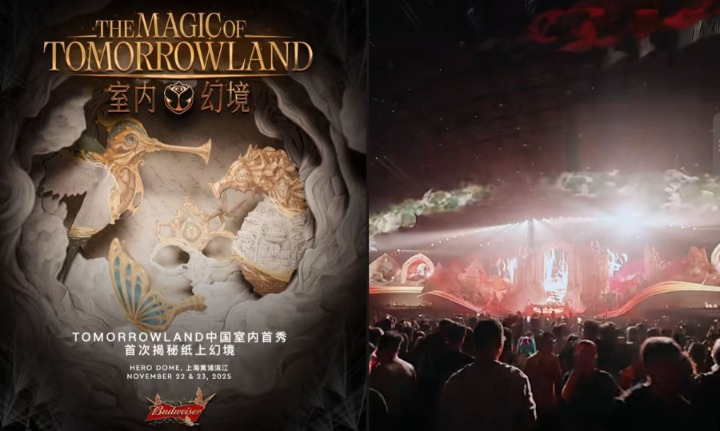
Core Insights - The Chinese beer industry is experiencing a shift towards domestic brands, with a notable recovery in their performance while international brands face challenges [1][2][3] - The overall beer consumption in China is still on a steady rise, despite a slight decline in production in October [1] - The market dynamics have changed, with domestic brands like Qingdao Beer and Yanjing Beer showing growth, while international brands like Budweiser are struggling [1][10] Industry Overview - The Chinese beer market has entered a phase of stock competition, with the industry's scale at about 70% of its peak [1] - The latest statistics show a 1% year-on-year decline in beer production for October, with cumulative production growth for the first ten months at 0% [1] - The industry is now in its twelfth year of stock competition, indicating a mature market environment [1] Brand Performance - Domestic brands such as Qingdao Beer, Yanjing Beer, and Zhujiang Beer have maintained growth in revenue, profit, and sales in the first three quarters of 2025 [1] - Budweiser has reported a double-digit decline in revenue, profit, and sales in the Chinese market for the first three quarters [1][10] - Heineken has shown significant growth, with sales increases of 30% to 70% for its products in recent years, positioning China as its second-largest market globally [11][14] Market Dynamics - The shift in consumer preferences has led to a decline in the dominance of international brands, particularly in the nightlife channel, which has been underperforming [2][24] - Heineken's strategy has focused on expanding into non-nightlife channels, leveraging partnerships with local distributors to enhance market penetration [20][25] - Budweiser's market share in regions like Fujian has decreased significantly, while the combined share of China Resources and Heineken has increased [12] Marketing Strategies - Both Budweiser and Heineken have engaged in high-profile sponsorships and events to enhance brand visibility, with Budweiser sponsoring the Tomorrowland music festival in Shanghai [4][7] - Heineken has also positioned itself as a key player in major events like the F1 China Grand Prix, resulting in a 14% increase in sales during the event [8] - The marketing strategies of both brands have evolved, with a focus on aligning with local consumer trends and preferences [29][30] Consumer Trends - The Chinese beer market is witnessing a shift towards innovative flavors and products, with a growing acceptance of new beer styles such as tea-infused beers [42] - There is a notable preference for higher alcohol content and unique flavors among Chinese consumers, contrasting with trends in Western markets [41][42] - The industry is encouraged to expand its product offerings to include low-alcohol and non-alcoholic options, although these segments remain niche in China [40][41]




华润系高管“三连走”,金种子酒的亏损泥潭谁来破局?
Guo Ji Jin Rong Bao· 2025-12-05 15:44
Core Viewpoint - The departure of senior executives from Jinzhongzi Liquor highlights ongoing challenges within the company, which continues to struggle with losses despite some recent revenue growth [1][4][11]. Group 1: Executive Departures - He Wuyong, the vice president of Jinzhongzi, has resigned for personal reasons, marking a significant change in the company's leadership [1]. - He Wuyong was part of the initial management team sent by China Resources after its acquisition of Jinzhongzi in 2022, and he is the latest in a series of departures from this group [3][4]. - The company has seen a total of three senior executives from the "China Resources" team leave within five months, leaving the general manager position vacant for five months [4][11]. Group 2: Financial Performance - Jinzhongzi Liquor reported a 23.92% year-on-year increase in revenue to 1.469 billion yuan in 2023, with a net profit increase of 89.41%, yet it still recorded a loss of 20 million yuan [11]. - In 2024, the company's net profit loss expanded to 257 million yuan, the lowest in nearly a decade, with total revenue dropping below 1 billion yuan [12]. - For the first three quarters of 2023, Jinzhongzi achieved revenue of 630 million yuan, a year-on-year decline of 22.1%, with a corresponding net profit loss of 100 million yuan [12]. Group 3: Market Position and Strategy - Jinzhongzi Liquor, once a leading player in the Anhui liquor market, has struggled to adapt to market changes and has faced significant financial challenges since diversifying its business [5][6]. - The company attempted to refocus on its core liquor business and launched new products to regain market share, but these efforts have not yet yielded significant results [10][11]. - The product structure indicates that Jinzhongzi's path to upward transformation remains unclear, raising questions about future leadership and strategic direction [13].

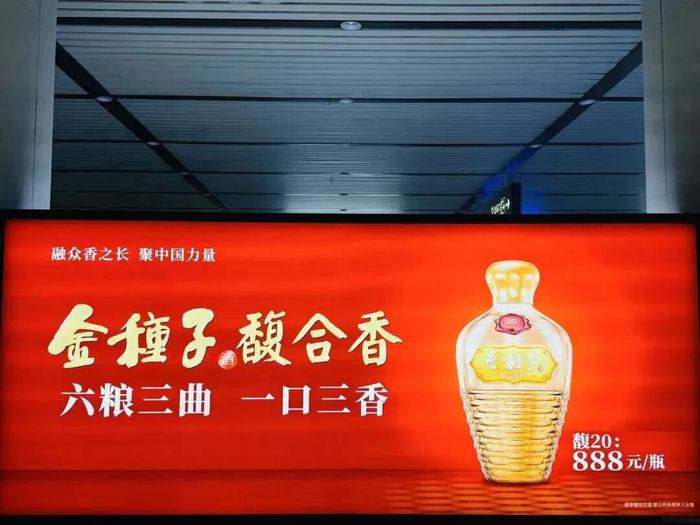
华润系高管“三连走” 金种子酒的亏损泥潭谁来破局?
Guo Ji Jin Rong Bao· 2025-12-05 15:36
Group 1 - The core point of the article is the resignation of He Wuyong, the vice president of Jinzhongzi Liquor, amid ongoing leadership changes and the company's struggle to return to profitability [2][5][6] - He Wuyong was part of the initial management team sent by China Resources after its acquisition of Jinzhongzi Liquor in 2022, and his departure marks a significant shift in the company's leadership [4][5] - The company has faced a series of executive departures, with the general manager and financial director also resigning within a short period, leaving the general manager position vacant for five months [5][11] Group 2 - Jinzhongzi Liquor has not yet returned to profitability, continuing to report losses despite a revenue increase of 23.92% to 1.469 billion yuan and a net profit growth of 89.41% in 2023 [11][12] - The company’s revenue for the first three quarters of 2024 is reported at 630 million yuan, a decline of 22.1% year-on-year, with a net profit loss of 100 million yuan [12] - The product structure indicates challenges in the company's upward transformation, with only high-end liquor sales showing growth, while mid-range and low-end liquor sales have declined significantly [12][13]
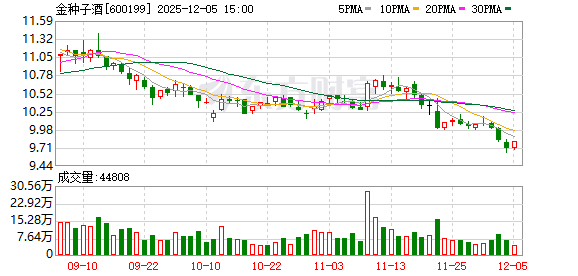
2025深圳全球招商大会签约金额超7700亿元
Xin Lang Cai Jing· 2025-12-05 15:26
5日,以"开放链全球 创新领未来"为主题的2025深圳全球招商大会在深圳举行,大会洽谈签约项目超 340个,涉及投资总额超7700亿元人民币。华润集团、中国电信、瑞士安达、丹麦马士基等来自全球30 多个国家和地区的超1000家企业及机构参加此次大会,其中世界500强企业和跨国公司超300家。 ...
深圳全球招商大会签约项目超340个、金额超7700亿元
Nan Fang Du Shi Bao· 2025-12-05 14:30
Core Insights - The 2025 Shenzhen Global Investment Promotion Conference was held with the theme "Open Chain Global Innovation Leads the Future," attracting over 1,000 representatives from more than 30 countries and regions, resulting in over 340 projects signed with a total investment exceeding 770 billion yuan [1][4][6]. Group 1: Event Overview - The conference showcased Shenzhen's high-quality economic and social development and its international business environment, marking the seventh consecutive year of this global investment event [3][4]. - The event featured a series of activities, including one main conference, seven thematic investment activities, and numerous overseas sub-conferences, aimed at enhancing Shenzhen's role as a core engine city in the Greater Bay Area [3][6]. Group 2: Investment Highlights - Major projects signed included investments from companies like China Electronics, China Steel Research, and Finland's Kone, covering emerging industries such as electronic information technology, new materials, and biomedicine, reflecting Shenzhen's strong appeal for high-quality projects [4][5]. - The conference awarded "2024-2025 Excellent Settled Enterprises" to companies like Luxshare Precision and China Merchants Industry, and recognized "2025 Investment Excellence Zones" in various districts [5][6]. Group 3: Industry Focus - The conference emphasized seven key sectors for investment, including AI, robotics, biomedicine, and new energy materials, inviting influential entrepreneurs and experts to discuss industry trends and investment opportunities [6][7]. - A special financial session showcased Shenzhen's financial innovation and invited global financial institutions to share their experiences, highlighting the city's internationalization and innovative vitality [7][9]. Group 4: Ecosystem and Environment - Shenzhen is committed to creating a market-oriented, law-based, and international business environment, with a total of 4.5921 million operating entities as of October, maintaining the highest density of entrepreneurship in the country [8][9]. - The city has become a preferred destination for global investment, with over 340 Fortune 500 companies having invested in Shenzhen, and a significant increase in foreign investment enterprises established this year [8][9].
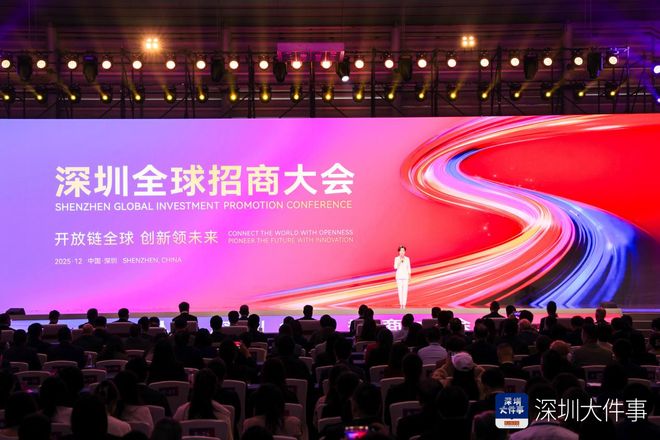
百威喜力鏖战中国:啤酒生意,要重做一遍
2 1 Shi Ji Jing Ji Bao Dao· 2025-12-05 12:22
Core Insights - The Chinese beer market is undergoing significant changes, with local brands showing resilience and growth while international brands face challenges [2][3][5] - The industry is shifting from a focus on high-end products to a more diverse range of offerings, including lower-priced options and innovative flavors [31][37][38] Industry Overview - The beer industry in China has entered a phase of stock competition, with production levels at about 70% of their peak [3] - The latest statistics show a 1% year-on-year decline in beer production in October, with cumulative production growth for the first ten months at 0% [3] Brand Performance - Domestic brands like Tsingtao, Yanjing, and Zhujiang have reported growth in revenue, profit, and sales, while international brands like Budweiser and Carlsberg are experiencing declines [3][11] - Budweiser's performance in China has been disappointing, with a projected decline in revenue, profit, and sales for three consecutive years [11][12] Market Dynamics - The shift in consumer preferences has led to a decline in the night-time economy, affecting high-end brands that previously thrived in this channel [5][24] - Heineken has successfully leveraged local partnerships to expand its market presence, achieving significant sales growth in recent years [13][25] Strategic Initiatives - Budweiser is attempting to adapt by focusing on lower-priced products and expanding its presence in non-drinking channels [31][33] - Heineken's strategy includes entering various retail channels and enhancing its marketing efforts to resonate with local consumers [28][29] Consumer Trends - Chinese consumers are increasingly open to innovative beer flavors, with tea-infused beers gaining popularity [37][38] - The market is seeing a shift towards non-alcoholic and low-alcohol products, although these remain niche compared to traditional beer consumption [37][38]

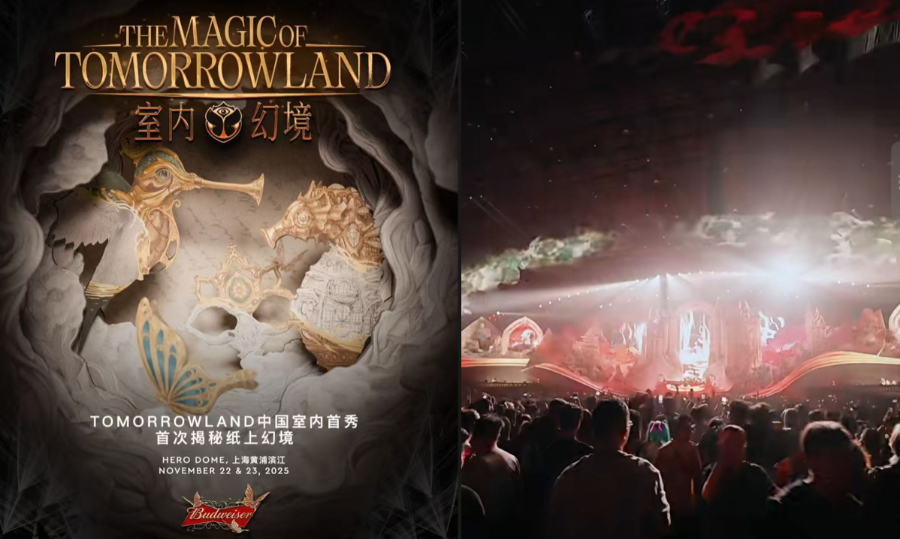
百威喜力鏖战中国:啤酒生意,要重做一遍|跨国酒企变局2025
2 1 Shi Ji Jing Ji Bao Dao· 2025-12-05 12:13
Core Insights - The beer industry in China is undergoing significant changes, with multinational companies needing to adapt to a rapidly evolving market where traditional strategies are no longer effective [1][4][24] - Domestic brands are showing strong recovery, while international brands are experiencing mixed results, highlighting a shift in consumer preferences and market dynamics [3][10][17] Industry Overview - The Chinese beer market has entered a phase of stock competition, with overall production capacity at about 70% of its peak [3] - In October, the production of beer by large-scale enterprises in China saw a year-on-year decline of 1%, with cumulative production growth for the first ten months remaining at 0% [2] Brand Performance - Domestic brands like Tsingtao, Yanjing, and Zhujiang have reported growth in revenue, profit, and sales, while international brands like Budweiser and Carlsberg are facing challenges [3][10] - Budweiser's performance in China has been declining for three consecutive years, with double-digit decreases in revenue, profit, and sales in the first three quarters of 2023 [9][10] Market Dynamics - The high-end beer market, traditionally dominated by Budweiser and Heineken, is facing pressure as the on-premise consumption channels weaken and new product categories emerge [4][25] - Heineken has successfully leveraged its partnership with China Resources to expand its market presence, achieving significant sales growth in recent years [10][20] Consumer Preferences - Chinese consumers are increasingly open to new beer categories and flavors, with a notable rise in interest for innovative products like tea-infused beers [32] - The shift in consumer behavior has led to a greater focus on non-on-premise channels, with 60% of beer sales now coming from retail channels [29] Strategic Adjustments - Budweiser is adjusting its strategy by focusing on its Harbin brand to capture growth opportunities in the 8-10 yuan price range, reflecting a broader trend of price adjustments in the industry [26][25] - Both Budweiser and Heineken are recognizing the need to enhance their presence in non-on-premise channels and adapt to changing consumer preferences [28][29]
智通港股沽空统计|12月5日
智通财经网· 2025-12-05 00:25
Core Insights - The top short-selling stocks include New World Development Co. Ltd. (80016), China Resources Beer (80291), and Tencent Holdings Ltd. (80700), all with a short-selling ratio of 100% [1][2] - Alibaba (09988), Xiaomi (01810), and Tencent (00700) lead in short-selling amounts, with respective values of 1.872 billion, 977 million, and 831 million [1][3] - The highest deviation values are recorded for Bank of China Hong Kong (82388), Shenzhou Holdings (00861), and Jianxi Technology (09877), with deviations of 45.36%, 43.94%, and 40.98% respectively [1][3] Short-Selling Ratio Rankings - New World Development Co. Ltd. (80016) has a short-selling amount of 44,700 with a 100% short-selling ratio and a deviation of 24.05% [2] - China Resources Beer (80291) shows a short-selling amount of 24,700 with a 100% short-selling ratio and a deviation of 37.48% [2] - Tencent Holdings Ltd. (80700) has a short-selling amount of 1.2686 million with a 100% short-selling ratio and a deviation of 37.41% [2] Short-Selling Amount Rankings - Alibaba (09988) leads with a short-selling amount of 1.872 billion, a short-selling ratio of 21.34%, and a deviation of 4.76% [3] - Xiaomi (01810) follows with a short-selling amount of 977 million, a short-selling ratio of 12.64%, and a deviation of -3.24% [3] - Tencent (00700) has a short-selling amount of 831 million, a short-selling ratio of 8.90%, and a deviation of -6.11% [3] Deviation Value Rankings - Bank of China Hong Kong (82388) has a short-selling amount of 1.5519 million, a short-selling ratio of 82.36%, and a deviation of 45.36% [3] - Shenzhou Holdings (00861) shows a short-selling amount of 1.2769 million, a short-selling ratio of 56.97%, and a deviation of 43.94% [3] - Jianxi Technology (09877) has a short-selling amount of 280,600, a short-selling ratio of 52.61%, and a deviation of 40.98% [3]



河南一城投点心债陷被卷款罗生门:起底神秘商人张磊通商系资本版图
Sou Hu Cai Jing· 2025-12-04 18:42AI Processing
Core Viewpoint - The article discusses a controversy involving a local investment company in Henan Province that issued a five billion yuan "dim sum bond," which has led to allegations of fund misappropriation and a potential financial scandal [2][7]. Group 1: Incident Overview - A local investment company in Henan Province faced issues related to a five billion yuan dim sum bond, which is linked to allegations of "running away with funds" [2]. - The incident involves Tongshang Group and Hong Kong Danshan Capital, with the local investment company reportedly struggling with high-interest financing for overseas debt [2][3]. - The local investment company issued a one-year dim sum bond at a 7.5% interest rate, but failed to receive any funds or sales records after the bond issuance [3]. Group 2: Financial Maneuvering - Zhang Lei, the actual controller of Tongshang Group, allegedly exploited the local investment company's need for short-term funds by providing high-interest loans in exchange for exclusive rights to issue the dim sum bond [3]. - The local investment company was supposed to repay the short-term loans with the proceeds from the bond issuance, but the funds did not materialize, leading to accusations of misappropriation [3][6]. Group 3: Background on Zhang Lei and Tongshang Group - Zhang Lei, born in 1984, transitioned from real estate and textile trade to finance, founding Tongshang Group in 2016, focusing on high-risk, high-profit supply chain finance and local government bond issuance [4]. - Zhang has built a network that mimics state-owned enterprises to gain trust from local investment companies, falsely presenting himself as having connections to major state-owned enterprises [4][5]. Group 4: Industry Implications - The incident has raised concerns about the operational practices within the overseas bond issuance market for local investment companies, potentially leading to industry restructuring and a focus on compliance and operational capability among leading firms [6][7]. - The local investment company has reportedly managed to secure funding to meet its obligations, but the event has cast a shadow over the future of overseas bond issuance in the sector [6].