华福证券

Search documents
半导体设备ETF(159516)盘中净流入4000万份,国产替代持续推进,半导体设备ETF(159516)规模突破30亿元!规模同类第一!
Mei Ri Jing Ji Xin Wen· 2025-08-05 07:07
Group 1 - The core viewpoint of the news highlights a significant inflow of capital into the semiconductor equipment ETF (159516), which has surpassed 3 billion yuan in scale, indicating strong investor interest in semiconductor assets [1] - The U.S. government has launched the "AI Action Plan" aimed at accelerating AI development by easing regulations and expanding energy supply for data centers, positioning U.S. hardware and software as the global standard for AI innovation [1] - The AI Action Plan consists of three main pillars: accelerating AI innovation, building AI infrastructure in the U.S., and leading in international AI diplomacy and security [1] Group 2 - The report emphasizes that the third pillar of the AI Action Plan will enhance export controls on AI computing, seeking innovative methods to enforce these controls and addressing existing loopholes in semiconductor manufacturing export regulations [1] - Currently, the U.S. and its allies impose export controls on major systems required for semiconductor manufacturing but do not control many component subsystems, indicating a future trend towards stricter export controls on semiconductor equipment and parts [1] - This shift is expected to increase the urgency for domestic production of equipment and components, benefiting the related industry chain [1] Group 3 - The semiconductor equipment ETF (159516) tracks the semiconductor materials and equipment index (931743), which includes listed companies involved in semiconductor materials and equipment manufacturing [2] - The index reflects the level of domestic self-sufficiency in the semiconductor industry, covering key upstream areas such as silicon wafers, photoresists, and etching machines [2] - For investors without stock accounts, alternative investment options include the Guotai Zhongzheng Semiconductor Materials and Equipment Theme ETF [2]
金融ETF(510230)午后上扬!涨超1.3%,银行板块估值修复引发市场关注
Sou Hu Cai Jing· 2025-08-05 06:34
Core Viewpoint - The financial ETF (510230) has risen over 1.3% in the afternoon, driven by the valuation recovery in the banking sector, which has attracted market attention [1]. Group 1: Banking Sector Analysis - Since October 2022, the banking sector has undergone nearly four years of adjustment, resulting in valuations at historical lows and dividend yields at high levels. Policy support has compressed risk premiums, facilitating the valuation recovery of bank stocks [1]. - The logic for bank stock price increases is expected to shift from being driven by dividend yields to being driven by Return on Equity (ROE) by 2025, with banks showing marginal improvements in ROE performing better [1]. - During the economic boom from 2005 to 2007, joint-stock banks led the market, and they again outperformed during the economic recovery phase from 2012 to 2013. Currently, state-owned banks are leading the recovery, with high dividend strategies gradually spreading to smaller banks, supported by passive funds and insurance capital providing incremental funds to the sector [1]. Group 2: Financial ETF Overview - The financial ETF (510230) tracks the 180 Financial Index (000018), which selects representative securities from the financial industry in the A-share market, covering sub-industries such as banking, insurance, and securities to reflect the overall performance of listed companies in the financial sector [1]. - The 180 Financial Index exhibits high industry concentration and style allocation characteristics, effectively reflecting the market trends of the financial sector [1]. - Investors without stock accounts may consider the Guotai CSI 180 Financial ETF Connect C (014994) and Guotai CSI 180 Financial ETF Connect A (020021) [1].
半导体设备ETF(159516)今日盘中净流入超1亿份!国产替代持续推进,半导体设备ETF(159516)规模突破30亿元!规模同类第一!
Mei Ri Jing Ji Xin Wen· 2025-08-04 09:06
Group 1 - The core viewpoint of the news highlights significant capital inflow into the semiconductor equipment sector, with the semiconductor equipment ETF (159516) experiencing over 100 million shares net inflow today, surpassing 3 billion yuan in scale, and over 200 million yuan net inflow in the past 10 days, indicating strong investor interest in semiconductor equipment assets [1] - The recent announcement of the "American AI Action Plan" by the Trump administration aims to accelerate AI development in the U.S. by easing regulations and expanding energy supply for data centers, positioning U.S. hardware and software as the global standard for AI innovation [1] - The American AI Action Plan emphasizes three main pillars: accelerating AI innovation, building AI infrastructure in the U.S., and leading in international AI diplomacy and security, with a focus on strengthening export controls on AI computing and addressing loopholes in existing semiconductor manufacturing export controls [1] Group 2 - The semiconductor equipment ETF (159516) tracks the semiconductor materials and equipment index (931743), which includes listed companies involved in semiconductor materials and equipment manufacturing, reflecting the domestic semiconductor industry's level of self-sufficiency in core materials and equipment [2] - Investors without stock accounts can consider the Guotai Zhongzheng Semiconductor Materials and Equipment Theme ETF Initiated Link C (019633) and A (019632) as alternative investment options [2] - As of August 1, 2025, the semiconductor equipment ETF's scale is 3.053 billion yuan, ranking first among six similar products, indicating its strong market position [2]
通用航空ETF易方达(159255)今日上市!通用航空指数涨2.4%,深圳打造“全球低空经济第一城”
Sou Hu Cai Jing· 2025-08-04 05:46
Core Insights - Shenzhen Development and Reform Commission released the "Shenzhen Low Altitude Infrastructure High-Quality Construction Plan (2024-2026)", aiming to build a comprehensive, clear, standardized, intelligent, and integrated low-altitude infrastructure system, striving to become the "global low-altitude economy capital" [2] - The Civil Aviation Administration of China predicts that by 2035, the low-altitude economy market in China is expected to reach a scale of 3.5 trillion yuan [2] - Huafu Securities noted that the Civil Aviation Administration has established a leadership group for general aviation and low-altitude economy, indicating promising future industry policies; local governments are focusing more on practical matters such as route planning, airspace division, and low-altitude flight management compared to last year's planning documents [2] Company Insights - E Fund Management Company has the largest asset management scale in the industry this year, with a complete product line and over 20 years of experience in index investment [2]

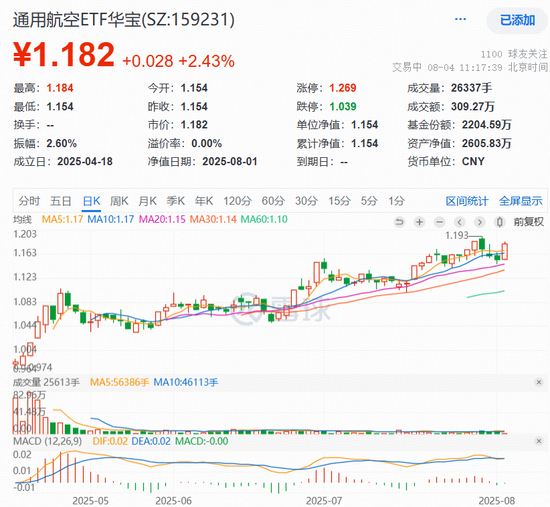
“凯瑞鸥”来了!低空经济三股涨停,通用航空ETF华宝(159231)大涨2.43%
Xin Lang Ji Jin· 2025-08-04 03:22
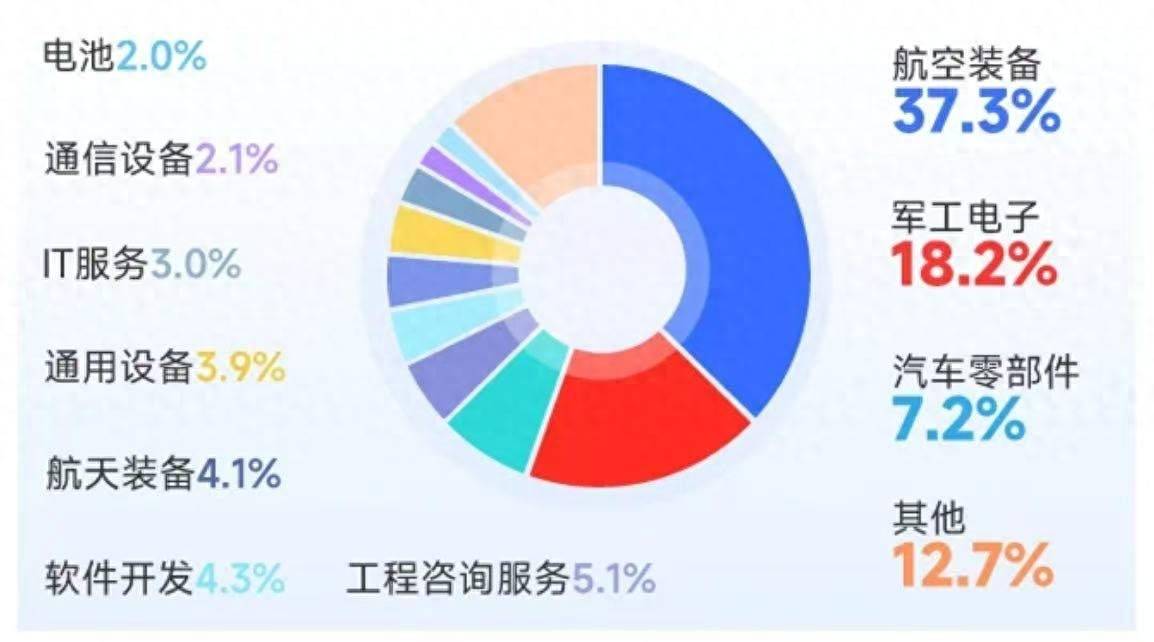
Core Viewpoint - The low-altitude economy and military aviation sectors are experiencing significant growth, with specific stocks showing strong performance and a notable increase in the General Aviation ETF Huabao (159231) [1][3]. Group 1: Industry Developments - The successful flight of the domestically developed 2-ton electric vertical take-off and landing aircraft "Kairui Ou" marks a key advancement in low-altitude logistics applications, demonstrating its capability to transport goods over sea [3]. - The aircraft has a maximum take-off weight of 2 tons, a payload capacity of 400 kilograms, and a cruising speed of 200 kilometers per hour, showcasing its technical specifications [3]. - The development of low-altitude logistics is expected to enhance operational efficiency and safety for offshore oil and gas platforms, with the low-altitude economy projected to reach a scale of 3 trillion yuan by 2030 [3]. Group 2: Policy and Market Insights - The National Development and Reform Commission has identified low-altitude economy as a key focus for the second half of the year, indicating a push for improved domestic circulation and investment opportunities in the sector [4]. - Recent analyses suggest that the low-altitude sector is positioned for a rebound, with technical indicators showing it is currently undervalued and ready for growth [4]. - The establishment of a leadership group for general aviation and low-altitude economy by the Civil Aviation Administration of China is expected to lead to favorable industry policies [5]. Group 3: Infrastructure and Strategic Planning - The China Civil Airport Association has released a comprehensive framework for low-altitude economic infrastructure, outlining 21 core indicators for airspace designation and operational management [5]. - Local governments are increasingly focusing on practical measures such as flight route planning and airspace division, moving beyond mere planning documents [5]. - The low-altitude sector is seen as a potential area of competition in the context of U.S.-China relations, with both countries investing in the development of this industry [5]. Group 4: Investment Opportunities - The General Aviation ETF Huabao (159231) covers a wide range of sectors, including military and civilian aviation, and is positioned as a strategic investment tool for capturing opportunities in the burgeoning aviation industry [6]. - The launch of the Huabao ETF's linked funds provides investors with accessible options to engage with the general aviation sector, which is anticipated to be a significant growth area [6].



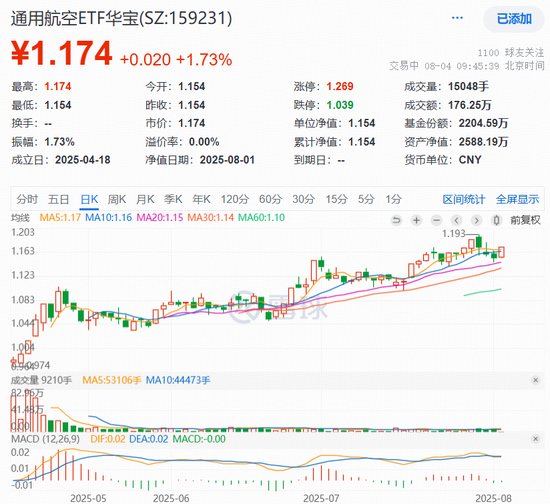
爱乐达20CM涨停,低空经济新突破!通用航空ETF华宝(159231)逆市上涨1.73%
Xin Lang Ji Jin· 2025-08-04 01:59
Group 1 - The core viewpoint of the news highlights the significant rise in stocks related to the low-altitude economy, particularly in the context of recent developments in China's aviation sector [1][3] - The successful test flight of a domestically developed electric vertical takeoff and landing aircraft for logistics to offshore oil platforms marks a key advancement in low-altitude logistics applications [3] - The National Development and Reform Commission has identified low-altitude economy as a key focus for the second half of the year, indicating potential growth opportunities in this sector [3] Group 2 - The General Aviation ETF Huabao (159231) has shown a strong performance, recovering key moving averages and indicating investor interest in the low-altitude economy [1][4] - The ETF covers a wide range of sectors, including military and civilian aviation, and is positioned to benefit from both domestic demand and military trade [4] - The launch of the connection fund for the General Aviation ETF provides an accessible investment tool for capturing opportunities in the burgeoning low-altitude economy [4] Group 3 - Technical analysis suggests that the low-altitude sector is currently in a position for potential rebound after a period of stagnation [3] - The establishment of a leadership group by the Civil Aviation Administration of China for general aviation and low-altitude economy indicates forthcoming supportive policies [3] - Local governments are increasingly focusing on practical measures such as flight route planning and airspace division, moving beyond mere planning documents [3]
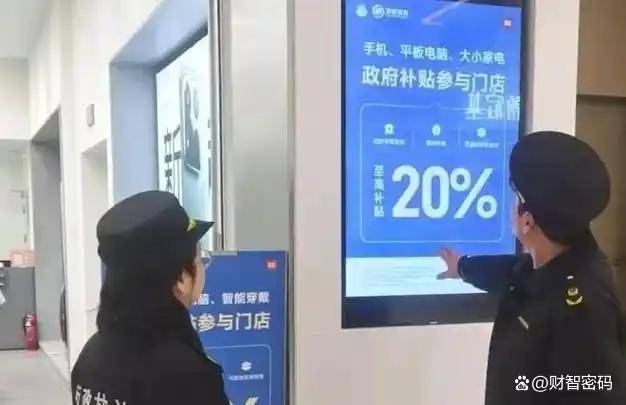
“国补”再注资690亿!10月第四批以旧换新资金即将下达,引爆下半年消费热潮
Sou Hu Cai Jing· 2025-08-02 07:00
Core Viewpoint - The "consumption upgrade battle" is entering its final sprint phase, with the full allocation of 300 billion yuan in special government bonds aimed at stimulating consumption, providing strong momentum for the market in the second half of the year [1][14]. Group 1: Economic Stimulus Plan - The unprecedented economic stimulus plan began in early 2025, with funds allocated in four batches, totaling 300 billion yuan, specifically targeting consumption enhancement [3]. - The first two batches of 162 billion yuan were completed in January and April, while the third batch of 69 billion yuan was fully allocated by the end of July [3]. - This phased funding approach helps avoid market volatility and resource waste, ensuring precise economic support [3]. Group 2: Consumption Data and Trends - As of July 16, the policy has significantly boosted sales in various sectors, with household appliance sales showing notable growth [5]. - Specific growth rates include a 24.1% increase in communication equipment, 25.4% in cultural and office supplies, and 22.9% in furniture, contributing to a 5% year-on-year increase in total retail sales of consumer goods [5]. - Approximately 30 yuan of every 100 yuan spent on household appliances is attributed to policy stimulation [5]. Group 3: Regional Implementation and Consumer Engagement - The implementation of the policy varies by region, with local authorities encouraged to optimize subsidy distribution and ensure equitable use of funds [5]. - Consumers are advised to stay informed about local announcements to take full advantage of policy benefits [5]. Group 4: Market Outlook and Consumer Behavior - The upcoming traditional promotional periods, such as "Golden September and Silver October," are expected to align with policy benefits, further driving consumption growth [5][12]. - There is a significant potential for demand in the home appliance sector, particularly for replacement purchases, as current sales volumes remain low compared to existing appliance stock [10]. - Companies in the home appliance sector are accelerating innovation and enhancing product features to meet rising consumer demand [8].
“两新”加码撬动下沉市场与银发经济降息预期下红利资产与科技成长共舞
Zhong Guo Zheng Quan Bao· 2025-08-01 21:02
Group 1: Fiscal Policy and Economic Outlook - China's fiscal policy has maintained a proactive stance in the first half of the year, with increased spending intensity and optimized expenditure structure, indicating significant operational space for the second half [2][3] - Key areas of focus for fiscal support include urban renewal, investment in human capital, and industrial upgrades, reflecting a systematic and forward-looking approach [2][3] - The broad fiscal revenue and expenditure gap has increased by at least 1.6 trillion yuan year-on-year, highlighting the critical role of fiscal policy in stabilizing consumption, investment, and the financial system [3] Group 2: Consumer Market and Policy Incentives - The introduction of policies promoting the replacement of old consumer goods is expected to benefit the lower-tier markets and the silver economy, which are seen as undervalued opportunities [4][5] - The "old for new" policy is anticipated to enhance consumer upgrading in lower-tier markets, with significant potential for the home appliance market due to the aging of previous policies [5] - The aging population is expected to drive demand in healthcare, elderly services, and related industries, creating investment opportunities in medical devices, innovative drugs, and elder care services [6] Group 3: Industry Dynamics and Competitive Landscape - The "anti-involution" policy is reshaping the industrial landscape by promoting the exit of inefficient capacity, with leading companies expected to benefit from improved profitability due to their competitive advantages [7] - The focus on "anti-involution" is not merely about capacity reduction but aims at optimizing market mechanisms for high-quality industrial development [7] - The investment logic for core assets in the A50 index is shifting from "reassessing resilience" to "reassessing growth," indicating a potential revaluation of these assets as the real estate cycle stabilizes [9] Group 4: Market Opportunities and Investment Strategies - The current market strategy involves a dual approach of "dividend assets as a shield" and "new tracks as a spear," with dividend assets providing stability amid uncertainty and new sectors driving structural opportunities [8] - The expectation of synchronized interest rate cuts in China and the U.S. is likely to lower financing costs for the real economy and attract foreign investment into the A-share technology growth sector [10] - The anticipated decline in financing costs may stimulate demand in the real estate sector and consumer goods, enhancing the competitiveness of Chinese exports [10]
华福证券成功举办“华福同舟·闽商同行”人工智能产业论坛
Zhong Zheng Wang· 2025-08-01 14:47
Group 1 - The forum "Hua Fu Tong Zhou · Min Business Partners" focused on the integration of the AI industry and capital markets, aiming to support investment layouts for Fujian businesses [1] - The event featured key figures from the Fujian provincial government and various investment institutions, highlighting the importance of collaboration between industry and capital [1] - The forum took place during the 2025 World Artificial Intelligence Conference, emphasizing its relevance to current AI industry trends [1] Group 2 - Nine emerging AI companies showcased their innovative solutions, including AI microfluidic chips, spatiotemporal big data analysis, intelligent therapy robots, and AI sign language translation systems [2] - There was active one-on-one interaction between investment representatives and entrepreneurs, fostering discussions on potential collaborations [2] - Several companies expressed interest in establishing operations in Fujian, indicating a positive outlook for regional development in the AI sector [2]
年内超20家券商裁撤60余家分支机构
Xin Lang Cai Jing· 2025-08-01 09:57
Group 1 - The core viewpoint of the article highlights the ongoing restructuring of brokerage branch layouts as firms aim to reduce costs and enhance efficiency, with over 20 brokerages having announced the closure of more than 60 branches by July 30 this year [2][3] - In July alone, three brokerages, including Founder Securities, announced the closure of their branches, with Founder Securities closing four branches, including its Henan branch [2][3] - The closures are primarily driven by high operational costs associated with physical branches, as well as a significant shift towards online trading platforms, which have become the mainstream mode of operation [3][5] Group 2 - Some brokerages are also actively expanding by opening new branches in regions with high business potential, such as the recent openings by Cheng Tong Securities and Wanlian Securities [5] - The restructuring of branch layouts is closely linked to the transformation towards wealth management, which is becoming increasingly important in the brokerage business model, contributing over 30% to brokerage income by 2024 [5][6] - Future adjustments in branch layouts are expected to focus on efficiency rather than scale, with a shift towards high-value, integrated service models, leveraging financial technology to enhance operations [6]