
LG

Search documents
Best Prime Day TV Deals October 2025: 17 Best Offers So Far
Forbes· 2025-10-06 22:45
Core Insights - October Prime Day, also known as Prime Big Deal Days, is set to offer significant discounts on popular TV models from brands like Samsung, Hisense, and Sony, with notable price reductions already observed [1][42][43] Group 1: Discounts and Deals - Major discounts include $500 off the Samsung The Frame TV and $1,101 off a premium Sony smart TV [1] - The Sony Bravia XR QD-OLED Smart Google TV (65-Inch) is currently 31% off, making it a competitive option for consumers [5] - Hisense's 100-Inch Class U7 Mini-LED Google TV is available at its lowest price ever, featuring high-end specifications [7] - The Samsung QLED 4K The Frame LS03D TV (55-Inch) is being offered at a $500 discount, highlighting its popularity [8] - Hisense's Class U6 Series Mini-LED 4K UHD Smart Fire TV (55-Inch) matches its lowest price ever, appealing to gamers and movie watchers alike [10] - The LG C2 Series Class OLED Evo Smart TV (55-Inch) is discounted by over $500, while the LG OLED Evo AI 4K C5 Series Smart TV (65-Inch) is $1,200 off, marking significant savings [22][24] Group 2: Brand-Specific Highlights - Samsung's OLED 4K S90 Series TV (65-Inch) is $400 less than its previous price, making it a strong contender for buyers [13] - Sony's Bravia X90L LED 4K TV (65-Inch) is available at an all-time low price, appealing to gamers due to its compatibility with PlayStation 5 [27][28] - The Hisense Class QD6 Series QLED 4K TV is also highlighted for its competitive pricing during the sale [41] Group 3: Consumer Insights - The October Prime Day event is characterized by a wide range of TV sizes and features, catering to both high-end and entry-level consumers [42][43] - The deals are supported by extensive price history research, ensuring that consumers are presented with genuine discounts [4][35]




【科技自立·产业自强】瑞能股份:引领固态锂电安全技术革新
Zheng Quan Shi Bao Wang· 2025-10-06 07:39
Core Viewpoint - 瑞能股份 is actively involved in the development of lithium-ion battery safety standards and is leading initiatives to enhance the operational norms for electrochemical energy storage systems, transitioning the industry towards a multi-parameter detection and proactive defense system [1] Group 1: Industry Standards and Contributions - 瑞能股份 is a full member of the Ministry of Industry and Information Technology's working group on lithium-ion battery safety standards, contributing to multiple group standards including distributed energy storage cabinet testing and solid-state lithium-ion battery state warning technology guidelines [1] - The company is pushing the industry from single-parameter detection to multi-physical field coupling warning systems, establishing a proactive defense framework [1] Group 2: Technological Innovations - 瑞能股份 has launched a new generation 5V300A/600A cell testing system that meets the testing needs across the entire vehicle storage process, creating value for customers through system architecture, energy saving, and space utilization [1] - The company has delivered specialized formation and capacity production line equipment for solid-state batteries to leading enterprises, accelerating the industrialization process [1] Group 3: Market Applications and Collaborations - 瑞能新动力, a subsidiary of 瑞能股份, has developed a 7.5MW/15MWh user-side energy storage station for Chongqing BOE, achieving grid connection in high-temperature and high-humidity environments [1] - The company integrates AI battery data models into the entire lifecycle management of batteries, creating a unique "testing-analysis-feedback" intelligent closed loop [1] - 瑞能股份 maintains strong partnerships with over 2,000 global enterprises, including industry giants like BYD, CATL, and LG, leveraging advanced technology to strengthen the foundation of new energy safety [1]
国产OLED屏幕,距离领跑还有多远?
3 6 Ke· 2025-10-06 03:02
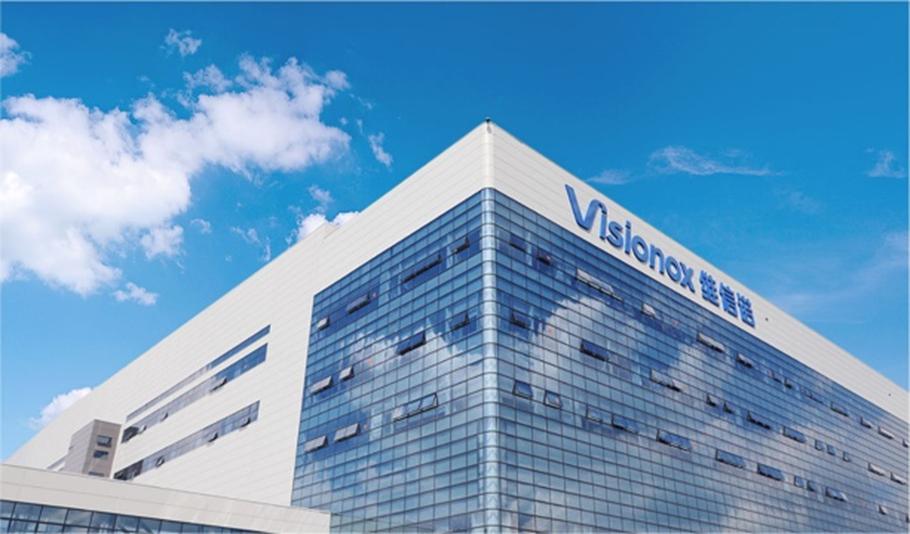
Core Insights - The article highlights the transformation of China's OLED industry from a follower to a parallel player and now aiming to become a leader in the global market, with significant contributions from companies like BOE, Visionox, Tianma, and TCL Huaxing [1][21]. Group 1: Historical Development - The development of domestic OLED technology began in the 1990s, with Tsinghua University establishing an OLED project group in 1996, laying the groundwork for the industry [2]. - In 2001, Visionox was founded, focusing on key technologies that would later support the production of flexible OLED screens [2][4]. - The early 2010s saw companies like BOE and OLED companies facing challenges due to weak technology accumulation and reliance on imports for critical components [4][6]. Group 2: Market Evolution - The global display market experienced a technological revolution in 2017, significantly improving OLED yield rates, which accelerated the mainstream adoption of OLED screens, particularly after the launch of the iPhone X [7][9]. - Government policies and capital investments supported the domestic OLED industry, with local governments providing incentives for companies like BOE and Visionox to establish production lines [9][11]. - Domestic manufacturers began to gain more influence, with Visionox leading the establishment of international standards in flexible displays [11]. Group 3: Current Challenges - Despite achieving over 45% market share, domestic OLED manufacturers still face significant gaps in high-end markets compared to Samsung and LG [18]. - The industry is characterized by long cycles, high leverage, and substantial R&D investments, leading to revenue growth but profit pressures [18][20]. - Key materials and equipment for OLED production remain heavily reliant on imports, particularly in high-performance organic materials and deposition equipment [16][18]. Group 4: Future Directions - Domestic OLED companies are encouraged to focus on high-value segments such as high-end laptops, automotive displays, and innovative products like foldable screens to avoid price wars in saturated markets [20]. - There is a need for enhanced collaboration between upstream material suppliers and downstream panel manufacturers to improve innovation and reduce dependency on foreign products [16][21]. - The article emphasizes that true leadership in the OLED market will require mastering next-generation display technologies and establishing control over standards and patents [22][23].


Why Europe Failed to Dominate Consumer Tech: The Paradox of Potential and Regulation
Medium· 2025-10-05 07:10
Core Insights - Europe has historically been a leader in technology but has failed to produce global consumer tech giants comparable to those in the US and Asia [2][3] - Despite a strong foundation in education, industry, and R&D, the European consumer tech market is underdeveloped, with significant gaps in market capitalization compared to US firms [6][7] Market Position - The combined market capitalization of seven major US tech companies reached $13 trillion in 2024, while Europe's top 11 tech companies totaled only $2.2 trillion, representing less than 17% of the US firms' value [7] - The absence of recognizable European consumer tech brands is further highlighted by the rise of Asian tech giants [7] Structural Challenges - Regulatory fragmentation within the EU complicates the establishment of startups, as companies must navigate 27 different regulatory systems [9] - European investors exhibit a cautious investment culture, leading to 54% less funding for startups compared to their US counterparts [10] - A significant brain drain is occurring, with 73% of EU science graduates choosing to stay overseas, impacting the talent pool for high-growth startups [11] Regulatory Landscape - Europe is focusing on regulation to hold tech giants accountable and set global standards, exemplified by the GDPR and the Digital Markets Act [12][14] - The Brussels Effect allows European regulations to become global standards, as multinational companies prefer a single compliance structure [15] - The EU is proactively investing in technology, such as the €43 billion European Chips Act to enhance semiconductor production [15][16] Innovation and Future Outlook - Despite challenges, Europe is fostering innovation, with examples like Estonia's fully digitized government services and France's growing startup ecosystem [16] - The fundamental question remains whether Europe can build its own tech future while regulating the existing landscape [16]

只用了3年,中国人就把磷酸铁锂捧上了王座
Hu Xiu· 2025-10-04 00:04
Core Viewpoint - The article discusses the shift in the electric vehicle (EV) battery market from ternary lithium batteries to lithium iron phosphate (LFP) batteries, highlighting the reasons behind this transition and the implications for the industry [1][10]. Group 1: Market Dynamics - In 2019, ternary lithium batteries held a market share of 65% in new car sales, but by recent years, LFP battery installations have exceeded 80%, pushing ternary lithium's share below 20% [4][5]. - High-end vehicles, previously associated with ternary lithium batteries, are now increasingly adopting LFP batteries, indicating a significant change in consumer perception [6][7]. - The price of vehicles is no longer a barrier for using LFP batteries, as even luxury models are now equipped with them [6][7]. Group 2: Technical Comparison - Ternary lithium batteries are composed of nickel, cobalt, and manganese, which are more expensive and have limited global availability, while LFP batteries are based on more abundant materials [12][16]. - Despite the higher energy density of ternary lithium batteries, LFP batteries have advantages in terms of safety, longevity, and cost-effectiveness, making them more appealing as subsidies for EVs decrease [19][21][35]. - Innovations in LFP technology, such as rapid charging capabilities and improved thermal management, have enhanced their performance, making them competitive with ternary lithium batteries [38][44]. Group 3: Industry Implications - The dominance of LFP batteries in the market is largely attributed to Chinese companies, which control over 95% of the global LFP battery production and have advanced in key technologies [60][61]. - International manufacturers are now investing in LFP battery production, often relying on Chinese technology and materials, indicating a shift in the global supply chain [62][66]. - The article suggests that the future of EV batteries may not solely depend on chemical properties but rather on cost-effectiveness and durability, which LFP batteries provide [72][74].


韩国终于翻脸!说好的3500亿保护费,现在对美一分不给
Sou Hu Cai Jing· 2025-10-03 01:04
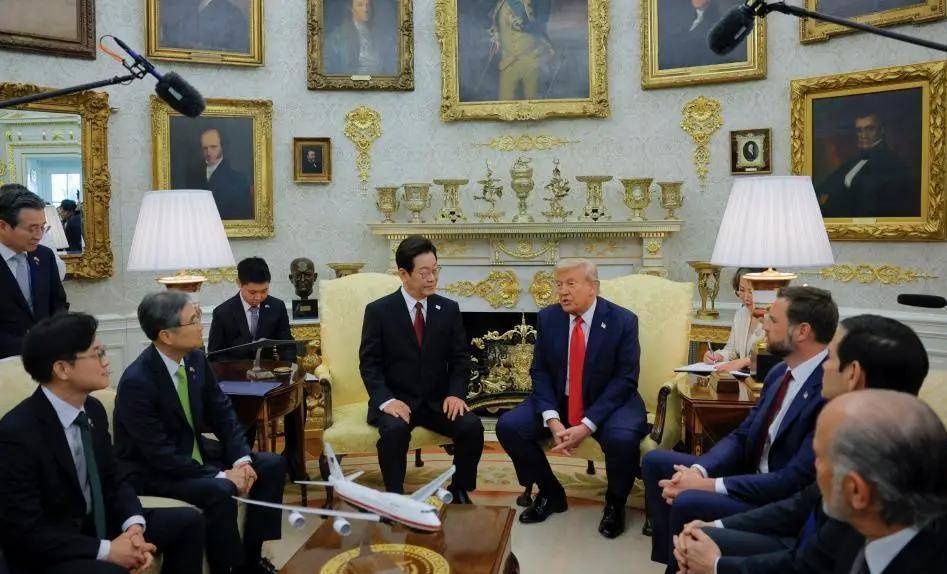
Core Viewpoint - The unexpected refusal of the South Korean government to pay $350 billion in agreed investments to the U.S. has significant implications for U.S.-South Korea relations and highlights a shift in South Korea's diplomatic stance towards a more autonomous foreign policy [1][6][10]. Group 1: Economic Concerns - South Korea's foreign exchange reserves total approximately $415 billion, and paying $350 billion would deplete 85% of these reserves, posing a severe risk to national economic security [3][4]. - The painful lessons from the 1997 Asian financial crisis still resonate in South Korea, leading the government to prioritize economic stability over external pressures [3][4]. Group 2: Political Dynamics - The Lee Jae-myung administration's shift towards "autonomous diplomacy" reflects a response to domestic dissatisfaction with previous pro-U.S. policies, aiming to balance relations between the U.S. and China [6][12]. - Public support for the government's refusal to pay the investment is strong, with over 60% of citizens backing the decision as a means to protect national economic interests [12]. Group 3: Regional Implications - China's firm stance against U.S. tariffs has provided a model for South Korea, demonstrating that resistance to U.S. pressure is feasible and potentially beneficial [8][13]. - The evolving dynamics in East Asia, with South Korea asserting more independence, may encourage other nations facing similar pressures to reassess their positions [10][15]. Group 4: Future Negotiations - Ongoing negotiations between the U.S. and South Korea are stalled, with the U.S. proposing installment payments while South Korea insists on linking investments to domestic industry development [14]. - The deadlock in negotiations reflects a broader trend of U.S. unilateralism pushing traditional allies towards more independent choices [14][15].
X @Bloomberg
Bloomberg· 2025-10-02 10:22
LG will start sending workers from South Korea back to the US for essential business trips, less than a month after hundreds of employees were detained in a visa crackdown https://t.co/TGWikZy1e8 ...
Amazon adds AI muscle to connected home lineup
TechXplore· 2025-10-01 09:30
Core Viewpoint - Amazon is enhancing its connected home product lineup with advanced artificial intelligence capabilities, aiming to create a more natural interaction between users and devices [3][4][5]. Group 1: AI Enhancements - The company launched Alexa+, an upgraded version of its voice assistant, in February, marking a significant move into AI enhancements [5]. - Amazon's ambition is to become the central hub for connected homes, competing with other tech giants like Google, LG, and Samsung [5]. Group 2: Product Features - The latest generation of Amazon's connected products includes features that allow users to interact with AI in a more frequent and natural manner [3][4]. - Users can ask the smart assistant for updates about their home, such as activities of pets or deliveries, utilizing data from Ring or Blink cameras [6]. Group 3: User Experience - The Kindle Scribe allows readers to engage with generative AI for book summaries or character inquiries, enhancing the reading experience [7]. - Connected televisions enable viewers to request specific scenes or summaries of missed events, showcasing the integration of AI in entertainment [7]. Group 4: Ambient AI Concept - Amazon promotes the idea of "ambient" AI, which is seamlessly integrated into products, enhancing user experience without being intrusive [8]. - The competition among major tech players is intensifying as they explore various interfaces for AI, including smartphones, smart glasses, earbuds, and speakers [8].

全新出刊!TrendForce 2026 全球LED显示屏市场展望与价格成本分析报告
TrendForce集邦· 2025-09-30 06:23
Core Insights - The LED display market is projected to reach USD 8.105 billion by 2026, driven by events like the World Baseball Classic and FIFA World Cup, as well as the demand for high-resolution displays in corporate, educational, and entertainment sectors [2][19]. Micro/Mini LED Displays - Continuous optimization of Micro LED technology and cost by brands and panel manufacturers is expected to lead to stable growth in Micro LED TV shipments, particularly in home theater and corporate markets [5][6]. - The Mini LED display market is anticipated to grow by 25% in 2025, with P1.2 being the mainstream product, and a compound annual growth rate (CAGR) of 28% projected from 2024 to 2029, potentially reaching USD 2.194 billion [6]. All-in-One LED Displays - The global demand for All-in-One LED displays is expected to rise, with shipments projected to reach 12,850 units in 2025. Major players include CVTE, Absen, and Samsung [8][9]. - From 2025, mainstream specifications will shift towards a 16:9 aspect ratio, with 135-inch 2K P1.5 models becoming prevalent, enhancing portability and reducing operational costs [9]. Cinema LED Displays - The Chinese government's promotion of cinema LED displays is expected to drive a 75% increase in new installations globally by 2025, with specifications typically ranging from 1.85:1 to 2.39:1 [11][31]. Virtual Production LED Displays - The demand for virtual production LED displays is anticipated to decline in 2025 due to reduced entertainment spending in Western markets and decreased social investment in China [13][14]. - Major companies are developing comprehensive virtual production solutions, with mainstream specifications focusing on P2.1 and higher for general backgrounds, while high-end filming requires P1.2-P1.6 Mini LED displays [14]. LED Rental Displays - The popularity of LED rental displays is increasing as prices decline, with a projected market size of USD 2.244 billion by 2029 and a CAGR of 8% from 2024 to 2029 [16]. Outdoor LED Displays - The outdoor LED display market is expected to grow steadily, particularly in advertising, transportation, and sports applications, with advancements in Mini LED technology enhancing display quality [18].
碳中和50ETF(159861)涨超2.7%,储能与固态电池技术受关注
Mei Ri Jing Ji Xin Wen· 2025-09-29 03:27
每日经济新闻 (责任编辑:董萍萍 ) 【免责声明】本文仅代表作者本人观点,与和讯网无关。和讯网站对文中陈述、观点判断保持中立,不对所包含内容 的准确性、可靠性或完整性提供任何明示或暗示的保证。请读者仅作参考,并请自行承担全部责任。邮箱: news_center@staff.hexun.com 没有股票账户的投资者可关注国泰中证环保产业50ETF联接C(012504),国泰中证环保产业 50ETF联接A(012503)。 注:如提及个股仅供参考,不代表投资建议。指数/基金短期涨跌幅及历史表现仅供分析参考,不 预示未来表现。市场观点随市场环境变化而变动,不构成任何投资建议或承诺。文中提及指数仅供参 考,不构成任何投资建议,也不构成对基金业绩的预测和保证。如需购买相关基金产品,请选择与风险 等级相匹配的产品。基金有风险,投资需谨慎。 兴业证券指出,固态电池以不可燃的固态电解质替代易燃有机电解液,被业界公认为最具潜力的下 一代电池技术方向。锂金属负极与固态电解质的界面兼容性展现出天然优势,质地柔软,可通过自身形 变主动改善固固界面接触状态,无需依赖额外高压力条件,成为固态电池产业化进程中的"刚需解决方 案"。预计20 ...