
中国商飞

Search documents
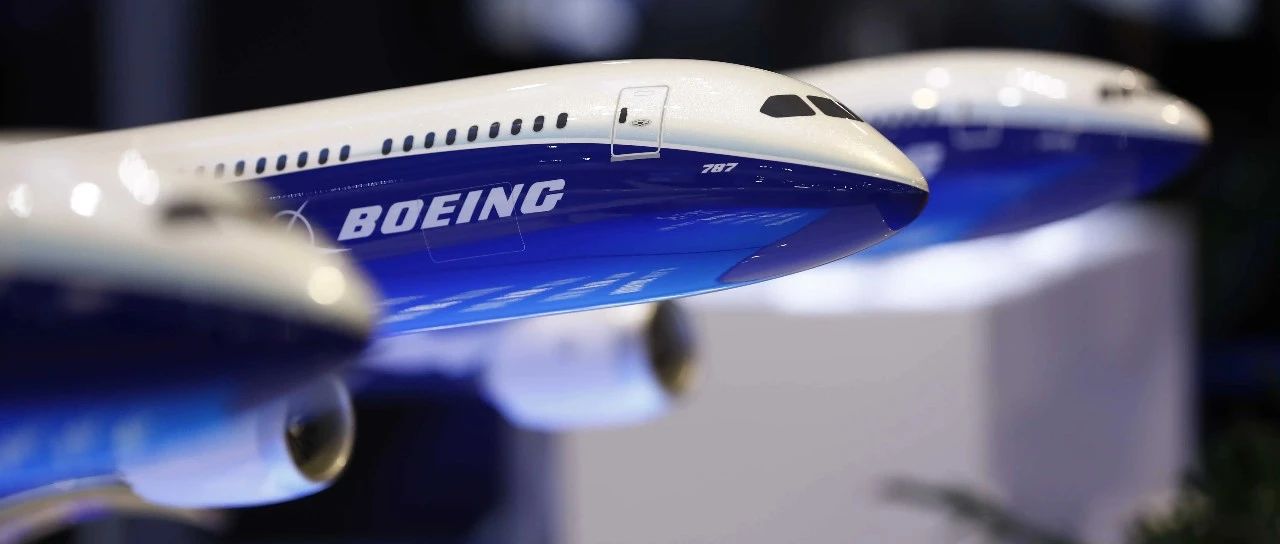
美国恢复对华发动机出口,波音飞机也已重启交付中国航司
第一财经· 2025-07-04 06:18
Core Viewpoint - The article discusses the resumption of exports of critical aircraft components, including engines, from the U.S. to China, following a pause in June. This development is part of broader U.S.-China trade negotiations and reflects a commitment to implement agreements reached during high-level talks between the two nations [1][4]. Group 1: U.S.-China Trade Relations - The U.S. has agreed to allow companies like GE Aviation to resume exports of aircraft engines and other key components to China [1]. - Following the U.S.-China economic talks, both sides are working to implement the agreements made during the discussions, including the lifting of certain export restrictions [1][4]. Group 2: Aircraft and Engine Supply - The C919 aircraft, which relies on the LEAP-1C engine produced by a joint venture between GE and Safran, requires U.S. export licenses for its components [4]. - Despite the temporary suspension of exports, the delivery of C919 aircraft was not significantly impacted due to existing engine inventories [4]. - The Longjiang-1000A engine, which is China's first domestically developed engine with full intellectual property rights, is set to be the sole power source for the C919, currently undergoing test flights [5]. Group 3: Boeing Aircraft Deliveries - Boeing has resumed deliveries of aircraft to Chinese airlines, including the Boeing 737 MAX, which had previously been halted due to trade tensions [2][8]. - The first of these resumed deliveries included a 737 MAX that had been waiting in Zhoushan for delivery to Xiamen Airlines [7]. - Boeing's deliveries to China are crucial, as the country represents its largest overseas market, with significant numbers of new aircraft delivered in previous years [8].


午评:沪指半日涨0.41% 多只银行股再创新高
Zhong Guo Jin Rong Xin Xi Wang· 2025-07-04 04:19
Market Performance - A-shares indices showed a slight increase on July 4, with the Shanghai Composite Index reaching a new high for the year at 3475.24 points, up 0.41% with a trading volume of 335.9 billion yuan [1] - The Shenzhen Component Index rose 0.05% to 10540.00 points, with a trading volume of 526.8 billion yuan, while the ChiNext Index increased by 0.18% to 2168.03 points, with a trading volume of 256.6 billion yuan [1] Sector Performance - Strong performance was noted in sectors such as banking, gaming, electricity, cross-border payments, brain-computer interfaces, and internet finance, with several stocks reaching their daily limit [2] - Conversely, sectors like energy metals, wind power equipment, batteries, and marine economy experienced declines, with some stocks, such as Baiyang Co., hitting their daily limit down [2] Institutional Insights - CITIC Securities highlighted the potential growth in the submarine cable market, projecting a 60% increase in the length of new submarine cables globally from 2026 to 2030 compared to the previous five years, with a CAGR of 13% expected for the market size from 2025 to 2030 [3] - The report also noted that leading companies in the domestic submarine cable sector are expected to enhance their competitiveness [3] - The Central Financial Committee emphasized the need for a unified national market and the orderly exit of backward production capacity in the steel industry, which could lead to further profit recovery in the sector [3] Trade Relations - The Ministry of Commerce of China confirmed that both China and the U.S. are working to implement the outcomes of recent economic talks, with the U.S. taking steps to lift certain trade restrictions on China, including the resumption of exports of EDA software and jet engines [4][5] - The Chinese government is expected to approve export licenses for eligible controlled items, indicating a potential thaw in trade tensions [4] Emerging Industries - The Sichuan provincial government is focusing on advancing key technologies in nuclear fusion and high-efficiency laser fusion energy, aiming to establish innovative enterprises in fusion energy and enhance production capabilities of related components [6]
美国恢复对华发动机出口,波音飞机也已重启交付中国航司
Di Yi Cai Jing· 2025-07-04 04:17
Group 1 - The export of American aircraft engines and components to China has resumed after a previous suspension, confirming the restoration of supply from companies like GE Aviation [2] - The C919 aircraft's delivery was not significantly impacted by the suspension of engine exports in June due to existing inventory held by COMAC [1][4] - The LEAP-1C engine, produced by a joint venture between GE Aviation and Safran, is the only overseas powerplant for the C919, highlighting the reliance on foreign technology in China's aviation sector [4] Group 2 - Boeing has resumed the delivery of aircraft to Chinese airlines, including the Boeing 737 MAX and 787, which had been temporarily halted due to trade tensions [3][6] - The exemption of tariffs on aircraft and certain engine components allows Chinese airlines to import planes at previous tax rates, which are 5% for narrow-body and 1% for wide-body aircraft [7] - In 2018, Boeing delivered a quarter of its new aircraft to China, indicating the significance of the Chinese market for Boeing's business [7] Group 3 - The Changjiang-1000A engine, China's first fully independent turbofan engine, is currently undergoing flight testing and awaits certification for commercial use [5] - The Chinese government has emphasized the need for self-sufficiency in aviation engine development, as highlighted in the "13th Five-Year" national strategic emerging industries development plan [4]

EDA三巨头,解除对华限制
半导体芯闻· 2025-07-03 10:02
如果您希望可以时常见面,欢迎标星收藏哦~ 来 源: 内容来自半导体芯闻综合 。 美国取消了对中国芯片设计软件开发商和乙烷生产商的出口限制,这进一步表明中美贸易紧张局势 正在缓和,包括北京在稀土问题上做出让步。 "随着美国和中国继续遵守这项框架协议,我们将看到很多限制措施取消。回到二月/三月的现 状,"这位未获授权对媒体发言并拒绝透露姓名的消息人士表示。 西门子在一份声明中表示,在最近收到美国商务部关于不再对中国客户实施出口管制限制的通知 后,该公司已恢复对中国客户的销售和支持。 新思科技表示,公司于 7 月 2 日收到美国商务部工业与安全局来函,通知基于 2025 年 5 月 29 日收到的限制令所实施的对华出口管制措施现予以撤销,即时生效。公司正恢复近期受限产品在中 国市场的供应和全面客户支持。 Cadence也表示,美国已取消对中国芯片设计软件的出口限制,并正在恢复受影响客户对软件和技 术的访问。 据路透社看到的公司致员工的一封信显示,新思科技预计将在三个工作日内完成系统更新,以恢复 中国客户的访问和支持。 包括新思科技、Cadence设计系统公司和西门子在内的全球三大电子设计自动化 (EDA) 软件开发 ...



深谋飞行器总工兼合伙人陈春轩携「星曜风」产品矩阵 破局低空经济万亿风口
Sou Hu Cai Jing· 2025-06-30 02:50
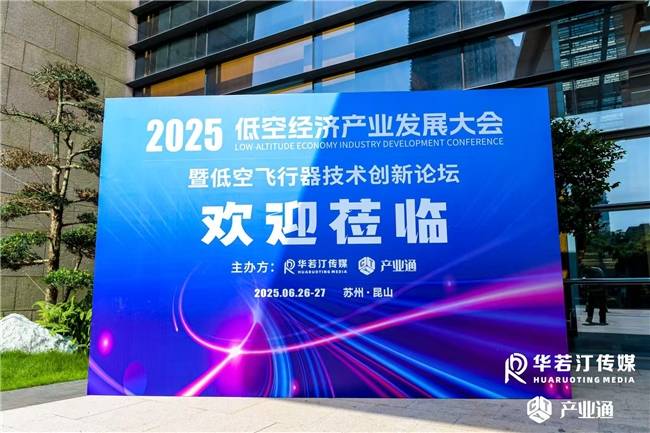
Core Insights - The "2025 Low Altitude Economic Industry Development Conference and eVTOL Technology Innovation Forum" will be held in Suzhou, focusing on the trillion-dollar low-altitude economy market and eVTOL technology advancements [1] - Chen Chunxuan, a partner and chief engineer at Beijing Shenmou Aircraft Technology Co., delivered a keynote speech on how eVTOL is redefining human interaction with the sky [3] Group 1: eVTOL Technology and Market Potential - eVTOL technology is poised to disrupt the trillion-dollar market, with low-altitude resources becoming the sixth production factor after labor, land, capital, entrepreneurship, and data [5] - Shenmou's 1.3-ton hybrid eVTOL requires only 20 square meters for takeoff and landing, addressing urban space constraints and demonstrating a tenfold efficiency improvement over ground transportation [5] - The MX150 logistics drone achieves a transportation cost of 1.5 yuan per ton-kilometer, reducing costs by 97% compared to traditional helicopters, and enhances logistics efficiency by 80% [5] Group 2: Product Matrix and Technical Innovations - The "Star-Yao-Wind" product matrix covers core applications in low-altitude economy, including heavy logistics, industrial logistics, and power inspection [6][7] - The YX30 hydrogen hybrid aircraft can reduce carbon emissions by 300 tons annually and has a 10-hour endurance, showcasing advanced multi-modal recognition technology with a 98% defect identification rate [9][10] Group 3: Strategic Initiatives and Industry Collaboration - The company emphasizes "lean management across the entire value chain" and aims to establish a collaborative ecosystem for sustainable development in the low-altitude economy [10][12] - Shenmou is involved in setting industry standards and plans to establish a regional center in Southeast Asia to enhance logistics response capabilities [10] - The call for a "low-altitude economic community" highlights the need for collaboration among manufacturers, operators, and system suppliers to achieve sustainable industry growth [12]
打造现代化先行示范引领区
Jing Ji Ri Bao· 2025-06-28 21:59
Core Viewpoint - Promoting regional coordinated development is a key measure to accelerate the construction of a new development pattern and promote high-quality development [1] Group 1: Strategic Initiatives - The "14th Five-Year Plan" and the 2035 vision outline support for Shenzhen, Pudong, and Zhejiang to drive significant national regional strategies [1] - Shenzhen aims to implement an innovation-driven development strategy and build a modern economic system, becoming a global benchmark city [1] - Pudong focuses on establishing a high-standard international economic and trade rule system, enhancing its role in global resource allocation [1] - Zhejiang is working on a framework for common prosperity, providing a provincial model for nationwide implementation [1] Group 2: Achievements and Progress - Shenzhen's GDP increased from 2.78 trillion yuan in 2020 to 3.68 trillion yuan in 2024, maintaining the top position in industrial output and patent applications [2] - Pudong has expanded its high-level institutional openness, enhancing its global resource allocation capabilities and launching new financial products [2] - Zhejiang's income disparity between urban and rural residents decreased from 1.96 in 2020 to 1.83 in 2024, with urban and rural income levels reaching 78,000 yuan and 43,000 yuan respectively [2] Group 3: Future Directions - Emphasis on deepening reforms to create a market-oriented, legal, and international business environment, ensuring fair competition for private enterprises [3] - Focus on building globally influential innovation hubs, enhancing strategic scientific capabilities, and fostering a robust innovation ecosystem [4] - Development of international competitive advantages through high-level institutional openness and expanding service industry access [4]
首航九周年,发展迈向规模化系列化——访C909飞机系列总设计师陈勇
Xin Hua She· 2025-06-28 12:24
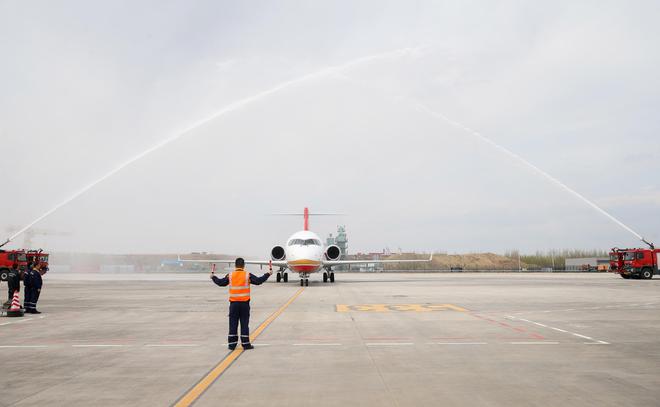
Core Insights - The C909 aircraft, formerly known as ARJ21, has achieved significant milestones in both domestic and international markets, marking a breakthrough in China's commercial aviation sector [1][2][4] - The aircraft has been delivered to various airlines, with a total of 166 units delivered and over 700 routes operated, transporting more than 24 million passengers [1] - The C909 has expanded its operations in regions like Xinjiang, where it has opened over 120 routes and carried more than 1.3 million passengers since June 2023 [2] Domestic Operations - The C909 aircraft has been instrumental in enhancing regional connectivity, particularly in Xinjiang, with daily flights between major tourist destinations [2] - The aircraft's adaptability to high-altitude and challenging environments has been highlighted by feedback from airlines operating in these regions [2][4] International Expansion - The C909 has successfully launched international routes, including the first route to Indonesia in April 2023, and has plans for further expansion into Central Asia [4][5] - Currently, three overseas airlines are operating seven C909 aircraft in Southeast Asia, with 15 routes connecting 18 cities and transporting over 370,000 passengers [5] Derivative Models - The C909 has developed four derivative models: cargo aircraft, emergency rescue command aircraft, medical aircraft, and business jets, catering to various market needs [7][8] - The cargo variant is designed for special cargo markets and short-haul international freight, while the medical variant supports air medical rescue and patient transport [8] Continuous Improvement - The C909 has undergone continuous enhancements over its nine years of operation, improving performance, crew experience, and passenger comfort [8] - The aircraft has identified suitable operational scenarios, such as high-density routes, and aims to create greater value in the future [8]
滨州|滨州向跨国企业递出合作发展邀约
Da Zhong Ri Bao· 2025-06-27 01:27
Group 1: Low-altitude Economy - Binzhou participated in the "General Aviation and Low-altitude Economic Development Forum" during the sixth Multinational Corporation Leaders Qingdao Summit, inviting multinational companies for cooperation [2] - Binzhou has a low-altitude airspace of 6,607 square kilometers and over 330 days of favorable flying conditions, with three major aviation industrial parks hosting leading companies like COMAC and WanFeng Aircraft [3] - The forum provided a platform for Binzhou to discuss development with representatives from 43 countries and regions across six continents, promoting the concept of a "Sky City" [3] Group 2: Silver Economy - Binzhou is accelerating its layout in the silver economy sector, with the "123+N" home care model focusing on the core needs of the elderly, generating a silver economy output value of 2 billion yuan [4] - The "Learn, Practice, and Work" talent training model for medical and health care supports the industry by providing skilled personnel [4] - Binzhou's strong research capabilities position it as a leader in producing silver economy products nationwide [4] Group 3: Economic Cooperation with Germany - In 2024, the bilateral trade volume between Binzhou and Germany is expected to exceed 1.5 billion yuan, with a growth rate of 20.1% in the first quarter of this year [2] - Binzhou's investment in high-end aluminum, fine chemicals, and intelligent textiles aligns well with Germany's machinery manufacturing and automotive industries, creating a natural complementarity [2] - The "China-Germany Multinational Corporation Development Exchange Forum" featured discussions with representatives from major German companies, enhancing economic ties [2][3]
不仅要造大飞机,还要造更大的飞机
Ke Ji Ri Bao· 2025-06-27 01:12
Core Viewpoint - The development of large aircraft, specifically the C919, is a crucial reflection of national strength and technological independence, addressing both economic needs and strategic security [2][3]. Industry Significance - The aviation industry plays a vital role in the modern economy, with large passenger aircraft directly impacting a country's position in the global supply chain. China, as the world's second-largest economy, has historically imported over 200 aircraft annually, costing approximately $20 billion [2]. - The large aircraft industry has significant economic and technological multiplier effects, driving breakthroughs in various sectors such as materials, electronics, and manufacturing. The C919 project involves over 100,000 components from more than 1,000 companies and 73 universities, enhancing the overall level of high-end manufacturing in China [2]. Technological Challenges - The core technological challenges in large aircraft development include overall design, system integration, assembly manufacturing, ground testing, flight testing, and airworthiness verification. The C919 faced over a hundred key technologies that needed to be overcome, such as lightweight wing design and noise reduction technologies [4]. - The most critical systems include the high bypass turbofan engine, flight control system, avionics system, and other key onboard systems, which are considered the most challenging aspects of aircraft development [4]. Development Journey - The C919 project faced significant challenges at its inception in 2007, particularly in terms of technological reserves and route selection. The lack of foundational technology and testing facilities necessitated concurrent technological breakthroughs and engineering development [5]. - The project adopted a "main manufacturer-supplier" model to promote overall industry development, leading to the establishment of a commercial aircraft industry system centered around COMAC [9]. Future Plans - China plans to develop larger wide-body aircraft following the successful introduction of the C919. The development of long-range wide-body aircraft is strategically important for ensuring national aviation transport security and enhancing competitive capabilities in the commercial aircraft market [10]. - The C929, a long-range wide-body aircraft, will face new technical challenges, including the need for more powerful engines and advanced electrical and hydraulic systems, as well as a higher proportion of composite materials [11]. Talent Development - The development of large aircraft requires a long-term commitment to talent cultivation alongside technological breakthroughs. The C919 project has emphasized the integration of talent development with aircraft design and manufacturing [9]. - The future of the aviation industry will benefit from cross-disciplinary collaboration and innovation, leveraging advancements in artificial intelligence, new energy sources, and next-generation information technology [14].