台积电

Search documents
芯片产量将暴增50%!ASML扔出“王炸”技术,台积电成最大赢家
Jing Ji Ri Bao· 2026-02-24 23:12
ASMLEUV机器NXE产线执行副总裁范谷(Teun Van Gogh)表示,到2030年时,每台机器每小时应该 能处理约330片矽晶圆,高于现在的220片,相当于产量提高五成。 全球半导体微影设备龙头ASML端出重磅新技术,能在2030年前让芯片产量较现阶段增加五成。业界看 好,ASML新技术将让台积电(2330)吞下「大力丸」,未来产出量将大增且有助降低成本,推升台积 电获利可期。 ASML新技术助威,台积电未来晶圆代工龙头地位将更稳固,市场买盘昨(24)日簇拥台积电,推升股 价一度冲上1,975元天价,市值飙破51兆元,终场收1,965元,创收盘历史新高价,大涨65元,市值也登 上50.96兆元新纪录。 台股昨天劲扬927点,光是台积电一档就贡献涨点逾500点,成为大盘多头总司令,蓄势叩关35,000点。 外资昨天买超台积电6,887张,终止连二卖。 ASML表示,已找到方法强化芯片制造设备的光源功率,能让芯片产量到2030年最多增加五成。 ASML是透过将极紫外光(EUV)微影设备的光源功率,从现今的600瓦特提高至1,000瓦特,达成上述 目标,这项新技术最大好处是光源功率愈强,每小时能生产更多芯片 ...

Citrini“反乌托邦研报”重塑AI投资:“AI末日叙事”在美国,阿尔法在亚洲算力链
Zhi Tong Cai Jing· 2026-02-24 09:28
Core Viewpoint - Citrini Research's "2028 AI Doomsday Prediction" forecasts a dystopian future shaped by AI, predicting a surge in global AI productivity by 2028 but leading to a "global economic plague" due to the disruption of white-collar jobs, causing panic in financial markets [1][7] Group 1: Market Reactions - The report triggered panic selling across various sectors, including software, wealth management, and logistics, as investors feared the impact of AI tools like Claude Cowork and OpenClaw on performance [1][8] - The report's dystopian narrative has led to a significant shift in investor sentiment, with a "shoot first, ask questions later" approach dominating the market [1][8] - Following the report, Asian technology stocks, particularly those related to AI infrastructure, have attracted global investors, contrasting with the turmoil in the U.S. tech sector [2][10] Group 2: Investment Opportunities - Citrini Research emphasizes that semiconductor companies and AI data center participants will be the key beneficiaries of the global AI investment theme [2][11] - The report highlights that Asia, with major players like TSMC and SK Hynix, is positioned to benefit significantly from the "AI disruption" trend, while the U.S. tech sector faces turbulence [1][9] - The report suggests that the AI capital expenditure theme will support the resilience of Asian technology stocks, particularly in hardware manufacturing [23] Group 3: Economic Implications - The report outlines a mechanism where AI-driven job displacement leads to reduced wages and consumer spending, resulting in a "Ghost GDP" scenario where productivity increases but money circulation declines [7][9] - The narrative posits a conflict between market prosperity and real economic decline, challenging the prevailing notion that AI will solely drive productivity and profitability [7][9] - Concerns are raised about the vulnerability of traditional software business models to AI disruption, particularly in the U.S., while hardware manufacturing in Asia remains a more stable investment [9][21] Group 4: Regional Performance - The MSCI Asia Pacific Information Technology Index has outperformed U.S. indices, reflecting a significant divergence in market performance driven by AI-related investments [10][15] - Asian markets, particularly those in South Korea and Taiwan, have seen substantial gains, with the KOSPI index rising significantly due to strong semiconductor demand [18][22] - The report indicates that the correlation between Asian and U.S. tech stocks has dropped to its lowest level since 2017, highlighting a decoupling trend [15][18]

“AI末日”报告暗示亚洲科技股有望成赢家,作者点名MiniMax与智谱
Hua Er Jie Jian Wen· 2026-02-24 09:26
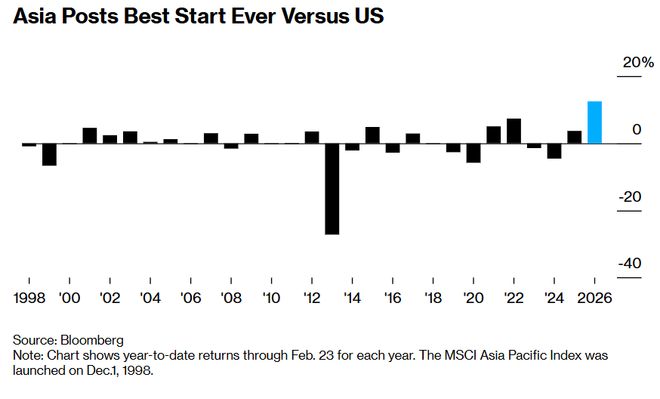
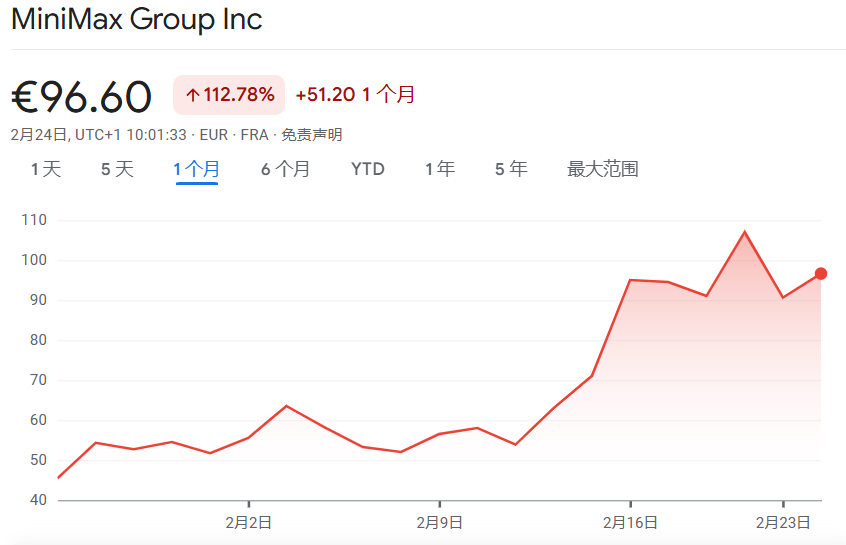
Core Viewpoint - A research report depicting a "dystopian" future for artificial intelligence (AI) has triggered a sell-off in global software stocks, while simultaneously acting as a catalyst for Asian markets, with investors shifting focus to chip manufacturers, data centers, and AI foundational model companies, where Asia holds a competitive advantage [1] Group 1: Market Reactions - The report by Citrini Research has raised new concerns about the erosion of software business models, leading to a market sell-off in the software sector [1] - The Asian market has seen a surge driven by technology hardware, with the MSCI Asia-Pacific index achieving its best relative performance against the S&P 500 in history this year [4] - The correlation between the MSCI Asia-Pacific Information Technology Index and the Nasdaq 100 has dropped to 0.45, the lowest level since October 2017, indicating a divergence in tech stock performance [4][8] Group 2: Semiconductor Sector - The core logic of the Citrini report suggests that software business models are under threat, which paradoxically increases demand for computing power and capital expenditure for Asian semiconductor companies [5] - Major players in the Asian semiconductor sector include TSMC, Samsung Electronics, and SK Hynix, with TSMC holding a 45% weight in the Taiwan Weighted Index, three times its weight a decade ago [5] - South Korea's semiconductor exports have surged by 134% year-on-year since February, with the Bank of Korea predicting a significant economic growth rate this year [5] Group 3: AI Investment Landscape - The Asian market's AI beneficiaries extend beyond traditional semiconductors, with emerging AI labs like MiniMax Group and Zhiyu seeing stock prices double this month, providing investors with unique exposure to AI foundational models [8] - Japan plays a crucial role in the semiconductor equipment value chain, being an indispensable part of AI infrastructure development [8] Group 4: Indian IT Services Sector - Not all Asian tech companies are benefiting; Indian IT service firms like Tata Consultancy Services and Infosys have seen their tracking index drop over 20% since the release of Claude by Anthropic, facing similar business model pressures as U.S. software companies [9] - Despite this, the overall logic for Asian tech stocks outperforming remains strong, supported by differentiated positioning within the AI ecosystem, relatively low valuations, and robust earnings growth expectations [9]
未知机构:美银发布AI特殊应用ICASIC报告指出根据供-20260224
未知机构· 2026-02-24 04:15
(联合报系资料照) 张量处理器(TPU)需求强劲,美银证券将 2026 年 TPU 预估出货量从 400 万颗上修至,看好相关供应链,包 括台积电(2330)、京元电子(2449)、日月光投控(3711)、致茂(2360)、颖崴(65 美银发布 AI 特殊应用 IC(ASIC)报告指出,根据供应链在财报季的回馈,将 TPU 今年预估出货量上调到 460 万颗,比去年的 230 万颗增加一倍。 (联合报系资料照) 张量处理器(TPU)需求强劲,美银证券将 2026 年 TPU 预估出货量从 400 万颗上修至,看好相关供应链,包 括台积电(2330)、京元电子(2449)、日月光投控(3711)、致茂(2360)、颖崴(6515)、旺矽(6223)、 世芯 – KY(3661)等。 美银发布 AI 特殊应用 IC(ASIC)报告指出,根据供应链在财报季的回馈,将 TPU 今年预估出货量上调到, 比去年的 230 万颗增加一倍。 美银发布 AI 特殊应用 IC(ASIC)报告指出,根据供应链在财报季的回馈,将 TPU 今年预估出货量上调到 460 万颗,比去年的 230 万颗增加一倍。 其中,训练晶片组由博通主导 ...
未知机构:美银将2026年TPU出货预期从400万颗上修至460万颗看好-20260224
未知机构· 2026-02-24 04:05
张量处理器(TPU)需求强劲,美银证券将 2026 年 TPU 预估出货量从 400 万颗上修至460 万颗,看好相关供应 链,包括台 美银将 2026 年 TPU 出货预期从 400 万颗上修至 460 万颗 看好七档台股 美银发布 AI 特殊应用 IC(ASIC)报告指出,根据供应链在财报季的回馈,将 TPU 今年预估出货量上调到 460 万 颗,比去年的 230 万颗增加一倍。 (联合报系资料照) 美银将 2026 年 TPU 出货预期从 400 万颗上修至 460 万颗 看好七档台股 美银指出,TPU 需求强劲,主要受出本身工作负载快速成长及外部销售推动,源头信息加微WUXL3408尤其在 Meta 的 MTIAASIC 专案因管理阶层变动而延迟后更是明显。 此外,Google 正加速采用自研 ARM 伺服器 CPU(目前为 Axion,后续専案预计在 2027 年下半年推出),搭配 TPU,以取代 x86 CPU。 美银也上调亚马逊 Trainium的预估需求,将 2026 年的预估量由 200 万颗上修至 210 万颗,2027 年的预估由 260 万 颗调高到 300 万颗,因为亚马逊的资本支出 ...
2026年端侧AI产业深度:应用迭代驱动终端重构,见证端侧SoC芯片的价值重估与位阶提升
Soochow Securities· 2026-02-24 00:45
Investment Rating - The report maintains a rating of "Buy" for the electronic industry, indicating a positive outlook for investment opportunities in this sector [1]. Core Insights - The IoT market is identified as the largest blue ocean market, presenting significant opportunities for domestic substitution, particularly in customized solutions and software ecosystems [2]. - The report emphasizes the importance of hardware supply chain enterprises in the AI transformation, as major internet and cloud computing companies accelerate their hardware ecosystem development [2]. - The evolution of edge AI is seen as a critical trend, with the need for high-performance edge hardware driving innovation in traditional mobile and PC markets [5][6]. - The automotive sector is highlighted as a prime application area for edge AI, with significant opportunities arising from the upgrade of in-vehicle chips and the construction of domestic ecosystems [5]. Summary by Sections 1. Edge AI and Domestic Supply Chain Opportunities - The transition of edge AI from concept to a well-defined industry path marks a strategic shift towards physical world applications, driven by privacy, security, and latency considerations [15]. - The deep restructuring of edge hardware provides a systemic elevation opportunity for domestic supply chains, particularly in new terminal markets like AI glasses and embodied intelligent robots [16]. 2. AI Empowering Mobile and PC Market Innovations - The demand for high-end smartphones is increasing due to the rapid adoption of AI technology, with projections indicating that by 2028, 54% of smartphones will feature edge AI capabilities [18]. - The average selling price (ASP) of smartphones is expected to rise, with a notable increase in the proportion of high-end models, driven by the demand for AI functionalities [21][19]. - The report notes that the semiconductor industry is experiencing a shift towards higher-end chip manufacturing processes, with TSMC's 2nm technology expected to enhance performance and efficiency significantly [23][24]. 3. Automotive Electronics and Edge AI Growth - The automotive sector is positioned as a second growth engine for edge AI, with in-vehicle chips evolving to meet the demands of intelligent driving and user interaction [5]. - The report discusses the competitive landscape of automotive chips, highlighting the rapid advancements in domestic chip manufacturers and their collaboration with new energy vehicle companies [5]. 4. Internet Giants Building Edge-Cloud Collaborative Ecosystems - Major internet companies are establishing comprehensive strategies that integrate cloud, AI, and chip development to strengthen their hardware foundations for AI transformation [10]. - The report outlines the strategic moves of companies like Alibaba, ByteDance, and Tencent in creating a cohesive hardware ecosystem that supports AI applications across various sectors [10].
三力驱动旺到2027年 产值将逼近1万亿美元
Jing Ji Ri Bao· 2026-02-21 23:30
Group 1 - The global semiconductor market value is forecasted to reach $772 billion in 2026, a 7% increase, with a year-on-year growth of 22%, marking a record high [1] - The growth is primarily driven by the IC design, wafer foundry, and packaging/testing industries, with expectations for continued growth into 2027, projected to exceed $975 billion [1] - TSMC has revised its global AI market growth outlook positively, and major memory manufacturers are optimistic about their performance for this year and next [1] Group 2 - MediaTek is confident that its data center ASIC revenue will exceed $1 billion this year, with expectations to reach several billion dollars by 2027 [1] - Creative Technology anticipates continued growth in revenue and profits this year, despite potential pressure on gross margins from two major cloud service provider chip productions [2] - The DRAM market remains tight due to limited new capacity, with demand driven by AI and general server needs, and this situation is expected to persist until mid-next year [2] Group 3 - Advanced packaging and testing leader ASE Technology is optimistic about revenue growth this year, with momentum expected to continue into next year due to the expansion of advanced processes and AI trends [2]
光互联的市场图谱
傅里叶的猫· 2026-02-21 14:13
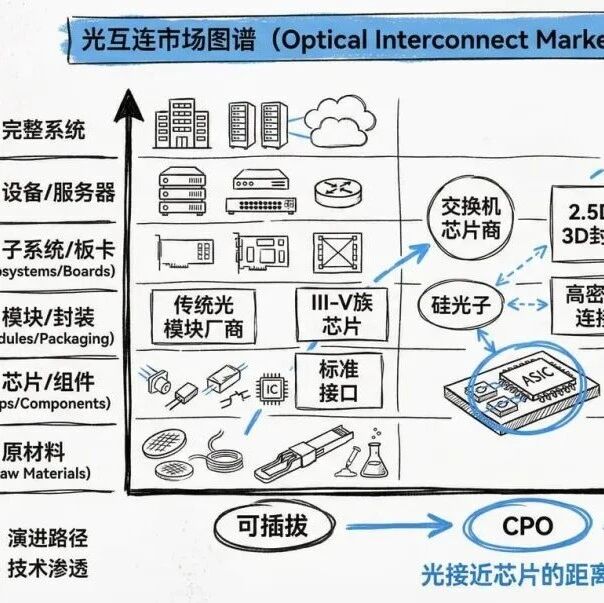
Core Insights - The article discusses the evolution of optical interconnect technology, highlighting three key structural patterns in the market: vertical integration vs. specialization, the scarcity of light generation, and the rise of SiPho foundries [5][6][10]. Group 1: Market Structure - Vertical integration offers structural advantages during technological transitions, as companies that can design across multiple layers can optimize the entire tech stack [9]. - Companies like Broadcom exemplify vertical integration, appearing across multiple layers of the value chain, while most others focus on specific segments [8]. - The semiconductor industry has historically shown that such advantages may not be permanent, as standardization can lead to the emergence of fabless models [9]. Group 2: Scarcity of Light Generation - The difficulty of producing light sources (Layer 1 and Layer 0) is highlighted, with InP and GaAs materials requiring specialized technology and equipment [12][13]. - Companies capable of mass-producing high-performance InP lasers are few, creating a concentrated market [13][14]. Group 3: Rise of SiPho Foundries - Layer 2, which focuses on SiPho foundries, is gaining attention as traditional semiconductor manufacturers like TSMC and GlobalFoundries enter the photonics space [17]. - TSMC's potential to optimize both AI chips and optical interconnects within the same ecosystem could disrupt existing vertical integration advantages [17]. Group 4: Layer Analysis - Layer 0 involves substrate supply, with companies like AXT benefiting from increased demand for III-V substrates, although geopolitical risks exist due to production in China [21][22]. - Layer 1 is dominated by Coherent and Lumentum, both of which manufacture InP lasers and are expanding production amid high demand [24][25]. - Layer 2 focuses on SiPho foundries, with companies like GlobalFoundries and TSMC leading in manufacturing photonic integrated circuits [27][29]. - Layer 3, represented by DSPs, faces potential obsolescence as CPO technology advances, with companies like Broadcom and Marvell adapting to this shift [33][36]. - Layer 4 sees companies like Innolight and Eoptolink currently leading in the pluggable module market, but their positions may be challenged as the industry shifts towards CPO [40][42]. Group 5: Future Signals - Key indicators to watch include pJ/bit energy consumption metrics, which reflect technological advancements and efficiency [56]. - The ongoing standardization efforts, such as OIF and UCIe, will shape the future market landscape and influence competitive dynamics [57][59]. - Recent mergers and acquisitions signal strategic directions in the industry, with notable deals like Marvell's acquisition of Celestial AI [60][62]. - The choices made by major cloud service providers like Google and AWS regarding their technology partnerships will ultimately determine market trajectories [63][64].



特朗普:将对全球征税!黄金、白银,大涨
Shang Hai Zheng Quan Bao· 2026-02-21 00:48
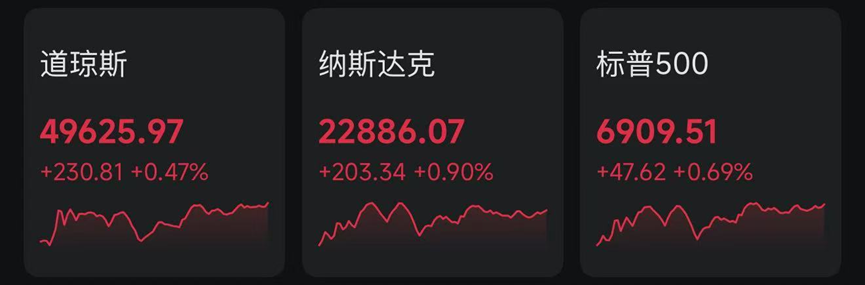
Group 1 - The U.S. Supreme Court ruled that the International Emergency Economic Powers Act does not authorize the President to impose large-scale tariffs, marking a significant setback for the Trump administration's tariff policies [3][4][6] - Following the Supreme Court's decision, President Trump announced plans to sign an executive order imposing a 10% import tariff on global goods for 150 days, as a replacement for previously deemed illegal emergency tariffs [5][6] - The announcement of the new tariff led to a positive reaction in the capital markets, with major U.S. stock indices closing higher, including a 0.47% increase in the Dow Jones Industrial Average [7][10] Group 2 - The U.S. economy's growth rate for Q4 2025 was reported at 1.4%, significantly below the expected 2.8%, attributed to a record federal government shutdown that reduced growth by approximately 1 percentage point [8] - The stock market initially opened lower due to the economic data but rebounded after the Supreme Court's ruling on tariffs, resulting in gains across major indices [7][10] - Gold and silver prices surged, with London spot gold rising over 2% and silver increasing nearly 8% following the tariff news [10]
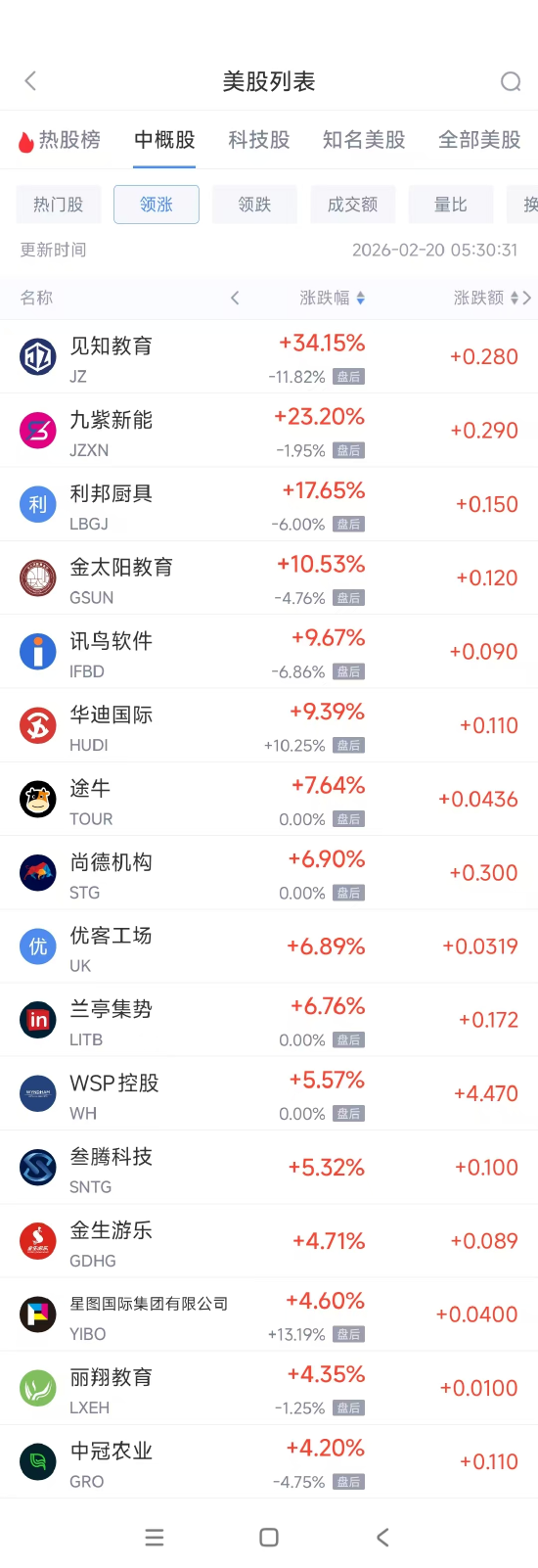
2月20日热门中概股多数下跌 华住酒店集团涨1.54%,携程跌2.28%
Xin Lang Cai Jing· 2026-02-19 21:36
2月20日热门中概股多数下跌,纳斯达克中国金龙指数(HXC)收跌0.35%。 上涨股当中(按市值从高到低),富途控股涨0.65%,中通涨0.51%,华住酒店集团涨1.54%,蔚来涨 0.41%,中国新城农村涨1.15%,新东方涨0.32%,万国数据涨0.84%,唯品会涨0.17%。 下跌股当中(按市值从高到低),台积电跌0.52%,阿里巴巴跌0.96%,拼多多跌0.94%,网易跌 0.44%,日月光半导体跌0.69%,百度跌0.55%,京东跌0.51%,携程跌2.28%,中华电信跌0.72%,联电 跌0.98%,腾讯音乐跌0.39%,贝壳跌0.58%,小鹏汽车跌0.39%,哔哩哔哩跌0.61%,满帮跌0.52%, BOSS直聘跌0.92%。 美股周四收跌,道指跌超260点。投资者撤出金融板块并密切关注美伊紧张局势,标普500指数年内涨幅 近乎归零。 道指跌267.50点,跌幅为0.54%,报49395.16点;纳指跌70.91点,跌幅为0.31%,报22682.73点;标普 500指数跌19.42点,跌幅为0.28%,报6861.89点。 截止周四收盘,标普500指数年内涨幅收窄至0.2%,道指涨幅超过2%。 ...