
Zara

Search documents
What Is a Just in Time Inventory System?
Small Business Trends· 2025-10-03 18:51
Core Concept - Just-in-Time (JIT) inventory management is a strategy that focuses on producing goods only as needed, minimizing excess stock and reducing carrying costs, thereby enhancing operational efficiency [6][8][10]. Principles of JIT - JIT emphasizes producing goods strictly as needed, aligning production closely with actual customer demand while minimizing excess stock [14]. - Continuous improvement is vital in JIT, requiring regular assessments and enhancements of processes to eliminate waste and boost efficiency [14][15]. - Strong supplier relationships are crucial for ensuring timely delivery of materials, preventing production delays [14][25]. Benefits of JIT - Cost reduction is achieved through lower storage costs and improved cash flow [18][19]. - Product quality improves as production focuses on what is necessary, reducing defects [18][19]. - Operational efficiency increases by minimizing waiting times and enhancing inventory turnover ratios [18][19]. Ordering Based on Demand - JIT systems order materials based on actual customer demand rather than forecasts, maintaining optimal inventory levels [21][22]. - The Kanban system is utilized to manage inventory levels visually and trigger reorders based on real-time usage [23][24]. Supplier Coordination - Effective supplier coordination is essential in JIT to ensure materials arrive just in time for production, minimizing holding costs and stockout risks [25][26]. - Technologies like Electronic Data Interchange (EDI) facilitate real-time information exchange, improving order accuracy and reducing lead times [26]. Pros and Cons of JIT - Advantages include reduced inventory costs, improved cash flow, and enhanced product quality [31]. - Disadvantages involve vulnerability to supply chain disruptions, reliance on precise demand forecasting, and coordination challenges among suppliers and manufacturers [32][51]. Real-World Applications - Companies like Toyota exemplify JIT by aligning production with customer demand, significantly reducing inventory costs [39]. - Retail giants such as Walmart implement JIT through advanced supply chain logistics, ensuring timely replenishment based on actual customer demand [40][56]. Future of JIT - The future of JIT is expected to incorporate advanced technologies like artificial intelligence and machine learning for improved demand forecasting and supply chain optimization [63]. - Sustainability and real-time inventory tracking will become increasingly important as businesses aim to reduce waste and enhance operational efficiency [64][65].



Shein enters bricks-and-mortar retail in France, sparking backlash
Yahoo Finance· 2025-10-02 09:30
Core Points - Shein plans to open its first physical stores in France in November, partnering with Société des Grands Magasins, which has drawn criticism from local retailers [1][4] - The new stores will be located in BHV and Galeries Lafayette department stores across several French cities, marking a significant shift from Shein's previous pop-up marketing strategy [1][2] - French retailers, including Galeries Lafayette, oppose the move, citing it as a violation of franchise agreements and a contradiction to their brand values [2][3] Industry Context - Shein's pricing strategy includes selling dresses for 12 euros and jeans for 20 euros, which has intensified competition among French retailers already struggling against brands like Zara and H&M [4][5] - The fast-fashion sector in France is facing regulatory scrutiny, with lawmakers proposing a draft law that could restrict Shein's advertising practices [4] - Several French fast-fashion brands, such as Jennyfer and NafNaf, have entered insolvency proceedings, highlighting the challenges within the industry [6] Business Model Implications - Shein's current business model relies on direct shipping from factories in China, allowing for low inventory levels and minimal unsold stock [7] - Transitioning to physical stores will require Shein to maintain inventory, which could increase operational costs and alter its successful online-only strategy [8]
2025年第39周:美妆行业周度市场观察
艾瑞咨询· 2025-10-01 00:00
Core Insights - The beauty industry in China is experiencing significant changes, with a focus on high-end fragrance brands, domestic beauty brands' performance, and the integration of science and global strategies in the market [2][3][4][5][6][7]. Industry Environment - Douyin e-commerce has revitalized the perception of "Chinese good ingredients," showcasing natural components from local brands and enhancing consumer trust through expert endorsements and interactive marketing [3]. High-End Fragrance Market - The fragrance category is witnessing growth despite overall market pressures, with projections indicating the Chinese perfume market will reach 24.9 billion yuan by 2025 and exceed 33.9 billion yuan by 2028, reflecting a compound annual growth rate of 8% [4]. Domestic Beauty Brands Performance - In the first half of 2025, the domestic beauty market grew by 3.1%, with leading brands like Proya achieving 5.36 billion yuan in revenue, while others like Huaxi Biological faced challenges [5]. Globalization and Scientific Innovation - The second half of the domestic beauty market is expected to focus on scientific advancements, segmentation of consumer scenarios, and globalization strategies [7]. Medical Beauty and Cosmetic Integration - The medical beauty sector is projected to grow at a compound annual growth rate of 10%-15% from 2024 to 2027, with brands increasingly merging beauty and medical aesthetics to meet consumer demands for comprehensive care [10]. E-commerce and Brand Strategies - E-commerce operators in the beauty sector are facing challenges, with only one company, Ruoyu Chen, showing significant growth amidst a broader industry slowdown [14]. New Product Launches and Brand Collaborations - Major brands like L'Oréal are expanding into the fragrance market with new high-end products, while emerging brands like Huaxizi are innovating in skincare with a focus on traditional Chinese medicine [16][17]. Market Trends and Consumer Behavior - The beauty market is seeing a shift towards affordable and effective products, with brands needing to adapt to changing consumer preferences and the competitive landscape [12][25].


美妆行业:周度市场观察-20250927
Ai Rui Zi Xun· 2025-09-27 09:16
Investment Rating - The report does not explicitly provide an investment rating for the beauty industry Core Insights - The beauty industry is experiencing a significant transformation driven by consumer preferences for high-quality, effective products and the integration of technology in skincare and cosmetics [4][6][10] Industry Trends - The high-end fragrance segment is witnessing robust growth, with the Chinese perfume market projected to reach 24.9 billion yuan by 2025 and exceed 33.9 billion yuan by 2028, reflecting a compound annual growth rate of 8% [4] - Domestic beauty brands are focusing on scientific innovation, market segmentation, and globalization to enhance competitiveness [6][7] - The integration of medical aesthetics and beauty is becoming a trend, with a projected annual growth rate of 10%-15% for the medical aesthetics market from 2024 to 2027 [10] - The beauty market is seeing a shift towards multi-brand strategies, with companies like Proya and Shiseido leading the way [6][11] Market Environment - Douyin e-commerce is revitalizing the perception of "Chinese good ingredients," enhancing consumer trust in domestic skincare products through educational campaigns [4] - The domestic beauty market grew by 3.1% in the first half of 2025, with significant performance disparities among companies [6] - The trend of "reverse export" to South Korea is emerging, as domestic brands seek to penetrate the Korean market through differentiated product offerings [6] Top Brand Dynamics - Proya leads the domestic beauty market with a revenue of 5.36 billion yuan, followed closely by other major players [11] - The report highlights the rise of makeup artist brands, with Unilever investing in Hung Vanngo Beauty, indicating a growing interest in professional makeup lines [13] - L'Oréal is accelerating its presence in the fragrance market with the launch of high-end perfumes, reflecting a strategic shift towards premium products [14] - The beauty industry is witnessing a surge in e-commerce, with platforms like JD.com reporting double-digit growth in beauty sales [18]



“穷鬼超市”逆袭记:20元会员卡横扫200店,性价比碾压拼多多
Sou Hu Cai Jing· 2025-09-26 05:27
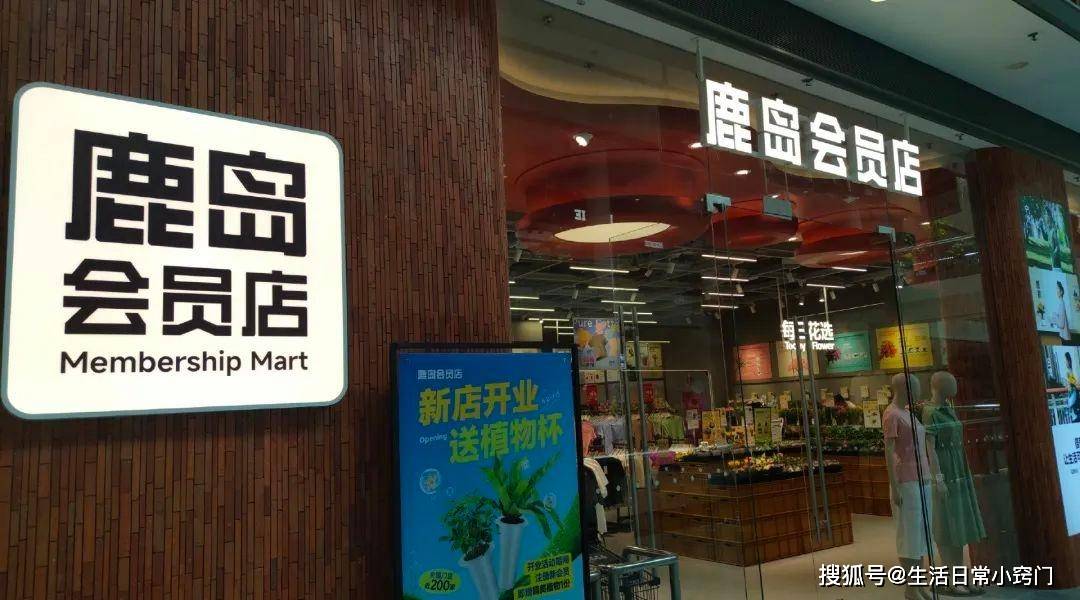
Core Insights - The article highlights the rise of "Kashima Membership Store," a budget supermarket that has thrived amidst the decline of other retail giants like Muji and IKEA, achieving over 200 stores and annual revenue of 4 billion yuan [1][3]. Group 1: Business Model and Strategy - Kashima's unique business model focuses on extreme price competitiveness, allowing customers to purchase five items for the price of one at traditional retailers, with 40% of customers making a purchase upon entry [5][12]. - The store employs clever scene-based marketing, creating Instagram-worthy spots that attract young consumers and reduce customer acquisition costs to one-fifth of traditional supermarkets [7]. - A flexible membership system allows customers to obtain a permanent membership card for 20 yuan, which can be shared among family and friends, enhancing accessibility and reinforcing price advantages [8]. Group 2: Supply Chain and Quality Control - Kashima collaborates directly with 100 small manufacturers to minimize costs by bypassing intermediaries, although this has led to some quality control issues reported by consumers [12][14]. - The company faces challenges in maintaining product quality as it scales, with customer feedback indicating inconsistencies in items like sweatshirts and pants [12][14]. Group 3: Market Challenges and Future Directions - As Kashima expands, it encounters challenges such as the potential imitation of its marketing strategies, the need for fashionable basic designs, and the risk of losing price-sensitive customers if the market improves [14][16]. - The company is seeking to innovate by enhancing its product design and optimizing its supply chain to keep pace with growth, aiming to convert price-sensitive customers into brand-loyal ones [16][20]. Group 4: Consumer Behavior and Market Trends - The success of Kashima reflects a shift in consumer behavior towards rational spending, where practical value is prioritized over brand prestige, indicating a potential opportunity for offline retail in the e-commerce era [18][20]. - The competitive landscape remains intense, with platforms like Pinduoduo and brands like Miniso continuously optimizing their models, necessitating ongoing investment in product quality and brand development for Kashima to evolve from a budget alternative to a national brand [20][22].
Steakholder Foods Announces Signing of Agreement for the Acquisition of Twine Solutions
Globenewswire· 2025-09-22 11:00
Core Insights - The acquisition of Twine Solutions Ltd. by Steakholder Foods Ltd. aims to create a global digital technology powerhouse that can revolutionize multiple industries, including food and textile sectors [2][3] - Twine's innovative waterless dyeing technology and Steakholder's 3D food printing technology will be combined to enhance production capabilities and sustainability [3][8] Company Overview - Steakholder Foods specializes in 3D printing technologies for alternative proteins and aims to transform the food industry through advanced manufacturing [9][10] - Twine Solutions focuses on digital dyeing technology for the textile industry, utilizing a proprietary waterless process that significantly reduces environmental impact [11] Financial Aspects - Twine's shareholders will receive approximately 25% of Steakholder's outstanding equity, with potential to increase to 35% based on performance milestones [1] - Prior to the acquisition, Twine's shareholders invested $1.74 million in Steakholder at a substantial premium, which will convert into equity post-acquisition [3] Strategic Goals - The combined entity aims to explore commercial applications across various industries, focusing on speed, personalization, sustainability, and scalability [3][8] - The acquisition is expected to broaden Steakholder's activity base and diversify income streams, positioning the company for growth in multiple sectors [8] Market Impact - Twine is positioned to disrupt the $120 billion textile thread and yarn industry with its on-demand dyeing solutions, generating economic and ecological benefits [6] - The partnership is anticipated to enhance operational efficiency and meet evolving market demands in both food and textile industries [2][8]


企业经营的本质是“盈利,持续的盈利”!
Sou Hu Cai Jing· 2025-09-18 11:02
Core Insights - The essence of running a business is to generate profit, and without real profits, all efforts are futile [1] - Many companies fail to understand the true nature of "making money," leading to significant losses [3] Misconceptions About Profitability - Focusing solely on revenue without considering profit can create a false sense of success, as high revenue does not guarantee profitability [3] - Blindly pursuing scale while neglecting efficiency can lead to internal conflicts and financial strain, ultimately resulting in failure [3] - Relying on unique technologies or products without a clear monetization strategy can lead to high costs and low returns [3] - Companies often lack clarity on what constitutes a good profit, making it difficult to set realistic goals [3] Diagnosing Profitability - Profitability fundamentally depends on how well a company manages its assets, with two key aspects: asset effectiveness and asset efficiency [5] - Ideal scenarios involve selling high-margin products or maintaining excellent cost control, while common challenges include product commoditization and high operational costs [6] - Asset efficiency is measured by how quickly capital can be reinvested, with high turnover rates being ideal [7] Strategies for Profitability - To enhance profitability, companies should focus on increasing the unit profit margin by emphasizing unique value propositions and effective cost management [10] - Improving asset turnover involves optimizing inventory management, ensuring timely collections, and streamlining internal processes [11] - Companies should prioritize high efficiency in competitive markets, while also striving for high profitability when possible [13] Systematic Approach to Profitability - Achieving sustained profitability requires a holistic approach that aligns all business functions towards improving unit output and accelerating asset turnover [14] - Regularly analyzing key financial metrics is crucial for informed decision-making [14] - Building a robust management system can reduce reliance on individual talent and enhance overall operational efficiency [14]

董事长直播跳团舞,是营销创新还是增长焦虑?
3 6 Ke· 2025-09-17 00:23
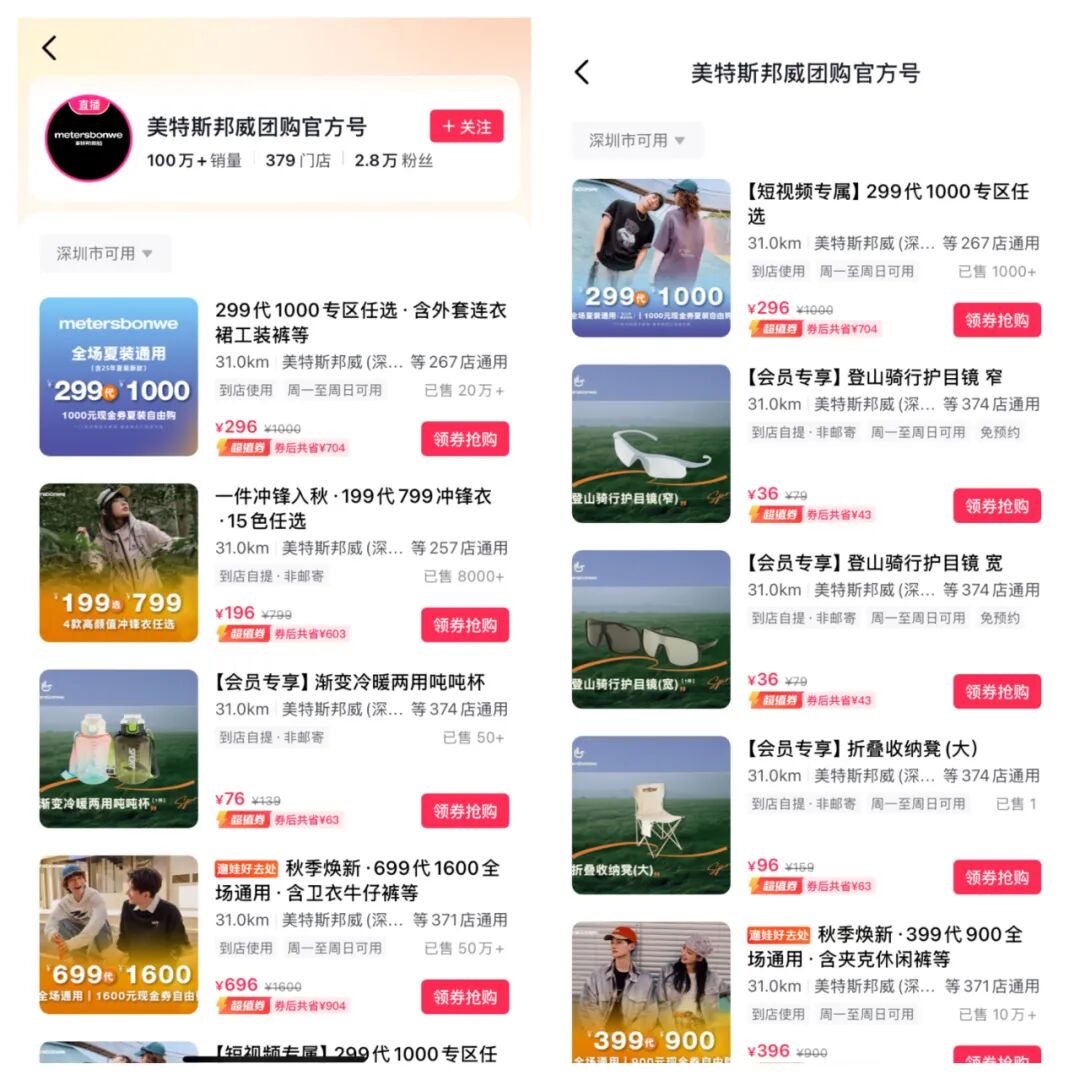
Core Viewpoint - The article discusses the challenges faced by Metersbonwe, a well-known Chinese apparel brand, as it attempts to revitalize its business through live streaming sales, while its financial performance continues to decline significantly [3][10][24]. Financial Performance - Metersbonwe's revenue for 2024 was 681 million yuan, a year-on-year decrease of 49.8%, with a net loss of 195 million yuan, a staggering decline of 715.4% [9] - In the first half of the current year, the company's revenue was 227 million yuan, down 45.2% year-on-year, and the net profit was 9.93 million yuan, a decrease of 87.1% [9] - The company has experienced continuous losses from 2019 to 2022, with a brief recovery in 2023, but has since returned to significant revenue and profit declines [10][21]. Live Streaming Strategy - Metersbonwe began exploring live streaming sales in 2023, launching new retail bases in Hangzhou and Guangzhou, and establishing official accounts on platforms like Douyin and Taobao [4] - The brand's Douyin flagship store has gained 797,000 followers and achieved sales of 980,000 items [4] - The company implemented a new sales strategy in live streaming, focusing on selling high-discount group purchase vouchers, which led to a GMV of over 100 million yuan in just 40 days on Douyin [5]. Challenges in Live Streaming - Despite initial successes, the performance of Metersbonwe's live streaming efforts has not been consistent; the founder's live streams have decreased significantly in frequency and duration [8] - The official Douyin account has conducted 1,237 live streams in 2024, but sales have only ranged between 10 million to 25 million yuan, indicating limited conversion efficiency [8][9]. Market Position and Competition - Metersbonwe faces intense competition from international fast fashion brands like Zara, which have more agile product release cycles [20] - The brand's failure to adapt to the e-commerce boom and its late entry into live streaming have contributed to its current struggles [20][21]. Strategic Initiatives - The company is attempting to pivot its product strategy towards outdoor apparel, aiming to offer more affordable alternatives to premium brands [21][24] - Metersbonwe has launched the "Ten Thousand Stores Plan," aiming to open numerous city lifestyle experience centers and community service stations to enhance customer experience [23][24]. Conclusion - Metersbonwe's efforts to revitalize its brand through live streaming and strategic initiatives reflect a broader trend in the industry, but the effectiveness of these measures remains uncertain as the company grapples with significant operational challenges and market pressures [24].

HOW TO BEAT BIG BRANDS
Mark Tilbury· 2025-09-16 13:02
Marketing Strategy - When not the market leader, companies should focus on a unique angle [1] - Fast food brands like Five Guys advertise as premium due to McDonald's market dominance [1] - Ride-sharing apps like Lyft emphasize friendliness because Uber is the largest [1] - Online retailers like Etsy promote uniqueness given Amazon's size [1] - Coffee brands like Duncan highlight daily routine due to Starbucks' market position [1] - Fashion brands like H&M advertise affordability because Zara is the biggest [1]

Armani公司或出售;Zara持续关闭小型店铺;Tod’s集团CEO将卸
Sou Hu Cai Jing· 2025-09-14 12:44
Investment Dynamics - Nutrabolt, an American energy drink company, has invested nearly 110 million yuan to increase its stake in Bloom Nutrition [4] - Bloom Nutrition, founded in 2019, is well-known on social media for its organic green superfood powders and has expanded its product line to include protein powders, collagen peptides, and super berry products [2] - This investment is expected to provide Bloom Nutrition with strategic growth capital, enhance its production capacity, and strengthen its internal capabilities, while allowing Nutrabolt to further expand its influence in the energy drink sector [2] Brand Dynamics - Inditex Group, the parent company of Zara, reported a 5.1% year-on-year revenue growth to 18.4 billion euros and a slight net profit increase of 0.8% to 2.8 billion euros as of July 31 [15] - Zara is closing smaller stores and shifting towards larger, higher-end retail spaces, with an expected total retail floor area increase of about 5% in the coming year [15] - The closure of smaller stores reflects a broader trend in the fast fashion industry, prioritizing efficiency over scale [15] Corporate Changes - Roberto Lorenzini announced his resignation as CEO of Tod's Group for the Americas, a decision made in agreement with the Della Valle family [23] - Sun Hui, CEO of Baizicui, announced her departure after seven years, indicating challenges in achieving rapid success in a competitive environment [26] - Burger King China appointed Fan Jun as COO and Li Jia as CIO, aiming to strengthen its core team for better market penetration [28]


