Anthropic

Search documents
【真灼机构观点】美联储放鹰,港股通31亿扫货恒生科技及美团
Sou Hu Cai Jing· 2026-02-25 03:28
Market Commentary - Federal Reserve officials are sending strong "hawkish" signals, with Boston Fed President Collins and Chicago Fed President Goolsbee indicating that interest rates should not be lowered further until inflation returns to 2%, suggesting that current rates will be maintained for some time [2] - Atlanta Fed President Bostic explicitly stated that rate cuts cannot alleviate the structural unemployment crisis caused by AI [2] Company Developments - Anthropic has released an upgraded enterprise-level AI tool, actively expanding into investment banking, human resources, and other business scenarios [2] - The company's philosophy of "collaboration over disruption" has effectively alleviated market fears regarding AI, boosting the performance of technology stocks [2] Market Flow - On Tuesday, the Hong Kong Stock Connect saw a net inflow of HKD 3.1 billion, with Southern Hang Seng Technology (03033) receiving the highest inflow of HKD 1.58 billion, followed by Meituan-W (03690) [2] - Pop Mart (09992) recorded the highest net outflow of HKD 205 million, followed by China National Offshore Oil Corporation (00883) [2]



AI颠覆软件行业商业模式?美股SaaS公司股价大跌,如何转型?
Xin Lang Cai Jing· 2026-02-25 03:19
Core Insights - The article discusses the significant impact of AI on the SaaS industry, particularly following the launch of Anthropic's AI tool for legal services, which caused a sharp decline in stock prices of major SaaS companies and raised concerns about the traditional subscription model [3][4][5]. Group 1: Stock Price Decline - The launch of Anthropic's AI tool led to a single-day stock price drop of over 13% for legal information service giants like WEX Group and LexisNexis, triggering a broader sell-off in the software industry [3][5]. - The S&P North American Software Index saw a cumulative decline of 15% in January 2026, marking its worst monthly performance since the 2008 financial crisis [6]. - The term "SaaSpocalypse" was coined to describe the drastic sell-off in the SaaS sector, with over $1 trillion in market value evaporating from software companies [3][6]. Group 2: Challenges to Subscription Model - The traditional SaaS business model, which relies on a "seat-based payment" system, is being challenged by AI's ability to automate tasks previously requiring multiple employees [4][5]. - Companies like Salesforce and Intuit experienced significant stock price drops, with Salesforce's stock down 23% year-to-date and 30% from its peak in December 2025 [8][5]. Group 3: Need for Valuation Restructuring - IT budgets are becoming increasingly fixed, with major tech companies like Amazon and Alphabet allocating substantial funds (approximately $200 billion and $175-185 billion respectively) towards AI infrastructure, thereby squeezing traditional SaaS budgets [7]. - The shift in IT spending from traditional software to AI solutions has led to a reevaluation of SaaS company valuations, moving from a user-based growth model to a performance-based payment model [10][11]. Group 4: Transformation Paths for Leading Companies - Major SaaS companies like Salesforce and Microsoft are restructuring their products to create AI-native enterprise service systems rather than simply adding AI as a feature [14][15]. - Salesforce's transition has faced challenges, including a significant layoff of 4,000 customer service positions, which later resulted in service quality issues and increased customer complaints [17][19]. - Adobe has adopted a different strategy by integrating AI deeply into its Creative Cloud, allowing users to pay extra for AI features rather than reducing seat licenses [20][21]. Group 5: Industry Reconstruction Insights - The impact of AI on the SaaS industry represents a "value reconstruction" rather than a complete industry replacement, emphasizing the need for SaaS companies to redefine their core value propositions [23]. - Future software business models may evolve into hybrid models, performance-based models, or platform models, with no single approach suitable for all companies [25][26][27]. - Investors are encouraged to shift their focus from user growth to AI monetization capabilities and the quality of profits [30]. Group 6: Implications for IT Professionals - Companies must redefine product value by focusing on business outcomes rather than merely listing features, as clients prioritize efficiency and cost reduction [31][33]. - The traditional seat-based payment model is becoming obsolete, necessitating a shift to performance-based or usage-based pricing structures [34]. - Establishing industry-specific expertise and trust with clients is crucial for SaaS companies to maintain a competitive edge in the AI era [35][36].



Infosys, TCS lead IT rebound; stocks jump up to 5% after five-day rout
The Economic Times· 2026-02-25 03:19
Company Developments - Anthropic hosted its enterprise agents event, unveiling several collaborations that alleviated investor concerns regarding potential disruptions from AI in the software sector [1][9] - The company introduced updates to its Claude Cowork platform, enabling businesses to integrate the productivity tool with various enterprise applications, including Salesforce's Slack, Intuit, DocuSign, LegalZoom, FactSet, and Google's Gmail [1][9] - Organizations will have the ability to deploy customizable plugins tailored for functions such as financial analysis, engineering, and human resources [2][9] Market Reactions - Following the announcements from Anthropic, shares of IT companies like Infosys, Wipro, and Tata Consultancy Services rallied up to 5%, recovering from five days of significant selling pressure [9] - The Dow Jones Industrial Average rose by 370 points, recovering nearly 50% of the losses recorded on Monday, while the S&P 500 and Nasdaq Composite gained 0.7% and 1.1%, respectively [2][9] Industry Trends - The Nifty IT index experienced a sharp decline, ending 4.74% lower after heavy selling pressure, marking a more than 20% drop in February, the worst monthly decline since the 2008 global financial crisis [9] - Many IT stocks are now considered to be in "oversold" territory, with seven of the ten constituents of the Nifty IT index dropping 20% or more in the first two months of the year [6][7] - The Nifty IT index is currently trading at an eight-year low relative to the Nifty 500, attracting contrarian investors seeking value [7] Technical Analysis - Anand James, Chief Market Strategist at Geojit Investments, noted that oscillators have turned oversold and are showing early signs of positive divergence [8] - The Nifty IT index has fallen below the reaction low of 31,422 from February 13, with momentum indicators suggesting potential further downside [8] - Standard deviation studies indicate support levels at 29,961, followed by 28,800 and 27,200, while immediate reversal levels are at 30,300 intraday and 31,300 on a closing basis, with 36,200 as a major resistance level [8]



面对企业软件巨头:OpenAI 谋求“颠覆”,Anthropic 选择“共生”
Hua Er Jie Jian Wen· 2026-02-25 03:17
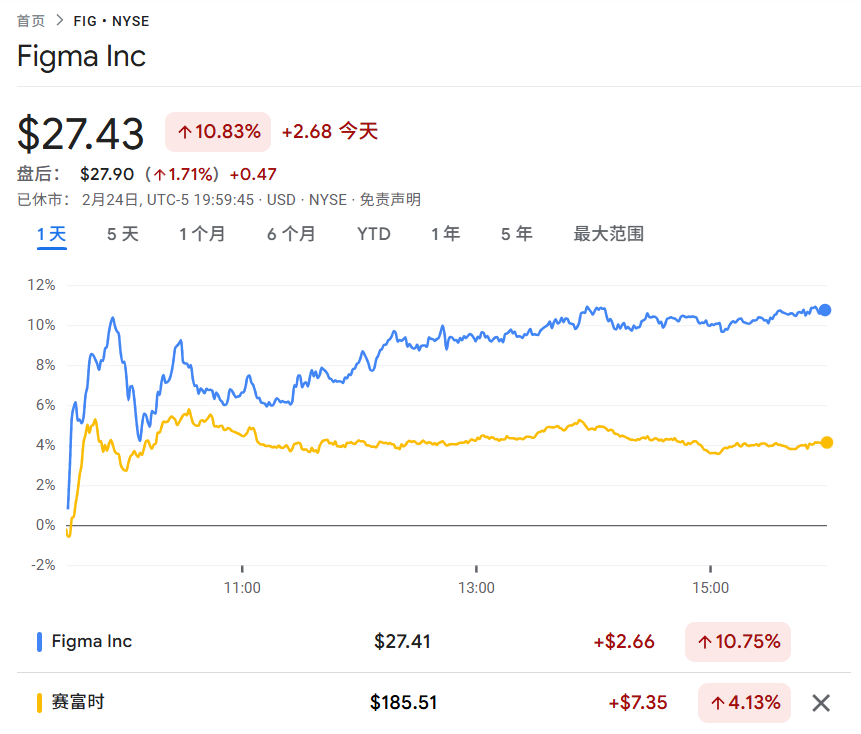
OpenAI与Anthropic正在对企业软件市场采取截然不同的战略姿态——一个高调宣示颠覆意图,另一个刻意强调伙伴关系。 分析认为,这一分歧正在重塑市场对AI冲击传统软件行业的预期。 科技媒体The Information报道称,Anthropic在发布Claude Cowork新功能时,刻意将叙事重心放在对人力的替代,而非对软 件工具的取代。其逻辑在于: 新AI工具将继续调用现有企业软件,企业仍需为这些软件付费,软件供应商的收入来源并不会因此消失。 2月24日,Anthropic发布了旗下Claude Cowork AI软件的新功能细节,展示企业如何通过该工具访问和调用存储在 DocuSign、LegalZoom及Salesforce等企业应用中的数据。 消息公布后,此前因AI颠覆预期而承压的企业软件股普遍反弹——Figma股价上涨10%,ServiceNow微涨1.4%,Salesforce 上涨4%。市场的正面反应表明,Anthropic的实际定位并未如部分投资者此前担忧的那般激进。 与此同时,OpenAI上周在一场投资者会议上明确表示,其AI智能体及未来产品将具备替代Salesforce、Workd ...
AI对手发展太快,Anthropic放弃重要安全承诺
Feng Huang Wang· 2026-02-25 03:01
Anthropic 凤凰网科技讯北京时间2月25日,据《时代》杂志报道,美国AI创业公司Anthropic取得了巨大成功,并 自诩为顶级AI研究实验室中最注重安全的公司。但是,Anthropic高管告诉《时代》,该公司正放弃其 旗舰安全政策的核心承诺。 Anthropic曾在2023年承诺,除非能提前保证拥有足够的安全措施,否则绝不训练AI系统。这一承诺成 为了Anthropic"负责任扩展政策"(RSP)的核心支柱。多年来,Anthropic高层一直将这一承诺吹捧为他们 是一家负责任、能够抵御市场诱惑、不急于开发具有潜在危险技术的公司的有力证明。 但是最近几个月,该公司决定对RSP进行彻底改革。这一决定包括放弃原先的承诺,即如果无法提前保 证适当的风险缓解措施,就不会发布AI模型。 Anthropic首席科学官贾里德.卡普兰(Jared Kaplan)在接受《时代》独家采访时表示:"我们认为,停止训 练AI模型实际上对任何人都没有帮助。随着AI的快速发展,我们并不觉得在竞争对手快速推进的情况 下,我们做出单方面承诺是合理的。" 《时代》查阅的Anthropic新版政策包括:承诺在AI安全风险方面更加透明,包 ...

每日投资策略-20260225
Zhao Yin Guo Ji· 2026-02-25 02:35
2026 年 2 月 25 日 招银国际环球市场 | 市场策略 | 招财日报 每日投资策略 全球市场观察 全球市场观察 招银国际研究部 邮件:research@cmbi.com.hk | 环球主要股市上日表现 | | | | | --- | --- | --- | --- | | | 收市价 | | 升跌(%) | | | | 单日 | 年内 | | 恒生指数 | 26,590 | -1.82 | 3.74 | | 恒生国企 | 9,008 | -2.06 | 1.06 | | 恒生科技 | 5,271 | -2.13 | -4.45 | | 上证综指 | 4,117 | 0.87 | 3.74 | | 深证综指 | 2,713 | 1.23 | 7.21 | | 深圳创业板 | 3,308 | 0.99 | 3.28 | | 美国道琼斯 | 49,175 | 0.76 | 2.31 | | 美国标普 500 | 6,890 | 0.77 | 0.65 | | 美国纳斯达克 | 22,864 | 1.04 | -1.63 | | 德国 DAX | 24,986 | -0.02 | 2.02 | | 法国 CA ...
开门红!今天一个板块掀起涨停潮
Mei Ri Jing Ji Xin Wen· 2026-02-25 02:05
北京时间今天晚上10点半,全球AI投资者将关注一件事,即Anthropic举行的在线直播活动。 在本次直播活动中,Anthropic将展示其AI助手Claude的最新功能,包括Claude的实时演示、与 Claude协作的场景等。此外,Anthropic还将发布新产品。 最近一段时间,市场对人工智能冲击传统商业模式充满担忧,这种担忧还包括研究机构Citrini Research上周末发布的一份报告。 该报告列举了AI可能对全球经济多个领域带来的风险,并特别点名食品配送服务和信用卡公司将 面临困境。 AI冲击的担忧,使得美股软件股及金融股迎来资金的大幅抛售。其中,IBM股价创下自2000年10月 以来的最大单日跌幅。 达哥之所以提到Anthropic的直播活动是一件比较重要的事,主要原因在于其今晚的产品展示对市 场焦虑到底会起到缓和作用还是加剧作用。 我们回到市场。 今天,A股市场迎来马年开门红行情。截至收盘,上证指数上涨0.87%,深证成指、创业板指数分 别上涨1.36%、0.99%。 整个市场的成交额达到22184亿元,较上一个交易日放量2193亿元。个股涨多跌少,超过4000只个 股上涨,个股涨跌幅的中位 ...
SentinelOne CEO on AI: Claude and other products raise the bar for what cybersecurity products do
Youtube· 2026-02-25 01:58
Core Insights - The discussion highlights the transformative impact of AI on the cybersecurity sector, particularly through the integration of large language models and advanced security tools [1][2][3] AI Integration in Cybersecurity - AI is driving a systematic disruption across software fields, replacing repetitive tasks with AI-based solutions, which is crucial for enhancing cybersecurity products [2][3] - Code security, while significantly improved by AI, represents only about 5% of the entire cybersecurity market, indicating that there is much more to the sector than just this aspect [3] Partnerships and Collaborations - The company is actively engaging with AI firms like Anthropic, OpenAI, and Google Gemini to incorporate their models into its software, reflecting a trend where all software will increasingly integrate AI capabilities [5][6] Market Dynamics and Competition - The largest cybersecurity vendors, which typically offer broad platforms with various capabilities, may be more vulnerable to the advancements brought by AI, leading to a potential consolidation of capabilities in the market [7] Ransomware Trends - Ransomware attacks remain a significant concern, with the frequency not decreasing despite less media attention; AI has been integrated into products to mitigate these attacks effectively [10][11] - Attackers are also leveraging AI to enhance the speed and scale of their ransomware attacks, creating a challenging environment for cybersecurity defenses [11][12] Workforce Implications - The integration of AI in cybersecurity may lead to surgical headcount reductions, but the industry is expected to continue facing a talent shortage, meaning that AI will primarily serve to augment the capabilities of existing cybersecurity professionals rather than replace them [13][14]


“狼来了”!砸崩千亿软件帝国后,Anthropic还会革谁的命?
Di Yi Cai Jing Zi Xun· 2026-02-25 01:57
Core Viewpoint - Anthropic's recent developments in AI tools have triggered significant volatility in the software industry, leading to substantial stock declines for traditional software companies like IBM, while also creating new opportunities for collaboration and growth in AI-driven services [1][2][5][12]. Group 1: Impact on Traditional Software Companies - IBM's stock fell over 13% on February 23, marking its largest single-day drop in over 25 years, primarily due to concerns over Anthropic's AI capabilities modernizing COBOL, a language critical to IBM's mainframe business [1][6]. - The software sector has seen a market value loss exceeding $1 trillion since late January, with companies like CrowdStrike, Zscaler, and Salesforce also experiencing significant stock declines [8][12]. - Despite the downturn, some analysts believe the current sell-off may be overdone, suggesting that traditional software companies could rebound as AI enhances their service offerings [13][14]. Group 2: Anthropic's AI Developments - Anthropic launched 10 enterprise-level AI plugins on February 24, aimed at various sectors including finance and legal compliance, which positively impacted the stock prices of previously affected companies like Thomson Reuters and Salesforce [1][9]. - The company reported that its AI tools could modernize COBOL codebases in a matter of quarters rather than years, addressing a critical need in industries reliant on this legacy technology [6][15]. - Anthropic's rapid growth is evident, with an annualized revenue of $14 billion, reflecting a tenfold increase over three years, positioning it as a significant player in the AI market [15]. Group 3: Market Reactions and Future Outlook - The market is divided on the implications of AI for traditional software; some view it as a threat to existing business models, while others see it as an opportunity for transformation and adaptation [12][14]. - Analysts have noted that AI's introduction is reshaping pricing models and user interactions in software, potentially leading to a more flexible and open ecosystem [12]. - The contrasting fortunes of traditional software stocks and AI startups, such as Anthropic's recent $30 billion funding round, highlight the ongoing tension and potential for disruption within the industry [14][15].


“狼来了”!砸崩千亿软件帝国后 Anthropic还会革谁的命?
Di Yi Cai Jing· 2026-02-25 01:54
Core Insights - Anthropic's recent developments have triggered significant volatility in the software industry, leading to a sharp decline in stock prices for traditional software companies like IBM, which saw a drop of over 13% on February 23, marking its largest single-day decline in 25 years [1][4][9] - The introduction of AI tools by Anthropic, particularly Claude Code, is perceived as a threat to traditional software business models, prompting fears of market disruption [1][5][12] - Following the announcement of new AI plugins by Anthropic, stocks of previously affected companies like Thomson Reuters and IBM experienced a rebound, indicating a complex market reaction to AI advancements [1][10] Software Industry Impact - The software stock downturn began in January 2023, coinciding with the launch of Anthropic's Claude model tools, which expanded AI capabilities into non-programming areas, potentially replacing traditional SaaS functions [4][9] - The market has seen a significant loss, with over $1 trillion in market value evaporating from software stocks since late January [9][12] - Analysts express divided opinions on the future of the software industry, with some viewing AI as a threat to traditional models while others see it as an opportunity for transformation [12][14] AI Tools and Market Dynamics - Anthropic's AI tools, such as Claude Code, are designed to modernize legacy systems like COBOL, which is critical for many financial and governmental operations, thus raising concerns about the viability of companies like IBM that rely on these systems [5][9] - The introduction of AI capabilities is reshaping pricing models in the software industry, moving from fixed costs to usage-based billing, which could disrupt traditional revenue streams [13][14] - Despite fears of obsolescence, traditional software companies are seen to have enduring competitive advantages, suggesting that the industry may evolve rather than face total disruption [12][13] Investment Sentiment - The recent volatility has led to a reassessment of the software sector, with some analysts labeling the current environment as a "SaaS apocalypse," while others argue that the sell-off is excessive and may present buying opportunities [14][15] - Investment firms like UBS have downgraded their outlook on the IT sector, citing ongoing uncertainties and the potential for AI to alter competitive dynamics [15] - The contrasting fortunes of AI startups like Anthropic, which recently achieved a valuation of $380 billion, highlight the divergent paths within the tech landscape, as traditional firms grapple with the implications of AI advancements [15][16]