华海药业

Search documents
直线拉升!飙涨!
Zhong Guo Ji Jin Bao· 2025-08-07 04:53
Market Overview - The Shanghai Composite Index rose by 0.12% while the Shenzhen Component Index fell by 0.13% and the ChiNext Index decreased by 0.52% as of the midday close [1] - The total market turnover reached 1.21 trillion yuan, showing a significant increase compared to the previous day [2] Semiconductor Industry - The semiconductor industry experienced a strong rally, with stocks related to IGBT, advanced packaging, and memory rising sharply [3][5] - Notable stocks included Huahong Semiconductor, which rose over 4%, leading the Hang Seng Technology Index [3] - Key stocks in the semiconductor sector saw significant gains, with companies like Jinghua Microelectronics and Fuman Microelectronics hitting the daily limit up of 20% [5][6] Pharmaceutical Sector - The pharmaceutical and biotechnology sector showed mixed performance, with the medical device segment remaining active while CRO, innovative drugs, and weight-loss drug stocks declined [8] - Qianhong Pharmaceutical faced a significant drop, hitting the daily limit down, while other companies like Bory Pharmaceutical and Huahai Pharmaceutical also saw declines exceeding 6% [9][10] Apple Supply Chain - The Apple supply chain maintained an upward trend, with stocks like Furi Electronics achieving a four-day limit up and Luxshare Precision and Industrial Fulian also showing gains [7] Caocao Mobility - Caocao Mobility's stock surged over 19%, reaching a peak of 58.9 HKD per share after announcing a strategic cooperation with Victory Securities for virtual asset initiatives [12]


直线拉升!飙涨!
中国基金报· 2025-08-07 04:50
Market Overview - The Shanghai Composite Index rose by 0.12% to close at 3633.99, while the Shenzhen Component Index fell by 0.13% and the ChiNext Index dropped by 0.52% [2][3] - The total market turnover reached 1.21 trillion CNY, showing a significant increase compared to the previous day [5] Semiconductor Industry - The semiconductor industry chain experienced a strong rally, with key sectors such as IGBT, advanced packaging, and memory chips seeing substantial gains [5][9] - Notable stocks included East China Semiconductor and Fuman Micro, both hitting the daily limit up of 20% [9][10] - The overall semiconductor sector rose by 2.13%, with specific segments like memory chips increasing by 2.40% [7] Pharmaceutical Sector - The pharmaceutical and biotechnology sector showed mixed performance, with medical devices remaining active while CRO, innovative drugs, and weight-loss drugs faced declines [15] - Qianhong Pharmaceutical saw a significant drop, hitting the limit down with a decrease of 10.01% [16] - The sector's downturn was reflected in the broader market, with many pharmaceutical stocks declining over 6% [15][17] Hong Kong Market - The Hong Kong stock market also showed positive movement, with the Hang Seng Index rising by 0.52% and the Hang Seng Tech Index increasing by 0.54% [5] - Notable performers included Huahong Semiconductor, which surged over 4% [5][8] Other Notable Stocks - Apple’s supply chain stocks maintained upward momentum, with companies like Furi Electronics achieving a four-day consecutive rise [11] - Cao Cao Travel saw a significant increase of over 19% following a strategic partnership announcement with Victory Securities [18][20]

A股午评:指数涨跌不一,沪指涨0.12%创业板指跌0.52%,北证50指数涨0.43%,半导体板块领涨,医药股普跌!超2200股上涨,成交1.2万亿放量1327亿
Ge Long Hui· 2025-08-07 04:29
Market Overview - The A-share market showed mixed performance with the Shanghai Composite Index up by 0.12% to 3638.4 points, while the Shenzhen Component Index and the ChiNext Index fell by 0.13% and 0.52% respectively [1] - The total trading volume in the Shanghai and Shenzhen markets reached 120.62 billion yuan, an increase of 132.7 billion yuan compared to the previous day, with over 2200 stocks rising across the market [1] Sector Performance - The semiconductor sector performed strongly, with stocks like Jinghua Micro and Fuman Micro hitting the 20% daily limit up [2] - The medical device sector also saw gains, with companies such as Lide Man and Sainuo Medical reaching the 20% limit up, coinciding with the launch of the 11th batch of national drug procurement [2] - Dairy stocks rose, with Beiyinmei increasing nearly 6% and Qishi Dairy up nearly 3% [2] - Apple concept stocks experienced a broad rally, with Changlian Co. and Chaoyang Technology hitting the daily limit up, and Ningbo Yunsheng rising over 8% [2] Declining Sectors - The pharmaceutical sector faced significant declines, with Qianhong Pharmaceutical hitting the daily limit down, and companies like Borui Pharmaceutical and Huahai Pharmaceutical dropping over 6% [2] - The small metals and steel sectors also saw losses, with Xining Special Steel falling over 9% and Western Materials down over 7% [2]

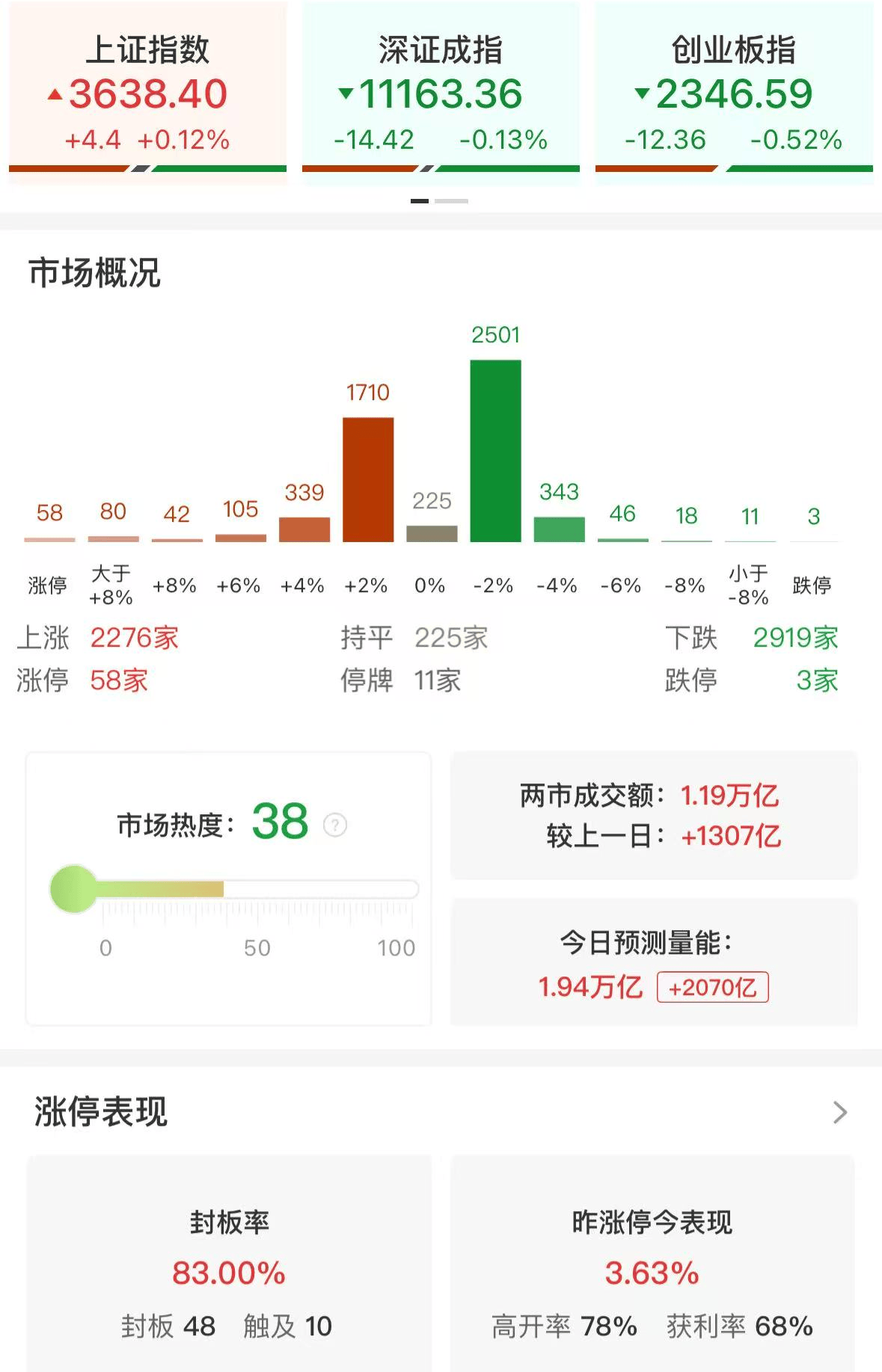
A股午评:沪指涨0.12%,超2200股上涨!半导体板块领涨,医药股普跌
Ge Long Hui· 2025-08-07 03:44
盘面上,半导体板块走强,晶华微、富满微、东芯股份20cm涨停,美国将对芯片和半导体征收约100% 的关税,在美建厂可豁免;医疗器械板块逆势上涨,利德曼、赛诺医疗、中红医疗20cm涨停,第十一 批国家组织药品集采报量正式启动;乳业股走高,贝因美涨近6%,骑士乳业涨近3%;苹果概念股普 涨,畅联股份、朝阳科技涨停,宁波韵升涨超8%。 另外,医药板块跌幅居前,千红制药跌停,博瑞医药、华海药业跌超6%;小金属、钢铁板块走低,西 宁特钢跌超9%,西部材料跌超7%。(格隆汇) A股三大指数涨跌不一,截至午盘,沪指涨0.12%报3638.4点,深成指跌0.13%,创业板指跌0.52%,北 证50指数涨0.43%。沪深京三市半日成交额12062亿元,较上日放量1327亿元,全市场超2200只个股上 涨。 ...
立即生效!中证A500ETF龙头宣布更名,A500ETF龙头(563800)均衡配置各行业龙头,成分股杰瑞股份10cm涨停
Xin Lang Cai Jing· 2025-08-07 03:14
兴业证券表示,支撑本轮行情的核心逻辑依然未被破坏,并且后续依然有较多提振市场信心的潜在催 化,新一轮行情随时可能启动。无论是8月GPT5发布等产业趋势的催化、中美商谈情况的落地,还是9 月3日阅兵活动、10月"十五五"规划会议等支撑国内中长期的宏大叙事,当前市场对于有利于风险偏好 的政策和事件反应都愈发积极。 A500ETF龙头(563800),均衡配置各行业优质龙头企业,一键布局A股核心资产;场外联接(A类: 022424;C类:022425;Y类:022971)。 截至8月6日,A500ETF龙头近6月净值上涨8.88%。从收益能力看,截至2025年8月6日,A500ETF龙头 自成立以来,最高单月回报为4.54%,最长连涨月数为3个月,最长连涨涨幅为10.12%。截至2025年8月 6日,A500ETF龙头近3个月超越基准年化收益为8.26%。 A500ETF龙头紧密跟踪中证A500指数,中证A500指数从各行业选取市值较大、流动性较好的500只证券 作为指数样本,以反映各行业最具代表性上市公司证券的整体表现。据了解,中证A500指数行业分布 均衡,传统行业和新兴行业各占一半,同时增加医药、新能源、计算 ...

生物制造如何重塑化工产业基因?「绿色化工与新材料」专场发布!@ SynBioCon 2025大会
合成生物学与绿色生物制造· 2025-08-06 13:09
Core Viewpoint - The article emphasizes that biomanufacturing is becoming a key engine for the transformation and upgrading of the chemical industry, driven by the global green transition and "dual carbon" goals [2]. Group 1: Biomanufacturing and Chemical Industry Transformation - Biobased materials, derived from renewable biomass such as starch, cellulose, and fats, are fundamentally changing the linear economic model of "mass production, mass consumption, and mass waste" through a circular economy approach [2]. - Synthetic biology and biomanufacturing utilize biomass as raw materials, leveraging the metabolic functions of microorganisms, cells, and enzymes to achieve large-scale production of target products [3]. - Key pathways for the green transformation of the chemical industry include the development of non-food biobased synthetic products, green biomanufacturing of plastic monomers like dicarboxylic acids and diols, utilization and conversion of one-carbon resources like CO2, and enzymatic recycling of waste plastics [3]. Group 2: Upcoming Conference and Expert Participation - The Fourth Synthetic Biology and Green Biomanufacturing Conference will be held from August 20-22 in Ningbo, Zhejiang, featuring a session on green chemicals and new materials with participation from prominent experts and representatives from biomanufacturing companies [4]. - Notable speakers include Professor Wang Dan from Chongqing University, Professor Xue Chuang from Dalian University of Technology, and Yang Shihui, founder of Wuhan Ruijia Kang, who will discuss various aspects of biomanufacturing and its applications [6][7]. Group 3: Conference Agenda Highlights - The conference will include discussions on cell factory design, microbial cell factories for plastic monomers, and green separation and purification technologies in synthetic biology [30][35]. - A special focus will be on the application of non-food biomass sugars in synthetic biology and green biomanufacturing, showcasing flexible production platforms [7]. - The agenda also features a series of forums on AI empowerment in biomanufacturing and future food and agriculture innovations [14][43]. Group 4: Industry Collaboration and Research - The conference is organized by DT New Materials in collaboration with various academic and research institutions, highlighting the importance of industry-academia partnerships in advancing biomanufacturing technologies [10][16]. - The event aims to promote the sharing of innovative research and practical applications in the field of biomanufacturing, contributing to the overall growth of the industry [39].

40+专家与企业分享!第四届合成生物与绿色生物制造大会(8月20-22日,宁波)
合成生物学与绿色生物制造· 2025-08-04 16:07
Core Viewpoint - The fourth Synthetic Biology and Green Bio-Manufacturing Conference (SynBioCon 2025) will be held from August 20-22 in Ningbo, Zhejiang, focusing on the integration of AI with bio-manufacturing, green chemicals, new materials, future food, and agriculture [2]. Group 1: Conference Overview - The conference aims to explore the development trends of the bio-manufacturing industry during the 14th Five-Year Plan, innovations driven by AI, and the technologies that will sustain the vitality of the bio-manufacturing sector [2]. - Various activities will be held concurrently, including a Youth Forum on Bio-Manufacturing, a high-level roundtable discussion, and a closed-door seminar on the "2025 Blue Book for AI Empowering Bio-Manufacturing Innovation" [2][3]. Group 2: Organizing Institutions - The conference is organized by Ningbo Detaizhong Research Information Technology Co., Ltd. (DT New Materials) and supported by several academic and industry institutions, including Peking University Ningbo Institute of Ocean Medicine and the Zhejiang Synthetic Biology Industry Technology Alliance [3][4]. Group 3: Conference Schedule - The first day includes registration, a high-level roundtable discussion, and a Youth Forum focused on discovering innovative achievements in bio-manufacturing [7][9]. - The second day features a macro forum on bio-manufacturing, thematic forums on green chemicals and new materials, and a welcome dinner [8][20]. - The third day will cover AI applications in bio-manufacturing and discussions on future food and agriculture [25][28]. Group 4: Key Topics and Presentations - The conference will address topics such as enzyme molecular engineering, the design of humanized "4D" collagen, and the synthesis of polyglutamic acid in bio-manufacturing [11][14]. - Presentations will include case studies on AI applications in bio-manufacturing and discussions on the development of new functional sugars and probiotics [18][28]. Group 5: Industry Mapping - DT New Materials will release the "China Synthetic Biology Industry Distribution Map (2025 Edition)" during the conference, which includes a list of over 500 representative companies in the bio-manufacturing sector [35][36].

持有4年终于回本,医药基金还能拿吗?
天天基金网· 2025-08-04 11:17
Core Viewpoint - The article discusses the volatility and potential investment opportunities in the pharmaceutical sector, particularly focusing on the impact of pricing policies and market sentiment on stock valuations [2][6][9]. Group 1: Market Sentiment and Valuation - The pharmaceutical sector experienced a significant downturn following the implementation of centralized procurement policies, leading to a loss of confidence in the industry's growth prospects [2][3]. - Despite the downturn, there were signs of recovery in the pharmaceutical sector, especially in the Hong Kong innovative drug market, with nearly ten pharmaceutical funds doubling or nearing double their net values by the end of July 2021 [3][4]. - Recent U.S. policies demanding price reductions from major pharmaceutical companies have negatively impacted stock prices in the innovative drug sector globally, including Hong Kong [4][6]. Group 2: Valuation Metrics - The article highlights the importance of valuation metrics such as Price-to-Earnings (PE) and Price-to-Book (PB) ratios in assessing pharmaceutical companies. The Hong Kong innovative drug index has a dynamic PE ratio of approximately 40 times, indicating a 42% percentile, while the PB ratio is around 4 times, at the 100% percentile [6][7]. - Mature and profitable pharmaceutical companies tend to rely more on PE ratios, while innovative and raw material pharmaceutical companies, which have high R&D costs, are better assessed using PB ratios [7]. Group 3: Investment Opportunities - The article suggests that high-quality pharmaceutical companies may be undervalued due to market panic, presenting potential investment opportunities as their stable cash flows and growth potential are overlooked [8]. - The long-term value of pharmaceutical companies is ultimately supported by their actual profitability and growth potential, which may lead to significant price increases after a period of stagnation [9].

特朗普逼跨国药企砍价:哪些中国企业获益?
Hu Xiu· 2025-08-03 05:34
Core Viewpoint - The article discusses the significant price disparity of prescription drugs in the U.S. compared to other developed countries, leading to new policies aimed at price control and the potential impact on multinational pharmaceutical companies and emerging markets [1][2]. Group 1: U.S. Drug Pricing Policies - U.S. prescription drug prices are 2-3 times higher than those in other developed countries, with some innovative drugs priced at 10 times higher than in China [1] - New policies require pharmaceutical companies to provide "most favored nation pricing" to U.S. Medicare, sign contracts for price locking, renegotiate overseas prices to "repatriate profits," and promote direct sales for price transparency [1][2] - The Pharmaceutical Research and Manufacturers of America (PhRMA) criticized these policies, claiming they would undermine U.S. innovation [1][2] Group 2: Multinational Pharmaceutical Companies' Strategies - Companies like Johnson & Johnson, Pfizer, and Merck are adopting multi-faceted strategies to balance profits and compliance, including adjusting global pricing strategies [3] - Some companies are lowering prices in the U.S. while increasing prices in other markets to maintain profit margins, with AstraZeneca already announcing price reductions for certain drugs in the U.S. [3][4] - To offset profit losses, companies may raise prices in emerging markets like China, where the annual treatment cost for PD-1 drugs is approximately 1.16 million yuan, ten times higher than in China [4] Group 3: Cost Optimization Strategies - Cost reduction is a core objective, leveraging China's low-cost advantages, where biopharmaceutical R&D costs are 1/5 to 1/10 of those in the U.S. [5] - Pfizer has signed over $1 billion in CDMO orders with Chinese companies to transfer some biopharmaceutical production to China, reducing production costs by 30% [5][6] - Companies are also transferring non-core technologies to China to avoid tariffs and lower costs, such as Pfizer's collaboration with Chinese firms to establish PD-1 production bases [6][7] Group 4: Legal and Policy Maneuvering - Industry associations and pharmaceutical companies are using legal and political avenues to resist new policies, with PhRMA planning to appeal to the WTO regarding the "most favored nation pricing" requirement [10] - They are lobbying Congress, arguing that foreign price controls could reduce U.S. R&D investment by $10 billion annually [10] Group 5: Opportunities and Challenges for Chinese Companies - Chinese companies are positioned to benefit from accelerated domestic substitution, with local biosimilars gaining price advantages [11] - CDMO businesses are expanding, with WuXi Biologics reporting a 144% year-on-year increase in CDMO revenue in the first half of 2025 [12] - Chinese pharmaceutical companies are also achieving breakthroughs in international markets through licensing agreements, with total upfront payments reaching $2.329 billion in the first half of 2025 [13] Group 6: Beneficiary Companies - Companies in the biosimilar sector, such as Innovent Biologics and Antengene, are expected to gain market share as multinational firms raise prices in China [16] - WuXi Biologics is recognized as a leading global CDMO, while other companies like Eastone and Hengrui are also expanding their CDMO projects [17] - Chinese firms that have established production facilities in India and Southeast Asia, like Huahai Pharmaceutical, are likely to benefit from reduced reliance on the U.S. market [19]



【议程抢先看】第四届合成生物与绿色生物制造大会(8月20-22日,宁波)
合成生物学与绿色生物制造· 2025-08-03 02:25
Core Viewpoint - The fourth Synthetic Biology and Green Bio-Manufacturing Conference (SynBioCon 2025) will be held from August 20-22 in Ningbo, Zhejiang, focusing on the integration of AI with bio-manufacturing, green chemicals, new materials, future food, and agriculture [2]. Group 1: Conference Overview - The conference aims to explore the development trends of the bio-manufacturing industry during the 14th Five-Year Plan, innovations driven by AI, and the technologies and products that will sustain the vitality of the bio-manufacturing sector [2]. - Various activities will be held concurrently, including a Youth Forum on Bio-Manufacturing, a high-level roundtable discussion, and a closed-door seminar on the "2025 Blue Book for AI Empowering Bio-Manufacturing Innovation" [2][3]. Group 2: Organizing Institutions - The conference is organized by Ningbo Detaizhong Research Information Technology Co., Ltd. (DT New Materials) and supported by several academic and industry institutions, including Peking University Ningbo Institute of Ocean Medicine and the Zhejiang Synthetic Biology Industry Technology Alliance [3][4]. Group 3: Conference Schedule - The first day includes registration, a high-level roundtable discussion, and a Youth Forum focused on discovering innovative achievements in bio-manufacturing [7][9]. - The second day features a macro forum on bio-manufacturing, thematic forums on green chemicals and new materials, and a closed-door seminar on AI applications in bio-manufacturing [8][20]. - The third day will showcase case studies of AI applications in bio-manufacturing and thematic discussions on future food and agriculture [24][26]. Group 4: Industry Mapping - The conference will also announce the "China Synthetic Biology Industry Distribution Map (2025 Edition)," which includes a list of over 500 representative enterprises in the bio-manufacturing sector [28][29].