
星巴克

Search documents
霸王茶姬(CHA.US)在美国再开新店,选址全美前十大购物中心
Sou Hu Cai Jing· 2025-09-18 03:59
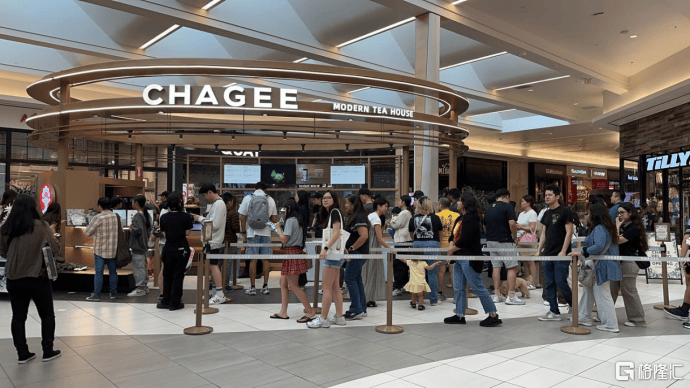
Core Insights - Bawang Chaji opened its second store in North America on September 12, 2025, in Del Amo Fashion Center, Los Angeles, which was well-received by local residents with over 100 people queuing by 8:30 AM on opening day [1] - The store is strategically located in one of the top ten shopping centers in the U.S., near popular brands like Apple, H&M, ZARA, and Starbucks [1] Company Developments - In 2025, Bawang Chaji has been active in the U.S. market, having gone public on NASDAQ in April and opening its first U.S. store in Los Angeles in May, selling over 5,000 cups of tea on the first day [3] - The company announced the hiring of Emily Chang as Chief Business Officer for North America and Aaron Harris as Chief Development Officer for North America, both of whom have extensive experience in major companies [3] - Emily Chang previously held significant positions at WPP, McCann Worldgroup, Starbucks China, and InterContinental Hotels Group, while Aaron Harris has a strong background in the restaurant industry, having worked at Dutch Bros Coffee and Popeye's Louisiana Kitchen [3]

科技融合人文 星巴克SITC数字化成果全面赋能门店、产品、伙伴三大领域
Huan Qiu Wang· 2025-09-18 02:41
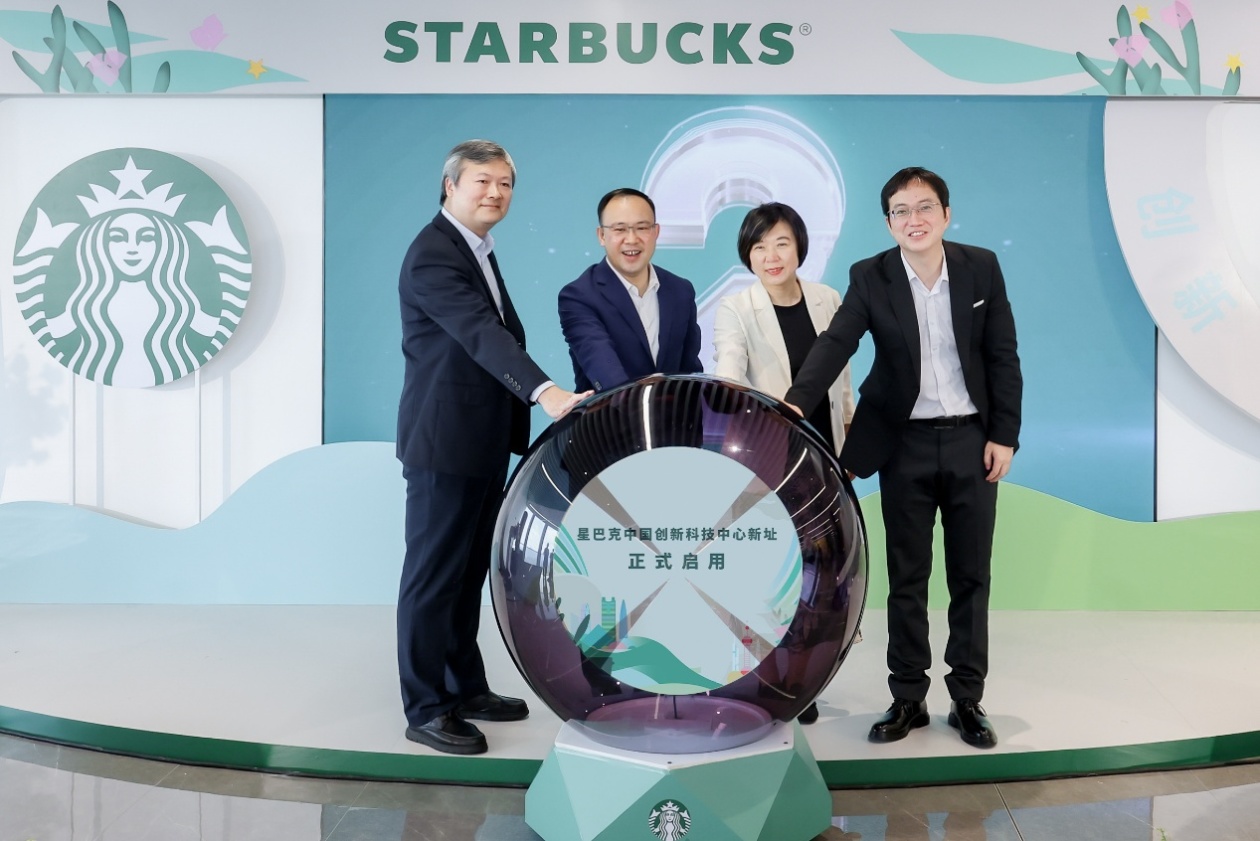
Core Insights - Starbucks China Innovation and Technology Center (SITC) has announced its digital transformation achievements and relocation to the Shenzhen River Innovation Center [1][3] - The company aims to enhance its competitive advantage through AI technology, focusing on creating a unique customer experience by integrating technology with human elements [3][11] Digital Transformation - SITC has invested in electronic menu boards across most Starbucks locations, enhancing customer interaction and creating a personalized digital experience [3][4] - The electronic menu boards allow for flexible product offerings based on local customer demographics and time-specific demands, supporting personalized and localized marketing strategies [4] Product Innovation - Starbucks has launched a breakfast testing project in Shenzhen, utilizing big data insights to develop new products tailored to customer preferences, such as "Daily Black Coffee" and "Daily Milk Coffee" [7] - The introduction of the "True Flavor Sugar-Free" system allows for over 500 customizable drink combinations, showcasing the company's commitment to data-driven product innovation [9] Operational Efficiency - SITC has implemented automated inventory management systems, significantly reducing operational burdens on staff and improving efficiency [10] - The deployment of IoT systems in over 7,500 stores has led to substantial energy savings, exceeding 50 million yuan annually [10] AI Integration - Starbucks is leveraging AI to create a more personalized customer experience, with plans to develop "interest community spaces" in over 1,800 stores [11] - AI will play a crucial role in the entire product innovation lifecycle, enhancing the efficiency and success rate of new product development [11] Partner Empowerment - The company plans to equip each partner with an AI assistant to streamline routine tasks, allowing them to focus on more creative and customer-centric activities [13] - The relocation to the new center aims to attract diverse talent and foster collaboration for innovation in the Chinese retail sector [13]

AI赋能满足客制化需求!星巴克中国创新科技中心迁址河套
Nan Fang Du Shi Bao· 2025-09-18 01:40
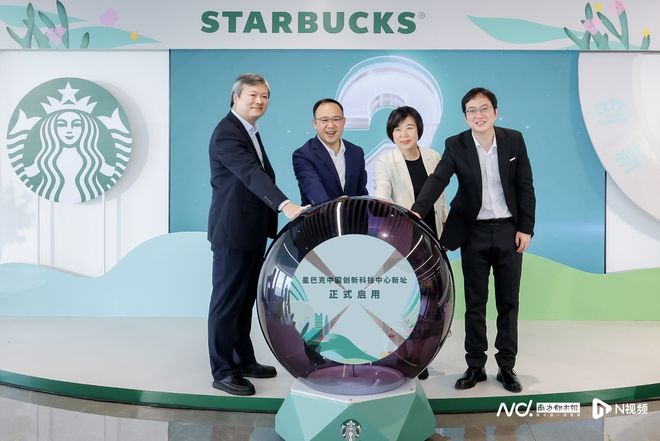
Core Insights - Starbucks China Innovation and Technology Center (SITC) has announced its digital achievements since its establishment and its relocation to the Shenzhen River Innovation Center [1][3] - The center aims to transform Starbucks China into a fully digital experience-driven coffee company, leveraging AI technology to enhance customer experiences and operational efficiency [3][4] Group 1: Digital Transformation and Innovation - SITC has focused on three core areas: stores, products, and partners, emphasizing personalized and human-centered technological innovations to enhance customer service [3] - The introduction of electronic menu boards in most stores aims to create a unique digital experience for customers in the "third space" [3] - The "True Taste No Sugar" innovation system allows for over 500 customizable drink combinations by separating flavor and sweetness data, showcasing Starbucks' commitment to data-driven product innovation [4] Group 2: Operational Efficiency and Automation - SITC has simplified and automated store operations, enabling partners to focus more on coffee craftsmanship and customer engagement [4] - AI management tools assist in workforce scheduling and multi-store coordination, allowing for precise workload predictions and streamlined personnel management [4] - The implementation of IoT systems in over 7,500 stores has led to significant energy savings, exceeding 50 million yuan annually, by optimizing operational efficiency [5] Group 3: Competitive Advantage and Future Outlook - With over 7,800 stores and a robust digital infrastructure, Starbucks China continues to enhance its competitive edge through innovative technology solutions [5] - The future vision includes evolving stores into intelligent spaces that understand and predict customer needs, further personalizing the Starbucks experience [5]
从一杯咖啡到第三空间,星巴克如何用数智化赋能咖啡体验?
3 6 Ke· 2025-09-17 13:55
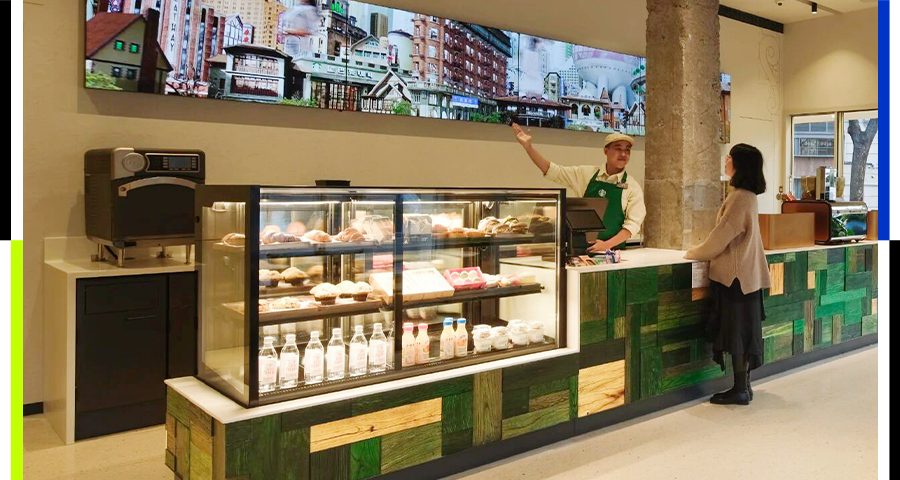
Core Insights - Technology is transforming consumer logic, shifting from mere transactions to building long-term relationships between brands and consumers [4][5][6] - Starbucks' innovation through its Shenzhen Innovation Technology Center (SITC) exemplifies the integration of technology and consumer experience, enhancing its competitive edge in the Chinese market [6][9][32] Technology and Consumer Experience - The evolution of consumer expectations highlights the demand for personalized interactions, with 71% of consumers wanting brands to provide tailored experiences [5] - The concept of "third space" at Starbucks has evolved to encompass not just coffee consumption but also social and emotional connections, supported by technological advancements [11][13][22] Starbucks' Digital Transformation - SITC's mission is to empower partners through technology, allowing them to focus on customer engagement rather than operational tasks [23][29] - The implementation of automated inventory management and AI tools has streamlined operations, enabling partners to enhance customer interactions [24][25][26] Product Innovation and Personalization - Starbucks leverages data-driven insights to innovate its product offerings, exemplified by the recent breakfast project in Shenzhen, which aligns with local consumer habits [17][19] - The "True Taste No Sugar" initiative showcases how technology enables customization across various beverage categories, providing consumers with unique experiences [19][21] Balancing Scale and Personalization - SITC addresses the inherent conflict between brand scalability and consumer personalization, creating a framework that allows for efficient operations while delivering tailored experiences [21][32] - The integration of technology not only enhances operational efficiency but also enriches the emotional value of consumer interactions, moving from a one-size-fits-all approach to a more individualized service [21][32] Commitment to Innovation - Starbucks has committed approximately 1.5 billion RMB to SITC over the next three years, aiming to attract talent and resources for ongoing innovation [32] - The establishment of SITC represents Starbucks' long-term investment in the Chinese market, positioning it as a model for digital transformation in the retail and coffee industry [32]
拟出售在华资产之际,星巴克15亿深圳新设科技中心
2 1 Shi Ji Jing Ji Bao Dao· 2025-09-17 11:56
Core Viewpoint - Starbucks is establishing its China Innovation and Technology Center (SITC) in Shenzhen while simultaneously preparing to sell its Chinese business, indicating a strategic shift to enhance digital capabilities and operational efficiency amidst increasing competition in the coffee market [2][5][6]. Group 1: Starbucks' New Initiatives - The SITC, launched with an initial investment of approximately 1.5 billion yuan, aims to serve as Starbucks' innovation hub and digital headquarters in China, focusing on enhancing technology and data infrastructure [2][3]. - Over the past two years, SITC has facilitated significant digital advancements, including the upgrade of over 7,800 stores to electronic menu boards and the implementation of a new product innovation system that offers over 500 coffee combinations [3][4]. - The center is also involved in various major projects related to user experience, product innovation, supply chain, and partner development, leveraging Shenzhen's vibrant innovation ecosystem [4]. Group 2: Business Sale and Market Context - Reports indicate that major investment firms, including Carlyle, EQT, Sequoia China, and Boyu Capital, are preparing final bids for a controlling stake in Starbucks China, with a decision expected by the end of October [5][6]. - Starbucks' CEO has expressed confidence in the Chinese market, emphasizing the intention to retain a significant stake in the business while seeking partners to support future growth [7]. - Despite a recent revenue decline of 7% year-over-year in Q4 2024, Starbucks China has shown signs of recovery, with a net income of $790 million in Q3, marking an 8% increase [7][8]. Group 3: Competitive Landscape - The Chinese coffee market is rapidly evolving, with local brands like Luckin Coffee and Kudi gaining market share through competitive pricing and quick service, posing challenges for Starbucks [6][9]. - Data shows that while Starbucks has expanded to over 7,828 stores in China, local competitors are aggressively penetrating lower-tier cities, with Luckin Coffee having nearly 35% of its stores in these markets [9][10]. - The coffee industry in Shenzhen is particularly robust, with a market size projected to grow from 47.64 billion yuan to 178 billion yuan over the next five years, highlighting the potential for further expansion [8][9].
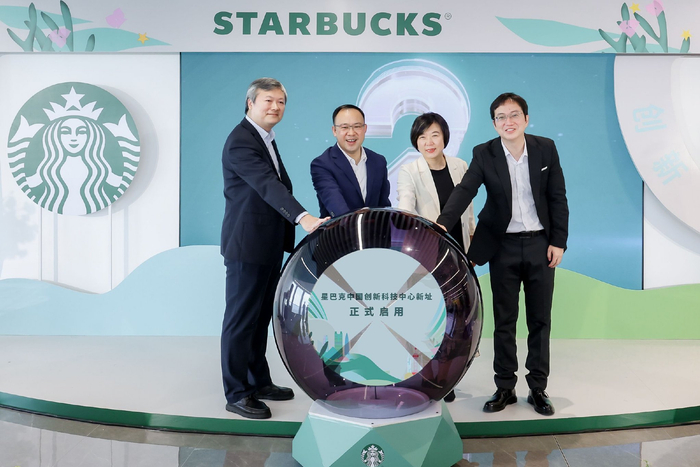
秉持“科技融合人文”理念 星巴克中国创新科技中心发布数字化成果
Zheng Quan Ri Bao Zhi Sheng· 2025-09-17 10:16
Core Insights - Starbucks China Innovation and Technology Center (SITC) has announced its digital achievements since its establishment and has relocated to a new site in Shenzhen [1][3] - The company aims to transform into a fully digital experience-driven coffee company, leveraging AI technology to enhance customer experiences and operational efficiency [3][7] Digital Transformation - SITC focuses on three core areas: stores, products, and partners, emphasizing personalized and human-centered technological innovations [3][5] - The introduction of electronic menu boards in stores allows for personalized and localized product offerings based on customer demographics and time of day [3][4] Product Innovation - A breakfast testing project in Shenzhen has been launched, utilizing data insights to create tailored coffee options and food pairings for local consumers [5] - The "True Flavor No Sugar" innovation system allows for over 500 customizable drink combinations, enhancing customer personalization [5] Operational Efficiency - Automation and data-driven tools have been implemented to streamline store operations, allowing partners to focus more on customer engagement and coffee craftsmanship [6] - The "Rainbow System" for inventory management has been upgraded to optimize supply chain efficiency, predicting demand accurately for the entire year [6] AI Integration - Starbucks is enhancing its competitive edge through AI, which will enable stores to better understand and meet customer needs, creating a more intelligent retail environment [7][8] - AI assistants will be provided to partners, helping them focus on creative tasks rather than routine work, thus enhancing overall productivity [8] Future Outlook - The relocation to the new Shenzhen site aims to attract diverse talent and foster collaboration, driving innovation in the Chinese retail sector [8]
星巴克中国创新科技中心对外发布数字化成果
Bei Jing Shang Bao· 2025-09-17 08:34
Core Insights - Starbucks China Innovation Technology Center (SITC) has announced its digital transformation achievements and relocation to a new site in Shenzhen [1] - The company has invested in electronic menu boards across most of its stores, enhancing customer interaction and allowing for flexible product offerings based on local market demands [1] - A breakfast testing project has been launched in Shenzhen, focusing on consumer insights to develop new coffee products and optimize pricing strategies [1] Group 1 - SITC has completed the upgrade of electronic menu boards in most stores, providing a new digital communication interface for consumers [1] - The electronic menu boards enable personalized and localized product offerings, allowing for agile deployment of market activities [1] - The breakfast project in Shenzhen utilizes big data insights to create tailored coffee options and food pairings, with plans for broader rollout based on market feedback [1] Group 2 - Starbucks China aims to leverage AI technology to create innovative opportunities that blend technology with human experience [2] - The company seeks to enhance its unique competitive advantages in stores, products, and partnerships to deliver richer value to consumers [2]
8秒出餐,横扫全球,取代星巴克指日可待?
Hu Xiu· 2025-09-17 00:31
一堆外国人会像我们曾经追逐日本动漫,好莱坞电影一样,打破头去抢我们中国的文化商品,欧美明星 争先上身。虽然知道这一天会迟早会到来,但是还是没想到会来的这么快,我们终于也像列强一样,用 塑料和化纤换他们手里的钱了。我愿意把这个转折叫做泡泡玛特时刻,未来会有越来越多的中国消费品 品牌经历这个时刻。 ...
星巴克买家将定 红杉中国、博裕资本等机构入围决赛
Zhong Guo Jing Ying Bao· 2025-09-16 13:26
Core Viewpoint - Starbucks is in the final bidding stage for the sale of its China business, with results expected by the end of October 2023, as interest from over 20 institutions has been expressed [1][2] Group 1: Investment Interest and Bidders - A consortium including Boyu Capital, Carlyle Group, Sequoia China, Springhill Capital, and EQT has reached the final round of bidding for Starbucks China [1] - Starbucks CEO Brian Niccol mentioned that the company is looking for a strategic partner that aligns with its values, with over 20 interested parties [1][2] - Notable bidders have strong investment records in the consumer sector, with Sequoia China and Boyu Capital having made significant investments in various brands [3] Group 2: Financial Performance and Market Context - In Q2 2025, Starbucks China generated $790 million in revenue, accounting for approximately 8% of total revenue and nearly 40% of international revenue outside North America [1] - Starbucks China had previously indicated intentions to adjust its business strategy in the region, with revenue growth of 5% and 8% in the first two quarters of 2023 [2] - The competitive landscape in the Chinese coffee market has intensified, with local brands like Luckin Coffee and Kudi Coffee gaining market share through lower-priced products [4] Group 3: Strategic Considerations - Retaining a stake in the China business may help maintain Starbucks' brand valuation and market appeal, as complete divestment could signal a lack of confidence in the market [1][5] - Starbucks aims to preserve control over product quality and brand image by not fully transferring operational control to franchisees [5] - The company is focusing on expanding its presence in lower-tier cities and optimizing its store expansion strategy [8] Group 4: Market Trends and Consumer Behavior - The coffee market in China has seen significant investment activity, with nearly 60 financing events from 2021 to 2023, although investment enthusiasm has waned in the latter half of 2023 [3] - Starbucks is exploring new retail channels and community engagement through partnerships, such as with Xiaohongshu, to create themed community spaces in its stores [8][9] - The company is adapting its definition of "community" to include online interest-based groups, aiming to attract younger consumers [9]
假如星巴克和瑞幸门店相距100米,哪个店更赚钱?
Hu Xiu· 2025-09-16 09:04
Group 1 - The article discusses the competitive landscape between Luckin Coffee and Starbucks in China, questioning whether they will be evenly matched or if one will dominate the other [1] - It highlights the impact of the delivery battle on various brands, suggesting that the surge in demand may challenge Starbucks' ability to sustain its market position in China [1] - A survey was conducted to gain insights into the situation, indicating a need for deeper analysis of the competitive dynamics between these two companies [1] Group 2 - The article raises concerns about Starbucks' future in the Chinese market amidst increasing competition from local brands like Luckin Coffee [1] - It emphasizes the significance of the delivery service in shaping consumer preferences and brand performance in the coffee industry [1] - The competitive strategies employed by both companies are likely to influence their market share and profitability moving forward [1]